Working group
The Anatolian Shepherd descends from ancient Turkish livestock guardian dogs that worked the harsh plains of central Turkey for thousands of years, selected purely for their ability to deter wolves and bears without constant supervision. The breed was formalised in the West in the twentieth century, while in Turkey closely related regional types, including the Kangal, continued to be bred as working stock rather than show dogs.
Anatolian Shepherd
The Anatolian Shepherd is an ancient Turkish livestock guardian built for independence and vigilance rather than obedience or sociability. It needs real space, secure fencing and an owner who wants a guardian, not simply a very large pet.
Reviewed by the SniffScroll editorial desk
A guardian, not a pet: an ancient Turkish flock protector built for independence, space and nightly vigilance.
The short version
- Bred for thousands of years to guard flocks unsupervised, not to obey commands.
- Needs secure fencing of at least six feet and real outdoor territory to patrol.
- Barks heavily at night at perceived threats; a poor fit for close neighbours.
- Copes very well with being left alone, more than almost any other breed.
- Closely related to but not interchangeable with the separately recognised Kangal.
- Weight
- 40 to 65 kg
- Height
- 71 to 84 cm
- Lifespan
- 11 to 13 yrs
- Size
- Giant
- Group
- Working
- Coat
- Short to medium double coat, weather resistant, in fawn, biscuit, brindle or white, usually with a black mask.
- Grown male
- 50 to 65 kg
- Grown female
- 40 to 55 kg
- Years to full size
- about 2.5
- One-off setup
- €600 to 1500
Get one if…
- Rural or semi-rural homes with genuine land and livestock or property to guard
- Experienced owners comfortable with an independent-minded giant breed
- Households that accept nightly barking as normal guardian behaviour
- Owners who can provide secure, tall fencing and ongoing boundary management
- People seeking a loyal protector rather than an obedient companion dog
Think again if…
- Flats or homes with close neighbours sensitive to barking
- First-time dog owners hoping for quick obedience results
- Anyone wanting a dog that is instantly friendly with all visitors
- Households without secure six-foot-plus fencing
- Owners seeking a jogging or high-cardio exercise partner
Trait profile
The Anatolian Shepherd is an independent guardian first and a companion second, bred to patrol and protect without needing constant human direction.
Space & setup. This breed needs genuine outdoor territory to patrol, ideally a securely fenced garden or smallholding of real size; it is a poor match for flats or homes without a substantial, enclosed outdoor space.
Allergies. The Anatolian Shepherd has a dense double coat that sheds steadily year round with heavier seasonal blowouts, and it is not considered suitable for allergy sufferers.
Living with a Anatolian Shepherd
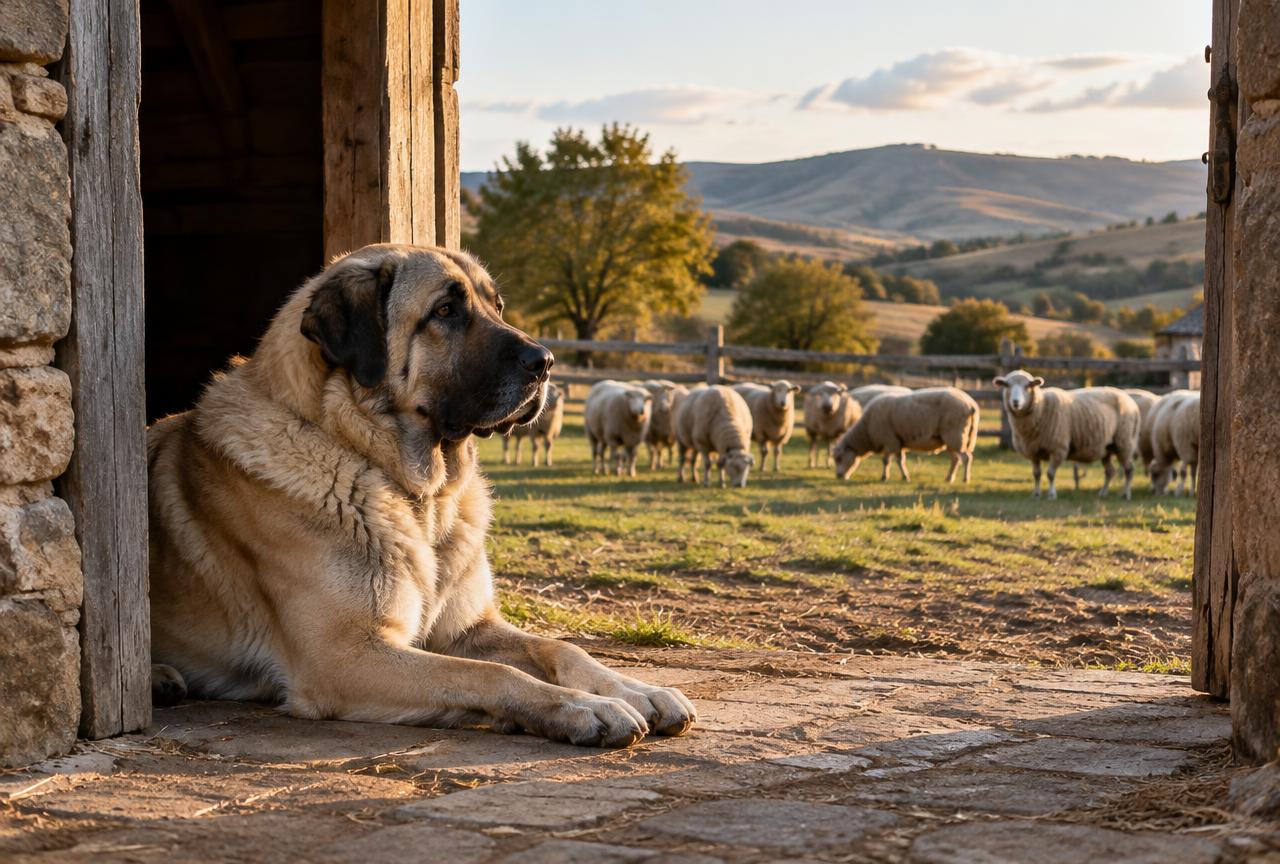
The Anatolian Shepherd is a giant livestock guardian bred over millennia on the Anatolian plateau to think for itself and protect flocks without human direction. It is loyal to its family, reserved with strangers, and happiest with a job, space and a fenced perimeter to patrol rather than a sofa to share.
The Anatolian Shepherd is one of the oldest working breeds still doing the job it was created for. For thousands of years, dogs of this type have lived with flocks on the Anatolian plateau in Turkey, making their own decisions about threats with no shepherd present to direct them. That history matters enormously for anyone considering one as a family dog, because almost every trait that defines the breed today traces back to a single requirement: the dog had to think and act alone. This is not a breed that was shaped to please people. It was shaped to protect livestock, and that distinction runs through everything from its trainability to its bark.
Temperamentally, the Anatolian Shepherd is calm and deeply loyal within its own family circle, but reserved to the point of suspicion with anyone it does not know. This is by design. A livestock guardian that greeted every visitor warmly would be useless at keeping predators away. In a home setting, this translates into a dog that is affectionate with its people but naturally wary of visitors, delivery drivers and unfamiliar dogs. Early, consistent socialisation helps the dog learn to distinguish between an ordinary visitor and a genuine threat, but it will rarely become a dog that adores strangers the way a retriever might. Owners should expect a dog that observes rather than greets.
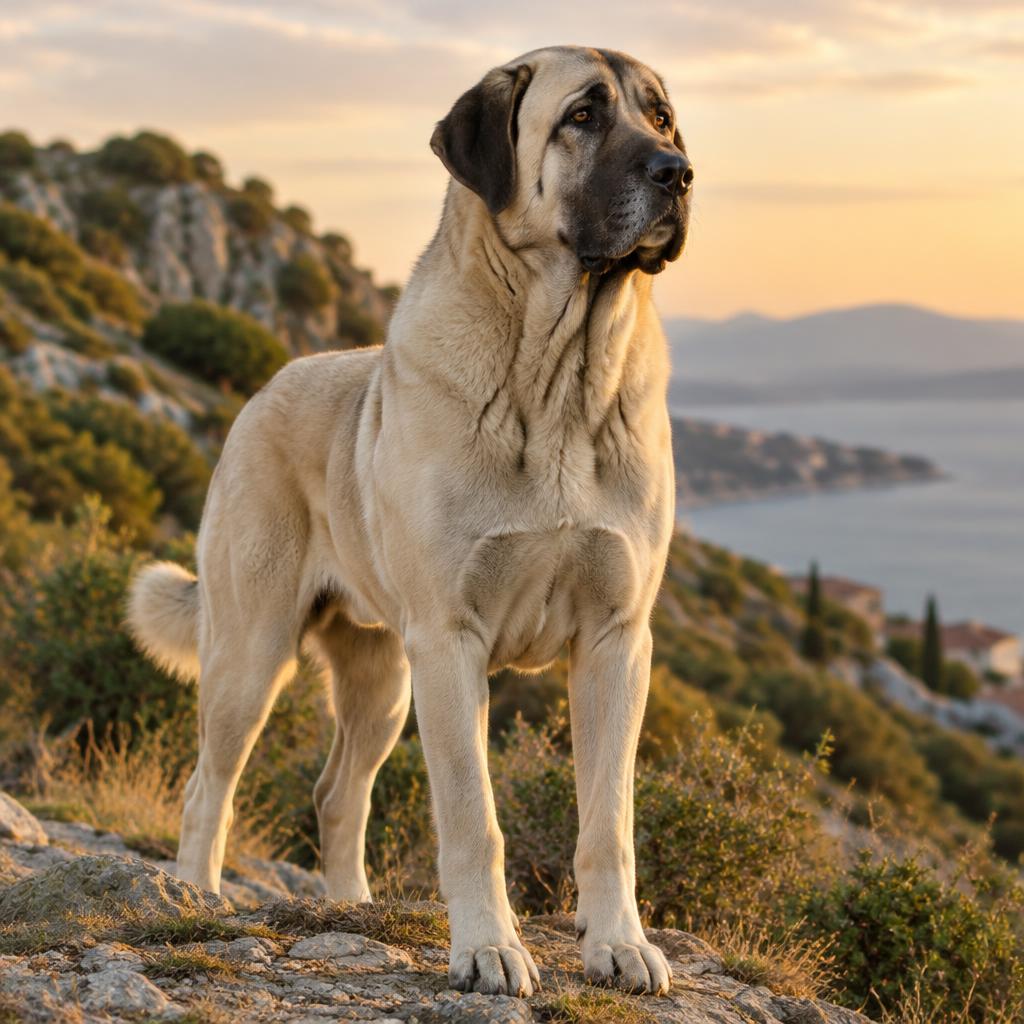
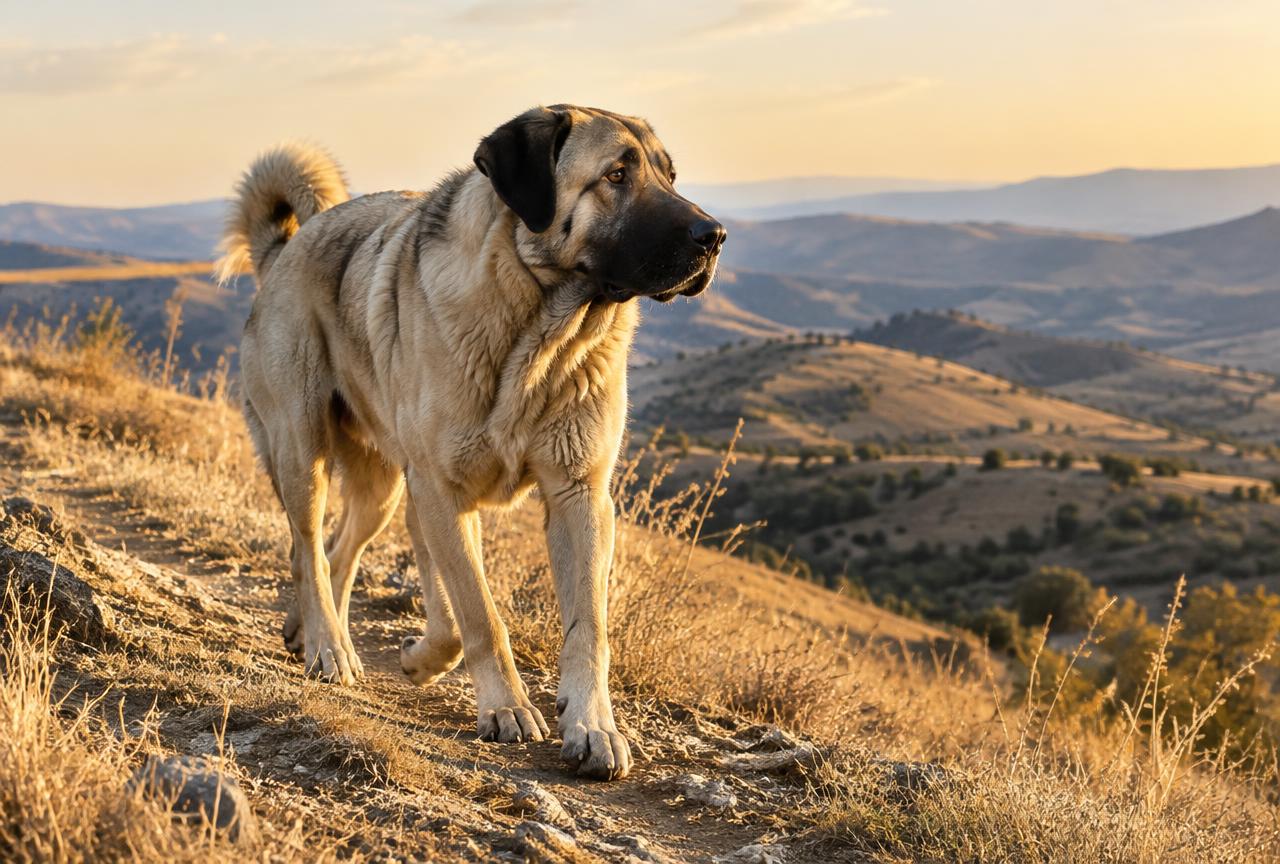
Size and space are not optional extras with this breed. A full-grown Anatolian Shepherd stands between 71 and 84 centimetres at the shoulder, with males typically weighing 50 to 65 kg and females 40 to 55 kg. This is a genuinely giant dog, and it needs room to patrol a boundary, not a garden to simply sit in. Secure fencing of at least six feet is essential, not because the breed is an escape artist in the Houdini sense, but because a determined, bored guardian will test and eventually find weaknesses in inadequate fencing if it believes there is territory beyond it to check. Flats and small urban gardens are a poor fit for this breed regardless of how much exercise is offered elsewhere.
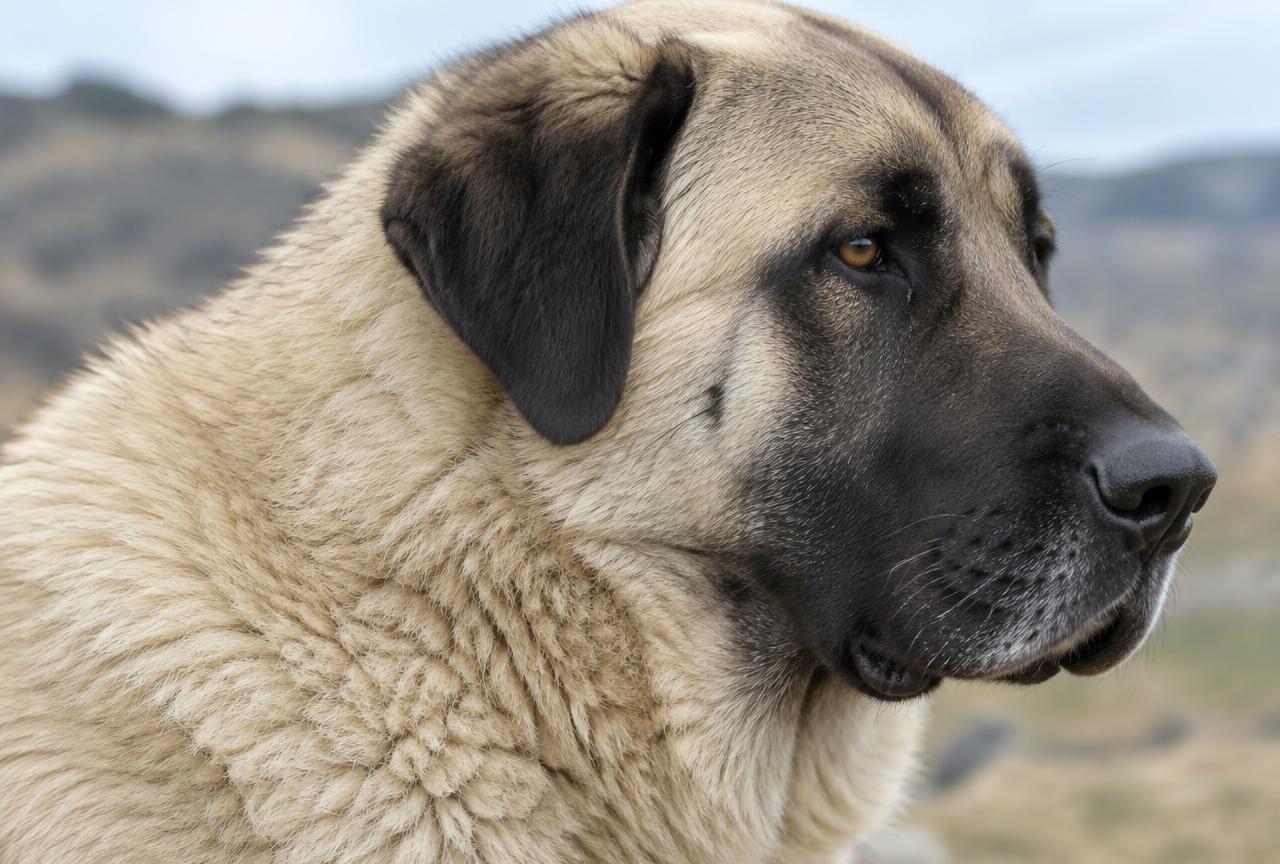
The breed's vocal habits surprise many new owners. Anatolian Shepherds were bred to bark loudly and persistently at anything unusual, often at night when flocks were most vulnerable, and this instinct has not faded with domestication. A household with close neighbours should think very carefully before taking one on, because nightly barking at perceived threats such as foxes, passing pedestrians or distant noises is normal behaviour for this breed, not a fault to be trained away entirely. Management and boundary training can reduce unnecessary barking, but a degree of nocturnal vigilance is baked into the breed's purpose.
Training an Anatolian Shepherd requires patience and realistic expectations. These dogs are intelligent, but their intelligence is oriented towards independent judgement rather than taking instruction, which means they often score poorly on conventional obedience measures while still being highly capable animals. Harsh handling backfires badly, as does expecting quick results. The most successful owners treat training as building mutual respect and clear boundaries over months and years, not as a weekend project. On the positive side, this same independence means the breed copes with being left alone far better than most dogs, since it was never meant to need constant human direction in the first place.
A common point of confusion is the relationship between the Anatolian Shepherd and the Kangal. In Turkey, regional livestock guardian types including the Kangal have long been bred and registered separately, and the Kennel Club of Turkey and the Kennel Club in the UK treat the Kangal as its own breed, while the American Kennel Club recognises the Anatolian Shepherd as a broader standardised type. The two are closely related Turkish landraces with overlapping ancestry, but they are not simply two names for the same dog, and prospective owners should be wary of sellers advertising 'Kangal' puppies outside Turkey, many of which are in fact Anatolian type dogs without verified Kangal lineage. Anyone seeking a specific type should ask breeders for clear documentation rather than taking labels at face value.
Physically, this is a slow-maturing giant breed, not reaching full size until around two and a half years old, and growth must be kept lean throughout puppyhood to protect developing joints. Health concerns centre on hip and elbow dysplasia, entropion and other eyelid conditions, bloat given the deep chest, anaesthetic sensitivity, hypothyroidism and juvenile joint problems, all of which responsible breeders should screen for. Exercise needs are moderate rather than extreme; this is not a jogging companion, and what it needs far more than cardio is purpose, territory and a settled, predictable household. For the right owner, typically rural or semi-rural, experienced with large working breeds and genuinely wanting a guardian rather than a pet, the Anatolian Shepherd offers a depth of loyalty and quiet competence that few other breeds can match.
The Anatolian Shepherd is not a companion dog in the usual sense; it is a working guardian that happens to live alongside a family. Owners who respect its independence and give it territory to patrol gain a fiercely loyal protector, but those hoping for an obedient, sociable giant breed will be disappointed.
Exercise, day to day
- 1Puppies: short, gentle walks only, keeping impact low while joints are still developing.
- 2Adults: one to two walks a day of 30 to 45 minutes, with access to a secure area to patrol.
- 3Purposeful activity: territory to guard or livestock to watch over satisfies this breed more than repetitive exercise.
- 4Mental stimulation: scent work and environmental enrichment suit the breed's watchful, independent nature.
- 5Avoid high-impact or endurance activities such as jogging, which do not match the breed's working style.
Grooming, realistically
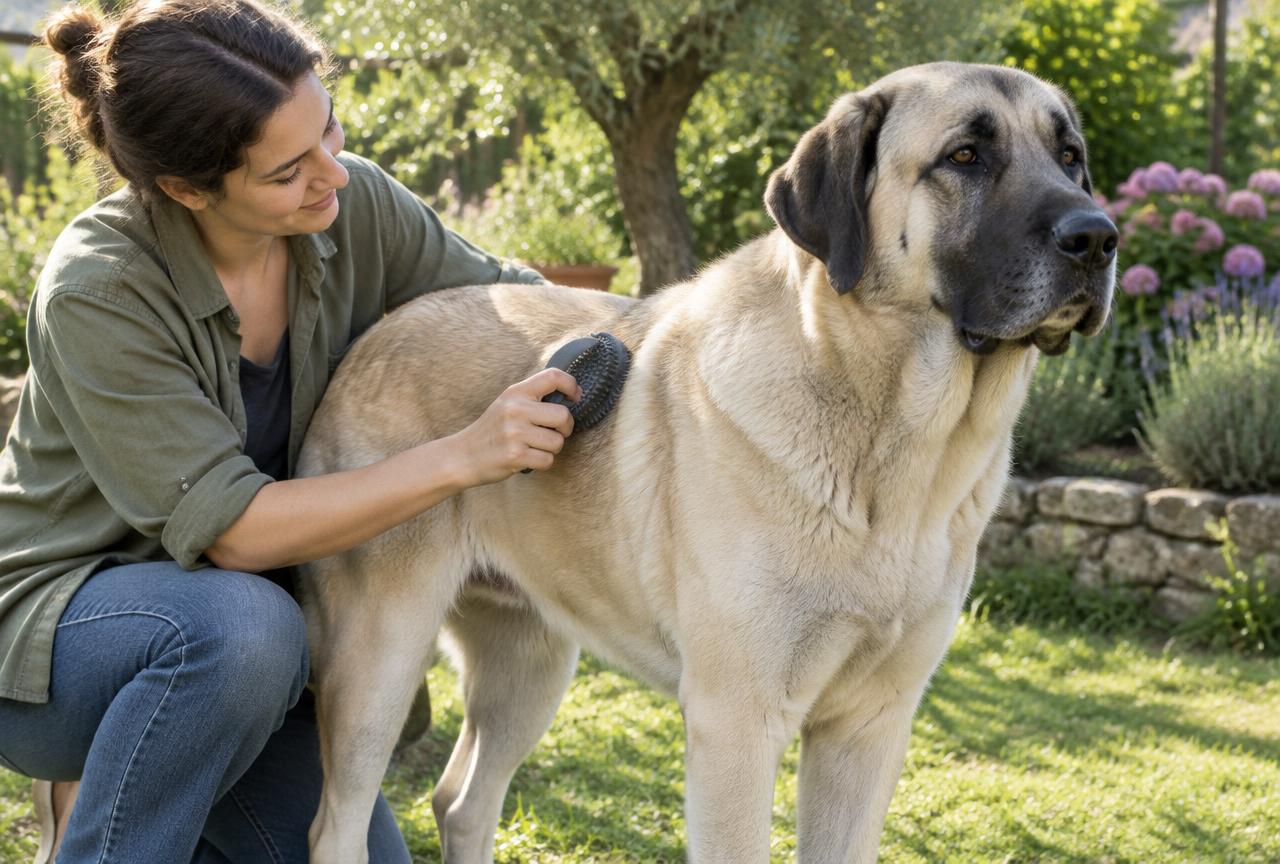
- 1Brush weekly with a slicker brush or undercoat rake to manage the dense double coat.
- 2Increase brushing to several times a week during the spring and autumn seasonal moult.
- 3Check ears weekly for wax build-up or odour, especially after outdoor work.
- 4Trim nails every three to four weeks, as this breed spends little time on hard surfaces to wear them naturally.
- 5Bathe only occasionally, as the weather-resistant coat is largely self-cleaning.
What you actually need
- Undercoat rake
- Slicker brush
- Deshedding comb
- Dog nail clippers or grinder
- Ear cleaning solution
- Sturdy outdoor grooming table or mat
Puppy to adult
| Age | Male | Female | What is happening |
|---|---|---|---|
| 8 weeks | 8 to 10 kg | 7 to 9 kg | Soft, clumsy puppy stage; keep exercise brief and surfaces soft to protect developing joints. |
| 3 months | 16 to 20 kg | 14 to 17 kg | Rapid early growth; avoid forced exercise or jumping while bones are still soft. |
| 6 months | 28 to 35 kg | 24 to 30 kg | Gaining height quickly; keep the puppy lean rather than heavy to protect hips and elbows. |
| 12 months | 38 to 48 kg | 32 to 42 kg | Adolescent and still far from mature; this is a slow-maturing giant breed with a long way to go. |
| 18 months | 45 to 55 kg | 38 to 48 kg | Approaching adult height but still filling out muscle; keep growth gradual and lean. |
| 2 years | 50 to 65 kg | 40 to 55 kg | Close to full adult size, though some individuals continue filling out slightly to two and a half years. |
Ranges are typical, not targets. Judge condition by ribs and waist, and check with the ideal weight checker.
What to ask a breeder
- Have the parents had hip and elbow scores confirmed by an independent scheme?
- Have the parents been eye tested for entropion and other eyelid conditions?
- What is the puppy's socialisation history with visitors and unfamiliar situations?
- Can you clarify whether this line is registered as Anatolian Shepherd or Kangal, and with which body?
- What feeding guidance do you give to protect joint development during the slow growth period?
Health tests to ask for
Ask to see results for both parents before you put down a deposit.
- Hip and elbow scoring through an accredited scheme before breeding
- Eye testing for entropion and other eyelid abnormalities
- Thyroid testing if lethargy, weight gain or coat changes appear
- Discussion with a vet about anaesthesia protocols suited to giant breeds
- Monitoring of growth rate and weight during puppyhood to protect developing joints
Health watch-list
What to ask a breeder about, and what to watch for over a lifetime. This is orientation, not veterinary advice, anything you notice belongs in front of a vet.
Hip dysplasia
CommonMalformation of the hip joint is common in giant breeds; breeding stock should have hip scores confirmed through an accredited scheme.
Elbow dysplasia
CommonElbow joint abnormalities can cause lifelong lameness; elbow scoring alongside hip scoring is essential before breeding.
Entropion and other eyelid conditions
NotableThe eyelid can roll inward and irritate the eye; regular eye tests catch this early, and surgery can correct more severe cases.
Gastric dilatation-volvulus (bloat)
OccasionalA deep chest raises the risk of this life-threatening emergency; feeding smaller meals and avoiding exercise around mealtimes helps reduce the risk.
Anaesthetic sensitivity
NotableLow body fat relative to size means the breed can react strongly to standard anaesthesia; a vet experienced with giant breed protocols should always be used.
Hypothyroidism
Common with ageAn underactive thyroid can develop later in life, causing weight gain, lethargy and coat thinning; a simple blood test confirms the diagnosis and treatment is usually straightforward.
What it costs to keep one
Realistic running cost
€220 / month
About €2,640 a year, or roughly €31,680 across a 12-year life, before purchase price, neutering and one-off vet events.
Before the puppy arrives. Budget roughly €600 to 1500 for a crate, bed, lead and harness, bowls, puppy classes, first vaccinations and grooming kit sized for this breed. Figures throughout are indicative and vary a good deal between countries.
Interactive · built for this breed
Is a Anatolian Shepherd right for your home?
Seven honest questions about your space, time and household, checked against this breed's exercise need, coat, sociability and tolerance for time alone.
Fit with your routine
97%
A strong fit
Your routine suits a Anatolian Shepherd well. Meet adult dogs of the line before you commit.
What to sort out first
- Needs more daily exercise than you have pencilled in.
Working in your favour
- Coat care fits the grooming time you offered.
Compare more breeds in the matchmaker, or plan meals with the portion calculator.
The verdict, by household
Challenging
The breed's independence and reserve with strangers demand experience most first-time owners have not yet built.
Good
Deeply loyal and protective of its own family's children, though its size and wariness of outsiders need careful management.
Good
Suits owners with land and a settled routine more than those wanting a running or hiking partner.
Avoid
Heavy nightly barking and the need for territory make flat life unworkable for both dog and neighbours.
When to call your vet
- Stiffness or reluctance to rise, which could signal hip or elbow dysplasia
- Red, irritated or watering eyes, worth checking for entropion
- A swollen, hard abdomen or unproductive retching, signs of possible bloat
- Unexplained weight gain, hair thinning or lethargy, which could indicate hypothyroidism
- Sudden lameness in a growing puppy, which may point to a developing joint problem
Nothing here is a diagnosis. A swollen, hard belly with retching, collapse, breathing difficulty and sudden hind-leg weakness are emergencies: go straight away.
Anatolian Shepherd vs the closest alternatives
| Breed | Weight | Energy | Grooming | € / month |
|---|---|---|---|---|
| Anatolian Shepherd | 40 to 65 kg | 6/10 | 4/10 | €220 |
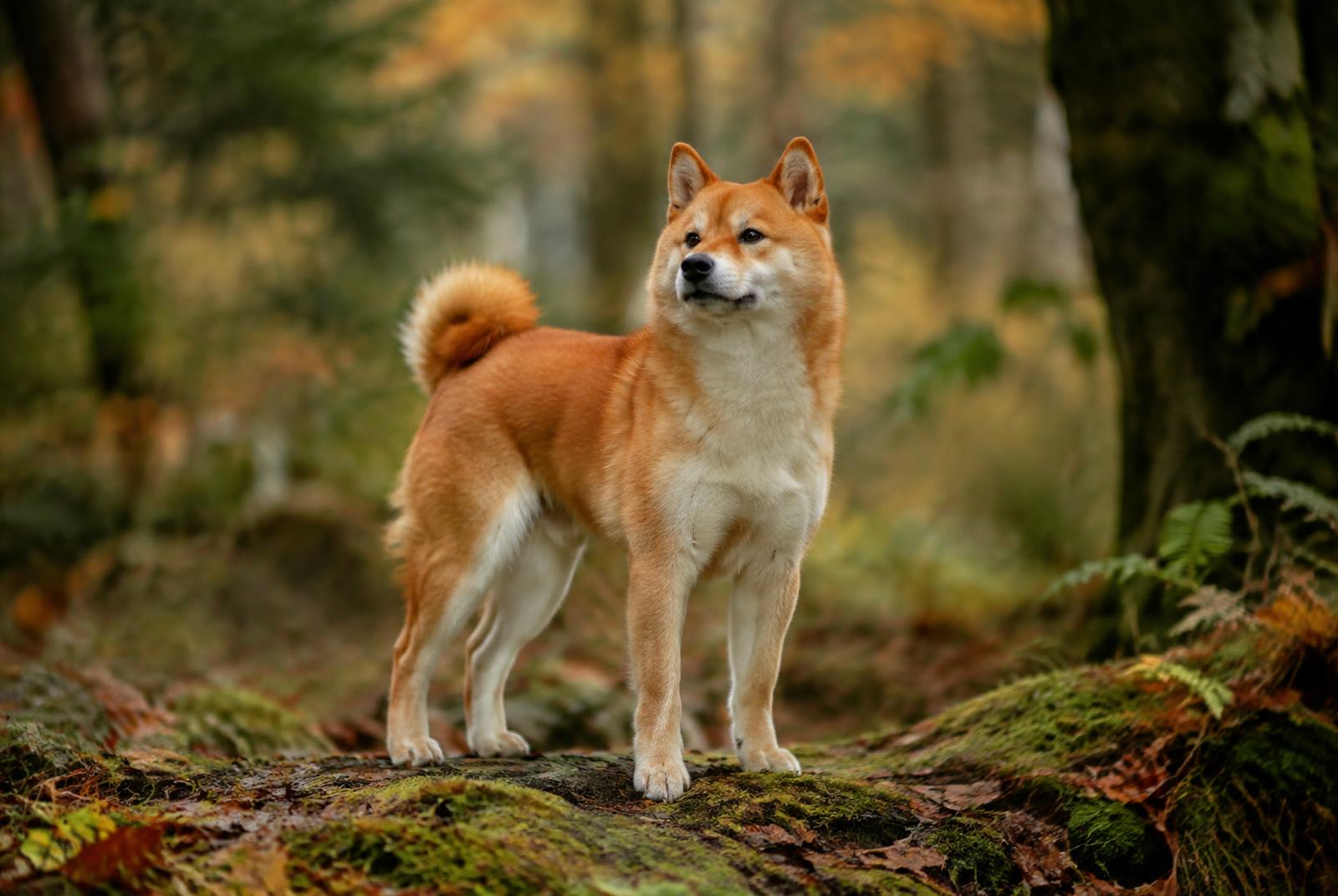
| Shiba Inu | 8 to 11 kg | 7/10 | 5/10 | €74 |
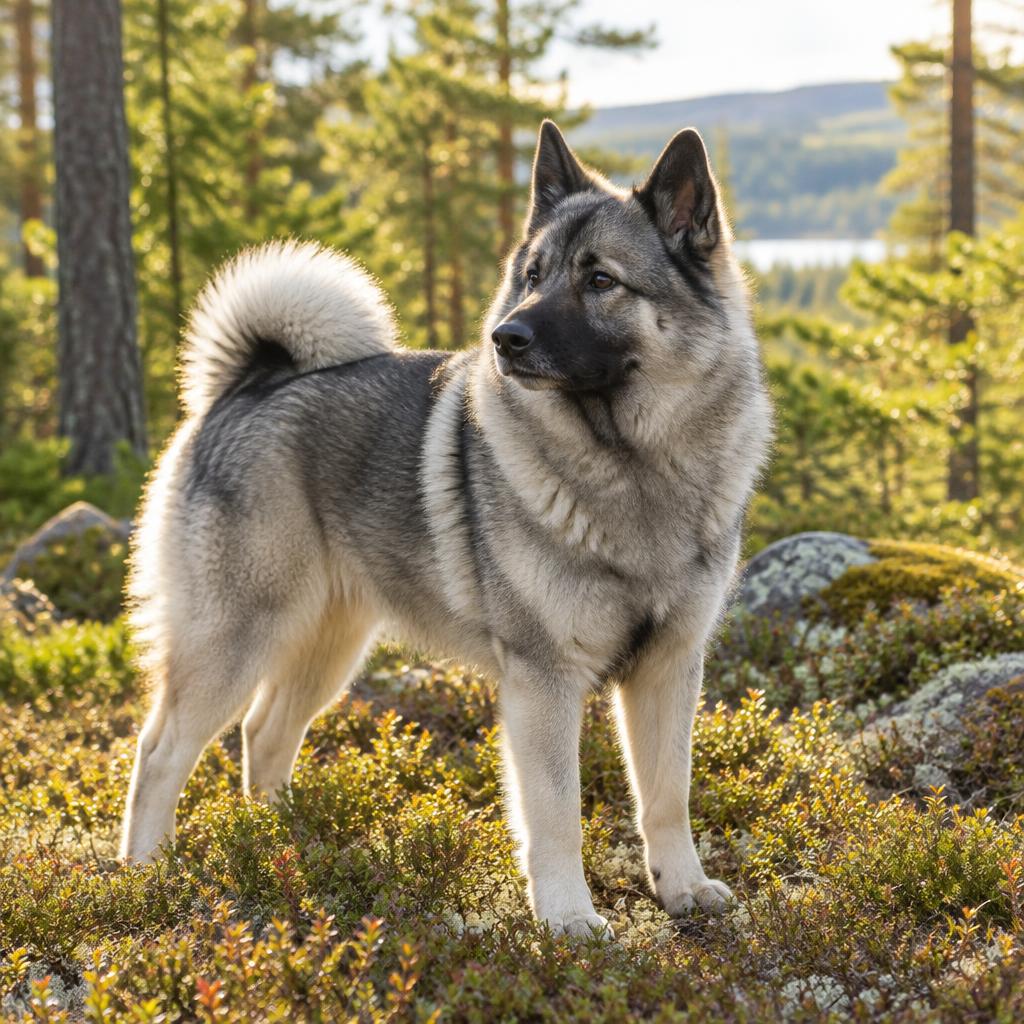
| Norwegian Elkhound | 20 to 25 kg | 7/10 | 4/10 | €86 |
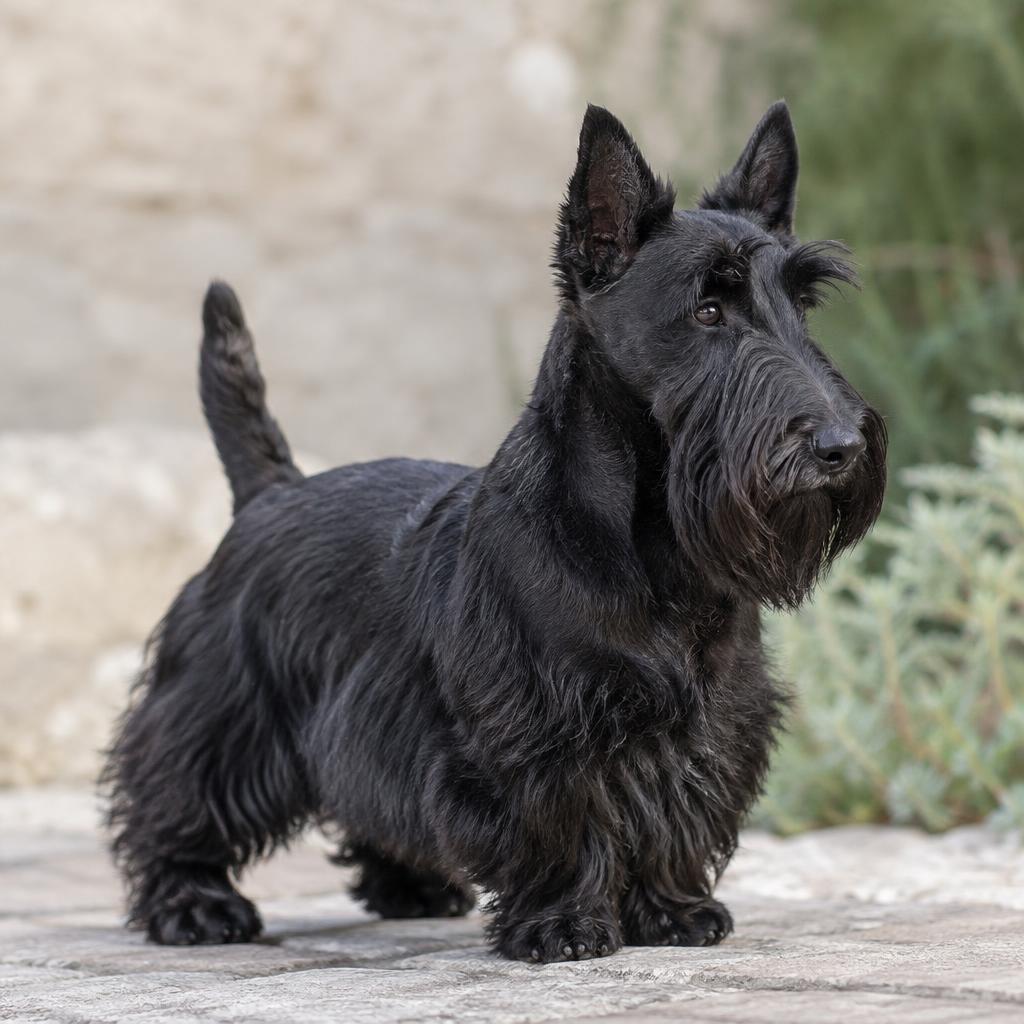
| Scottish Terrier | 8 to 10.5 kg | 6/10 | 7/10 | €76 |
Anatolian Shepherd questions, answered
Is the Anatolian Shepherd the same as a Kangal?
No. The two are closely related Turkish livestock guardian landraces, but the Kennel Club in the UK and the Kennel Club of Turkey treat the Kangal as a separate breed, while the American Kennel Club recognises the broader Anatolian Shepherd type. Many 'Kangal' puppies sold outside Turkey are actually Anatolian type dogs without verified Kangal lineage, so buyers should ask for clear documentation rather than trusting the name alone.
How much space does an Anatolian Shepherd need?
A great deal. This breed needs a securely fenced garden or ideally rural land to patrol, with fencing of at least six feet, and it is not suited to flats or homes with small outdoor areas.
Is the Anatolian Shepherd good with children?
Yes, it is typically very loyal and protective towards children within its own family, though its large size means interactions should always be supervised, and it remains naturally wary of unfamiliar children and adults.
How much does an Anatolian Shepherd bark?
Quite a lot, particularly at night. Barking at perceived threats such as unfamiliar noises or movement is an instinctive part of its guardian role, so this breed is a poor match for households with close neighbours.
Can an Anatolian Shepherd live with other pets?
It can, especially if raised with them from puppyhood, but its guardian instincts and moderate prey drive mean introductions to smaller animals should be gradual and carefully supervised.
How much exercise does an Anatolian Shepherd need?
Moderate, steady exercise rather than intense cardio; one to two walks a day plus space to patrol suits the breed far better than jogging or long-distance running.
How much does it cost to keep an Anatolian Shepherd each month?
Expect around 70 pounds a month for food, 65 pounds for insurance, 20 pounds for parasite prevention and smaller amounts for grooming, with overall running costs reflecting the breed's giant size.