Hound group
Norway
Norwegian Elkhound
A cheerful, hardy Viking dog for active owners who accept the bark, the hair and the independent streak.
Reviewed by the SniffScroll editorial team
The Viking moose hunter
The short version
- Independent hunter: recall is a lifelong training project,Famously vocal: barking was the job, train a quiet cue early,Heavy seasonal shedding from the dense double coat,Robust and long-lived with hip and eye screening
- Weight
- 20 to 25 kg
- Height
- 46 to 55 cm
- Lifespan
- 12 to 15 yrs
- Size
- Medium
- Group
- Hound
- Coat
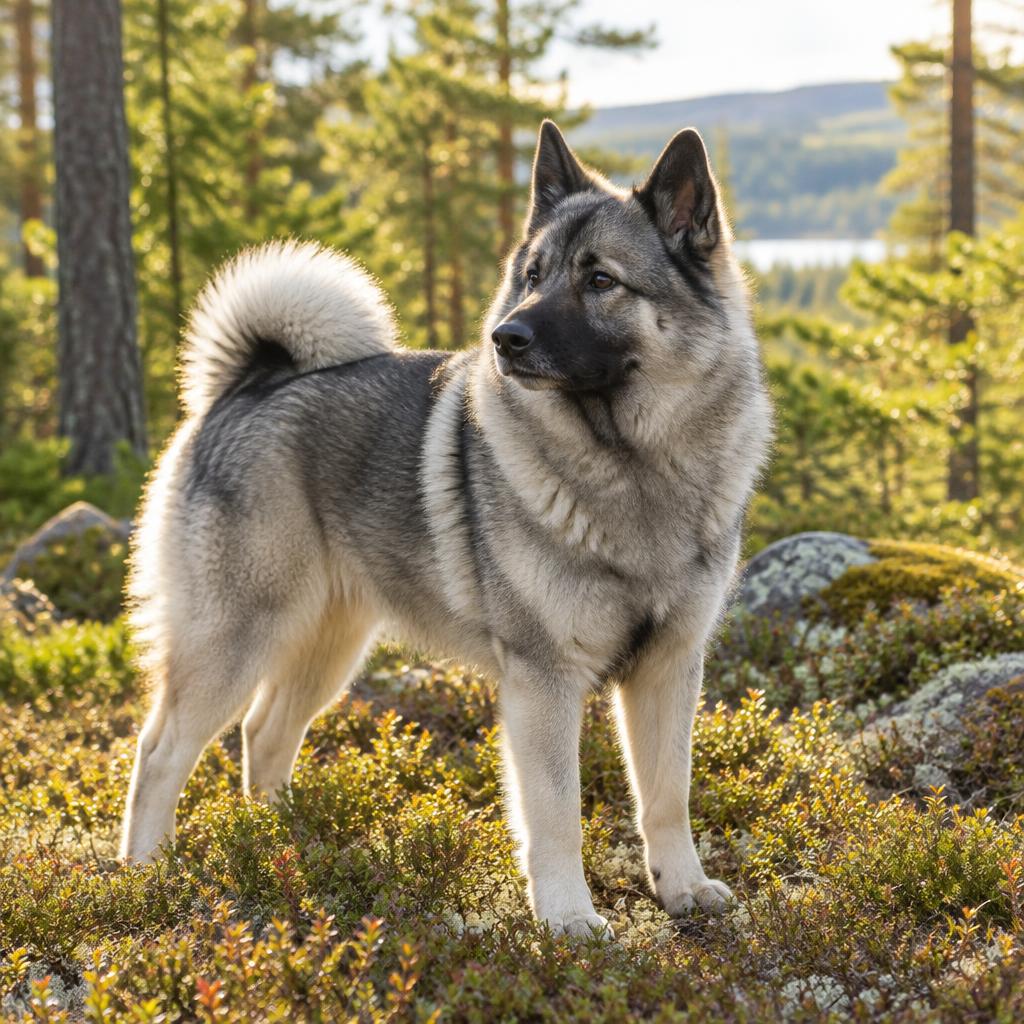
- Dense, weatherproof silver-grey double coat
- Grown male
- 23 to 25 kg
- Grown female
- 20 to 23 kg
- Years to full size
- about 1.5
- One-off setup
- €700 to 1400
Get one if…
- Active families who hike in all weathers
- Owners who enjoy training an independent dog
- Cold-climate households
- People wanting a robust, long-lived medium breed
Think again if…
- Homes needing a quiet dog
- Owners wanting reliable off-lead recall
- Allergy sufferers or low-shedding seekers
- Hot climates without air conditioning
Trait profile
Scores reflect a northern hunter: independent, vocal, hardy and affectionate at home.
Space & setup. Adapts to a house with a secure garden; daily exercise matters more than square metres.
Allergies. Not suitable for allergy sufferers; the dense double coat sheds heavily, especially twice a year.
Living with a Norwegian Elkhound
The Norwegian Elkhound is one of the oldest spitz breeds, the dog that sailed with the Vikings and held moose at bay for hunters in the Norwegian forests. It is a compact, silver-grey, curl-tailed hunter: independent, brave, loyal to its family and famously vocal on the trail. It makes a hardy, cheerful companion for active households, but its independence, barking and shedding coat are honest considerations.
The Norwegian Elkhound has been doing the same job for thousands of years: ranging ahead of a hunter in the forest, finding moose, and holding them in place with barking and agility until the human arrives. That history explains almost everything about living with one.
This is an independent thinker. Elkhounds are loyal and affectionate with their families, playful with children and generally friendly, but they were bred to make decisions alone in the forest, and it shows. Recall is a lifelong project, not a ticked box, and off-lead freedom needs a secure area or a very reliable dog. The hunting instinct is real: many Elkhounds will chase, and small pets need careful management.
Then there is the voice. An Elkhound that has found something interesting barks, and barks, and barks. In the forest that was the point. In a terraced street it is a management issue. Training a quiet cue early and meeting the exercise needs genuinely matters; a bored Elkhound is a loud Elkhound.
The practical side is better news. The breed is robust and healthy for its size, with hip dysplasia and eye conditions the main screening points and a lifespan of twelve to fifteen years. The thick silver-grey coat is weatherproof and self-cleaning to a degree, but it sheds heavily twice a year and needs daily work during the blow. Exercise needs are solid: ninety minutes a day, with hiking and tracking ideal.
Elkhounds handle cold superbly and heat badly. They are greedy, and weight creeps on quickly, so portions matter. They are also social dogs that do poorly shut away from the family.
Choose an Elkhound if you want a hardy, cheerful, medium-sized adventure dog and you can live with shedding, barking and an independent mind. Look elsewhere if you need reliable off-lead obedience, silence, or a low-shedding coat.
A hardy, loyal northern hunter: cheerful and robust, but independent, vocal and a serious shedder.
Exercise, day to day
- 1Ninety minutes of exercise daily, including free running in secure areas
- 2Tracking and scent games to work the hunting brain
- 3Hiking in cool weather; avoid heat
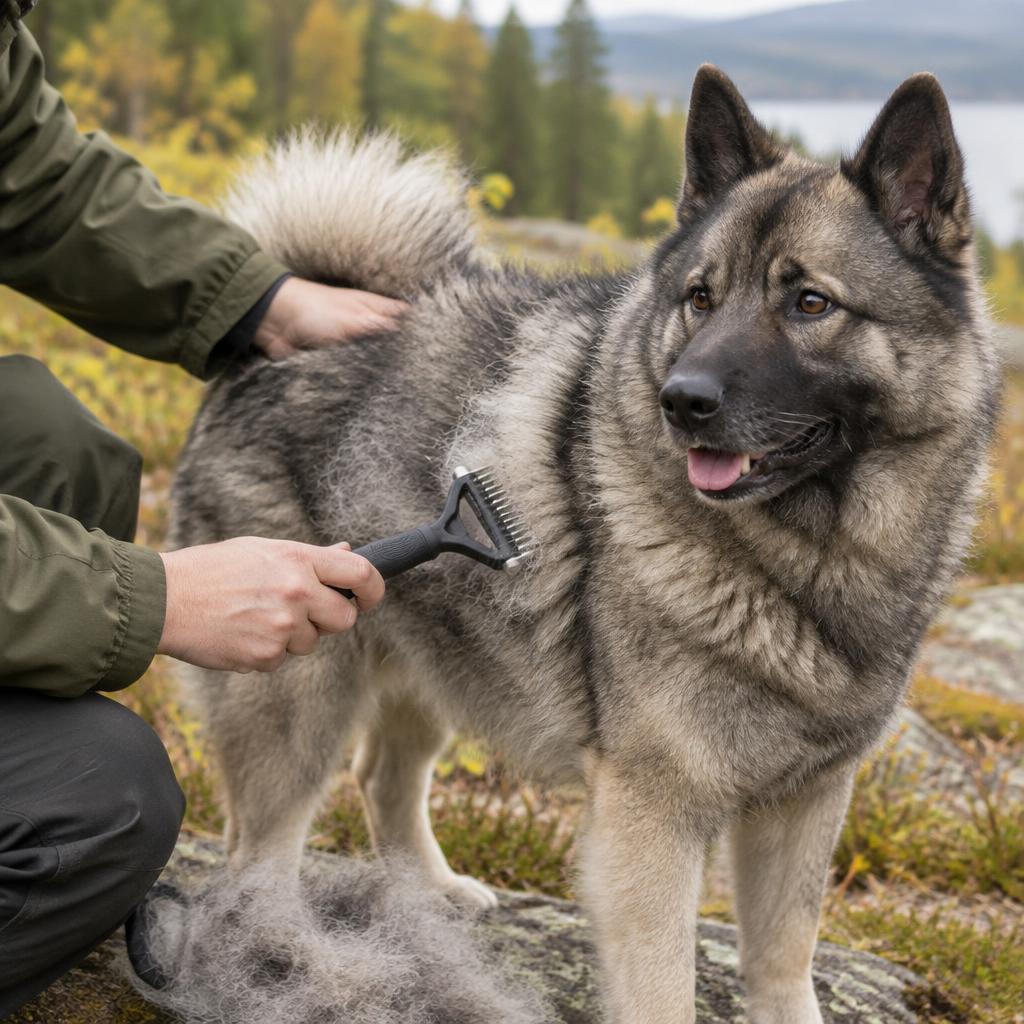
Grooming, realistically
- 1Brush twice a week, daily during the seasonal blow
- 2Never shave: the double coat regulates temperature
- 3Bathe only when needed; the coat resists dirt
- 4Check ears and trim nails monthly
What you actually need
- Undercoat rake
- Slicker brush
- Metal comb
- Nail clippers
Puppy to adult
| Age | Male | Female | What is happening |
|---|---|---|---|
| 8 weeks | |||
| 4 months | |||
| 6 months | |||
| 12 months | |||
| 18 months |
Ranges are typical, not targets. Judge condition by ribs and waist, and check with the ideal weight checker.
What to ask a breeder
- What are the hip scores of both parents?
- Have the parents had recent eye examinations?
- How vocal are the parents, and how do you manage barking?
- How are puppies introduced to household sounds and handling?
- What is the working versus show background of the litter?
Health tests to ask for
Ask to see results for both parents before you put down a deposit.
- Hip scores for both parents
- Annual eye examination
- Watch weight: measure food, limit treats
Health watch-list
What to ask a breeder about, and what to watch for over a lifetime. This is orientation, not veterinary advice, anything you notice belongs in front of a vet.
Hip dysplasia
CommonThe main orthopaedic screening point; ask for both parents scores.
Progressive retinal atrophy
UncommonInherited eye disease; annual eye exams for breeding dogs.
Hypothyroidism
UncommonWeight gain and coat changes; blood test confirms.
Obesity
Very likelyThe breed is greedy and gains fast; measure every meal.
Hot spots and skin irritation
CommonDense coat traps moisture in shed season; dry and brush thoroughly.
Kidney disease (Fanconi-like)
RareReported in the breed; excessive thirst and urination need testing.
What it costs to keep one
Realistic running cost
€86 / month
About €1,032 a year, or roughly €14,448 across a 14-year life, before purchase price, neutering and one-off vet events.
Before the puppy arrives. Budget roughly €700 to 1400 for a crate, bed, lead and harness, bowls, puppy classes, first vaccinations and grooming kit sized for this breed. Figures throughout are indicative and vary a good deal between countries.
Interactive · built for this breed
Is a Norwegian Elkhound right for your home?
Seven honest questions about your space, time and household, checked against this breed's exercise need, coat, sociability and tolerance for time alone.
Fit with your routine
93%
A strong fit
Your routine suits a Norwegian Elkhound well. Meet adult dogs of the line before you commit.
What to sort out first
- Needs more daily exercise than you have pencilled in.
Working in your favour
- Coat care fits the grooming time you offered.
Compare more breeds in the matchmaker, or plan meals with the portion calculator.
The verdict, by household
With caution
Friendly and robust, but the independence and barking surprise first-timers.
Yes
Playful, sturdy and loyal with children who respect a dog.
Yes
An excellent hiking and outdoor partner in cool climates.
No
The voice and exercise needs make close neighbours unhappy.
When to call your vet
- Lameness or stiffness (hips)
- Cloudy eyes or night blindness
- Weight gain: the breed is greedy and portions matter
- Hot-spots or coat odour during the shed
- Excessive thirst or urination
Nothing here is a diagnosis. A swollen, hard belly with retching, collapse, breathing difficulty and sudden hind-leg weakness are emergencies: go straight away.
Norwegian Elkhound vs the closest alternatives
| Breed | Weight | Energy | Grooming | € / month |
|---|---|---|---|---|
| Norwegian Elkhound | 20 to 25 kg | 7/10 | 4/10 | €86 |
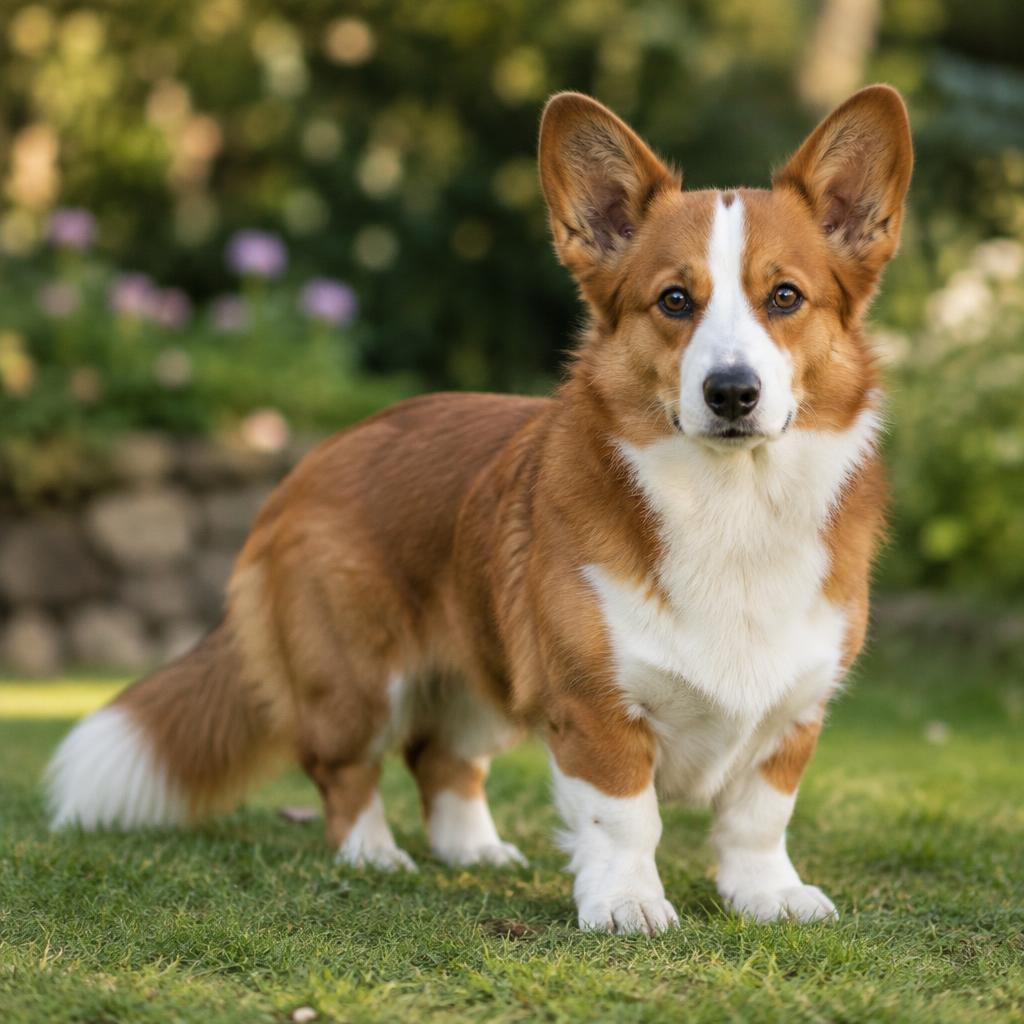
| Cardigan Welsh Corgi | 11 to 17 kg | 6/10 | 5/10 | €152 |
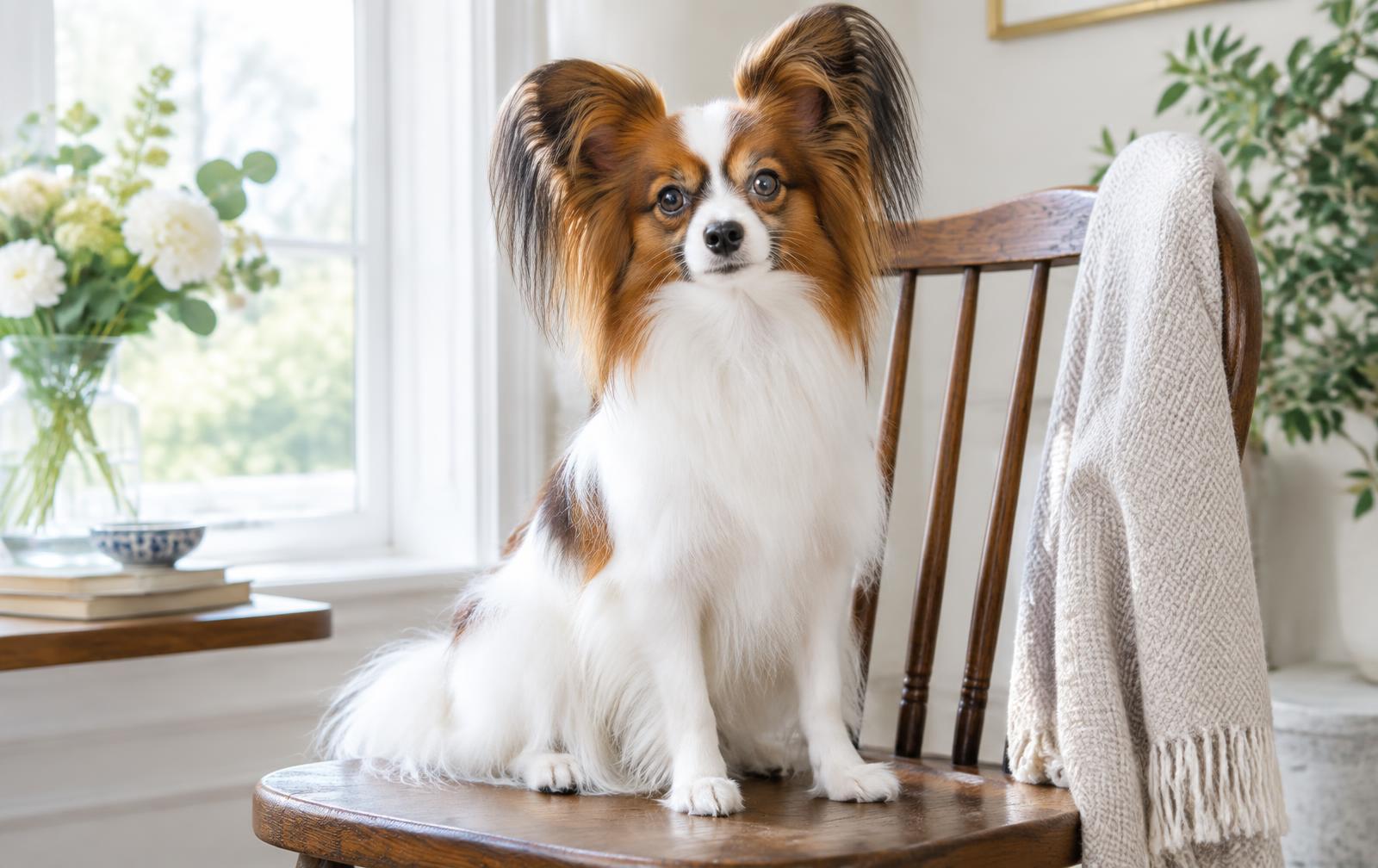
| Papillon | 3 to 4.5 kg | 7/10 | 4/10 | €113 |
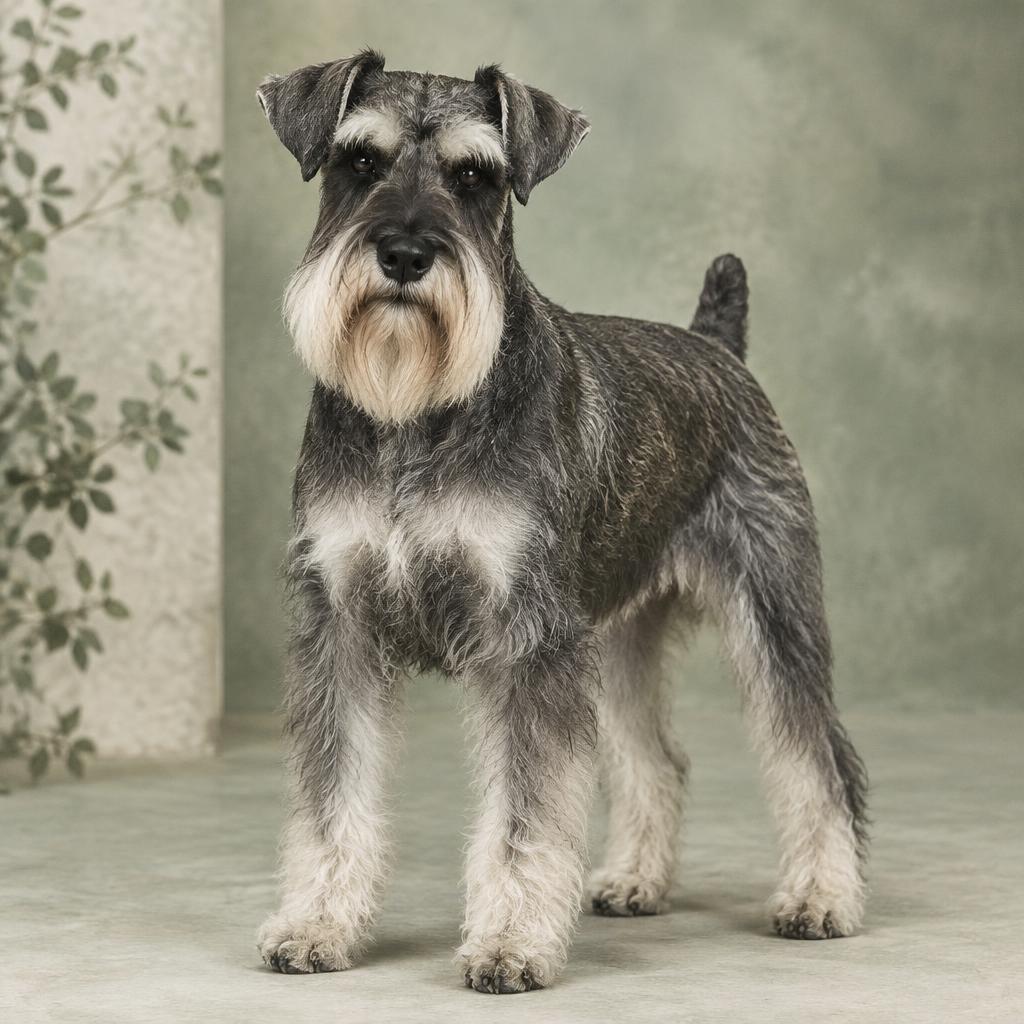
| Standard Schnauzer | 14 to 20 kg | 7/10 | 6/10 | €96 |
Norwegian Elkhound questions, answered
Do Norwegian Elkhounds bark a lot?
Yes. Barking was the job: the breed held moose at bay by voice. Expect an alert, vocal dog and train a quiet cue from puppyhood. They are not suited to homes needing silence.
Do Norwegian Elkhounds shed?
Heavily. The dense double coat sheds year round and blows dramatically twice a year. An undercoat rake and daily brushing during the shed are essential.
Can a Norwegian Elkhound be off lead?
Only in secure areas for most dogs. The hunting instinct and independent mind make recall unreliable around scent and wildlife. Many owners use long lines for freedom with safety.
Are Norwegian Elkhounds good with children?
Yes. They are playful, sturdy and loyal family dogs that generally do well with children who treat them respectfully.
How much exercise does a Norwegian Elkhound need?
Around ninety minutes a day, ideally including free running in secure areas, hiking and scent work. They are hardier and more tireless than their medium size suggests.
Do Norwegian Elkhounds handle hot weather?
Poorly. The Arctic double coat is built for snow, not summer. Walk early and late in hot weather, provide shade and water, and never shave the coat.
How long do Norwegian Elkhounds live?
Twelve to fifteen years. They are a robust, long-lived breed; keeping them slim is the single biggest favour you can do them.