Pastoral group
The Cardigan Welsh Corgi traces back over three thousand years to the Celtic peoples who settled in Cardiganshire in west Wales, making it one of the oldest herding breeds in Britain. It is thought to share ancestry with Teckel type dogs related to the Dachshund family, which explains its long tail, elongated body and dwarf proportions. For centuries it worked as a drover's dog, nipping at the heels of cattle to move them along common grazing land while staying low enough to avoid a kick. The breed developed separately from the Pembroke Welsh Corgi for generations, and the two were only classed together by the Kennel Club in the early twentieth century before being split into distinct breeds in 1934. The Cardigan remains the rarer of the two in Britain today, prized by those who know it for its calmer temperament and distinctive looks.
Cardigan Welsh Corgi
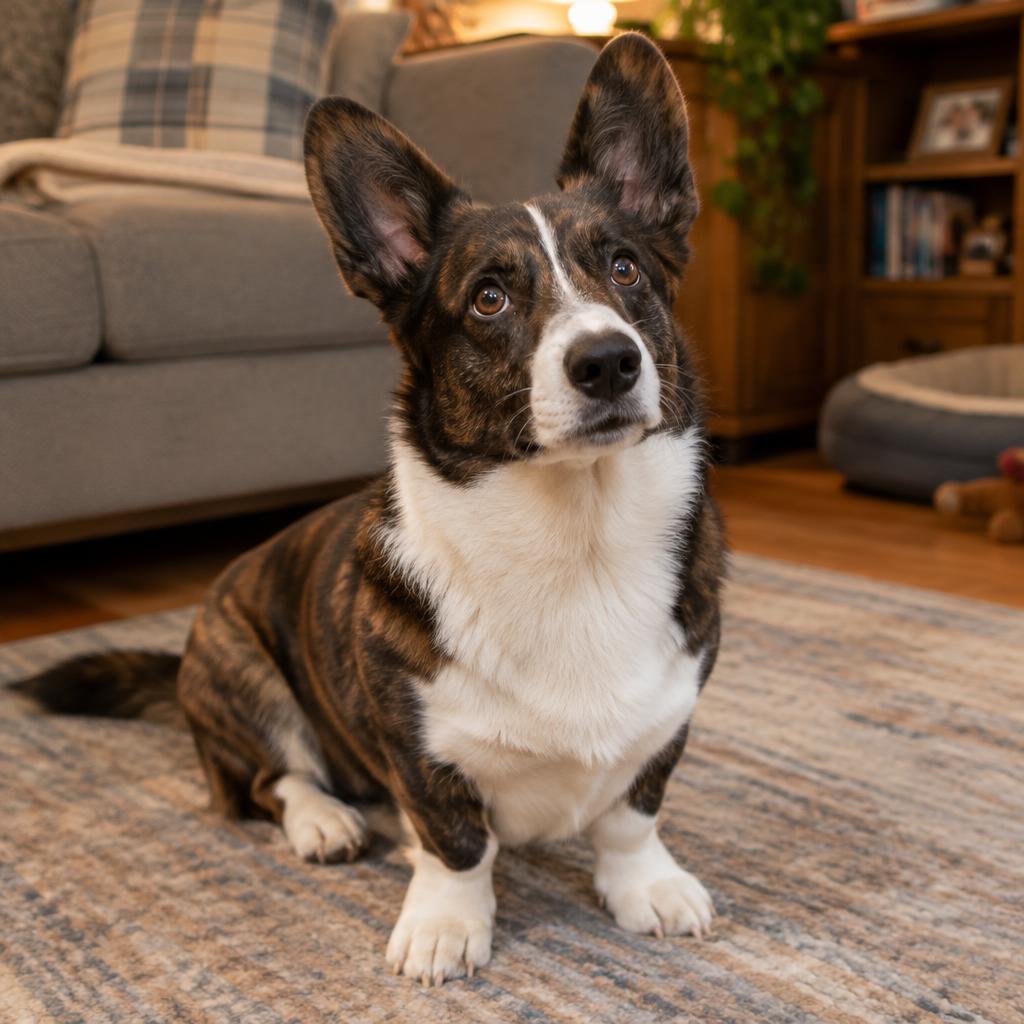
Long tailed, fox faced and the older of the two Welsh corgis, the Cardigan is a watchful herder with a booming bark in a low slung body. Here is what sets it apart from the Pembroke and what it takes to live with one well.
Reviewed by the SniffScroll editorial desk
The original corgi: a long tailed, fox faced herder with a big dog's voice
The short version
- The Cardigan is the older corgi breed, distinguished by its long tail and broader colour range.
- Heel nipping and herding instincts need early, consistent management around children.
- A surprisingly loud, carrying bark makes early quiet training essential near neighbours.
- Lifelong weight control and no unsupervised jumping protect the long back from IVDD.
- Needs about an hour of exercise daily plus mental work to stay content and quiet.
- Weight
- 11 to 17 kg
- Height
- 27 to 32 cm
- Lifespan
- 12 to 15 yrs
- Size
- Small
- Group
- Pastoral
- Coat
- Medium length double coat, straight or slightly wavy, weatherproof and found in a wide range of colours including brindle, red, sable, black and tan, blue merle and black, often with white markings.
- Grown male
- 13 to 17 kg
- Grown female
- 11 to 15 kg
- Years to full size
- about 1
- One-off setup
- €350 to 750
Get one if…
- Owners who want an alert watchdog that will reliably announce visitors
- Households able to train a reliable quiet cue to manage barking around neighbours
- People committed to lifelong weight control and spine protective habits
- Families with older, calmer children who understand not to run and squeal near the dog
- Owners who enjoy training and can offer daily mental and physical exercise
Think again if…
- Flats or terraces with very close neighbours and little tolerance for barking
- Households wanting a dog that will not nip at ankles during excited play
- Owners unwilling to restrict jumping on and off furniture for life
- Homes with toddlers who are likely to be herded or nipped during games
- Anyone seeking a low energy, purely decorative companion breed
Trait profile
The Cardigan Welsh Corgi combines a watchful, independent temperament with strong herding instincts and a bark far bigger than its body.
Space & setup. A garden is a real advantage for a Cardigan, giving it room to patrol and play, but the breed can adapt to a house without one provided daily walks and off lead time are reliably provided.
Allergies. The Cardigan Welsh Corgi is not hypoallergenic and sheds a steady amount of coat year round with a heavier seasonal blow, so it is a poor choice for households with dog allergies.
Living with a Cardigan Welsh Corgi
The Cardigan Welsh Corgi is the older of the two corgi breeds, a low slung Welsh herder with a long tail, a fox like face and a brindle or merle coat that sets it apart from its Pembroke cousin. Bred to drive cattle by nipping at heels and dodging kicks, it remains an alert, sturdy and surprisingly vocal companion. SniffScroll covers temperament, health, grooming and whether this short legged worker suits your household
The Cardigan Welsh Corgi is often overshadowed by its more famous relative, the Pembroke Welsh Corgi, made globally recognisable through royal association. Yet the Cardigan is the older of the two breeds by a wide margin, and spending time with one reveals a dog with its own distinct character. Where the Pembroke tends to be the more outgoing, biddable and food driven of the pair, the Cardigan is generally a touch more reserved with strangers, a little more independent minded and often calmer once past puppyhood. Both breeds share Welsh herding roots and a love of their people, but the differences are real enough that prospective owners should not assume the two are interchangeable simply because they look similar at a glance.
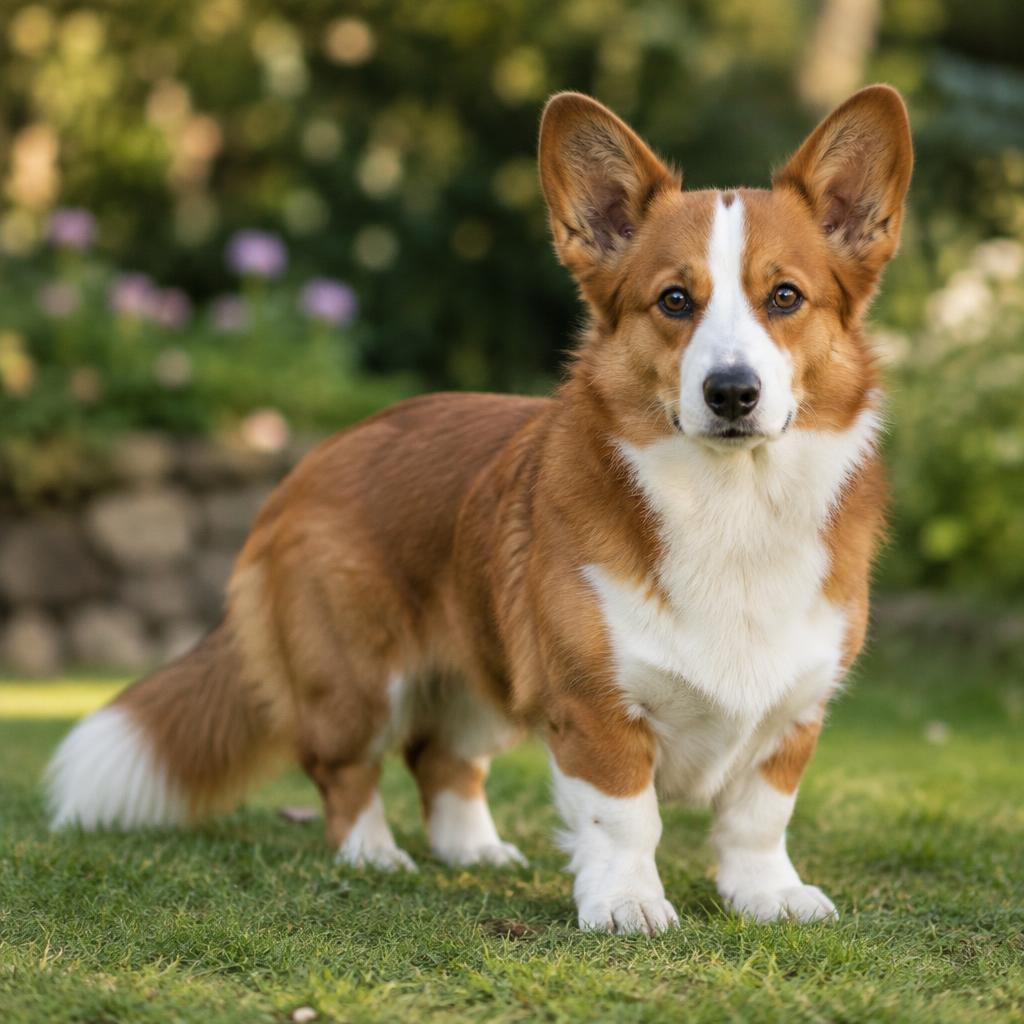
Physically, the most obvious distinguishing feature is the tail. The Cardigan carries a long, fox like brush of a tail, while the Pembroke is traditionally docked or naturally bobtailed. The Cardigan is also slightly heavier boned, with rounder, larger ears set further apart, and it comes in a broader range of colours, including brindle and blue merle, neither of which occur in the Pembroke. The face has a distinctly foxy cast, with a keen expression that misses little. None of this makes one breed better, but anyone drawn to the Cardigan for its colours or tail should expect a dog that is, on balance, more self possessed than its cousin.
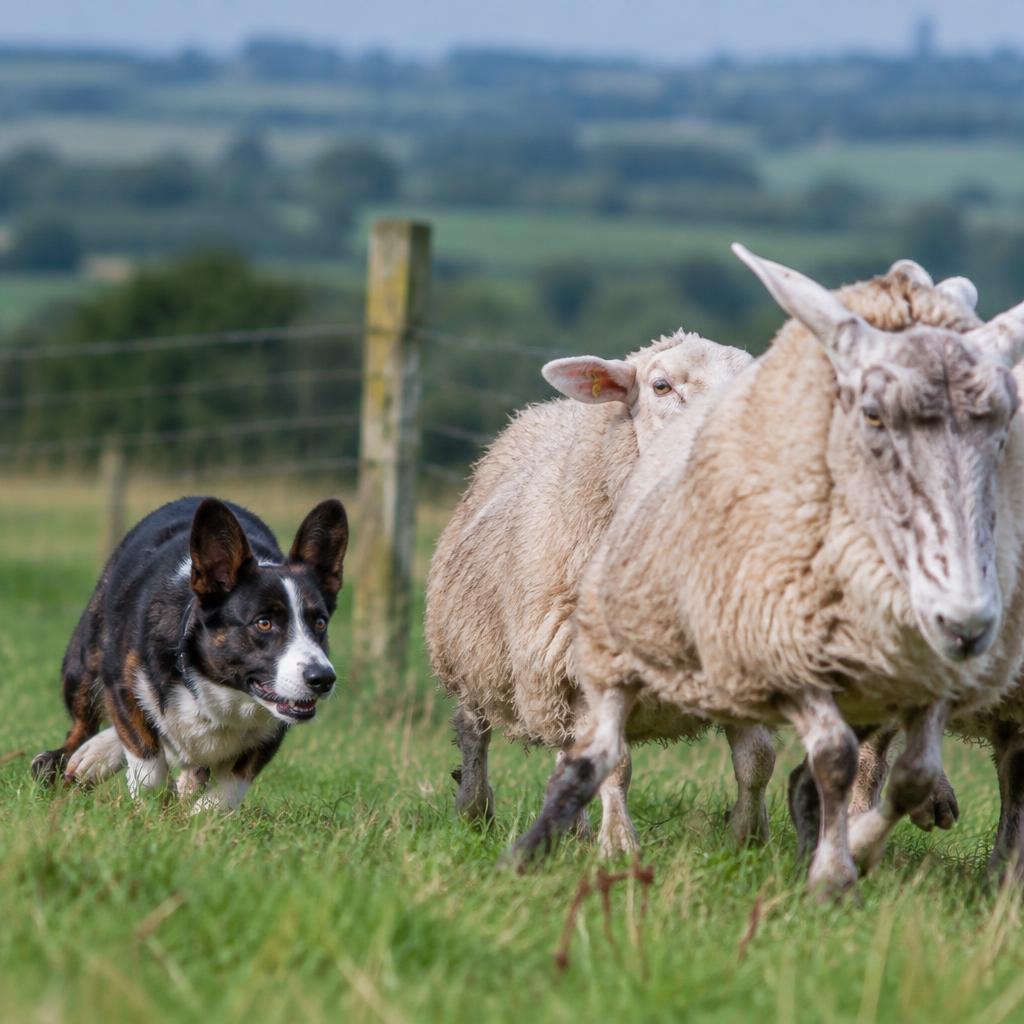
Temperament in the Cardigan is shaped directly by its working history. This is a drover's dog, bred to move cattle by darting in low, nipping at heels, and dodging back out of range of a kick. That instinct has not gone anywhere, and it shows up in pet homes as a tendency to nip at ankles during excited play, chase joggers, cyclists or running children, and herd family members around the garden. It is manageable with consistent early training, but needs managing rather than ignored, particularly with small children. The same heritage gives the Cardigan its watchfulness: these are dogs that notice everything, and they will tell you about it.
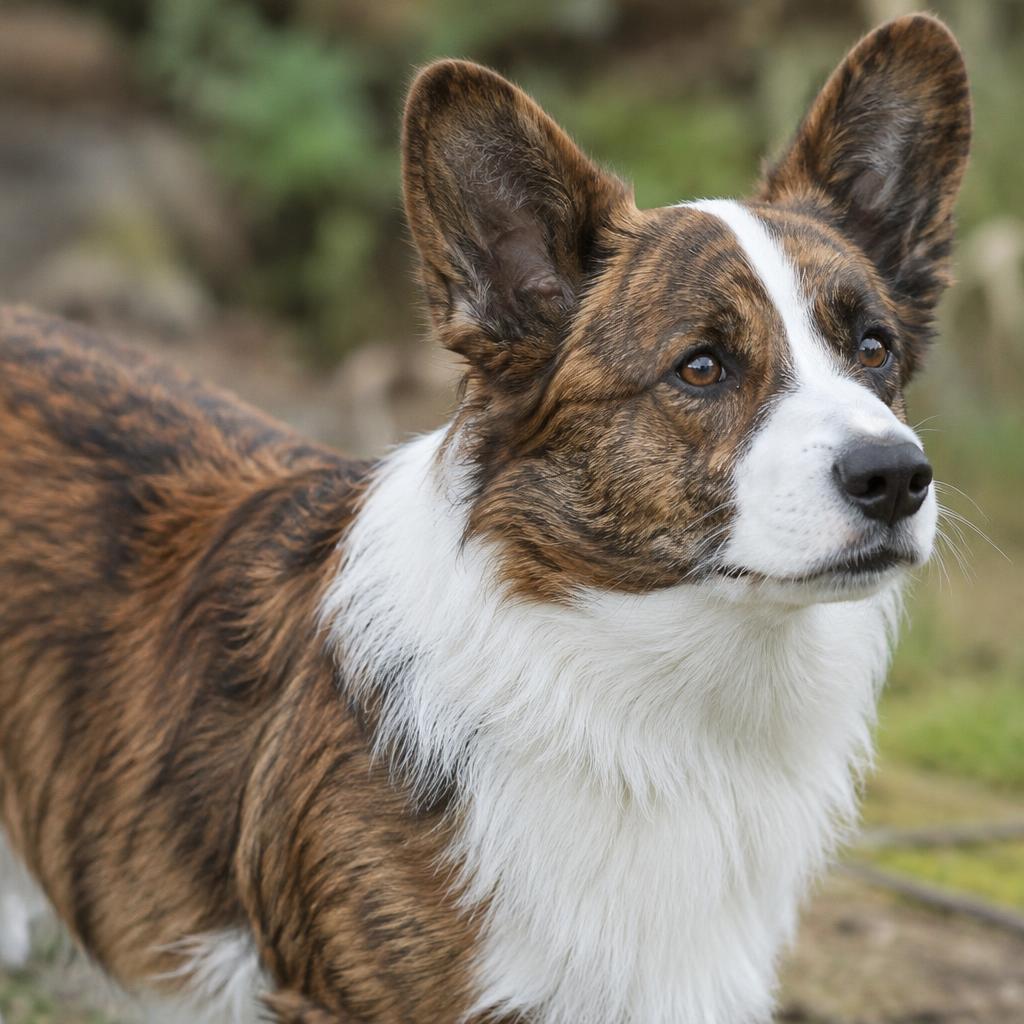
That brings us to the bark. The Cardigan Welsh Corgi has a voice entirely disproportionate to its height. Bred to alert farmers to strangers and move cattle, it has a deep, carrying bark that can fill a terraced street in seconds. Owners in flats or homes with close neighbours need to take this seriously and train a reliable quiet cue from puppyhood. Left unaddressed, barking can become a genuine source of neighbour friction, and it is one of the more common reasons Cardigans end up rehomed. The flip side is that this makes them excellent watchdogs, alert to anyone approaching long before a knock at the door.
Despite the short legs, the Cardigan is a sturdy and surprisingly athletic dog that needs proper daily exercise rather than token strolls. An hour split across two walks, with time off lead in a safe space to trot and sniff, suits most adults well. They enjoy herding adjacent activities such as treibball and agility adapted for their proportions, and mental work matters as much as physical exercise for a breed this sharp witted. A bored Cardigan will find its own entertainment, usually in ways the household will not appreciate, from digging to barking to selective hearing during recall.
The long body and short legs that define the breed also create its most significant health vulnerability. Like the Dachshund, the Cardigan is at meaningful risk of intervertebral disc disease, where discs in the spine bulge or rupture and can cause pain, weakness or even paralysis in the back legs. Responsible owners manage this risk for life: no unsupervised jumping on and off furniture, ramps or steps for the car and sofa, and keeping the dog lean, since excess weight multiplies the strain on the spine dramatically. Hip dysplasia, degenerative myelopathy, progressive retinal atrophy and glaucoma also appear in the breed, and a good breeder will test for the genetic markers available, particularly the DNA test for degenerative myelopathy.
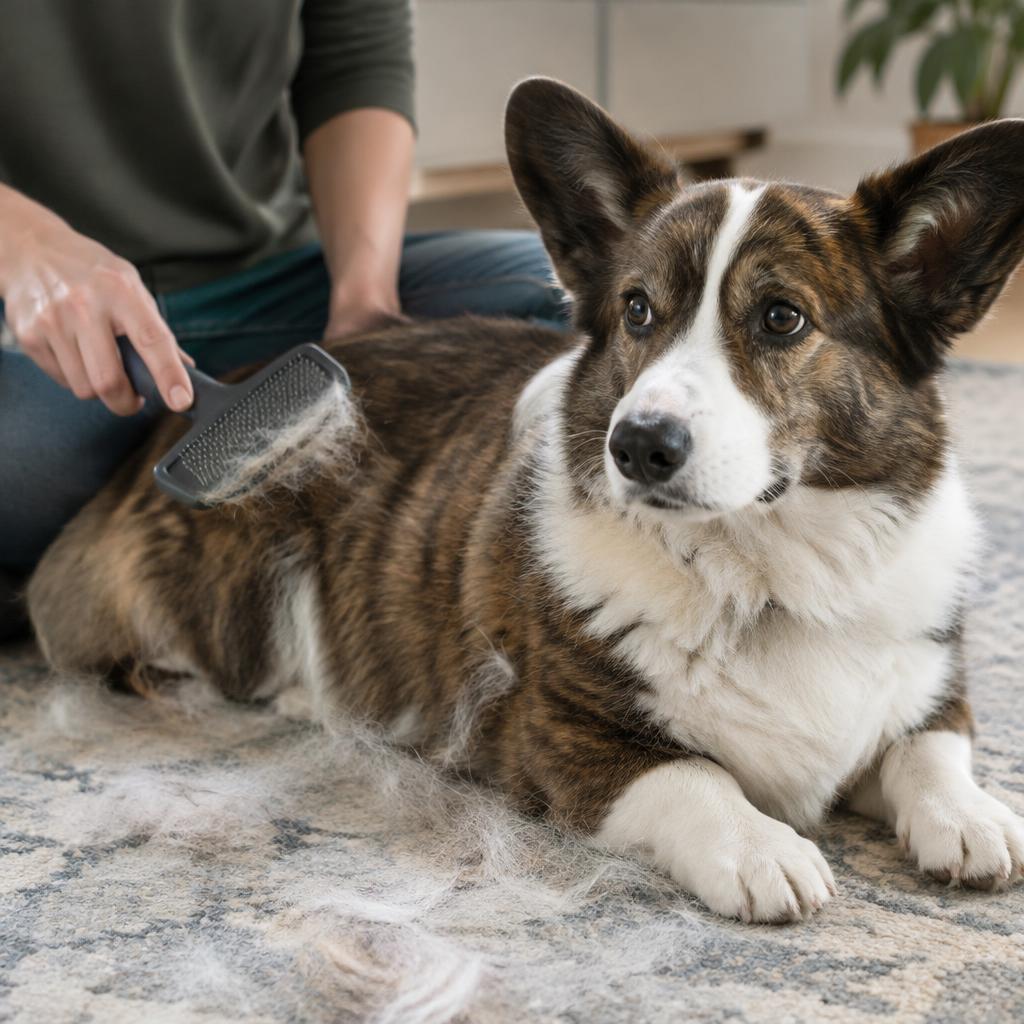
Grooming is moderate. The weatherproof double coat sheds steadily year round with a heavier blow twice a year, and a weekly brush with more frequent sessions during those periods keeps hair manageable and the coat healthy. This is not a high maintenance coat in the sense of needing professional trims, but it is not a wash and go breed either, and shedding on sofas and dark trousers is a fact of life.
Training a Cardigan rewards patience and consistency. They are intelligent and capable, descended from dogs that worked independently out on the hill, which means they can be a little more stubborn than the eager to please Pembroke, though positive, reward based methods and an early start on socialisation produce a biddable, confident adult. They generally do well with children raised alongside them and understand boundaries, though the heel nipping instinct warrants supervision with very young children who run and squeal.
The Cardigan Welsh Corgi is not the right fit for everyone. Homes wanting a silent dog, owners unwilling to manage a herding instinct around children or other pets, and anyone unable to commit to lifelong spine care and weight control should look elsewhere. For the right owner, though, this is a loyal, characterful and genuinely original breed, a working dog in miniature that has kept its sharp mind and watchful heart fully intact.
The Cardigan Welsh Corgi is a clever, watchful herder trapped in a low slung body, offering big dog presence and a surprisingly loud bark in a compact package. It suits owners who want an intelligent working companion and can manage its strong instincts to nip, bark and guard.
Exercise, day to day
- 1Puppies: short, gentle play sessions and flat walks only, avoiding stairs and jumping to protect the growing spine.
- 2Adults: around an hour of exercise daily split into two walks, including off lead time where safe.
- 3Mental work: herding adjacent games, scent work and puzzle feeders to satisfy a sharp working mind.
- 4Jump management: use ramps or steps for sofas and cars throughout life rather than allowing free jumping.
- 5Social outings: regular controlled exposure to joggers, cyclists and children to manage chase and nip instincts.
Grooming, realistically
- 1Brush the double coat weekly with a slicker brush to remove loose undercoat.
- 2Increase brushing to several times a week during the spring and autumn coat blow.
- 3Check and clean ears weekly, as the large upright ears can trap debris.
- 4Trim nails every three to four weeks to maintain correct foot structure.
- 5Bathe only occasionally, as overwashing strips the coat's natural weatherproofing.
What you actually need
- Slicker brush
- Undercoat rake
- Nail clippers or grinder
- Ear cleaning solution and cotton pads
- Deshedding comb
- Soft bristle finishing brush
Puppy to adult
| Age | Male | Female | What is happening |
|---|---|---|---|
| 8 weeks | 2.5 to 3.5 kg | 2 to 3 kg | Short legged and long bodied from the start; avoid letting puppies jump off furniture. |
| 3 months | 4.5 to 6 kg | 4 to 5.5 kg | Growing steadily; begin gentle leash and quiet cue training now. |
| 6 months | 7.5 to 10 kg | 7 to 9 kg | Body lengthens noticeably; keep exercise moderate and avoid repeated stairs. |
| 9 months | 9.5 to 13 kg | 9 to 12 kg | Approaching adult proportions; continue restricting jumping to protect the spine. |
| 12 months | 11 to 15 kg | 10 to 14 kg | Close to adult weight; establish lifelong lean body condition habits now. |
| 18 months | 12 to 17 kg | 11 to 16 kg | Fully mature in body and coat; maintain consistent weight for the rest of its life. |
Ranges are typical, not targets. Judge condition by ribs and waist, and check with the ideal weight checker.
What to ask a breeder
- Have both parents had hip scores and current eye tests through official schemes?
- Has degenerative myelopathy DNA testing been carried out on the breeding stock?
- How are puppies being started on handling, car rides and polite greeting manners?
- What is the history of back problems in this specific bloodline?
- Can I meet the parents to assess temperament around noise, strangers and children?
Health tests to ask for
Ask to see results for both parents before you put down a deposit.
- Hip scoring through an official scheme before breeding
- Annual eye examination for progressive retinal atrophy and glaucoma
- DNA testing for degenerative myelopathy
- Spinal and orthopaedic assessment if any mobility changes appear
- Routine weight and body condition checks at every vet visit
Health watch-list
What to ask a breeder about, and what to watch for over a lifetime. This is orientation, not veterinary advice, anything you notice belongs in front of a vet.
Intervertebral disc disease
NotableThe long back and short legs put real strain on the spine, so avoid unsupervised jumping and use ramps for sofas and cars; seek urgent vetting for sudden back pain or weakness in the legs.
Obesity
CommonExtra weight dramatically increases strain on the spine and joints in this long backed breed, so keep the dog lean through measured meals and regular weigh ins.
Hip dysplasia
OccasionalA malformed hip joint can cause stiffness and arthritis over time; ask breeders for hip scores on both parents before buying a puppy.
Degenerative myelopathy
OccasionalThis progressive spinal cord disease affects mobility in older dogs; a DNA test can identify carriers and affected dogs before breeding.
Progressive retinal atrophy
UncommonThis inherited condition causes gradual vision loss and eventual blindness; annual eye testing through an official scheme is recommended for breeding stock.
Glaucoma
RareIncreased pressure in the eye can cause pain and vision loss; sudden eye redness or cloudiness should be treated as an urgent vet visit.
What it costs to keep one
Realistic running cost
€152 / month
About €1,824 a year, or roughly €25,536 across a 14-year life, before purchase price, neutering and one-off vet events.
Before the puppy arrives. Budget roughly €350 to 750 for a crate, bed, lead and harness, bowls, puppy classes, first vaccinations and grooming kit sized for this breed. Figures throughout are indicative and vary a good deal between countries.
Interactive · built for this breed
Is a Cardigan Welsh Corgi right for your home?
Seven honest questions about your space, time and household, checked against this breed's exercise need, coat, sociability and tolerance for time alone.
Fit with your routine
96%
A strong fit
Your routine suits a Cardigan Welsh Corgi well. Meet adult dogs of the line before you commit.
What to sort out first
- Needs more daily exercise than you have pencilled in.
Working in your favour
- Coat care fits the grooming time you offered.
Compare more breeds in the matchmaker, or plan meals with the portion calculator.
The verdict, by household
Good
Trainable and sturdy, though the barking and herding instincts need a committed, consistent owner from day one.
Good
Does well with older, calmer children but needs supervision around toddlers due to heel nipping tendencies.
Excellent
Enjoys daily walks, training games and herding sports, making it a satisfying companion for an engaged owner.
Poor
The loud, carrying bark and need for garden access make flats with thin walls a difficult match.
When to call your vet
- Sudden reluctance to jump, climb stairs or move normally, which may signal spinal disc trouble
- Dragging of the back feet or knuckling, worth urgent assessment for IVDD or degenerative myelopathy
- Cloudy eyes, visible pain or redness, which could indicate glaucoma
- Noticeable weight gain despite normal feeding, worth a prompt diet review for spine health
- Night time vision loss or bumping into furniture in dim light, a possible sign of progressive retinal atrophy
Nothing here is a diagnosis. A swollen, hard belly with retching, collapse, breathing difficulty and sudden hind-leg weakness are emergencies: go straight away.
Cardigan Welsh Corgi vs the closest alternatives
| Breed | Weight | Energy | Grooming | € / month |
|---|---|---|---|---|
| Cardigan Welsh Corgi | 11 to 17 kg | 6/10 | 5/10 | €152 |
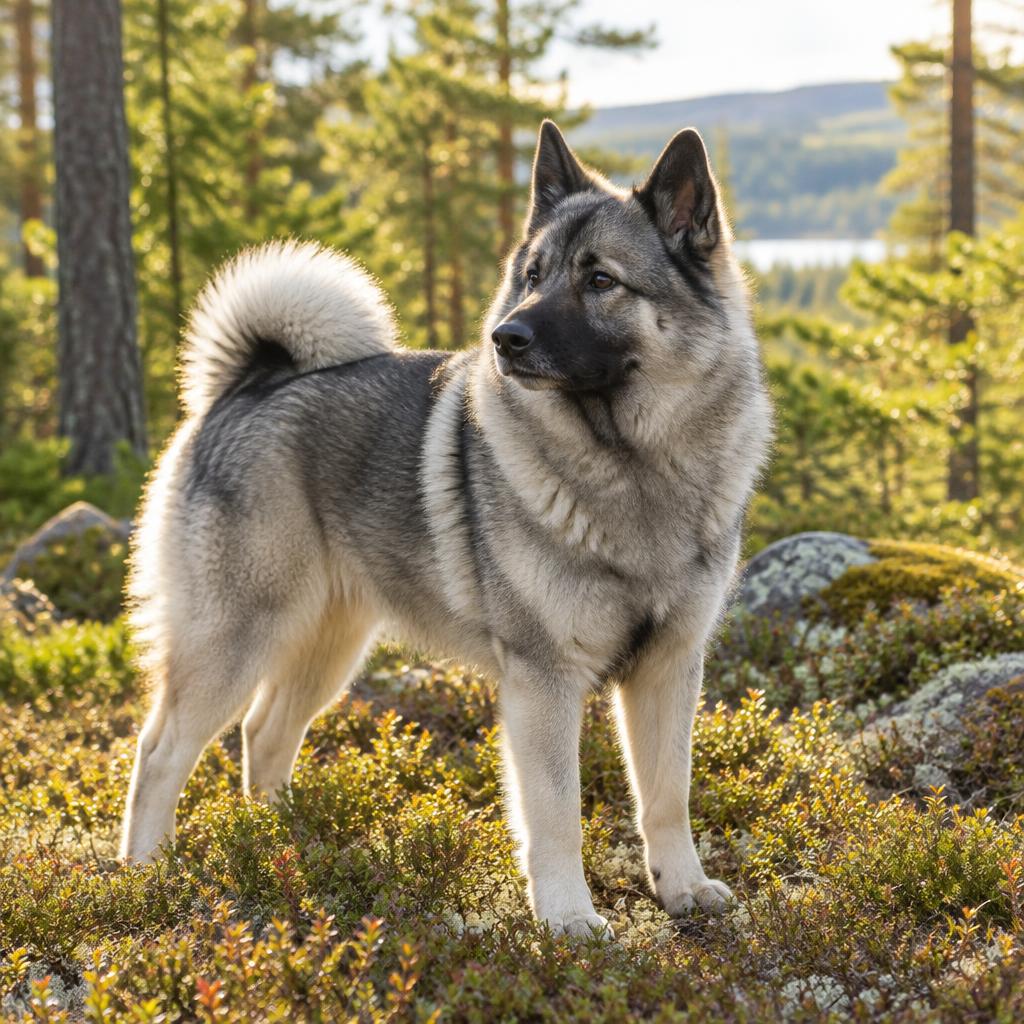
| Norwegian Elkhound | 20 to 25 kg | 7/10 | 4/10 | €86 |
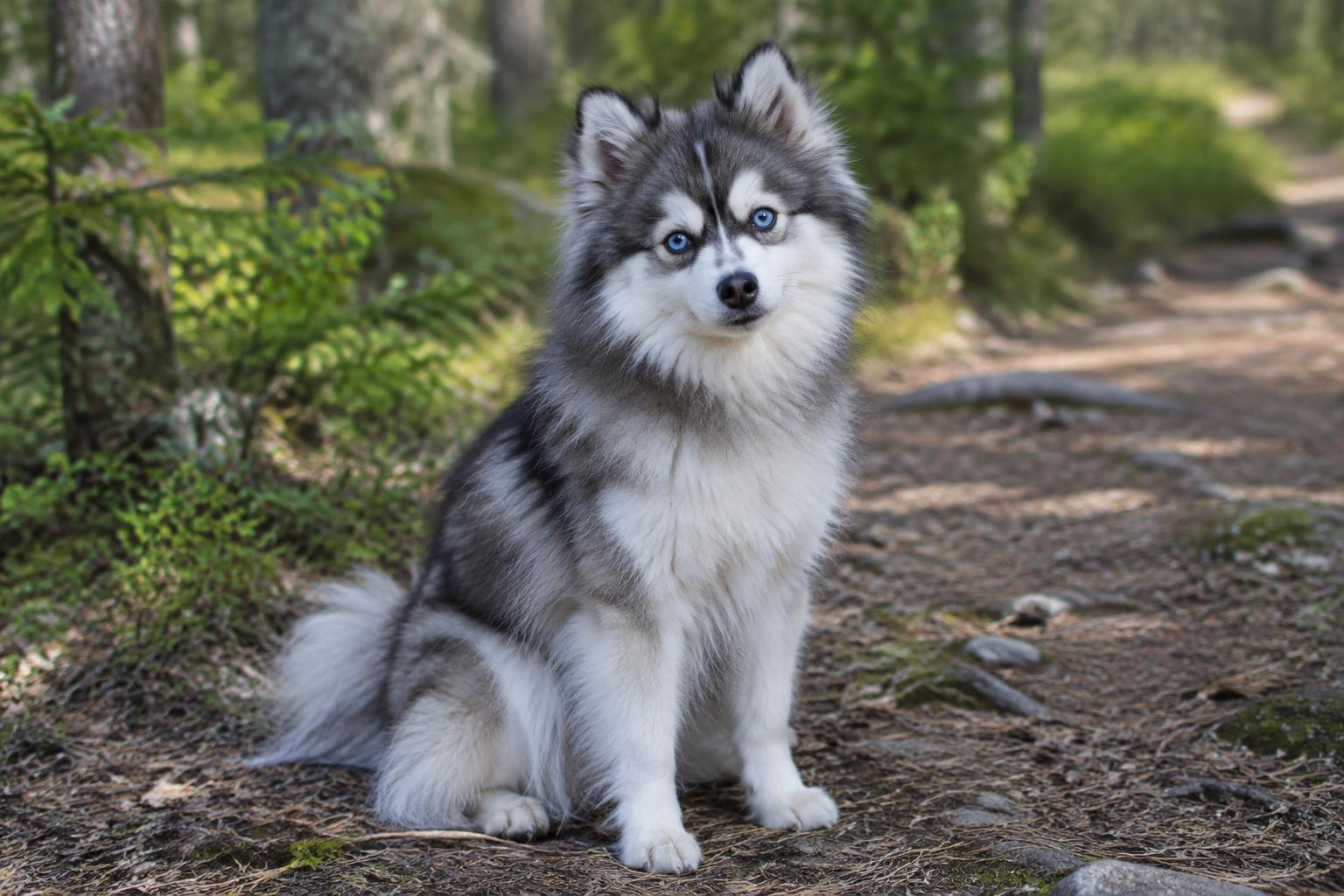
| Pomsky | 7 to 14 kg | 8/10 | 6/10 | €82 |
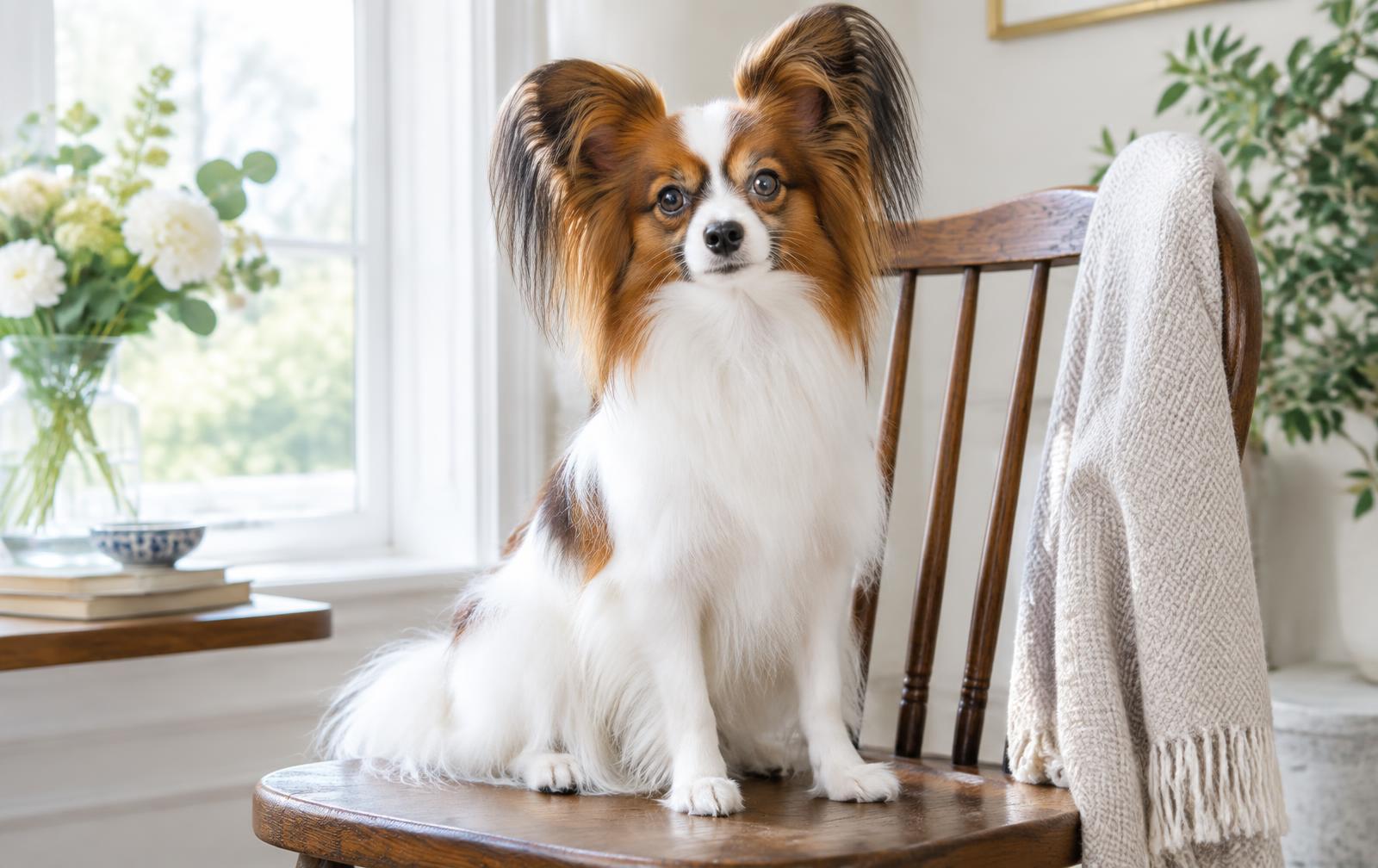
| Papillon | 3 to 4.5 kg | 7/10 | 4/10 | €113 |
Cardigan Welsh Corgi questions, answered
Do Cardigan Welsh Corgis shed a lot
Yes, Cardigans have a weatherproof double coat that sheds steadily all year, with a heavier blow of undercoat twice a year. Weekly brushing, stepped up during the seasonal blow, keeps shedding manageable around the home.
How much exercise does a Cardigan Welsh Corgi need
Around an hour a day split into two walks suits most adults, along with off lead time and mental stimulation such as training games or scent work. Puppies need much gentler, shorter sessions to protect their growing spines and joints.
Are Cardigan Welsh Corgis good with children
They generally do well with older children who understand gentle boundaries, but their herding instinct can lead to nipping at heels during excited play or running games. Supervision is important with toddlers, and early training helps redirect the nipping habit.
How long do Cardigan Welsh Corgis live
Cardigan Welsh Corgis typically live between 12 and 15 years, which is a good lifespan for a small breed. Maintaining a lean body weight and protecting the spine from strain both help support a long, comfortable life.
Are Cardigan Welsh Corgis easy to train
They are intelligent and capable but can be more independent minded than their Pembroke cousin, reflecting their history working out of sight on the hill. Consistent, reward based training from puppyhood brings out a biddable and confident adult.
Do Cardigan Welsh Corgis bark a lot
Yes, this is one of the breed's most defining traits, with a deep, carrying bark bred for alerting farmers and moving cattle. Early training on a reliable quiet cue is essential, particularly for owners with close neighbours.
What is the difference between a Cardigan and a Pembroke Welsh Corgi
The Cardigan is the older breed, with a long fox like tail, slightly heavier bone, larger rounded ears and a wider range of colours including brindle and merle. The Pembroke tends to be more outgoing and food motivated, while the Cardigan is often a touch calmer and more reserved with strangers, though both share the same Welsh herding roots.