Crossbreed group
United States and Europe (modern crossbreed)
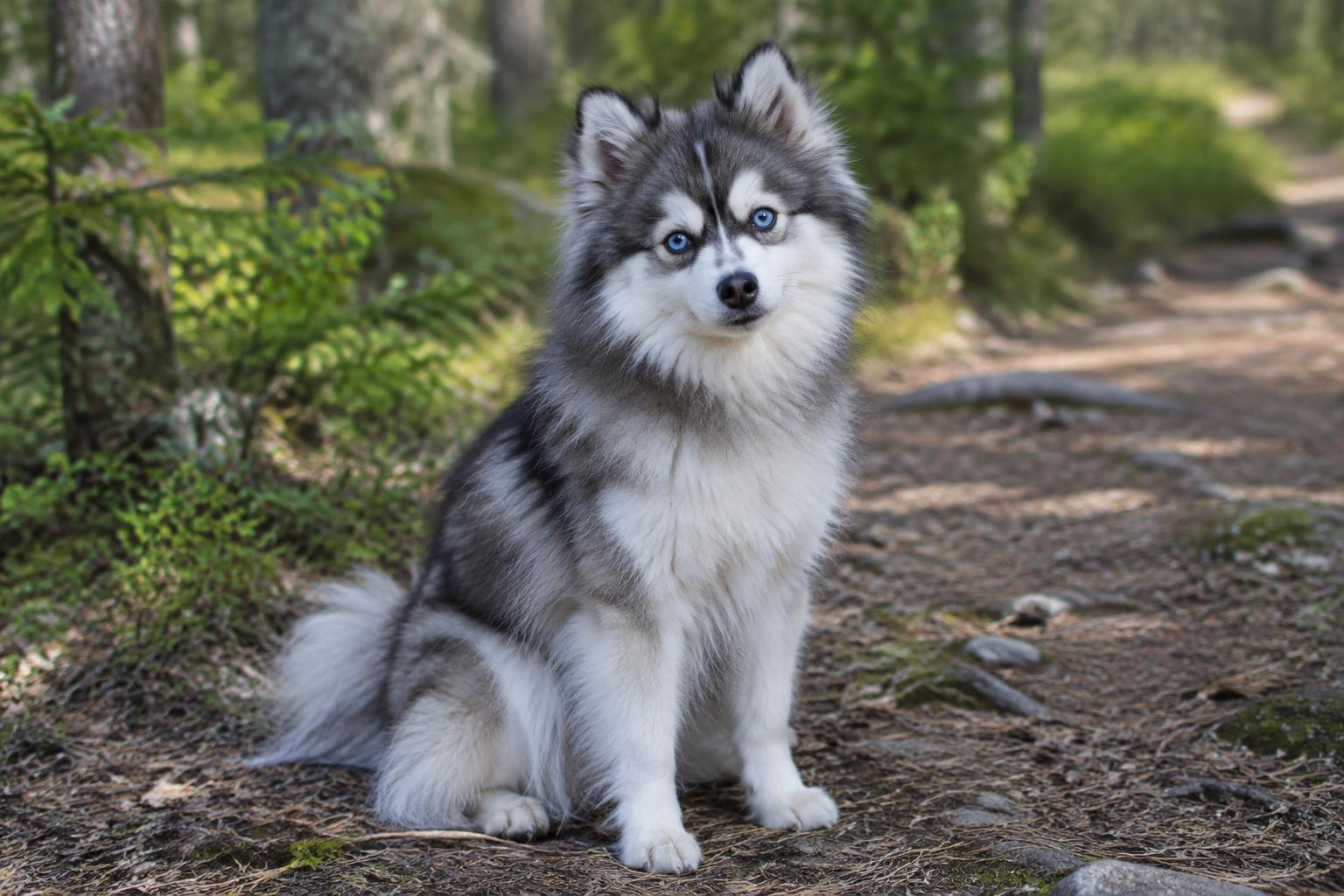
Pomsky
A striking Husky and Pomeranian cross for active owners ready for fur, a big voice and unpredictable size.
Reviewed by the SniffScroll editorial team
The Husky look in a smaller, louder package
The short version
- Size varies widely: most adults weigh 7 to 14 kg
- Heavy shedder with seasonal coat blows; never hypoallergenic
- Vocal: barks and howls, so think about neighbours
- Husky energy and independence; needs an hour of exercise daily
- Choose breeders who health test both parents and show the mother
Choose a variety
Husky mother and Pomeranian father; the least predictable in size, coat and temperament.
- Weight
- 7 to 14 kg
- Height
- 25 to 38 cm
- Lifespan
- 12 to 15 yrs
- Size
- Small
- Group
- Crossbreed
- Coat
- Thick, plush double coat
- Daily exercise
- 60 minutes a day plus play
- Years to full size
- about 1.5
- One-off setup
- €700 to 1300
Get one if…
- Active owners wanting Husky character in a smaller dog
- Homes without close neighbours
- People happy to brush several times a week
- Owners who enjoy reward-based training
Think again if…
- Allergy sufferers
- Thin-walled flats where noise matters
- Owners away for long hours
- Anyone wanting predictable size or a quiet dog
Trait profile
Scores reflect a typical Pomsky; individuals vary more than in established breeds, especially in size and voice.
Space & setup. Manages smaller homes with enough exercise, but the voice can be a problem in shared buildings; secure fencing helps with roaming.
Allergies. Not suitable for allergy sufferers; the double coat sheds heavily, especially during seasonal moults.
Living with a Pomsky
The Pomsky is a modern cross between the Siberian Husky and the Pomeranian, usually bred through artificial insemination. It can look like a pocket Husky, but size, coat and temperament vary widely, and owners need to plan for heavy shedding, a vocal dog and Husky-style energy.
Few crossbreeds have gone viral quite like the Pomsky. Photographs of tiny, blue-eyed puppies with Husky masks began spreading online in the early 2010s, and demand arrived before many breeders did. Today the cross is better established, with breeder associations and multigenerational lines, but the honest story is more complicated than the photographs suggest.
A Pomsky is a mix of a Siberian Husky, which weighs around 16 to 27 kilograms, and a Pomeranian, which weighs around two to three. Because of that size gap, first-generation litters are almost always produced by artificial insemination, with the larger Husky as the mother. Responsible breeders do this with veterinary oversight; poor breeders cut corners. Many Pomskies sold now are multigenerational, meaning Pomsky bred to Pomsky, which gives somewhat more predictable results, though still nothing like the consistency of an established breed.
Size is the first thing to be realistic about. Adults usually land somewhere between seven and fourteen kilograms and 25 to 38 cm at the shoulder, but individual dogs can fall outside that range. A puppy sold as a toy or teacup Pomsky deserves suspicion: extreme smallness is often achieved through unhealthy breeding, and promises about adult size are guesses at best. Look at the parents, and ask how big previous litters grew.
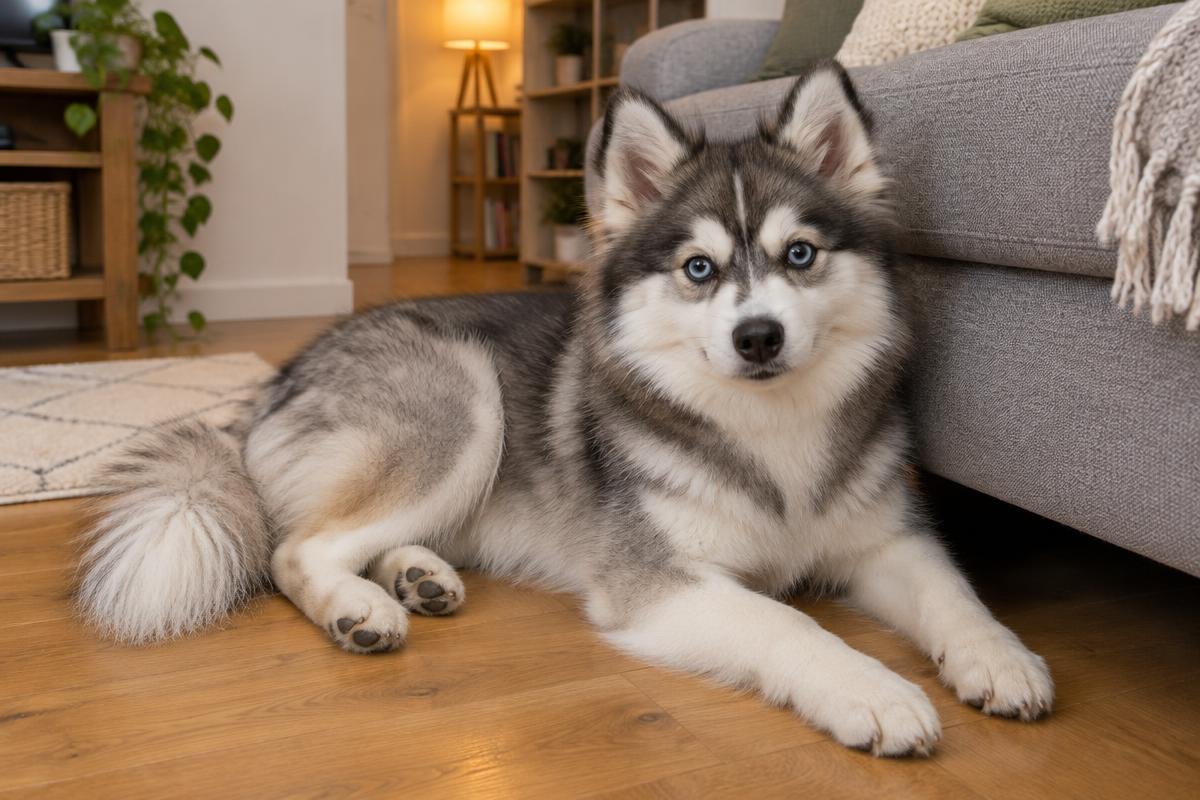
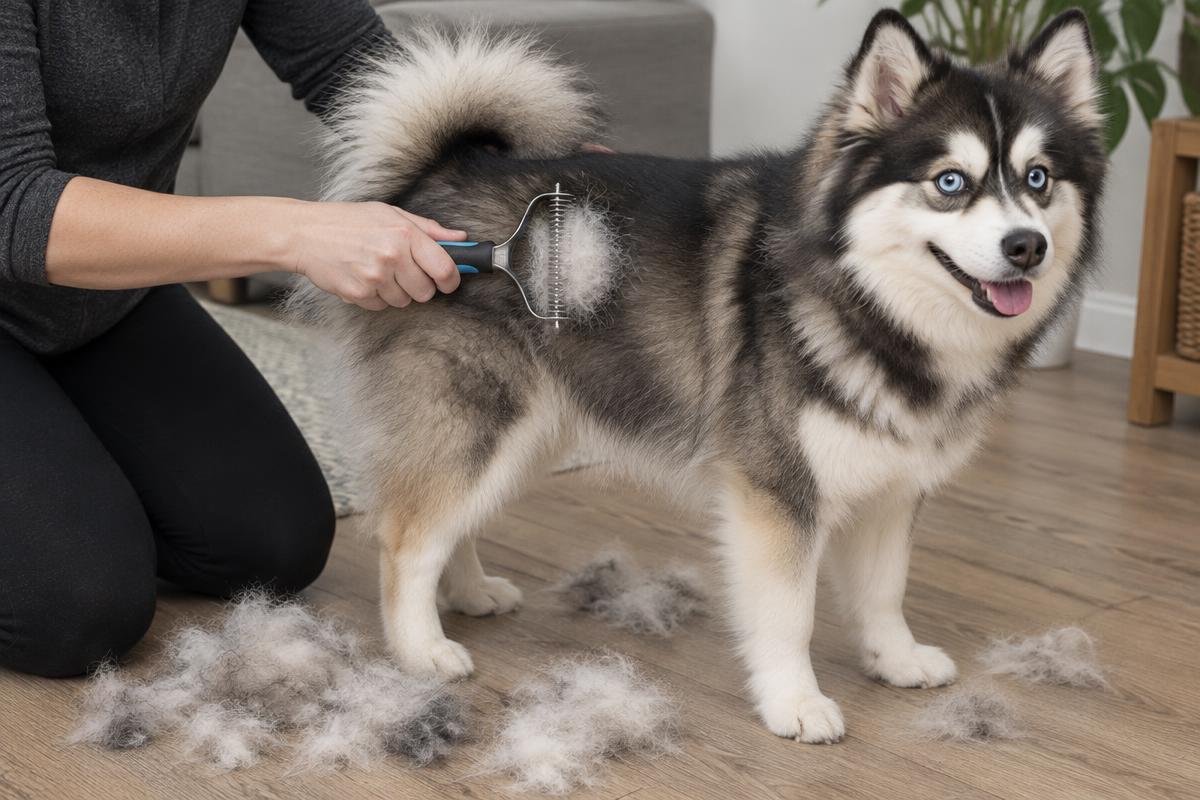
The coat is the second. Both parent breeds have thick double coats, and the Pomsky inherits that in full. It sheds steadily all year and blows its undercoat in heavy seasonal moults, when fur comes out in handfuls. Brushing two or three times a week, daily during a moult, is the minimum. Never shave the coat: it insulates against heat as well as cold and may grow back patchy. Anyone with allergies should look elsewhere; despite some marketing, there is nothing hypoallergenic about this cross.
The third is the voice. Huskies howl and talk; Pomeranians bark. A Pomsky frequently does both, and it has opinions it wants to share. This is charming in a detached house and a real problem in a thin-walled flat with neighbours. Early, kind training helps, as does enough exercise, but you cannot train the voice out completely.
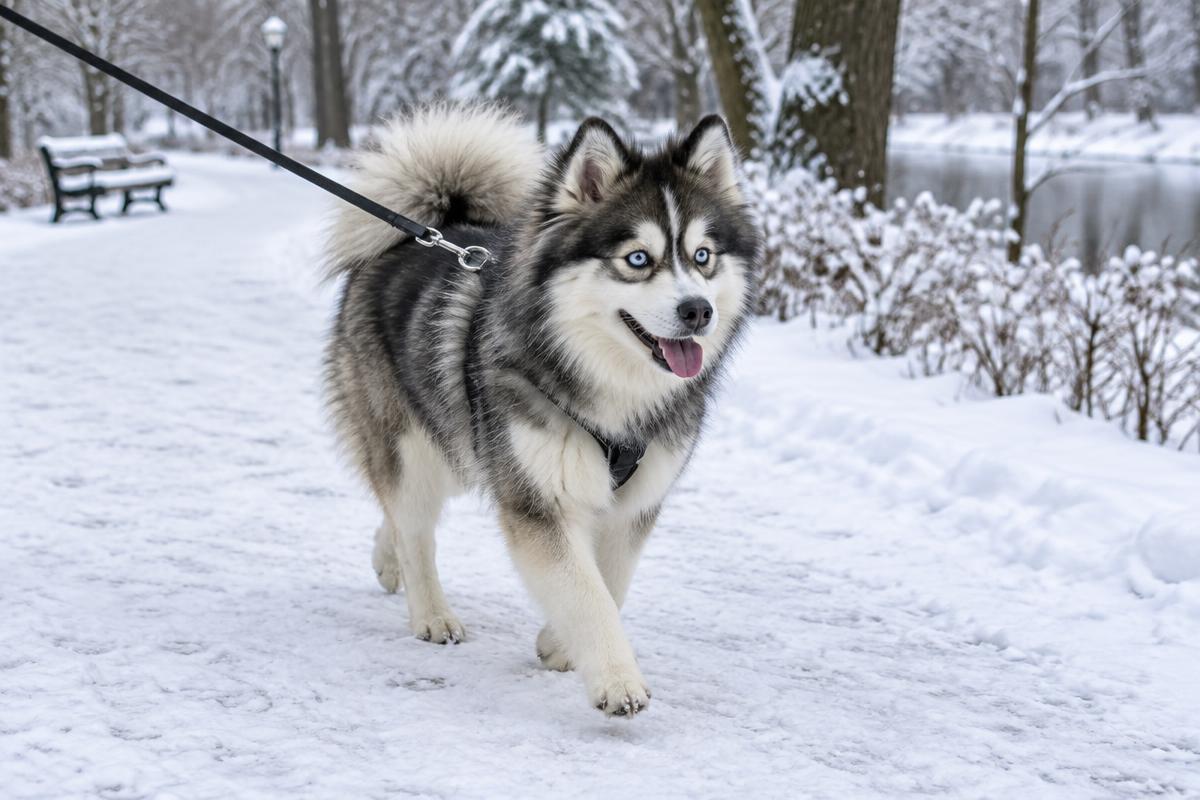
Energy and temperament sit between the parents but lean towards the Husky. Most Pomskies need an hour or so of exercise a day plus play and puzzle work. They are clever and enjoy learning, but they also have the Husky's independent streak and the Pomeranian's confidence, which can add up to selective hearing. Use reward-based training, keep sessions short and make yourself more interesting than the distraction. Recall can be unreliable, and some inherit the Husky's urge to roam, so secure fencing matters.
With people the Pomsky is usually affectionate and playful, often attaching strongly to one person. That attachment means many dislike being left alone for long periods, and boredom shows up as noise or chewing. With children, larger and steadier Pomskies can be fun companions for sensible older kids, while smaller dogs can be injured by rough handling, so supervision is wise. With other dogs most are sociable, though some can be bossy. Some inherit the Husky's prey drive, so be careful with cats and small pets.
Health depends on both parents. From the Pomeranian side come patellar luxation, collapsing trachea, dental crowding and some eye problems; from the Husky side, hip dysplasia, juvenile cataracts and progressive retinal atrophy. Responsible breeders hip score the Husky parent, have eye examinations on both parents and check the Pomeranian's knees. Ask for written results, ask about adult sizes in previous litters and be wary of anyone who cannot or will not show you the mother.
Price is a final warning. Pomskies are frequently sold at high prices because of their looks, and the market attracts puppy farms and scammers, especially online. Never pay a deposit for a puppy you have not seen with its mother, and walk away from anyone pushing for a quick decision.
A Pomsky is a lovely companion for an active owner who wants a smaller dog with Husky character and is genuinely happy with fur, noise and training. For someone hoping for a quiet, tidy pocket Husky, it is likely to be a surprise. Go in with clear eyes, choose a health-testing breeder, and the reward is a bright, funny, affectionate dog with a great deal to say.
A charismatic, striking crossbreed with real Husky energy and voice; adorable, but far from a low-effort small dog.
Exercise, day to day
- 1Around an hour of walking and play daily
- 2Puzzle feeders and short training sessions for the busy mind
- 3Off-lead play only in securely fenced areas
Grooming, realistically
- 1Brush two or three times a week, daily during moults
- 2Never shave the double coat
- 3Bathe every six to eight weeks
- 4Brush teeth daily and trim nails monthly
What you actually need
- Slicker brush
- Undercoat rake
- Metal comb
- Dog toothbrush and paste
Puppy to adult
| Age | Male | Female | What is happening |
|---|---|---|---|
| 8 weeks | 1.5 to 3 kg | 1.3 to 2.8 kg | Fluffy and bold; begin handling, brushing and short training games. |
| 3 months | 3 to 5.5 kg | 2.7 to 5 kg | Socialise widely and start teaching quiet and settle cues. |
| 6 months | 5 to 10 kg | 4.5 to 9 kg | Puppy coat begins changing; the first heavy moult can surprise owners. |
| 9 months | 6.5 to 12.5 kg | 6 to 11 kg | Adolescent independence peaks; keep recall work on a long line. |
| 12 months | 7 to 14 kg | 6.5 to 12.5 kg | Close to adult size; adult coat is coming through. |
| 18 months | 7.5 to 14 kg | 7 to 13 kg | Fully mature in body and coat; temperament usually settles. |
Ranges are typical, not targets. Judge condition by ribs and waist, and check with the ideal weight checker.
What to ask a breeder
- Can I meet the mother and see both parents' health results?
- Is the Husky parent hip scored and are both parents eye examined?
- Has the Pomeranian parent had a patella check?
- Was the litter bred by artificial insemination with a vet involved?
- How big did puppies from previous litters grow?
Health tests to ask for
Ask to see results for both parents before you put down a deposit.
- Hip score on the Husky parent
- Eye examinations on both parents
- Patella check on the Pomeranian parent
Health watch-list
What to ask a breeder about, and what to watch for over a lifetime. This is orientation, not veterinary advice, anything you notice belongs in front of a vet.
Patellar luxation
CommonInherited from the Pomeranian side; a skipping gait is the classic sign.
Dental disease
CommonCrowded small-breed teeth build tartar quickly; daily brushing is the best prevention.
Collapsing trachea
NotableA honking cough, especially on a collar; use a harness and keep weight lean.
Hip dysplasia
NotableFrom the Husky side; ask for the Husky parent's hip score.
Juvenile cataracts and progressive retinal atrophy
UncommonInherited eye problems from both parents; eye examinations on the parents reduce risk.
Hypothyroidism
UncommonWeight gain, lethargy and coat problems in adults; a blood test confirms it.
What it costs to keep one
Realistic running cost
€84 / month
About €1,008 a year, or roughly €14,112 across a 14-year life, before purchase price, neutering and one-off vet events.
Before the puppy arrives. Budget roughly €700 to 1300 for a crate, bed, lead and harness, bowls, puppy classes, first vaccinations and grooming kit sized for this breed. Figures throughout are indicative and vary a good deal between countries.
Interactive · built for this breed
Is a Pomsky right for your home?
Seven honest questions about your space, time and household, checked against this breed's exercise need, coat, sociability and tolerance for time alone.
Fit with your routine
90%
A strong fit
Your routine suits a Pomsky well. Meet adult dogs of the line before you commit.
What to sort out first
- Needs more daily exercise than you have pencilled in.
- Coat needs more brushing or trimming than you have allowed.
Compare more breeds in the matchmaker, or plan meals with the portion calculator.
The verdict, by household
First-time owner
Think carefully
Lovable but stubborn, noisy and hairy; best with owners ready to train.
Family with children
With older children
Playful with sensible kids; smaller dogs can be hurt by rough play.
Active single or couple
Good fit
Enjoys long walks, play and training with a devoted person.
Flat with close neighbours
Often difficult
Barking and howling can cause friction even with good training.
When to call your vet
- Honking cough or breathing trouble on a collar (trachea)
- Skipping on a back leg (patellas)
- Cloudy eyes or bumping into things
- Lameness or stiffness after rest (hips)
- Bad breath or reluctance to chew
Nothing here is a diagnosis. A swollen, hard belly with retching, collapse, breathing difficulty and sudden hind-leg weakness are emergencies: go straight away.
Pomsky vs the closest alternatives
| Breed | Weight | Energy | Grooming | € / month |
|---|---|---|---|---|
| Pomsky | 7 to 14 kg | 8/10 | 6/10 | €82 |
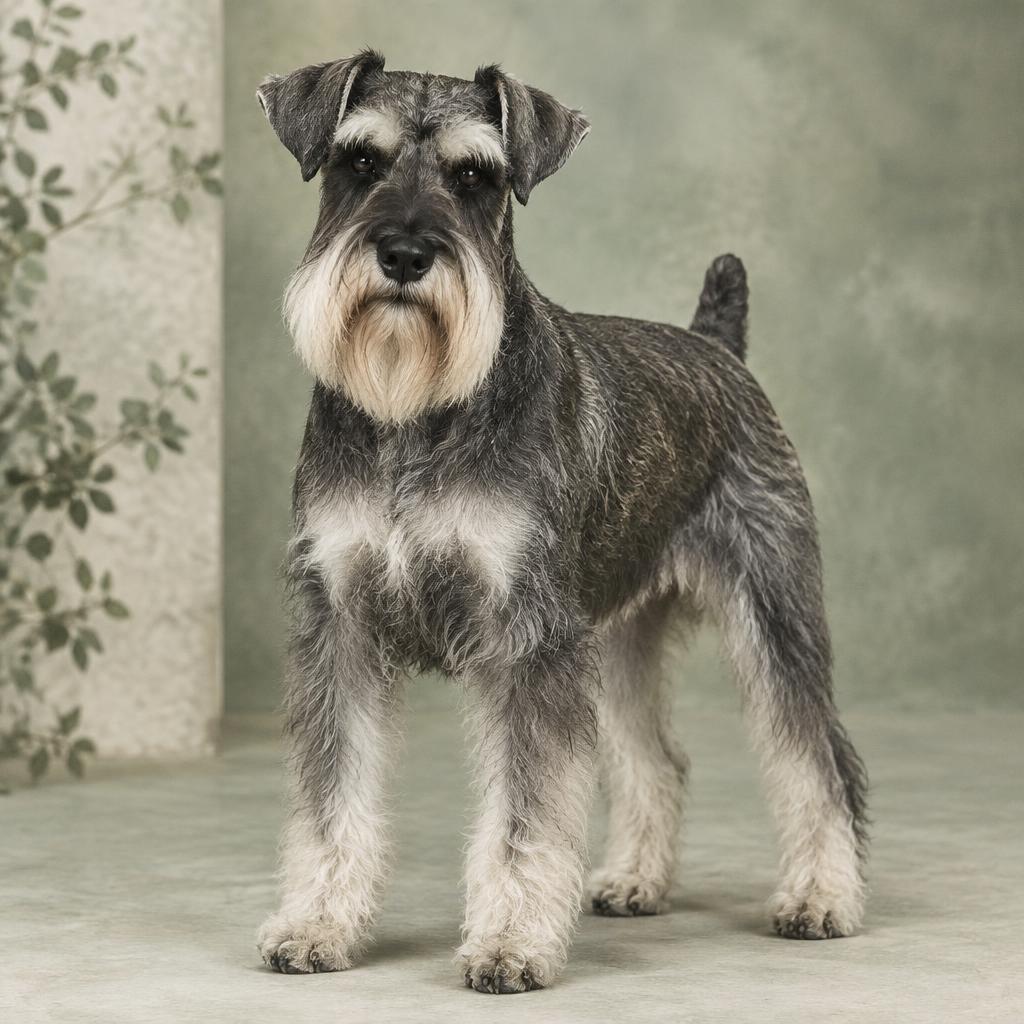
| Standard Schnauzer | 14 to 20 kg | 7/10 | 6/10 | €96 |
| German Shepherd | 22 to 40 kg | 9/10 | 5/10 | €153 |
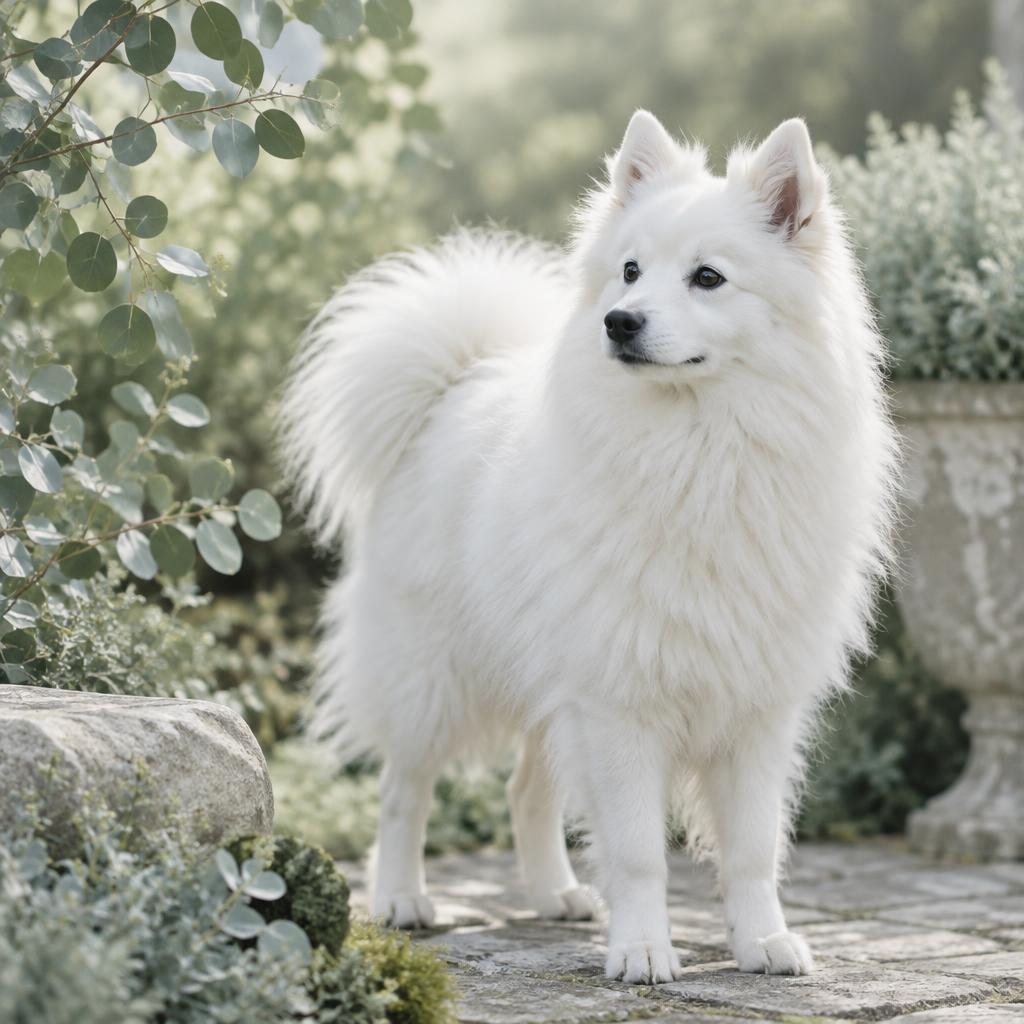
| American Eskimo Dog | 3 to 16 kg | 7/10 | 6/10 | €73 |
Pomsky questions, answered
How big do Pomskies get?
Most adults weigh between 7 and 14 kg and stand 25 to 38 cm, but size varies widely. Ask to see the parents and the adult sizes of previous litters.
Do Pomskies shed?
Heavily. Both parents have thick double coats, so expect year-round shedding and heavy seasonal moults. They are not hypoallergenic.
Are Pomskies good family dogs?
They can be with older, sensible children. They are playful and affectionate, but smaller dogs can be hurt by rough handling, and many are vocal and stubborn.
Do Pomskies bark a lot?
Usually, yes. They often combine Pomeranian barking with Husky howling and talking, which matters if you have close neighbours.
How are Pomskies bred?
First-generation Pomskies are usually produced by artificial insemination, with a Husky mother and Pomeranian father. Many today are multigenerational Pomsky to Pomsky litters.
How long do Pomskies live?
Around 12 to 15 years, depending on size, genetics and care.
Is a teacup Pomsky real?
Very small Pomskies exist, but teacup marketing is a warning sign. Extreme smallness often comes from unhealthy breeding and adult size cannot be guaranteed.