Utility group
United States
American Eskimo Dog
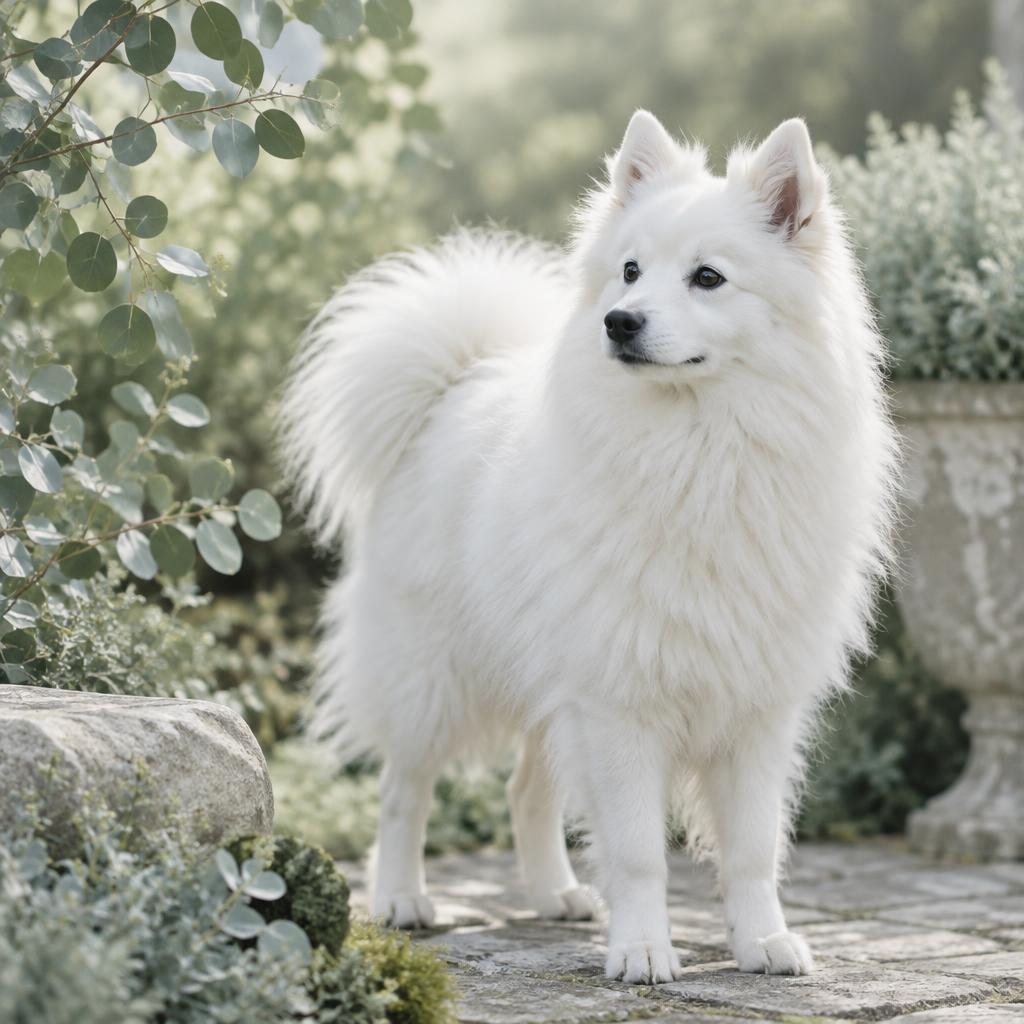
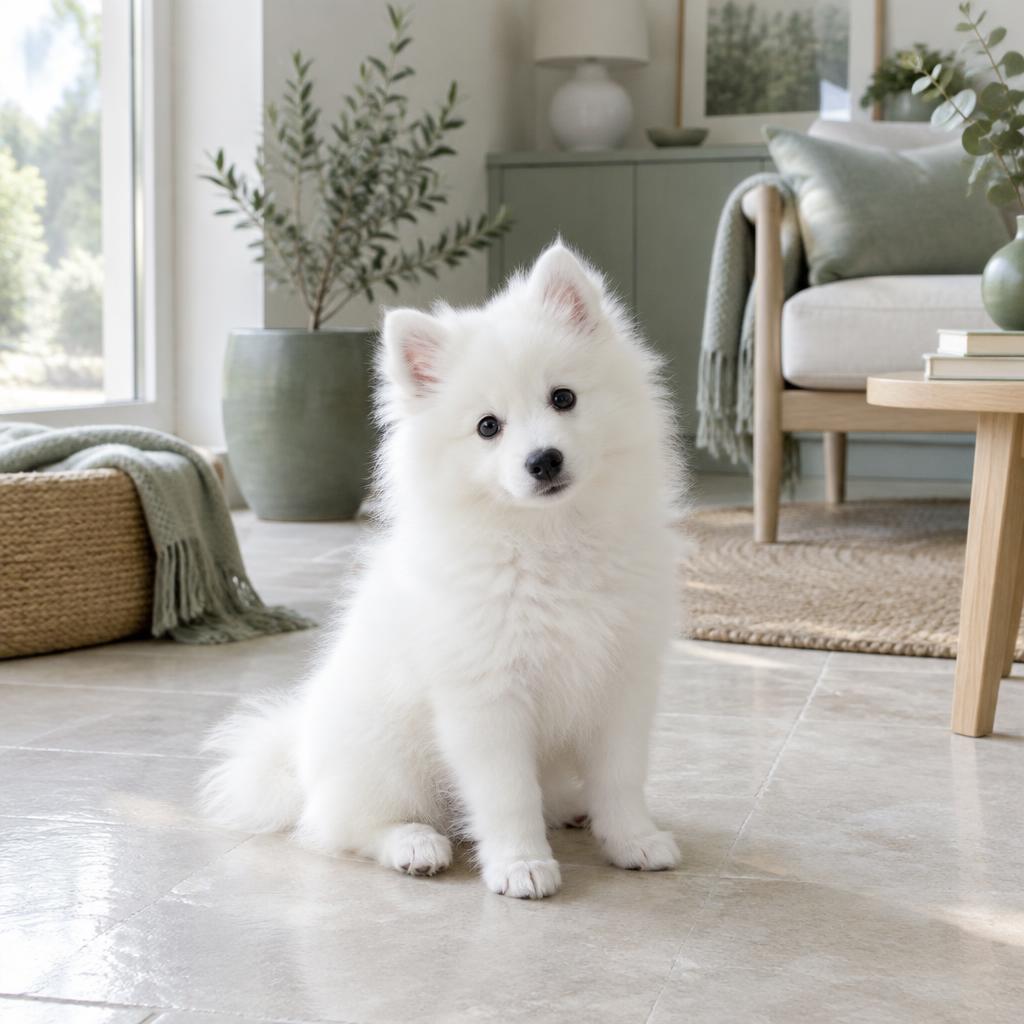
A bright white spitz in three sizes: clever, trainable and devoted, with a watchdog bark and a show-stopping coat. Suits engaged owners who enjoy training and do not mind brushing.
The little white cloud with a circus brain.
The short version
- Three sizes: toy, miniature and standard
- One of the most trainable breeds; excels at tricks and obedience
- A serious alert bark; teach a quiet cue early
- White double coat sheds and needs brushing two or three times a week
- Long-lived, often 12 to 15 years
Choose a variety
23 to 30 cm and roughly 3 to 5 kg; the lap-sized version, still a real dog in outlook.
- Weight
- 3 to 16 kg
- Height
- 23 to 48 cm
- Lifespan
- 12 to 15 yrs
- Size
- Small
- Group
- Utility
- Coat
- Thick white double coat with a mane and plumed tail
- Years to full size
- about 1
- One-off setup
- €700 to 1400
Get one if…
- Owners who enjoy training and trick work
- Families with older children
- People wanting a small to medium watchdog
- Homes that want a devoted, involved companion
Think again if…
- Noise-sensitive flats with thin walls
- Owners out all day every day
- People who dislike dog hair on dark clothing
- Anyone wanting a dog that instantly loves strangers
Trait profile
Scores reflect a clever, alert spitz: very trainable and affectionate, but vocal and a steady shedder.
Space & setup. Adapts well to flats in the smaller sizes if exercised daily and the alert bark is managed.
Allergies. A heavy seasonal shedder; not a low-allergen breed.
Living with a American Eskimo Dog
The American Eskimo Dog is a white spitz breed developed in the United States from German Spitz stock, famous as a circus performer in the early twentieth century. It comes in three sizes: toy, miniature and standard. Bright, quick to learn and devoted to its family, it is alert with strangers and inclined to announce visitors. The plush white double coat sheds and needs regular brushing. It suits engaged owners who enjoy training a clever, characterful dog.
Despite the name, the American Eskimo Dog has nothing to do with the Arctic or with Inuit peoples: it descends from the white German Spitz brought to the American Midwest by German immigrants in the nineteenth century. Renamed during the First World War, it became famous as a circus dog; a performer called Pierre walked a tightrope with the Barnum and Bailey circus. That performing heritage shows today: few breeds learn tricks faster or enjoy showing off more.
At home the Eskie is devoted, playful and deeply attached to its people, often choosing one favourite person. With strangers it is reserved, and the sharp, carrying bark makes it an excellent early warning system, though neighbours in thin-walled flats may disagree. This is a dog that needs to be part of family life, not a garden ornament.
Exercise needs are moderate: an hour a day suits most, with training games and trick sessions to exercise the busy brain. The glorious white coat is easier to keep clean than it looks, since dirt dries and brushes out, but it sheds steadily and blows coat seasonally; brush two or three times a week, daily during moults. Health is generally good with a long lifespan, though hip dysplasia, patellar luxation and progressive retinal atrophy occur, so choose a breeder who tests.
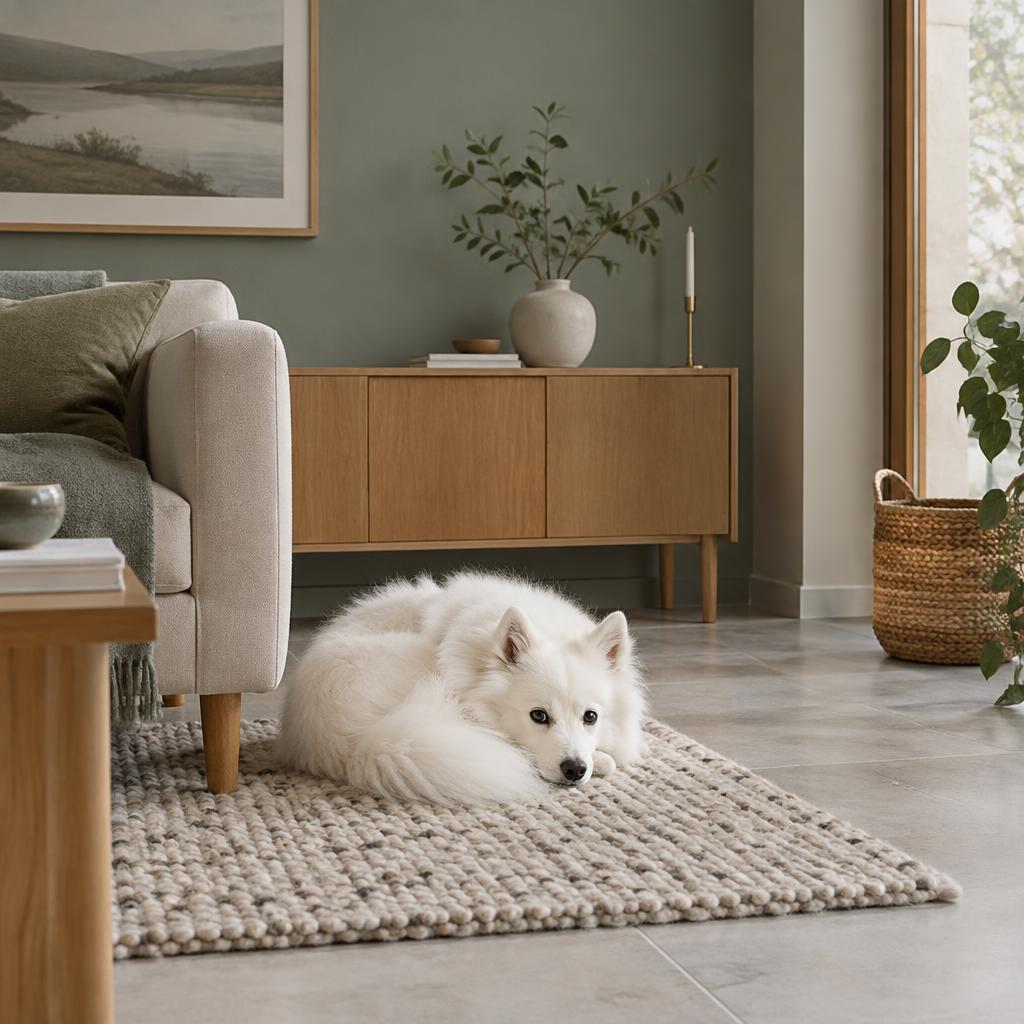
A clever, beautiful, trainable spitz that bonds deeply with its people. The barking and the brushing are the price of admission.
Exercise, day to day
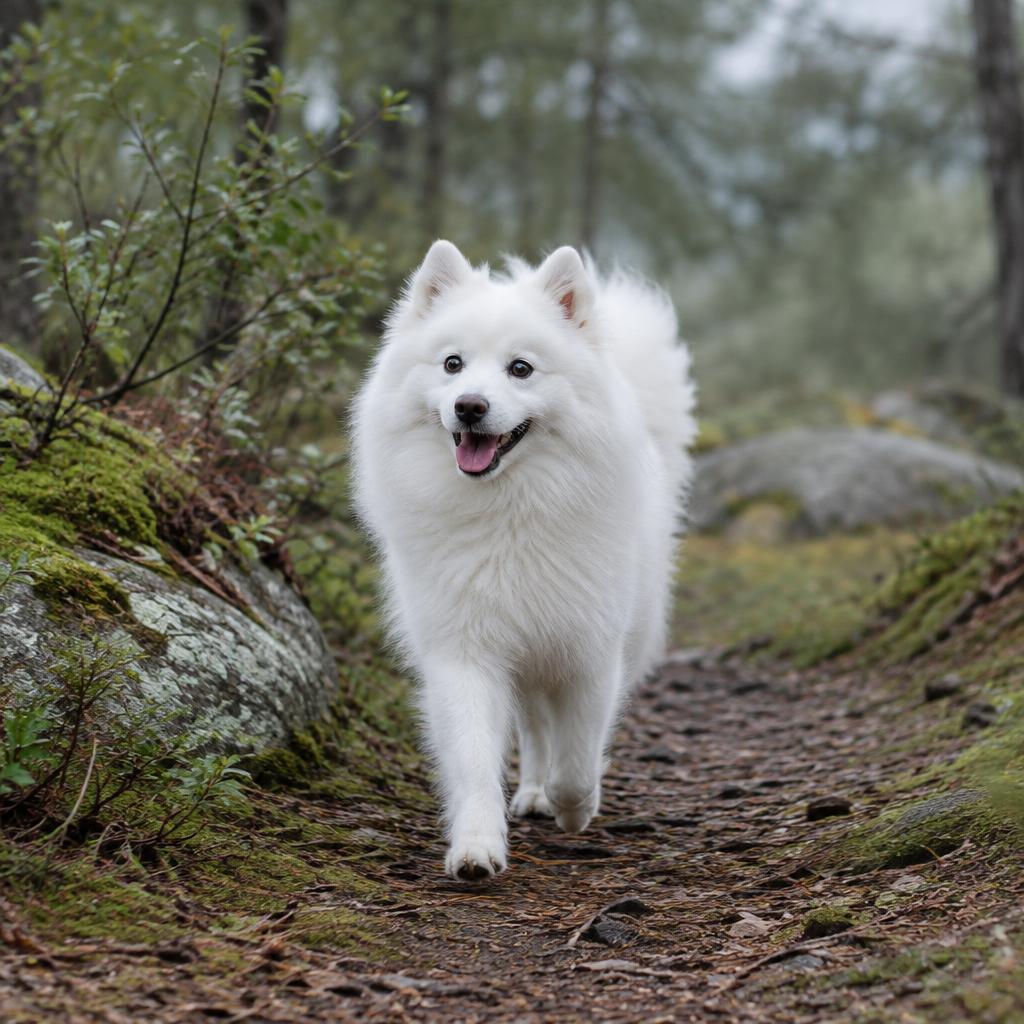
- 1Sixty minutes of exercise daily for standard size, a little less for toy and miniature
- 2Trick training and obedience games to work the clever brain
- 3Off-lead play in safe areas; recall is usually reliable with training
- 4Agility or rally as a weekly outlet
Grooming, realistically
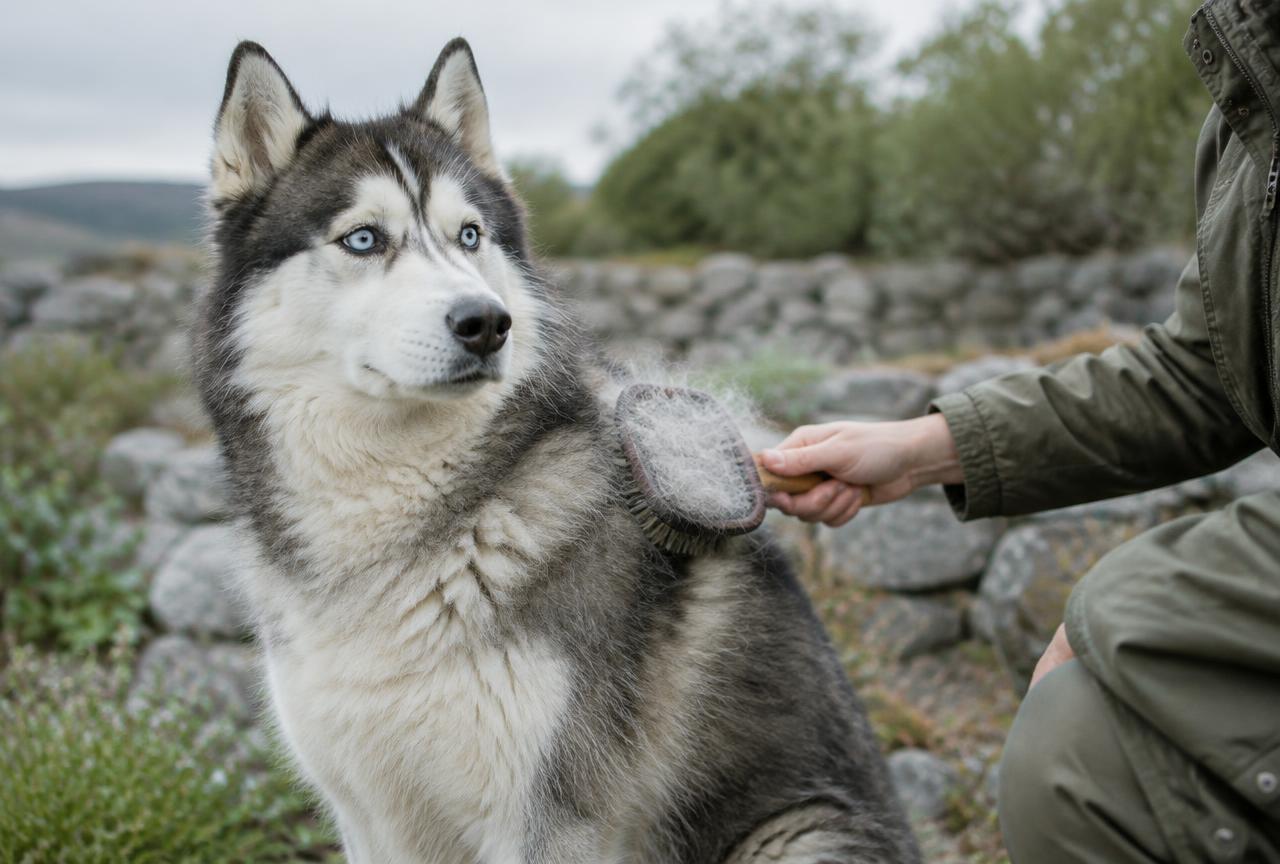
- 1Brush two or three times a week with a pin brush and comb, daily during seasonal moults
- 2Never shave the double coat; it protects against heat and cold
- 3Bath every month or two; the coat resists dirt and dries clean
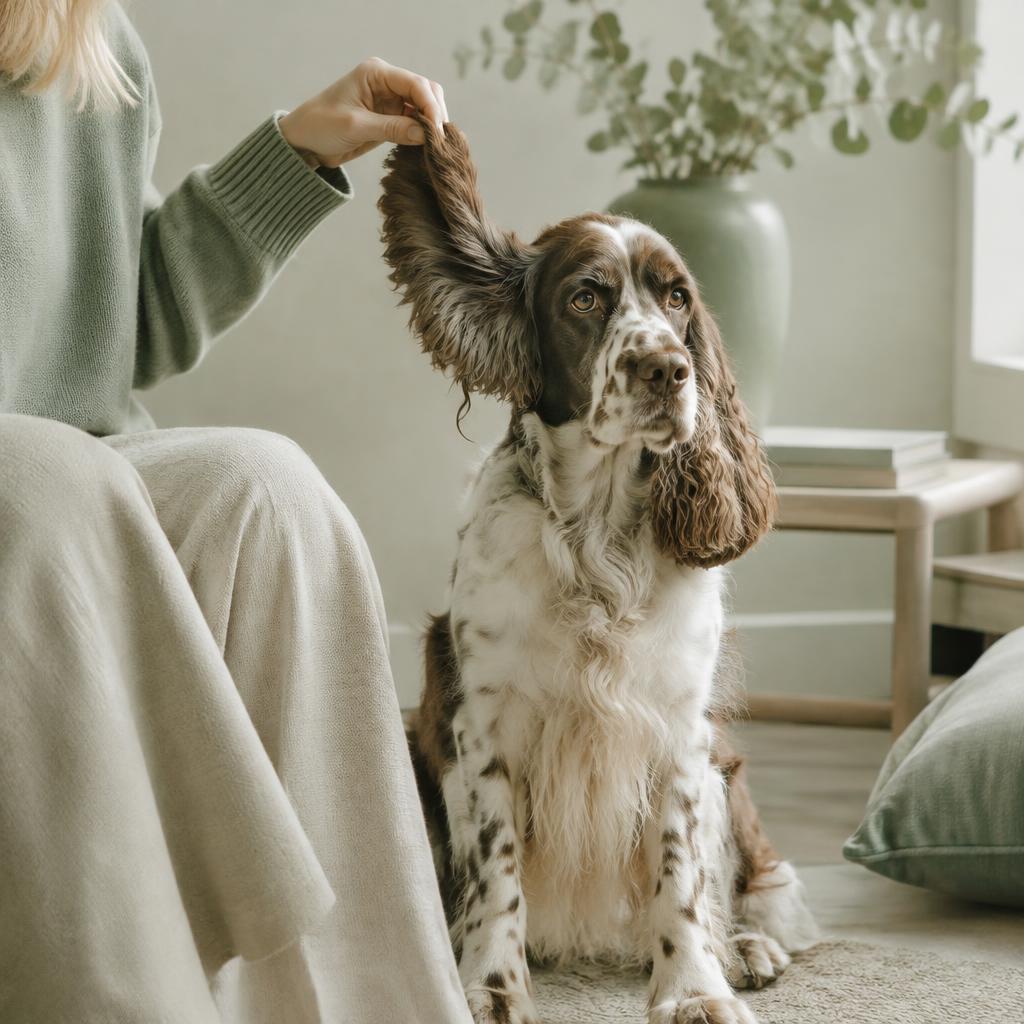
- 4Check ears weekly and keep nails short
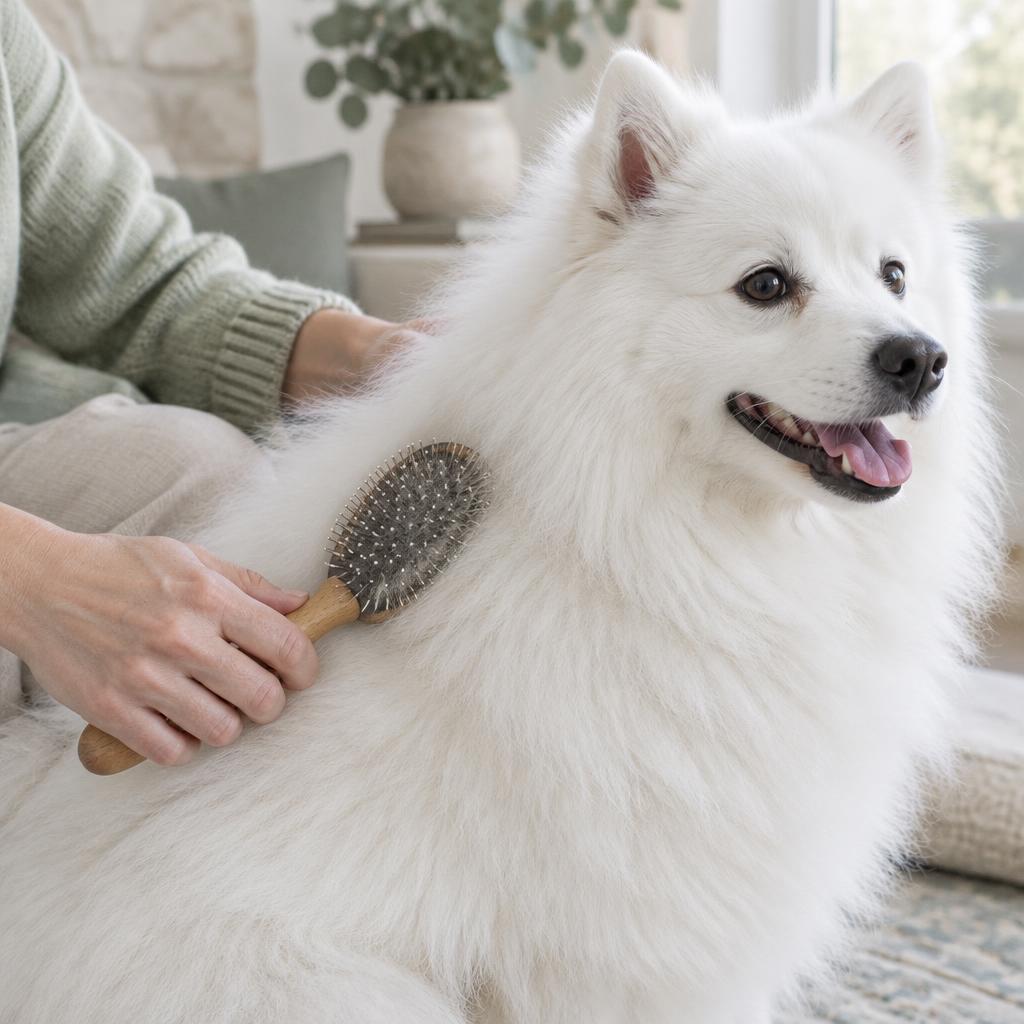
What you actually need
- Pin brush
- Metal comb
- Undercoat rake
- Nail clippers
Puppy to adult
| Age | Male | Female | What is happening |
|---|---|---|---|
| 8 weeks | 1 to 2 kg | 1 to 2 kg | Bright and busy; start handling, name games and a toilet routine. |
| 3 months | 2.5 to 4.5 kg | 2 to 4 kg | Socialisation window; introduce visitors, dogs and everyday sounds. |
| 6 months | 4 to 9 kg | 3.5 to 8 kg | Adolescent opinions arrive; keep training short, varied and fun. |
| 9 months | 4.5 to 12 kg | 4 to 11 kg | Near adult height; the adult coat begins to come in. |
| 12 months | 5 to 15 kg | 4 to 13 kg | Close to adult size; mane and tail plume filling out. |
| 18 months | 5 to 16 kg | 4 to 14 kg | Fully grown; size varies with the toy, miniature or standard variety. |
Ranges are typical, not targets. Judge condition by ribs and waist, and check with the ideal weight checker.
What to ask a breeder
- Have the parents been hip scored and patella checked?
- Have the parents had DNA tests for progressive retinal atrophy?
- Are the parents steady with strangers and children?
- Which size variety do your lines produce, and how big will this puppy get?
- What health testing results can I see for both parents?
Health tests to ask for
Ask to see results for both parents before you put down a deposit.
- Hip scoring for both parents
- Patella examination
- DNA test for progressive retinal atrophy (prcd-PRA)
- Eye examination by a veterinary ophthalmologist
Health watch-list
What to ask a breeder about, and what to watch for over a lifetime. This is orientation, not veterinary advice, anything you notice belongs in front of a vet.
Hip dysplasia
UncommonAsk for hip scores for both parents; keep puppies lean while growing.
Patellar luxation
OccasionalKneecaps that slip out of place occur in the smaller sizes; ask about patella checks.
Progressive retinal atrophy
UncommonA DNA test (prcd-PRA) exists; breeding dogs should be tested or clear by parentage.
Dental disease
OccasionalEspecially in the toy size; brush teeth several times a week and schedule dental checks.
Allergies and skin irritation
OccasionalWhite coats show tear stains and skin pinkness; discuss persistent itching with your vet.
What it costs to keep one
Realistic running cost
€73 / month
About €876 a year, or roughly €12,264 across a 14-year life, before purchase price, neutering and one-off vet events.
Before the puppy arrives. Budget roughly €700 to 1400 for a crate, bed, lead and harness, bowls, puppy classes, first vaccinations and grooming kit sized for this breed. Figures throughout are indicative and vary a good deal between countries.
Interactive · built for this breed
Is a American Eskimo Dog right for your home?
Seven honest questions about your space, time and household, checked against this breed's exercise need, coat, sociability and tolerance for time alone.
Fit with your routine
93%
A strong fit
Your routine suits a American Eskimo Dog well. Meet adult dogs of the line before you commit.
What to sort out first
- Needs more daily exercise than you have pencilled in.
- Coat needs more brushing or trimming than you have allowed.
Compare more breeds in the matchmaker, or plan meals with the portion calculator.
The verdict, by household
Very good with older children who join in training and play.
A good choice for engaged owners; the barking needs early management.
Not suitable: a heavy seasonal shedder.
Workable in the smaller sizes if the alert bark is trained early.
When to call your vet
- Cloudy eyes, night hesitation or bumping into furniture
- Limping, skipping steps or stiffness after rest
- Excessive scratching, ear head-shaking or coat changes
- Changes in appetite, weight or energy
Nothing here is a diagnosis. A swollen, hard belly with retching, collapse, breathing difficulty and sudden hind-leg weakness are emergencies: go straight away.
American Eskimo Dog vs the closest alternatives
| Breed | Weight | Energy | Grooming | € / month |
|---|---|---|---|---|
| American Eskimo Dog | 3 to 16 kg | 7/10 | 6/10 | €73 |
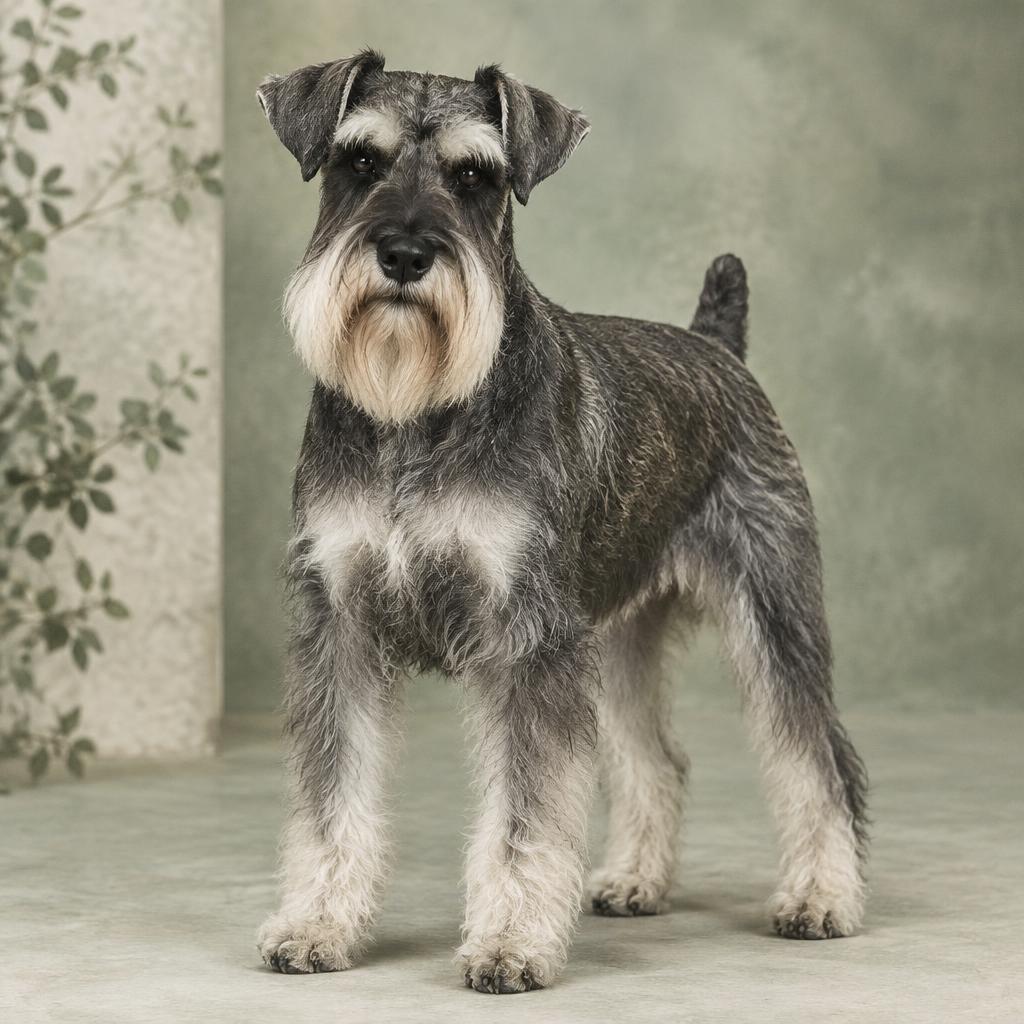
| Standard Schnauzer | 14 to 20 kg | 7/10 | 6/10 | €96 |
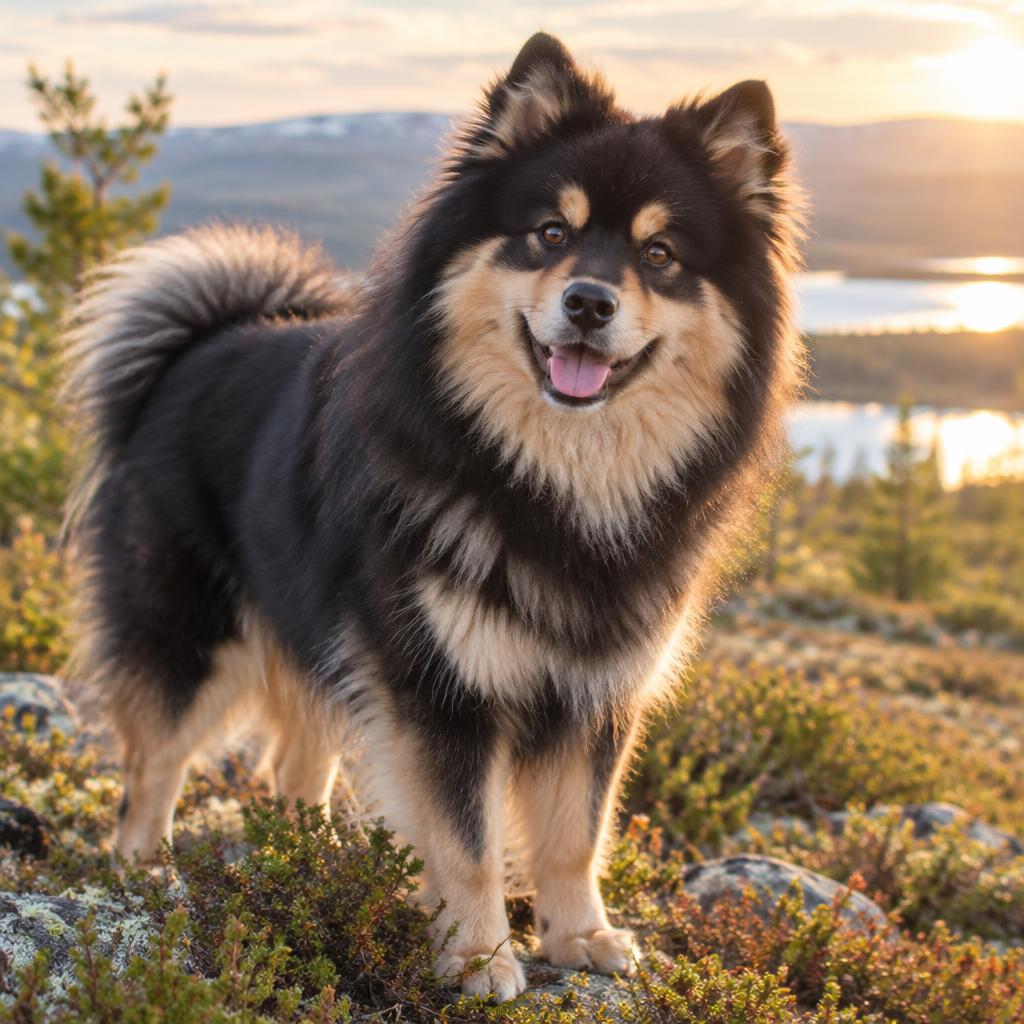
| Finnish Lapphund | 15 to 24 kg | 7/10 | 5/10 | €89 |
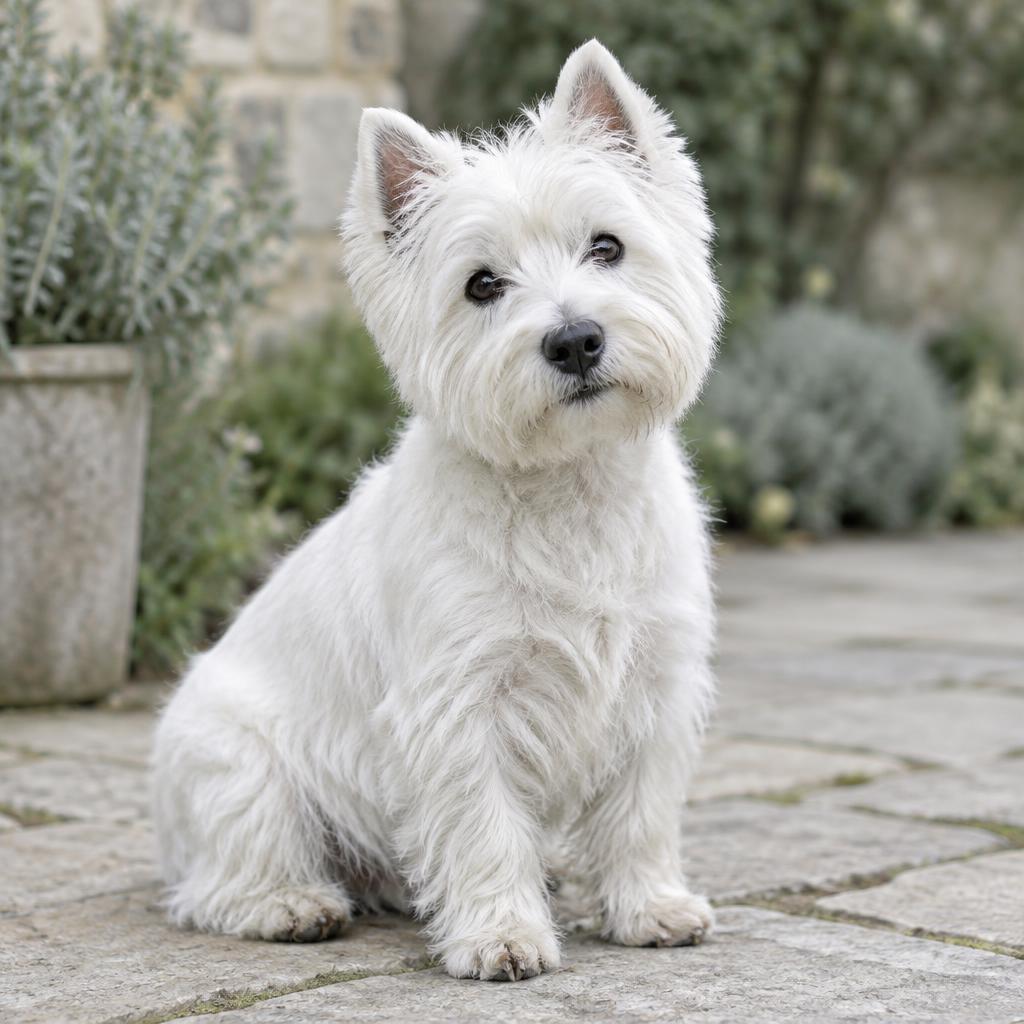
| West Highland White Terrier | 7 to 10 kg | 7/10 | 7/10 | €91 |
American Eskimo Dog questions, answered
Is the American Eskimo Dog actually from Alaska?
No. It descends from white German Spitz dogs brought to America by German immigrants, and was renamed during the First World War. It has no connection to Inuit peoples or the Arctic.
Do American Eskimo Dogs bark a lot?
They are alert watchdogs and will announce visitors and unusual sounds. Teach a quiet cue from puppyhood and give them enough mental work, and the barking is very manageable.
How much do American Eskimo Dogs shed?
Steadily all year and heavily during seasonal moults. Brush two or three times a week, daily when blowing coat, and expect white hair on dark clothing.
Are American Eskimo Dogs easy to train?
They are among the most trainable breeds and were famous circus performers. They learn quickly, love trick training and get bored by repetition, so keep sessions short and fun.
What sizes do American Eskimo Dogs come in?
Three: toy (23 to 30 cm), miniature (30 to 38 cm) and standard (38 to 48 cm). Temperament and care are the same across the sizes; exercise needs scale up a little with size.
Are American Eskimo Dogs good with children?
Yes, with children who treat them kindly, and they love being part of family games. As with any breed, supervise young children and teach calm handling.