
How Long Do Dogs Live? Lifespan by Size and Breed
Why a Chihuahua can outlive a Great Dane by a decade, and what you can actually do about it.
The SniffScroll desk
Published 9 October 2026
Reviewed against current veterinary longevity research
The short version
- Average dog lifespan is 11 to 13 years, but size is the biggest predictor: toy breeds often reach 15, giant breeds sometimes only 8.
- Large dogs age faster at the cellular level; a seven-year-old Great Dane is old, a seven-year-old terrier is middle-aged.
- Keeping your dog lean is the single biggest proven lifespan lever, worth nearly two extra years in the landmark study.
- Dental care, daily exercise and regular vet checks each add measurable healthy years.
- Mixed-breed dogs outlive purebreds by about a year on average, thanks to genetic diversity.
Ask a room of dog owners how long dogs live and most will say something like ten to thirteen years. That is the average, but averages hide the strangest fact in dog biology: dogs are the most size-diverse mammal on Earth, and their lifespans vary more than any other species'' as a result. A healthy Chihuahua can reasonably expect fifteen or sixteen years. A Great Dane is doing well to see nine. Same species, same vet, same food aisle, nearly double the difference.
Understanding what drives that difference matters for two reasons. It helps you choose a breed with your eyes open, and it tells you where your effort actually counts. Because while you cannot change your dog''s genetics, the research is clear that a handful of controllable factors, weight above all, move the needle by years rather than months.
How long do dogs live? The short answer
The average dog lives around 11 to 13 years, but size is the biggest predictor: toy and small breeds commonly reach 13 to 16 years, medium breeds 11 to 14, large breeds 9 to 12, and giant breeds 7 to 10. Mixed-breed dogs tend to outlive purebreds slightly. After genetics, the factors owners control, keeping the dog lean, daily exercise, dental care and regular vet checks, have the largest proven effect on lifespan.
The size paradox
In almost every other branch of the animal kingdom, big animals outlive small ones. Elephants outlive mice, whales outlive shrews. Dogs break the rule completely: within the species, the bigger the dog, the shorter the life.
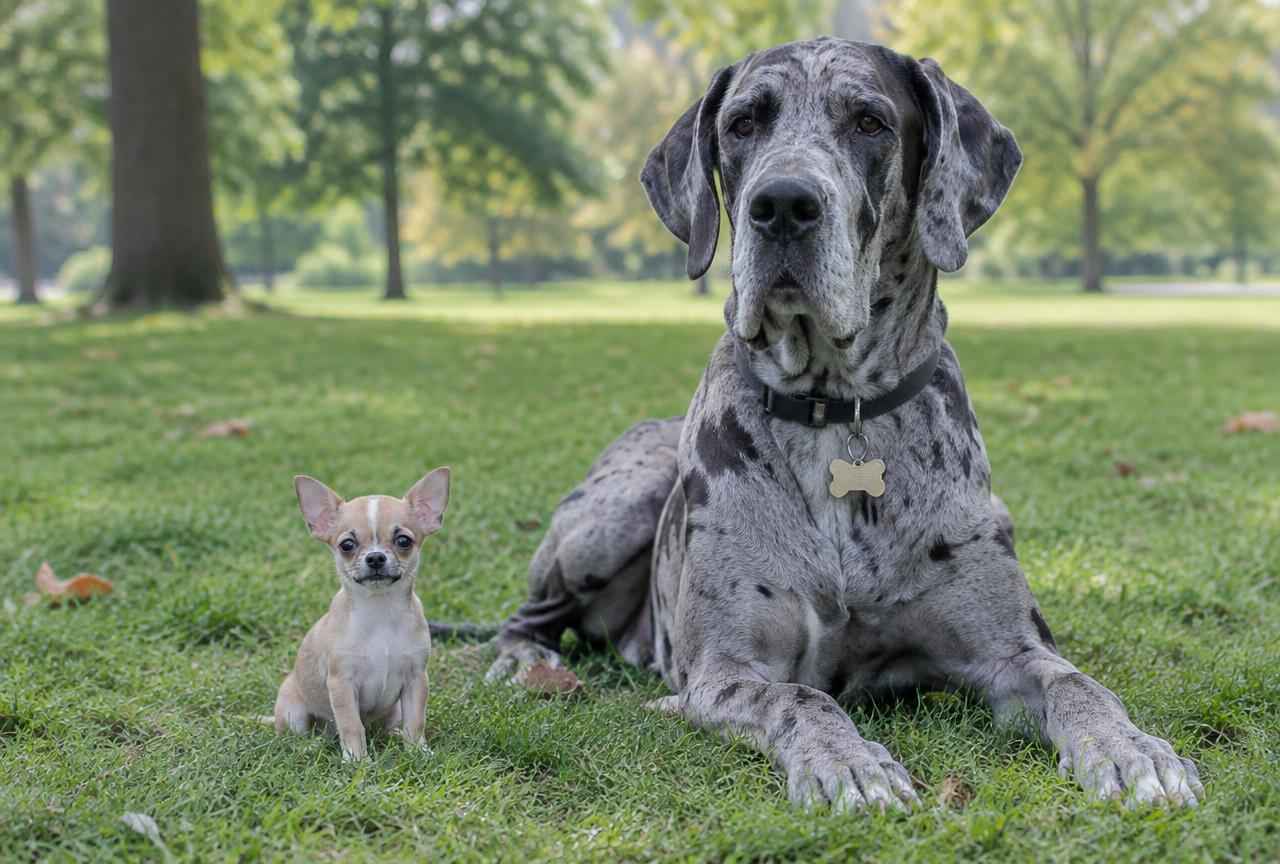
The leading explanation is growth speed. Large and giant breeds grow extraordinarily fast, and that rapid cell division appears to carry long-term costs: large dogs age faster at the cellular level and develop age-related diseases, particularly cancers, earlier. A seven-year-old Great Dane is physiologically an old dog, while a seven-year-old terrier is barely middle-aged. Research from the Dog Aging Project and breed longevity studies in the UK consistently show each increase in body size shaving time off the average.
This is also why the old "seven human years per dog year" rule fails. Dogs race through puppyhood, coast through middle age at different speeds depending on size, and hit old age on completely different schedules. Our dog years guide covers the modern science if you want the full picture.
Typical lifespan by size
| Size | Example breeds | Typical lifespan | Senior from |
|---|---|---|---|
| --- | --- | --- | --- |
| Toy | Chihuahua, Pomeranian, Maltese | 13 to 16 years | around 10 |
| Small | Dachshund, Jack Russell, Shih Tzu | 12 to 15 years | around 10 |
| Medium | Border Collie, Cocker Spaniel, Beagle | 11 to 14 years | around 8 |
| Large | Labrador, German Shepherd, Boxer | 9 to 12 years | around 7 |
| Giant | Great Dane, Newfoundland, Mastiff | 7 to 10 years | around 6 |
These are population averages, not destinies. Individual dogs routinely beat their bracket, and the spread within any breed is wide. But if you are choosing between breeds, this table is the honest starting point.
Breed, genetics and the mixed-breed advantage
Within size brackets, genetics still matter. Some breeds carry inherited conditions that shorten average life: flat-faced breeds like the Bulldog and French Bulldog face breathing, heart and heat problems; some giant breeds have high rates of bone cancer; Cavalier King Charles Spaniels have a heartbreaking prevalence of heart disease. Responsible breeding, health testing and choosing breeders who screen for these conditions genuinely changes the odds, which is why our breed profiles list the specific health tests to ask about.
Mixed-breed dogs, on average, outlive purebreds by roughly a year, and the mechanism is genetic diversity. A wider gene pool means fewer pairs of recessive disease genes lining up. That said, a well-bred purebred from health-tested lines can easily outlive a poorly bred crossbreed, so the rule is a tendency, not a law.
The levers you actually control
Here is the encouraging part. The largest lifespan study of its kind, the Purina lifetime study of Labradors, found that dogs kept lean lived almost two years longer than their littermates fed more. Two years, from one change. The evidence-backed levers, in rough order of impact:
- 1Keep your dog lean. You should be able to feel the ribs under a thin fat cover and see a waist from above. Overweight dogs develop diabetes, joint disease and heart strain earlier, and the two-year penalty is real.
- 2Exercise daily, appropriately. Regular, moderate exercise protects the heart, joints and brain. The key word is appropriate: a young giant breed''s growing joints need restraint, and a senior needs shorter, more frequent outings rather than weekend marathons.
- 3Look after the teeth. Dental disease is not a cosmetic issue. Chronic mouth inflammation is linked to heart, liver and kidney damage, and most dogs over three have some level of it. Brushing and vet dental checks are lifespan care, not vanity.
- 4Vaccinate, worm and prevent. Parasites and preventable diseases still kill dogs every year. Keeping prevention current is cheap, easy longevity.
- 5See the vet before you need to. Annual checks for adults, twice-yearly for seniors, catch kidney disease, heart murmurs and cancers while they are still manageable. Dogs hide illness well; by the time symptoms are obvious, the window has often narrowed.

Caring for a senior dog
The senior years arrive on different schedules by size, but the care shift looks similar whenever it comes. The goal changes from building fitness to protecting comfort and catching change early.
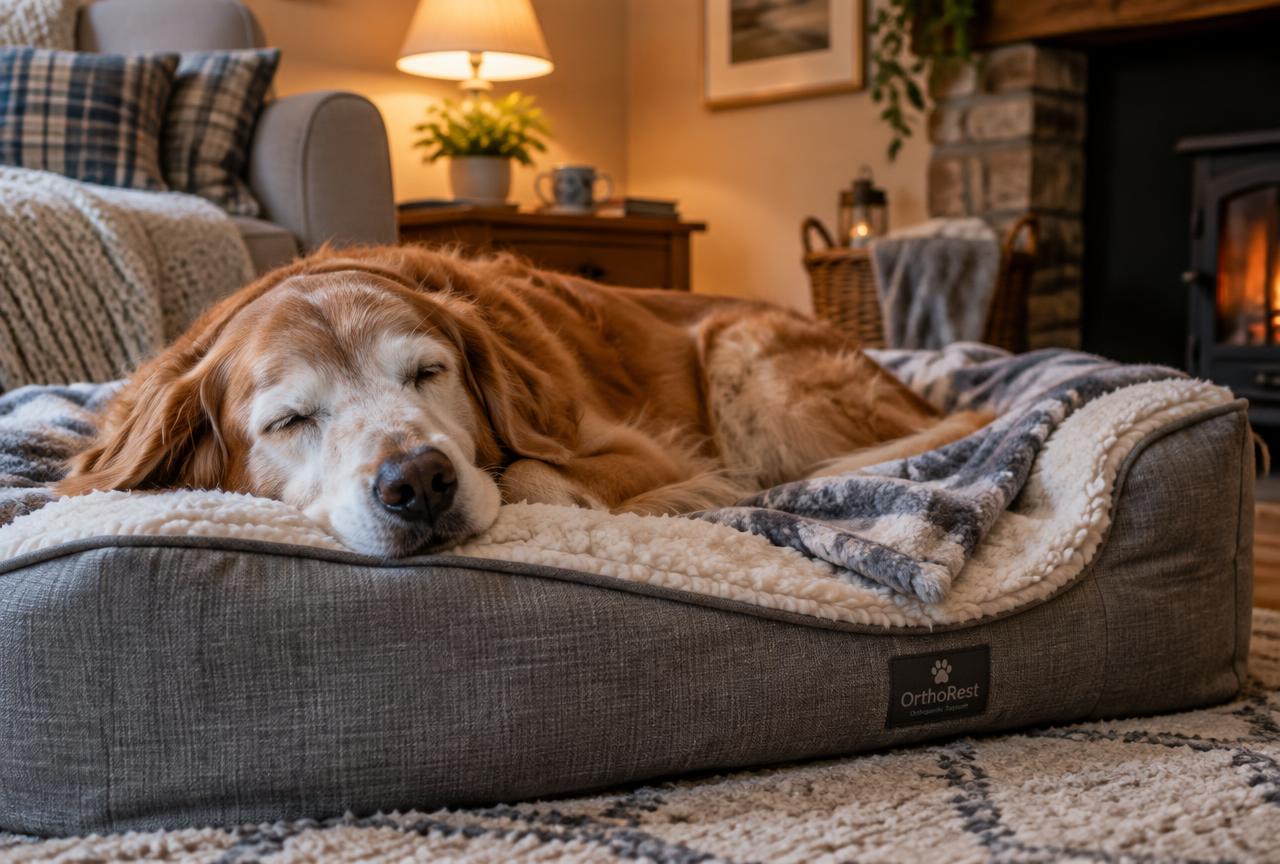
Swap long hikes for shorter, more frequent walks that keep joints moving without exhausting them. Add ramps or steps for the sofa and car, because repeated jumping wears arthritic joints. Move to an orthopaedic bed; old dogs sleep more and their pressure points need support. Keep the brain working with gentle training, sniffing games and routine, since cognitive decline is real in dogs and enrichment slows it. And weigh your dog monthly: unexplained weight loss in a senior is one of the earliest flags for several serious diseases, and it is easy to miss under a thick coat.
Interactive · lifespan estimator
How long might your dog live?
Choose your dog's size and age for a typical lifespan range and the care milestones that matter.
Care milestones
- Adult stage: annual vet checks, weight control and dental care keep the senior years comfortable.
- From around age 8, treat your dog as a senior: softer beds, shorter more frequent walks, and ramps over jumps.
- The biggest levers on lifespan you control: keeping weight lean, daily exercise, dental hygiene and prompt vet visits.
Typical range: 11 to 14 years
A medium dog typically lives 11 to 14 years. At 4, yours is on the younger side of the range, with roughly 8.5 years around the average. Individual genetics and care matter more than the number.
The bottom line
Your dog''s lifespan is written partly in its genes and partly in its daily life. You chose the genes when you chose the dog; you write the rest every day, in the food bowl, on the walk and at the vet. A lean, exercised, well-dentisted dog with regular vet care is not just likelier to live longer: it is likelier to be well for more of the years it gets, which is the part that actually matters.
Questions people actually ask
What dog breed lives the longest?
Small breeds top the tables: Chihuahuas, Jack Russell Terriers, Dachshunds and toy poodles routinely reach 14 to 16 years, and some individuals pass 18.
What dog breed has the shortest lifespan?
Giant and flat-faced breeds have the shortest averages: Great Danes, Bernese Mountain Dogs, Mastiffs and Bulldogs typically live 7 to 10 years.
Do mixed-breed dogs live longer than purebreds?
On average, yes, by roughly a year, because a wider gene pool reduces the chance of inherited disease. A well-bred purebred from health-tested lines can still outlive a crossbreed.
How can I help my dog live longer?
Keep it lean, exercise it daily at an appropriate level, brush its teeth, keep vaccinations and parasite prevention current, and see the vet annually, twice a year once it is senior.
Is one dog year really seven human years?
No. Dogs age fast in their first two years, then at different rates depending on size. Small dogs age slowly after maturity while giant breeds age quickly, so a single multiplier never works.
When is a dog considered old?
It depends on size: giant breeds are senior from about 6, large breeds from 7, medium from 8, and small and toy breeds from about 10.
Sources
Breeds mentioned

Chihuahua
A tiny, big-hearted toy breed that needs careful handling, dental care and protection from the cold.
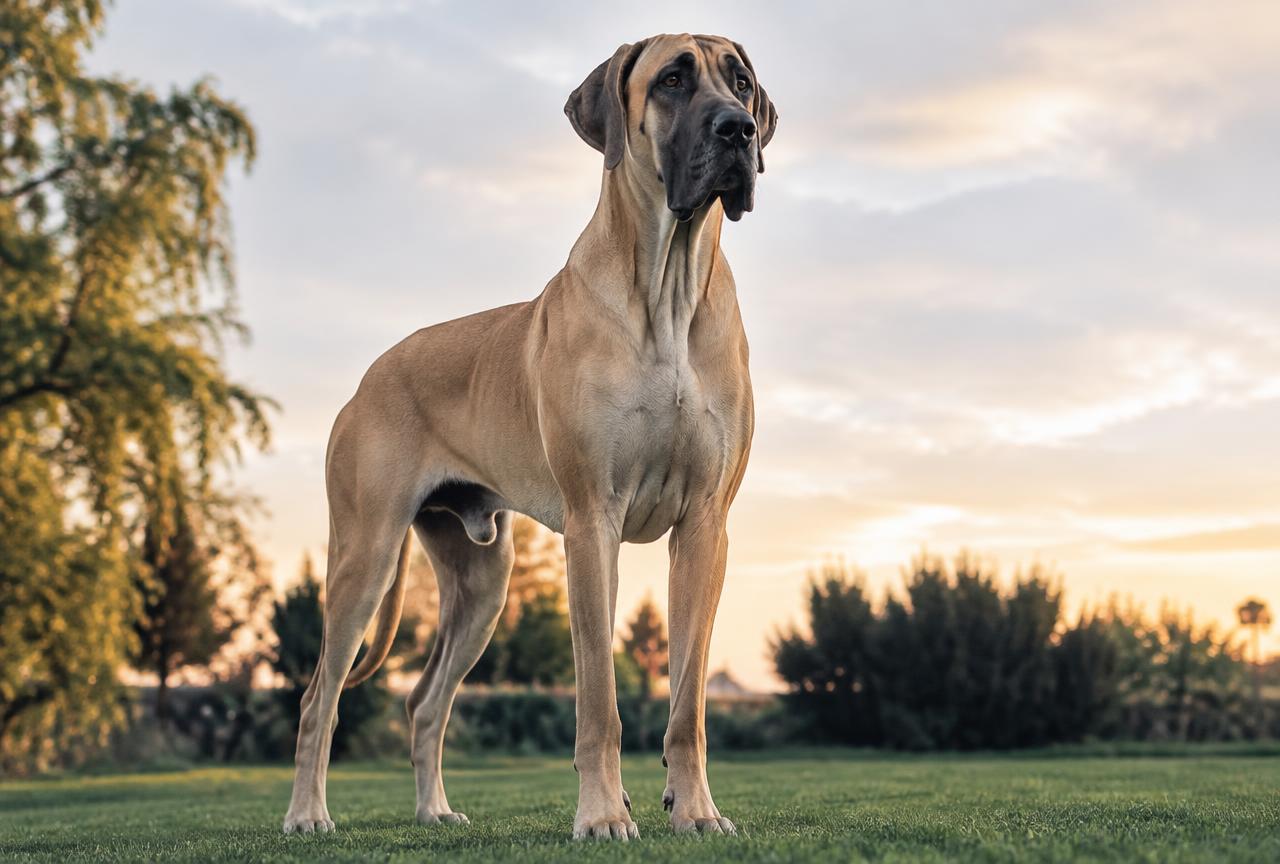
Great Dane
A gentle giant whose enormous size demands patient growth, vigilant bloat awareness and an honest look at lifespan and cost.

Labrador Retriever
Britain's most popular family dog: biddable, food driven and built for an active household.
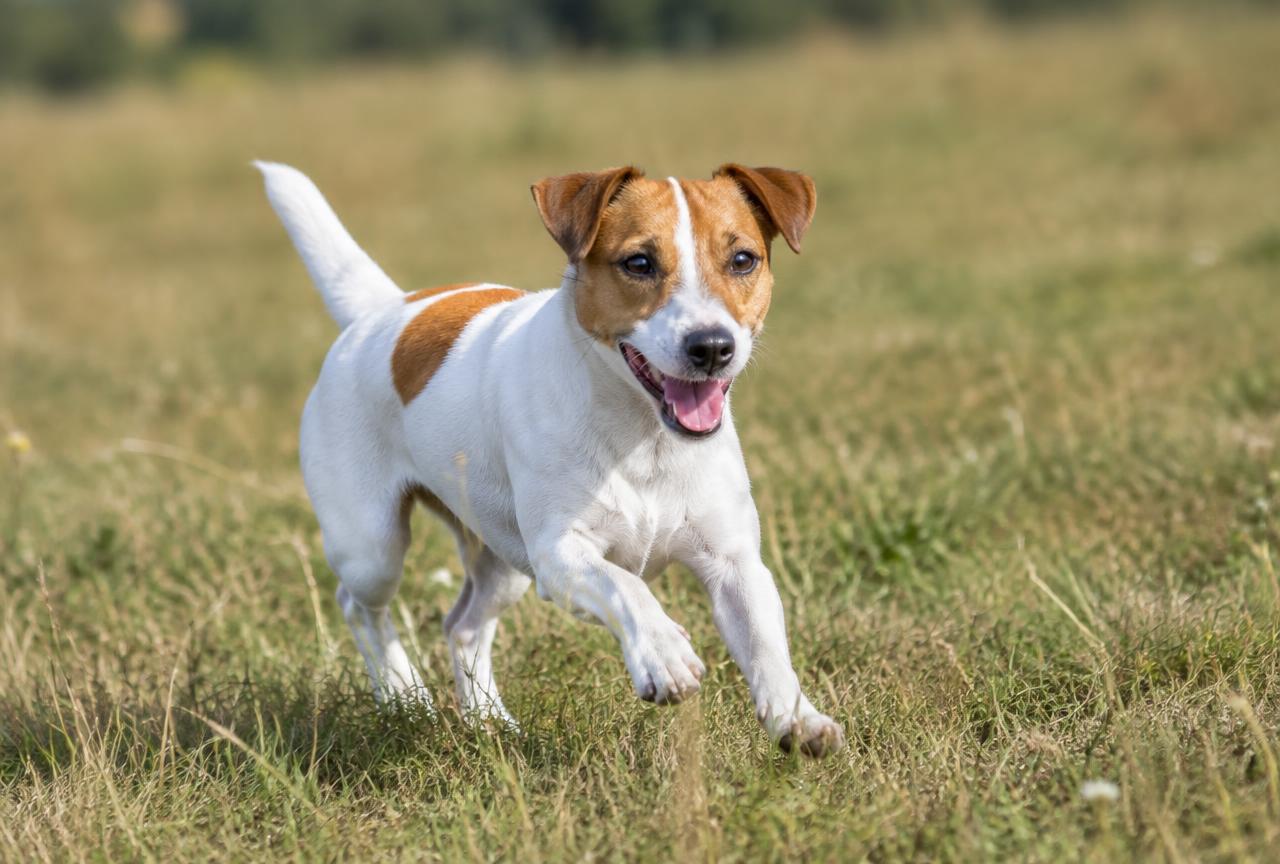
Jack Russell Terrier
A bold, tireless working terrier with huge personality packed into a small frame.
Put it into practice
Read next
Dog Dry Heaving: Causes and When It Is an Emergency
Dog dry heaving is usually throat irritation or mild nausea, but repeated unproductive retching with a swollen, tight belly can be bloat (GDV), a life-threatening emergency.


