Toy group
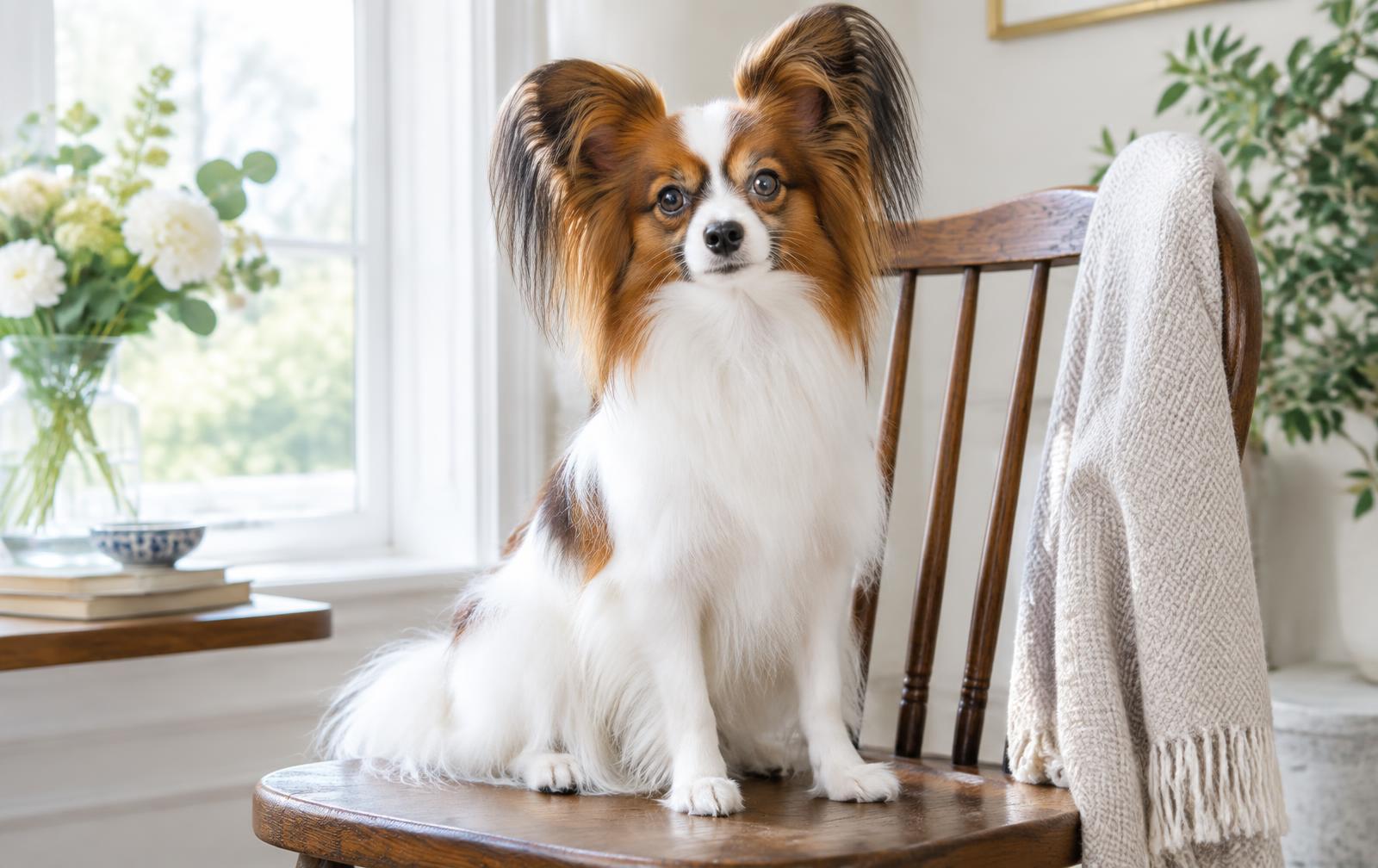
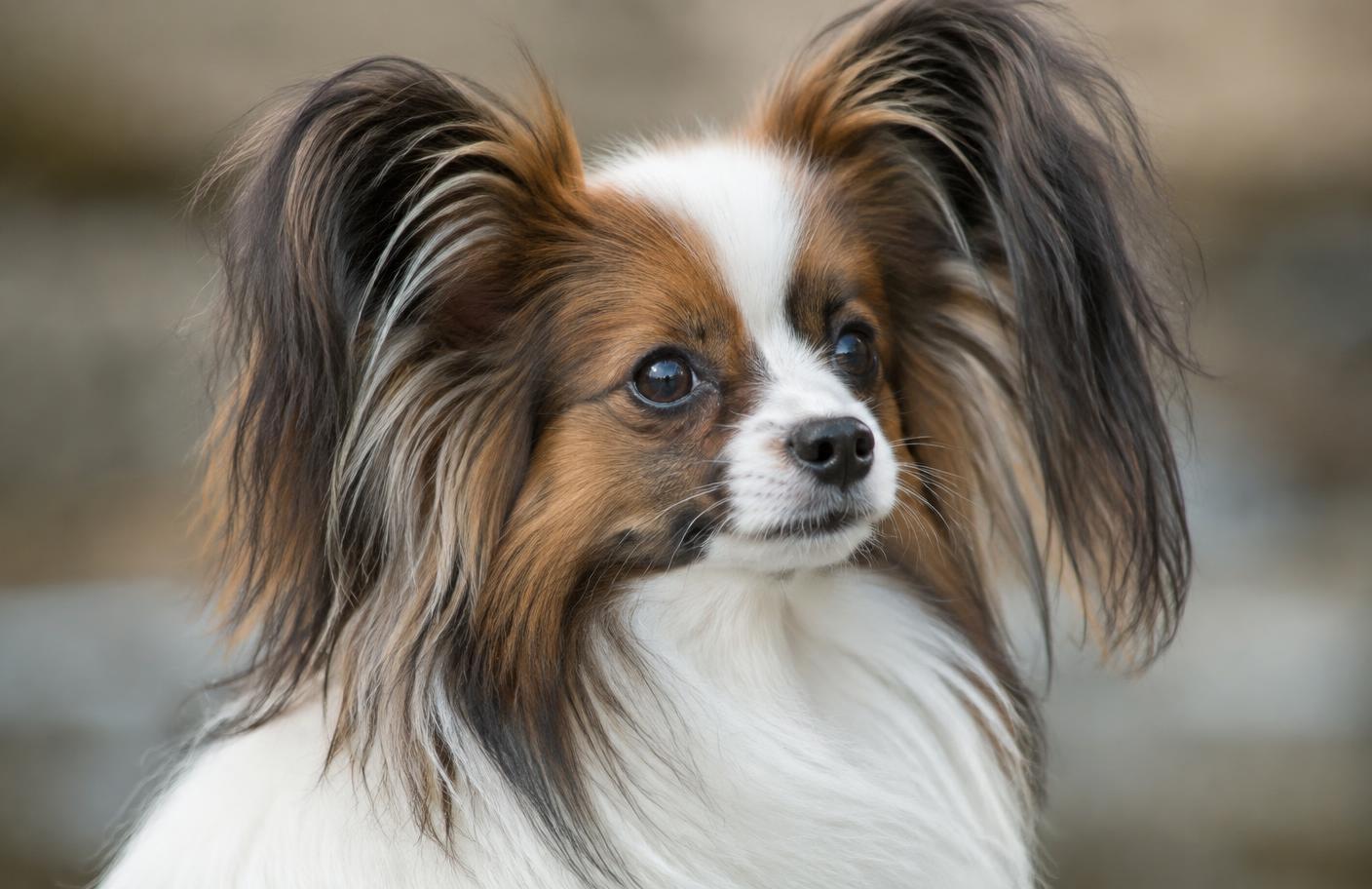
Descended from the small spaniels of Renaissance Europe, the breed appears in paintings by Titian and Rubens beside noblewomen. The erect, fringed ears that give it its name, French for butterfly, became the defining feature in the late nineteenth century.
Papillon
The Papillon is a tiny, elegant toy spaniel with outsized intelligence, topping toy-breed obedience rankings, but its fine bones, small jaw and alert nature bring their own care needs.
Reviewed by the SniffScroll editorial desk
A big-dog brain behind the butterfly ears.
The short version
- One of the most trainable of all breeds, not just toy breeds: it excels at obedience and agility and needs mental work.
- Fine bones make rough play, falls from furniture and toddlers genuine hazards.
- Daily tooth brushing is essential; dental disease is the breed's most common problem.
- The silky single coat is easier than it looks: brush two or three times a week, no trimming needed.
- Alert and vocal; barking at household noises needs managing early, especially in flats.
- Weight
- 3 to 4.5 kg
- Height
- 20 to 28 cm
- Lifespan
- 13 to 16 yrs
- Size
- Toy
- Group
- Toy
- Coat
- Long, silky, single coat with fringed ears and a plumed tail; white with patches of any colour
- Grown male
- 3.5 to 4.5 kg
- Grown female
- 3 to 4 kg
- Years to full size
- about 1
- One-off setup
- €600 to 1100
Get one if…
- Owners who want a small dog they can actually train and do activities with
- Flats and small homes, with barking managed from the start
- Households with gentle, older children or adults only
- People at home much of the day who want an engaged, affectionate companion
- First-time owners willing to take training and dental care seriously
Think again if…
- Families with toddlers or boisterous young children
- Owners wanting a passive lap dog that needs no training
- Households out all day; the breed bonds hard and dislikes long solitude
- Anyone unwilling to commit to daily tooth brushing
- Homes with large, rough-playing dogs that could injure a four-kilo companion
Trait profile
The Papillon consistently outperforms every other toy breed in obedience and agility, and it approaches life like a much bigger dog. That confidence is delightful in a trained adult and exhausting in an untrained one, so this is a small dog that still needs real training, not just carrying.
Space & setup. Genuinely well suited to flats and small homes thanks to its size, provided it gets daily walks and play; its alert barking at corridor noise is the main friction point with close neighbours.
Allergies. The silky single coat sheds moderately and produces normal levels of dander, so it is not a hypoallergenic breed, though the small size means less hair overall than most dogs.
Living with a Papillon
The Papillon is a small toy spaniel named for its large, fringed, butterfly-shaped ears. Light, elegant and remarkably clever, it is one of the most trainable of all toy breeds and excels at obedience and agility. It suits attentive owners who want an active, engaged companion rather than a passive lap dog.
The Papillon's ancestors appear in European court paintings from the sixteenth century onwards, small spaniels sitting on the laps of noblewomen in works by Titian, Rubens and Van Dyck. Those early dogs had dropped ears, a type now called the Phalene, and the erect, heavily fringed ears that define the modern breed became fashionable in the late nineteenth century. The name is simply the French word for butterfly, and one look at the head explains it. For all the aristocratic history, the breed underneath is a true spaniel: quick, curious, hardy and far more athletic than its size suggests.
Living with a Papillon means living with one of the cleverest small dogs in the world. The breed routinely tops toy-breed obedience rankings and competes successfully in agility against dogs several times its size, and that intelligence cuts both ways. A Papillon learns household routines, opens easy latches and trains its owners as readily as they train it, so consistent, positive training from puppyhood pays enormous dividends. The flip side is alertness: this is a vocal little watchdog that announces the postman, the lift, and pigeons on the balcony, and barking needs managing early in flats with thin walls.
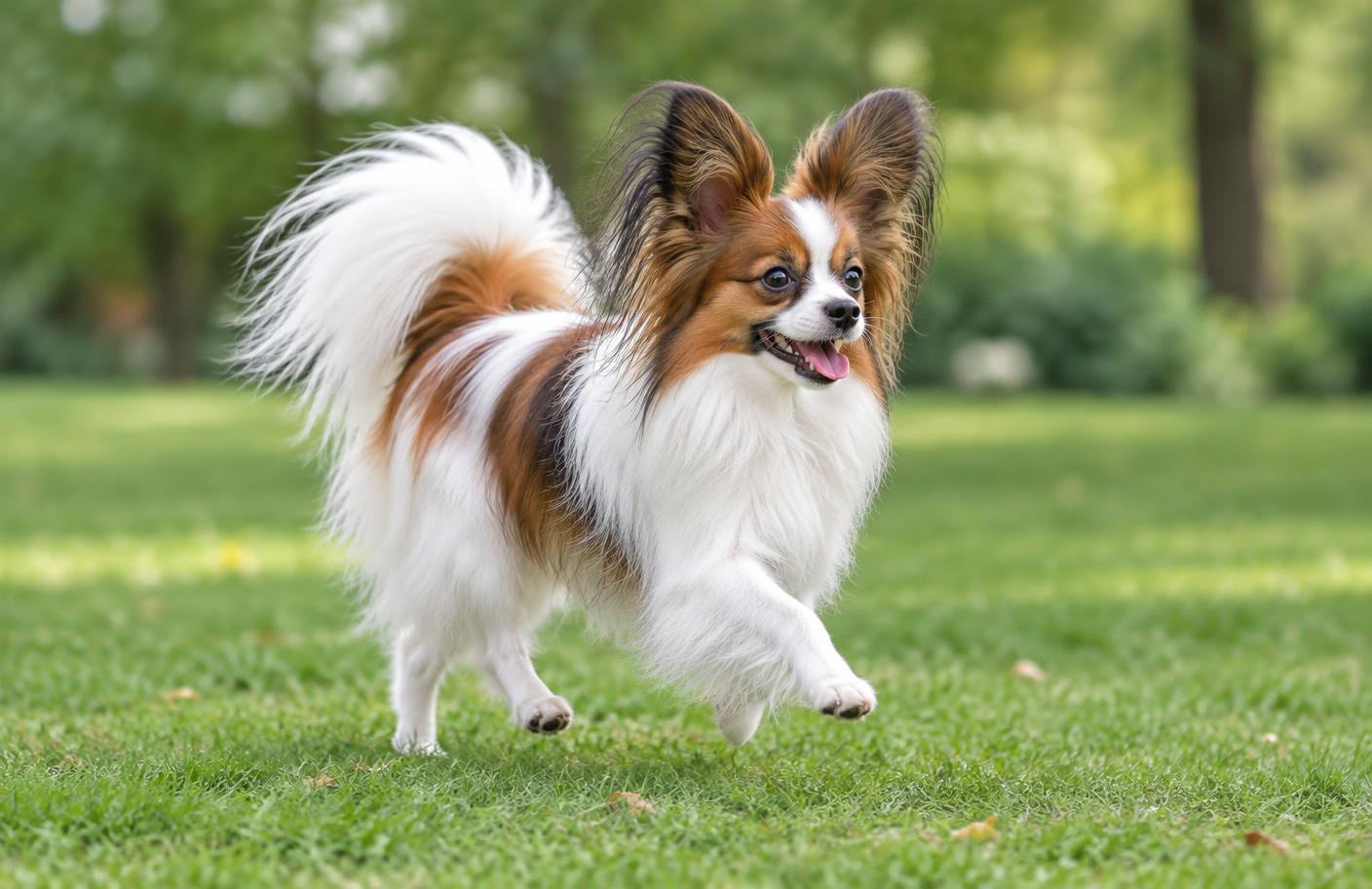
Exercise needs are modest but real. Thirty to forty-five minutes of walking plus play and training each day keeps most adults content, and the breed genuinely enjoys learning tricks, scent games and mini agility in the sitting room. It is not a fragile handbag dog in temperament, but it is one in build: fine bones and a weight of three to four kilos mean rough play, falls from furniture and grabsy toddlers are genuine hazards. Families with gentle, older children do well; homes with very young children need constant supervision and rules about picking the dog up.
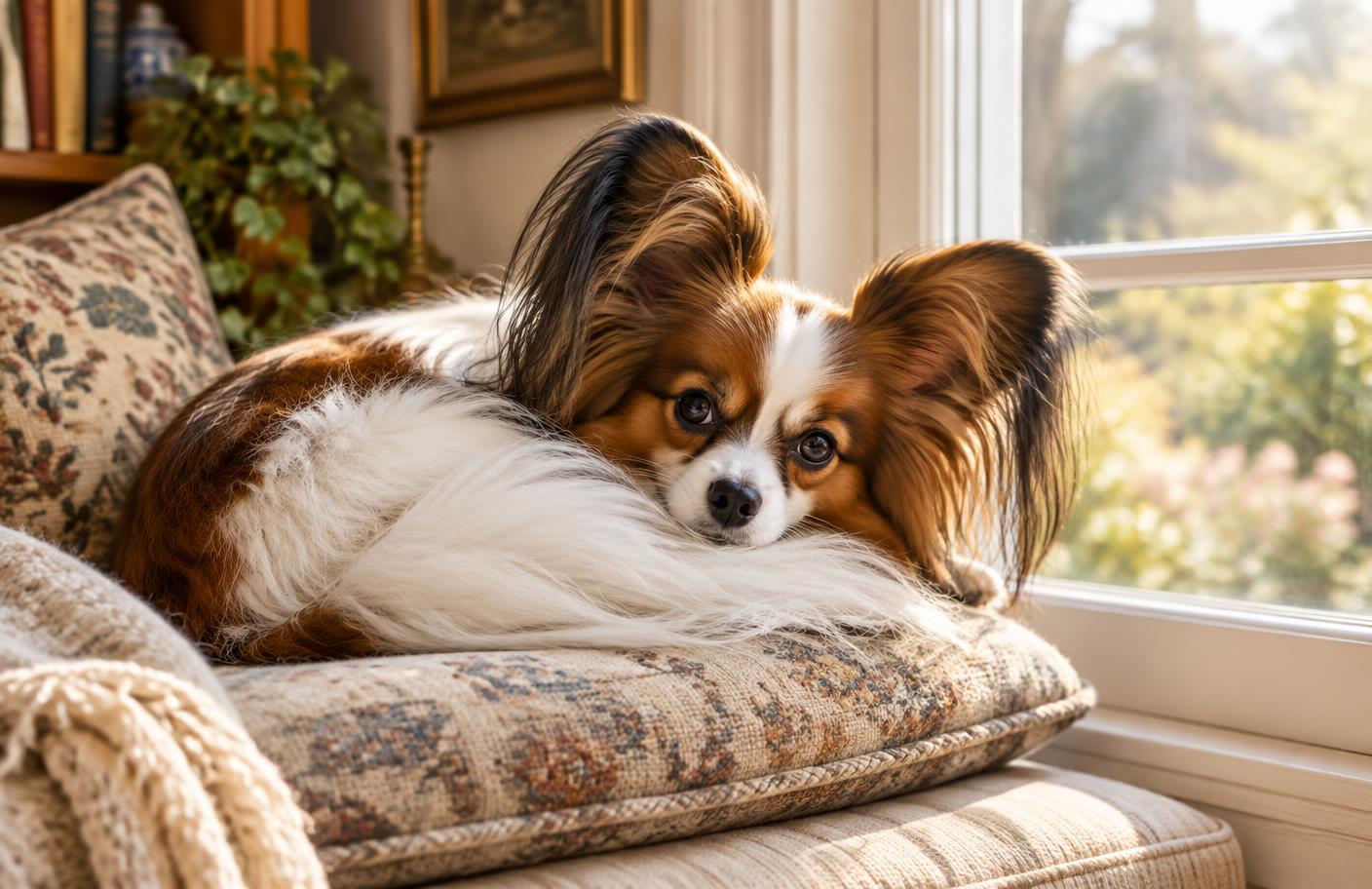
The coat is easier than it looks. The single, silky coat has no undercoat, so it resists matting and needs only a thorough brush and comb two or three times a week, with attention to the ear fringes, trousers and tail plume. There is no trimming required and shedding is moderate. The less charming care point is dental: like most toy breeds the Papillon crowds forty-two teeth into a tiny jaw, and dental disease is the breed's most common health problem, so daily tooth brushing should be a non-negotiable habit from puppyhood.
Health is generally good and the breed is long-lived, commonly reaching thirteen to sixteen years. Luxating patella, where the kneecap slips out of place, is the most frequent orthopaedic issue, and progressive retinal atrophy occurs in some lines, so eye testing of breeding stock matters. Puppies can have an open fontanelle, a soft spot on the skull that requires careful handling, and collapsing trachea appears occasionally, which is one reason a harness beats a collar for walks. Choose a breeder who patella-checks and eye-tests, brush the teeth daily, and the Papillon repays you with a decade and a half of bright, engaged companionship that surprises everyone who underestimates small dogs.
The thinking person's toy dog: beautiful, portable and astonishingly clever, but it needs training, gentle handling and dental care like any dog, not treatment as an ornament.
Exercise, day to day
- 1Puppies (8 to 20 weeks): short play sessions indoors and gentle garden exploring; no jumping off furniture.
- 2Adolescents (4 to 12 months): two short walks a day plus training games to occupy the busy brain.
- 3Adults: thirty to forty-five minutes of walking daily, plus play, tricks or mini agility.
- 4Mental work: this breed needs it as much as physical exercise; rotate training games through the week.
- 5Weather care: the single coat offers little insulation, so a coat helps in cold, wet weather.
Grooming, realistically
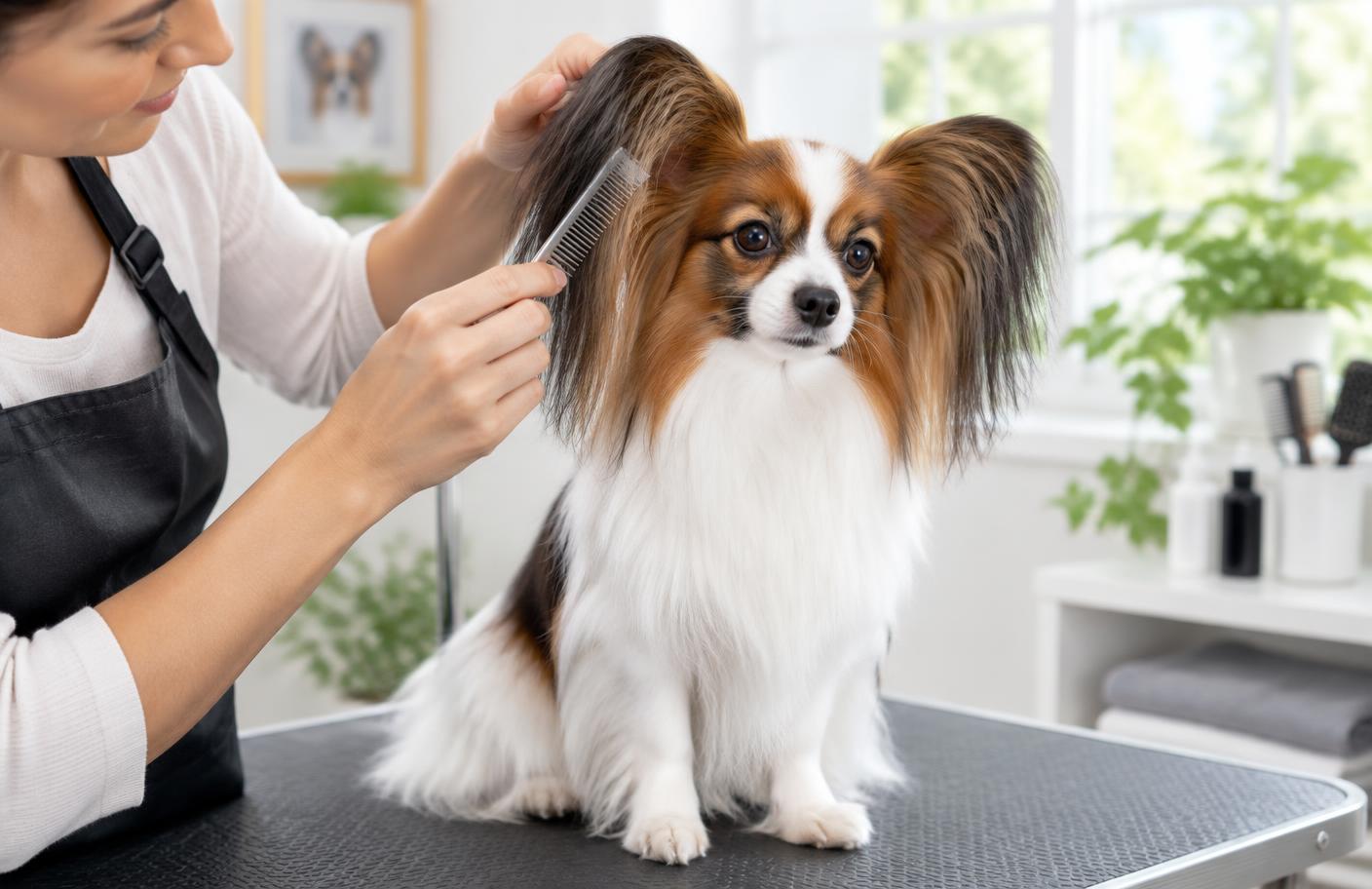
- 1Brush and comb two to three times a week, working through ear fringes, trousers and tail plume.
- 2Check behind the ears and under the legs for small tangles and tease them out gently.
- 3Bathe every four to six weeks with a gentle shampoo; the single coat dries quickly.
- 4Brush teeth daily with enzymatic toothpaste; this is the most important grooming task for the breed.
- 5Trim nails every two to three weeks and check ears weekly.
What you actually need
- Pin brush
- Fine metal comb
- Small slicker for fringes
- Enzymatic dog toothpaste and a small or finger brush
- Dog nail clippers
- Lightweight harness for walks
Puppy to adult
| Age | Male | Female | What is happening |
|---|---|---|---|
| 8 weeks | 0.7 to 1 kg | 0.6 to 0.9 kg | Tiny and fragile; handle over soft surfaces and start gentle tooth brushing. |
| 3 months | 1.4 to 1.9 kg | 1.2 to 1.7 kg | Ears may still be deciding whether to stand; both ear types are normal. |
| 6 months | 2.4 to 3.3 kg | 2.1 to 3 kg | Most of adult height reached; adult coat and ear fringes developing. |
| 9 months | 3 to 4 kg | 2.7 to 3.7 kg | Near adult weight; keep meals measured as small dogs gain fast. |
| 12 months | 3.5 to 4.5 kg | 3 to 4 kg | Full adult size and coat reached. |
| 18 months | 3.5 to 4.5 kg | 3 to 4 kg | Mature; mental training matters more than ever for this bright breed. |
Ranges are typical, not targets. Judge condition by ribs and waist, and check with the ideal weight checker.
What to ask a breeder
- Have the parents been patella checked and eye tested, and can I see the results?
- Do the puppies have any sign of an open fontanelle, and how should I handle them safely?
- How are the puppies socialised to household noises and handling?
- What dental routine do you recommend starting with?
- What are the parents' temperaments like, particularly around noise and strangers?
Health tests to ask for
Ask to see results for both parents before you put down a deposit.
- Patella examination for both parents
- Annual eye examination for breeding stock
- Dental checks at every vet visit from adulthood
- Harness rather than collar to protect the trachea
- Careful weight control, since extra grams strain tiny joints
Health watch-list
What to ask a breeder about, and what to watch for over a lifetime. This is orientation, not veterinary advice, anything you notice belongs in front of a vet.
Luxating patella
CommonThe kneecap slips out of place, the most frequent orthopaedic issue in toy breeds. Both parents should be patella checked, and keeping the dog lean helps.
Dental disease
Very likelyCrowded teeth in a tiny jaw make tartar and gum disease almost certain without daily brushing. Start the habit in puppyhood.
Progressive retinal atrophy
UncommonAn inherited eye condition leading to gradual vision loss. Breeding stock should have regular eye examinations.
Open fontanelle
NotableSome puppies retain a soft spot on the skull. It usually closes, but affected puppies need careful handling and no rough play.
Collapsing trachea
UncommonWeakness of the windpipe causing a honking cough. Walk on a harness, not a collar, and keep weight down.
Hypoglycaemia in tiny puppies
UncommonVery small puppies can develop low blood sugar if meals are missed. Feed little and often and know the early signs.
What it costs to keep one
Realistic running cost
€113 / month
About €1,356 a year, or roughly €20,340 across a 15-year life, before purchase price, neutering and one-off vet events.
Before the puppy arrives. Budget roughly €600 to 1100 for a crate, bed, lead and harness, bowls, puppy classes, first vaccinations and grooming kit sized for this breed. Figures throughout are indicative and vary a good deal between countries.
Interactive · built for this breed
Is a Papillon right for your home?
Seven honest questions about your space, time and household, checked against this breed's exercise need, coat, sociability and tolerance for time alone.
Fit with your routine
96%
A strong fit
Your routine suits a Papillon well. Meet adult dogs of the line before you commit.
What to sort out first
- Needs more daily exercise than you have pencilled in.
Working in your favour
- Coat care fits the grooming time you offered.
Compare more breeds in the matchmaker, or plan meals with the portion calculator.
The verdict, by household
Very suitable
Trainable, forgiving and manageable in size, provided training and dental care are taken seriously.
Best with older children
Gentle children over about eight do well; toddlers and rough play are a genuine injury risk.
Excellent
Happy to join walks, travel and training sports, and portable enough to come along almost anywhere.
Good with training
Size is ideal for flats; the alert barking is the one habit to train early.
When to call your vet
- Skipping or hopping on a hind leg, which can indicate a slipping kneecap
- Bad breath, drooling or reluctance to eat hard food, which suggest dental disease
- Night hesitation or bumping into things, which warrant an eye examination
- A honking cough, especially on a collar, which can signal a collapsing trachea
- Trembling or coldness in cool weather, since the single coat gives little protection
Nothing here is a diagnosis. A swollen, hard belly with retching, collapse, breathing difficulty and sudden hind-leg weakness are emergencies: go straight away.
Papillon vs the closest alternatives
| Breed | Weight | Energy | Grooming | € / month |
|---|---|---|---|---|
| Papillon | 3 to 4.5 kg | 7/10 | 4/10 | €113 |
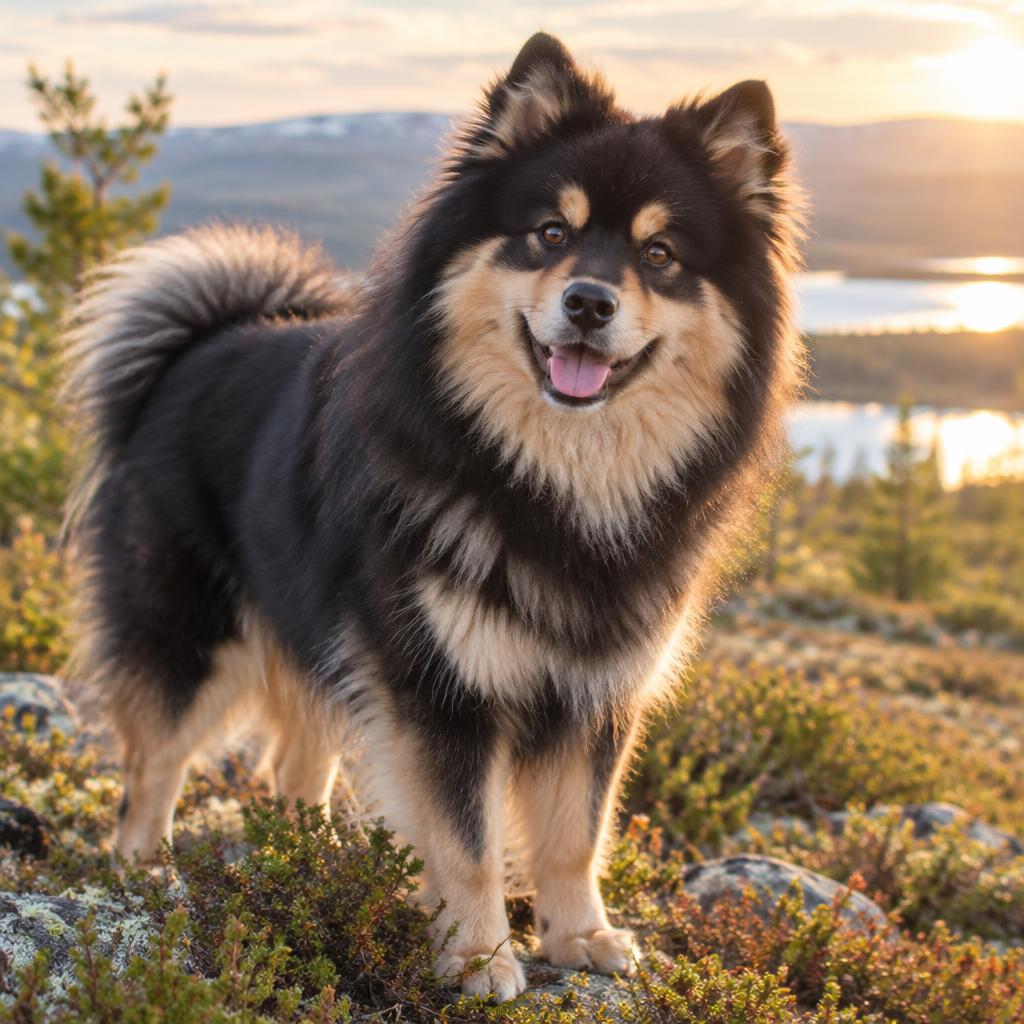
| Finnish Lapphund | 15 to 24 kg | 7/10 | 5/10 | €89 |
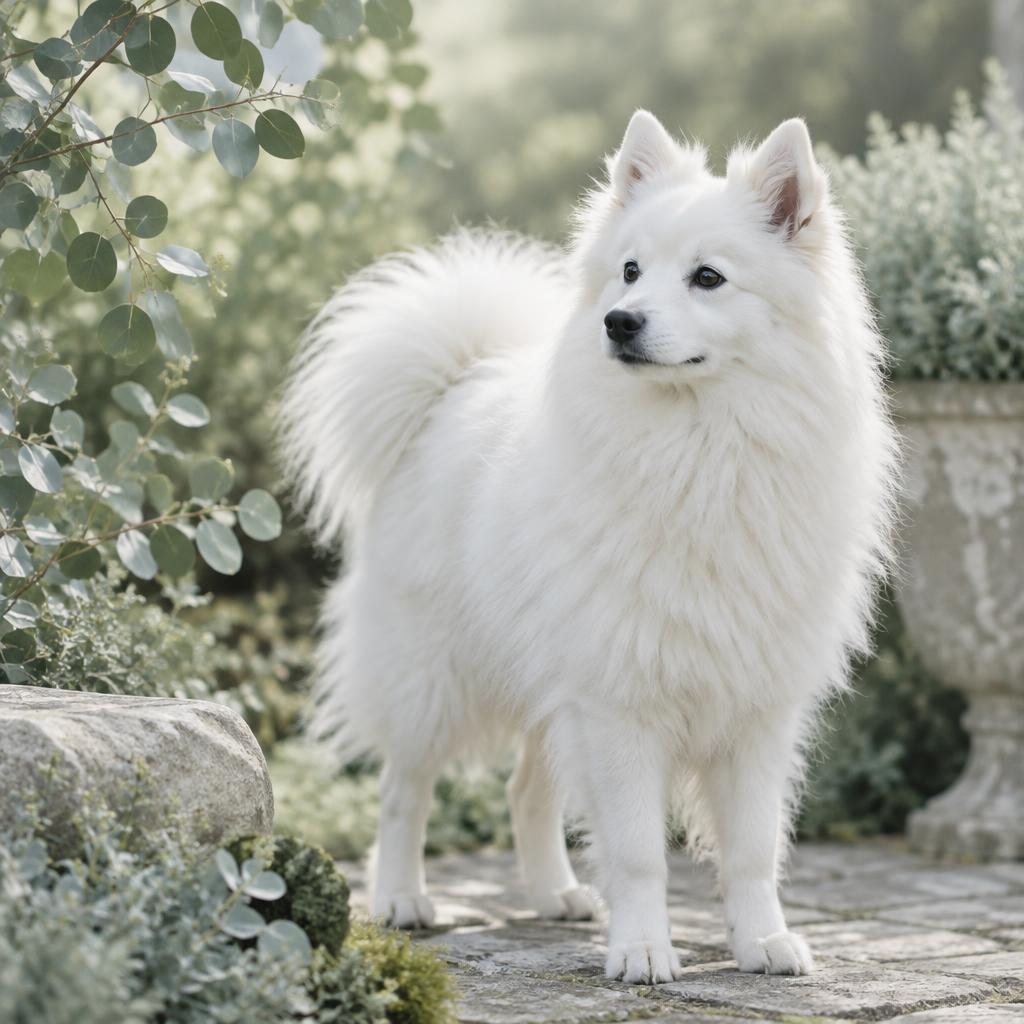
| American Eskimo Dog | 3 to 16 kg | 7/10 | 6/10 | €73 |
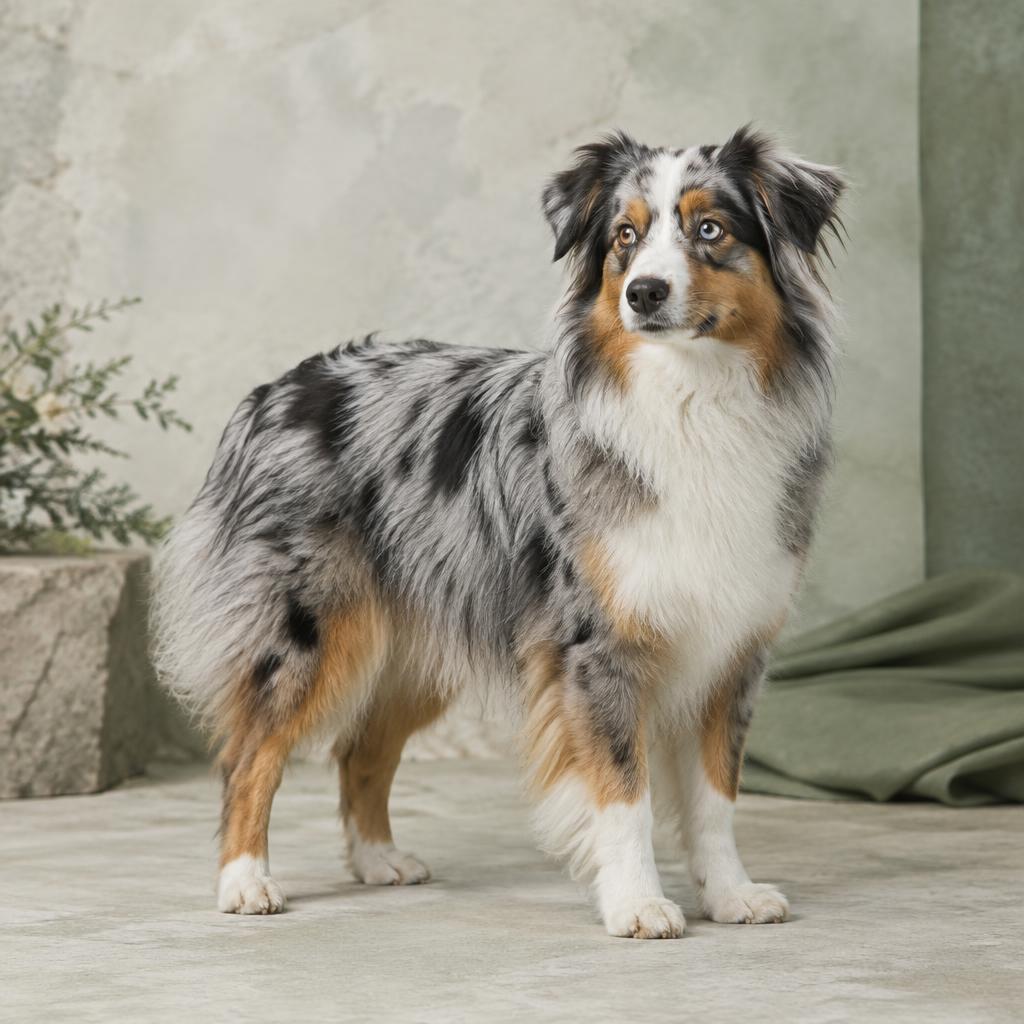
| Miniature American Shepherd | 9 to 18 kg | 8/10 | 5/10 | €74 |
Papillon questions, answered
Are Papillons easy to train?
Exceptionally. The Papillon is widely regarded as the most trainable of the toy breeds and competes at the top level of obedience and agility. It learns fast, enjoys working and needs consistent, positive training like any bigger dog.
Do Papillons bark a lot?
They are alert watchdogs and will announce visitors, noises and pigeons. The tendency is manageable with early training, but it should be taken seriously by anyone in a flat with thin walls.
How much exercise does a Papillon need?
Around thirty to forty-five minutes of walking a day plus play and training games. Mental exercise matters as much as physical for this bright breed, and a bored Papillon invents its own entertainment.
Are Papillons good with children?
They do well with gentle, older children who understand how to handle a small dog. Toddlers and rough play are a genuine risk to a dog of three to four kilos, so families with very young children should choose carefully.
How long do Papillons live?
Typically thirteen to sixteen years, one of the longer lifespans of any breed. Daily dental care, weight control and choosing health-tested parents all support a long, healthy life.
Do Papillons shed?
Moderately. The single silky coat has no undercoat, so shedding is lighter than most breeds and the coat rarely mats, but it is not hypoallergenic.
Can Papillons be left alone?
Not for long stretches. The breed bonds closely with its people and tends to develop barking and anxiety if left alone all day. A few hours at a time, built up gradually, is realistic for most adults.