Hound group
The breed developed over centuries in the mountains of Afghanistan and surrounding regions, where local hunters relied on a tall, fast sighthound capable of coursing hare, gazelle and even leopard across rocky, cold terrain. The dense, protective coat evolved as insulation against harsh winters rather than as an ornament. British officers encountered the breed in the nineteenth and early twentieth centuries and brought examples home, and the Afghan Hound was established in Britain and later the United States through the early twentieth century, where its dramatic appearance made it a fixture of the show ring.
Afghan Hound
The Afghan Hound pairs showstopping looks with a genuine sighthound mind. Behind the flowing coat sits an independent hunter that needs secure space to run and real commitment to grooming.
Reviewed by the SniffScroll editorial desk
The aristocrat of sighthounds: a flowing coat over an independent, galloping heart
The short version
- The glamour coat demands near-daily brushing or a dedicated short trim routine.
- An independent, aloof temperament means training needs patience, not force.
- Strong prey drive makes off-lead recall unreliable in open, unfenced spaces.
- Calm indoors but needs safe space for genuine galloping bursts outdoors.
- Sighthound anaesthesia sensitivity means any vet procedure needs careful drug choices.
- Weight
- 20 to 27 kg
- Height
- 61 to 74 cm
- Lifespan
- 12 to 14 yrs
- Size
- Large
- Group
- Hound
- Coat
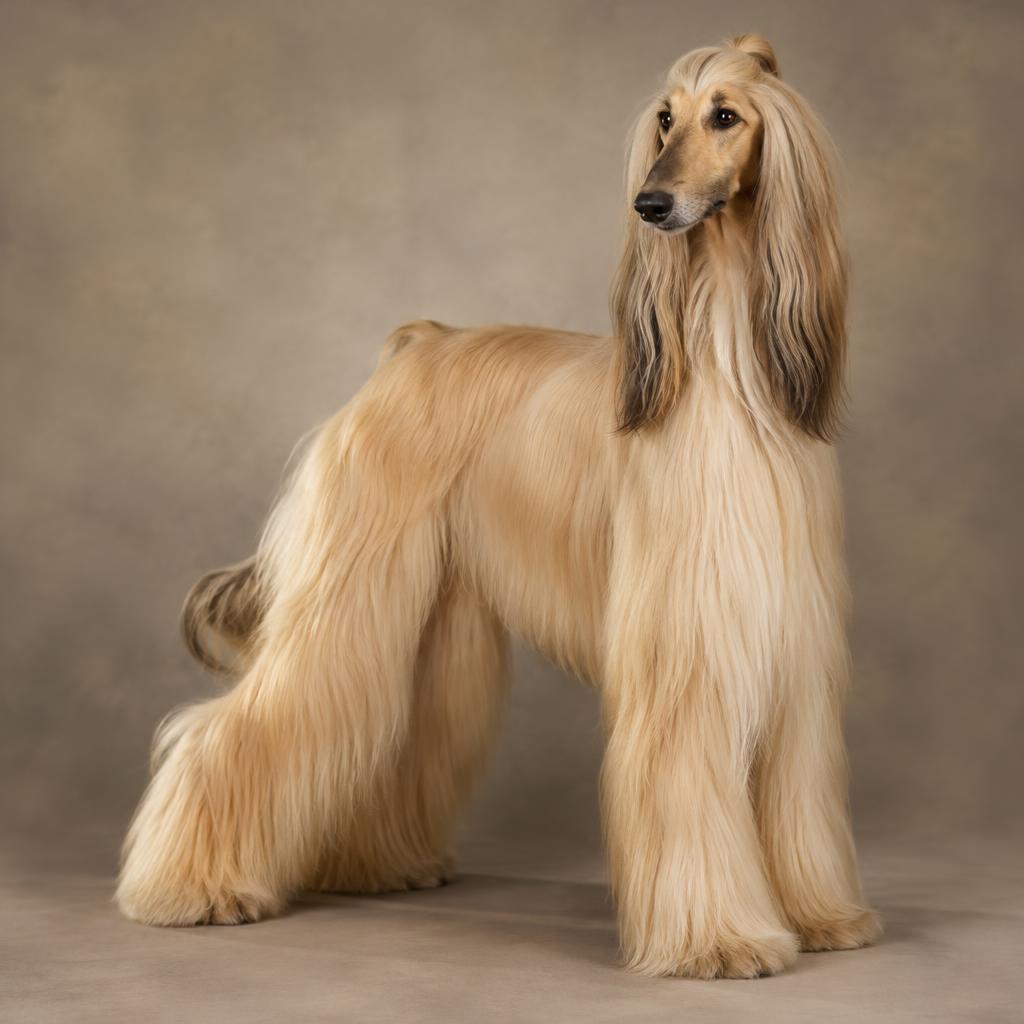
- Long, silky and dense topcoat with a fine undercoat, covering the whole body except for the smooth saddle on the back; found in cream, black, red, blue, brindle and domino, often with a dark mask.
- Grown male
- 22 to 27 kg
- Grown female
- 20 to 24 kg
- Years to full size
- about 2
- One-off setup
- €600 to 1400
Get one if…
- Owners who enjoy or can budget for a serious, regular grooming routine
- Households with a secure, fully fenced garden for safe off-lead sprinting
- People who appreciate an independent, dignified companion rather than a constantly eager one
- Calmer homes that can offer short bursts of hard exercise rather than constant activity
- Owners experienced with sighthounds or willing to learn their particular training and recall needs
Think again if…
- First-time owners wanting a quick, obedience-focused training relationship
- Households without secure fencing who rely on open-space off-lead walking
- Anyone unwilling to commit significant time or money to coat maintenance
- Families expecting a dog that constantly seeks affection and attention
- Homes with small pets where a strong chase instinct would be a daily risk
Trait profile
The Afghan Hound combines a calm, aloof indoor presence with a strong hunting instinct and an exceptionally high grooming demand.
Space & setup. The Afghan Hound can adapt to a flat if exercised properly and given secure sprinting opportunities elsewhere, though a house with a garden makes daily management considerably easier.
Allergies. The long coat sheds only moderately when well maintained, but loose hair and dander are still present, so the breed is not suitable for most people with dog allergies.
Living with a Afghan Hound
The Afghan Hound is one of the most visually striking dogs in existence, famous for its silky, flowing coat and regal bearing. Beneath the glamour is a genuine working sighthound bred to course game across mountainous terrain, which means an independent mind, a strong prey drive and a grooming routine that is far from decorative.
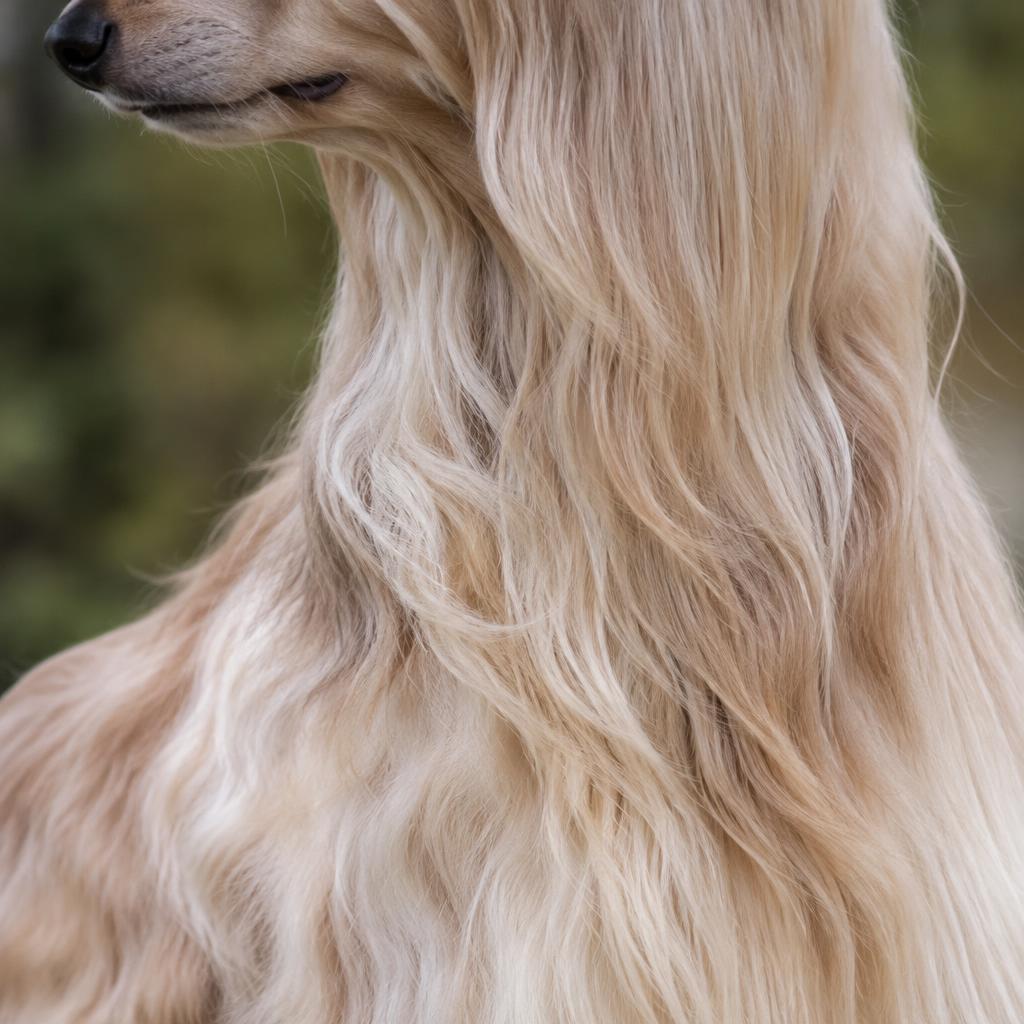
The Afghan Hound is a breed that photographs beautifully and lives rather differently from the picture. The flowing coat and the proud, almost theatrical gait have made it a favourite of the show ring and a recognisable silhouette well beyond dog circles, but underneath that glamour is a working sighthound built for coursing game across cold, rocky mountains. Anyone drawn to the breed purely for its looks needs to understand that this is still a hunting dog with a strong independent streak, and that the coat which makes it so photogenic is also the single biggest daily commitment of owning one.
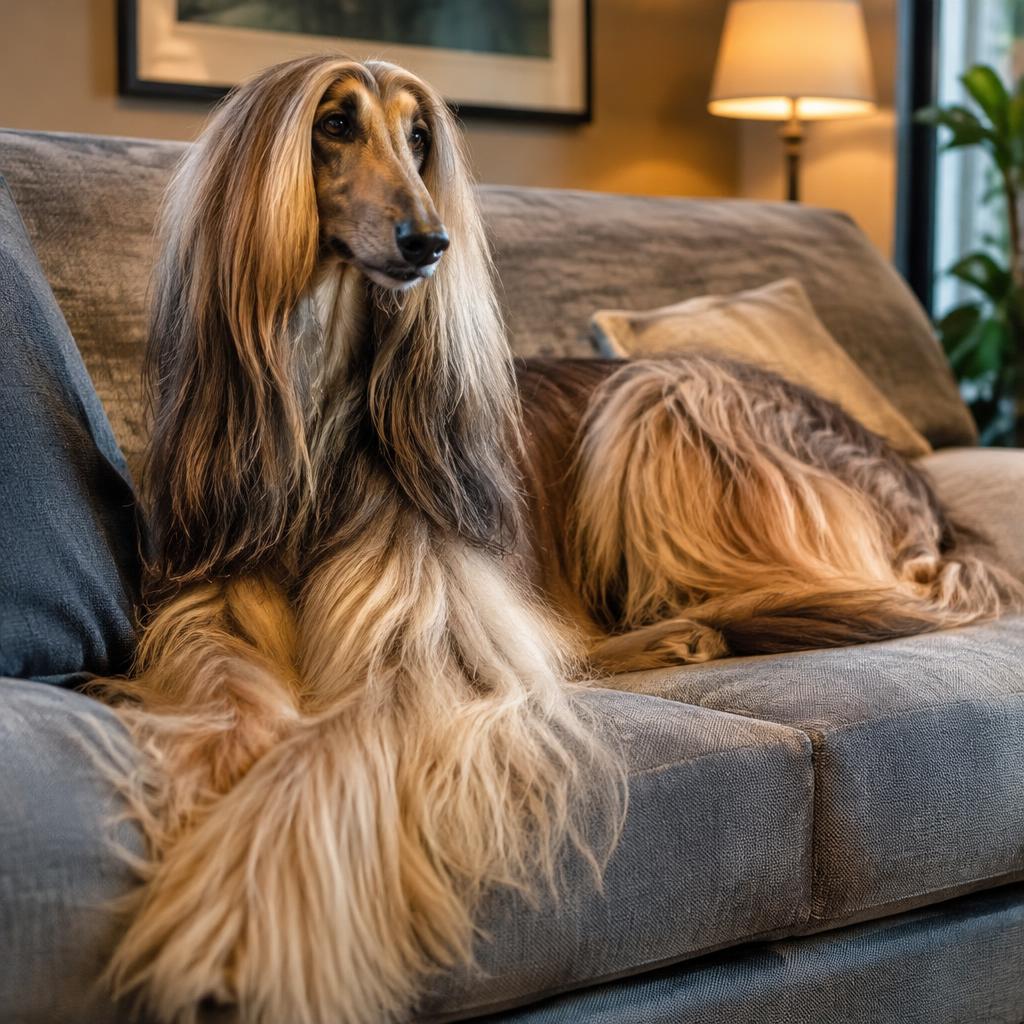
Temperamentally, the Afghan Hound is These dogs are dignified, sensitive to atmosphere and capable of great affection on their own terms, but they are not constantly seeking approval the way a retriever or a collie might. An Afghan Hound will often choose when to engage, when to accept fuss and when to simply observe from a distance. This aloofness is not unfriendliness, it is simply the nature of a breed developed to think for itself while working far from a handler on difficult terrain. New owners who expect instant devotion or constant eye contact are often disappointed, while those who appreciate a more reserved, elegant companion tend to find the relationship deeply rewarding over time.
Training reflects this same independence. The Afghan Hound is intelligent but not naturally inclined to do what it is told simply because it has been told. Harsh corrections and repetitive drilling tend to switch the breed off entirely, sometimes permanently. Positive, reward-based methods, short sessions and a sense of humour from the handler work far better. Recall is the area where realism matters most: like other sighthounds, an Afghan Hound that sights movement, whether a rabbit, a squirrel or a jogger, can disengage from its owner within a second and give chase at considerable speed. Many owners never achieve a dependable off-lead recall in open or unfenced areas, and a secure garden and a long line for exercise are far more realistic tools than hoping training alone will solve the instinct.
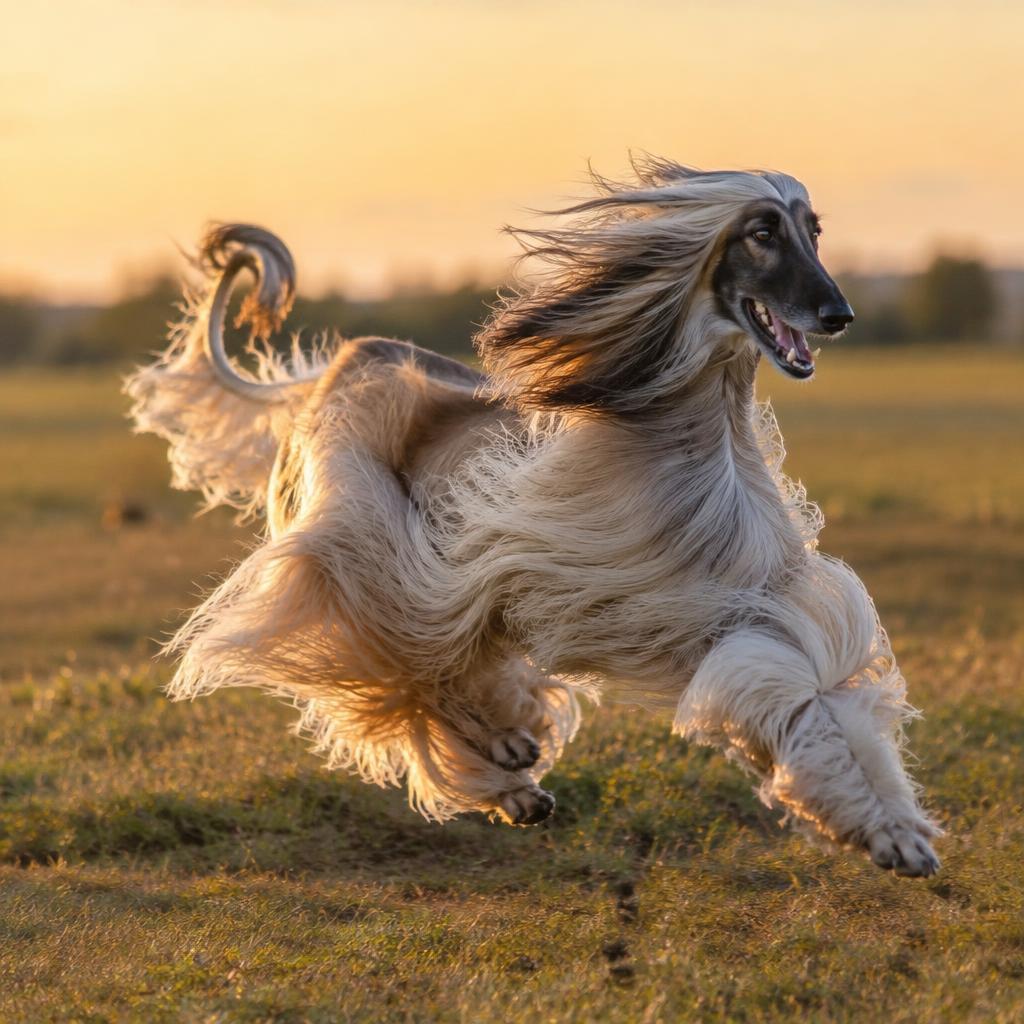
Exercise needs are often misunderstood. The Afghan Hound is built for short, explosive gallops rather than sustained endurance work, and indoors the breed is typically calm, even languid, content to drape itself across furniture for much of the day. A couple of decent lead walks with the chance for a safe, fenced sprint will usually satisfy the breed physically, but mental engagement matters too, since a bored Afghan Hound can become destructive or withdrawn. This combination of low indoor energy and high-intensity outdoor needs makes the breed a reasonable fit for calmer households that can still provide secure space for genuine running.
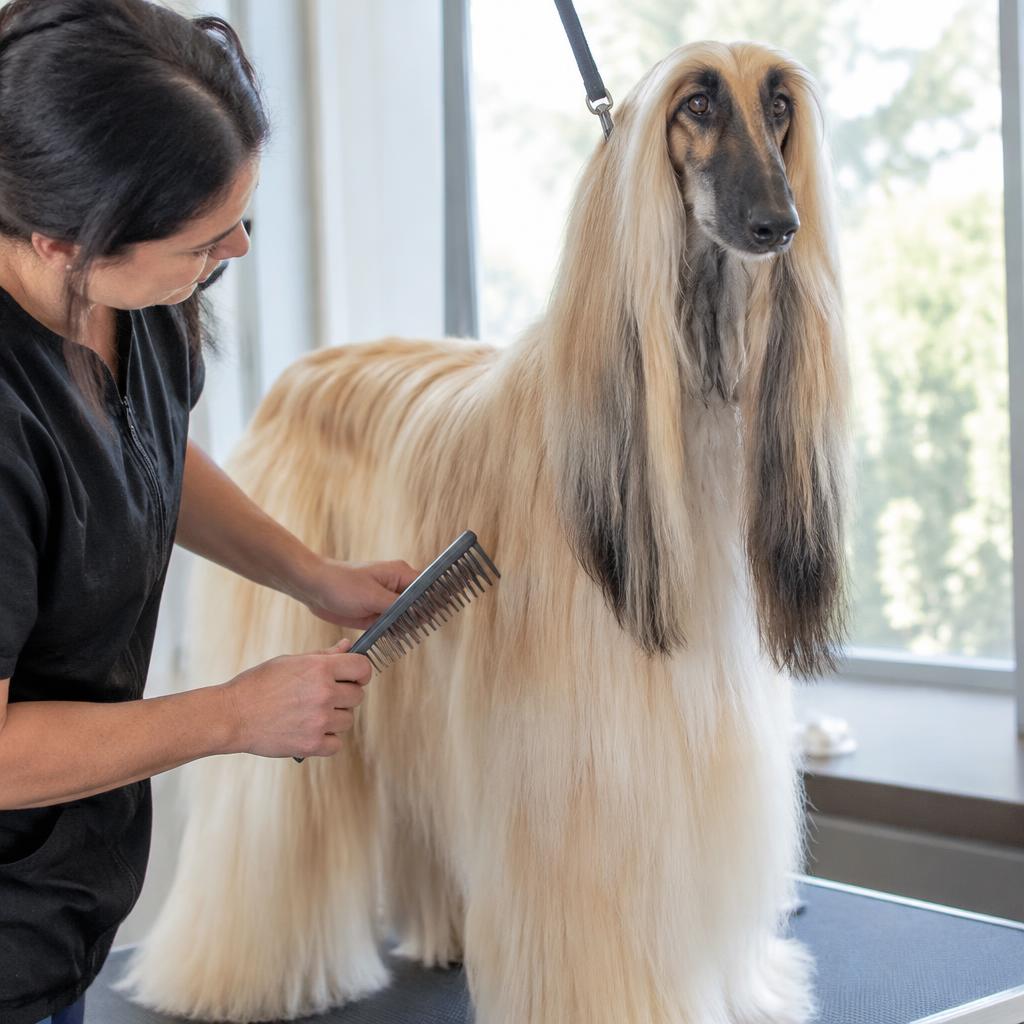
The coat is where theory meets reality most sharply. A show-quality Afghan Hound coat requires brushing most days to prevent matting, along with regular bathing using proper conditioning products, since the hair mats quickly once it tangles and matting close to the skin can become painful and lead to skin problems. Many pet owners choose a shorter, more practical trim maintained by a professional groomer, which reduces the daily workload considerably but does not remove it entirely. Anyone who dislikes the idea of regular grooming sessions, whether done at home or paid for professionally, should think carefully before taking on this breed, because neglecting the coat is not a minor shortcut, it causes real discomfort.
The thin build and fine coat texture, despite its length, mean Afghan Hounds feel the cold more than their dramatic appearance suggests, particularly once clipped short or when wet. A coat for walks in cold or wet British weather is a sensible addition to the kit, and owners should not assume that a long-coated dog is automatically well insulated. Sighthounds generally also carry very low body fat, which affects their comfort on hard surfaces and their response to certain medications.
Health awareness should include a clear understanding of anaesthesia sensitivity, a trait shared across sighthound breeds due to their low body fat and particular liver metabolism. Any surgery, dental work or sedation should involve a vet experienced with sighthounds or at least briefed on appropriate drug choices and dosing. Hip dysplasia, hereditary eye conditions including cataracts, and hypothyroidism are also seen in the breed, and responsible breeders will screen for these before mating. Older Afghan Hounds can develop laryngeal paralysis, which affects breathing and the voice and is worth discussing with a vet if noisy breathing or exercise intolerance develops in later years.
The Afghan Hound is not an ideal match for first-time owners, for households wanting a biddable obedience partner, or for anyone unwilling to commit real time or money to coat care. It also tends to do best with children who understand that the dog may prefer quiet company to boisterous play, and recall limitations mean homes without a secure garden face a genuine daily management challenge. For the right owner, though, someone who values independence of character, who enjoys the ritual of grooming or is happy to budget for it, and who can provide safe space for a proper gallop, the Afghan Hound offers a rare combination of ancient hunting heritage and striking, unmistakable presence that few other breeds can match.
The Afghan Hound rewards owners who want a genuinely low-key companion between short bursts of astonishing speed, but the coat is a daily commitment and the temperament is not for anyone wanting a biddable, eager-to-please dog.
Exercise, day to day
- 1Puppies: keep exercise brief and controlled, roughly five minutes per month of age, to protect growing joints.
- 2Adults: two walks a day of twenty to thirty minutes generally cover the baseline need.
- 3Sprinting: allow regular access to a secure, fully fenced area for free galloping.
- 4Mental stimulation: scent work and varied walking routes help an intelligent, independent mind stay content.
- 5Lead discipline: keep on lead or a long line in any unfenced or public space given the strong prey drive.
Grooming, realistically
- 1Brush thoroughly most days with a pin brush and slicker to prevent matting, working in sections.
- 2Bathe every one to two weeks using a quality conditioner to keep the coat manageable.
- 3Check and clean ears weekly, as the long ear feathering can trap moisture and debris.
- 4Trim nails every two to three weeks, as sighthounds often wear them unevenly.
- 5Consider a shorter pet trim from a professional groomer if daily brushing is not realistic.
What you actually need
- Pin brush
- Slicker brush
- Wide-tooth metal comb
- Dog conditioner and moisturising shampoo
- Ear cleaning solution
- Detangling spray
Puppy to adult
| Age | Male | Female | What is happening |
|---|---|---|---|
| 8 weeks | 3 to 4 kg | 2.5 to 3.5 kg | Fluffy puppy coat gives little hint of the adult texture; begin gentle handling for future grooming. |
| 3 months | 6 to 9 kg | 5 to 8 kg | Rapid leg growth; keep exercise gentle and avoid repetitive jumping. |
| 6 months | 12 to 16 kg | 10 to 14 kg | Coat may begin to mat during the awkward puppy to adult transition; brushing becomes essential. |
| 9 months | 16 to 20 kg | 14 to 18 kg | Adolescent independence often emerges now; keep recall training realistic and lead based. |
| 12 months | 19 to 24 kg | 17 to 21 kg | Approaching adult height though still filling out muscle and chest depth. |
| 18 months | 22 to 27 kg | 19 to 24 kg | Physically mature with full adult coat length usually established. |
Ranges are typical, not targets. Judge condition by ribs and waist, and check with the ideal weight checker.
What to ask a breeder
- Have the parents had hip scoring and recent eye tests for hereditary conditions?
- Is there any history of thyroid problems or laryngeal issues in the bloodline?
- How has the breeder begun early coat handling and grooming habituation?
- What has the puppy been exposed to in terms of noise, traffic and other animals?
- Can I see both parents and ask about their temperament around strangers and other dogs?
Health tests to ask for
Ask to see results for both parents before you put down a deposit.
- Hip scoring through an accredited scheme before breeding
- Annual eye examinations to check for cataracts and other hereditary eye disease
- Thyroid function testing if lethargy, weight gain or coat changes appear
- Discussion of sighthound-specific anaesthesia protocols before any procedure
- Monitoring for laryngeal paralysis signs in older age, such as noisy breathing
Health watch-list
What to ask a breeder about, and what to watch for over a lifetime. This is orientation, not veterinary advice, anything you notice belongs in front of a vet.
Sighthound anaesthesia sensitivity
NotableLow body fat and particular liver metabolism mean standard anaesthetic doses can be unsafe. Always ensure the vet uses sighthound-appropriate protocols for any surgery or sedation.
Hip dysplasia
OccasionalA malformation of the hip joint that can cause pain and arthritis over time. Breeding stock should have hip scores through an accredited scheme before mating.
Cataracts and other eye disease
OccasionalHereditary eye conditions including cataracts can affect vision over time. Annual eye examinations by a vet ophthalmologist are recommended, especially for breeding dogs.
Hypothyroidism
OccasionalAn underactive thyroid can cause lethargy, weight gain and coat changes. A simple blood test can confirm it and the condition is usually well managed with daily medication.
Cold sensitivity
CommonDespite the long coat, low body fat means Afghan Hounds feel the cold readily, particularly when clipped short or wet. A warm coat for winter walks is a sensible precaution.
Laryngeal paralysis
Common with ageOlder dogs can develop weakness in the muscles controlling the larynx, leading to noisy breathing and reduced exercise tolerance. Report any change in breathing sounds to a vet promptly.
What it costs to keep one
Realistic running cost
€235 / month
About €2,820 a year, or roughly €36,660 across a 13-year life, before purchase price, neutering and one-off vet events.
Before the puppy arrives. Budget roughly €600 to 1400 for a crate, bed, lead and harness, bowls, puppy classes, first vaccinations and grooming kit sized for this breed. Figures throughout are indicative and vary a good deal between countries.
Interactive · built for this breed
Is a Afghan Hound right for your home?
Seven honest questions about your space, time and household, checked against this breed's exercise need, coat, sociability and tolerance for time alone.
Fit with your routine
91%
A strong fit
Your routine suits a Afghan Hound well. Meet adult dogs of the line before you commit.
What to sort out first
- Needs more daily exercise than you have pencilled in.
- Coat needs more brushing or trimming than you have allowed.
Compare more breeds in the matchmaker, or plan meals with the portion calculator.
The verdict, by household
Poor
The independent temperament and demanding coat routine suit experienced owners far better than first-timers.
Good
Can live well with respectful older children, but the breed often prefers calm interaction to rough play.
Good
Well matched to owners who want short, intense exercise sessions rather than all-day activity.
Good
Generally quiet indoors, though secure outdoor space elsewhere is needed for safe sprinting.
When to call your vet
- Noisy or laboured breathing, which could indicate laryngeal paralysis in older dogs
- Cloudy eyes or vision changes, worth checking for cataracts or other eye disease
- Lethargy, weight gain or coat changes, which may point to hypothyroidism
- Stiffness or reluctance to rise, worth investigating for hip dysplasia
- Any planned surgery or sedation should prompt a direct conversation about sighthound-safe anaesthesia
Nothing here is a diagnosis. A swollen, hard belly with retching, collapse, breathing difficulty and sudden hind-leg weakness are emergencies: go straight away.
Afghan Hound vs the closest alternatives
| Breed | Weight | Energy | Grooming | € / month |
|---|---|---|---|---|
| Afghan Hound | 20 to 27 kg | 6/10 | 10/10 | €235 |
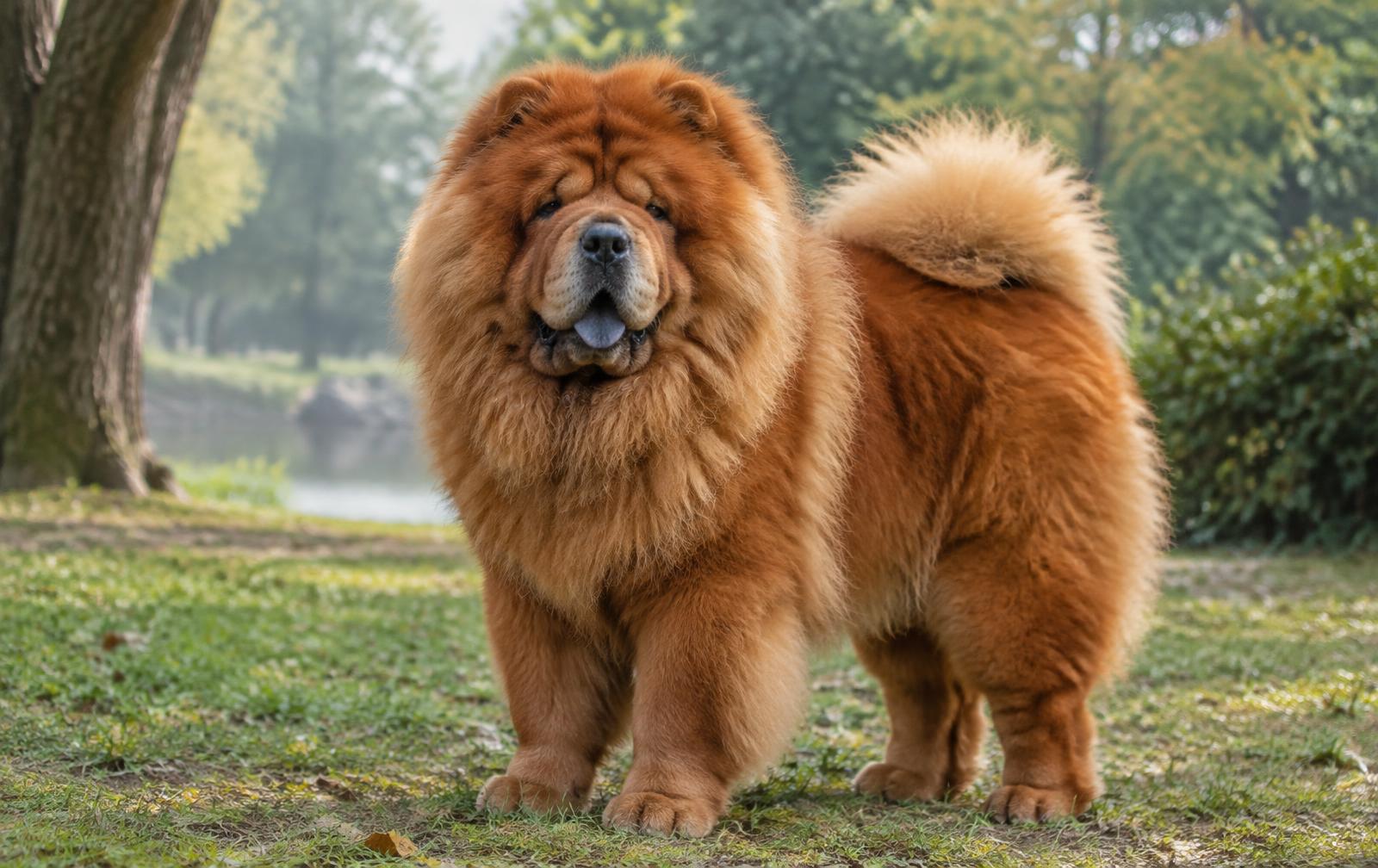
| Chow Chow | 20 to 32 kg | 4/10 | 8/10 | €220 |
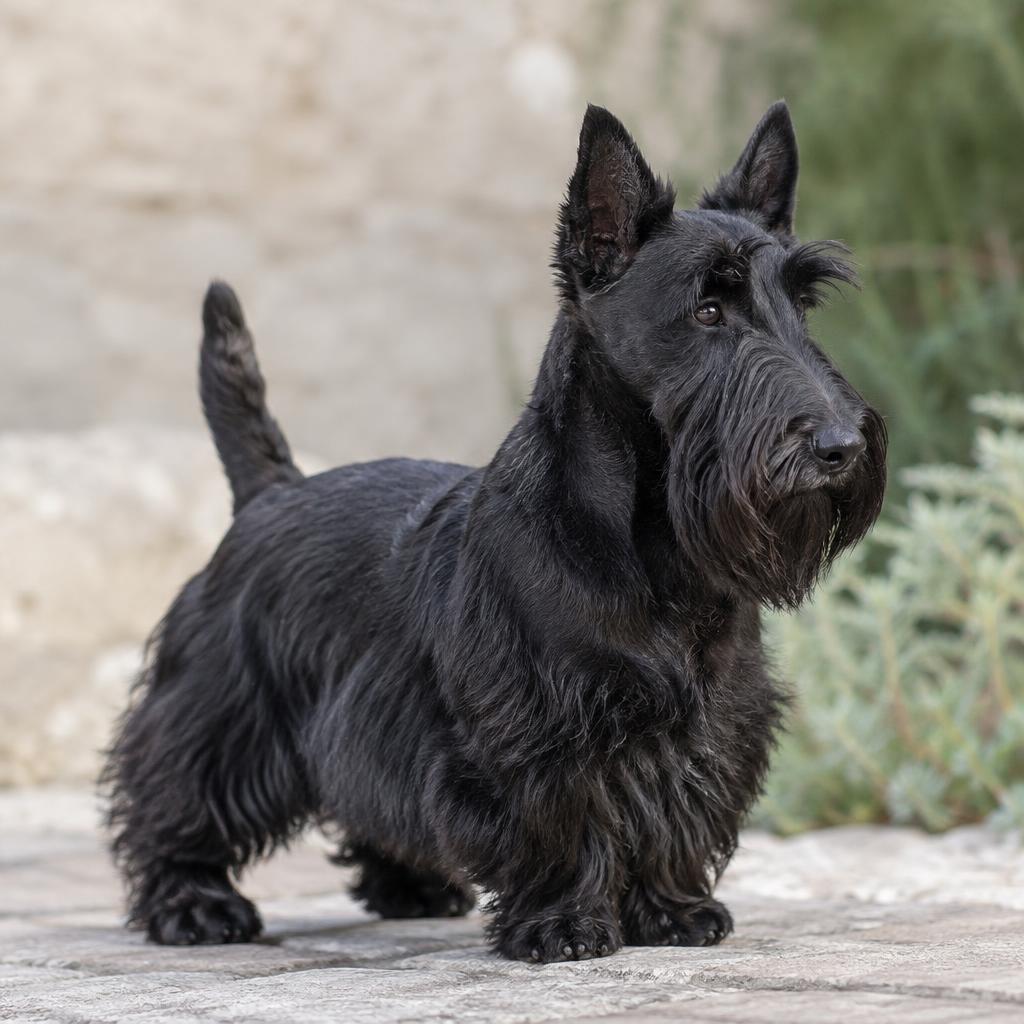
| Scottish Terrier | 8 to 10.5 kg | 6/10 | 7/10 | €76 |
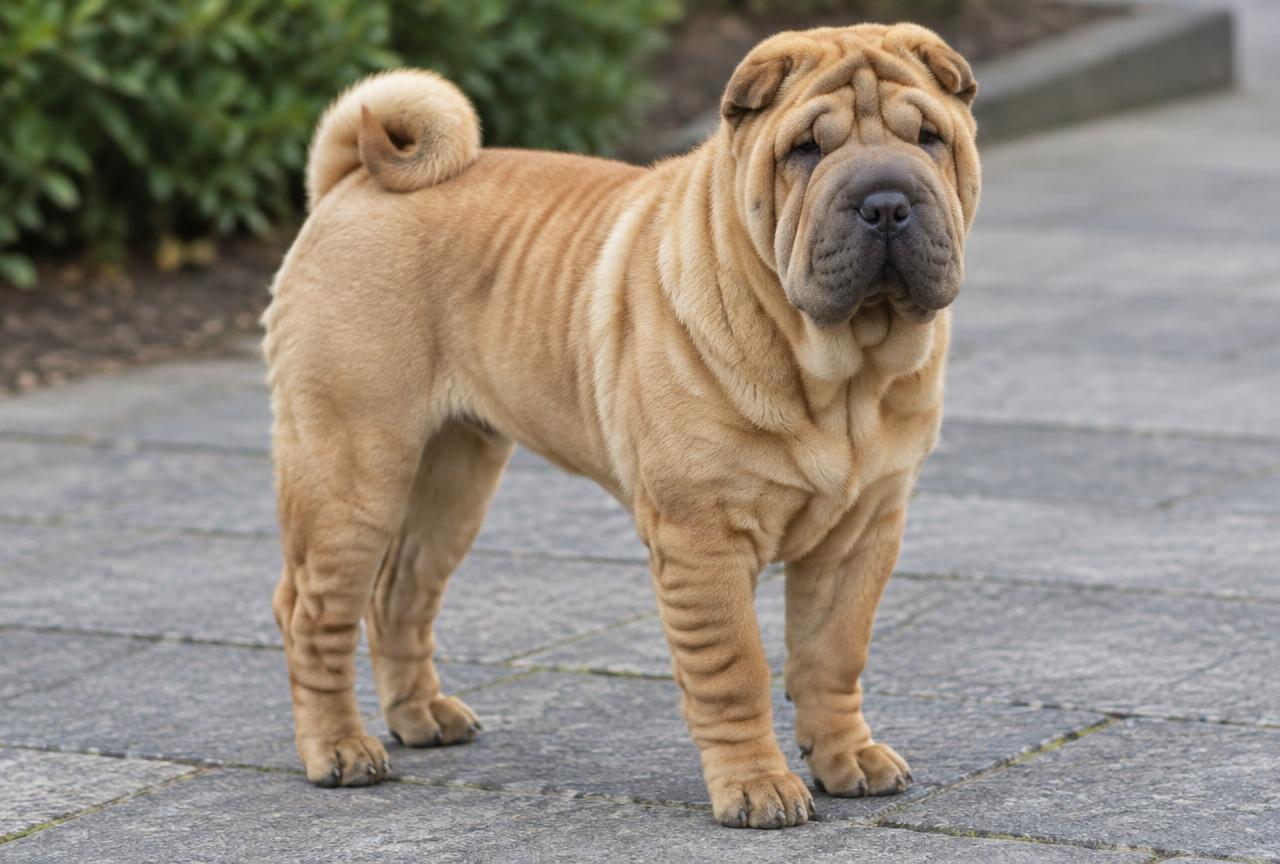
| Shar Pei | 18 to 25 kg | 4/10 | 5/10 | €147 |
Afghan Hound questions, answered
Do Afghan Hounds shed a lot
Afghan Hounds shed moderately rather than heavily, but the long coat means loose hair is noticeable and easily tangles into mats if not brushed regularly. Regular brushing removes most shed hair before it becomes a problem around the home.
How much exercise does an Afghan Hound need
Afghan Hounds generally need two decent walks a day plus regular access to a secure, fenced space where they can run freely. They are calm indoors between walks, since they are built for short bursts of speed rather than constant activity.
Are Afghan Hounds good with children
They can live well with older, calmer children who respect the dog's space, but they are not typically the boisterous, play-all-day type of companion. Supervision is advised with younger children, and early socialisation helps considerably.
How long do Afghan Hounds live
Afghan Hounds typically live between 12 and 14 years. Keeping them at a healthy weight and attending to regular health screening for hips, eyes and thyroid function can support a longer, healthier life.
Are Afghan Hounds easy to train
Afghan Hounds are intelligent but independent, and they do not respond well to harsh correction or repetitive drilling. Positive, reward-based training in short sessions works far better, though recall off lead remains unreliable due to a strong prey drive.
Do Afghan Hounds bark a lot
No, Afghan Hounds are generally quiet dogs that rarely bark without reason. They are more likely to observe quietly than vocalise, though individual dogs vary.
Is an Afghan Hound right for a flat
An Afghan Hound can adapt to flat living since it is calm indoors, but owners need secure outdoor space nearby for safe off-lead sprinting and must be realistic about the daily grooming commitment. It is not an ideal first choice for small, low-maintenance living without that outdoor access.