Gundog group
United States (South Carolina)
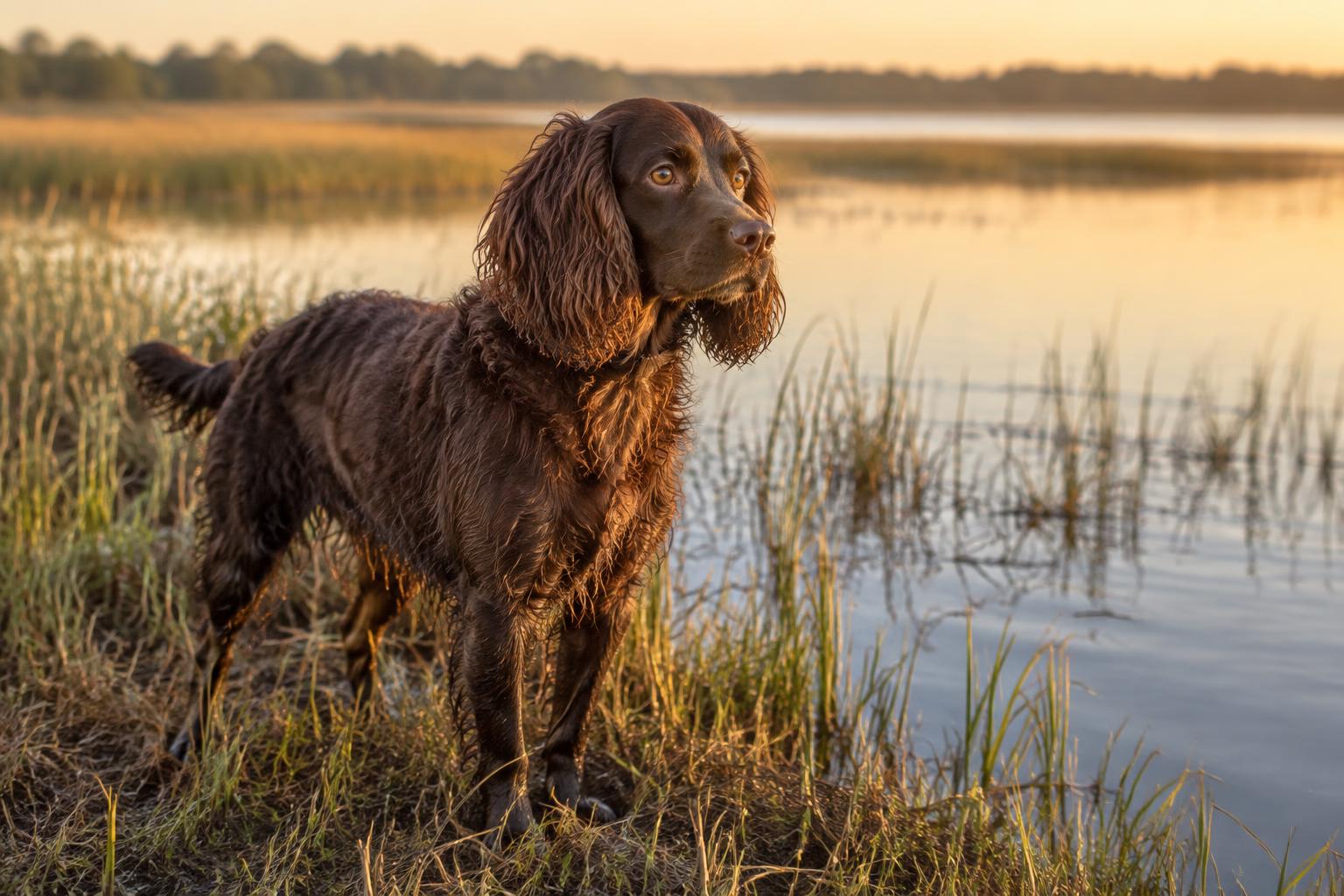
Boykin Spaniel
A cheerful, compact water spaniel for active families who can offer swimming, retrieving and good company.
Reviewed by the SniffScroll editorial team
The compact water spaniel from South Carolina
The short version
- Friendly with people, children and dogs
- Needs 60 to 90 minutes of exercise daily, ideally with water
- Ears need drying and checking to prevent infections
- Hip dysplasia is a real concern: insist on scored parents
- Rare in the UK and not Kennel Club recognised
- Weight
- 11 to 18 kg
- Height
- 36 to 46 cm
- Lifespan
- 12 to 15 yrs
- Size
- Medium
- Group
- Gundog
- Coat
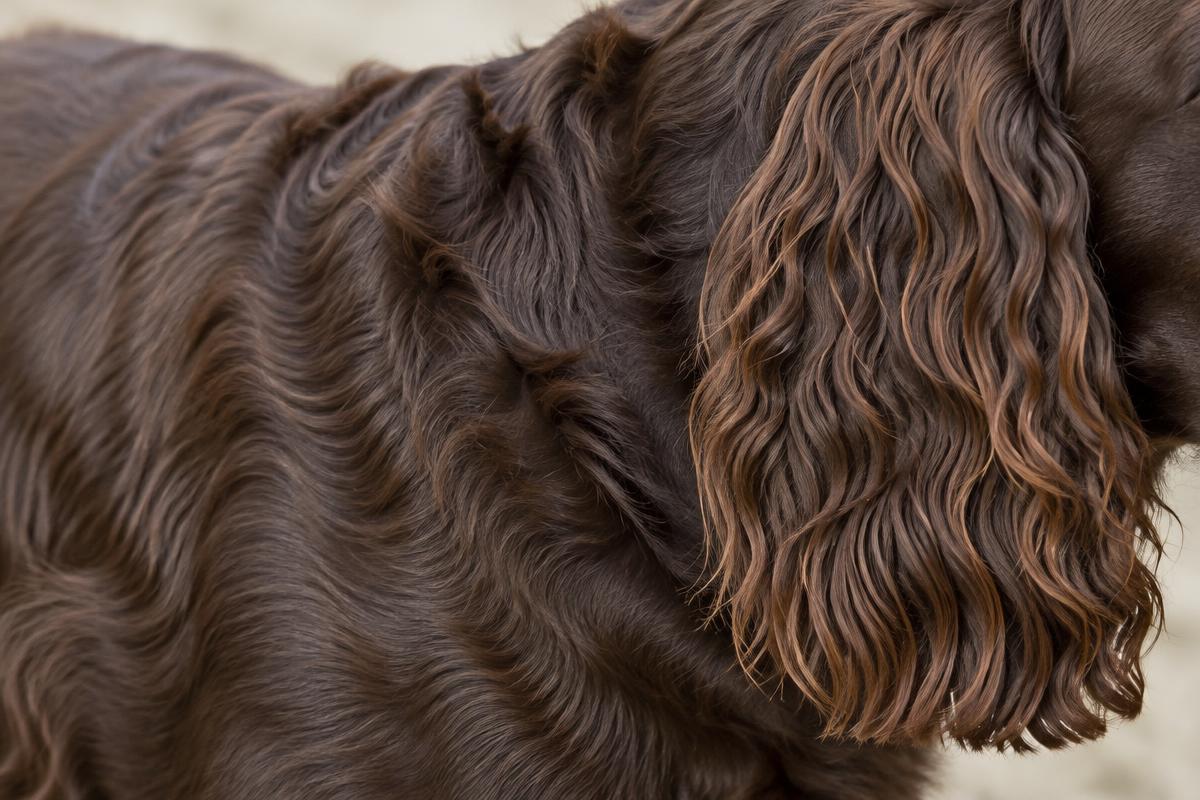
- Medium-length, wavy to curly liver coat
- Grown male
- 13 to 18 kg
- Grown female
- 11 to 15 kg
- Years to full size
- about 1.5
- One-off setup
- €800 to 1500
Get one if…
- Active families with children
- People who walk near lakes, rivers or the coast
- Owners interested in gundog training or dock diving
- Homes with someone around for much of the day
Think again if…
- Sedentary households
- Long hours alone every day
- Very house-proud owners who dislike wet dogs
- Allergy sufferers
Trait profile
Scores reflect a friendly, energetic water spaniel: affectionate and sociable, with strong retrieving instincts.
Space & setup. Fits modest homes well if exercised properly; access to water and open space makes a big difference.
Allergies. Not suitable for allergy sufferers; the wavy coat sheds moderately and carries dander.
Living with a Boykin Spaniel
The Boykin Spaniel was bred in South Carolina to retrieve ducks and wild turkey from small boats, which is why it is compact, eager and loves water. Cheerful and affectionate, it makes a lovely family gundog for active households that can offer swimming, retrieving and plenty of company.
The Boykin Spaniel is the state dog of South Carolina, and its story is as local as that suggests. In the early twentieth century, hunters on the Wateree River swamps wanted a dog small enough to ride in a narrow boat without tipping it, yet keen and tough enough to retrieve ducks from cold water and flush wild turkey. They developed it from a stray spaniel-type dog, later mixing in Chesapeake Bay Retriever, Cocker Spaniel, Springer Spaniel and American Water Spaniel blood. The result is a compact, liver-coloured spaniel with a big heart and an even bigger enthusiasm for water.
Outside the American South, the breed is still rare. In the UK it is not recognised by the Kennel Club, so you may need to look abroad for a breeder. Yet search interest is high, mainly from people who have met one and want to know if the friendliness is typical. The short answer is yes.
Temperament is the breed's strongest selling point. Boykins are cheerful, affectionate and eager to please, typically loving everybody they meet. They are excellent with children, generally easy with other dogs and, raised with them, often fine with cats. Most are not big barkers, and they tend to be soft in temperament, responding best to gentle, reward-based training. Harsh handling makes them anxious, while praise and a ball can make them do almost anything.
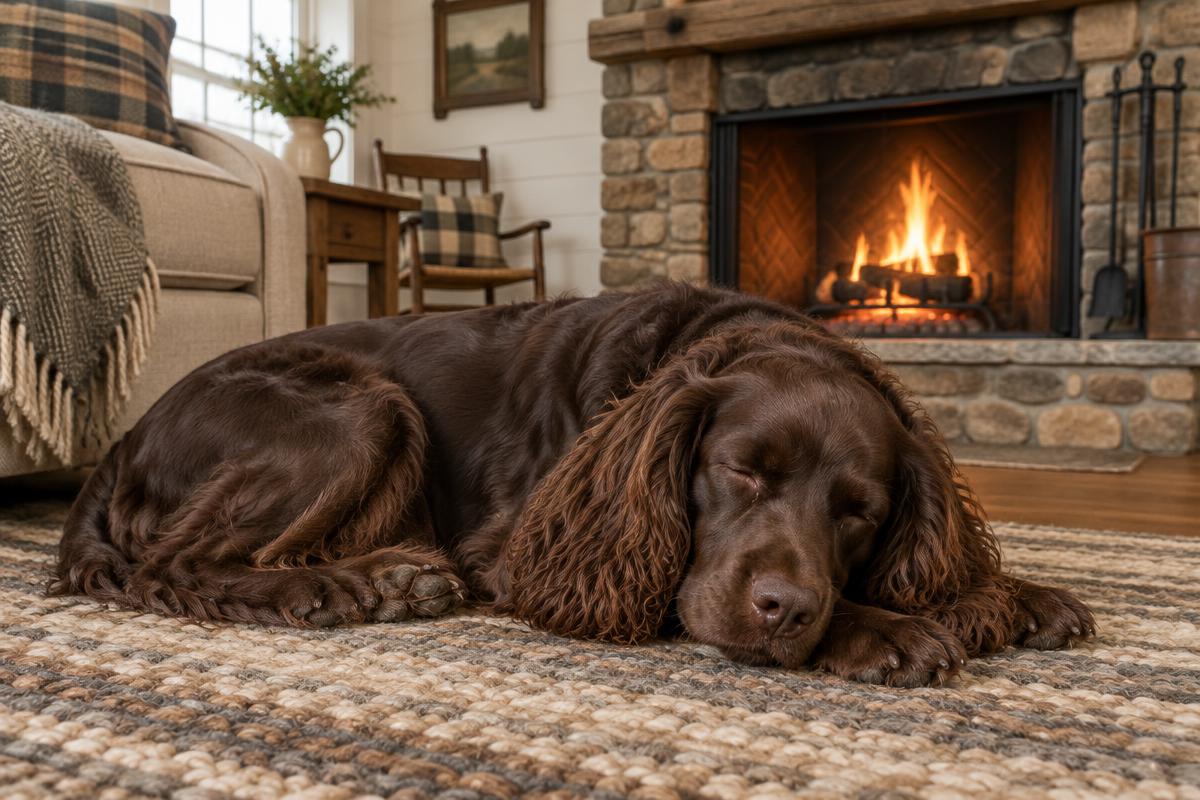
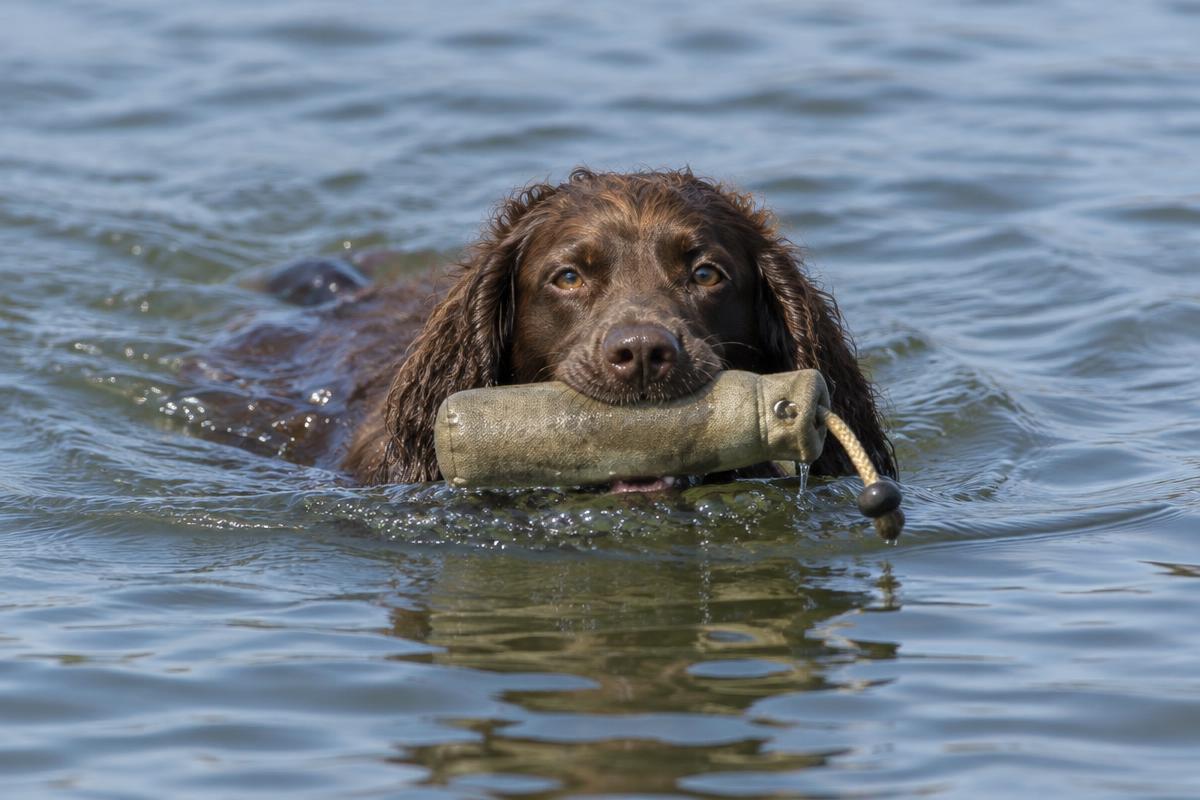
The flip side is that they are working gundogs with real energy. Most adults need an hour to ninety minutes of exercise a day, and the best kind involves running, retrieving and swimming. A Boykin with a lake nearby is a very happy dog. Without enough activity, they can become restless, chewing or digging out of boredom. They also do not love being alone for long stretches; this is a dog bred to work at its handler's side, and it wants company.
Training is generally easy and fun. They excel at retrieving work, obedience, agility and dock diving, and many owners find a gundog training class gives the dog a purpose. Recall is usually good, though a strong nose and love of birds mean young dogs can get distracted. Teach a reliable recall early, and use a long line in areas with wildlife.
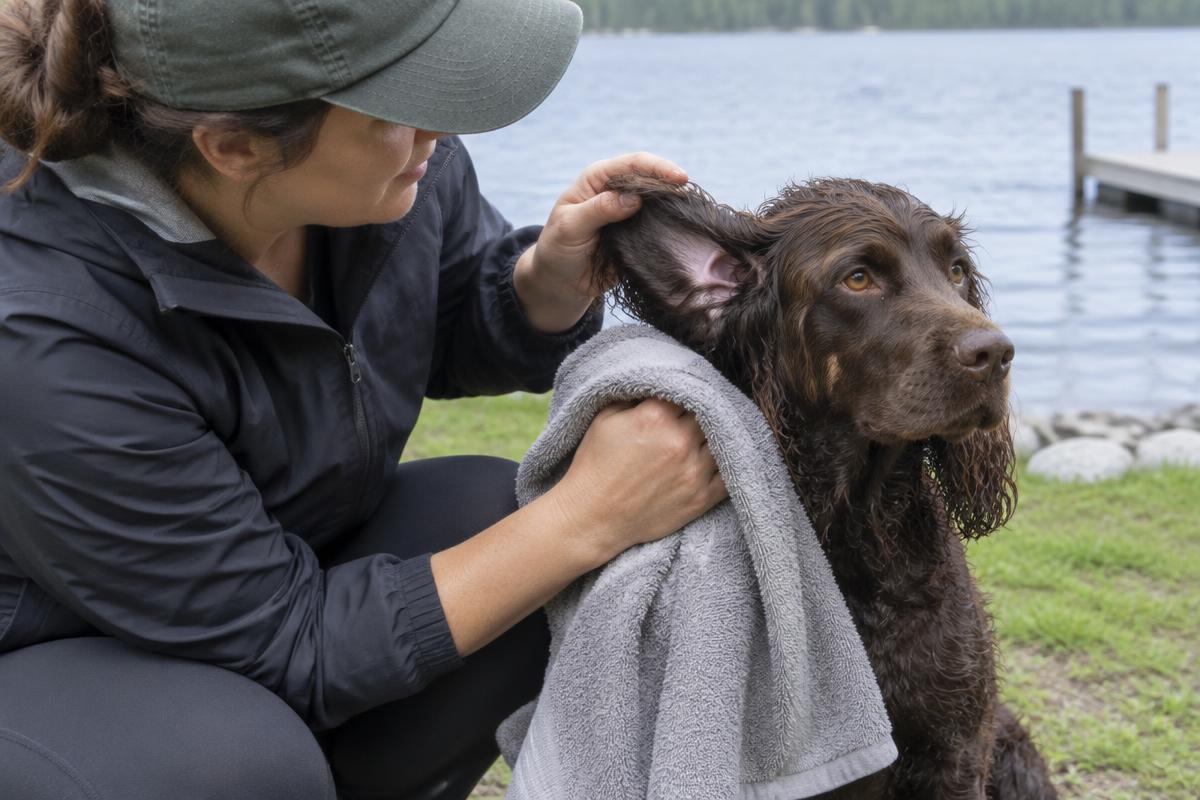
The coat is medium-length and can range from flat to quite curly, always in shades of liver or chocolate. It is designed to shed water, but it collects burrs, mud and pond weed, and the feathering on the ears, legs and belly mats if ignored. Brush two or three times a week, check for grass seeds after walks and tidy the feathering every few months. Ears are the most important part of the routine: long, heavy, hairy ears plus frequent swimming make ear infections common. Dry the ears after every swim and check them weekly.
Health is reasonably good, but there are known problems. Hip dysplasia is the biggest concern; the breed has one of the higher rates of hip dysplasia in OFA records, so insist on hip scores for both parents. Exercise-induced collapse, a genetic condition that causes weakness after intense activity, has a DNA test. Collie eye anomaly, degenerative myelopathy and progressive retinal atrophy also occur, and good breeders test for them. Patellar luxation, pulmonic stenosis heart murmurs and ear infections round out the list. Ask for written results and talk to the breeder about longevity in their lines.
Weight control deserves a mention too. Boykins love food almost as much as water, and a few extra kilograms put real strain on hips that may already be vulnerable. Measure meals, count training treats as part of the daily ration and check that you can feel the ribs under a light layer of cover.
For a family, a Boykin is often an ideal size: big enough to hike and play properly, small enough to fit in a car, a modest house and a busy life. It suits active families who enjoy weekends outdoors, people who like walking near water, and anyone wanting a sociable, kind dog that gets on with everyone. It is less suited to sedentary homes, very tidy owners who dislike wet dogs, or anyone out at work all day.
Choose your breeder carefully, plan for ear and coat care, and budget for plenty of towels. In return you will have one of the friendliest, most cheerful gundogs there is, and almost certainly a dog that cannot walk past a puddle.
A happy, compact family gundog that loves water and people; wonderful for active homes, restless in quiet ones.
Exercise, day to day
- 160 to 90 minutes of daily exercise with running and fetch
- 2Swimming whenever safe water is available
- 3Short retrieve or gundog training sessions several times a week
Grooming, realistically
- 1Brush two or three times a week
- 2Dry and check ears after every swim
- 3Tidy feathering on ears, feet and belly every two to three months
- 4Check for grass seeds and burrs after walks
What you actually need
- Slicker brush
- Wide-tooth comb
- Ear cleaner and cotton pads
- Absorbent dog towel
Puppy to adult
| Age | Male | Female | What is happening |
|---|---|---|---|
| 8 weeks | 2.5 to 3.5 kg | 2.3 to 3.2 kg | Soft and people-focused; start gentle handling and short retrieve games. |
| 3 months | 4.5 to 6.5 kg | 4 to 6 kg | Introduce shallow water calmly and socialise widely. |
| 6 months | 8 to 12 kg | 7 to 10.5 kg | Energy rising; keep exercise free and varied while joints grow. |
| 9 months | 10 to 15 kg | 9 to 13 kg | Adolescent distractions; keep recall work rewarding. |
| 12 months | 11 to 17 kg | 10 to 14.5 kg | Nearly grown; build fitness for longer walks and swims. |
| 18 months | 13 to 18 kg | 11 to 15 kg | Fully mature; coat feathering complete. |
Ranges are typical, not targets. Judge condition by ribs and waist, and check with the ideal weight checker.
What to ask a breeder
- What are both parents' hip scores?
- Are the parents DNA tested for exercise-induced collapse and degenerative myelopathy?
- Have the parents had eye examinations for collie eye anomaly and PRA?
- Have the parents had heart checks?
- Do your dogs work, compete or live as companions?
Health tests to ask for
Ask to see results for both parents before you put down a deposit.
- Hip scores for both parents
- DNA tests for exercise-induced collapse, degenerative myelopathy and PRA
- Eye examination including collie eye anomaly
- Heart and patella checks
Health watch-list
What to ask a breeder about, and what to watch for over a lifetime. This is orientation, not veterinary advice, anything you notice belongs in front of a vet.
Hip dysplasia
Very likelyOne of the higher rates in OFA records; insist on scored parents and keep weight lean.
Ear infections
CommonHeavy ears plus swimming trap moisture; dry and check them routinely.
Exercise-induced collapse
NotableWeakness or collapse after intense activity; a DNA test is available.
Collie eye anomaly and progressive retinal atrophy
UncommonInherited eye diseases; eye examinations and DNA tests on parents help.
Patellar luxation
UncommonKneecaps slipping out of place cause a skipping gait.
Pulmonic stenosis
RareA congenital heart narrowing; a vet may hear a murmur at puppy checks.
What it costs to keep one
Realistic running cost
€88 / month
About €1,056 a year, or roughly €14,784 across a 14-year life, before purchase price, neutering and one-off vet events.
Before the puppy arrives. Budget roughly €800 to 1500 for a crate, bed, lead and harness, bowls, puppy classes, first vaccinations and grooming kit sized for this breed. Figures throughout are indicative and vary a good deal between countries.
Interactive · built for this breed
Is a Boykin Spaniel right for your home?
Seven honest questions about your space, time and household, checked against this breed's exercise need, coat, sociability and tolerance for time alone.
Fit with your routine
93%
A strong fit
Your routine suits a Boykin Spaniel well. Meet adult dogs of the line before you commit.
What to sort out first
- Needs more daily exercise than you have pencilled in.
Working in your favour
- Coat care fits the grooming time you offered.
Compare more breeds in the matchmaker, or plan meals with the portion calculator.
The verdict, by household
First-time owner
Good fit
Soft, eager and forgiving, provided exercise needs are met.
Family with children
Excellent
Gentle, playful and sociable; a natural family companion.
Active single or couple
Excellent
A keen partner for hiking, swimming and gundog work.
Flat with close neighbours
Possible
Quiet indoors, but needs outdoor activity and dislikes long hours alone.
When to call your vet
- Head shaking, scratching ears or a smelly ear
- Wobbling or collapse after intense exercise
- Lameness or stiffness (hips)
- Skipping on a back leg (patellas)
- Coughing, tiring easily or fainting (heart)
Nothing here is a diagnosis. A swollen, hard belly with retching, collapse, breathing difficulty and sudden hind-leg weakness are emergencies: go straight away.
Boykin Spaniel vs the closest alternatives
| Breed | Weight | Energy | Grooming | € / month |
|---|---|---|---|---|
| Boykin Spaniel | 11 to 18 kg | 8/10 | 5/10 | €88 |
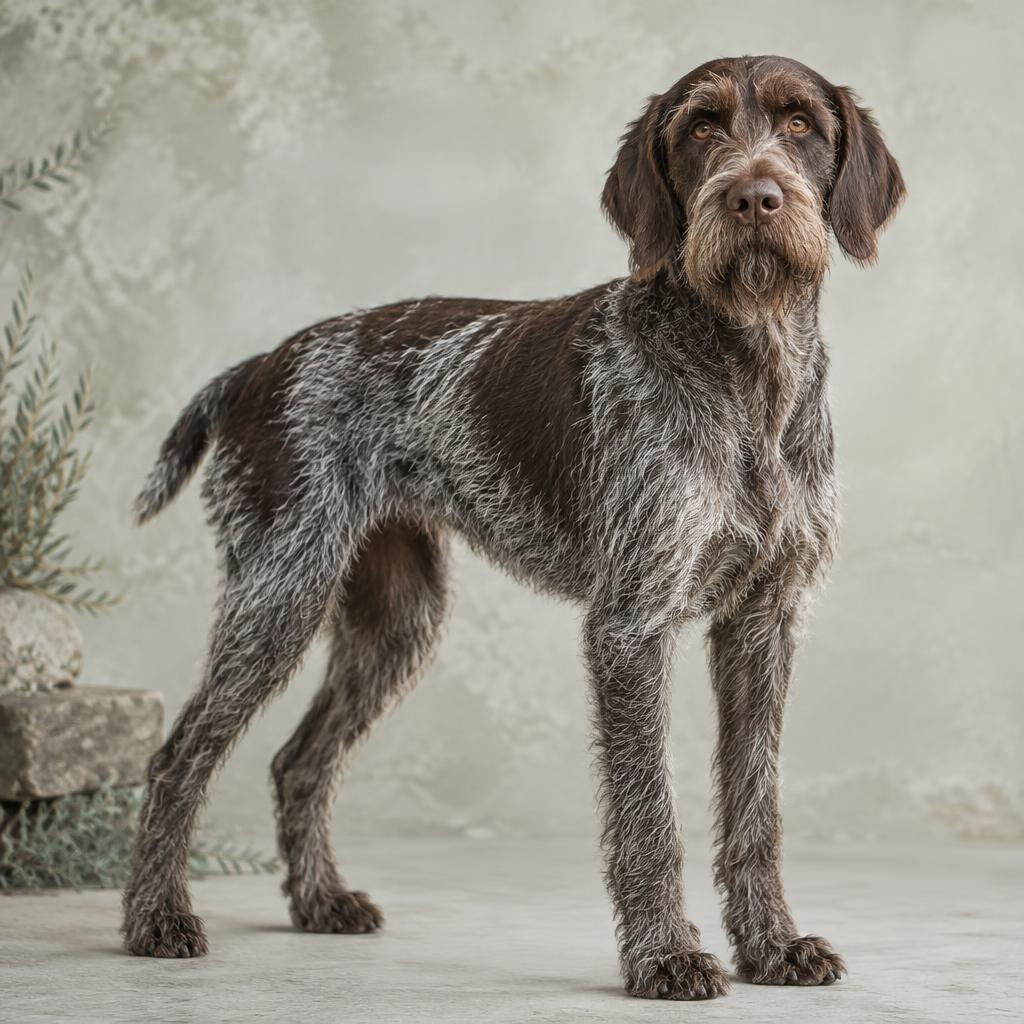
| Wirehaired Pointing Griffon | 23 to 32 kg | 8/10 | 5/10 | €98 |
| Labrador Retriever | 25 to 36 kg | 8/10 | 3/10 | €215 |
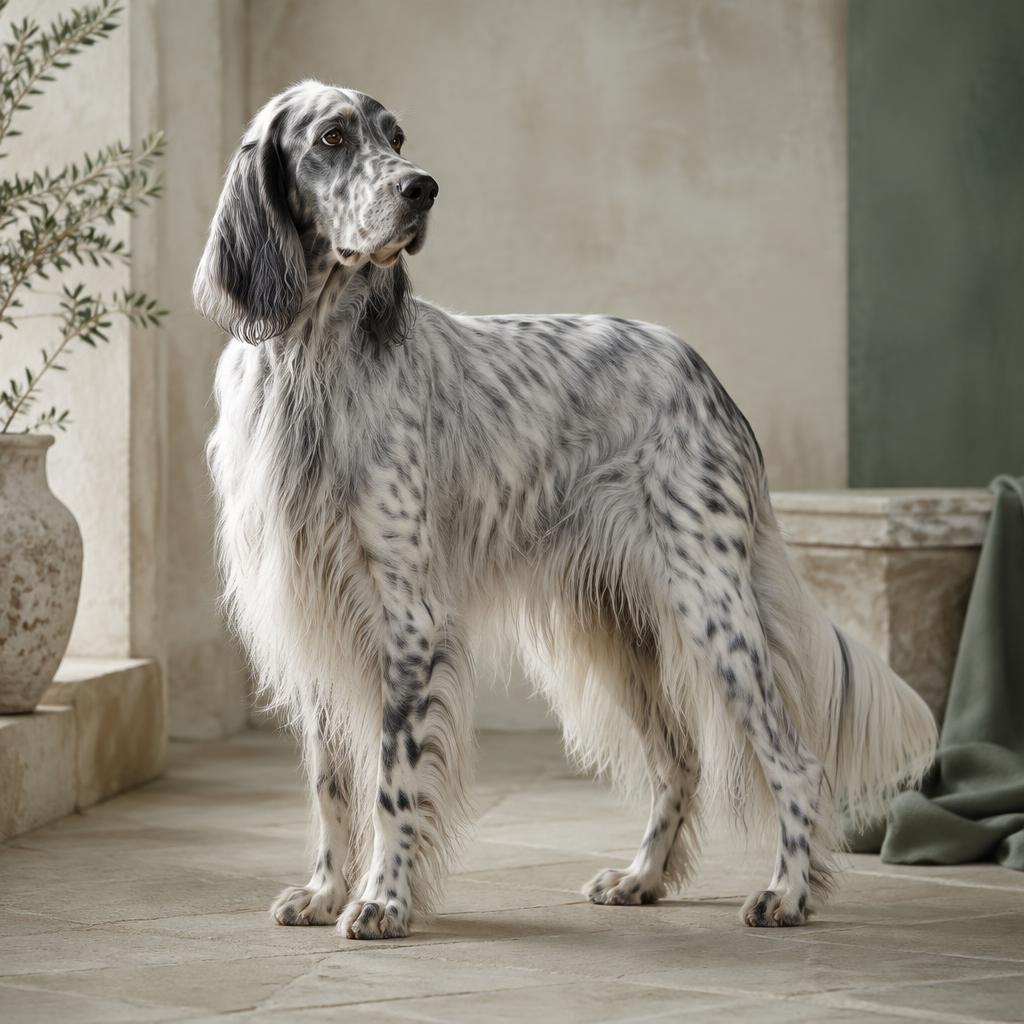
| English Setter | 20 to 36 kg | 7/10 | 6/10 | €116 |
Boykin Spaniel questions, answered
Are Boykin Spaniels good family dogs?
Yes. They are gentle, playful and sociable with children and other dogs, as long as the family can give them daily exercise and company.
Do Boykin Spaniels shed?
Moderately. Regular brushing keeps it under control, but they are not hypoallergenic.
How big do Boykin Spaniels get?
Males stand about 39 to 46 cm and weigh 13 to 18 kg; females stand 36 to 43 cm and weigh 11 to 15 kg.
Do Boykin Spaniels like water?
Almost always. They were bred to retrieve ducks from the water and most love swimming. Dry their ears afterwards to prevent infections.
How much exercise does a Boykin Spaniel need?
Around 60 to 90 minutes a day, ideally including running, fetch and swimming.
Are Boykin Spaniels recognised in the UK?
Not by the Kennel Club. They are recognised by the American Kennel Club and are most common in the United States.
How long do Boykin Spaniels live?
Typically 12 to 15 years.