
Dog Pancreatitis: Symptoms, Triggers and Recovery
A painful, common emergency that often follows a fatty meal. Learn the signs, including the telltale prayer position, and how to protect a dog who has had it before.
The SniffScroll desk
Published 10 October 2026

Reviewed by the SniffScroll editorial team
The short version
- Pancreatitis is inflammation of the pancreas, often triggered by a fatty meal, and it is severely painful.
- The classic signs are repeated vomiting, a hunched or prayer-like posture, appetite loss and lethargy.
- Treatment is supportive care: strong pain relief, fluids, anti-sickness medication and early low-fat feeding.
- After an episode, a strict low-fat diet is usually permanent, because fat is the trigger most likely to bring it back.
Pancreatitis, inflammation of the pancreas, is one of the commonest reasons dogs end up at the emergency vet after a rich meal, and one of the most painful conditions they routinely hide. It ranges from a miserable few days to a life-threatening emergency, and the difference often comes down to how quickly it is recognised and treated.
This guide explains what the pancreas does, what triggers an attack, the signs to watch for, how vets diagnose and treat it, and how to protect a dog who has had it before.
What is pancreatitis in dogs?
Pancreatitis is inflammation of the pancreas, the small organ beside the stomach that produces digestive enzymes and insulin; when it becomes inflamed, those enzymes start digesting the organ itself.
Normally the pancreas releases its enzymes into the gut, where they break down food. In pancreatitis the enzymes activate early, inside the pancreas, and begin attacking the surrounding tissue. The result is intense abdominal pain, vomiting and, in severe cases, a cascade that affects the whole body.
Pancreatitis comes in two forms. Acute pancreatitis strikes suddenly, often after a fatty meal, and can be severe. Chronic pancreatitis smoulders at a low level, flaring repeatedly, and is easy to mistake for a sensitive stomach. Some dogs have both: chronic disease with acute flares on top.
What triggers an attack?
The classic trigger is a high-fat meal or scavenged fatty food, but being overweight, certain breeds, some medications and other illnesses all raise the risk.
The well-known scenario is the dog who raided the bin, stole the roast trimmings or was fed fatty table scraps, and is vomiting by the next morning. Fat is the single biggest dietary trigger. But it is not the whole story:
- Body condition. Overweight dogs are markedly more prone to pancreatitis. Keeping a dog lean is one of the most protective things you can do; our ideal weight tool can help you check where your dog sits.
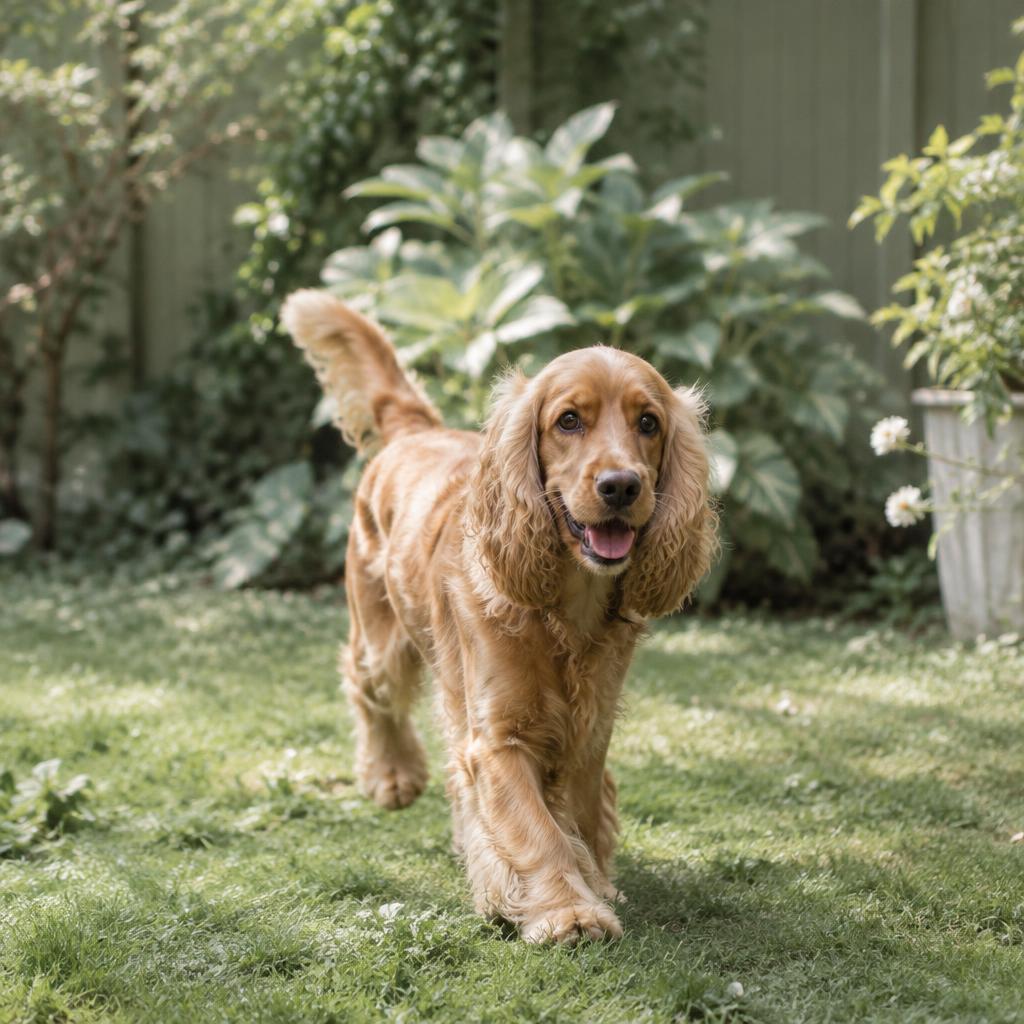
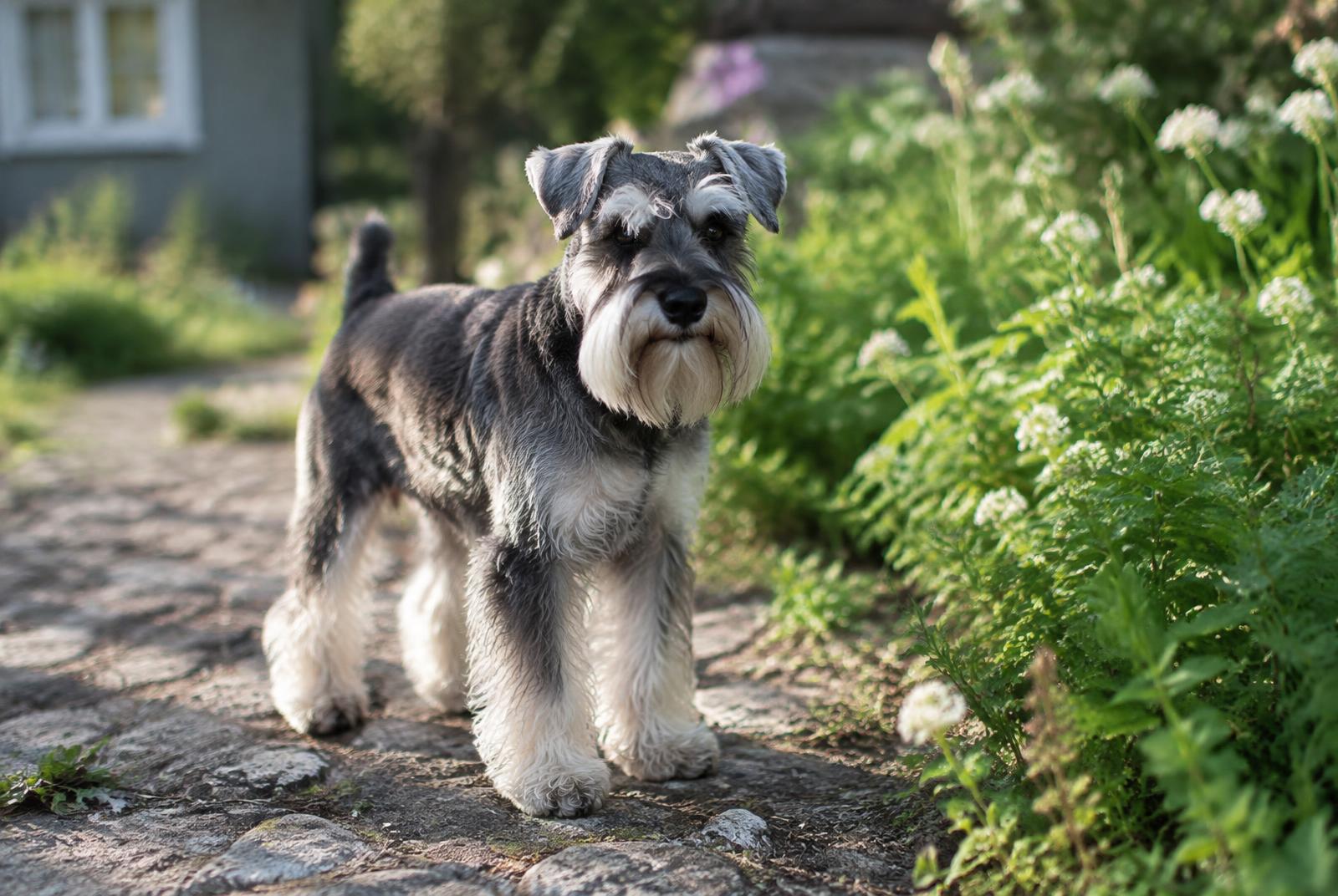
- Breed. Miniature Schnauzers are the textbook case, often with underlying fat metabolism problems. Cocker Spaniels, Yorkshire Terriers, Dachshunds and Poodles also feature heavily. See our Miniature Schnauzer and Cocker Spaniel profiles for breed-specific notes.
- Other illness. Diabetes, underactive thyroid, Cushing's disease and recent surgery all raise the risk.
- Medication. Some drugs, including certain antibiotics and anti-seizure medicines, can trigger it.
- Sometimes, nothing. A fair share of cases have no identifiable trigger at all.
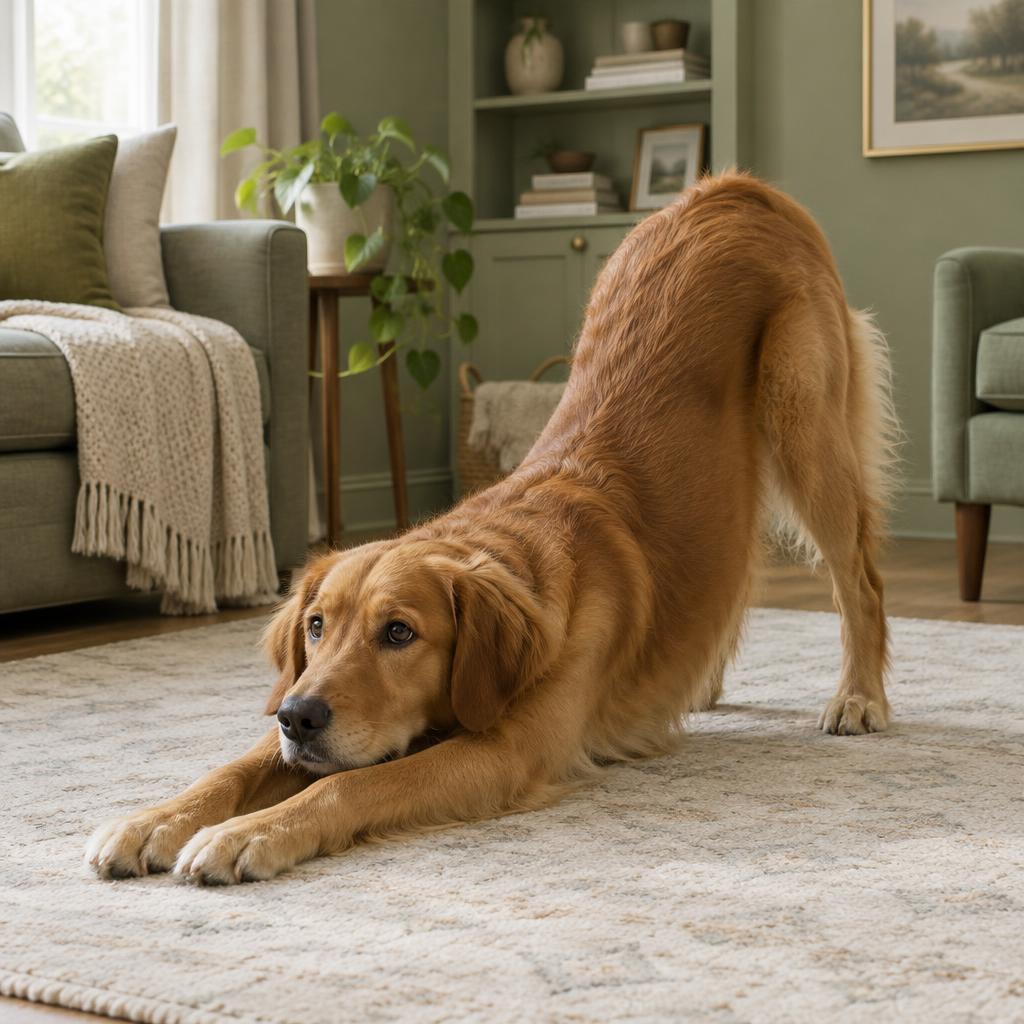
The signs: what pancreatitis looks like
The hallmark signs of pancreatitis are repeated vomiting, a hunched or prayer-like posture from abdominal pain, loss of appetite and profound lethargy, often within a day of a fatty meal.
Dogs are stoic, so the picture is often subtler than the textbooks suggest. Watch for:
- Repeated vomiting, sometimes with retching that produces little
- The "prayer position": front legs and chest down, rear end up, held because it eases belly pain
- A hunched, tense abdomen; the dog may flinch or cry if picked up under the tummy
- Refusing food, which in a normally greedy dog is a red flag on its own
- Diarrhoea, sometimes with mucus
- Lethargy, restlessness, or an inability to get comfortable
- In severe cases: fever, dehydration, pale gums, collapse
Mild chronic cases may show only intermittent poor appetite, occasional vomiting and a dog who seems "off" every few weeks. If that pattern sounds familiar, it is worth raising with your vet even between episodes.
How vets diagnose it
Diagnosis combines the history and examination with a blood test specific to pancreatic inflammation, usually backed up by an ultrasound scan.
The key blood test measures canine pancreatic lipase (cPL), which rises sharply in pancreatitis and can be run in the practice in minutes. General blood work checks hydration, organs and rule-outs, and an ultrasound looks at the pancreas directly and checks for other causes of vomiting, such as an obstruction. This matters because the signs overlap heavily with other emergencies, including a swallowed foreign body and bloat, which our dog vomiting guide helps sort through.
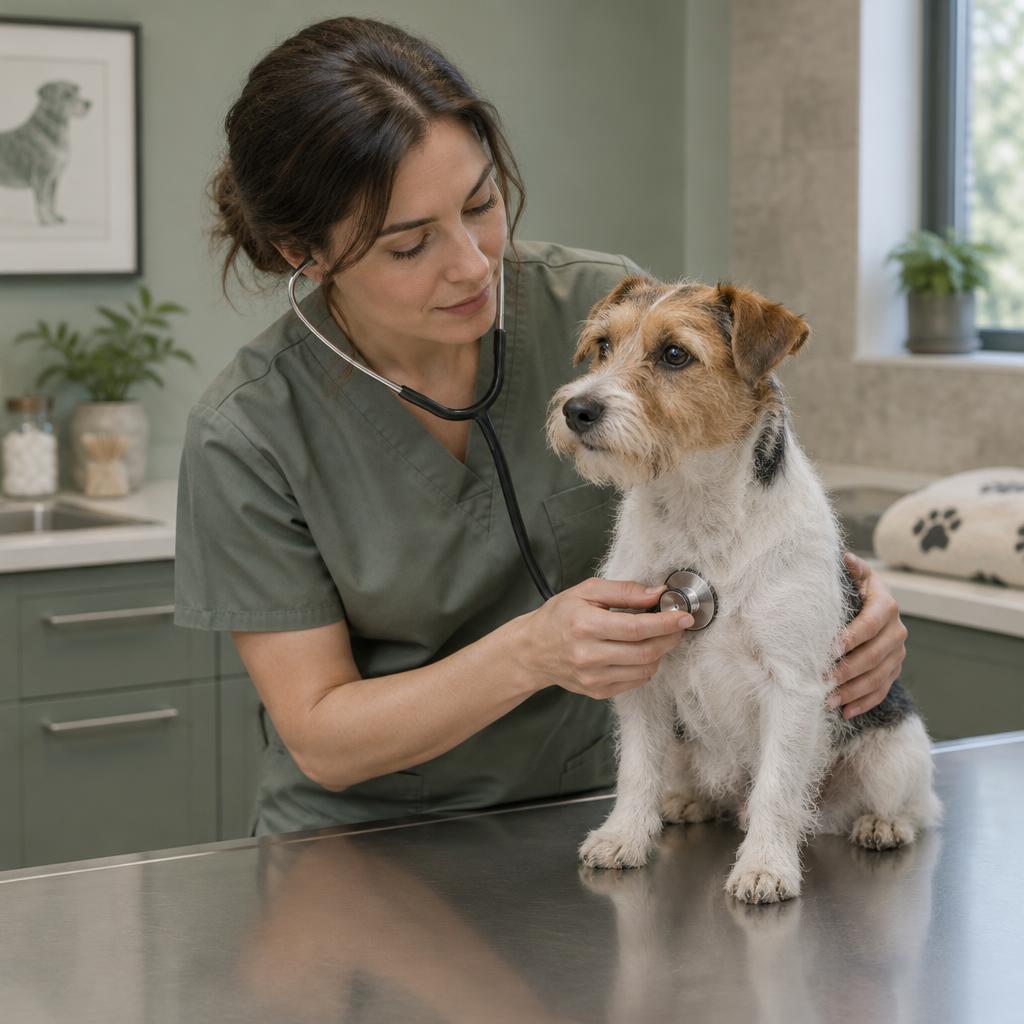
Treatment: what happens at the surgery
There is no direct antidote for pancreatitis; treatment is aggressive supportive care, built around strong pain relief, anti-sickness medication, fluids and careful feeding.
The cornerstones:
- 1Pain relief. Pancreatitis is severely painful, and modern veterinary practice treats that pain properly, usually with opioid-level medication in hospital.
- 2Fluids. Drip fluids correct dehydration and support the pancreas itself.
- 3Anti-sickness medication. Controlling vomiting lets the gut rest and the dog feel human again.
- 4Early, gentle feeding. The old advice to starve the dog for days has been abandoned. Small, low-fat meals started as soon as vomiting is controlled actually speed recovery.
- 5Hospital care for severe cases. Severe pancreatitis can need days on a drip, plasma transfusions and intensive monitoring.
Most dogs with mild to moderate pancreatitis recover well over several days. Severe cases are genuinely dangerous, which is why the same-day vet visit matters.
Interactive · pancreatitis risk
How at risk is your dog?
Answer four questions about breed, weight, diet and history. We will give you a risk picture and the prevention steps that matter most.
Prevention steps
- Keep fatty treats, table scraps and skin off the menu entirely; fat is the biggest trigger.
- Secure the bin and do not leave roasting tins or fatty leftovers unattended.
- Learn the prayer position, front down and rear up, so you recognise abdominal pain the day it appears.
Lower risk: keep the good habits going
Risk is not destiny. The dogs who stay out of hospital are the lean ones whose households keep fat firmly off the menu.
Recovery and the low-fat life afterwards
After pancreatitis, a dog goes home on a strict low-fat diet, and for most dogs that change is permanent, because fat is the trigger most likely to bring the disease back.
The recovery rules:
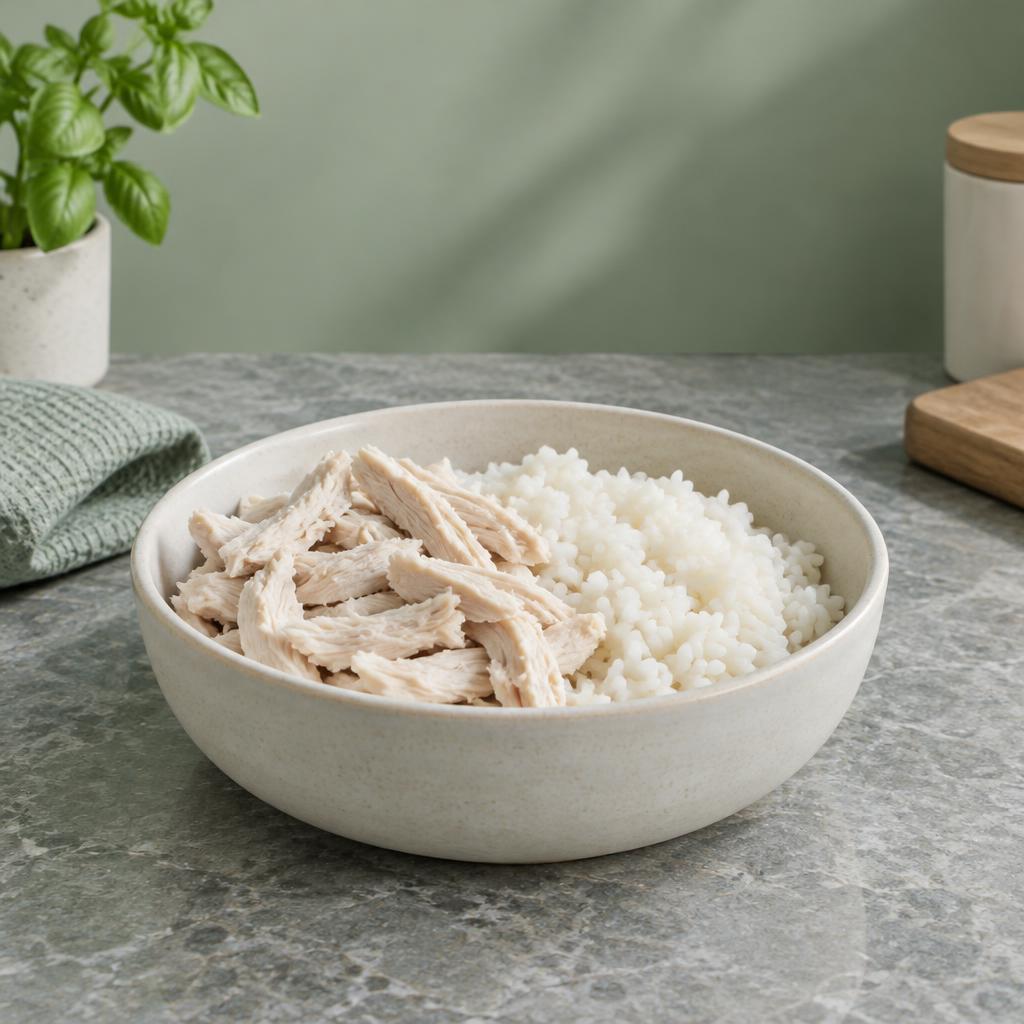
- Fat is the enemy. Move to a genuinely low-fat food; your vet can recommend prescription diets designed for exactly this. Treats matter as much as meals: no cheese, no fatty meat, no skin, no table scraps.
- Small meals, steady routine. Little and often is kinder on the pancreas than one large meal.
- Everyone in the house must know. One well-meaning relative slipping the dog a sausage can undo months of care.
- Bin and counter discipline. Scavenged fat is the commonest cause of a relapse. Secure the bin and do not leave the Sunday roast unattended.
- Watch the weight. A lean dog has a quieter pancreas. Measure food rather than guessing; our portion calculator gives you a starting point.
Living with a pancreatitis-prone dog
Dogs who have had one episode of pancreatitis are more likely to have another, so long-term management is about removing triggers rather than waiting for the next flare.
In practice this means the low-fat diet becomes simply "what the dog eats", vet checks happen at least yearly with blood work for breeds at risk, and everyone who cares for the dog, including walkers, sitters and kennels, knows the rules in writing. Many owners find it helpful to keep a short note of each dog's trigger foods and safe treats on the fridge.
The encouraging news is that managed well, most pancreatitis-prone dogs live completely normal, happy lives. The condition is unforgiving of lapses but very responsive to consistency.
Acute versus chronic: the long view
Understanding whether your dog's pancreatitis is acute or chronic changes how you manage it, and many dogs have a degree of both.
Acute pancreatitis is the dramatic version: a previously well dog becomes suddenly, obviously ill, often after a fatty meal. Treated promptly, most of these dogs recover fully, and if the trigger is removed they may never have another episode.
Chronic pancreatitis is quieter and sneakier. The pancreas carries low-grade inflammation for months or years, producing vague signs: intermittent poor appetite, occasional vomiting, episodes of being "not quite right" that pass in a day. Over time the scarring can reduce the organ's function, and in some dogs it contributes to diabetes or to exocrine pancreatic insufficiency, where the dog can no longer digest food properly without enzyme supplements.
The practical takeaway is that repeated mild tummy episodes are worth investigating rather than shrugging off, especially in the at-risk breeds. A dog who is "just a bit delicate" every few weeks may be telling you about a pancreas that needs help.
Common myths about pancreatitis
The biggest myth is that only bin-raiding dogs get pancreatitis. Fatty scavenging is a classic trigger, but plenty of cases strike dogs on ordinary diets, particularly the predisposed breeds and dogs carrying extra weight. The second myth is that one episode means a fragile dog forever. Many dogs have a single acute episode, recover completely, and never look back once the trigger is removed.
The third myth is that a low-fat diet means a miserable dog. Modern low-fat diets are palatable and complete, and most dogs adapt within days. What they miss is not the fat itself but the novelty of table scraps, and that is a habit problem, not a nutrition problem. A carrot crunch or a measured low-fat treat scratches the same itch.
The cost and the commitment
It is worth being honest about the practical side. A hospitalised case of pancreatitis can run into hundreds or thousands of pounds, which is why insurance taken out before any episode is so valuable, and why prevention beats treatment by such a wide margin. At home, the commitment is simpler but permanent: a low-fat diet, measured portions, a secure bin, and a household where everyone, from children to grandparents to the dog walker, knows that the dog does not get fatty treats. Owners who treat the diagnosis as a household rule change, rather than a personal burden, find it quickly becomes second nature.
It also helps to keep a brief diary for a prone dog: dates of any vomiting, off-food days and treats given. Patterns emerge quickly on paper, and the diary is exactly what your vet needs if the episodes ever become frequent enough to investigate further.
When to see a vet
Repeated vomiting with a painful, hunched abdomen is a same-day emergency, and any dog who vomits more than once or twice after eating something fatty should be seen promptly.
Do not wait to see whether it passes. Early treatment is kinder, cheaper and safer, and the conditions pancreatitis mimics, including bloat and obstruction, are even more time-critical. For a dog with a history of pancreatitis, treat any vomiting episode as a probable flare and phone the vet the same day.
The bottom line
Pancreatitis is painful, common and largely preventable. Keep your dog lean, keep fat out of the bowl and the bin, and learn the prayer position so you recognise abdominal pain the day it appears. If your dog has had it once, the low-fat diet is not a phase but a lifestyle, and it is the single best insurance against doing it all again.
Questions people actually ask
What causes pancreatitis in dogs?
The classic trigger is a high-fat meal or scavenged fatty food, but being overweight, certain breeds (especially Miniature Schnauzers), some medications and illnesses like diabetes and Cushing's disease all raise the risk. Some cases have no identifiable trigger.
What are the first signs of pancreatitis in dogs?
Repeated vomiting, loss of appetite, lethargy and abdominal pain, often shown as a hunched back or the prayer position with the front down and rear up, typically within a day of eating something fatty.
Can a dog survive pancreatitis?
Most dogs with mild to moderate pancreatitis recover well with prompt treatment over several days. Severe cases are dangerous and need hospital care, which is why same-day veterinary attention matters.
What should a dog with pancreatitis eat?
A genuinely low-fat diet, often a prescription food recommended by your vet, fed in small, regular meals. Treats count too: no cheese, fatty meat, skin or table scraps, and a secure bin to prevent scavenging.
Can pancreatitis come back?
Yes. Dogs who have had one episode are more prone to another, especially if fat creeps back into the diet. Consistent low-fat feeding and a lean body condition are the best protection.
Is pancreatitis painful for dogs?
Very. The enzymes that should digest food begin attacking the pancreas itself, causing intense abdominal pain. Modern veterinary treatment prioritises strong pain relief for exactly this reason.
Sources
Breeds mentioned
Put it into practice
Read next
Dog Dry Heaving: Causes and When It Is an Emergency
Dog dry heaving is usually throat irritation or mild nausea, but repeated unproductive retching with a swollen, tight belly can be bloat (GDV), a life-threatening emergency.


