
Toy group
England
Yorkshire Terrier
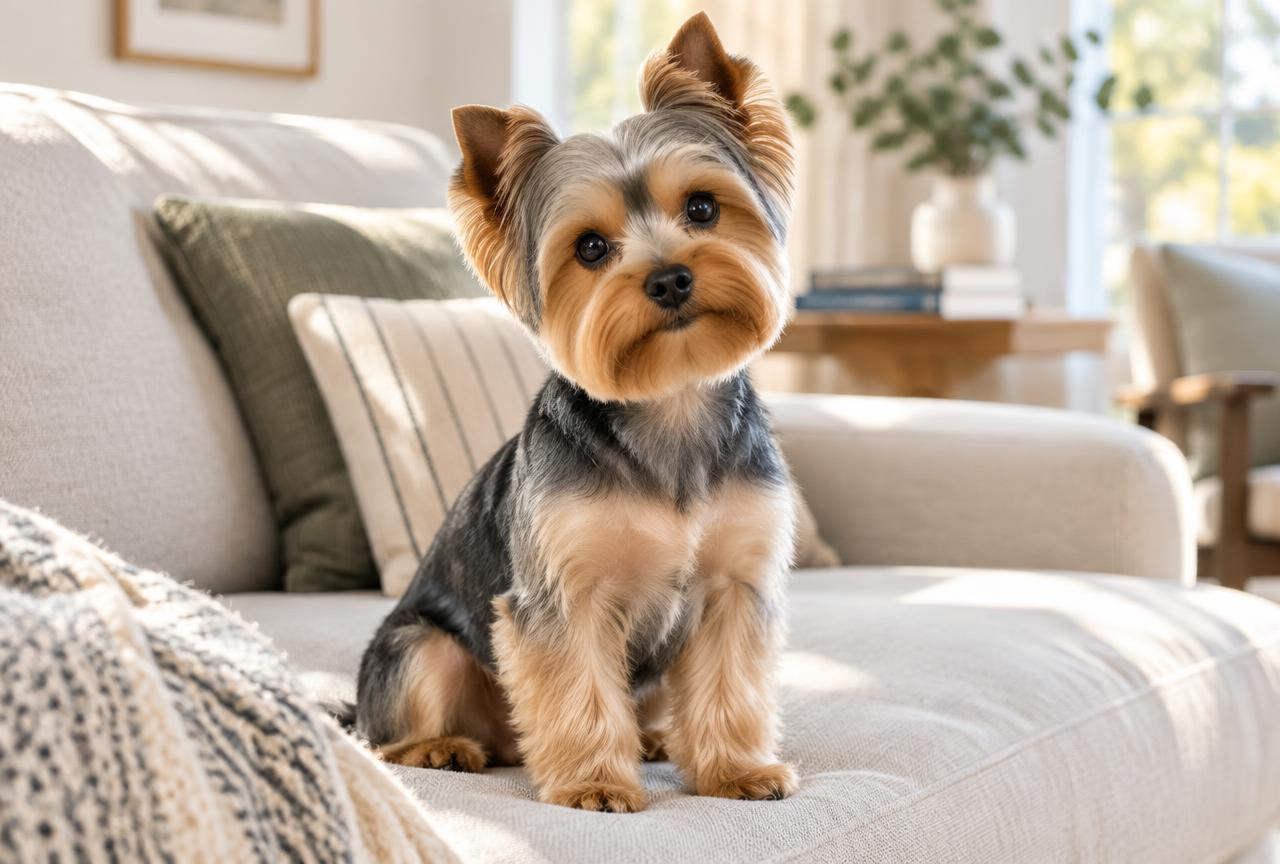
The Yorkshire Terrier is a brave, silky coated Toy breed needing dedicated grooming and dental care, offering a true terrier spirit in a compact form.
Reviewed against Kennel Club and breed club health guidance
A spirited, confident toy terrier with a big personality and a high maintenance coat.
The short version
- Yorkies are true terriers at heart: brave, feisty and highly intelligent rather than simple lapdogs.
- The coat requires daily brushing if kept long, or regular professional clips every few months.
- Dental disease is a major concern; daily tooth brushing is essential to prevent serious health issues.
- They are vocal and alert watchdogs, which requires management in close quarter living environments.
- Their small size makes them physically fragile, so they must be handled with care around children and larger animals.
- Weight
- 2 to 3.2 kg
- Height
- 18 to 23 cm
- Lifespan
- 13 to 16 yrs
- Size
- Toy
- Group
- Toy
- Coat
- Long, silky, fine hair with no undercoat
- Grown male
- 2 to 3.2 kg
- Grown female
- 1.8 to 3 kg
- Years to full size
- about 1
- One-off setup
- €300 to 700
Get one if…
- Owners willing to commit to daily brushing or regular professional grooming
- Households looking for a small dog with a big, brave personality
- Apartment dwellers who can provide daily mental and physical stimulation
- People dedicated to rigorous daily dental hygiene for their pet
- Families with older, respectful children who understand small dog fragility
Think again if…
- Households with very young children or boisterous large dogs
- Owners wanting a low maintenance, wash and go coat
- People away from home for long periods of the day
- Those sensitive to occasional sharp, high pitched barking
- Owners unable to manage the costs of regular professional grooming and dental work
Trait profile
The Yorkshire Terrier is a true ratter in a toy dog's body, requiring mental stimulation and strict dental care despite its diminutive appearance.
Space & setup. Highly adaptable to flat living due to their small size, provided they receive daily walks and mental engagement to prevent boredom.
Allergies. The silky coat lacks an undercoat and is more similar to human hair, making it a better choice for some allergy sufferers, though it still produces dander.
Living with a Yorkshire Terrier
The Yorkshire Terrier is a small but feisty member of the Toy group, originally bred to hunt rats in mills and mines. It is brave, intelligent and affectionate, retaining the sharp instincts and tenacious spirit of a working terrier despite its diminutive size.
The Yorkshire Terrier, or Yorkie, is frequently misunderstood as a purely decorative lapdog or handbag accessory, a perception bolstered by its popularity in celebrity culture and its elegant, floor sweeping coat. However, to view the breed through this lens is to ignore its history as a gritty, working ratter developed in the textile mills and coal mines of 19th century Yorkshire. Beneath the silk and ribbons lies the heart of a true terrier: tenacious, brave and occasionally rather stubborn. This heritage dictates much of the breed's character, transforming what could be a simple companion into a spirited, alert and highly intelligent partner that demands respect and proper training.
Training a Yorkshire Terrier requires a firm but gentle hand, as the breed can be prone to small dog syndrome if boundaries are not clearly established from the start. They are quick learners and highly responsive to positive reinforcement, yet they possess a streak of independence that can make house training a protracted process compared to other breeds. Their vocality is another trait inherited from their working days; Yorkies are excellent watchdogs that will alert their owners to any perceived intrusion with a sharp, persistent bark. While this makes them effective at home security, it can become a nuisance in flat living if not managed through early socialisation and training. Owners must be prepared to work on quiet commands and ensure the dog does not feel the need to defend the household against every passing pedestrian.
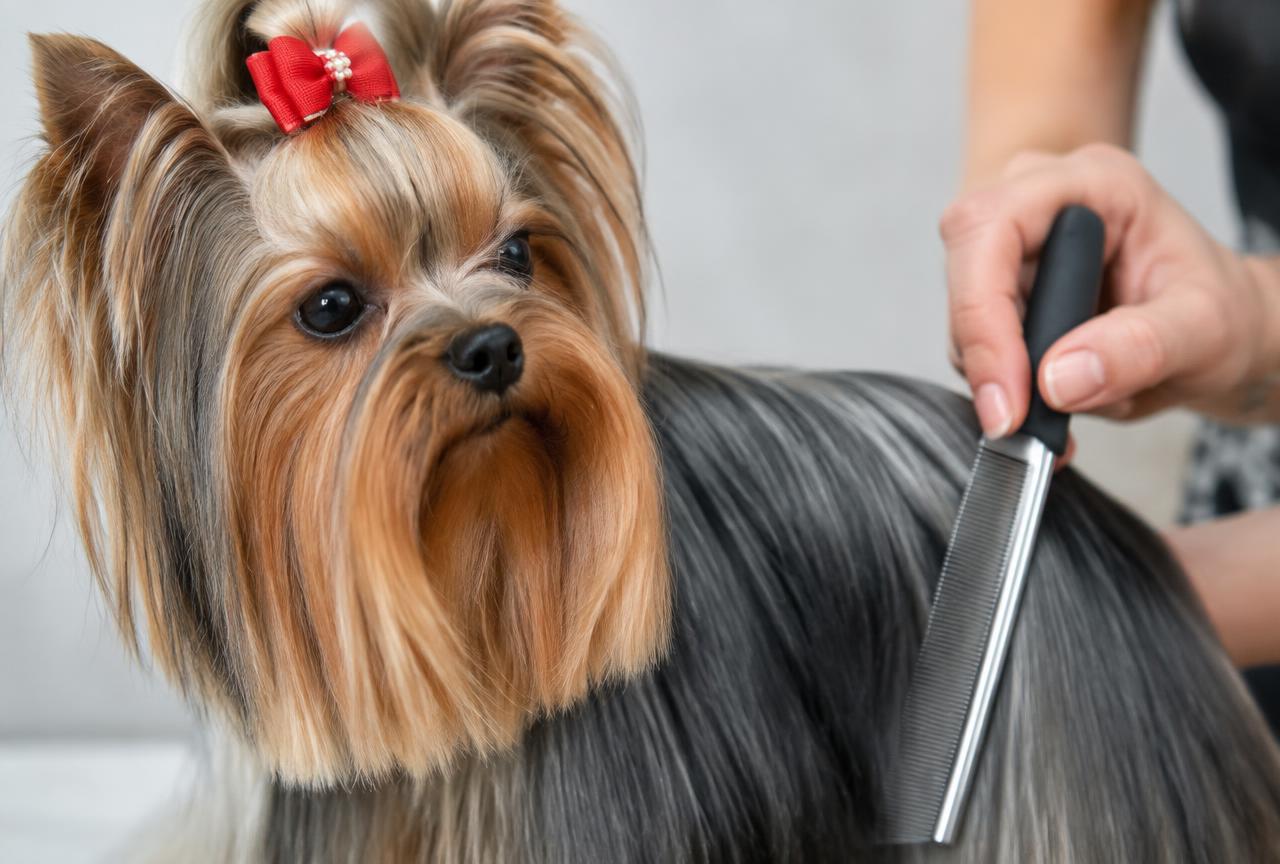
The most significant commitment for a prospective owner is undoubtedly the coat. In its natural state, the Yorkshire Terrier has a long, fine, silky coat that grows continuously and lacks an undercoat, making it relatively low shedding and a common choice for those with mild allergies. However, maintaining this show standard coat requires daily brushing and regular professional attention to prevent painful matting. The hair is more like human hair than animal fur, which contributes to its unique texture and grooming requirements. Many owners opt for a puppy clip or teddy bear cut, which involves keeping the hair short all over the body. This significantly reduces the daily grooming burden but still necessitates regular visits to a professional groomer every six to eight weeks. Regardless of the length, the hair around the eyes must be kept trimmed or tied back to prevent irritation and infection, and regular bathing is necessary to keep the silky strands clean and free of oils.
Health is a critical area of focus for the Yorkshire Terrier, with dental disease being the most prevalent issue. Their small mouths often lead to overcrowded teeth, which trap food and bacteria, causing rapid tartar build up and gum disease if not addressed. Daily tooth brushing and regular veterinary dental cleanings are not optional for this breed; ignoring oral health can lead to systemic infections affecting the heart and kidneys. Other common health concerns include patellar luxation, where the kneecap slips out of place, and tracheal collapse, a condition where the windpipe weakens and causes a characteristic honking cough. Due to their small size, they are also prone to hypoglycaemia as puppies, a dangerous drop in blood sugar that requires immediate attention. They must be handled with care to avoid physical injury, particularly in homes with large dogs or very young children who may not realise how fragile a small terrier can be.
In terms of lifestyle, the Yorkie is highly adaptable. They are energetic enough to enjoy brisk daily walks and interactive play, yet compact enough to live comfortably in smaller homes. They thrive on human companionship and can be prone to separation anxiety if left alone for long periods, leading to destructive chewing or excessive barking. While they are affectionate with their primary family, they can be wary of strangers and other dogs, often attempting to challenge much larger animals without a second thought for the size difference. This bravery is endearing but requires careful supervision in public spaces to ensure they do not provoke a conflict they cannot win.
The Yorkshire Terrier is a rewarding companion for an owner who appreciates a dog with character and is prepared for the specific care their physical needs demand. They are not merely accessories but active, thinking dogs that require mental stimulation and a sense of purpose. Whether competing in agility, performing tricks or simply keeping the household free of imaginary intruders, the Yorkie remains a true terrier at its core. Their intelligence means they can be taught a wide range of tasks, and they often enjoy the challenge of learning new skills. For those willing to invest time in grooming and dental care, they offer a lifetime of spirited and devoted companionship that belies their small stature. The key to a happy Yorkshire Terrier is treating them like the capable, intelligent dog they are, rather than a fragile toy, while remaining mindful of the physical limitations their size imposes.
A bold, affectionate companion that requires significant grooming and dental care but offers huge personality in a small package.
Exercise, day to day
- 1Two daily walks of 15 to 20 minutes each to provide mental stimulation and exercise.
- 2Indoor play sessions with small toys to satisfy the terrier prey drive.
- 3Short training sessions focusing on new tricks to keep the intelligent mind engaged.
- 4Avoid overly strenuous exercise in very hot or very cold weather due to their small size.
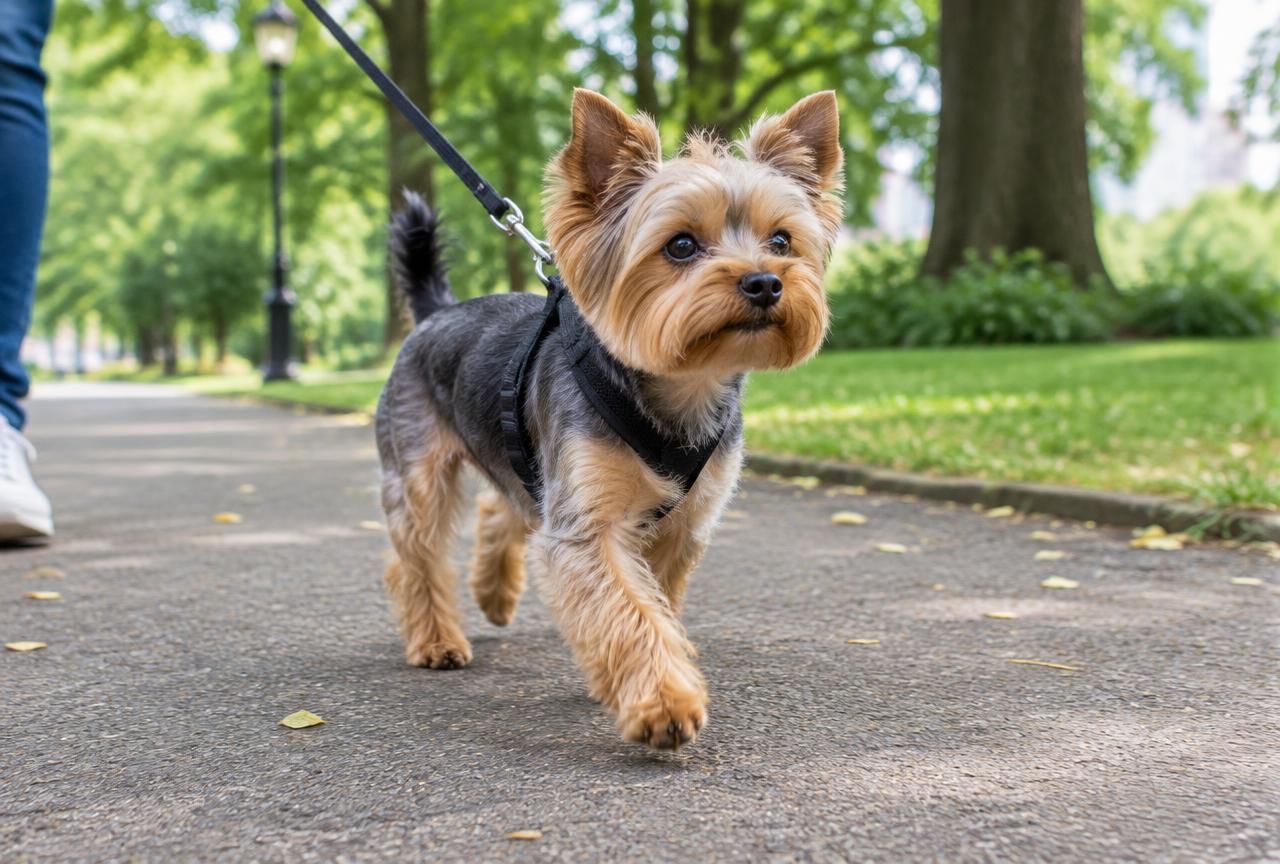
- 5Use a harness rather than a collar to protect the delicate throat during walks.
Grooming, realistically
- 1Brush the coat daily to prevent mats, especially if kept in a full length style.
- 2Bath every 2 to 4 weeks using high quality dog shampoo and conditioner to maintain silkiness.
- 3Professional grooming every 6 to 8 weeks for a puppy clip or to trim the face and paws.
- 4Brush teeth daily with enzymatic dog toothpaste to combat rapid tartar build up.
- 5Check and trim nails every 3 to 4 weeks.
- 6Clean the corners of the eyes daily to prevent tear staining and irritation.

What you actually need
- Pin brush and fine toothed metal comb
- Detangling spray
- Dog toothbrush and enzymatic toothpaste
- Small dog nail clippers
- Tear stain remover wipes
- Quality dog shampoo and conditioner
Puppy to adult
| Age | Male | Female | What is happening |
|---|---|---|---|
| 8 weeks | 0.4 to 0.7 kg | 0.3 to 0.6 kg | Tiny and fragile, requires frequent small meals to prevent hypoglycaemia. |
| 3 months | 0.8 to 1.2 kg | 0.7 to 1.1 kg | Growth is rapid but they remain very small and easily injured. |
| 6 months | 1.5 to 2.2 kg | 1.4 to 2.0 kg | Adolescent stage where adult coat texture begins to emerge. |
| 9 months | 2.0 to 3.0 kg | 1.8 to 2.8 kg | Approaching adult weight; dental health habits should be well established. |
| 12 months | 2.0 to 3.2 kg | 1.8 to 3.0 kg | Full adult size reached, coat requires consistent maintenance. |
Ranges are typical, not targets. Judge condition by ribs and waist, and check with the ideal weight checker.
What to ask a breeder
- Can I see health screening results for patellar luxation in the parents?
- What is the history of dental health in your breeding lines?
- How have you socialised the puppies to different sights and sounds?
- Can I meet the mother and see her temperament first hand?
- What advice do you provide for preventing hypoglycaemia in young puppies?
- Are the puppies already introduced to basic grooming handling?
Health tests to ask for
Ask to see results for both parents before you put down a deposit.
- Patellar luxation screening
- Annual veterinary dental assessment
- Eye examination
- Liver shunt screening in puppies where indicated
- Blood glucose monitoring in very small puppies
Health watch-list
What to ask a breeder about, and what to watch for over a lifetime. This is orientation, not veterinary advice, anything you notice belongs in front of a vet.
Dental disease
CommonOvercrowding in the small mouth leads to rapid tartar build up and gum disease; daily brushing is essential.
Patellar luxation
NotableThe kneecap can slip out of position, causing lameness; severe cases may require surgical correction.
Tracheal collapse
NotableA weakening of the windpipe rings leads to a characteristic honking cough; using a harness helps prevent irritation.
Legg-Calve-Perthes disease
UncommonA condition where the head of the femur spontaneously begins to die, leading to hip joint collapse.
Hypoglycaemia
NotableSmall puppies can suffer from dangerous drops in blood sugar; frequent small meals are necessary during growth.
Portosystemic shunt
RareAn abnormal blood vessel causes blood to bypass the liver, preventing proper detoxification of the system.
What it costs to keep one
Realistic running cost
€100 / month
About €1,200 a year, or roughly €18,000 across a 15-year life, before purchase price, neutering and one-off vet events.
Before the puppy arrives. Budget roughly €300 to 700 for a crate, bed, lead and harness, bowls, puppy classes, first vaccinations and grooming kit sized for this breed. Figures throughout are indicative and vary a good deal between countries.
Interactive · built for this breed
Is a Yorkshire Terrier right for your home?
Seven honest questions about your space, time and household, checked against this breed's exercise need, coat, sociability and tolerance for time alone.
Fit with your routine
94%
A strong fit
Your routine suits a Yorkshire Terrier well. Meet adult dogs of the line before you commit.
What to sort out first
- Needs more daily exercise than you have pencilled in.
- Coat needs more brushing or trimming than you have allowed.
Compare more breeds in the matchmaker, or plan meals with the portion calculator.
The verdict, by household
First-time owner
A solid choice with caveats
A good match if the owner is committed to grooming, but house training requires persistence.
Family with children
Recommended with caution
Generally better for families with older, calmer children due to the dog's small size and fragility.
Active single or couple
An ideal match
An excellent companion that is easy to take on outings and provides constant companionship.
Owner in a flat with close neighbours
A strong choice
Well suited to flat living due to size, but barking must be managed with early training.
When to call your vet
- {"condition": "Dental decay", "note": "Bad breath, reluctance to eat or bleeding gums which suggest advanced dental disease."}
- {"condition": "Tracheal collapse", "note": "A persistent, dry honking cough, especially when excited or pulling on a lead."}
- {"condition": "Patellar luxation", "note": "Skipping or hopping while running, or sudden lameness in the hind legs."}
- {"condition": "Hypoglycaemia", "note": "Lethargy, shivering or disorientation, which is a medical emergency in small puppies."}
- {"condition": "Portosystemic shunt", "note": "Stunted growth or unusual behaviour after eating, which can indicate liver issues."}
Nothing here is a diagnosis. A swollen, hard belly with retching, collapse, breathing difficulty and sudden hind-leg weakness are emergencies: go straight away.
Yorkshire Terrier vs the closest alternatives
| Breed | Weight | Energy | Grooming | € / month |
|---|---|---|---|---|
| Yorkshire Terrier | 2 to 3.2 kg | 6/10 | 9/10 | €100 |
| Pomeranian | 1.8 to 2.5 kg | 6/10 | 8/10 | €106 |
| Miniature Schnauzer | 5 to 9 kg | 6/10 | 8/10 | €92 |
| Maltese | 3 to 4 kg | 5/10 | 8/10 | €93 |
Yorkshire Terrier questions, answered
Are Yorkshire Terriers hypoallergenic?
While no dog is truly hypoallergenic, Yorkies have a silky coat that lacks an undercoat and is more like human hair than fur. They shed very little, which can make them a better choice for people with mild allergies, though regular grooming is still required to manage dander.
Do Yorkshire Terriers bark a lot?
Yorkies are very alert and were bred to be watchdogs, so they do have a tendency to bark at strangers or unusual sounds. With consistent training and early socialisation, this vocality can be managed, but they will likely always remain vocal enough to alert you to visitors.
How much grooming does a Yorkie need?
A lot. If the coat is kept long, it needs daily brushing to prevent mats. If kept in a shorter puppy clip, it needs brushing every few days and a professional groom every 6 to 8 weeks. Regardless of length, the hair around their eyes needs regular attention.
Are they good with children?
Yorkshire Terriers can be excellent companions for older children who know how to handle small dogs gently. They are physically fragile and may become defensive if handled roughly, so they are generally not recommended for households with toddlers or very young children.
Is it hard to house train a Yorkie?
Like many toy breeds, Yorkies can be a bit slower to house train than larger dogs. Their small bladders mean they need frequent opportunities to go outside. Consistency, patience and positive reinforcement are key to successful house training over several months.
Can Yorkies live in a flat?
Yes, their small size makes them ideal for flat living. However, they are active and intelligent, so they still need daily walks and plenty of indoor play. Owners must also work on managing their barking to avoid disturbing neighbours in close proximity.
Do Yorkies get along with other pets?
They usually get on well with other dogs in the household, though they often forget their size and may challenge larger dogs. They have a terrier prey drive, so they may chase smaller pets like hamsters unless they are introduced carefully and supervised at all times.
Sources
- Yorkshire Terrier breed standard, The Kennel Club
- Yorkshire Terrier breed information, American Kennel Club
- Health schemes and surveys, British Veterinary Association
- Yorkshire Terrier health profile, PDSA
Put it into practice
Reading that goes with this

Health
Dog Reverse Sneezing: Causes and What to Do

Health
Why Do Dogs Lick Their Paws? Causes and Fixes

Care
Dog Years to Human Years: The Real Science
Health
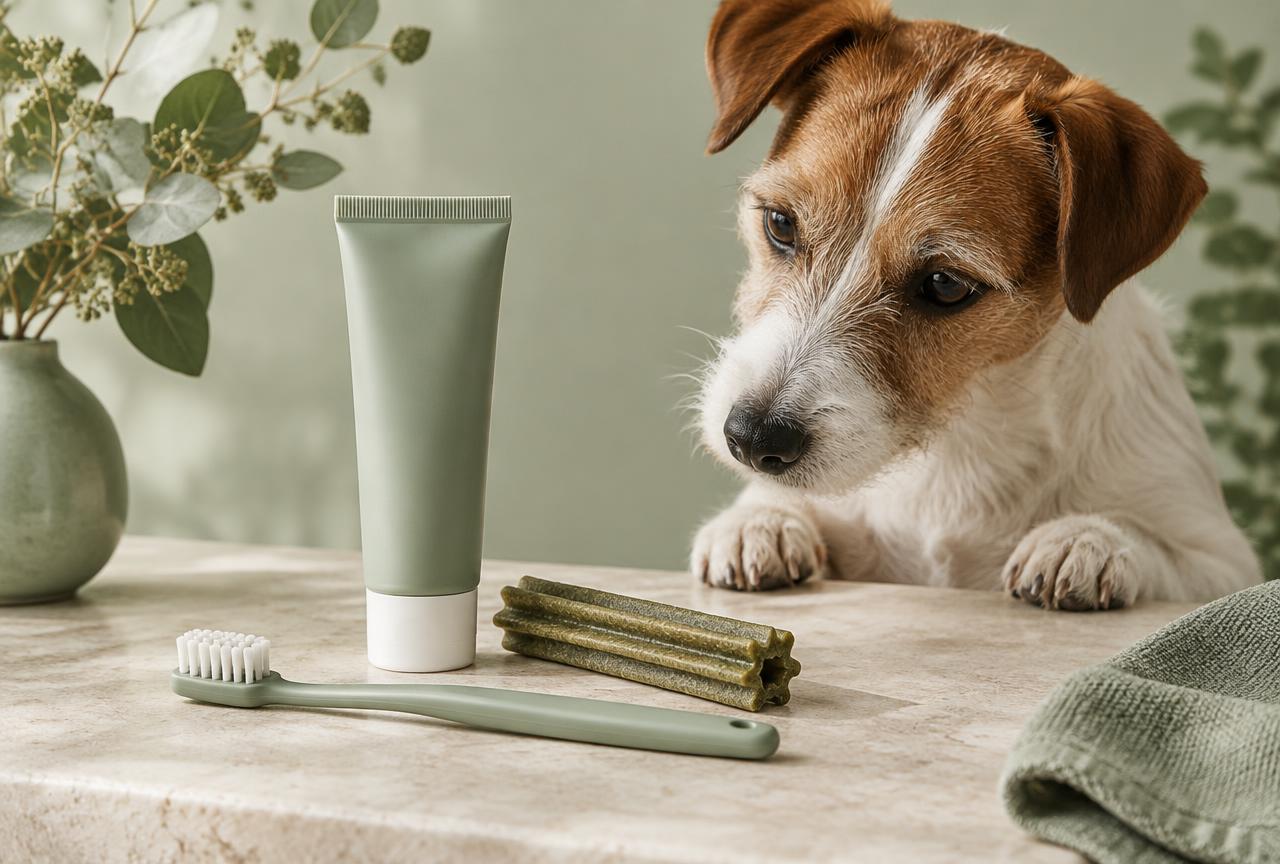
Dog Dental Care: Brushing, Chews and Vet Cleans

Training
How to Stop a Dog Barking: A Practical Guide
Health
Dog Coughing: Causes, Sounds and When to Worry
Breeds people compare with this
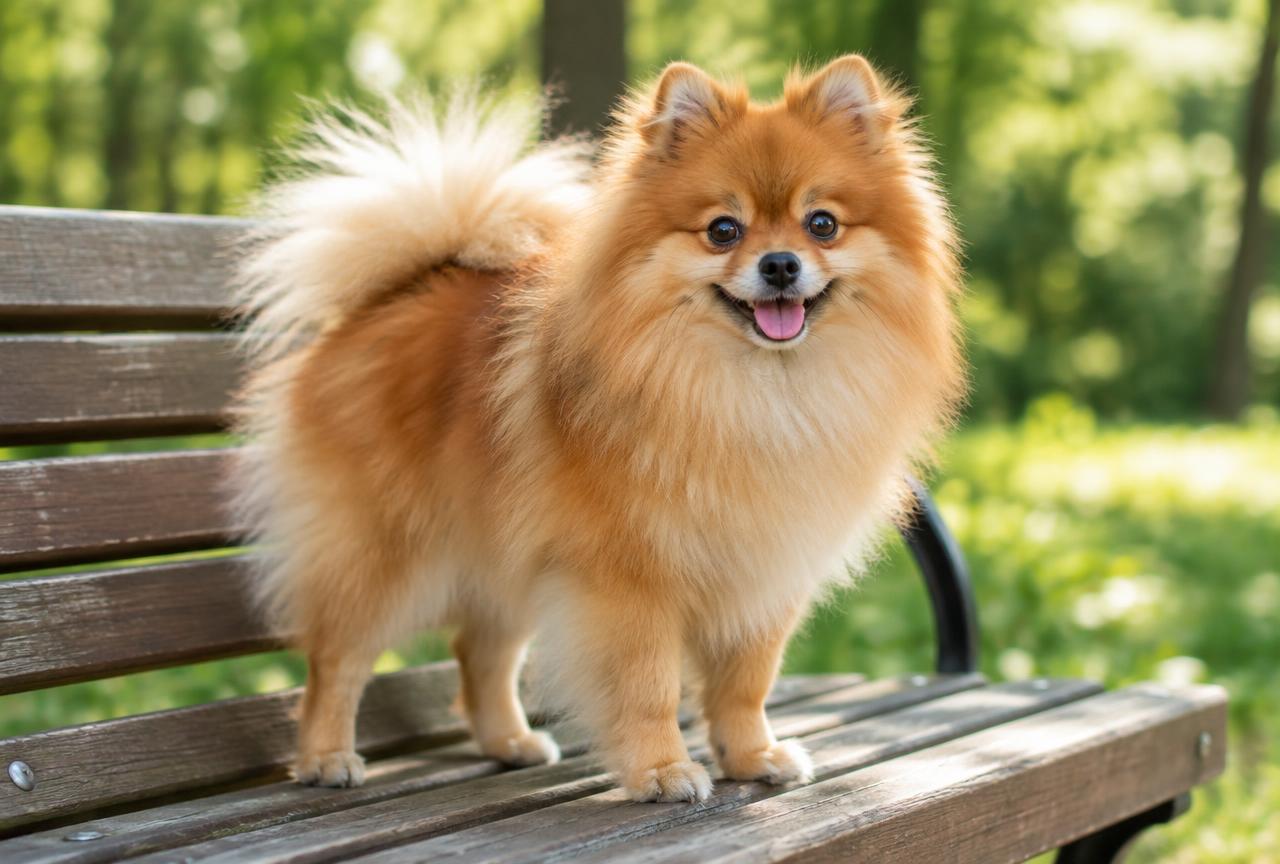
Pomeranian
A bold, vivacious companion with a grand double coat and a loud voice for its size.
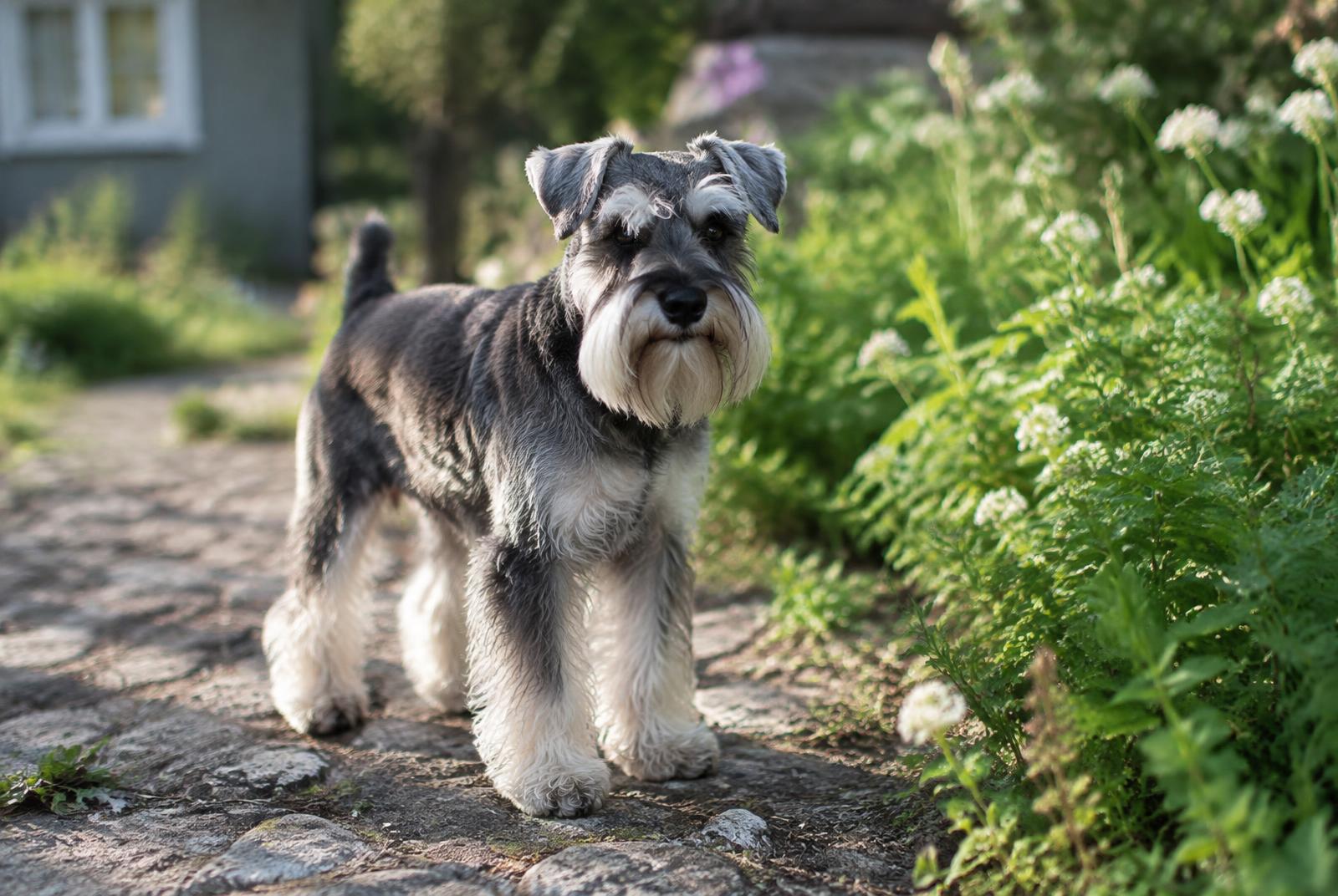
Miniature Schnauzer
A sharp witted, wiry coated terrier type that watches the door and minds its diet in equal measure.
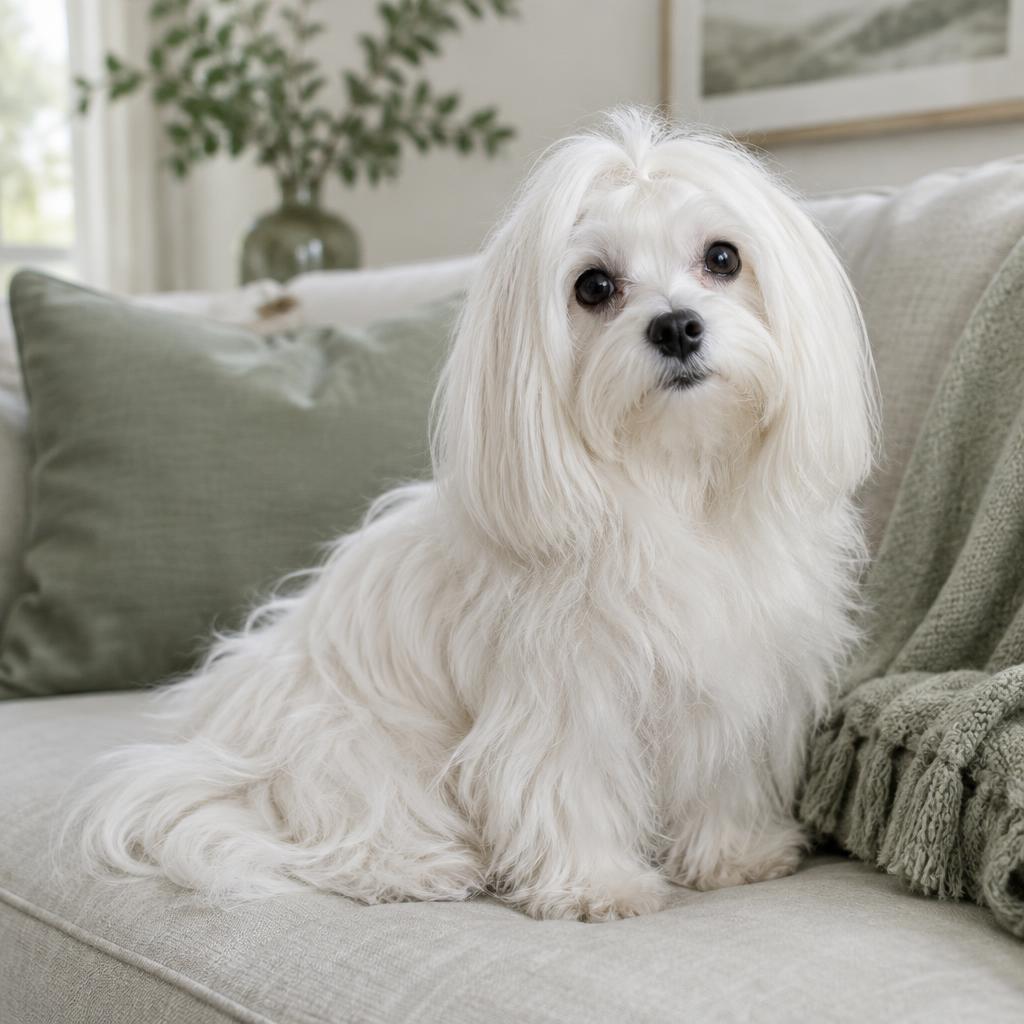
Maltese
A long lived, silky coated companion that demands daily combing and daily company in equal measure.