
Toy group
Germany/Poland
Pomeranian
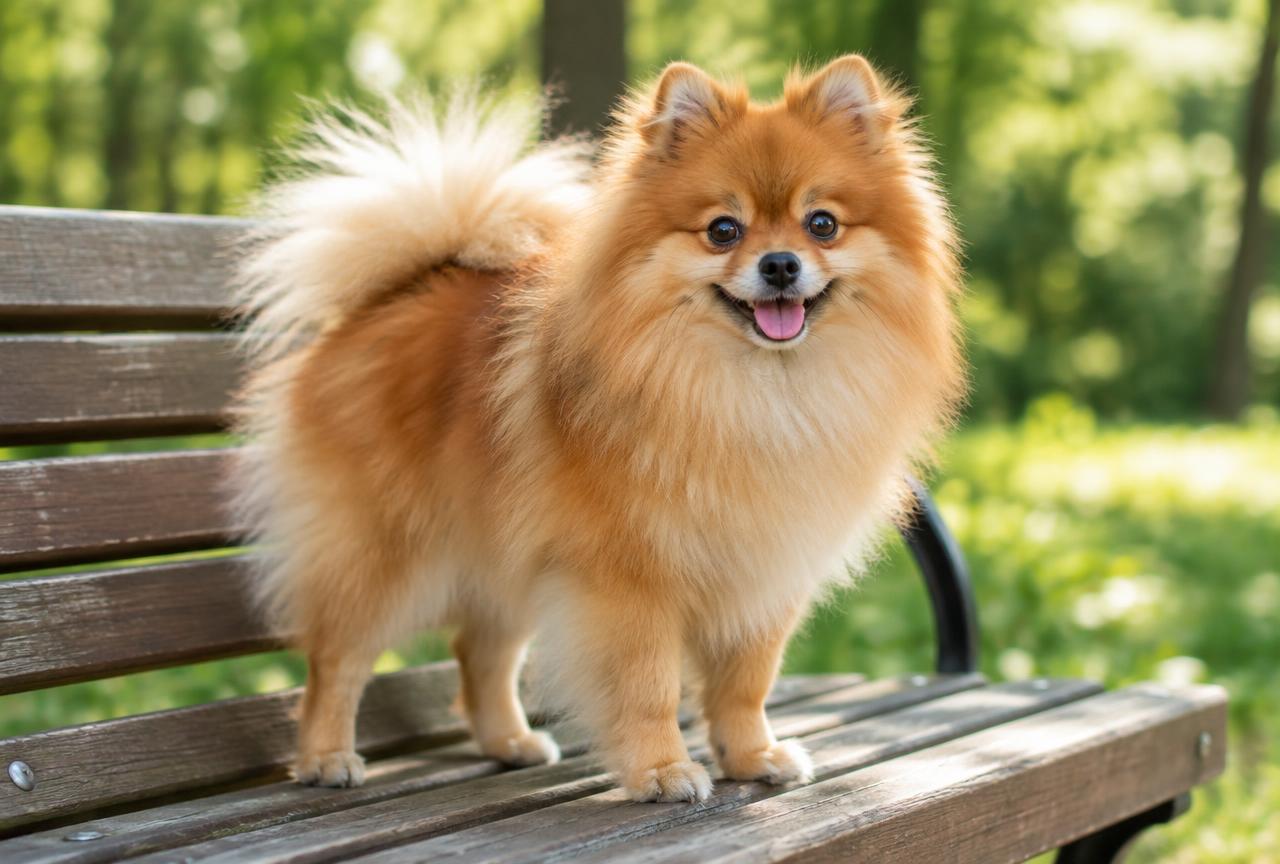
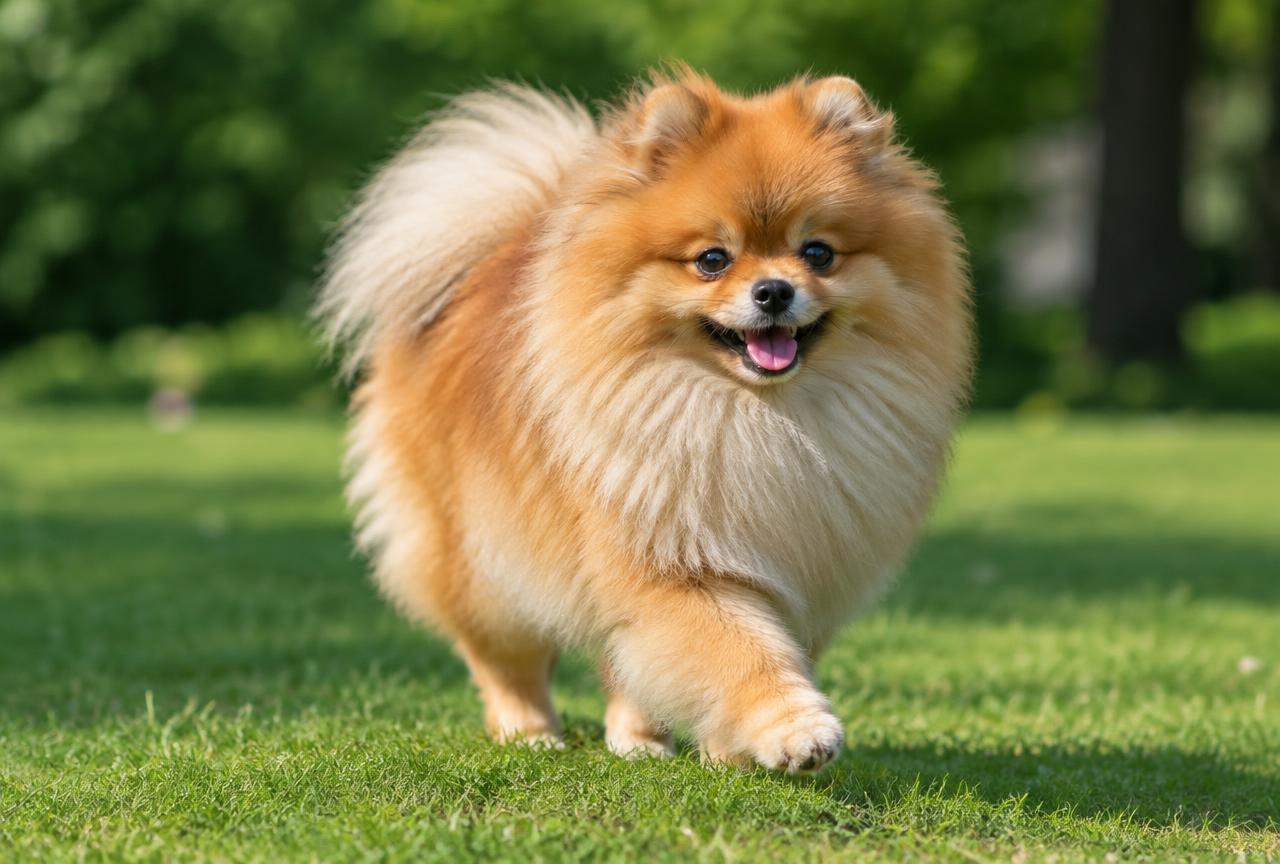
The Pomeranian is a bold, fluffy Toy breed descending from sled dogs, known for its big personality, significant shedding and high vocality.
Reviewed against Kennel Club and breed club health guidance
A bold, vivacious companion with a grand double coat and a loud voice for its size.
The short version
- Pomeranians have a high bark to size ratio and make excellent, if vocal, watchdogs.
- The coat blows twice a year, requiring daily brushing and resulting in significant shedding.
- They are physically fragile; falls or rough play can easily lead to broken bones or injury.
- Luxating patella and Alopecia X (hair loss) are notable health concerns for the breed.
- Despite their size, they are intelligent and bold, often challenging much larger dogs.
- Weight
- 1.8 to 2.5 kg
- Height
- 18 to 28 cm
- Lifespan
- 12 to 16 yrs
- Size
- Toy
- Group
- Toy
- Coat
- Luxurious double coat with a soft undercoat and harsh outer coat
- Grown male
- 1.8 to 2.5 kg
- Grown female
- 1.8 to 2.3 kg
- Years to full size
- about 1
- One-off setup
- €350 to 800
Get one if…
- Owners who enjoy regular grooming and maintaining a beautiful coat
- People looking for a small but highly alert and vocal watchdog
- Households that can provide constant companionship and mental stimulation
- Apartment dwellers who are committed to training against excessive barking
- Active seniors or couples who want a portable, spirited companion
Think again if…
- Families with very young or boisterous children
- Owners who cannot commit to daily brushing and handling seasonal shedding
- Households where the dog will be left alone for most of the day
- People sensitive to high pitched, frequent barking
- Owners unable to manage the physical fragility of a very small dog
Trait profile
The Pomeranian is a bold, vocal spitz dog in a tiny package, requiring dedicated coat maintenance and protection from rough handling.
Space & setup. Excellent for small homes and flats, though they are active indoors and appreciate a secure garden for supervised exploration.
Allergies. Pomeranians are heavy shedders and produce significant dander, making them unsuitable for most allergy sufferers.
Living with a Pomeranian
The Pomeranian is a compact, alert toy dog descending from large sled dogs of the Arctic. Known for its luxurious double coat and foxy expression, it is an extroverted, highly intelligent companion that possesses a significant bark to size ratio.
The Pomeranian is a breed of grand contradictions. Descended from large, powerful spitz type sled dogs of the Arctic, this diminutive member of the Toy group retains much of the boldness and stamina of its ancestors. It is a dog that carries itself with a certain regal air, seemingly unaware that it weighs only a few kilograms. With its luxurious double coat, foxy expression and plumed tail arched over its back, the Pomeranian is one of the most recognisable and popular toy breeds in the world, prized as much for its vivacious personality as for its striking appearance.
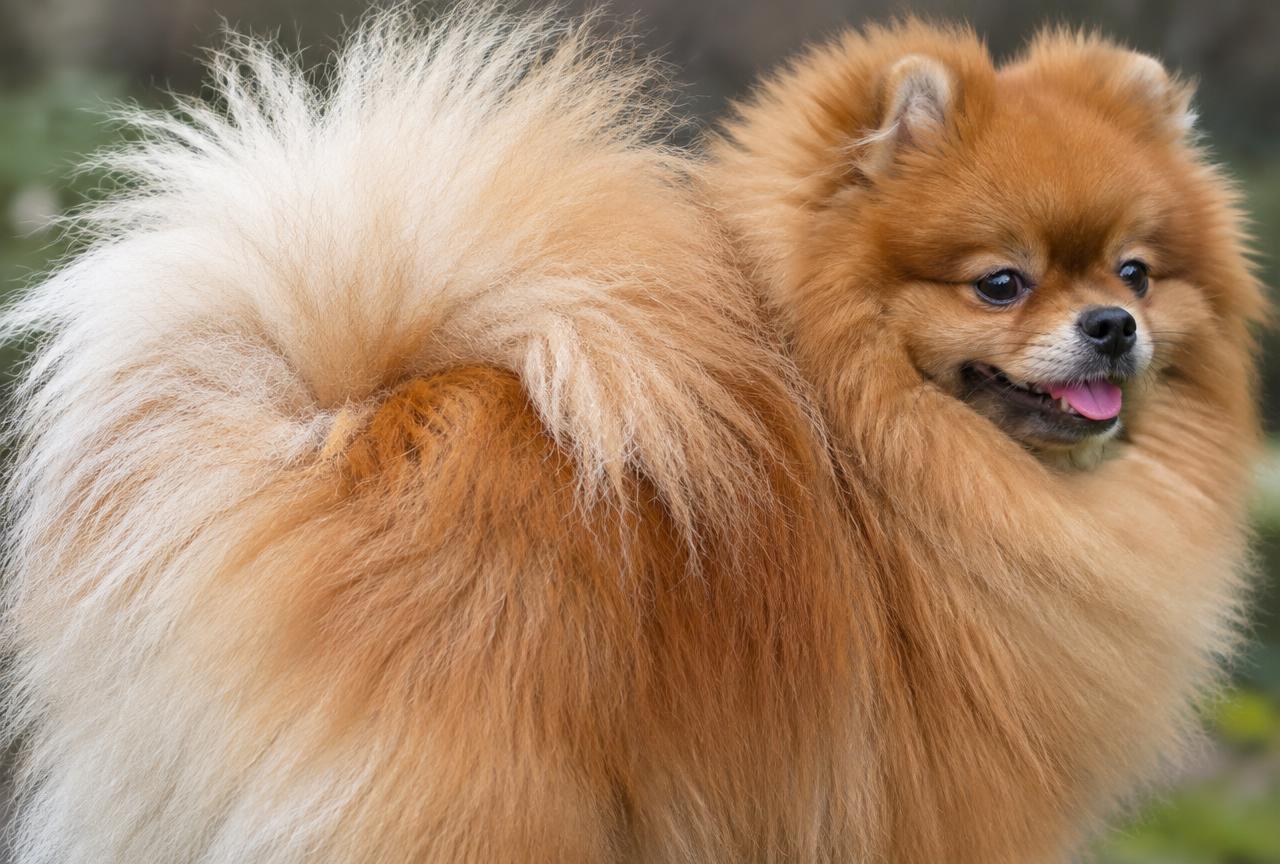
Central to the Pomeranian experience is the coat. The breed possesses a soft, dense undercoat and a long, harsh textured outer coat that stands off from the body, giving the dog its characteristic puffed appearance. This coat is beautiful but requires significant maintenance. Pomeranians are heavy shedders, particularly during the two times a year when they blow their coats, losing the undercoat in large clumps. Daily brushing is essential during these periods to manage the mess and prevent matting, while two or three sessions a week are usually sufficient at other times. Owners must also be aware of Alopecia X, a skin condition common in the breed that can lead to permanent hair loss, often referred to as black skin disease. This condition can be distressing as the dog loses its iconic fluffy look, though it is usually a cosmetic rather than a systemic health issue.
Beyond the aesthetics, the Pomeranian is a highly intelligent and alert companion. They are famously vocal, possessing a bark to size ratio that can be startling to the uninitiated. This makes them excellent watchdogs, as they are quick to sound the alarm at any change in their environment, whether it is a visitor at the door or a leaf blowing across the garden. However, without consistent training and socialisation from a young age, this tendency can escalate into excessive barking that can be difficult to manage. They respond well to positive reinforcement and can excel in obedience and agility, though they do have a mind of their own and may occasionally choose to ignore commands if they find something more interesting to occupy their attention.
Health considerations for the Pomeranian are typical of many toy breeds but come with specific caveats. Luxating patella is a common inherited condition where the kneecap displaces, which can range from a minor inconvenience to a cause of significant lameness requiring surgery. Tracheal collapse is another concern, often evidenced by a dry, hacking cough when the dog is excited or pulling on a lead. Due to this risk, many owners choose to use a harness rather than a traditional collar for walks to avoid putting pressure on the delicate throat area. Dental health is also paramount; like many small dogs, the Pomeranian's mouth is prone to overcrowding and rapid dental decay, necessitating a rigorous oral hygiene routine including daily brushing and regular veterinary checks.
The Pomeranian's temperament is generally extroverted and affectionate, but their small stature makes them physically fragile. They are not ideally suited to households with very young children who may accidentally drop them or play too roughly, as even a short fall can result in broken bones or internal injuries. Similarly, interactions with larger dogs must be closely supervised, as the Pomeranian's fearless nature often leads it to challenge dogs many times its size, entirely unaware of the potential danger. They thrive on human interaction and do best in homes where they are not left alone for extended periods, as they can become anxious and destructive when separated from their owners for too long.
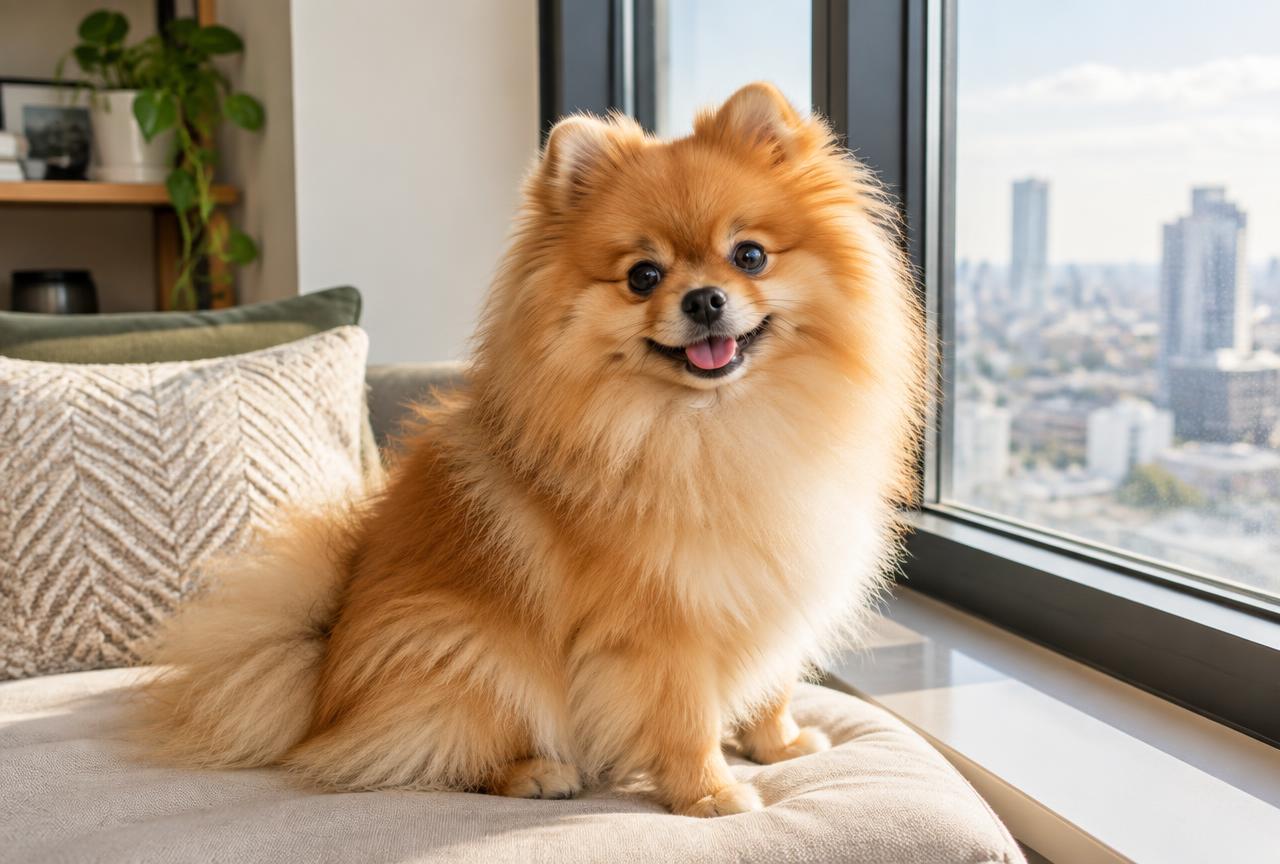
Exercise needs are moderate but important for maintaining a healthy weight and mental state. A couple of short walks a day combined with indoor play sessions are usually enough to keep a Pomeranian healthy and happy. They are well suited to flat living provided their barking is kept under control, but they also enjoy having a secure garden to explore and sniff. Their intelligence means they appreciate mental challenges, such as learning new tricks or using puzzle feeders, which can help channel their energy and prevent boredom. They are surprisingly agile and can enjoy activities like rally or mini agility trials if their health allows.
For the right owner, the Pomeranian is a devoted and endlessly entertaining companion. They are dogs with big dog personalities trapped in small bodies, offering the loyalty and spirit of their sled dog ancestors in a compact, portable package. While the grooming and health requirements are not to be taken lightly, the reward is a vivacious, alert and loving partner that brings a significant amount of joy and character to any household. They are truly companions that command attention wherever they go, not just for their stunning looks but for their spirited and engaging nature. The bond between a Pomeranian and its owner is often very strong, as they are deeply loyal dogs that want to be involved in every aspect of family life. Ensuring they are treated with the care their small size requires, while respecting their heritage as active and capable spitz dogs, is the key to a successful partnership with this remarkable toy breed.
A lively, bold little dog that thinks it is a giant, requiring significant grooming and careful handling due to its fragile size.
Exercise, day to day
- 1Two short daily walks of about 15 minutes each to explore and sniff.
- 2Multiple indoor play sessions with light toys throughout the day.
- 3Training sessions for new tricks to provide essential mental stimulation.
- 4Avoid excessive jumping or high impact activity to protect the delicate joints.
- 5Use a harness for all walks to prevent injury to the fragile trachea.
Grooming, realistically
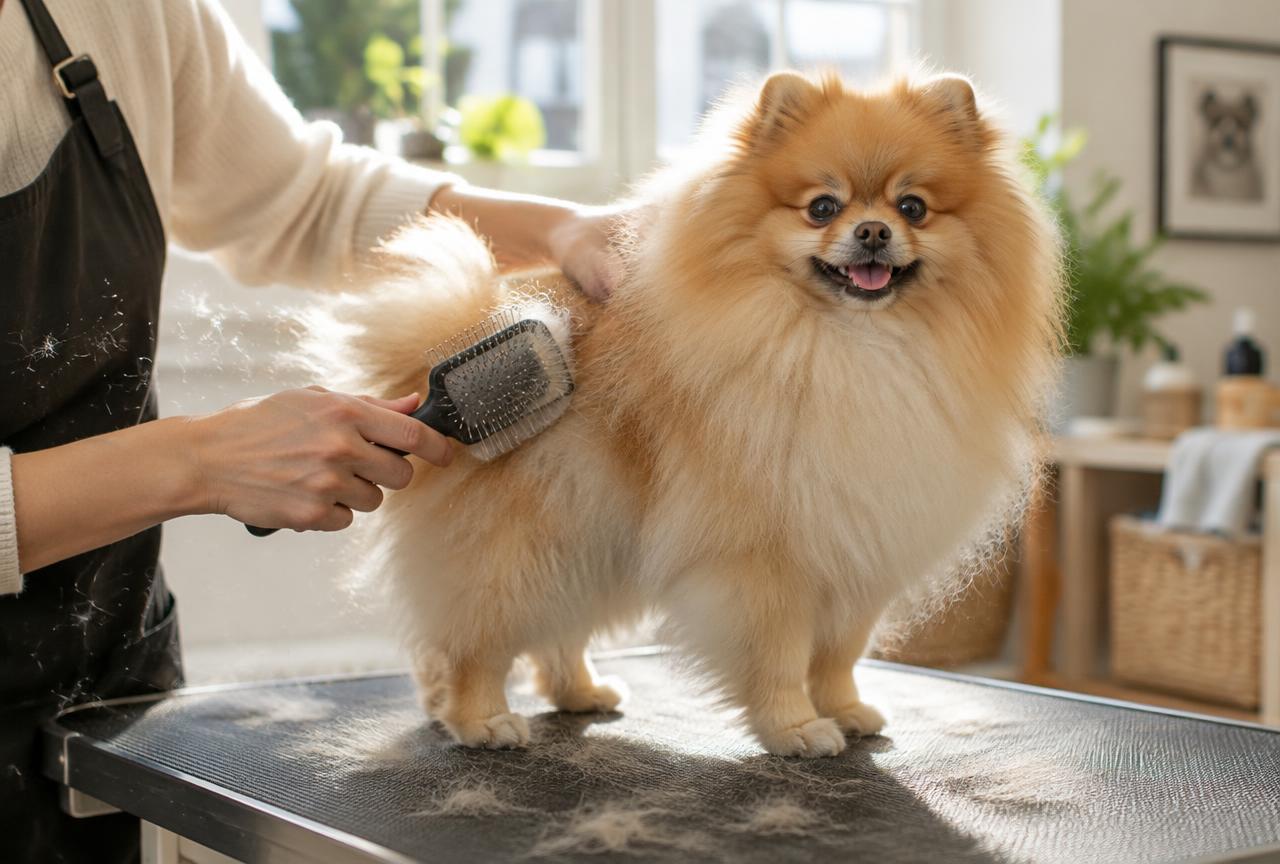
- 1Brush the coat at least 3 times a week, and daily during shedding seasons.
- 2Use a slicker brush and a metal comb to reach the dense undercoat and prevent mats.
- 3Bathe every 4 to 6 weeks, ensuring the coat is fully dried to the skin to prevent irritation.
- 4Trim the hair around the paws and anus for hygiene every few weeks.
- 5Brush teeth daily to prevent the rapid tartar build up common in the breed.
- 6Check and trim nails every 3 to 4 weeks.
What you actually need
- Slicker brush and metal grooming comb
- Soft bristle brush for finishing
- Dog toothbrush and enzymatic toothpaste
- Small dog nail clippers
- High quality dog shampoo and conditioner
- Professional strength dog hairdryer
Puppy to adult
| Age | Male | Female | What is happening |
|---|---|---|---|
| 8 weeks | 0.3 to 0.6 kg | 0.3 to 0.5 kg | Extremely small and fragile, requires careful monitoring and frequent feeding. |
| 3 months | 0.7 to 1.0 kg | 0.6 to 0.9 kg | Puppy fluff is prominent; growth is steady but delicate. |
| 6 months | 1.2 to 1.8 kg | 1.1 to 1.6 kg | Approaching adult height, the adult coat begins to develop. |
| 9 months | 1.6 to 2.3 kg | 1.5 to 2.1 kg | Near adult weight; energy levels are high. |
| 12 months | 1.8 to 2.5 kg | 1.8 to 2.3 kg | Full adult size reached, coat is usually at its most impressive. |
Ranges are typical, not targets. Judge condition by ribs and waist, and check with the ideal weight checker.
What to ask a breeder
- Do you test your breeding dogs for luxating patella and heart issues?
- What is the history of Alopecia X in your breeding lines?
- How do you socialise your puppies to minimise future excessive barking?
- Can I meet the parents to assess their temperament and coat quality?
- What feeding schedule do you recommend to prevent hypoglycaemia in puppies?
- Are the puppies raised in a busy home environment?
Health tests to ask for
Ask to see results for both parents before you put down a deposit.
- Patellar luxation screening
- Heart evaluation for mitral valve disease
- Annual veterinary eye exam
- Thyroid function testing
- Regular dental check ups
Health watch-list
What to ask a breeder about, and what to watch for over a lifetime. This is orientation, not veterinary advice, anything you notice belongs in front of a vet.
Luxating patella
CommonThe kneecap slips out of place, which can lead to lameness and arthritis in the hind legs.
Alopecia X
NotableAlso known as black skin disease, it causes non inflammatory hair loss, usually starting on the tail and body.
Tracheal collapse
NotableA weakening of the windpipe that causes a dry cough; using a harness is recommended for these dogs.
Dental disease
CommonSmall mouths are prone to overcrowding and rapid plaque build up, making daily brushing essential.
Hypoglycaemia
NotableSmall puppies are at risk of a dangerous drop in blood sugar and need frequent, small meals.
Mitral valve disease
NotableA heart condition where the valve degrades over time, common in many small breeds as they age.
What it costs to keep one
Realistic running cost
€106 / month
About €1,272 a year, or roughly €17,808 across a 14-year life, before purchase price, neutering and one-off vet events.
Before the puppy arrives. Budget roughly €350 to 800 for a crate, bed, lead and harness, bowls, puppy classes, first vaccinations and grooming kit sized for this breed. Figures throughout are indicative and vary a good deal between countries.
Interactive · built for this breed
Is a Pomeranian right for your home?
Seven honest questions about your space, time and household, checked against this breed's exercise need, coat, sociability and tolerance for time alone.
Fit with your routine
91%
A strong fit
Your routine suits a Pomeranian well. Meet adult dogs of the line before you commit.
What to sort out first
- Needs more daily exercise than you have pencilled in.
- Coat needs more brushing or trimming than you have allowed.
Compare more breeds in the matchmaker, or plan meals with the portion calculator.
The verdict, by household
First-time owner
A good choice for dedicated owners
A fun and bold companion, but the grooming and barking management can be a steep learning curve.
Family with children
Not recommended for young children
Only recommended for families with older children due to the breed's significant physical fragility.
Active single or couple
An excellent match
An ideal, spirited companion that enjoys being the centre of attention and going on outings.
Owner in a flat with close neighbours
A strong choice with training
A great size for flats, but their loud and frequent barking requires diligent training to avoid complaints.
When to call your vet
- {"condition": "Patellar luxation", "note": "Limping, skipping a step or holding a hind leg up for a few strides."}
- {"condition": "Alopecia X", "note": "Symmetrical hair loss on the body and tail, often leaving the skin dark or black."}
- {"condition": "Tracheal collapse", "note": "A dry, hacking cough that sounds like a goose honk, often when excited."}
- {"condition": "Hypoglycaemia", "note": "Sudden lethargy, weakness or staggering in small puppies, requiring immediate glucose."}
- {"condition": "Dental issues", "note": "Heavy tartar, bad breath or difficulty eating hard food."}
Nothing here is a diagnosis. A swollen, hard belly with retching, collapse, breathing difficulty and sudden hind-leg weakness are emergencies: go straight away.
Pomeranian vs the closest alternatives
| Breed | Weight | Energy | Grooming | € / month |
|---|---|---|---|---|
| Pomeranian | 1.8 to 2.5 kg | 6/10 | 8/10 | €106 |
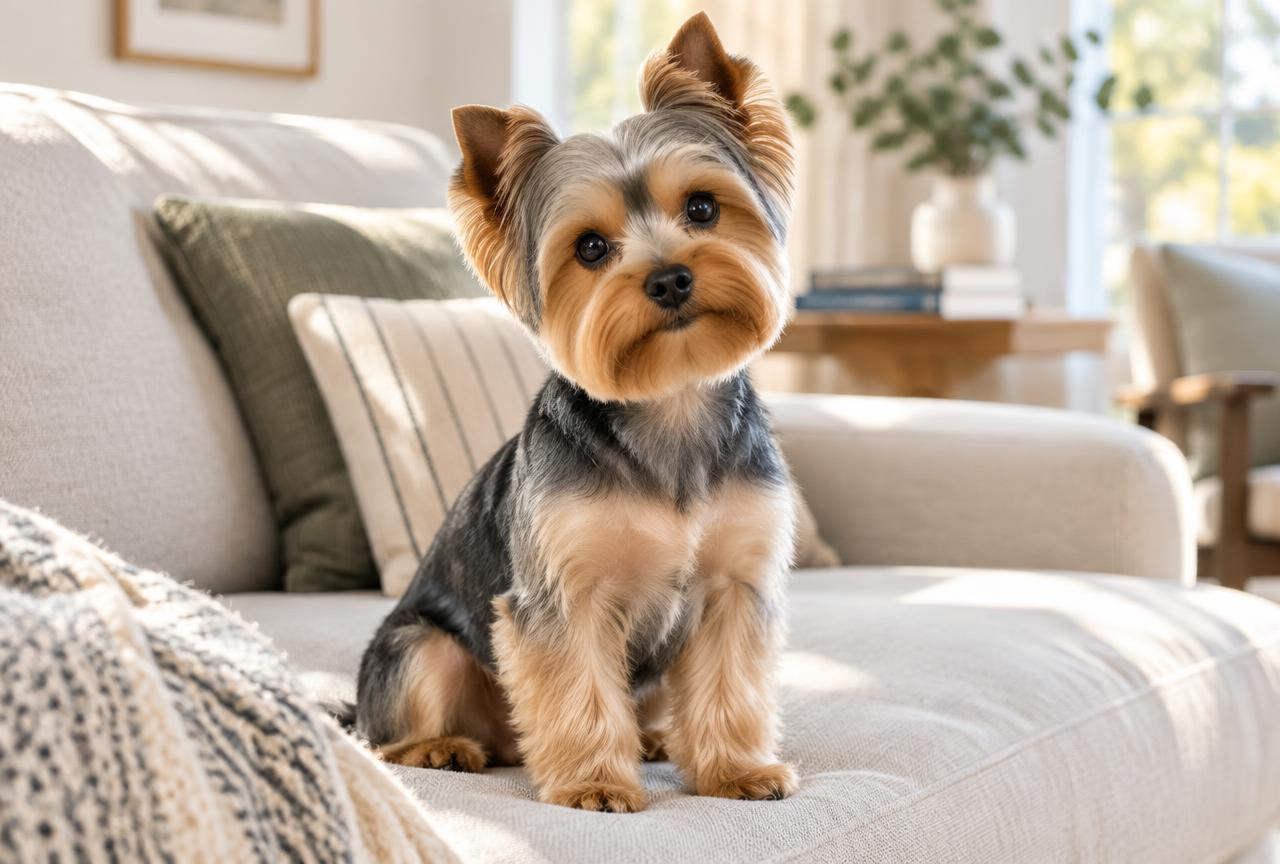
| Yorkshire Terrier | 2 to 3.2 kg | 6/10 | 9/10 | €100 |
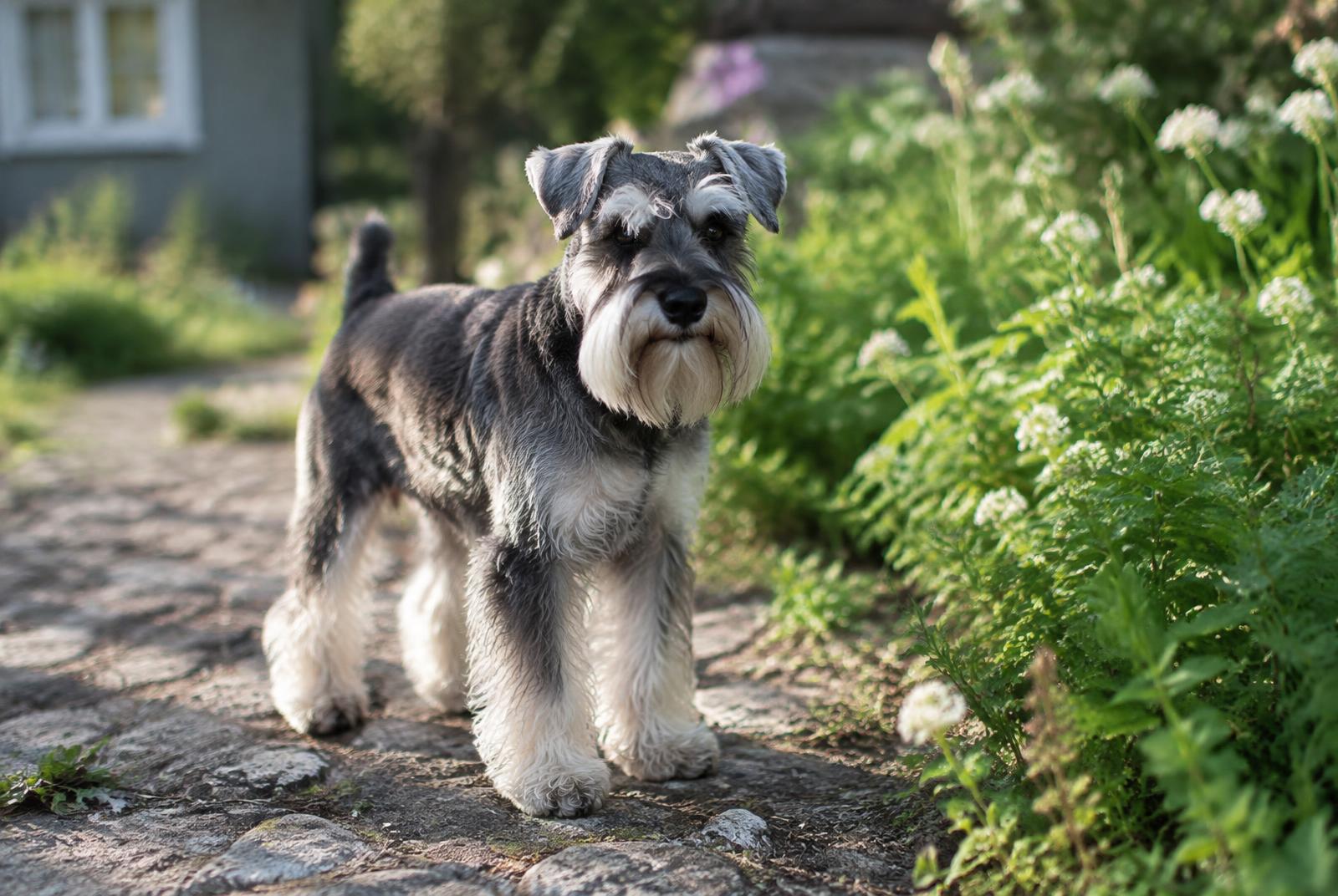
| Miniature Schnauzer | 5 to 9 kg | 6/10 | 8/10 | €92 |
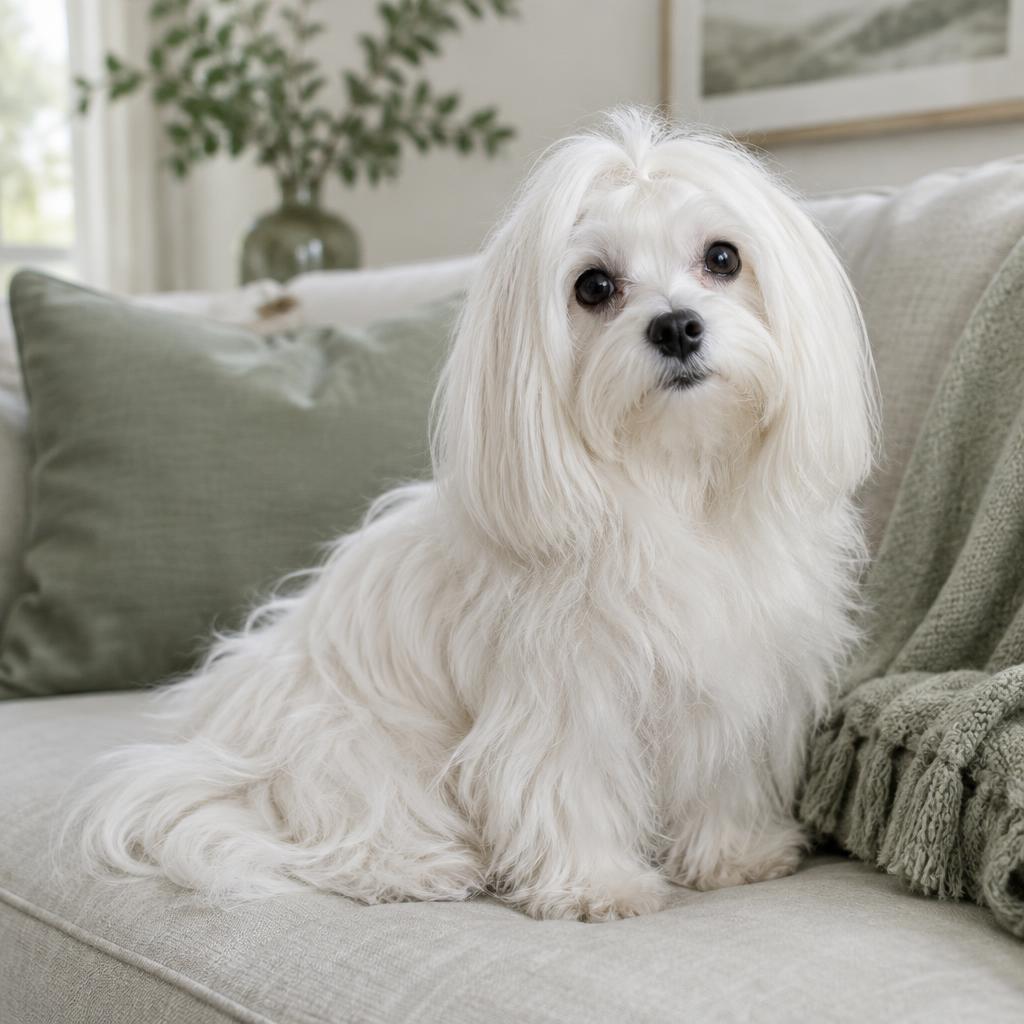
| Maltese | 3 to 4 kg | 5/10 | 8/10 | €93 |
Pomeranian questions, answered
How much do Pomeranians shed?
Pomeranians shed quite a lot year round, and they blow their coats twice a year during which shedding is very heavy. Daily brushing is necessary during these periods to manage the loose hair and prevent it from matting into the coat.
Are Pomeranians good apartment dogs?
They are a great size for flats, but their tendency to bark at every noise can be a problem with close neighbours. Consistent training from a young age is essential to manage their vocality and prevent them from becoming nuisance barkers.
Do they get along with children?
Pomeranians are best suited to homes with older, calm children who understand how to handle a small dog gently. They are physically fragile and can be easily injured if dropped or stepped on, so they are not recommended for toddlers.
How often should I brush my Pomeranian?
You should aim to brush your Pomeranian at least three times a week to keep the coat healthy and prevent mats. During the shedding seasons in spring and autumn, daily brushing is highly recommended to keep up with the amount of hair being lost.
Are Pomeranians easy to train?
They are very intelligent and generally enjoy learning, which makes them relatively easy to train compared to some other toy breeds. However, they can be a bit independent and may require consistent, positive motivation to stay focused on their tasks.
Why do Pomeranians bark so much?
Pomeranians have a natural instinct to be watchdogs and are very alert to their surroundings. They use their bark to communicate and alert their owners to anything unusual, which can lead to frequent barking if they are not taught a quiet command.
Do they need a lot of exercise?
Pomeranians have moderate energy levels and need a couple of short walks a day along with some indoor play. They don't require miles of walking, but they do need mental stimulation and enough physical activity to prevent them from becoming bored or overweight.
Sources
- Pomeranian breed standard, The Kennel Club
- Pomeranian breed information, American Kennel Club
- Health testing guidance, British Veterinary Association
- Pomeranian health profile, PDSA
Put it into practice
Reading that goes with this




Breeds people compare with this
Yorkshire Terrier
A spirited, confident toy terrier with a big personality and a high maintenance coat.
Miniature Schnauzer
A sharp witted, wiry coated terrier type that watches the door and minds its diet in equal measure.
Maltese
A long lived, silky coated companion that demands daily combing and daily company in equal measure.