
Dog Dental Care: Brushing, Chews and Vet Cleans
Most dogs over three have some dental disease, and most owners do not know, because dogs keep eating through pain. Here is the home routine that works, the chews that help, and when a vet clean is needed.
The SniffScroll desk
Dog care editors
Published 9 October 2026
Reviewed by a practising UK veterinary nurse
The short version
- Most dogs over three have some dental disease, and dogs rarely show mouth pain by stopping eating.
- Daily brushing with dog toothpaste is the only home intervention with strong evidence behind it.
- Never use human toothpaste on dogs: fluoride and xylitol are both harmful.
- Any chew you cannot dent with a thumbnail is hard enough to fracture teeth.
- Proper dental cleans require anaesthetic because the disease lives below the gumline; anaesthetic-free dentals are cosmetic.
The most neglected part of dog health
By age three, the majority of dogs have some degree of dental disease, and because dogs almost never stop eating over a sore mouth, most owners have no idea until a vet lifts the lip.
Dental disease is the single most common health problem in adult dogs, ahead of obesity, ahead of arthritis. It starts as plaque, a soft bacterial film that hardens into tartar within days. Tartar at the gumline inflames the gums (gingivitis), and untreated gingivitis progresses to periodontal disease: the gums recede, the bone holding the teeth erodes, teeth loosen, and bacteria from the mouth enter the bloodstream, with documented effects on the heart, liver and kidneys.
The reason it goes unnoticed is that dogs are stoics about mouths. A dog with several loose, infected teeth will often still eat happily, play with toys and show no obvious sign beyond breath that clears a room. Which means the whole job of catching it early falls to you, and the good news is that the single most effective intervention costs almost nothing: a toothbrush.
Brushing: the gold standard, made achievable
Daily brushing with dog toothpaste is the one intervention with strong evidence behind it, and most dogs accept it within two to three weeks of gradual introduction.
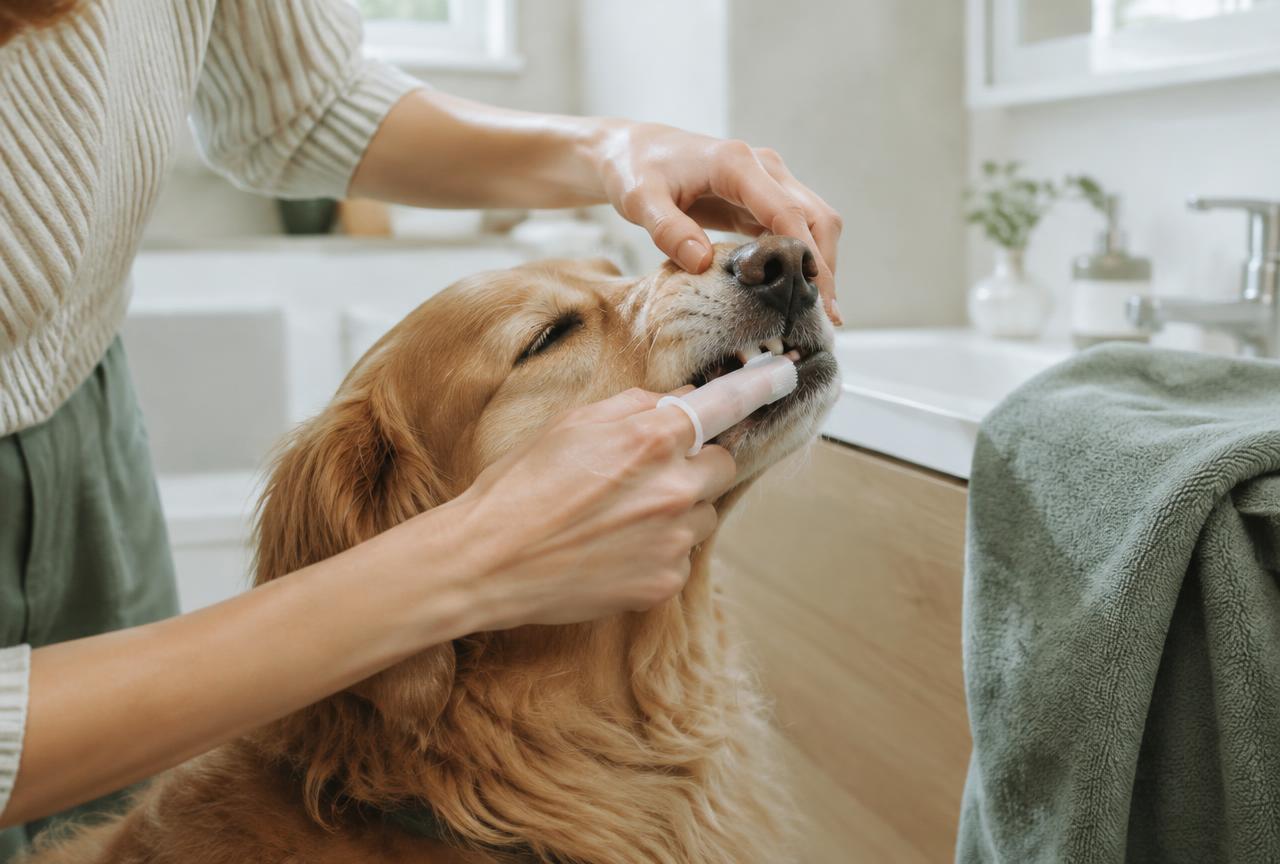
The kit is simple: a dog toothbrush or finger brush, and dog toothpaste. Never human toothpaste: the fluoride and xylitol in it are both problems for dogs, and dog pastes come in flavours like poultry precisely so the dog cooperates.
The introduction that works:
- 1Week 1: let your dog lick paste from your finger. That is the whole session. You are teaching that this is a treat, not a procedure.
- 2Week 2: paste on your finger, rub along the outer surfaces of the teeth for a few seconds, treat, done.
- 3Week 3 onwards: introduce the brush. Outer surfaces only, small circles, building to about 30 seconds a side. The tongue cleans the inner surfaces well enough.
Focus on the big teeth at the back and the canines, where tartar builds fastest. If daily is not happening, every other day still beats weekly by a wide margin, because plaque takes a day or two to harden. Tie it to an existing habit, after the evening walk or before bed, so it stops being a decision.
Puppies and teething: start before the adult teeth arrive
The teething months are the perfect time to build mouth handling, so that brushing is already normal by the time the teeth that need it most come through.
Puppies lose their baby teeth between roughly three and seven months, and during that window they chew everything, their gums are sore, and they are learning what is allowed in their mouth. That makes it the ideal time to teach acceptance: lift the lips daily, rub the gums with a finger, let them lick dog toothpaste, all as a game with treats. By the time the adult teeth are in, the handling is boring and routine, which is exactly what you want. One thing to watch: retained baby teeth, where the adult tooth comes through and the baby tooth stays put, crowding the pair. It is common in small breeds and needs a vet to remove the straggler. Our puppy teething guide covers the whole timeline.
Chews, toys and dental diets: the supporting cast
Chewing genuinely helps, but only the right chews, and nothing chewed replaces brushing.
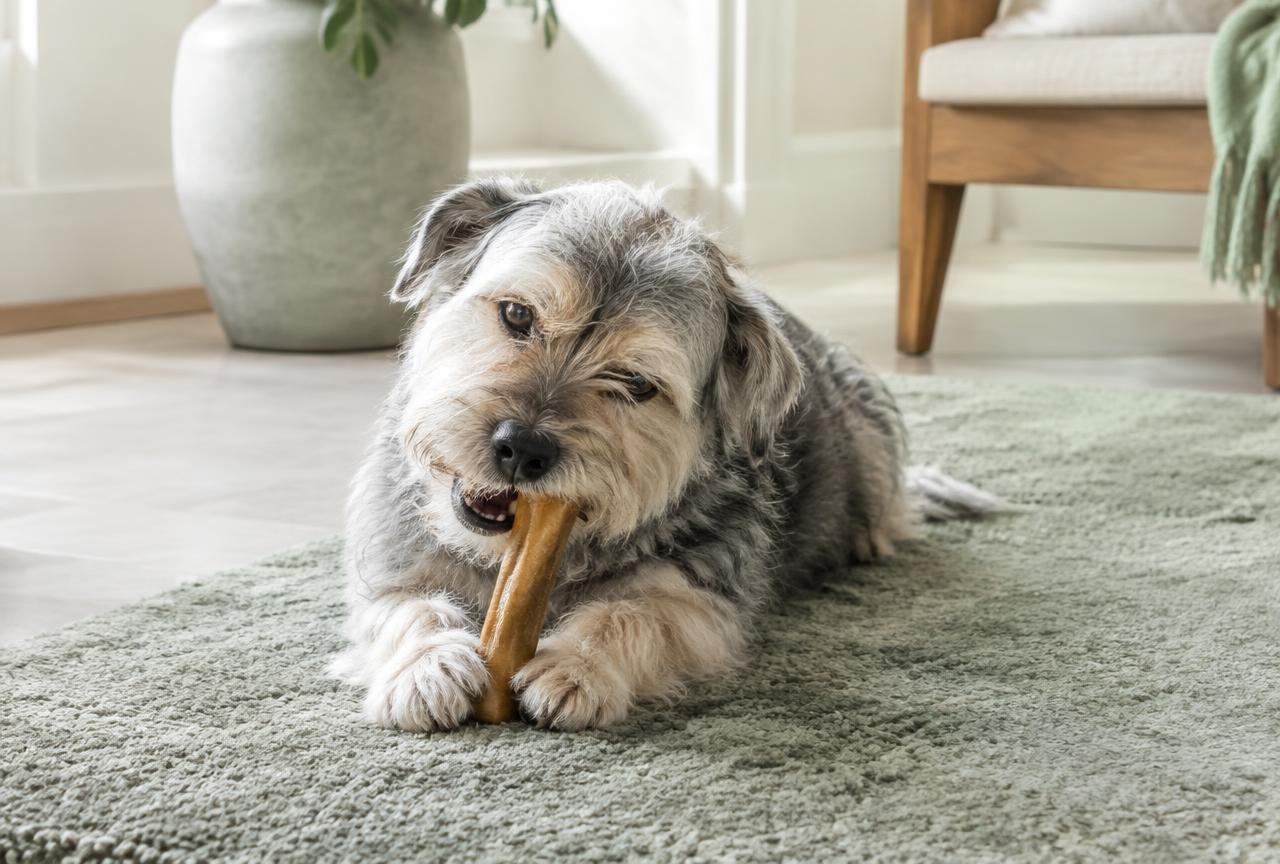
The rule of thumb for any chew: you should be able to dent it with a thumbnail. Anything harder, antlers, bones, hard nylon, hooves, risks fracturing teeth, and broken teeth are a far worse problem than plaque. What has actual evidence or veterinary support behind it:
- Dental chews with the VOHC (Veterinary Oral Health Council) seal, which means they have demonstrated a measurable reduction in plaque or tartar in trials.
- Dental diets, where the kibble is sized and textured so the tooth sinks in before it shatters, scrubbing as it goes. Ordinary kibble shatters on contact and does nothing for teeth, despite the persistent myth otherwise.
- Durable rubber chew toys with some give, which massage gums and provide safe abrasion.
Rawhide sits in a grey area: it works mechanically but carries choking and blockage risks if swallowed in chunks, so supervise and take it away when it gets small. And remember the calorie maths: a daily dental chew can carry a meaningful chunk of a small dog''s calorie allowance, so count it within the 10 percent treat rule our portion calculator applies.
Reading the mouth: a weekly lip lift
Once a week, lift the lip: healthy gums are pink and smooth, teeth white, and breath merely doggy rather than offensive.
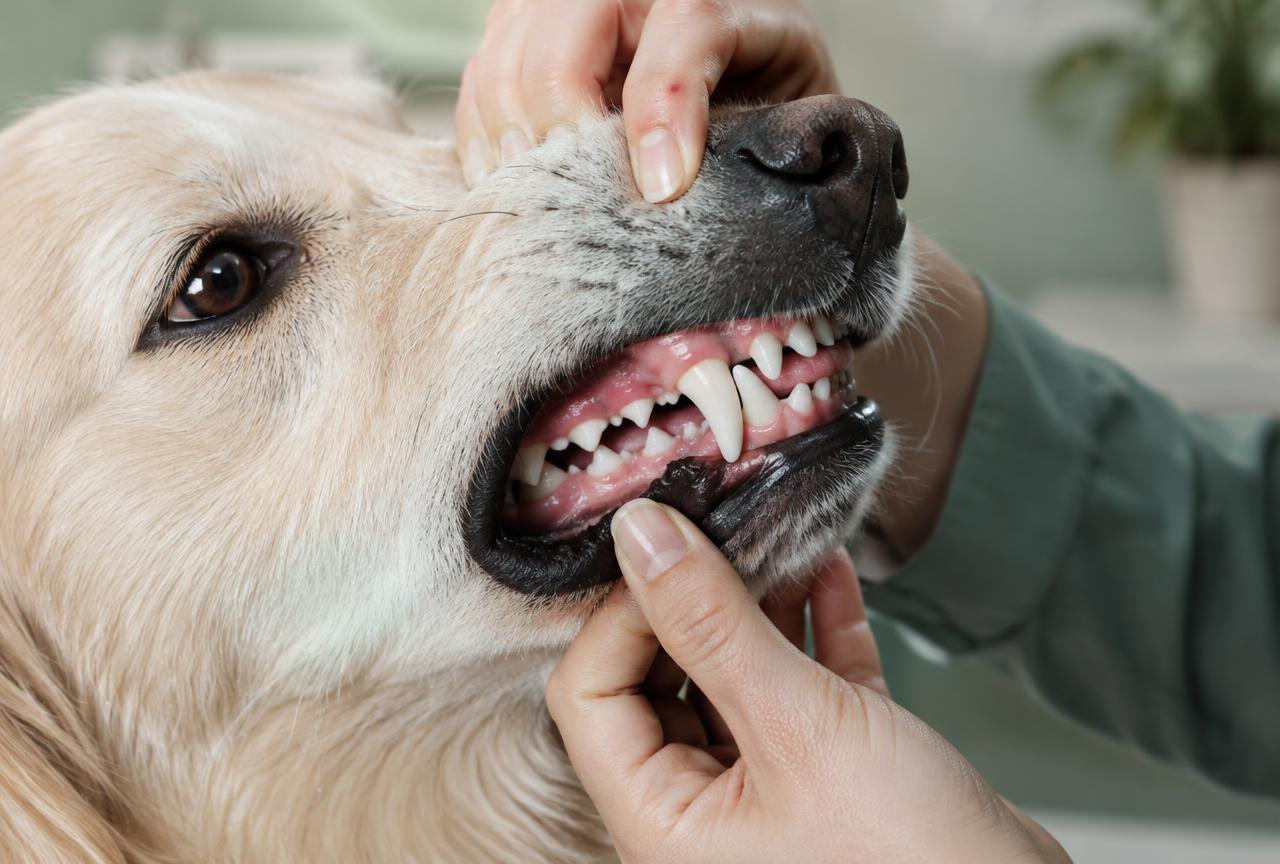
What you are looking for, in order of concern:
- A red line along the gumline, or gums that bleed when touched: gingivitis, reversible at this stage with proper cleaning.
- Yellow-brown crust at the gumline: tartar, which no amount of brushing removes once hardened.
- Breath that has turned genuinely foul rather than just doggy.
- Dribbling, dropping food, chewing on one side, or pawing at the mouth.
- Loose, discoloured or broken teeth, or lumps on the gums.
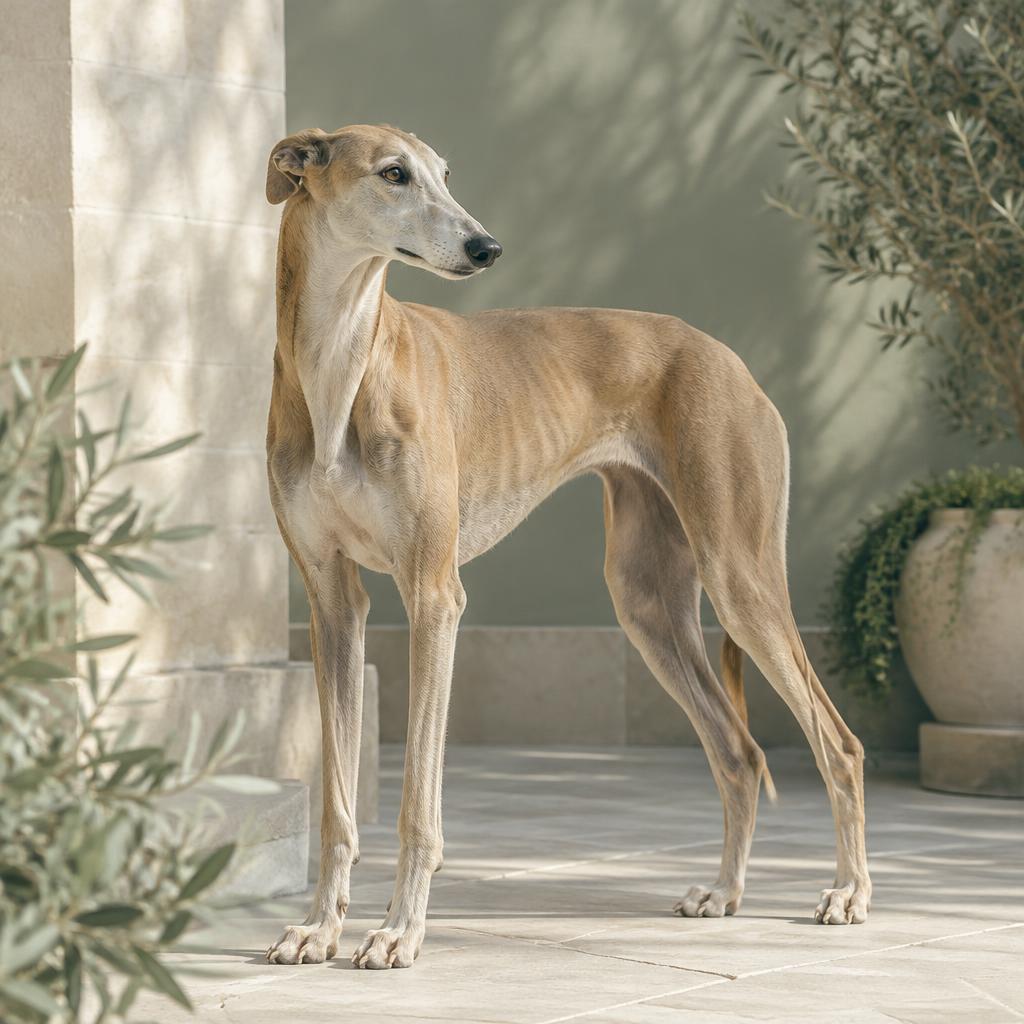
Small and flat-faced breeds deserve extra vigilance. Chihuahuas, Yorkshire Terriers and other toy breeds pack full-size teeth into tiny jaws, which crowds them and traps plaque, and they dominate the dental disease statistics. Greyhounds are famously prone too, for reasons nobody has fully explained.
The vet clean: what it involves and what it costs
A proper dental clean is done under general anaesthetic, because scaling below the gumline, where the disease actually lives, is impossible in an awake dog.
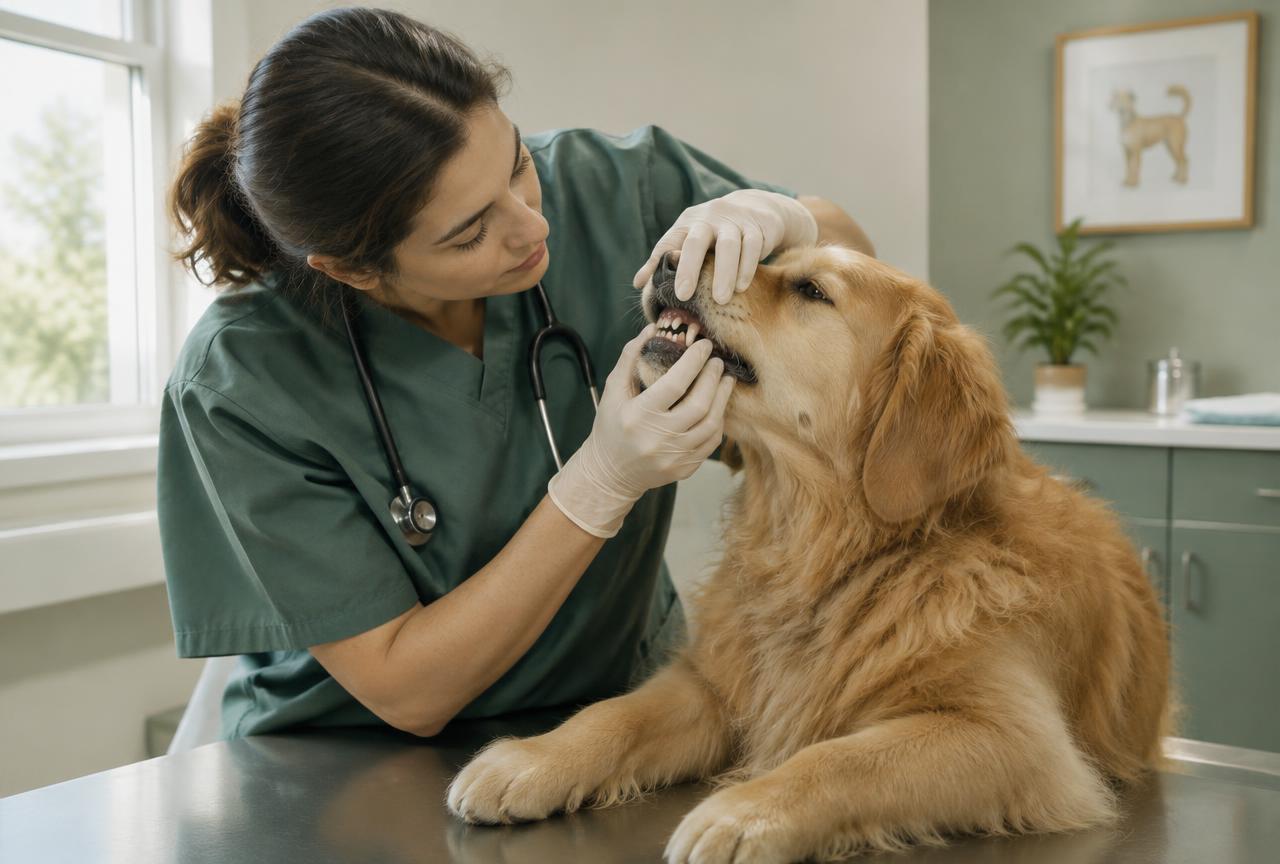
This is worth understanding, because it explains both the price and why "anaesthetic-free dentals" offered by some groomers are cosmetic at best. A proper clean involves scaling tartar from above and below the gumline, probing each tooth for pockets, often dental X-rays to check the roots (most dental disease hides below the gumline), polishing, and extraction of any teeth beyond saving. In the UK you are typically looking at a few hundred pounds for a straightforward scale and polish, rising with extractions and anaesthetic time.
The anaesthetic worry puts many owners off, especially with older dogs, but modern protocols with pre-anaesthetic bloods make it far safer than its reputation, and the alternative, a chronically infected mouth, carries its own daily risks. Your vet can give an honest risk assessment for your individual dog. One practical note: most pet insurance policies exclude routine dental work but cover dental illness or injury, so check your policy''s wording before you need it.
Dogs do not stop eating when their mouths hurt. They just quietly live with it. That is why the lip lift is your job, not theirs.
Interactive · dental care planner
Your dog's dental routine
A few questions about age, habits and what you see in the mouth, and we will shape a realistic home care plan.
Your routine
- Lift the lip once a week: healthy gums are pink and smooth, teeth white without a yellow-brown crust at the gumline.
- Week 1: let your dog lick dog toothpaste from your finger. No brush yet.
- Week 2: finger with paste along the outer teeth, a few seconds, then a treat.
- Week 3 onwards: introduce a finger brush or dog toothbrush, outer surfaces only, building to 30 seconds a side.
- Choose chews with the VOHC seal or a vet recommendation; avoid anything too hard to dent with a thumbnail.
Build the habit now
Daily brushing with dog toothpaste is the single most effective thing you can do. Everything else, chews, toys, dental diets, is a supporting act.
How dental disease progresses
Dental disease moves in stages, and only the first one is reversible at home, which is why timing matters so much.
Stage one is gingivitis: the red line at the gumline, the slightly worse breath. At this point the inflammation is entirely reversible with proper cleaning, and a few weeks of daily brushing can genuinely turn it around. Stage two is early periodontal disease: tartar has crept below the gumline, pockets are forming between gum and tooth, and now home care can only slow things, not reverse them. Stages three and four bring bone loss, loose teeth, abscesses and chronic pain, and the treatment becomes extractions, not cleaning. The uncomfortable maths is that the window where you can fix things yourself is the window where the dog shows almost no signs, which is exactly why the weekly lip lift exists.
Home-care myths worth dropping
"Dry food cleans teeth", "bones keep teeth clean" and "dogs'' mouths are cleaner than humans''" are all wrong, and two of them are actively harmful.
Ordinary kibble shatters on contact with the tooth and does nothing to clean it; only purpose-made dental diets with oversized, textured kibble have any effect. Bones, antlers and hard chews fracture teeth at a rate that keeps veterinary dentists busy, and a fractured tooth with an exposed nerve is both painful and expensive. The clean-mouth myth is simply false: a dog''s mouth hosts a rich bacterial population, which is why licking faces and sharing food with dogs is worth a second thought, especially around children and anyone immunocompromised. The boring truth stands: brushing works, evidence-backed chews help a bit, and everything else is noise.
Water additives, gels and sprays: do they help
Water additives and dental gels sit at the weak end of the evidence scale: harmless in most cases, marginal in effect, and no substitute for the brush.
The appeal is obvious, since adding something to the water bowl is far easier than brushing. A few products carry VOHC acceptance for plaque reduction, which puts them ahead of the unproven majority, but even those show modest effects compared with mechanical cleaning. Think of them the way you would think of mouthwash for a person who never brushes: better than nothing, nowhere near enough. If you want to spend money beyond the toothbrush, spend it on VOHC-sealed chews and the occasional professional clean rather than a shelf of additives. And be wary of any product promising to dissolve existing tartar: hardened tartar is mineral, and the only thing that removes it is a scaler in a vet''s hand.
When to call your vet
- Bad breath that has changed or worsened, especially with red or bleeding gums.
- Dropping food, chewing on one side, dribbling or pawing at the mouth.
- Any loose, broken or discoloured tooth, or a lump on the gums.
- Facial swelling, which can indicate a tooth root abscess.
- A puppy whose baby teeth have not fallen out by seven months, particularly in small breeds, where retained baby teeth crowd the adult ones.
Dental problems do not improve on their own, and early gingivitis is the one stage you can fully reverse at home. Everything past it needs a professional. For the wider picture of keeping an older dog comfortable, our dog years guide covers how age changes care needs, and the ideal weight tool helps with the other most common silent problem.
Questions people actually ask
How often should I brush my dog's teeth?
Daily is the gold standard, because plaque hardens into tartar within a day or two. Every other day still provides most of the benefit. Use a dog toothbrush or finger brush with dog toothpaste, focusing on the outer surfaces of the back teeth and canines.
Can I use human toothpaste on my dog?
No. Human toothpaste contains fluoride and often xylitol, both harmful to dogs, and the foaming agents are not meant to be swallowed. Dog toothpaste is formulated to be safe when swallowed and comes in flavours dogs accept.
Do dental chews actually work?
Good ones help, but as a supporting act rather than a replacement for brushing. Look for the VOHC seal, which means the chew has demonstrated plaque or tartar reduction in trials, and choose chews soft enough to dent with a thumbnail to avoid fractured teeth.
Why does my dog have such bad breath?
Persistent foul breath usually means dental disease: tartar, gingivitis or infected teeth. It can also signal other problems, from kidney disease to something stuck in the mouth. Breath that has changed or worsened warrants a vet check, not just a minty chew.
How much does a dog dental clean cost?
In the UK, a straightforward scale and polish under anaesthetic typically costs a few hundred pounds, rising with extractions, X-rays and anaesthetic time. It sounds steep, but it involves scaling below the gumline, probing every tooth and often X-rays, none of which is possible in an awake dog.
Are anaesthetic-free dog dentals worth it?
No. They can only scrape visible tartar from the crown of the tooth, which is cosmetic. Dental disease lives below the gumline, and cleaning there properly requires an anaesthetised, still patient. Worse, a cosmetically clean tooth can hide active disease underneath.
Sources
Breeds mentioned


Put it into practice
Read next
Dog Dry Heaving: Causes and When It Is an Emergency
Dog dry heaving is usually throat irritation or mild nausea, but repeated unproductive retching with a swollen, tight belly can be bloat (GDV), a life-threatening emergency.


