
Can Dogs Eat Oranges? Segments, Peel and Portions
Yes, dogs can eat oranges in small amounts. The flesh is safe, the peel and pips are not worth the risk, and the sugar means portions stay modest.
The SniffScroll desk
Published 11 October 2026

Reviewed by the SniffScroll editorial team
The short version
- Dogs can eat peeled orange segments in small amounts as an occasional treat.
- Remove the peel, pith and pips: the peel is hard to digest and the oils can upset the stomach.
- Keep portions to a few segments, inside the 10% daily treat allowance, because oranges are sugary.
- Skip oranges for dogs with diabetes, weight problems or sensitive stomachs.
- Orange juice is concentrated sugar and should not be given to dogs.
Can dogs eat oranges?
Yes, dogs can eat oranges. The juicy flesh of a ripe orange is safe for most healthy dogs, provided it is peeled, the pips are removed and the portion stays small. The parts to avoid are the peel, the white pith in quantity and the pips, and the main reason to keep portions modest is sugar rather than toxicity.
Oranges sit in the same category as most fruit on our safe human foods list: fine as an occasional extra, never a substitute for a complete dog food. If your dog enjoys fruit, our guides to apples and fruit generally follow the same principles.
What is actually in an orange?
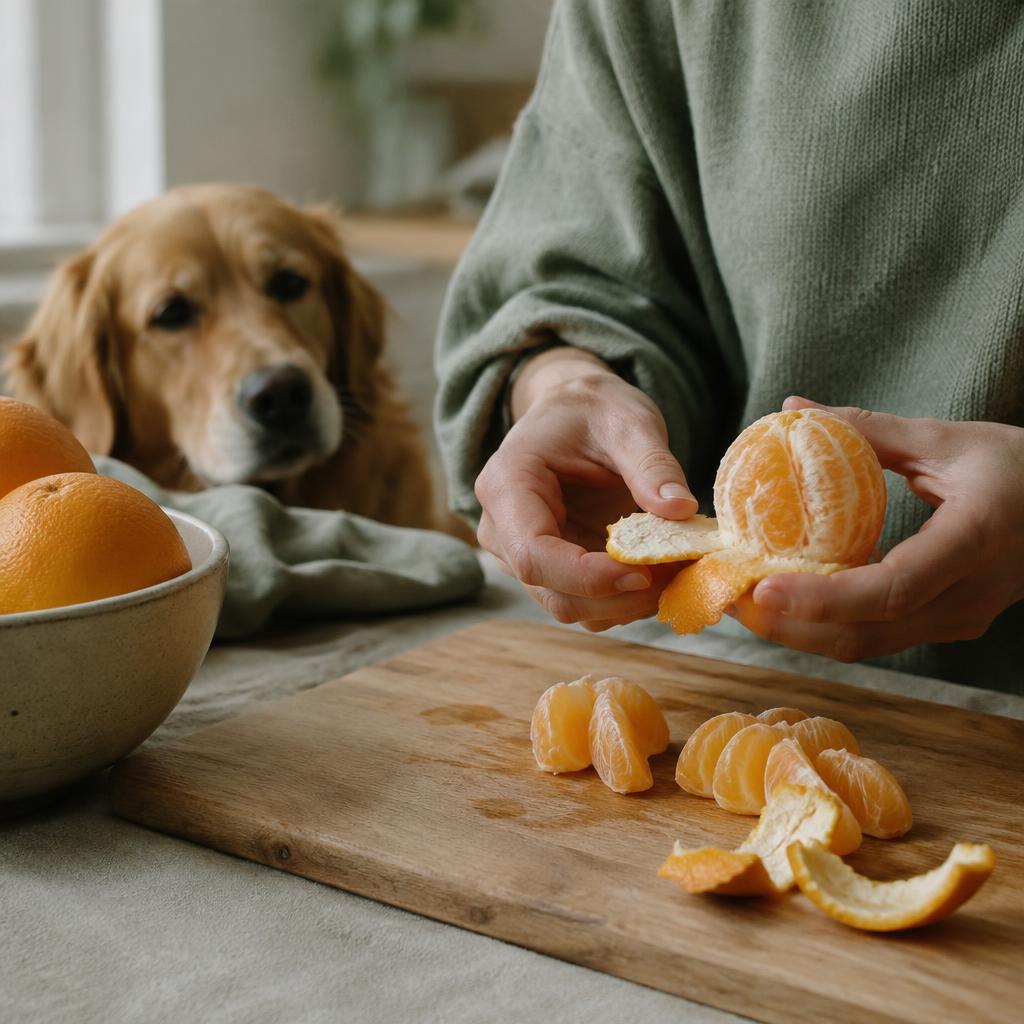
A medium orange contains roughly 60 to 70 calories, about 12 grams of sugar, useful fibre, vitamin C, potassium and folate. For people that is a healthy snack. For dogs the picture is different: dogs synthesise their own vitamin C, and a complete dog food already covers their vitamin and mineral needs. What an orange adds is water, fibre, a little sweetness and novelty.
That makes orange a reasonable low-fat treat, particularly for dogs that cannot have rich, fatty snacks. It does not make it a health food for dogs, and the sugar content is the reason portion control matters.
Which parts of the orange are safe?
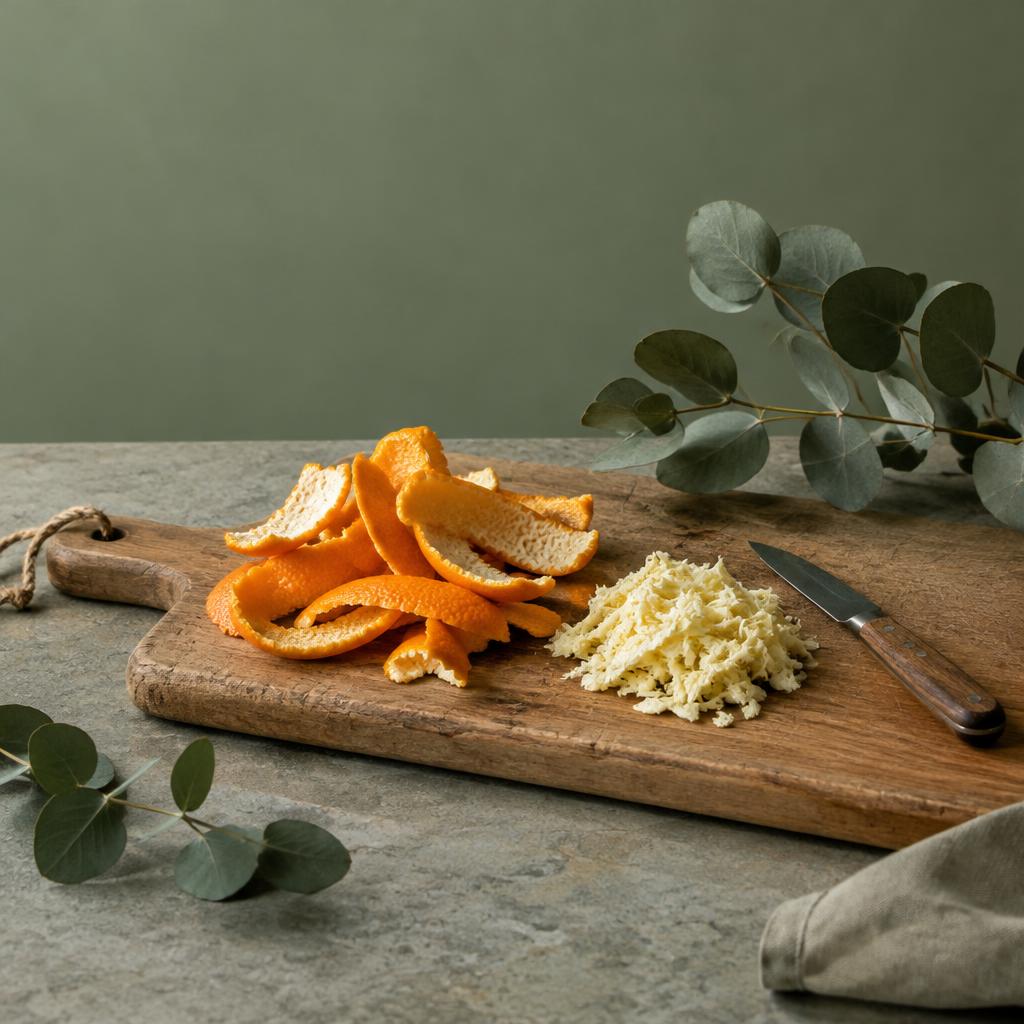
The flesh is the only part worth offering. Peel, pith and pips all come off first.
| Part | Safe? | Why |
|---|---|---|
| --- | --- | --- |
| Peeled segments | Yes, in small amounts | Soft, hydrating, easy to digest |
| White pith | Harmless but pointless | Bitter, fibrous, no benefit |
| Peel | Avoid | Tough, bitter oils, hard to digest, blockage risk in small dogs |
| Pips | Avoid | Choking risk and mildly irritating compounds |
| Orange juice | Avoid | Concentrated sugar and acid without the fibre |
| Dried or candied peel | Avoid | Concentrated oils, often added sugar |
How much orange can a dog eat?
Treats of all kinds, fruit included, should make up no more than about 10% of a dog's daily calories. For oranges that works out at roughly:
- Toy dogs (under 5 kg): one small segment, or half of one
- Small dogs (5 to 10 kg): one or two segments
- Medium dogs (10 to 25 kg): two or three segments
- Large dogs (over 25 kg): three to four segments, no more than about a third of an orange
Offer a single segment the first time. Some dogs find citrus too acidic and will simply refuse it, which is fine. Others love it and would eat far more than is sensible, which is where your portion discipline comes in.
A simple way to serve orange to your dog
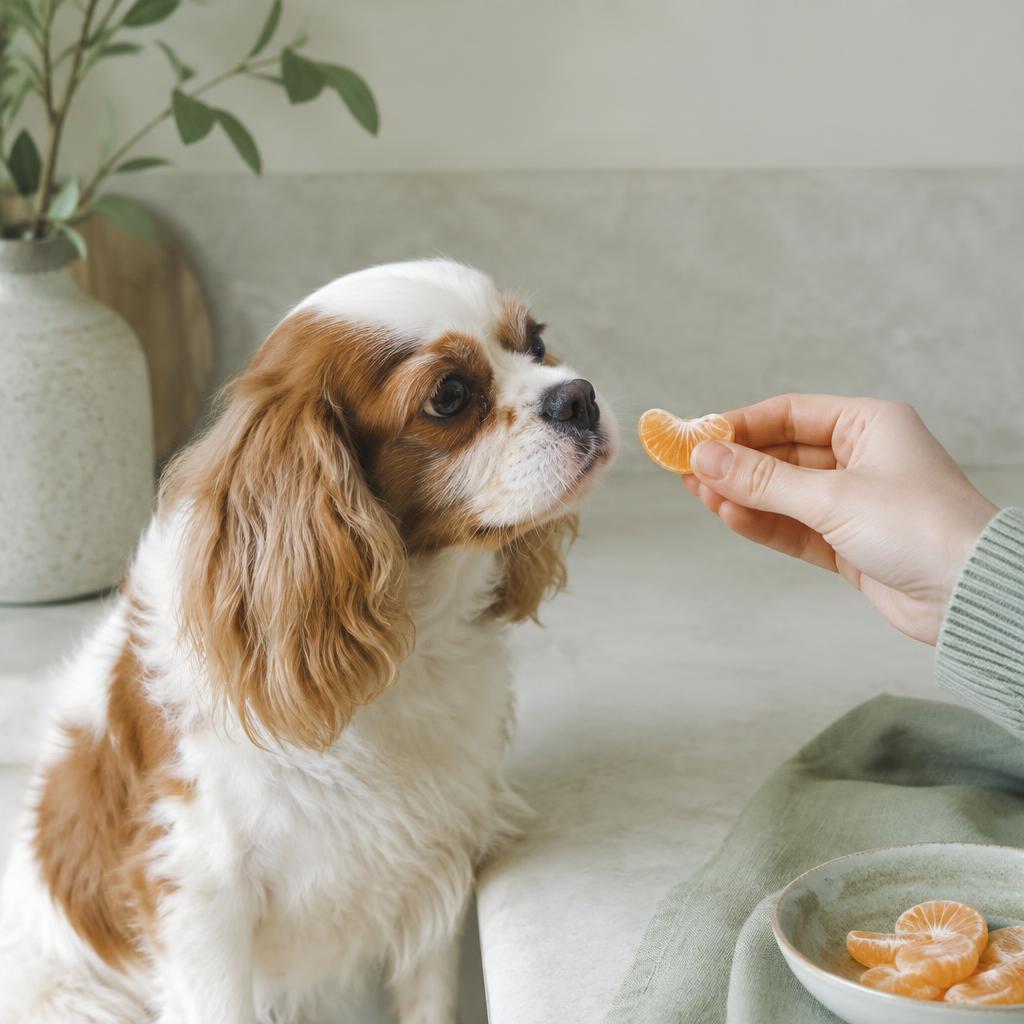
- 1Peel the orange completely, removing as much white pith as you reasonably can.
- 2Pull the fruit into segments and check each one for pips.
- 3Cut segments in half for small dogs so they are easy to chew.
- 4Offer one piece and watch your dog eat it rather than leaving a bowl down.
- 5Count it towards the day's treat allowance and adjust dinner if treats were generous.
A segment of orange is a treat, not a top-up of vitamins. Your dog's dinner already does that job.
Which dogs should skip oranges?
Oranges are not for every dog. Skip them, or check with your vet first, for:
- Dogs with diabetes: the sugar spike is not worth it.
- Overweight dogs on a calorie-controlled plan: use a lower-sugar treat such as cucumber instead.
- Dogs with sensitive stomachs or a history of acid reflux: citrus can irritate.
- Dogs that have had bladder stones: ask your vet, as diet changes matter in these cases.
Breeds that tend to hoover up anything edible, Labradors and Beagles being the classic examples, are also the breeds most likely to steal a whole unpeeled orange off the worktop, so storage matters as much as serving.
What about orange juice and marmalade?
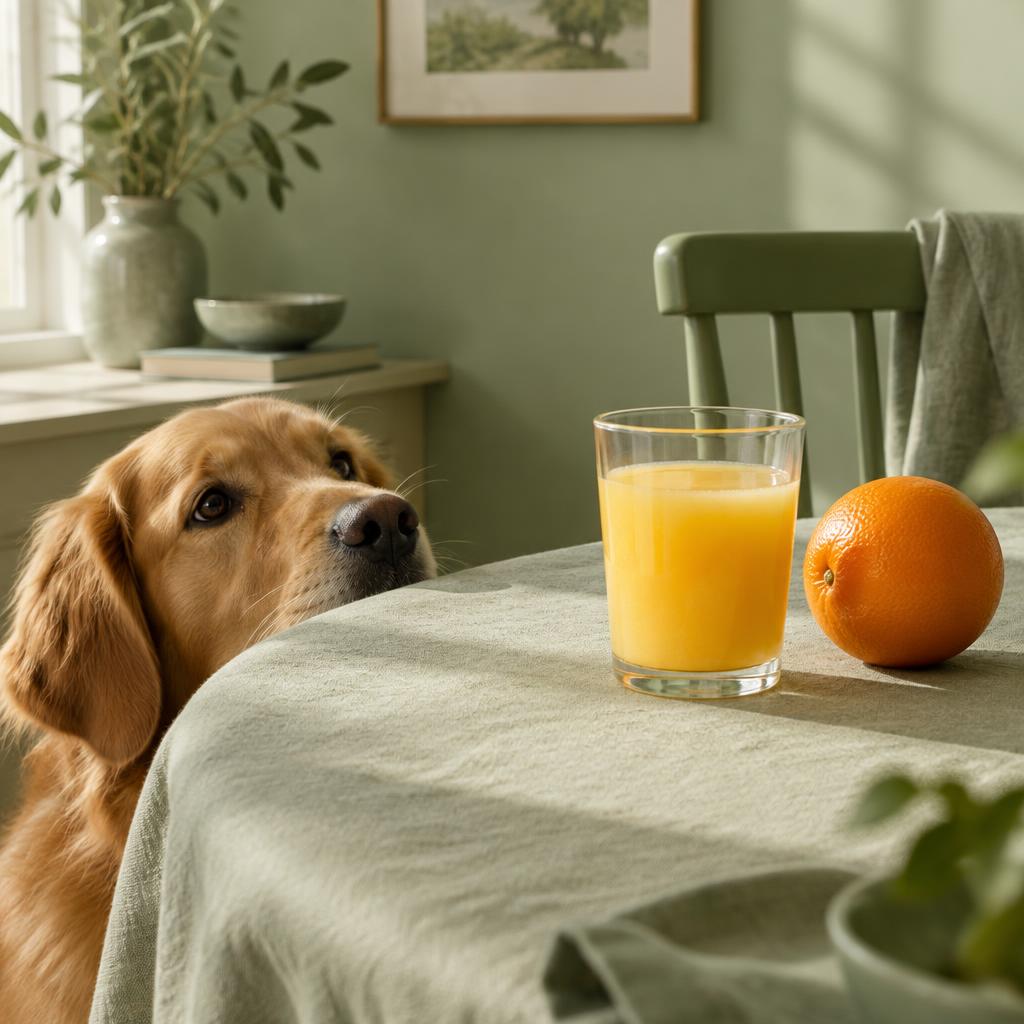
Neither is a good idea. Juice is sugar and acid without the fibre that slows absorption, and marmalade adds even more sugar plus peel oils. A lick of spilled juice will not harm a healthy dog, but do not offer either on purpose. Fresh water remains the only drink a dog needs.
When to see a vet
Orange flesh itself is very unlikely to cause a serious problem. Phone the vet if your dog has eaten a large amount of peel and now has vomiting, diarrhoea, a swollen or painful belly, or is straining without producing anything, as a large wad of peel can cause a blockage in a small dog. If your dog has diabetes and has eaten a lot of orange, mention it at your next check or call for advice. Otherwise, an extra segment or two calls for nothing more than a lighter supper and a watchful eye on the next day's stools.
Oranges compared with other fruits
If you are choosing a fruit treat, it helps to see where oranges sit. They are mid-pack for sugar: sweeter than berries, lighter than mango or banana, and more acidic than most. That acidity is why some dogs turn their noses up at citrus while happily eating apple or watermelon, and why the dogs that do love oranges still need small portions.
| Fruit (per 100 g) | Sugar | Notes for dogs |
|---|---|---|
| --- | --- | --- |
| Orange | about 9 g | Peel, pith and pips off; acidic |
| Apple | about 10 g | Core and pips out; crunchier |
| Blueberries | about 10 g | Easiest portion control of all |
| Banana | about 12 g | Very moreish; small slices only |
| Mango | about 14 g | Stone and skin off; sweetest common treat |
| Watermelon | about 6 g | Mostly water; rind and seeds out |
For dogs that find orange too sharp, blueberries and watermelon are usually the best-received alternatives, and both are easier to portion.
Common mistakes owners make with citrus
Most orange mishaps come from the same handful of habits. Leaving a fruit bowl at nose height is the classic one: a determined dog can take a whole orange, peel and all, in seconds. Feeding straight from your own breakfast is another, because a segment here and a segment there quietly adds up to half an orange. Offering orange to a dog with a dodgy stomach "to see if it helps" is a third; acidic fruit is the last thing an irritated gut needs. And finally, assuming that because the flesh is fine, the peel must be fine too. The peel is where the problems live.
A simple household rule covers nearly all of it: citrus is peeled at the worktop, served by hand, and the peel goes straight in the bin.
A note on puppies
Puppies can have a tiny taste of orange once they are eating solid food, but their stomachs are more sensitive than adult dogs and their treat allowance is much smaller. Half a segment, once, is a sensible first trial. If the next day's stools are normal, an occasional small piece is fine. If they are loose, citrus is not your puppy's fruit, and that is useful information gained cheaply.
What the research and vets actually say
Veterinary guidance is consistent on citrus: the flesh of oranges is not toxic to dogs, and the concern is practical rather than poisonous. The peel and the plant material contain essential oils and psoralens that irritate the gut, the acidity can bother sensitive stomachs, and the sugar is the long-term issue for dogs that get fruit daily. In other words, oranges are a management question, not a poison question, which puts them in the same bracket as apples and bananas rather than anywhere near grapes or chocolate.
It is also worth knowing that dogs produce their own vitamin C in the liver, so the marketing idea that fruit "boosts immunity" does not transfer from people to dogs. A complete, balanced dog food already provides everything a healthy dog needs. The honest case for orange is simpler: many dogs enjoy it, it is low in fat, and a couple of segments make a refreshing treat on a warm day.
Storing fruit in a dog household
Fruit safety is mostly storage. A fruit bowl on a low table is an open invitation to a Beagle or a Labrador, and a whole orange, peel and all, is a very different proposition from two peeled segments. Keep citrus in the fridge or in a bowl well back from the counter edge, put peel and pips straight into a lidded bin, and treat the fruit bowl the way you would treat a biscuit tin. Dogs that learn the fruit bowl pays out will check it forever.
A checklist before you share
Run through this the first few times you offer orange, until it becomes habit:
- The orange is ripe, fresh and washed.
- Peel, pith and pips are completely removed.
- Segments are cut in half for small dogs.
- The portion matches your dog's size, and fits inside the day's treat allowance.
- Your dog has no diabetes, weight plan or sensitive-stomach history that argues against it.
- The peel and any leftover fruit have gone straight into a lidded bin.
If all six are true, a couple of segments is a perfectly good treat. If any are not, adjust before you serve rather than after.
What about other citrus?
The same rules cover the whole citrus family. Mandarins, satsumas, clementines and tangerines are all safe as peeled segments in the same small portions, and their easy peeling makes them convenient. Lemons and limes are safe in principle but so sour that almost no dog will eat them, and their peel oils are more concentrated, so there is no reason to offer them. Grapefruit is best avoided: it is more acidic, and it interferes with the metabolism of many medications in people, which is reason enough to keep it away from dogs on any regular medicine. When in doubt, the sweet, easy-peeling members of the family are the sensible choices.
The bottom line
Can dogs eat oranges? Yes: peeled, pip-free segments in small numbers are a safe, refreshing treat for most healthy dogs. Keep portions to a few segments, skip the peel and juice, and choose a lower-sugar treat for dogs with diabetes or weight to lose. Use the checker below to size a serving for your dog.
Interactive tool
Orange portion checker
Dog size and the part of the orange in, portion guidance out.
Your plan
- For a medium dog, a serving is about two or three segments, inside the 10% treat allowance.
- Peel the orange, remove the white pith where you can and pick out any pips.
- Oranges are sugary, so skip them for dogs with diabetes and keep them occasional for dogs watching their weight.
- Offer a single segment the first time and check the stools the next day.
Fine as an occasional treat
Peeled segments in small numbers are a safe treat for most healthy dogs. Peel and juice are better left out.
Questions people actually ask
Can dogs eat oranges every day?
Better not. A segment or two a few times a week is plenty for a healthy dog. Daily citrus adds sugar your dog does not need and can loosen the stools, so keep oranges as an occasional extra rather than a routine treat.
Can dogs eat orange peel?
No. Peel is not toxic, but it is tough, bitter and rich in citrus oils that commonly cause vomiting or diarrhoea. Large pieces can also be difficult to pass, especially for small dogs. Always peel the fruit first.
Are mandarins, satsumas and clementines safe for dogs?
Yes, the same rules apply. Peeled segments of mandarins, satsumas and clementines are safe in small amounts. They are easier to peel and usually seedless, which makes them a convenient choice, but the sugar guidance is identical.
Can dogs drink orange juice?
No. Juice removes the fibre and concentrates the sugar and acid, so it offers nothing useful and can upset the stomach. Fresh water is always the right drink for a dog.
What should I do if my dog ate a whole orange, peel included?
Most dogs will be fine, but watch for vomiting, diarrhoea, a tight or painful belly and straining over the next 24 to 48 hours. Small dogs and dogs that ate a lot of peel are the ones to watch most closely. Phone the vet if any signs appear or if your dog seems uncomfortable.
Are oranges good for dogs?
They offer vitamin C, potassium and fibre, but dogs make their own vitamin C and get everything they need from a complete dog food. Think of orange as a pleasant low-fat treat, not a supplement.
Sources
Breeds mentioned

Beagle
A merry, sociable scenthound with a powerful nose and a mind of its own outdoors.

Labrador Retriever
Britain's most popular family dog: biddable, food driven and built for an active household.

Cavalier King Charles Spaniel
An affectionate, adaptable toy spaniel that thrives on human company above almost anything else.
Put it into practice
Read next
Can Dogs Eat Oatmeal? Cooked, Raw and Flavoured
Plain oatmeal cooked in water is safe for dogs in small servings and its soluble fibre can help mild diarrhoea. Avoid flavoured sachets, raw oats and porridge made with milk or sugar.


