
Why Is My Dog Licking the Floor? Causes and When It Matters
A dog licking the floor is usually chasing crumbs or flavour, and it is harmless. But frequent, frantic or obsessive floor licking can signal nausea, anxiety or a compulsive habit worth investigating.
The SniffScroll desk
Published 10 October 2026
Reviewed by the SniffScroll editorial team
The short version
- Occasional floor licking, especially after cooking or meals, is normal scavenging.
- Frantic licking with lip smacking and swallowing is a classic sign of nausea.
- Obsessive licking that is hard to interrupt can be compulsive or medical.
- Cleaning products and spills can make floors genuinely tasty, so check what the floor has been washed with.
- Licking paired with vomiting, diarrhoea or a sore belly needs a vet the same day.
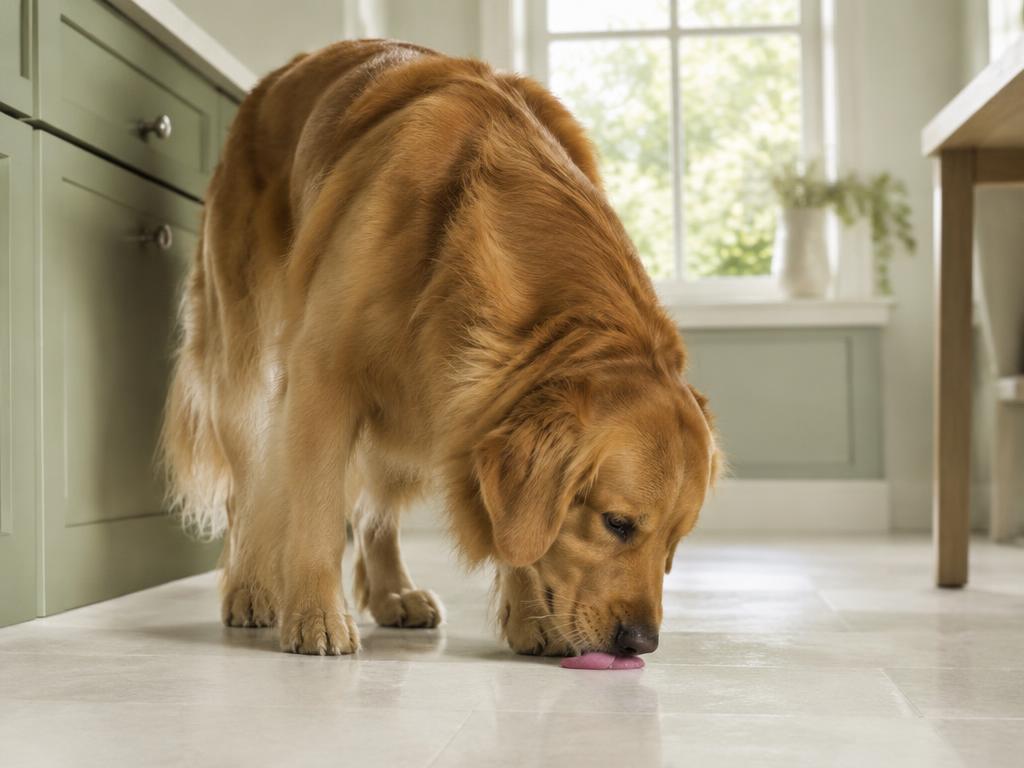
Dogs experience the floor very differently from us. To a nose and tongue that sensitive, your kitchen tiles are a flavour map of everything that has happened in the house today. Most floor licking is exactly what it looks like: a dog hoovering up crumbs and residue, and it is harmless. The versions that matter are frantic licking and obsessive licking, because those are usually symptoms rather than hobbies.
The harmless majority: crumbs and curiosity
If your dog licks the floor after you cook, under the table after dinner, or along the spot where a bowl was spilled last week, you are watching normal scavenging. Breeds built to eat first and think later, such as the Labrador Retriever and the Beagle, are the connoisseurs of the genre.
Two things are worth checking even in these casual cases. The first is what the floor has been cleaned with: some products leave residues that taste sweet or interesting, and some are not safe to ingest. Rinse after mopping and consider a pet-safe cleaner. The second is access: a dog that licks floors near bins or cupboards may be one door away from something genuinely dangerous.
The nausea pattern: the one to know
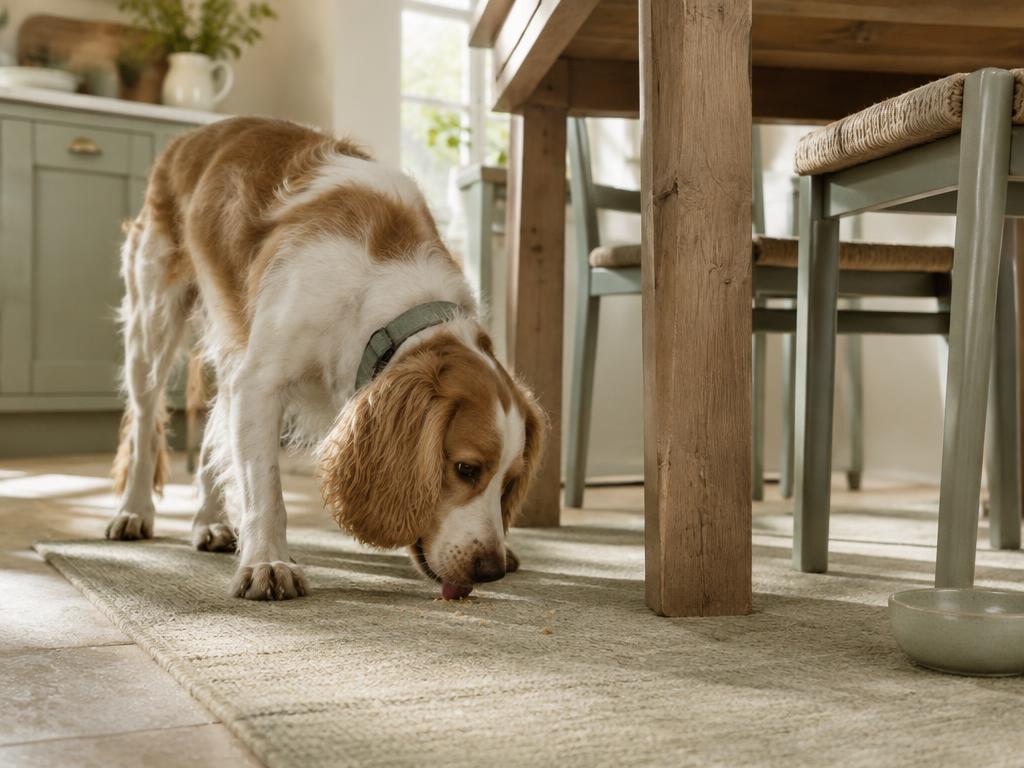
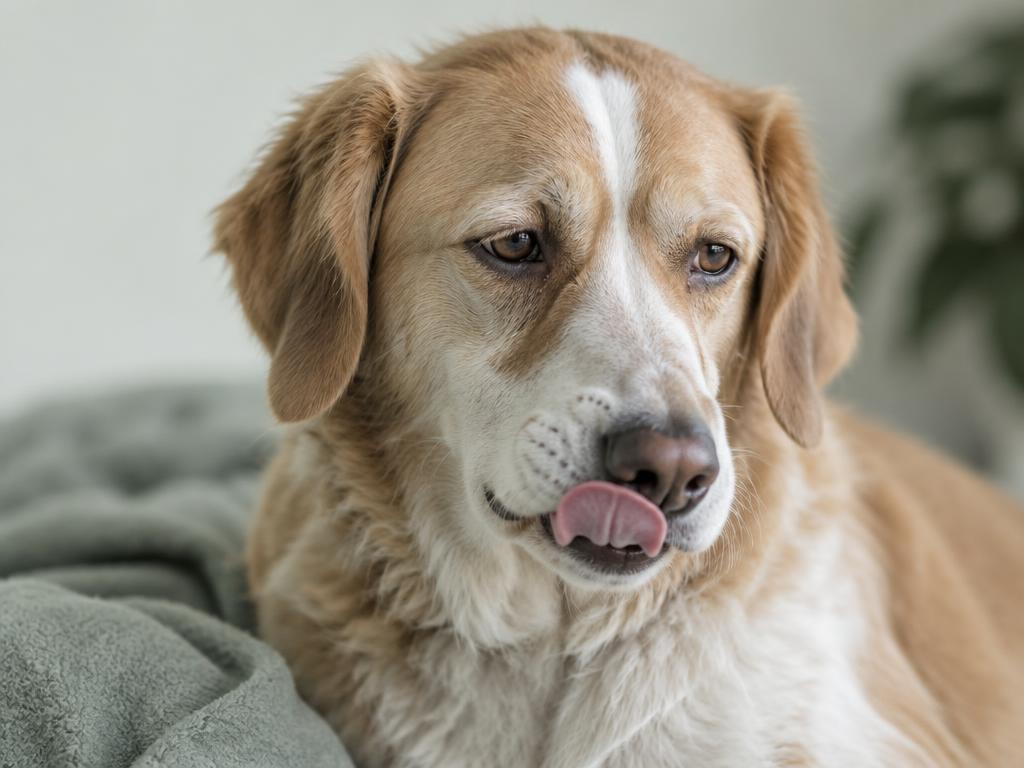
The most useful thing this article can teach you is what nausea looks like in a dog that is not yet vomiting. Nauseous dogs lick: floors, carpets, walls, their own lips. The licking is frantic rather than casual, and it comes with lip smacking, repeated swallowing, drooling, and often a sudden interest in eating grass.
If you see that combination, think tummy. Common triggers include eating something rich or unusual, a mild gastritis, or hunger on an empty stomach (the classic early-morning version). A small, bland meal often settles a mild case. Our guide to dog vomiting covers what to watch for if it progresses.
Interactive tool
Floor licking checker
Frequency, triggers and other signs in, boredom versus nausea versus vet out.
What to do
- Occasional floor licking after meals is usually a dog hoovering up flavour, nothing more.
- Wipe up spills promptly and keep the floor cleaner residue-free.
- If it becomes frequent or frantic, rerun this checker with the new pattern.
Likely crumbs or habit
The floor is a flavour map to a dog. It only becomes a worry when the licking is frantic, obsessive, or paired with tummy signs.
Boredom and anxiety
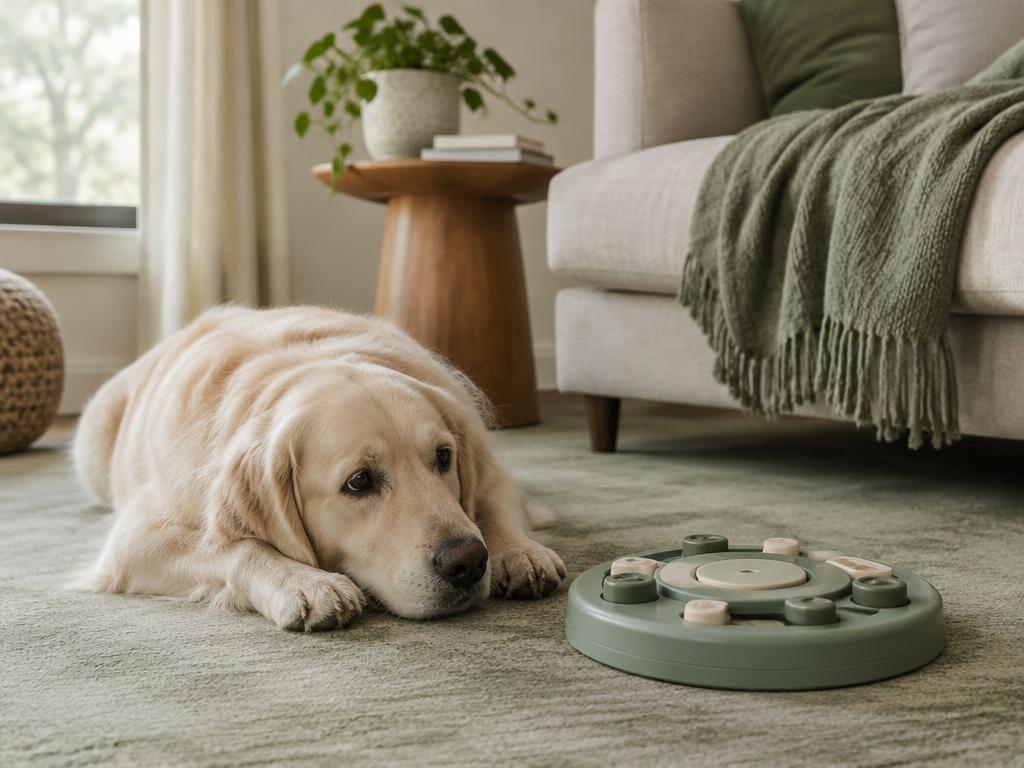
A dog with nothing to do invents jobs, and licking is a self-soothing behaviour that releases calming endorphins. Dogs that lick floors when left alone, when the house is stressful, or in the quiet of the evening may be managing boredom or worry rather than flavour. The fix is enrichment: a proper walk, a sniff game, a puzzle feeder or a stuffed lick mat gives the behaviour somewhere better to go.
Obsessive licking: when it is a symptom
The pattern that deserves a vet is obsessive licking: long episodes, many surfaces, difficult to interrupt, happening daily. Research has linked a substantial share of excessive surface licking to gastrointestinal disease, including acid reflux, giardia and inflammatory bowel conditions, and the licking often resolves when the gut is treated. Anxiety and compulsive disorder account for most of the rest.
Before the appointment, keep a simple log for a week: when episodes happen, how long they last, what the dog ate, and what else was going on. Film an episode if you can. That record is often what points the vet at the right test first.
Which surfaces get licked, and why
The surface your dog chooses is a clue. Kitchen floor licking is usually about food residue. Carpet licking often targets old spills ground into the fibres, and the dog may return to exactly the same patch for weeks. Licking hard, tasteless surfaces such as walls, tiles in rooms where no food is eaten, or furniture legs is less likely to be about flavour and more likely to be nausea or a compulsive habit. And a dog that licks everything, floors, sofas, your hands, the air, is showing a generalised behaviour that deserves proper investigation rather than surface-by-surface management.
The medical causes in more detail
When vets investigate excessive licking of surfaces, the work-up usually starts with the gut, and for good reason. Studies of dogs presented for obsessive surface licking have found gastrointestinal disease in the majority, with giardia, acid reflux, delayed stomach emptying and inflammatory bowel disease among the common findings. The mechanism seems to be that licking and swallowing soothe an uncomfortable oesophagus and stomach, much as we might swallow repeatedly when queasy. The practical upshot: if the licking is obsessive, a faecal test and a trial of gut-directed treatment are often the first steps, and they frequently work.
Anxiety and compulsive disorder
Where the gut is clear, behaviour moves up the list. Licking releases endorphins, so it is genuinely calming, and some dogs learn to use it the way a person might use a nervous habit. Triggers include changes in the household, conflict with another pet, understimulation, and, in some dogs, no identifiable trigger at all. True compulsive disorder is diagnosed when the behaviour is frequent, stereotyped, hard to interrupt and interferes with normal life. Treatment combines enrichment, stress reduction and, where needed, medication prescribed by a vet, and it works best started early rather than after years of rehearsal.
Diet and meal timing
One of the simplest experiments is to change when the dog eats. A dog fed once a day has a long empty stretch overnight, and an empty, acid stomach is a classic trigger for early-morning nausea and licking. Splitting the same ration into two or three meals, with a small last meal or a bedtime biscuit a few hours before sleep, resolves a surprising number of cases within days. If your dog's licking happens mostly in the morning before breakfast, this is the first thing to try.
The grass connection
Dogs that lick floors frantically often head for grass the moment they get outside, and the two behaviours share a root: both are things nauseous dogs do. If your dog's floor licking comes with urgent grass eating on walks, the stomach moves to the top of the suspect list. Our guide to why dogs eat grass covers that behaviour in full, but the short version is that occasional grazing is normal while frantic, gulping grass eating alongside indoor licking suggests genuine nausea.
A one-week reset plan
If the licking is frequent but your dog is otherwise bright, eating and passing normal stools, a structured week often clarifies things:
- 1Deep-clean the favourite licking spots and rinse away all cleaner residue.
- 2Feed smaller, more frequent meals for the week so the stomach is never empty for long.
- 3Add one extra sniffy walk or puzzle feeder session a day.
- 4Interrupt licking gently and redirect to a chew or lick mat, then note whether the dog settles or returns to the floor.
- 5Log every episode: time, duration, what happened just before.
If the week calms things down, you had your answer: flavour, habit or boredom. If it changes nothing, or the licking is frantic, you have a tidy record to hand to the vet.
Puppies and floor licking
Puppies lick floors for the simplest reason of all: the world is tasted before it is understood. A young dog working its tongue across the kitchen is mapping the household menu, and most grow out of dedicated floor licking as they mature, especially once they learn what is actually food. The habits worth interrupting early are licking in rooms where cleaning products are used, and any licking that looks frantic rather than curious. Gentle redirection to a chew, plus puppy-proofing the floors you mop with strong products, covers nearly every case.
When to see a vet
Same day: floor licking paired with vomiting, diarrhoea, a swollen or painful belly, marked lethargy, or repeated unproductive retching (which can signal bloat, an emergency). Routine appointment: obsessive daily licking, the nausea pattern more than occasionally, or any licking habit that has changed or escalated over a few weeks.
What the vet visit usually involves
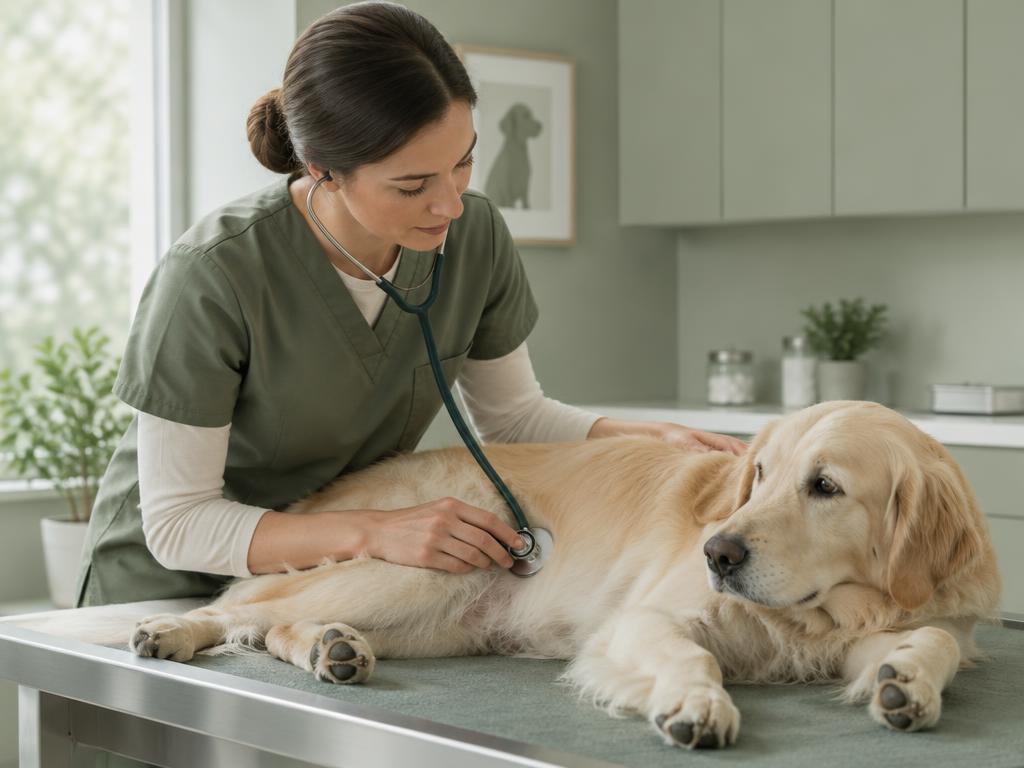
Knowing what to expect makes the appointment easier. The vet will take a history first: when the licking started, how often, which surfaces, what the dog eats, and what else has changed. A physical examination follows, with particular attention to the mouth (to rule out dental pain or something stuck), the abdomen, and the dog's weight and body condition. From there, the typical first steps are a faecal test for parasites such as giardia and a structured diet or antacid trial, because both are cheap, safe and often diagnostic. Blood tests and imaging come later, only if the early steps draw a blank. Most cases never need the expensive end of that ladder.
A word on punishment
It is tempting to tell a floor-licking dog off, especially at the tenth interruption of the evening. Resist it. If the cause is nausea, the dog cannot help it; if the cause is anxiety, punishment adds exactly the stress that feeds it; and if the cause is habit, a startled interruption teaches the dog to lick when you are not looking rather than to stop. Calm redirection, to a chew, a mat or another room, is slower but actually works.
Enrichment that actually competes with the floor
If boredom is the driver, the fix has to be more interesting than the floor, which is a higher bar than it sounds. The most effective options work the nose and the brain: scatter feeding in the garden, snuffle mats, frozen stuffed toys, cardboard boxes with kibble hidden inside, and short training sessions scattered through the day. Chews help too, giving the mouth a sanctioned job. Rotate the options rather than leaving them all out, because novelty is half the value. A dog with a genuinely full day rarely spends the evening licking the kitchen tiles.
Living with a floor licker
If your dog has been checked, the gut is clear and the licking is occasional and interruptible, you can file it under quirks. Keep floors clean of residues, keep the enrichment coming, and redirect when it starts. Many dogs keep a mild version of the habit for life, particularly after meals or when the household is quiet, and do perfectly well with it. The behaviour only earns another look if it escalates in frequency, intensity or the range of surfaces involved.
The bottom line
An occasional lick of the kitchen floor is a dog being a dog. Frantic licking with lip smacking says check the tummy, obsessive daily licking says book the vet, and everything in between usually yields to a cleaner floor and a busier dog. Learn the difference once and you will read your dog's tongue like a dashboard light from now on.
Questions people actually ask
Why does my dog lick the floor after I cook?
Because the floor is where the flavour lands. Tiny splashes of fat, crumbs and drips are invisible to you but obvious to a nose and tongue like a dog's. It is normal scavenging, and wiping up promptly is usually the whole solution.
Is floor licking a sign of nausea in dogs?
It can be, and it is one of the most useful patterns to know. Nauseous dogs often lick floors, carpets and other surfaces frantically, along with lip smacking, swallowing and sometimes eating grass. If the licking looks urgent rather than casual, think tummy first.
Why is my dog licking the floor obsessively?
Obsessive licking, long episodes that are hard to interrupt, is different from casual scavenging. Causes include gastrointestinal disease, anxiety and compulsive disorder. Log the episodes for a week and see your vet, because studies have linked a large share of excessive surface licking to underlying gut problems.
Can floor cleaner make my dog lick the floor?
Yes. Some cleaning products leave residues that taste interesting or sweet to dogs, and some are unsafe to ingest. Rinse floors after mopping with anything scented, keep bottles secured, and consider a pet-safe cleaner for the rooms your dog uses most.
Why does my dog lick the carpet and sofa too?
Soft furnishings hold food smells even longer than hard floors, so casual licking there is still usually about flavour. If the licking spreads to many surfaces and comes with gulping or lip smacking, nausea moves up the list, and if it is constant and hard to interrupt, book a vet check.
How do I stop my dog licking the floor?
Remove the reason: clean up spills promptly, rinse away cleaner residue, and give the tongue a better job with a lick mat, puzzle feeder or sniffy walk. If the behaviour is frantic or obsessive rather than casual, treat it as a symptom and see your vet rather than just interrupting it.
Sources
Breeds mentioned


Read next
Why Do Dogs Roll in Poop? The Instinct Explained
Why dogs roll in the worst smells they can find, what the behaviour is really about, and how to prevent it or at least clean up well afterwards.


