
Dog Swollen Face: Causes and When It Is an Emergency
A suddenly swollen muzzle is one of the most alarming things a dog owner walks into. The cause is usually a sting or bite and the outcome is usually fine, but swelling near an airway deserves respect: know the emergency signs before you need them.
The SniffScroll desk
Published 10 October 2026
Reviewed against guidance from VCA, PDSA, AKC, Merck and the RSPCA
The short version
- Sudden facial swelling is most often an allergic reaction to an insect sting or bite.
- Swelling with noisy breathing, drooling, vomiting, pale gums or collapse is an emergency: go to the vet now.
- Gradual, one-sided swelling points more to a dental abscess, injury or growth, and needs a vet visit this week.
- Never give human antihistamines unless your vet has already told you a product and dose for your dog.
- Photograph the swelling when you first notice it so you and the vet can track whether it is spreading.
A swollen face on a dog is most often an allergic reaction, usually to an insect sting or bite, and most dogs recover quickly with prompt treatment. But the face is not the paw: swelling here sits next to the airway, and an allergic reaction that reaches the throat is an emergency. The rule is simple. Sudden swelling plus any breathing change, vomiting, pale gums or collapse means go now. Sudden swelling in a bright dog means call the vet today. Slow swelling over days means book a visit this week.
The most likely cause: an allergic reaction
Dogs investigate the world nose-first, which is why bees, wasps and other stinging insects catch them on the muzzle, lips and face. The immune system responds to the venom with histamine, and histamine brings swelling: a puffy muzzle, swollen lips, sometimes closed-looking eyes, often with hives or itchiness elsewhere.
Most of these reactions are mild and miserable rather than dangerous. The swelling looks dramatic, peaks within a few hours and fades over a day or two, faster with vet treatment. The minority that matter are the ones that progress: swelling that spreads to the throat, or a full-body reaction (anaphylaxis) with vomiting, weakness, pale gums or collapse. That is the emergency, and it is why every swollen face gets taken seriously at the start.
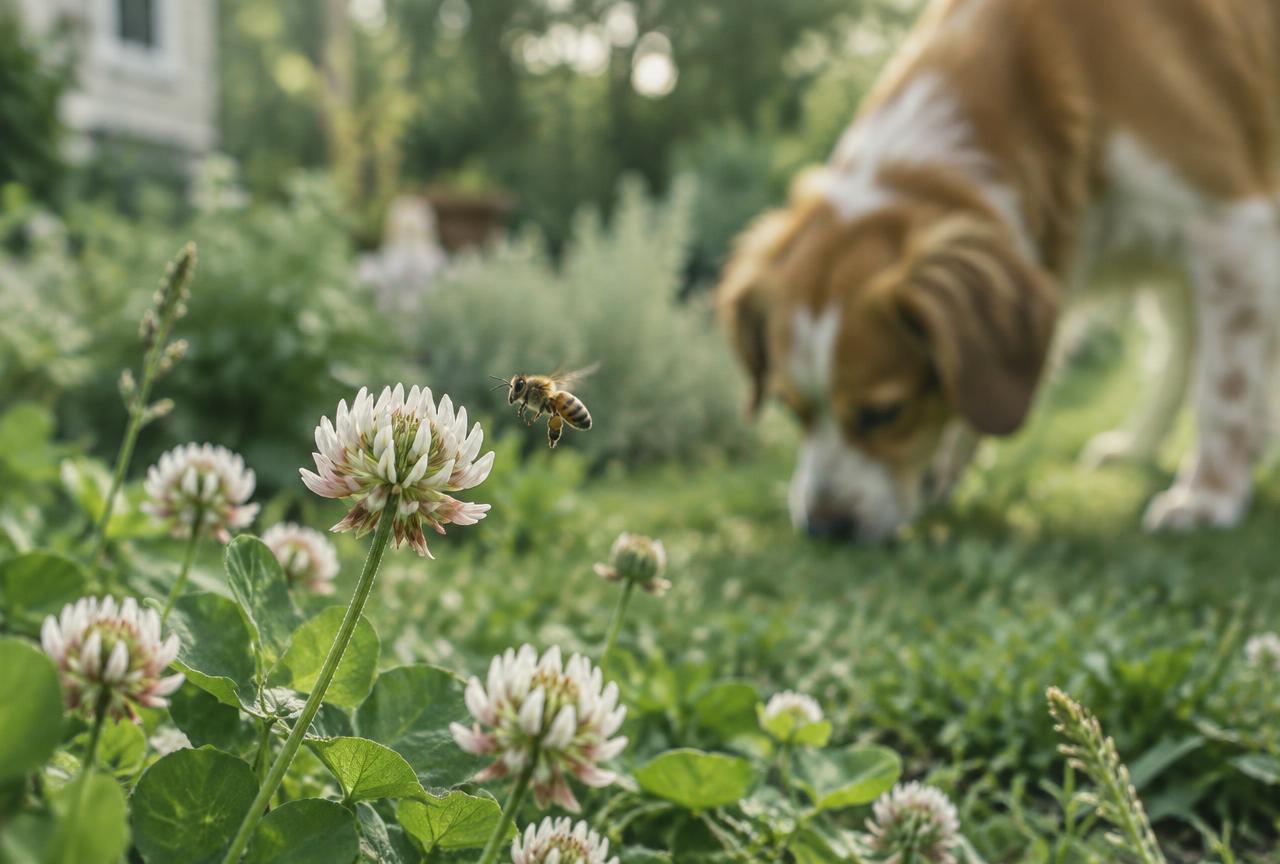
Curious, scent-driven breeds collect more than their share of stings. A Beagle with its nose in a clover patch is doing exactly what its breeding tells it to do, and the occasional swollen muzzle is the occupational hazard. Our bee sting guide covers stings in detail, including what to do in the first minutes.
The emergency signs: learn these now
Go to the nearest vet immediately, without waiting to see how it develops, if a swollen face comes with any of:
- Noisy, laboured or rapid breathing, or any change in how breathing sounds
- Heavy drooling or difficulty swallowing
- Vomiting or diarrhoea appearing with the swelling
- Pale, white or blue-tinged gums
- Weakness, wobbliness or collapse
- Swelling that is visibly spreading while you watch
These signs mean the reaction is involving the airway or the whole body, and the timeline is minutes, not hours. Phone ahead so the clinic is ready, keep your dog calm and cool in the car, and do not offer food or water on the way.

If the swelling came on gradually
A face that has puffed up over days rather than minutes tells a different story. The usual suspects:
- Dental abscess. A broken or infected tooth root causes a firm, often painful swelling below the eye or along the jaw, sometimes with bad breath, drooling or reluctance to eat hard food. This is common, and it needs dental treatment.
- Injury or foreign body. A knock, a bite from another animal, or something embedded (a grass seed, a splinter) can cause a local swelling.
- Salivary gland problems. A blocked or damaged salivary gland can cause soft swelling under the jaw or around the cheek.
- Growths. Lumps on the face or jaw, especially in older dogs, always deserve examination.
Gradual swelling is not an emergency, but it is not a wait-and-forget either: book a vet visit within the week, sooner if your dog is off their food or the swelling is growing. If your dog allows, lift the lip and look: a broken tooth, red gumline or foul smell points the vet in the right direction before you arrive.
What you can do at home (and what not to do)
For a sudden, mild swelling in a bright, breathing-normally dog:
- 1Phone your vet. Describe the swelling, when it started and what your dog was doing. Many mild reactions can be managed with advice over the phone, and the vet will tell you if they want to see the dog.
- 2Photograph it. A photo at first sight gives you and the vet a baseline to judge whether it is spreading.
- 3Check the mouth and skin. Look for a sting site, hives elsewhere, or anything stuck in the mouth, if your dog allows it safely.
- 4Keep them calm and cool. Excitement and heat make swelling look and feel worse.
The "do not" list matters as much:
- Do not give human antihistamines on guesswork. Products vary enormously, some contain decongestants that are dangerous to dogs, and the dose is dog-specific. If your vet has previously recommended a product and dose for your dog, that is different: follow their advice.
- Do not squeeze or probe a sting site or swelling.
- Do not wait overnight with a first-time reaction. Mild at 6pm can be less mild at midnight.
What the vet will do
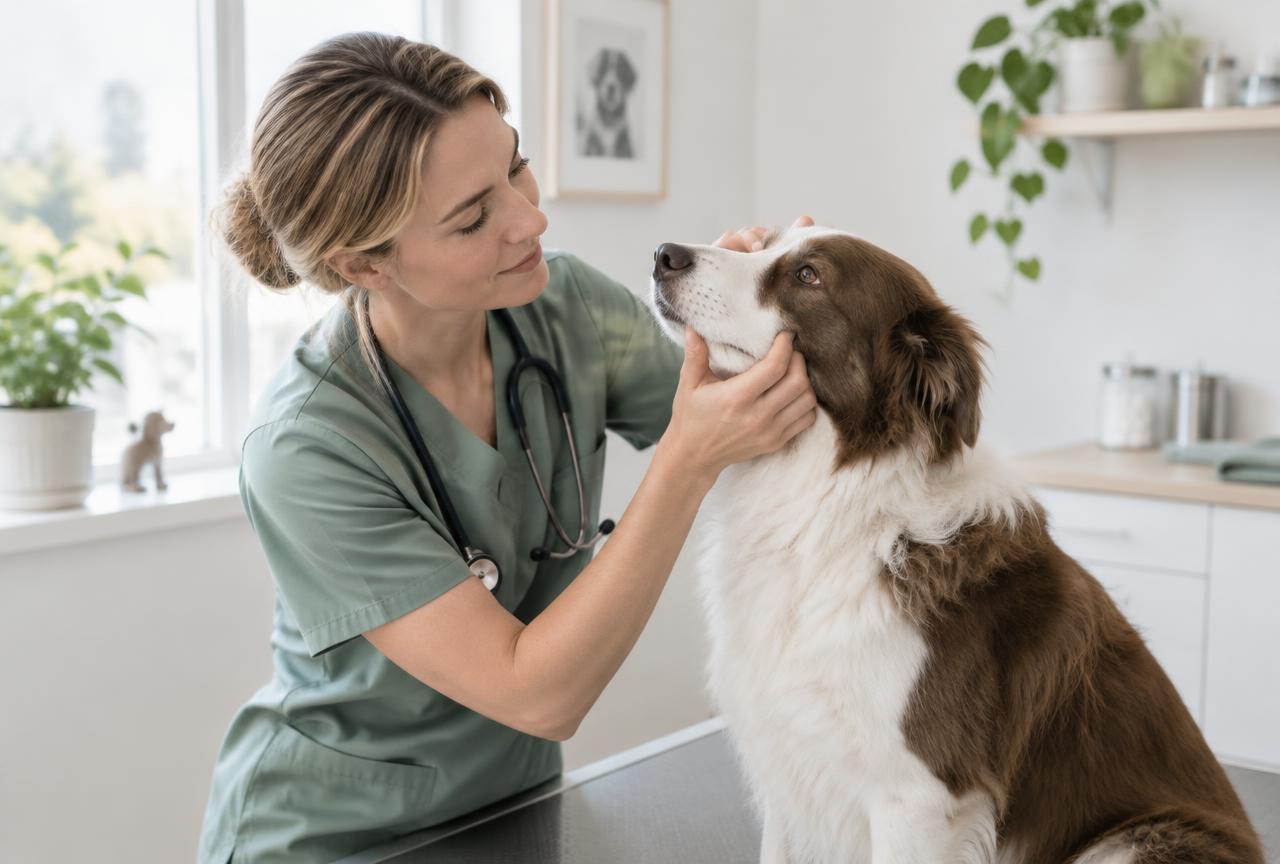
For an allergic reaction, treatment is usually straightforward: an antihistamine or steroid injection, sometimes both, and a period of observation to confirm the swelling has turned the corner. Severe reactions get adrenaline, fluids and hospital care. Most dogs go home the same day, noticeably less puffy, with instructions to watch for a second wave over the next 24 hours.
If the cause turns out to be dental, the vet will examine the mouth, often under sedation or with X-rays, and plan treatment for the tooth. Either way, the pattern is the same: the sooner the dog is seen, the simpler the fix.
For the wider picture on reactions, our dog allergies guide covers food, environmental and contact allergies, and the allergy sorter tool there helps you map the pattern.
Interactive tool
Face swelling triage
Onset, breathing and other signs in, emergency versus monitor out.
What to do
- Sudden facial swelling, even in a bright dog, deserves a same-day call: allergic reactions can escalate.
- Check the mouth for a sting or something stuck, and think back over the last few hours: walks, insects, new foods, chewing.
- Photograph the swelling now so you can show the vet whether it is spreading.
- If breathing changes, the swelling spreads or your dog becomes dull, treat it as an emergency.
Call the vet today
Facial swelling is often an allergic reaction, and allergic reactions can reach the airway. When in doubt, treat it as urgent.
When to see a vet
Emergency, now: any breathing change, heavy drooling, vomiting, pale or blue gums, weakness or collapse, or swelling that is spreading as you watch. Same-day call: any sudden facial swelling, even in a bright dog. This week: gradual or one-sided swelling, especially with bad breath, drooling or a change in eating. A swollen face is one of those problems where the cautious phone call is always the right one.
Sudden vs gradual: the two-minute sort
| Pattern | Most likely cause | Urgency |
|---|---|---|
| --- | --- | --- |
| Sudden, after a walk or garden time | Sting or bite, allergic reaction | Same-day call; emergency if breathing changes |
| Sudden, with hives, vomiting or collapse | Anaphylaxis | Emergency, now |
| Gradual, one-sided, near the eye or jaw | Dental abscess | Vet this week |
| Gradual, soft, under the jaw | Salivary gland problem | Vet this week |
| Slow-growing firm lump | Growth | Vet this week, sooner if changing |
The sting-season checklist
- Know where your nearest out-of-hours vet is before you need it
- Keep your vet's number and the out-of-hours number in your phone
- Photograph any swelling when you first see it
- If your dog has had a reaction before, ask your vet whether to keep a recommended antihistamine at home, with the dose written down
- Teach a solid "leave it": half of stings start with a dog snapping at a bee
The verdict, by situation
Puffy muzzle, bright dog, breathing fine, sting seen or suspected: phone the vet, photograph, watch like a hawk for two hours. Any breathing change, drooling, vomiting, pale gums or wobbliness: emergency, in the car, phone ahead. Slow swelling over days: book a visit, check the mouth if the dog allows, note appetite. Repeat offender dog: ask your vet about a home plan, because reactions can get stronger with repeat exposure.
The face sits next to the airway. That single fact is why every swollen muzzle earns a phone call.
Common myths, cleared up
"Give a Benadryl from the bathroom cabinet." Only with a vet's product and dose for your specific dog; some human products contain decongestants that are dangerous to dogs. "If the dog is eating, it is fine." Appetite is reassuring, not conclusive; reactions can progress in a dog who still wants dinner. "It went down on its own last time." Reactions are not scripted, and a repeat exposure can hit harder than the first.
Snake bites and other regional risks
In parts of the world with venomous snakes, a sudden swollen face or leg after a walk in long grass or rocky ground is a snake bite until proven otherwise. The pattern is a rapid, painful swelling, often with two small puncture marks, plus a dog who becomes dull, wobbly or vomits. This is always an emergency: carry the dog if you can, keep them still and calm, and go straight to the nearest vet, phoning ahead so antivenom and care are ready. Do not cut, suck, ice or bandage the bite, and do not waste time trying to identify or catch the snake; a photo from a safe distance is enough. In the UK, the adder is the one venomous native, and most adder bites happen between spring and autumn when dogs push through undergrowth. Elsewhere, know your local species and your nearest vet before the season starts.
After the vet: the next 48 hours
Most mild reactions go home the same day with instructions to watch. The watching has a point: a second wave of swelling can follow the first, usually within 24 hours. Keep the dog quiet, check the gums and breathing a few times, and compare against the photo you took at the start. If the swelling is clearly shrinking and the dog is bright, the trajectory is right. If it plateaus, spreads, or the dog goes off food or seems flat, phone the vet again. For dogs who have reacted once, ask the vet two questions before you leave: should this dog have a home plan for next time, and is a referral or allergy work-up worthwhile. Repeat reactions can escalate, and a written plan beats a panicked search at 9pm.
The bottom line
Sudden swelling is an allergy until proven otherwise, and allergies near an airway get respect: phone the vet the same day, and treat any breathing change as an emergency. Gradual swelling is a dental or medical question for this week's appointment. Photograph, note the timeline, and let the vet make the call.
Keeping a record that helps the vet
The difference between a vague account and a useful one is a few notes made at the time. When you first spot the swelling, write down the time, photograph the face from the front and both sides, and note what the dog was doing in the hour before: walked where, ate what, chewed what. Add anything else you can see, hives, scratching, vomiting, and whether the swelling is changing while you watch. At the surgery, that thirty-second note turns into a faster diagnosis, and if the reaction happens again, the pattern across episodes is the single most useful thing you can hand a vet. A folder in your phone labelled with the dog's name is enough; the habit matters more than the system.
The bottom line
A swollen face is the kind of problem where the cautious choice is always correct: sudden means a same-day call, breathing changes mean the emergency vet, and gradual means an appointment this week. Photograph it, note the timeline, keep human medicines in the cabinet unless your vet has prescribed them, and let the professionals make the call. Almost every case ends well, and the ones that do not are the ones that waited.
Questions people actually ask
Why is my dog's face swollen on one side?
One-sided swelling usually points to a local cause: a sting or bite on that side, a dental abscess, a salivary gland problem, an injury or, less commonly, a growth. Sudden one-sided swelling after a walk suggests a sting; slow swelling over days suggests a dental or medical cause. Either way, it needs a vet's eyes.
Can I give my dog antihistamines for a swollen face?
Only if your vet has already recommended a specific product and dose for your dog. Human antihistamine products vary widely, some contain decongestants that are dangerous to dogs, and dosing by guesswork is risky. Phone your vet first: they can often advise over the phone for a mild reaction.
How long does a swollen face last after a bee sting?
A mild sting reaction usually peaks within a few hours and settles over 24 to 48 hours. Swelling that keeps spreading, involves the eyes or lips, or comes with vomiting, weakness or breathing changes is not a mild reaction and needs a vet immediately.
Is a swollen face in a dog always an allergy?
No. Allergic reactions are the most common cause of sudden swelling, but dental abscesses, trauma, snake bites, salivary mucoceles, infections and tumours all cause facial swelling too. The speed of onset is the biggest clue: minutes to hours suggests allergy, days suggests something else.
My dog's face is swollen but they seem fine. Should I still call the vet?
Yes, the same day. A bright dog with a swollen muzzle after a probable sting often does fine, but allergic reactions can progress, and you cannot see the throat from the outside. A phone call costs nothing and the vet will tell you whether to come in.
What does the vet do for a swollen face?
For allergic reactions, usually an injection of antihistamine or steroid, plus observation until the swelling clearly turns the corner. Severe reactions may need adrenaline and hospital care. For dental or other causes, the vet will examine the mouth and may recommend X-rays or further tests.
Sources
Breeds mentioned

French Bulldog
A comic, affectionate companion built for city life, but with health needs that demand a careful breeder.

Beagle
A merry, sociable scenthound with a powerful nose and a mind of its own outdoors.

Golden Retriever
A gentle, biddable gundog famed for its patience with children and its glossy golden coat.
Put it into practice
Read next
Dog Dry Heaving: Causes and When It Is an Emergency
Dog dry heaving is usually throat irritation or mild nausea, but repeated unproductive retching with a swollen, tight belly can be bloat (GDV), a life-threatening emergency.


