
Dog Throwing Up White Foam: Causes and When to Worry
White foam vomit is usually stomach fluid on an empty stomach, but repeated foam with other signs can be serious. Here is how to tell the difference.
The SniffScroll desk
Published 10 October 2026
Reviewed against current veterinary guidance
The short version
- A single episode of white foam, especially before breakfast, is usually stomach acid on an empty stomach.
- Repeated foam vomiting, or retching that produces only foam, is a same-day vet call.
- A swollen, painful belly with unproductive retching can signal bloat: an emergency.
- A small late-evening snack often fixes morning foam vomiting.
- Foam with lethargy, pale gums or refusal to eat is never a wait-and-see.
Finding a small puddle of white foam on the kitchen floor is one of the more common dog-owning experiences, and in most cases it is far less alarming than it looks. White foam is usually just stomach fluid: acid, mucus and air. The skill is telling the ordinary empty-stomach episode apart from the handful of situations where foam is a warning sign. This guide walks through both.
What the white foam actually is
When a dog vomits on an empty stomach, there is no food to bring up, so what appears is a mix of gastric acid, mucus and swallowed air, whipped into a white or slightly yellowish foam. It looks dramatic; it is usually mundane. The most common trigger is simply too long between meals, which is why so many of these puddles appear first thing in the morning.
The common, harmless causes
Most white foam episodes trace back to one of these:
- Empty stomach. The classic morning foam. Acid irritates an empty stomach lining and the dog brings up a small amount of fluid.
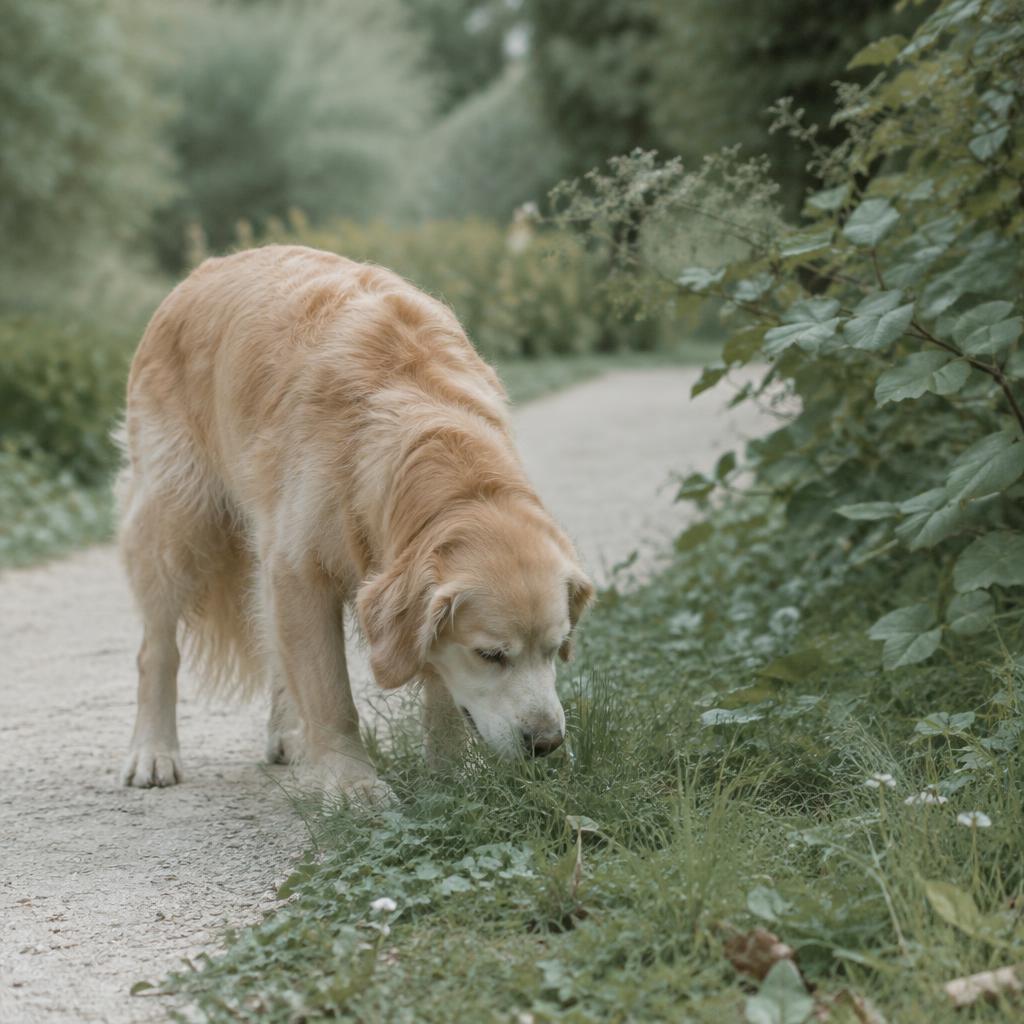
- Grass eating. Many dogs eat grass and bring it straight back up as foamy vomit. Occasional episodes are self-limiting; our guide to why dogs eat grass covers the habit.
- Eating too fast or drinking too fast. Gulped food and water come back up foamy.
- Mild gastritis. A rich treat, a bin raid or a sudden food change can irritate the stomach for a day.
- Kennel cough. A honking cough that ends in a foamy gag is often mistaken for vomiting. If the foam follows coughing fits, read our guide to kennel cough.
The causes that need a vet
A short list of conditions present as foam vomiting and should not be managed at home:
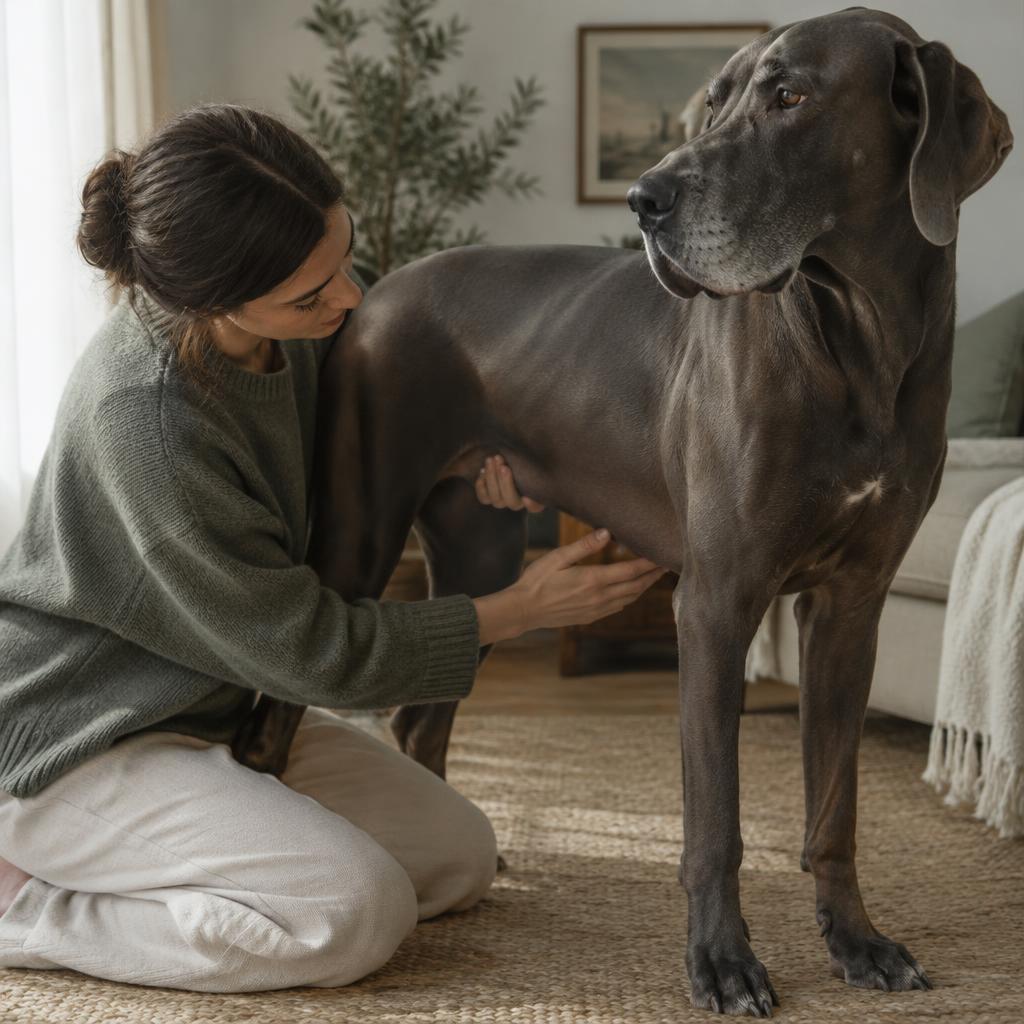
- Bloat (gastric dilatation and volvulus). Repeated retching that produces only foam, a tight or swelling belly, restlessness and drooling. This is a life-threatening emergency, most often in large, deep-chested breeds such as the Great Dane and German Shepherd. Go straight to a vet.
- Pancreatitis. Repeated vomiting of any kind with a painful belly, hunched posture and loss of appetite, often after a fatty meal.
- A blockage. A swallowed toy, bone or sock can cause repeated foamy vomiting with lethargy and refusal to eat.
- Toxin ingestion. Some poisons cause foaming at the mouth and vomiting, alongside wobbliness or tremors.
What to do after a single episode
For one episode in an otherwise bright, hungry dog:
- 1Pick up food for two to three hours to let the stomach settle.
- 2Offer water in small, frequent amounts rather than a full bowl.
- 3Feed a small bland meal: plain boiled chicken or white fish with rice.
- 4If that stays down, return to normal food over the next day.
- 5Note the time, what the foam looked like, and anything the dog ate or did beforehand.
If morning foam is a pattern, the fix is usually simple: a small snack just before bed, so the stomach is not empty all night. Splitting the daily ration into three smaller meals can help too, and our portion calculator keeps the total honest when you do.
Interactive tool
White foam vomit triage
Frequency, timing and other signs in, monitor versus vet out.
What to do
- A single episode of white foam, especially before breakfast, is usually stomach acid on an empty stomach.
- Try a small late-evening snack so the stomach is not empty all night.
- Rerun this triage if it happens again or any other sign appears.
Likely an empty stomach
White foam is usually stomach fluid. Once, on an empty stomach, is common; repeated foam with other signs is not.
The red flags
Treat foam vomiting as a same-day vet call when you see any of these:
- Repeated episodes, or retching with nothing coming up.
- A swollen, tight or painful belly.
- Lethargy, weakness or collapse.
- Pale or grey gums.
- Refusal to eat or drink.
- Blood in the vomit, or vomit that looks like coffee grounds.
- A puppy, senior or dog with an existing condition vomiting repeatedly.
One puddle of foam before breakfast is a scheduling problem. Retching that produces only foam is an emergency.
Foam versus vomit versus regurgitation
Owners use the word vomiting for three different events, and telling them apart helps your vet enormously. True vomiting is active: the dog heaves, the belly contracts, and partly digested food or fluid comes up. Regurgitation is passive: undigested food slides back up shortly after eating, usually in a tube shape, with no heaving at all. Foam on an empty stomach sits in between: a small amount of fluid brought up with some effort, usually first thing in the morning. Note which one you are seeing, and when it happens relative to meals, because that single observation narrows the cause list more than almost anything else.
The empty stomach pattern in detail
Bilious vomiting syndrome, the formal name for the classic morning foam pattern, happens because bile and acid accumulate in an empty stomach overnight and irritate the lining. The dog brings up a small amount of white or yellow-tinged foam, then eats breakfast happily and gets on with the day. The fix is scheduling, not medicine: a small snack just before bed, or splitting the daily ration into three meals with the last one late in the evening. Most dogs improve within a week. If the pattern continues despite the schedule change, or the volume grows, that is the point to book a routine vet appointment rather than adjust further at home.
Foam after grass, exercise or drinking
Three everyday situations produce foamy vomit that worries owners more than it should. Grass eating ends in a foamy return trip for many dogs and is self-limiting as long as it stays occasional. Hard exercise straight after a meal or a big drink can bring food and fluid straight back up, which is why a rest period around meals is worth keeping. And a dog that drains a whole bowl in one go after a hot walk may bring some of it back as foamy water; offering smaller amounts more often solves it. The common thread is a single episode, a bright dog afterwards, and no repetition.
Keeping a useful record
If foam vomiting becomes a recurring theme, a simple log turns a vague worry into something your vet can act on. Note the date and time, what the dog had eaten and when, what the vomit looked like, and how the dog behaved before and after. A phone photo of the vomit, however unglamorous, is genuinely useful evidence. Patterns emerge quickly on paper: always before breakfast, always after grass, always after the same treat. That pattern, plus the log, is often all a vet needs to point you at the right fix.
Puppies, seniors and small dogs
Age and size change the threshold for worry. Puppies dehydrate quickly and their immune systems are still learning the world, so repeated vomiting of any kind in a puppy is a same-day call, not a watch-and-wait. Seniors sit at the other end: an older dog with a new vomiting habit deserves a routine appointment even when each episode seems mild, because the cause list at that age includes kidney disease, liver problems and other conditions that reward early catching. Toy breeds have their own quirk: tiny stomachs and fast metabolisms make them prone to the empty-stomach pattern, and a bedtime biscuit often cures what looks like a mystery illness. Know your dog's baseline, and deviations from it become easy to spot.
The bloat briefing every owner should read once
Bloat deserves its own paragraph because it is the one foam-related emergency where minutes decide outcomes. The stomach fills with gas and can twist on itself, cutting off its own blood supply. The picture is distinctive: a dog that retches repeatedly but produces only foam or nothing, a belly that tightens and swells like a drum, restlessness, drooling, and rapid decline. Large, deep-chested breeds carry the highest risk, and risk rises with age, fast eating and exercise straight after meals. Prevention is mundane but real: two or three smaller meals rather than one large one, a slow-feeder bowl for the gulpers, and a quiet hour around mealtimes. If you ever see the picture, do not finish reading anything: go.
Home care that actually helps
Between the single harmless episode and the emergency sits a band of mild cases where sensible home care is the right response. Rest the stomach for a few hours, keep water available in small amounts, and reintroduce food as a small bland meal. Keep the dog quiet and warm, and resist the urge to offer treats, chews or the leftover roast to tempt them; a resting stomach wants simplicity, not temptation. Most mild cases resolve within a day. The discipline is in the exit criteria: vomiting that continues past 24 hours, returns after seeming to stop, or arrives with any other symptom graduates from home care to the vet, without negotiation.
When the pattern is the message
A single episode is an event; a repeating pattern is a symptom. Foam every morning points to scheduling. Foam after every walk points to grass or exercise timing. Foam with a cough points to the airway, not the stomach. Owners who notice the pattern early usually solve the problem at the cheap end, with a snack, a slower bowl or a routine appointment, rather than at the expensive end.
A note on water after vomiting
A dog that has just vomited often wants to drain the water bowl, and a full bowl on an irritated stomach usually comes straight back up. Offer small amounts frequently instead: a few laps every fifteen minutes settles better than unrestricted access. Once water has stayed down for a couple of hours, the bowl can go back to normal.
Common mistakes owners make
The first mistake is panicking over a single morning puddle and rushing to the emergency vet for what a bedtime biscuit would fix. The second is the opposite: shrugging at repeated episodes because each one seems small, when the pattern itself is the information. The third is feeding a big meal straight after a vomiting episode, which usually produces a second one; the stomach wants a rest, then a small bland offering. And the most serious mistake is waiting with a dog that retches unproductively with a tightening belly, because bloat does not wait with you. Know both ends of the scale and the middle is easy to manage.
When to see a vet
See a vet the same day for any of the red flags above, and immediately for suspected bloat: unproductive retching plus a swelling abdomen is a drop-everything situation. For repeated mild episodes without other signs, book a routine appointment, as chronic morning vomiting can point to acid reflux or another treatable cause. Our broader guide to dog vomiting covers colours, textures and what they mean.
The bottom line
A dog throwing up white foam is usually a dog with an empty stomach, and a bedtime snack is often the whole cure. Learn the red flags, especially the bloat pattern in deep-chested breeds, and you will know exactly when a puddle on the floor is a footnote and when it is a phone call.
Questions people actually ask
Why is my dog throwing up white foam?
The most common cause is stomach acid and mucus on an empty stomach, often first thing in the morning. Other causes include eating grass, mild gastritis, kennel cough (which can end in a foamy gag), acid reflux, and more rarely bloat, pancreatitis or a blockage.
Is white foam vomit an emergency?
One episode in an otherwise bright, hungry dog is usually not. It becomes urgent when the vomiting repeats, when the dog retches but produces only foam, when the belly looks swollen or painful, or when it comes with lethargy, pale gums or refusal to eat.
Why does my dog throw up white foam in the morning?
Overnight the stomach is empty for many hours, and acid can irritate the lining, producing a small amount of white or yellowish foam before breakfast. A small snack just before bed usually solves it. If it continues despite the snack, mention it to your vet.
Can kennel cough cause white foam?
Yes. The harsh, honking cough of kennel cough often ends with the dog bringing up a small amount of white foam or mucus, which owners mistake for vomiting. If the foam follows coughing fits rather than meals, a cough is the more likely explanation.
What should I feed a dog after vomiting foam?
After a single episode, wait a couple of hours, offer small sips of water, then a small bland meal such as plain boiled chicken and rice. If that stays down, return to normal feeding over a day or two. If the vomiting continues, skip home feeding and call the vet.
When is white foam a sign of bloat?
Bloat (gastric dilatation and volvulus) typically shows as repeated unproductive retching, a tight or swollen belly, restlessness, drooling and distress, usually in large, deep-chested breeds. It is a life-threatening emergency: go straight to a vet.
Sources
Breeds mentioned


Put it into practice
Read next
Dog Dry Heaving: Causes and When It Is an Emergency
Dog dry heaving is usually throat irritation or mild nausea, but repeated unproductive retching with a swollen, tight belly can be bloat (GDV), a life-threatening emergency.


