
Kennel Cough in Dogs: Symptoms, Treatment and Contagion
Kennel cough sounds dramatic and spreads fast, but most healthy dogs shake it off with rest. Here is how to recognise it, how long it lasts, and when it turns into something more serious.
The SniffScroll desk
Dog care editors
Published 9 October 2026
Reviewed against RVC, BSAVA and PDSA guidance
The short version
- The classic sign is a sudden, dry, honking cough, often described as sounding like a goose, sometimes ending in a retch.
- Most healthy adult dogs recover with rest alone in one to three weeks.
- Kennel cough spreads easily wherever dogs meet, and an infected dog should stay away from other dogs for about two weeks after symptoms start.
- Puppies, seniors and flat-faced breeds are at higher risk of it developing into pneumonia.
- A vaccine exists and is worth discussing with your vet if your dog attends kennels, daycare or classes.
Kennel cough is the common cold of the dog world: wildly contagious, usually harmless, and capable of producing a noise alarming enough to ruin your night's sleep. The technical name is canine infectious respiratory disease complex, which tells you the important thing straight away: it is not one bug but a team of viruses and bacteria that often arrive together.
Most healthy adult dogs need nothing more than rest and time. But because the same cough can occasionally signal something more serious, it is worth knowing what you are listening to.
What kennel cough actually is
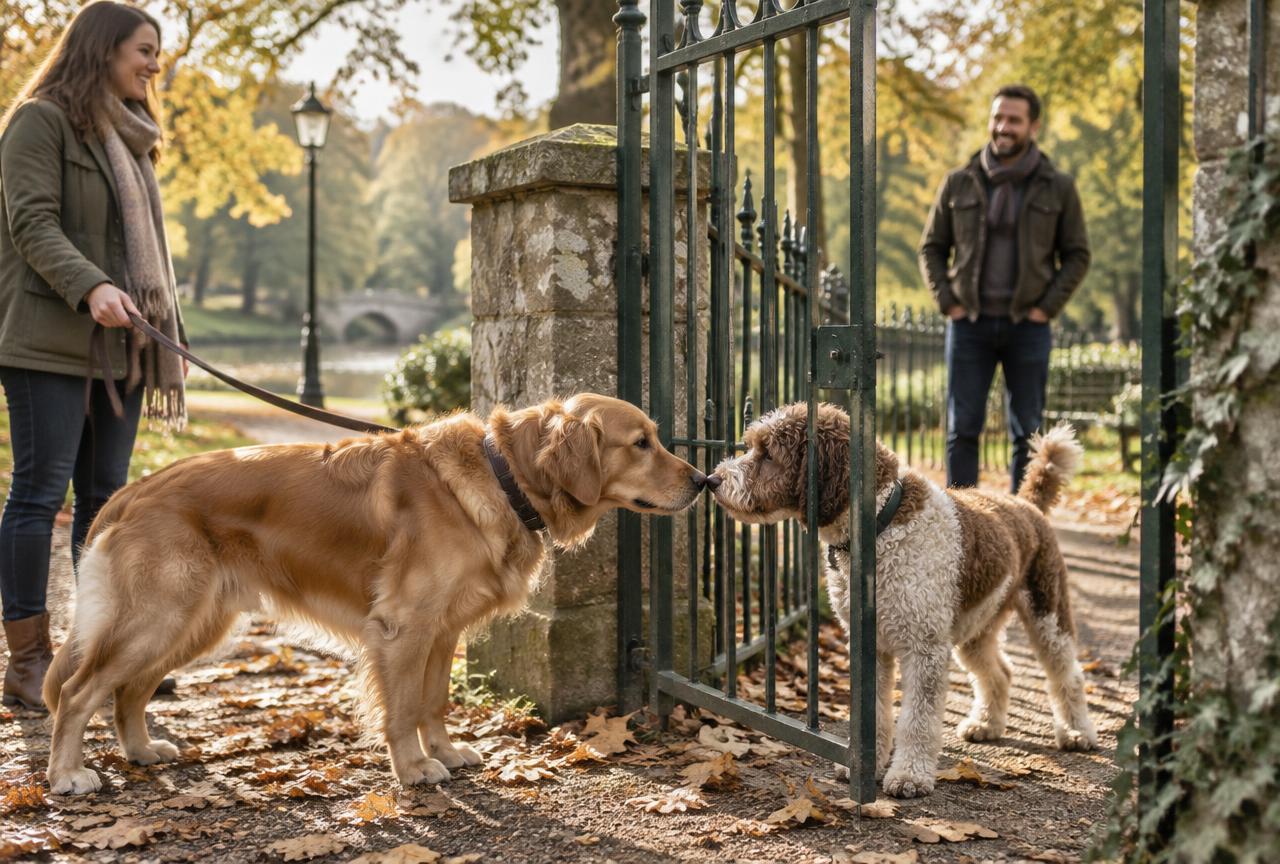
The main players are the bacterium Bordetella bronchiseptica and several viruses, including canine parainfluenza and canine adenovirus. They damage the lining of the windpipe and airways, which is what produces the characteristic cough. Dogs catch it through the air, through shared water bowls and toys, and through nose-to-nose contact, which is why it sweeps through kennels, daycares, training classes and busy dog parks.
The name is unfair to kennels, incidentally. Anywhere dogs gather will do.
The symptoms, in order of appearance
Symptoms typically appear three to ten days after exposure:
- 1A sudden, dry, honking cough, often compared to a goose. This is the hallmark.
- 2Retching or gagging at the end of a coughing bout, sometimes producing white foam.
- 3Coughing triggered by excitement, exercise, or gentle pressure on the throat.
- 4A mildly runny nose or eyes in some dogs.
- 5In most cases, nothing else: the dog eats, plays and acts normally.
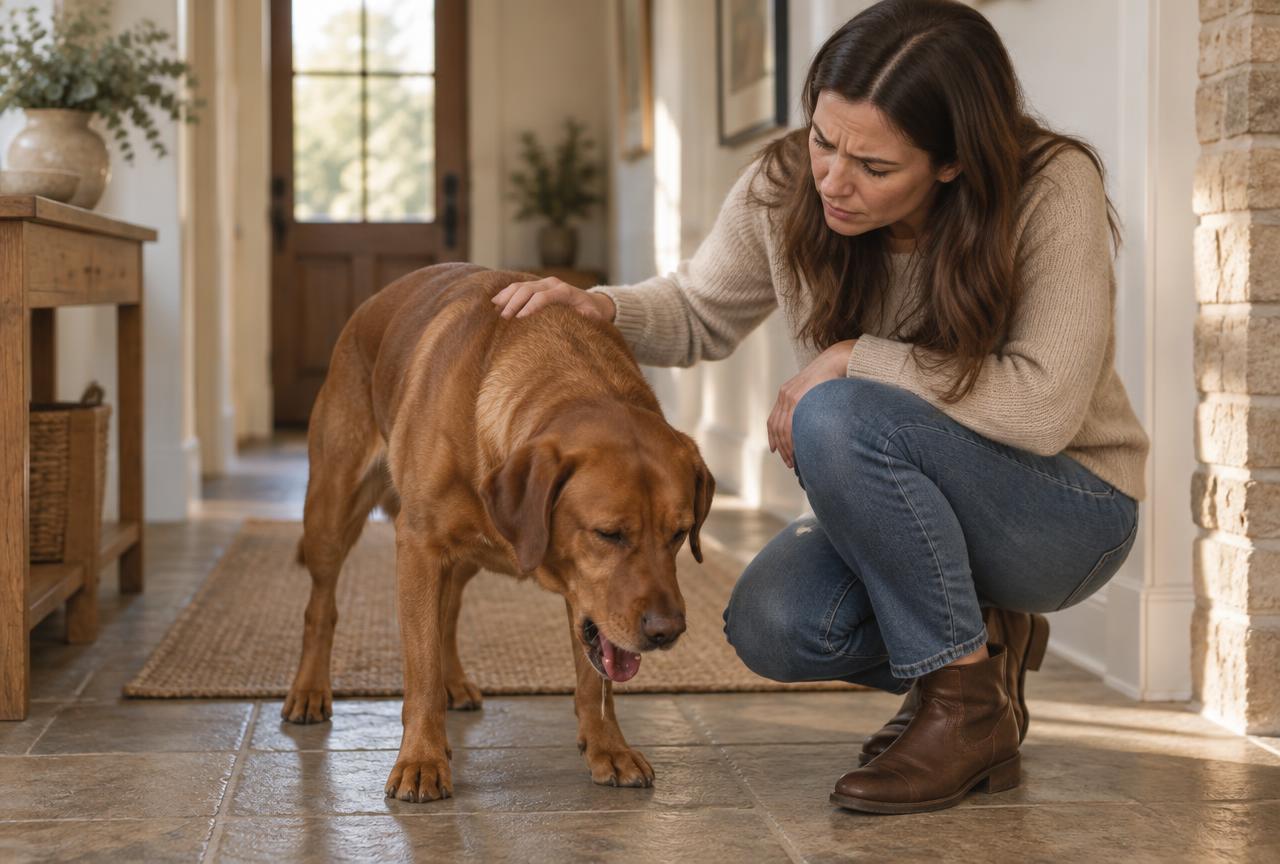
That last point matters. A dog with classic kennel cough is usually bright and well in themselves. A coughing dog that is also flat, feverish or off its food is a different, more urgent picture.
How long it lasts and how to help at home
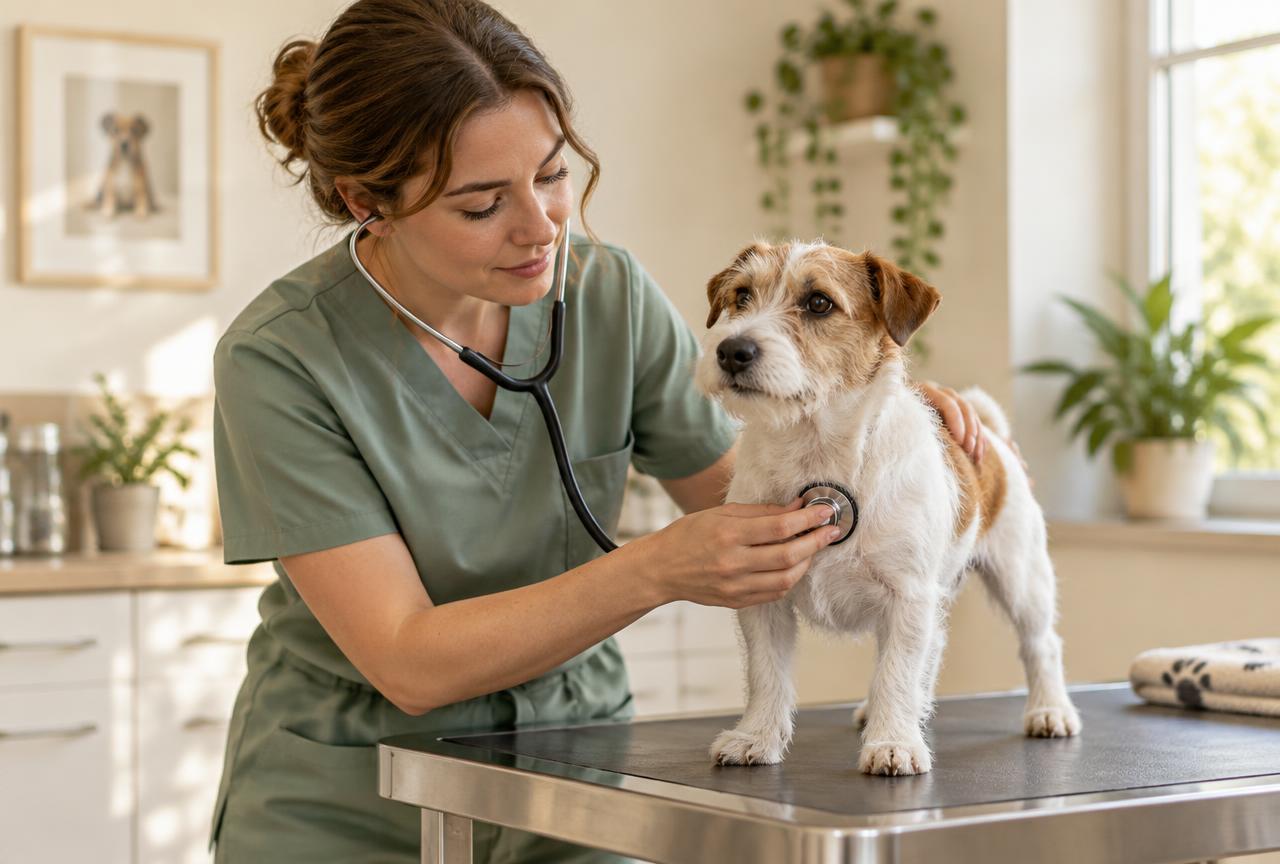
Most cases resolve in one to three weeks. The home-care checklist is short but genuinely useful:
- Swap the collar for a harness so nothing presses on the windpipe.
- Rest: no long walks, no rough play, no excitement if you can help it.
- Keep the dog away from smoke, aerosols and dusty rooms.
- Encourage drinking; some vets suggest a little honey in warm water to soothe the throat.
- Keep the dog warm and give them a quiet place to sleep away from other pets.

Kennel cough treatment is mostly a test of the owner's patience. The dog feels fine; it is the noise that is exhausting.
Vets sometimes prescribe anti-inflammatories or cough suppressants for comfort, and antibiotics if a secondary bacterial infection is suspected. Antibiotics do not touch the viral part, which is why they are not automatic.
How contagious is it, really?
Very. An infected dog can spread the bugs from before symptoms appear until roughly two weeks after they start, sometimes longer. During that window:
- No dog parks, daycare, training classes or grooming appointments.
- Walk in quiet areas, on a lead, away from other dogs.
- Do not share bowls, toys or beds with other dogs.
- Tell anyone your dog met recently, so they can watch their own dog.
If you have other dogs at home, separate them as much as is practical and wash your hands between handling them. Many householdmates will already have been exposed by the time the first cough appears, but separation still reduces the dose.
Not sure it is kennel cough?
A honking cough after recent dog contact is fairly distinctive, but a few other conditions sound similar, including a foreign body in the throat, a collapsing trachea (common in toy breeds), and heart disease in older dogs. The checker below weighs the sound, the history and the warning signs.
Interactive · cough checker
Does this sound like kennel cough?
Describe the cough and the circumstances, and we will suggest how urgently it needs attention.
Likely kennel cough, book a vet check
A dry, honking cough after recent contact with other dogs is the classic kennel cough picture. Keep your dog away from others and book a check-up.
When it becomes serious
In puppies, seniors, flat-faced breeds like Pugs and French Bulldogs, and dogs with existing health problems, kennel cough can descend into the lungs and become pneumonia. Treat these signs as a prompt vet visit:
- Fever, shivering or marked lethargy
- Loss of appetite
- Faster or laboured breathing between coughing bouts
- A moist, productive cough
- A cough that is still worsening after a week rather than plateauing
The vaccine question
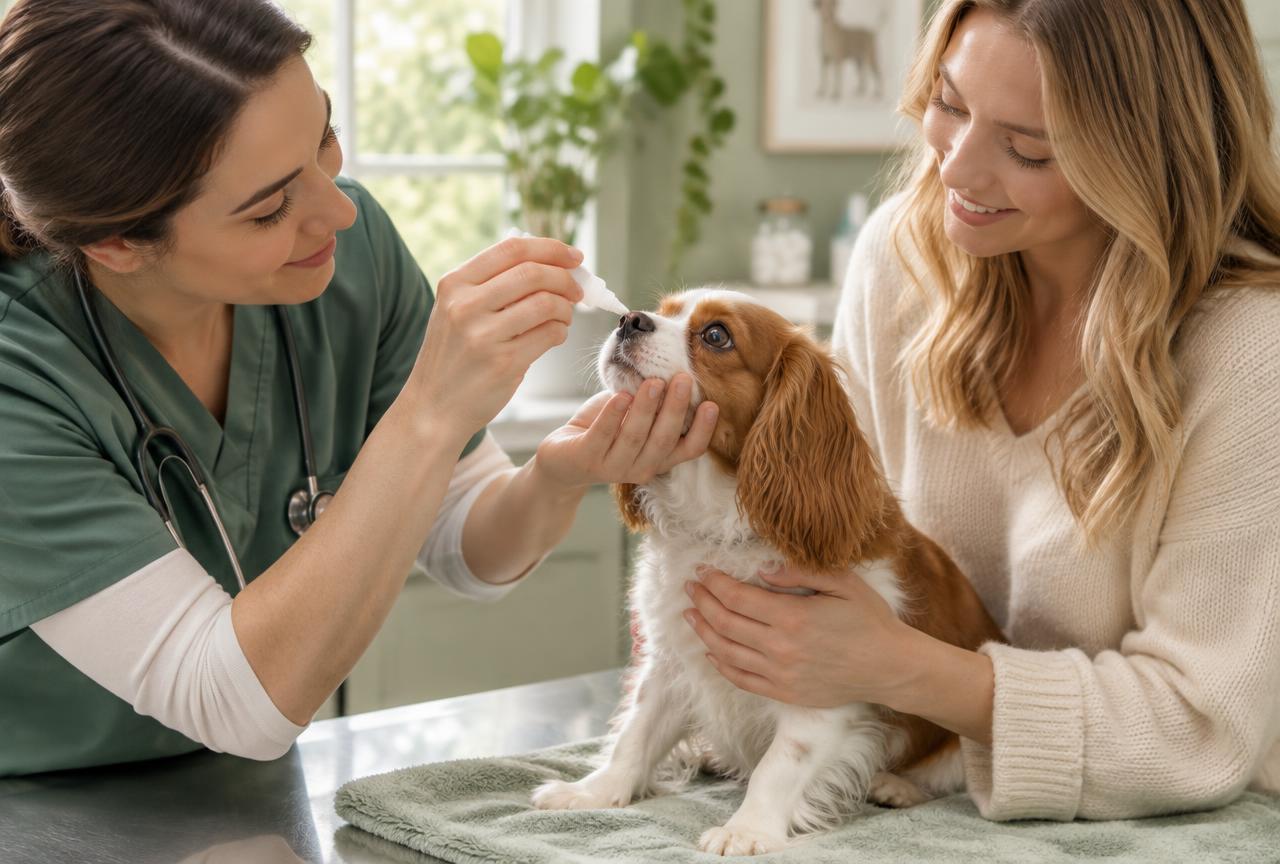
There is a vaccine covering Bordetella and the main viral players, given as nose drops or an injection. It does not prevent every case, because kennel cough is a complex rather than a single germ, but vaccinated dogs typically get a milder, shorter illness. If your dog boards, attends daycare, or goes to classes, most kennels will require it anyway, usually at least two weeks before the stay.
For a healthy adult dog that mostly walks solo, it is a judgement call to make with your vet. For a social butterfly, it is close to a no-brainer.
Kennel cough or something else?
A cough is a symptom, not a diagnosis, and several conditions can sound alike. This table is a guide to the conversation with your vet, not a replacement for it.
| Condition | Typical cough | Other clues |
|---|---|---|
| --- | --- | --- |
| Kennel cough | Harsh, dry, honking, in bouts, may end in a retch | Recent kennels, daycare or classes; dog otherwise bright |
| Collapsing trachea | Goose-honk, worse with excitement or collar pressure | Small and toy breeds, often middle-aged, ongoing for months |
| Heart disease | Soft, often at night or after rest | Older dog, tiring on walks, faster breathing at rest |
| Lungworm | Persistent cough | Slug or snail contact, bruising, nosebleeds, tiredness |
| Pneumonia | Moist, productive cough | Fever, off food, lethargic, fast breathing |
| Something stuck | Sudden, repeated gagging | Started during play or eating, pawing at the mouth |
The two that should not wait are lungworm and pneumonia. Lungworm, carried by slugs and snails and spreading across the UK, can interfere with blood clotting. Pneumonia can follow kennel cough in puppies, seniors and flat-faced breeds such as the Pug and French Bulldog. If your dog has a cough and is also quiet, off food or breathing fast, call the vet that day.
A dog with kennel cough usually sounds terrible and feels fine. A dog that sounds mild but feels terrible is the one to worry about.
Your recovery plan, day by day
Most uncomplicated cases settle within one to three weeks. The aim is to rest the airway, limit spread and spot complications early.
- 1Day 1: call your vet to describe the cough; many will advise by phone and ask you to arrive without entering the waiting room. Cancel daycare, grooming and classes.
- 2Days 1 to 7: switch from collar to harness so nothing presses on the windpipe. Keep walks short, on lead and away from other dogs.
- 3Throughout: run a humidifier or let your dog sit in a steamy bathroom for ten minutes, which can loosen secretions. Avoid smoke, aerosols and dusty bedding.
- 4Feed softened food if swallowing seems uncomfortable, and keep fresh water easy to reach.
- 5Check breathing at rest each evening. A sleeping dog normally takes fewer than 30 breaths a minute. More than that, or effortful breathing, needs the vet.
- 6Wait for two weeks after the cough stops before returning to group settings, as many dogs continue shedding infection.
Prevention checklist for social dogs
- Discuss the intranasal or injectable kennel cough vaccine with your vet, ideally two to three weeks before boarding
- Keep core vaccinations, including canine parainfluenza and distemper, up to date
- Use your own water bowl rather than communal ones in parks and cafés
- Choose daycares and kennels that require vaccination records and ventilate well
- Keep coughing dogs at home and tell people who have been in contact
- Use a harness for dogs with sensitive airways or a history of tracheal problems
If you are weighing up which dog suits a busy social life, the breed matchmaker includes sociability, and our guide to travelling with a dog covers boarding alternatives.
The verdict, by household
Healthy adult, bright and eating: rest, harness, humidity and isolation from other dogs. Phone your vet if it lasts beyond two to three weeks.
Puppy, senior or flat-faced breed: call the vet early; complications are more likely.
Any dog off food, lethargic or breathing fast: same-day appointment.
Booking kennels soon: vaccinate in good time; protection is not instant.
When to call your vet
Call the same day for a cough with fever, lethargy, reduced appetite, green nasal discharge, fast or laboured breathing, or coughing up blood. Call urgently if gums look pale or blue, or your dog collapses. Seek advice for any cough lasting more than three weeks, any cough in a dog with known heart disease, and any cough in a young puppy.
Kennel cough myths, checked
| Myth | What the evidence says |
|---|---|
| --- | --- |
| Only dogs from kennels get it | Any place dogs meet, from parks to classes, can spread it |
| The vaccine guarantees protection | It reduces risk and severity but covers only some of the organisms involved |
| Antibiotics cure it | Most cases are viral or self-limiting; antibiotics are reserved for specific situations |
| A coughing dog can still go to daycare | Coughing dogs should stay home to protect others |
| It is always mild | Usually, but puppies, seniors and flat-faced breeds can develop pneumonia |
Honest expectations make recovery easier: a noisy fortnight, a quiet dog and patience usually do the job.
Questions people actually ask
What does kennel cough sound like?
The classic kennel cough is a harsh, dry, honking cough, often compared to a goose honk. It frequently comes in bouts and may end with a retch or gag, as if the dog is trying to bring something up. Excitement or pressure on the throat from a collar often triggers a bout.
How long does kennel cough last?
Most cases improve within one to three weeks with rest. The cough can linger for a little longer, especially after exercise or excitement. If the cough is not clearly improving after two weeks, or your dog becomes unwell in other ways, go back to the vet.
Is kennel cough contagious to humans or cats?
Kennel cough is highly contagious between dogs but is not considered a risk to healthy humans. The main bacterium involved, Bordetella bronchiseptica, can very occasionally infect cats or people with severely weakened immune systems, so sensible hygiene and keeping the dog away from vulnerable individuals is wise.
How is kennel cough treated?
Most healthy dogs need only rest, a harness instead of a collar, and time. Vets may prescribe anti-inflammatories or cough suppressants for comfort, and antibiotics if a secondary bacterial infection is suspected. Keep the dog away from smoke, dust and other dogs while recovering.
Can my vaccinated dog still get kennel cough?
Yes. Kennel cough is caused by several different viruses and bacteria, and the vaccine covers the most important ones, not all of them. Vaccinated dogs can still catch a milder, shorter version. Kennels and daycares usually require the vaccine because it meaningfully reduces spread and severity.
When is kennel cough serious?
Seek prompt veterinary care if your dog develops a fever, stops eating, seems lethargic, breathes faster or with effort, or if the cough becomes moist and productive. These signs suggest the infection has moved into the lungs, which is pneumonia and needs treatment.
How long is kennel cough contagious for?
Dogs can spread kennel cough from shortly before symptoms start until several weeks afterwards, and some organisms are shed for longer. A sensible rule is to keep your dog away from other dogs while coughing and for around two weeks after the cough stops. Ask your vet for advice specific to your dog.
Can humans catch kennel cough from dogs?
It is very rare. One of the bacteria involved, Bordetella bronchiseptica, has occasionally caused illness in people with weakened immune systems. For most healthy people the risk is negligible, but sensible hygiene such as hand-washing after handling a coughing dog is worthwhile, especially in homes with vulnerable people.
Sources
- Kennel cough, PDSA
- Canine infectious respiratory disease, VCA Animal Hospitals
- Kennel cough advice, Blue Cross
- Canine infectious tracheobronchitis, MSD Veterinary Manual
- Lungworm in dogs, BSAVA / Be Lungworm Aware
- Canine infectious respiratory disease complex, MSD Veterinary Manual
Breeds mentioned

Cavalier King Charles Spaniel
An affectionate, adaptable toy spaniel that thrives on human company above almost anything else.

Pug
A charming, people loving companion whose flat face demands honest, careful ownership.

French Bulldog
A comic, affectionate companion built for city life, but with health needs that demand a careful breeder.

Labrador Retriever
Britain's most popular family dog: biddable, food driven and built for an active household.
Put it into practice
Read next
Dog Dry Heaving: Causes and When It Is an Emergency
Dog dry heaving is usually throat irritation or mild nausea, but repeated unproductive retching with a swollen, tight belly can be bloat (GDV), a life-threatening emergency.


