
Dog Constipation: Causes, Home Remedies and When to Worry
Straining, hard pellets or nothing at all for two days? Here is how to help a constipated dog safely at home, and the signs that mean the vet instead.
The SniffScroll desk
Published 10 October 2026
Reviewed by the SniffScroll editorial team
The short version
- Most constipation is caused by too little water, fibre or exercise and resolves at home within a day or two.
- Water, a proper walk and plain pumpkin are the home remedies with real evidence behind them.
- Never give human laxatives or home enemas, and never pull on anything protruding from the rectum.
- No stool for 48 to 72 hours, straining with no result, vomiting or a bloated belly all mean the vet.
Most dogs pass a stool once or twice a day, so when nothing has appeared for 48 hours, or your dog is squatting and straining with little to show for it, constipation is the likely culprit. The good news is that most cases are mild, caused by too little fibre, too little water or too little exercise, and they resolve at home within a day or two. The important skill is knowing which cases are simple and which are a sign of something stuck, sore or serious.
This guide covers the common causes, the home remedies that genuinely help, the ones to avoid, and the point at which a constipated dog needs a vet rather than another spoonful of pumpkin.
What counts as constipation in dogs?
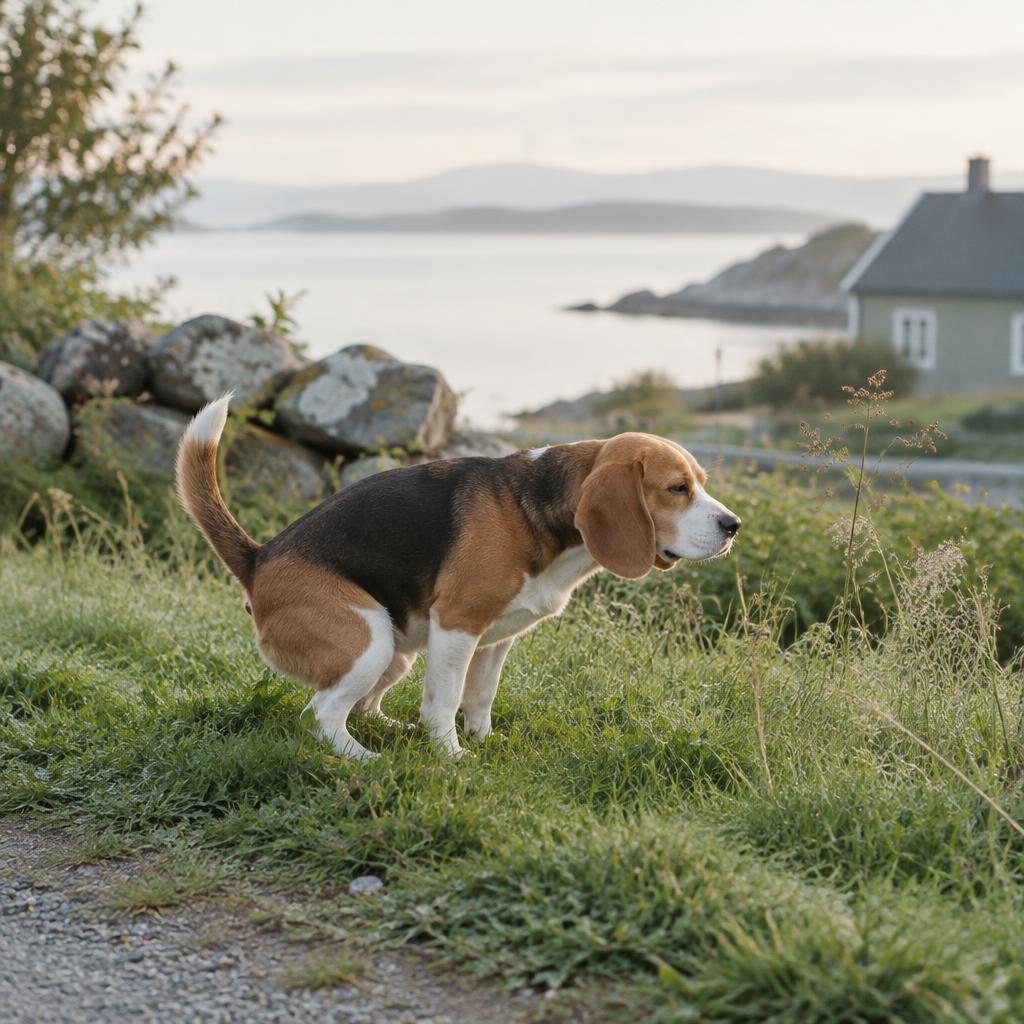
Constipation means infrequent, difficult or incomplete passing of stools, and in practice it looks like a dog who strains, produces small hard pellets, or goes more than two days without a bowel movement.
A healthy dog on a consistent diet is remarkably regular. Most pass one to three stools a day, formed but not rock hard, and easy to pick up. When that rhythm breaks, you will usually see the signs before you count the days: repeated squatting, circling without producing anything, small dry crumbly stools, or a dog who seems uncomfortable and keeps looking at their back end.
Occasional mild constipation is common and usually harmless. Constipation that keeps returning, or that comes with vomiting, pain or lethargy, is a different matter and deserves proper investigation.
The common causes, from diet to disease
The commonest causes of constipation in dogs are dehydration, too little dietary fibre, too little exercise and swallowing things that do not digest, though pain, medication and illness can all slow the bowel down too.
Understanding the cause matters because the fix follows from it. The main groups:
- Diet and water. A dog eating mostly dry food and drinking little is the classic setup. Bones are a frequent offender: they produce hard, chalky, difficult stools. Too little fibre, or a sudden diet change, can also slow things down.
- Swallowed material. Hair from overgrooming, chewed fabric, bits of toy or clumps of grass can form a mass the bowel struggles to move.
- Too little exercise. Movement stimulates the gut. Dogs confined after surgery, elderly dogs and dogs walked less in bad weather often slow down at both ends.
- Pain. Arthritis in the hips or spine makes the squatting posture uncomfortable, so the dog avoids going. Anal gland problems can make passing stool sore too. Our guide to why dogs scoot covers that side of things.
- Medication and illness. Some painkillers, antihistamines and iron supplements slow the bowel. So do underactive thyroid, kidney disease, enlarged prostate in older males, and neurological problems.
- Blockage. A swallowed object, a tumour, or a narrowed pelvis after an old fracture can physically obstruct the bowel. This is the cause you must not miss.
Home remedies that actually help
For a bright, comfortable dog who has simply gone a day or two without a stool, extra water, a walk and a spoonful of plain pumpkin are the home remedies with real evidence and long track records behind them.
Start with the basics before reaching for anything stronger:
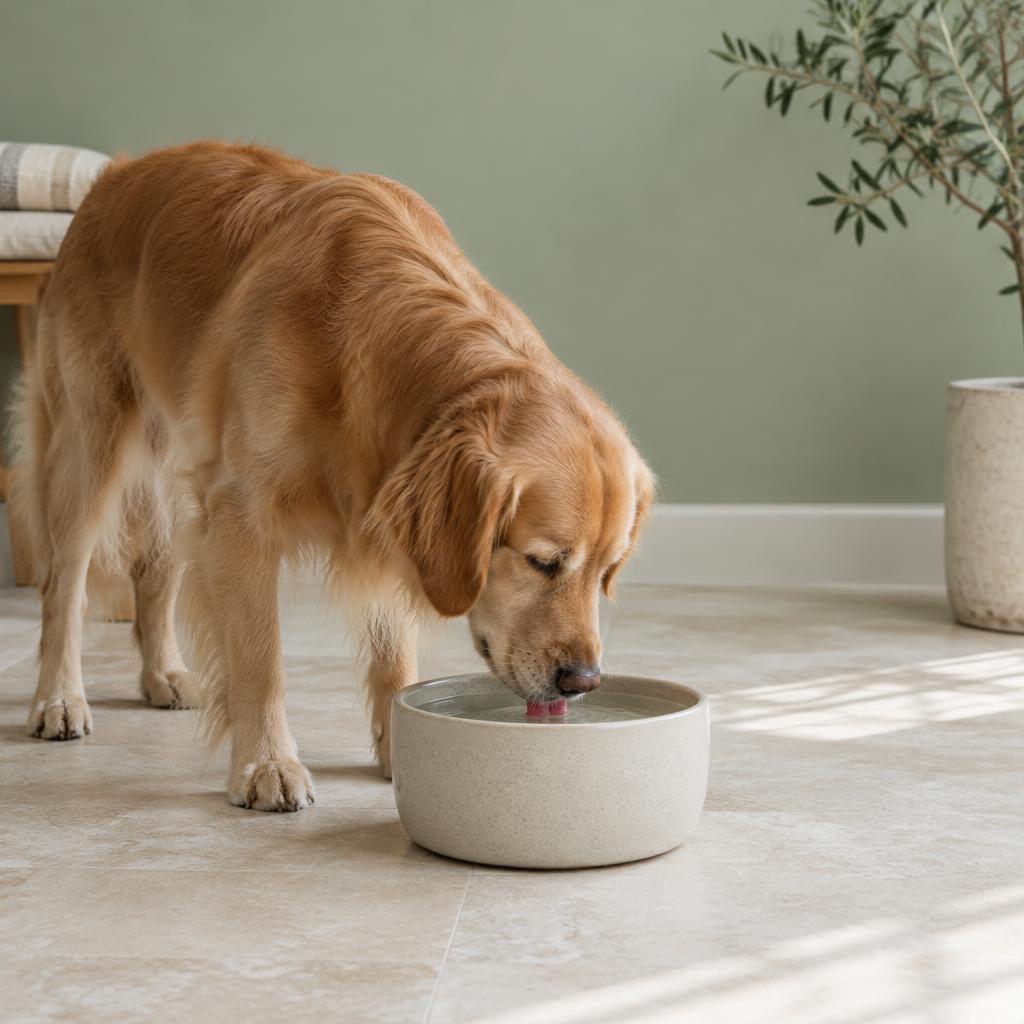
- 1Water first. Check the bowl is fresh and full. Add water to meals, offer ice cubes, or mix a little water into wet food. Many mildly constipated dogs are simply dry.
- 2A proper walk. Not a quick garden trip but a genuine 20 to 30 minute walk. Exercise is one of the most reliable ways to get things moving, and it often works within the hour.
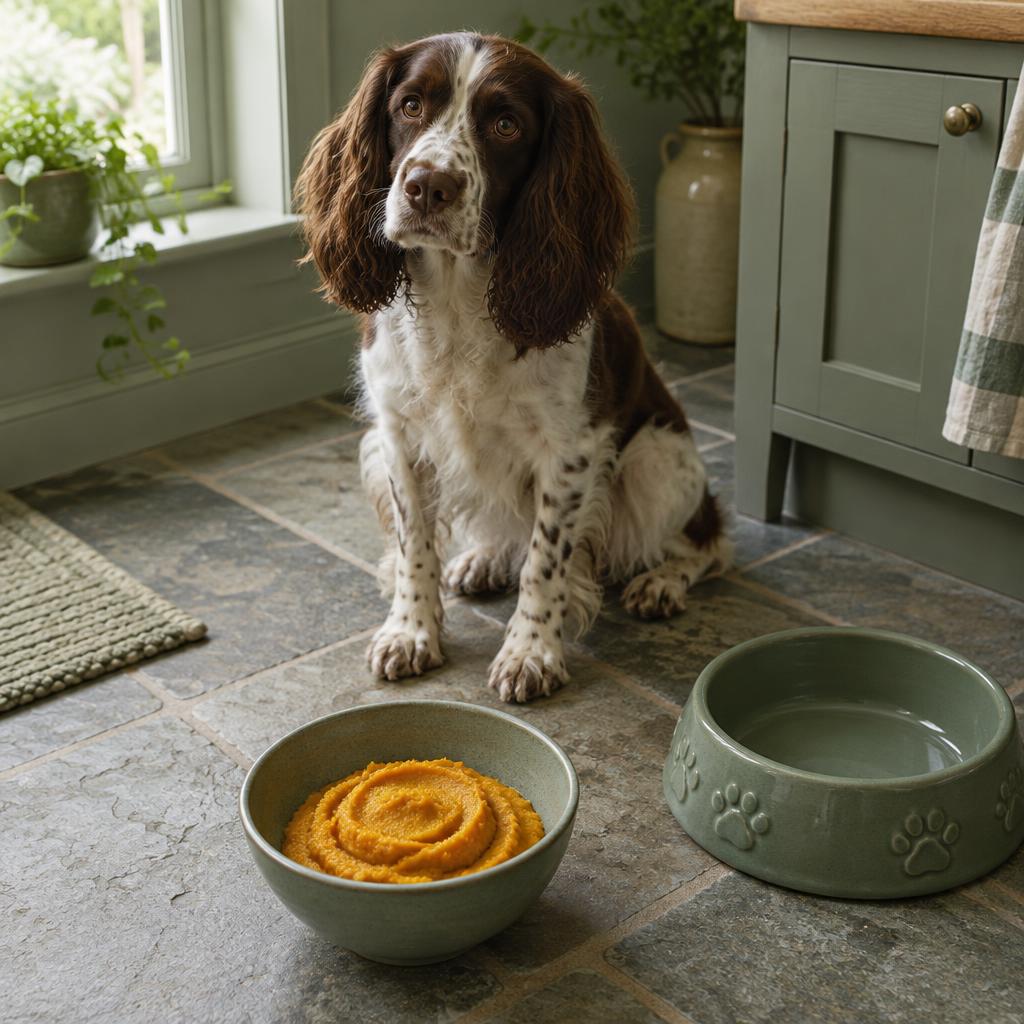
- 3Plain pumpkin. One to two teaspoons of plain cooked or tinned pumpkin (not pie filling) per 5 kg of body weight, mixed into food, adds gentle soluble fibre. Tinned pumpkin keeps for days in the fridge.
- 4A little extra fibre. A spoonful of cooked green beans or a sprinkle of psyllium husk (a quarter teaspoon per 5 kg, mixed well into wet food with extra water) can help repeat offenders.
- 5Review the diet. If bones, chews or a very low-fibre food are in the picture, remove them and see whether things settle.
What not to do at home
Never give a constipated dog human laxatives, enemas or milk of magnesia, and never pull on anything protruding from the rectum; these well-meant interventions cause real harm.
A few specific warnings:
- Human laxatives such as senna or bisacodyl can cause cramping, dehydration and dangerous electrolyte shifts in dogs.
- Home enemas are genuinely risky. The rectum tears more easily than people expect, and some enema solutions are toxic to dogs. Enemas are a vet procedure.
- Do not pull on string, thread or hair emerging from the back end. It may be wrapped around something further up; pulling can saw through the gut wall. Snip what is visible and see the vet.
- Do not wait too long. Home care is for the dog who is otherwise well. A dog who is vomiting, bloated, crying or refusing food needs the vet today, not pumpkin tomorrow.
How long is too long?
A dog who has passed no stool for 48 to 72 hours, or who is straining repeatedly with nothing coming out, should see a vet even if they seem otherwise well.
Use this as a rough guide:
| Situation | Sensible response |
|---|---|
| --- | --- |
| One missed day, dog bright and eating | Water, walk, pumpkin, watch |
| 48 hours with no stool | Vet appointment within a day |
| Straining hard, producing nothing | Vet the same day |
| Vomiting, bloated belly, pain or lethargy | Emergency vet now |
| Blood in or around the stool | Vet the same day |
| Known to have swallowed a bone, toy or fabric | Vet promptly, even before signs |
Interactive · constipation checker
How urgent is your dog's constipation?
Answer five quick questions about the last few days. We will suggest whether home care is sensible or how quickly your dog needs a vet.
What to do now
- Offer fresh water and add a little water to meals; many mild cases are simple dehydration.
- Take a proper 20 to 30 minute walk; exercise is the most reliable way to get things moving.
- Add one to two teaspoons of plain cooked pumpkin per 5 kg of body weight to the next meal.
- Never give human laxatives or home enemas; both can seriously harm dogs.
Mild constipation: home care is reasonable
This is a guide, not a diagnosis. If your dog seems painful, bloated or unwell at any point, skip the home care and phone the vet.
What the vet will do
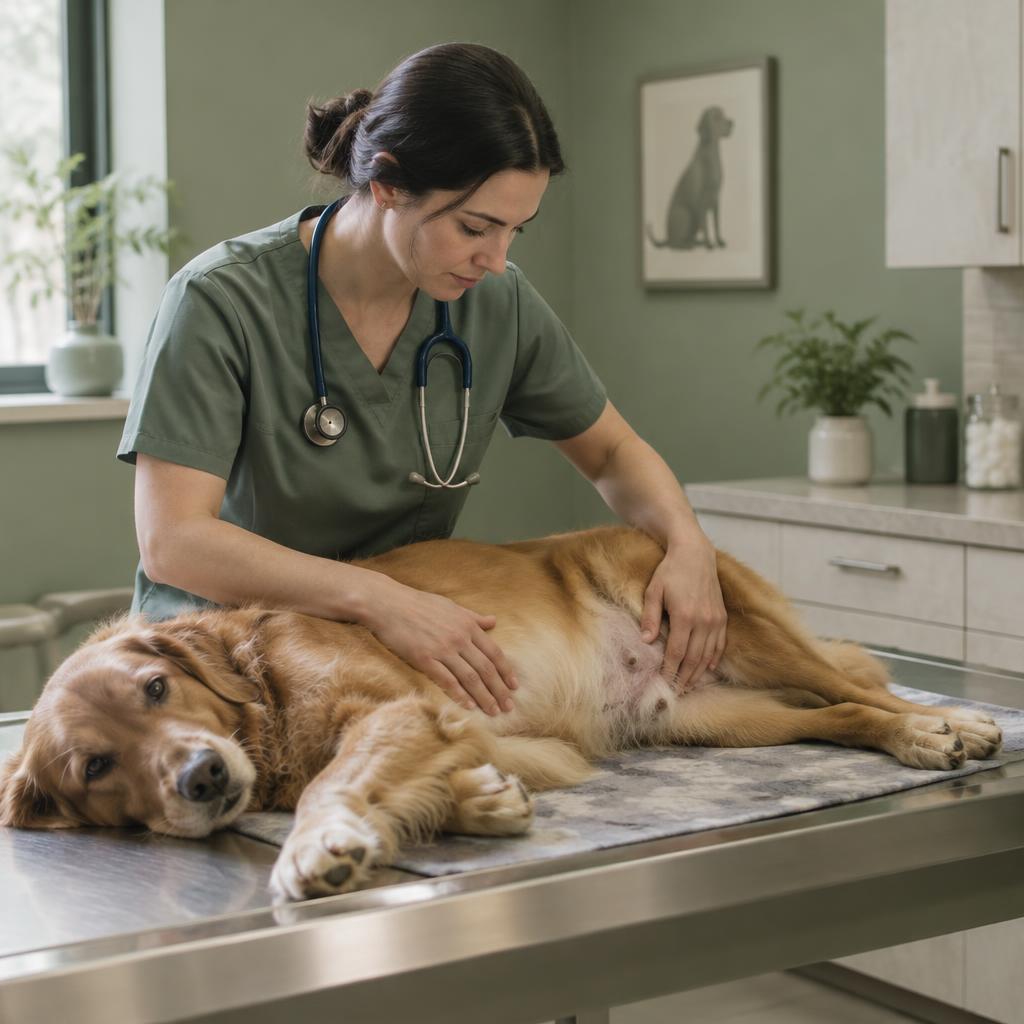
At the surgery, the vet will feel the abdomen, check the rectum and prostate, and usually take an X-ray to see how full the bowel is and whether anything is blocking it.
Treatment depends on what they find. Mild cases get a dog-safe laxative or a stool softener and dietary advice. A packed colon may need an enema under sedation, which is quick and very effective. Dehydrated dogs get fluids, which alone often gets things moving. If a foreign body or mass is the cause, surgery may be needed, which is exactly why the wait-and-see approach has limits.
Preventing the next episode
Most constipation is preventable with three habits: constant fresh water, daily exercise, and a consistent, decent-quality diet with sensible fibre.
A simple prevention checklist:
- Fresh water always available, refreshed daily
- A real walk every day, whatever the weather
- A consistent complete food; change diets gradually over a week
- No cooked bones, ever, and care with weight-bearing raw bones
- Regular grooming so swallowed hair does not build up
- Keep toys, socks and fabric out of reach of chewers
- For senior dogs, raised feeding positions and non-slip flooring make squatting less painful
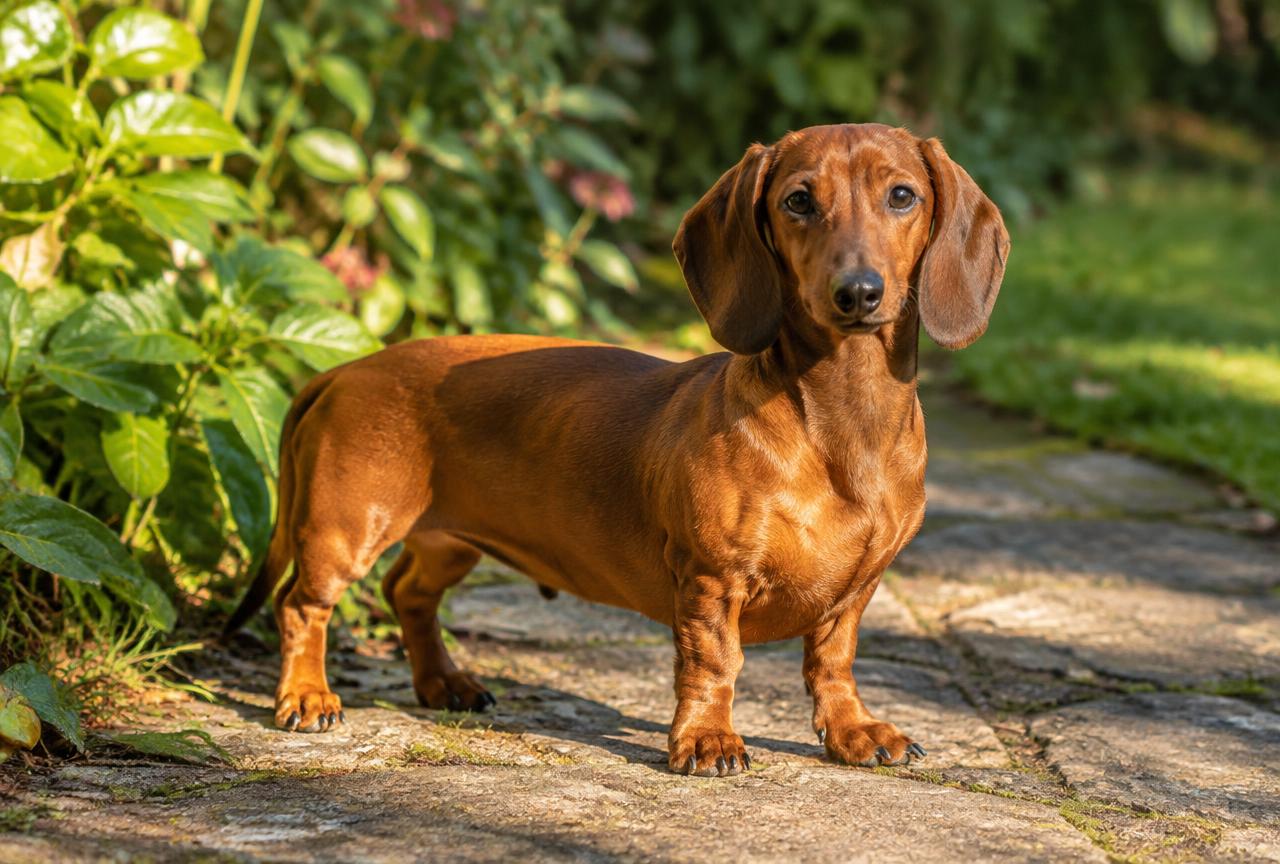
Breeds with long backs and short legs, and seniors of any breed, benefit most from the routine. If your dog is getting older, our piece on how long dogs live covers the wider picture of senior care.
Constipation in puppies, seniors and after surgery
Puppies, senior dogs and dogs recovering from surgery are the three groups most prone to constipation, and each needs a slightly different approach.
Puppies rarely become truly constipated, so a puppy who strains should be seen promptly; worms, swallowed objects and congenital problems are higher on the list than in adults. Keep the worming schedule up to date and treat any straining in a young puppy as a vet question, not a home remedy question.
Senior dogs slow down in every sense. Arthritis makes the squatting posture sore, the gut itself becomes lazier, and many older dogs drink less than they should. Raised water bowls, several short walks rather than one long one, non-slip flooring where they toilet, and a diet with appropriate fibre all help. A senior dog with new constipation also warrants a check for the medical causes, particularly an enlarged prostate in males and underactive thyroid.
After surgery or dental work, the combination of pain relief, anaesthesia, inactivity and a disrupted routine makes a day or two of constipation almost expected. Vets often send dogs home with a stool softener for exactly this reason. Follow the discharge notes, keep walks gentle but regular, and phone the practice if nothing has passed by day three.
Myths about dog constipation
A few persistent myths are worth clearing up. Milk is not a laxative for dogs; most adult dogs are lactose intolerant, and milk is more likely to cause diarrhoea and gut upset than a comfortable bowel movement. Olive oil poured over food is another popular one; a tiny amount is harmless, but enough to act as a laxative is enough to risk pancreatitis, which is a far worse problem. And "he will sort it out himself" is only true for the bright, comfortable dog in the first day or two. Beyond that, waiting is not a strategy, it is a gamble.
The boring truth is that water, walking and sensible fibre outperform every folk remedy, and they do it without side effects.
A note on diet quality
The single biggest long-term influence on a dog's stools is the food in the bowl. A complete, good-quality diet with appropriate fibre produces regular, well-formed stools; a diet built on scraps, bones and whatever is cheapest produces unpredictable ones. If your dog's stools are a constant topic of conversation in your house, the diet is the first thing to review with your vet, before supplements, before remedies, before anything else. Consistency matters too: a dog fed the same food at the same times each day has a bowel that keeps office hours, which makes any change easy to spot early.
When to see a vet
See a vet the same day if your dog is straining without producing anything, vomiting, bloated, in pain, or has blood around the stool, and within a day or two if 48 hours pass with no bowel movement.
Trust your read of your own dog. A dog who is bright, eating and merely a day behind schedule can safely try home care. A dog who is off their food, hunched, restless or repeatedly squatting is telling you something more is wrong, and constipation that keeps coming back always deserves a proper workup rather than another round of home remedies.
The bottom line
Most canine constipation is a plumbing problem with a simple fix: more water, more walking, a spoon of pumpkin and a look at the diet. Give a bright, comfortable dog 24 to 48 hours of home care, but treat straining with no result, vomiting, pain or a swollen belly as the emergencies they are. Regular recurrence is not bad luck; it is a clue, and your vet is the right person to follow it.
Questions people actually ask
How long can a dog go without pooping?
Most dogs pass a stool once or twice a day. One missed day in a bright, comfortable dog is fine to watch, but 48 to 72 hours without a bowel movement warrants a vet visit, even if your dog seems otherwise well.
What can I give my dog for constipation at home?
Fresh water, a proper 20 to 30 minute walk, and one to two teaspoons of plain cooked pumpkin per 5 kg of body weight are the safest and most effective home measures. Never give human laxatives or enemas.
Is milk a good laxative for dogs?
No. Most adult dogs are lactose intolerant, so milk is more likely to cause diarrhoea and gut upset than a comfortable bowel movement. Stick to water, exercise and pumpkin.
Why is my dog constipated after surgery?
Anaesthesia, pain relief, inactivity and a disrupted routine all slow the bowel, so a day or two of constipation after surgery is common. Follow your discharge notes, keep walks gentle but regular, and phone the practice if nothing has passed by day three.
Can bones cause constipation in dogs?
Yes. Bones, especially cooked bones, produce hard, chalky stools that are difficult to pass and can even obstruct the bowel. Avoid cooked bones entirely and be cautious with weight-bearing raw bones.
When is constipation an emergency?
Straining repeatedly with no result, vomiting, a bloated or painful belly, lethargy, or blood around the stool all need a same-day vet visit, as they can signal a blockage or other serious cause.
Sources
Breeds mentioned

Put it into practice
Read next
Dog Dry Heaving: Causes and When It Is an Emergency
Dog dry heaving is usually throat irritation or mild nausea, but repeated unproductive retching with a swollen, tight belly can be bloat (GDV), a life-threatening emergency.


