Toy group
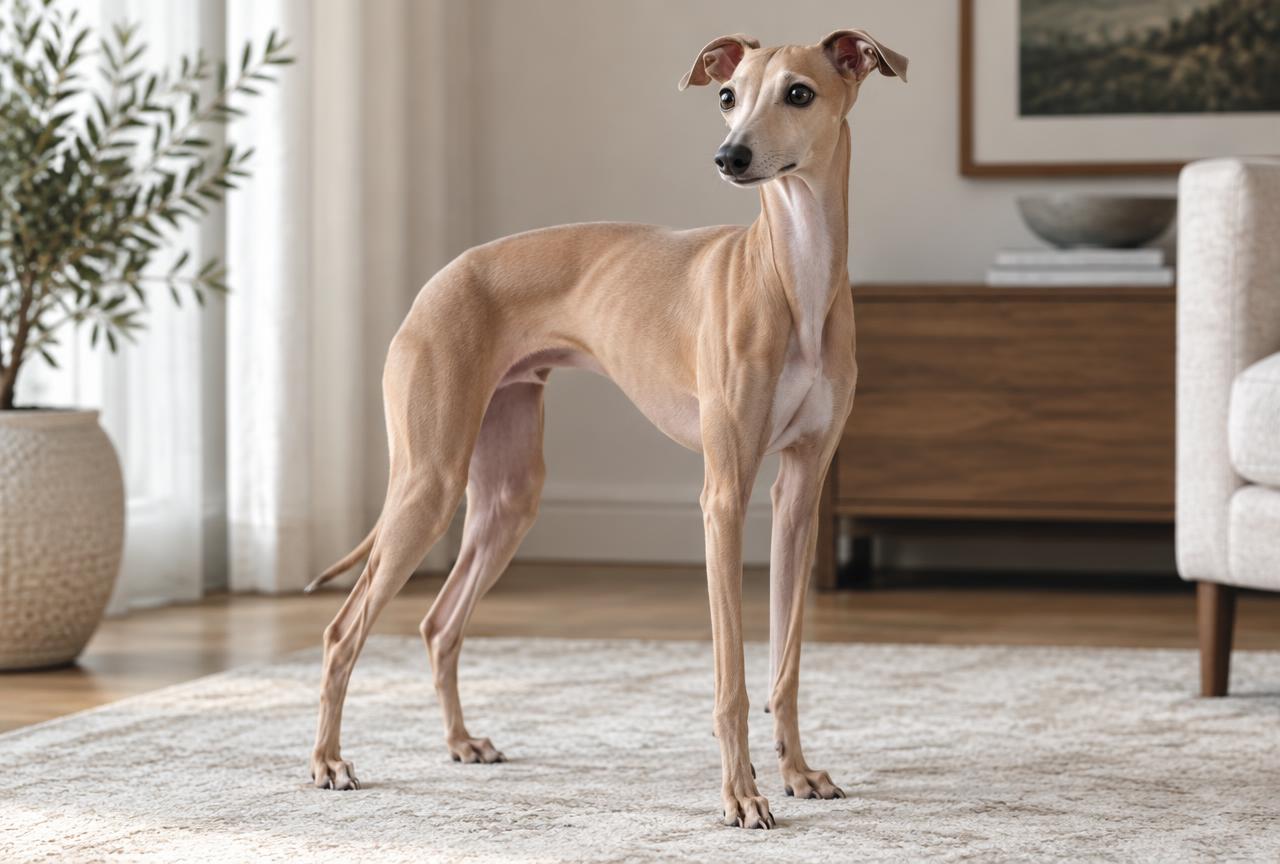
An ancient companion breed depicted in Mediterranean art for over two thousand years, the Italian Greyhound was bred down from larger sighthounds purely for companionship and lap warmth, becoming especially fashionable among European nobility from the sixteenth century onwards. It has never been a working dog; its sprinting instinct is inherited, not trained.
Italian Greyhound
The Italian Greyhound is a toy sighthound with fine bones, a sprinter's instinct and a deeply affectionate nature. It suits calm, attentive owners who can manage its fragility, cold sensitivity and dental risk.
Reviewed by the SniffScroll editorial desk
A sighthound in miniature: elegant, affectionate and genuinely fragile.
The short version
- Fine bones mean real fracture risk from jumps, falls and rough play with larger dogs.
- Genuine cold sensitivity means a coat for outdoor walks is a welfare need, not an accessory.
- Dental disease is the top lifetime health cost; daily brushing should start in puppyhood.
- Exercise comes in sprints and naps, not long plodding walks, and recall is unreliable around prey.
- A Velcro temperament means it dislikes being left alone for long hours.
- Best suited to calm flats and houses, not homes with very young children or boisterous large dogs.
- Weight
- 3 to 5 kg
- Height
- 32 to 38 cm
- Lifespan
- 12 to 15 yrs
- Size
- Small
- Group
- Toy
- Coat
- Short, fine, glossy single coat in black, blue, fawn, red, cream or seal, often with white markings
- Grown male
- 3.2 to 5 kg
- Grown female
- 3 to 4.8 kg
- Years to full size
- about 1
- One-off setup
- €700 to 1400
Get one if…
- Calm households wanting an affectionate, lap-loving companion
- Owners with a securely fenced garden for sprint sessions
- Adults or considerate older children who respect fragile bones
- Owners willing to dress the dog for cold weather, every time
- Households where someone is home most of the day or can arrange company
Think again if…
- Families with toddlers or very young children
- Homes with large, boisterous or high prey-drive dogs already in residence
- Owners wanting a hardy, weatherproof outdoor companion
- Anyone unwilling to manage a strict dental care routine
- Households that leave a dog alone for a full working day regularly
Trait profile
The Italian Greyhound pairs real affection and alertness with a sighthound's sprinting instinct, which makes it a devoted lap companion that also needs safe space to run. The trade-offs are genuine fragility, cold sensitivity and a strong prey drive around small animals.
Space & setup. Small enough for any flat, provided there is access to a securely fenced garden or enclosed space for short sprint sessions; this is not a breed for balcony-only living with no safe run space at all.
Allergies. Shedding is low thanks to the short single coat, but no breed is truly hypoallergenic; allergens come from skin and saliva as well as hair, so spend time with the dog before committing.
Living with a Italian Greyhound
The Italian Greyhound is a toy sighthound built like a tiny racing dog, with fine bones, a short glossy coat and a strong sprinting instinct. Affectionate and Velcro-natured, it suits calm flats and attentive owners, but its fragile legs, cold sensitivity and dental risk demand real care.
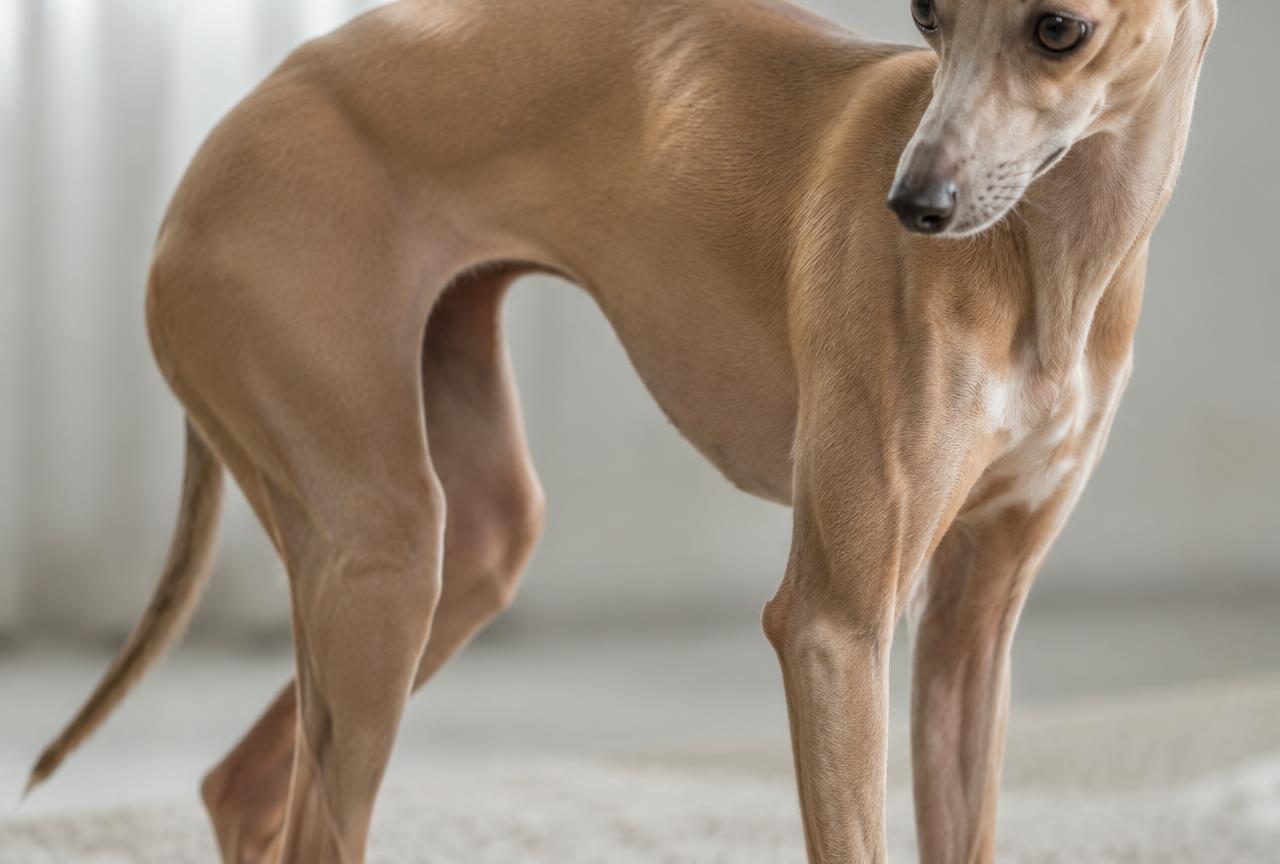
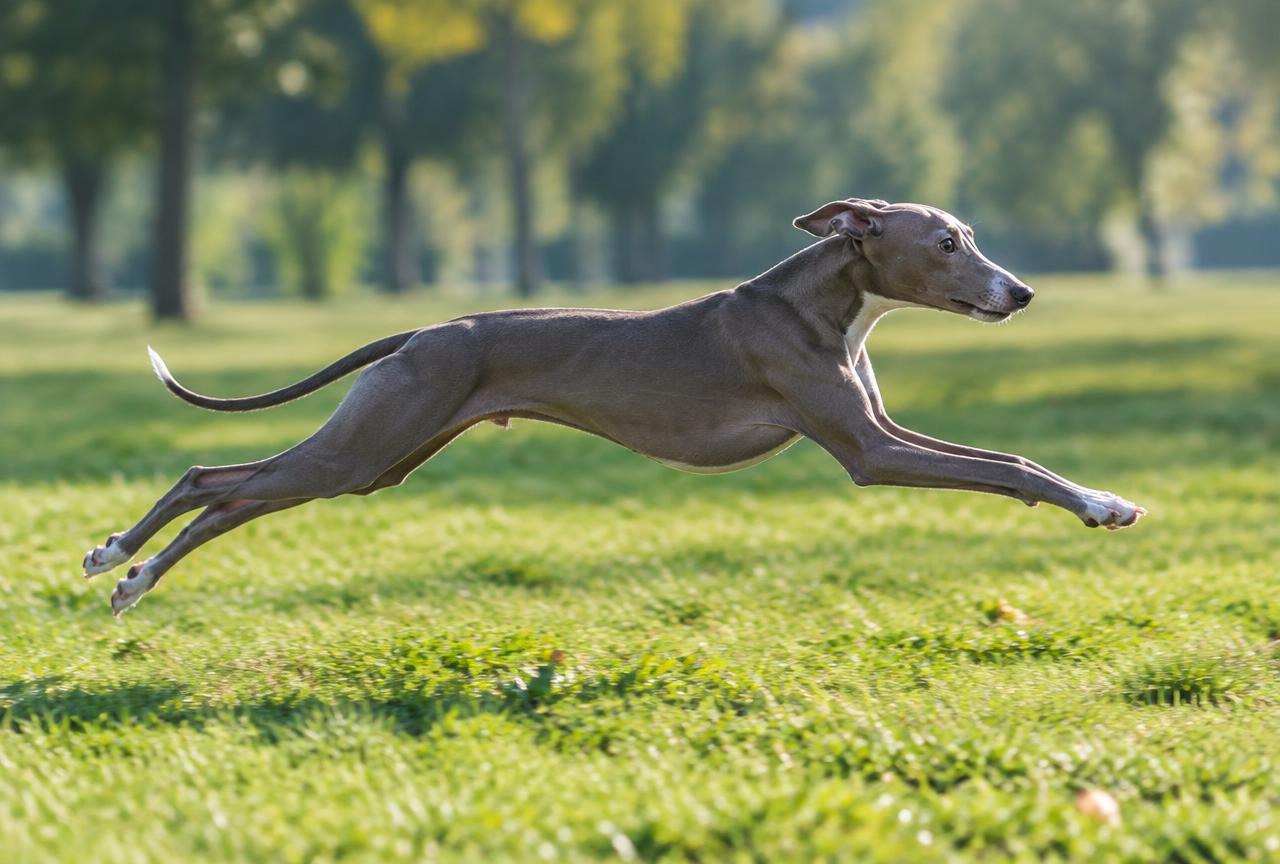
The Italian Greyhound is a sighthound built in miniature, and that single fact explains almost everything about living with one. Standing 32 to 38 cm at the shoulder and weighing only 3 to 5 kg, it has the slender bones, deep chest and quick muscles of its larger Greyhound cousins, shrunk down without being made any less fragile. The breed's elegance is real, but so is the risk that comes with it: those fine leg bones can fracture from a jump off a sofa, a missed step on the stairs, or a collision with a boisterous larger dog. Owners who fall for the Italian Greyhound's looks without understanding this risk are the ones who end up in the emergency vet within the first year.
Cold sensitivity is the second defining trait, and it is not exaggeration or fashion. With almost no body fat and a single short coat, the Italian Greyhound genuinely struggles in anything below mild temperatures. A coat for outdoor walks in autumn and winter is not an accessory here, it is a welfare requirement, and many owners keep a jumper on the dog indoors too during colder months. Anyone unwilling to dress their dog, quite literally, is not suited to the breed.
Dental disease deserves its own paragraph because it is the condition most owners underestimate. Toy sighthounds are notorious for crowded, narrow jaws that build plaque quickly, and periodontal disease is the single most common and most expensive health issue across the dog's lifetime if left unmanaged. Daily brushing from puppyhood, and professional dental checks from the first year onwards, are not optional extras for this breed, they are the main preventative cost that keeps the dog comfortable and the vet bills down.
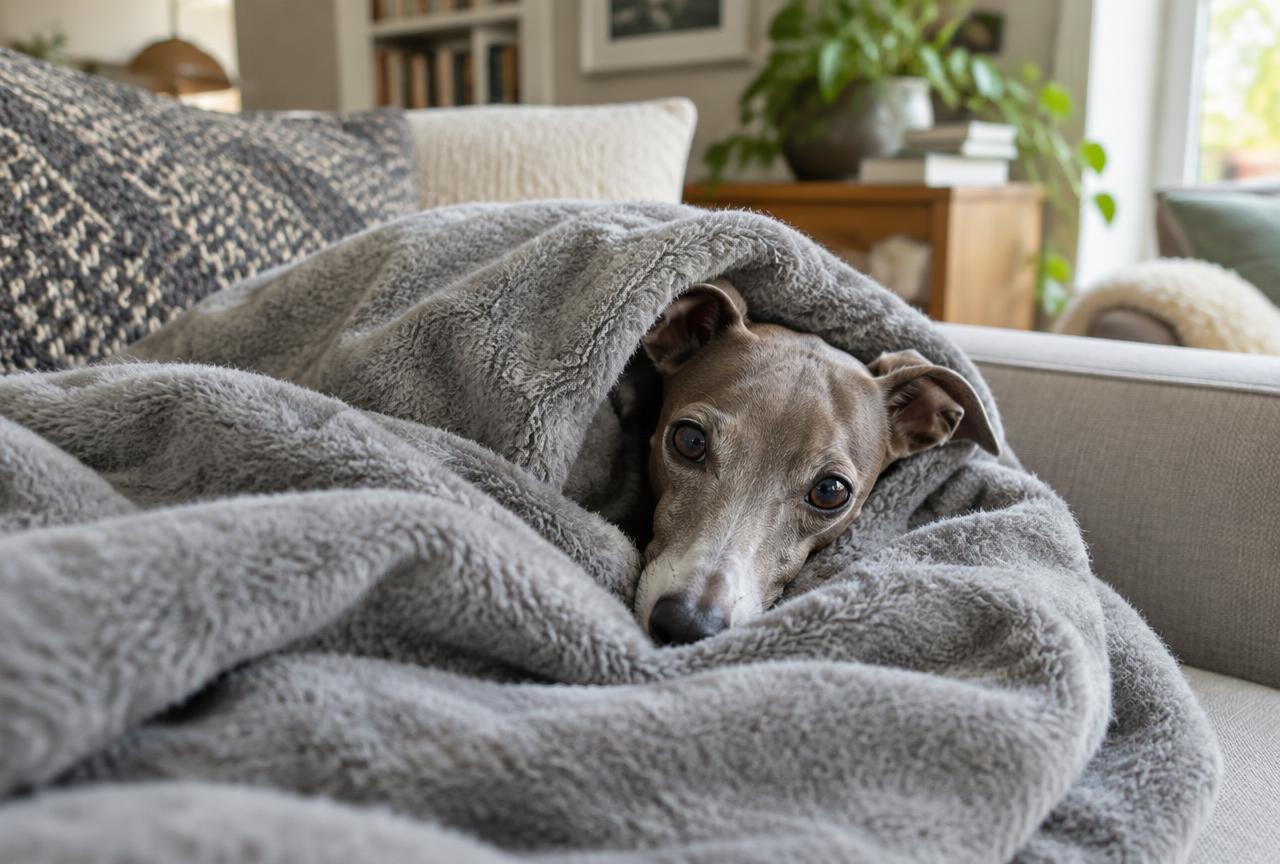
Exercise follows an unusual rhythm. The Italian Greyhound is a true sprinter, not an endurance dog, and most days look like short bursts of flat-out zoomies around a secure garden or enclosed field followed by long stretches of sleeping under a blanket. It does not need, or particularly want, hours of plodding walks, but it does need safe, secure space to run at full speed occasionally, because that burst of sprinting is genuinely part of its wellbeing. The catch is prey drive: this is a sighthound bred to chase small moving things, and recall around rabbits, small pets or fast-moving joggers is unreliable at best. Off-lead freedom belongs in securely fenced areas only, and a long-line lead is a sensible default everywhere else.
Temperamentally, the Italian Greyhound is a Velcro dog in the truest sense. It bonds tightly to its household, often to one person in particular, and genuinely dislikes being left alone for long stretches. Separation-related distress is common in the breed, and owners who work long hours away from home without a plan for company or daycare often find the dog develops anxious habits, from destructive chewing to prolonged barking. This is not a breed that thrives on independence, and it should not be chosen by anyone expecting one.
Who does the Italian Greyhound actually suit. Calm, settled flats and houses with a securely fenced garden for short sprint sessions. Owners who work from home, or who can arrange company during the day, and who enjoy a genuinely affectionate, curl-up-on-the-lap companion. Adults and considerate older children who understand that this is not a dog for rough play or being picked up carelessly. Quiet households, essentially, built around gentle routines.
Who should look elsewhere. Families with very young children are the clearest mismatch: toddlers and this breed's fine bones do not combine safely, regardless of good intentions on either side. Homes with large, boisterous or high-prey-drive dogs already in residence are another poor fit, since even friendly rough play from a bigger dog can cause serious injury. Anyone wanting a hardy, weatherproof dog for long countryside walks in all seasons should choose a different breed entirely. And households that will leave the dog alone for a full working day, repeatedly, without company or daycare, will find the Italian Greyhound genuinely unhappy.
Done well, with a secure garden, a wardrobe of coats, a serious dental care routine and realistic expectations about rough play, the Italian Greyhound is a wonderfully affectionate, elegant companion that rewards gentle, attentive owners for twelve to fifteen years, often more with good dental care. Done carelessly, it is a breed that breaks bones, racks up dental bills and develops anxiety. The gap between those two outcomes is almost entirely down to the owner's preparation.
A graceful, deeply affectionate companion for calm, attentive households, let down only by genuinely fragile bones, serious cold sensitivity and a dental risk that needs managing from puppyhood.
Exercise, day to day
- 1Puppies (8 to 20 weeks): gentle lead walks only, no jumping on or off furniture, no stairs unsupervised.
- 2Adolescents (4 to 12 months): short controlled walks and gentle play; save full sprinting until bones mature.
- 3Adults: one or two short walks daily plus regular off-lead sprint sessions in a securely fenced space.
- 4Mental work: scent games and short training sessions suit the breed well and settle a restless mind between naps.
Grooming, realistically
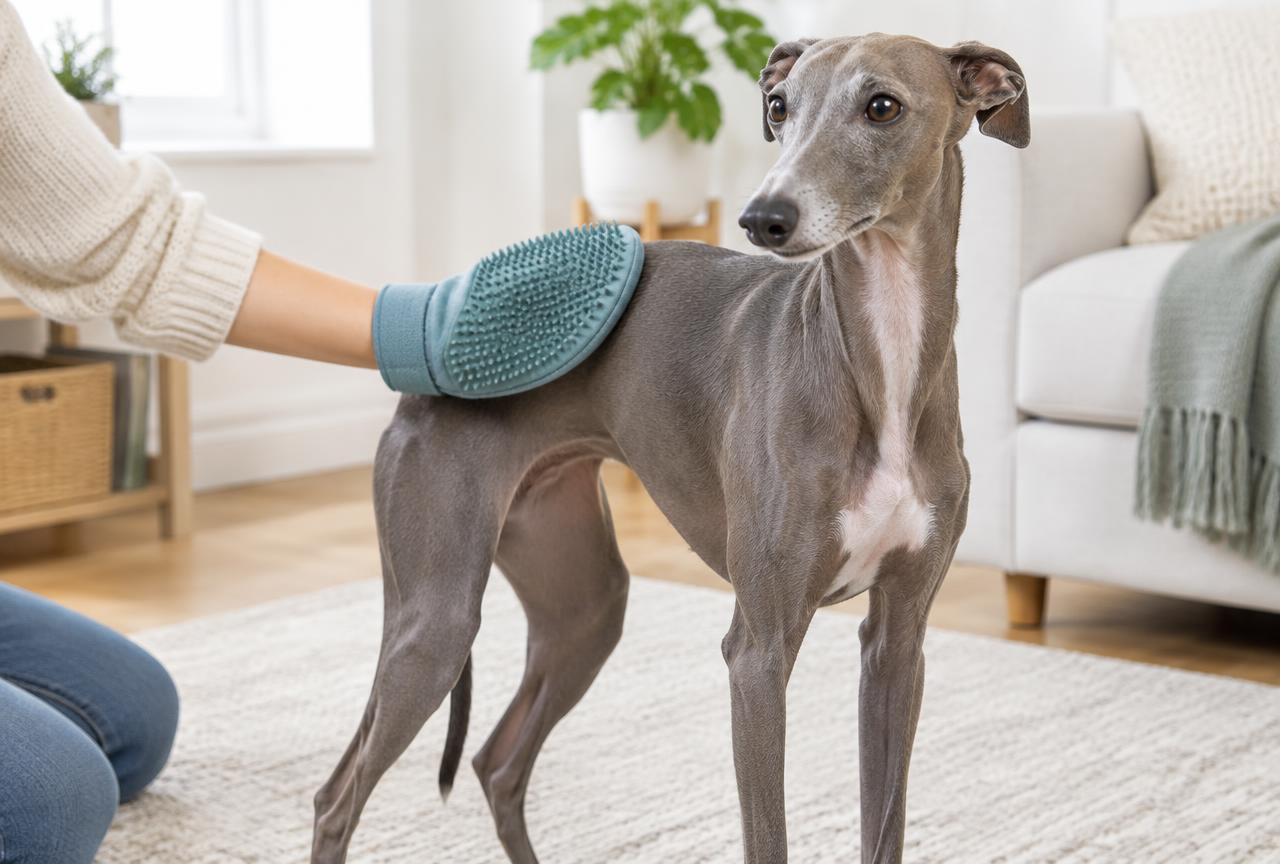
- 1Brush weekly with a soft bristle or rubber grooming mitt to lift loose hair and keep the coat glossy.
- 2Brush teeth daily and book a veterinary dental check from the first year onwards.
- 3Wipe the coat with a damp cloth after muddy walks rather than frequent bathing.
- 4Trim nails every three to four weeks; fine feet show overgrown nails quickly.
- 5Check skin for nicks or scrapes after active play, since the thin skin marks easily.
What you actually need
- Soft bristle brush or rubber grooming mitt
- Dog nail clippers
- Enzymatic dog toothpaste and soft brush
- Lightweight waterproof coat for cold or wet walks
- Warm indoor jumper for colder months
- Dog-safe moisturising balm for dry paw pads
Puppy to adult
| Age | Male | Female | What is happening |
|---|---|---|---|
| 8 weeks | 0.9 to 1.4 kg | 0.8 to 1.3 kg | Extremely delicate; supervise every step on stairs and furniture from day one. |
| 3 months | 1.6 to 2.3 kg | 1.5 to 2.1 kg | Bones remain very fine; avoid jumping on and off furniture entirely. |
| 6 months | 2.4 to 3.5 kg | 2.2 to 3.2 kg | Growth plates still open; keep play gentle and supervised. |
| 9 months | 2.9 to 4.2 kg | 2.7 to 3.9 kg | Nearing adult height; fracture risk from falls remains real until bones fully mature. |
| 12 months | 3.2 to 4.8 kg | 3.0 to 4.5 kg | Close to adult size; begin the lifelong dental care routine if not already started. |
| 18 months | 3.2 to 5.0 kg | 3.0 to 4.8 kg | Fully mature and skeletally settled; sprint sessions can be fuller length now. |
Ranges are typical, not targets. Judge condition by ribs and waist, and check with the ideal weight checker.
What to ask a breeder
- Have the parents been screened for patellas, eyes and any history of leg fractures?
- What is known of the PRA DNA status in this line?
- How are puppies introduced to stairs, furniture and handling to reduce fracture risk?
- What temperament have previous litters shown around children and other dogs?
- What coat care and feeding routine do you recommend for the first year?
Health tests to ask for
Ask to see results for both parents before you put down a deposit.
- Dental checks from the first year onwards, given the breed's high rate of periodontal disease
- PRA DNA status on both parents
- Patella examination on both parents
- Annual eye examination throughout life
Health watch-list
What to ask a breeder about, and what to watch for over a lifetime. This is orientation, not veterinary advice, anything you notice belongs in front of a vet.
Leg fractures
NotableFine bones mean jumps off furniture, missed stairs or rough play can cause breaks; secure the home and supervise play with larger dogs.
Periodontal disease
Very likelyCrowded, narrow jaws build plaque quickly; daily brushing and regular veterinary dental checks from the first year are essential.
Progressive retinal atrophy
UncommonAn inherited eye condition leading to gradual vision loss; DNA testing of breeding stock reduces the risk significantly.
Epilepsy
UncommonReported in the breed; a family history from the breeder is worth asking about before committing to a puppy.
Colour dilution alopecia
RareSeen mainly in blue and fawn dilute coat colours, causing patchy thinning hair; discuss coat colour history with the breeder.
Patellar luxation
CommonSlipping kneecaps are common in small breeds; a patella check on both parents is a practical safeguard before buying.
What it costs to keep one
Realistic running cost
€85 / month
About €1,020 a year, or roughly €14,280 across a 14-year life, before purchase price, neutering and one-off vet events.
Before the puppy arrives. Budget roughly €700 to 1400 for a crate, bed, lead and harness, bowls, puppy classes, first vaccinations and grooming kit sized for this breed. Figures throughout are indicative and vary a good deal between countries.
Interactive · built for this breed
Is a Italian Greyhound right for your home?
Seven honest questions about your space, time and household, checked against this breed's exercise need, coat, sociability and tolerance for time alone.
Fit with your routine
97%
A strong fit
Your routine suits a Italian Greyhound well. Meet adult dogs of the line before you commit.
What to sort out first
- Needs more daily exercise than you have pencilled in.
Working in your favour
- Coat care fits the grooming time you offered.
Compare more breeds in the matchmaker, or plan meals with the portion calculator.
The verdict, by household
Suitable with care
Affectionate and trainable, but the fragility and cold sensitivity require genuine commitment to learn correctly.
Not recommended
Fine bones and a low tolerance for rough handling make this a poor match for homes with young children.
Good
Enjoys sprint sessions and company, though it is not a long-distance running partner.
Good
Quiet-to-moderate indoors and small enough for any flat, provided there is safe outdoor run space nearby.
When to call your vet
- Sudden limping or holding up a leg after a jump or fall, which needs immediate veterinary attention
- Bad breath, red gums or reluctance to eat, worth a dental check
- Cloudy eyes or reluctance to move confidently in dim light, worth an eye examination
- Seizure activity or sudden collapse, which needs prompt veterinary assessment
- Thinning hair or skin changes in dilute coat colours, worth discussing with a vet
Nothing here is a diagnosis. A swollen, hard belly with retching, collapse, breathing difficulty and sudden hind-leg weakness are emergencies: go straight away.
Italian Greyhound vs the closest alternatives
| Breed | Weight | Energy | Grooming | € / month |
|---|---|---|---|---|
| Italian Greyhound | 3 to 5 kg | 6/10 | 2/10 | €85 |
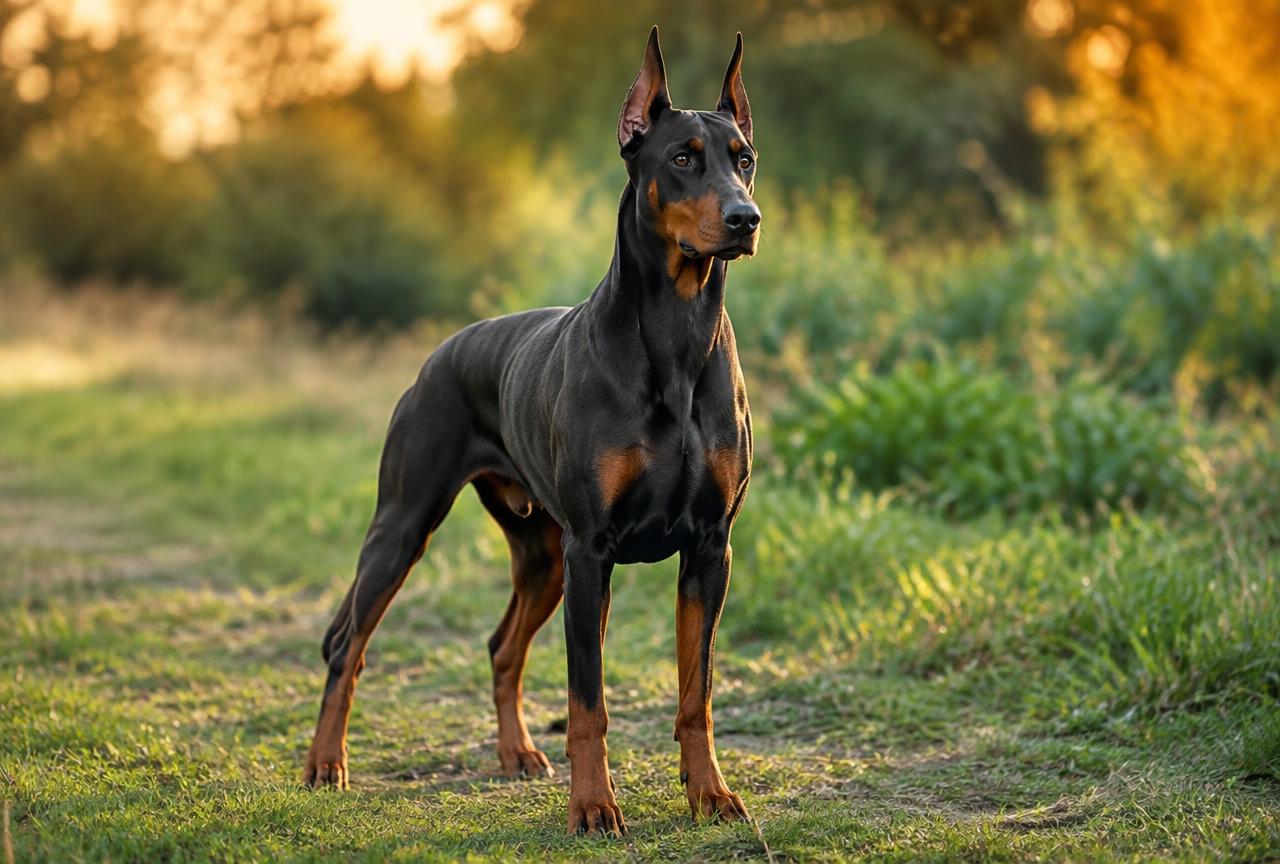
| Dobermann | 32 to 45 kg | 9/10 | 2/10 | €218 |
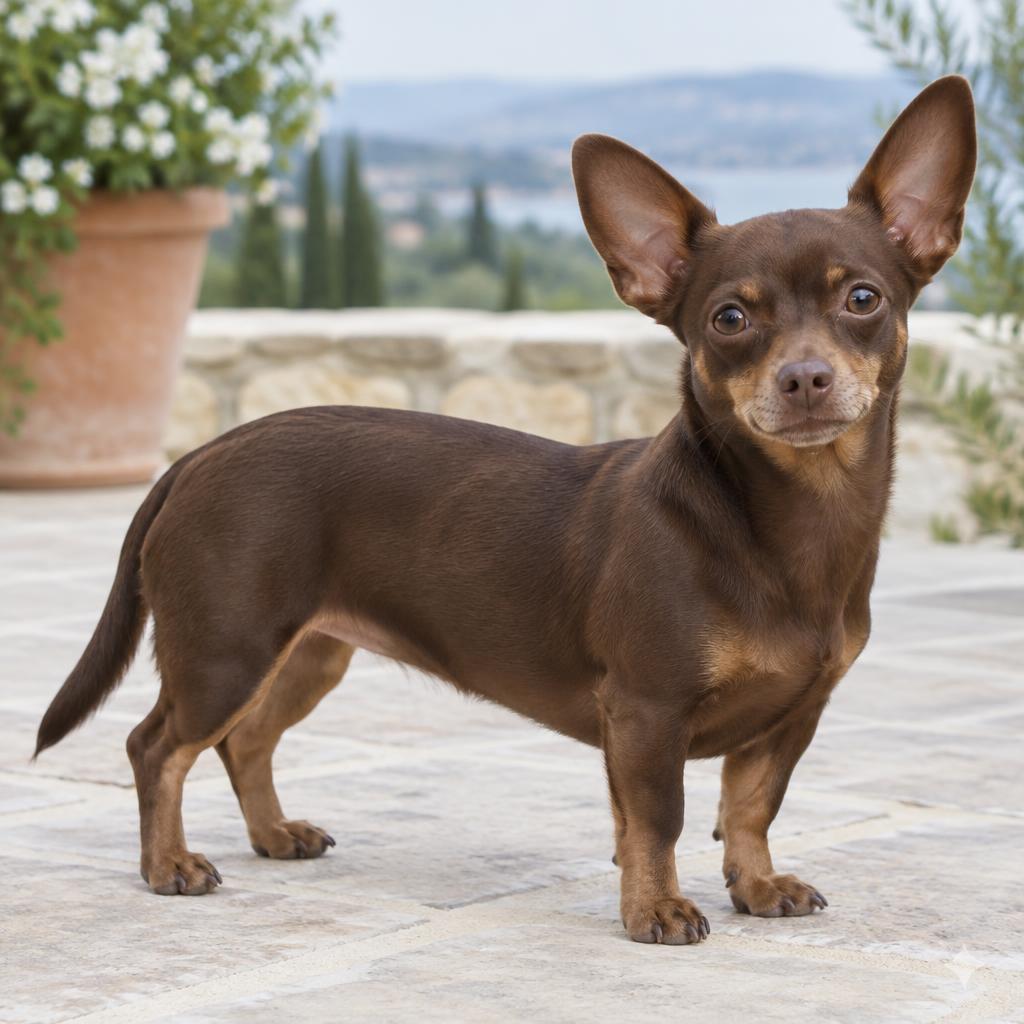
| Chiweenie | 3 to 6 kg | 6/10 | 3/10 | €52 |
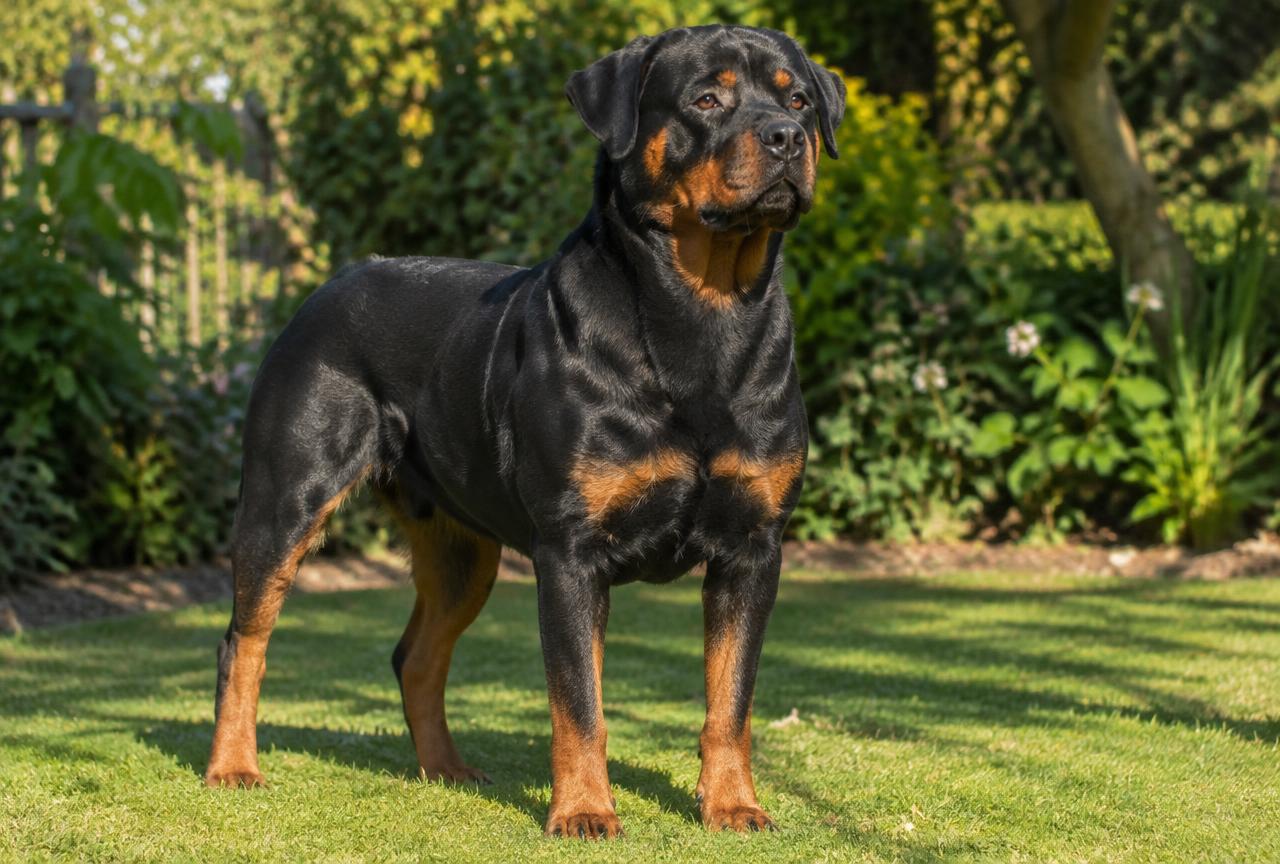
| Rottweiler | 35 to 60 kg | 6/10 | 2/10 | €158 |
Italian Greyhound questions, answered
Do Italian Greyhounds shed?
Very little. The short single coat sheds minimally compared with double-coated breeds, though no dog is completely shed free.
What health problems do Italian Greyhounds have?
The main concerns are leg fractures from their fine bones, periodontal disease, patellar luxation, progressive retinal atrophy and, less commonly, epilepsy and colour dilution alopecia in dilute coats.
What is the Italian Greyhound's temperament like?
Affectionate, alert and sensitive, with a strong bond to its household. It is a true Velcro dog that enjoys lap time between short bursts of sprinting.
Are Italian Greyhounds good pets?
Yes, for calm, attentive households that understand its fragility and cold sensitivity. It is a poor match for homes with young children or boisterous large dogs.
How long do Italian Greyhounds live?
Typically twelve to fifteen years, and many reach more with good dental care and careful management of fracture risk.
Do Italian Greyhounds need coats?
Yes. Their thin single coat and low body fat make them genuinely cold sensitive, so a coat for outdoor walks in cool or wet weather is a welfare need rather than an accessory.
Can Italian Greyhounds be left alone?
Not for long hours. They form tight bonds with their household and many develop separation-related distress if regularly left alone for a full working day.