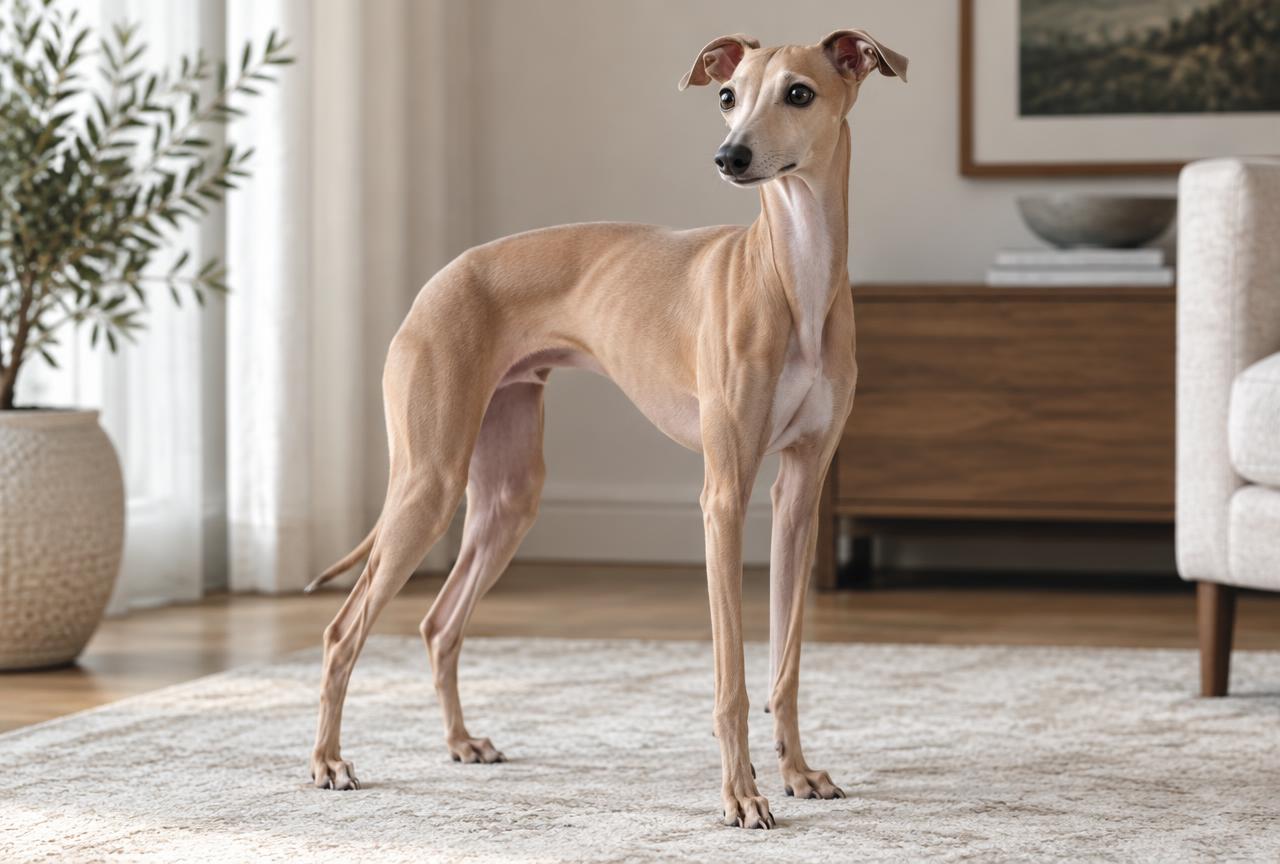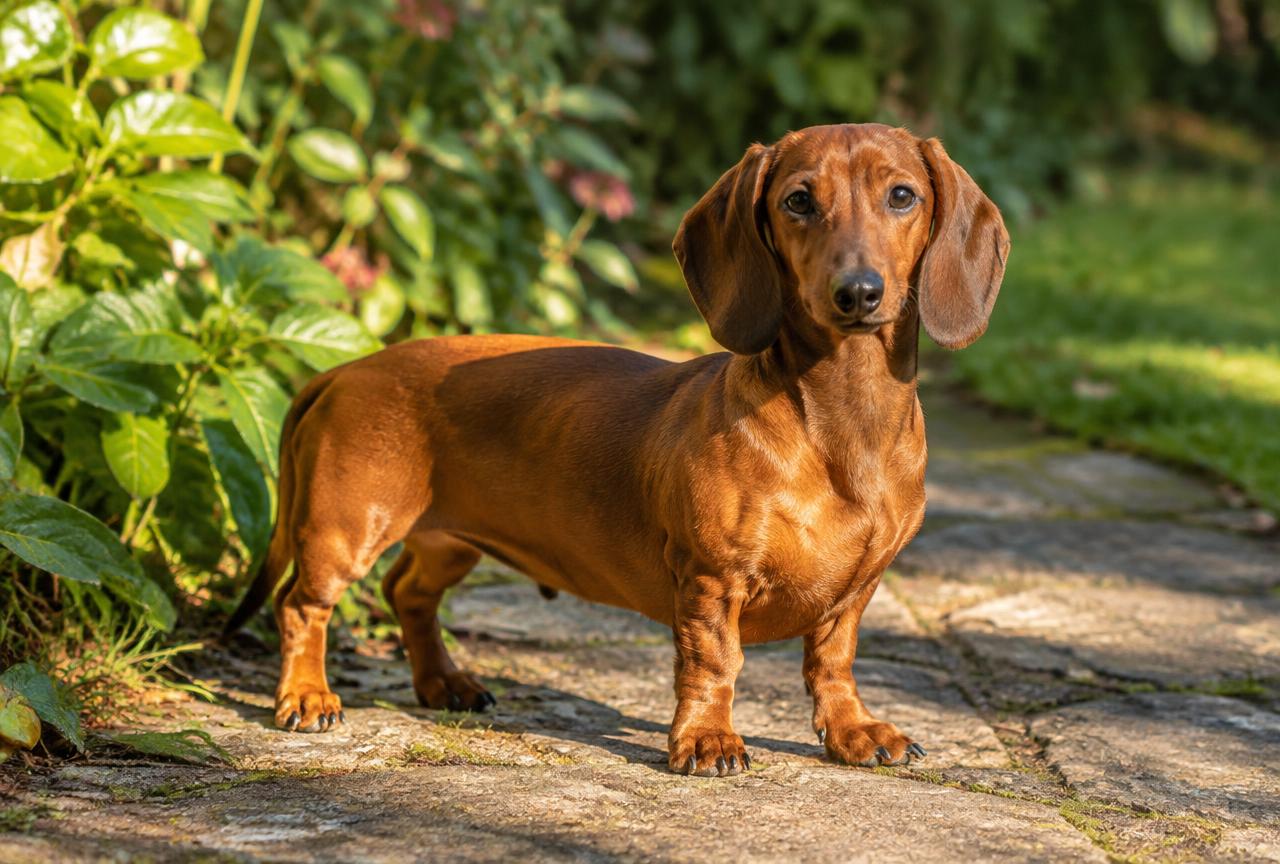
Crossbreed group
United States, 1990s
Chiweenie
Long-backed, big-eared and fiercely loyal, the Chiweenie is a huge personality in a small body, provided you socialise it well and protect its back.
The SniffScroll editorial team
Long back, big ears, bigger opinions
The short version
- A Chihuahua and Dachshund cross: bold, devoted to its people and often wary of strangers.
- Early, gentle socialisation is the single most important factor in how a Chiweenie turns out.
- Many inherit the Dachshund back: keep them lean, use ramps and lift with support.
- Dental disease arrives early in both parent breeds; brush teeth most days.
- Exercise needs are moderate, but prey drive and patchy recall mean lead discipline near roads.
Choose a variety
- Weight
- 3 to 6 kg
- Height
- 15 to 25 cm
- Lifespan
- 12 to 16 yrs
- Size
- Toy
- Group
- Crossbreed
- Coat
- Short or long
- Years to full size
- about 1
- One-off setup
- €300 to 550

Get one if…
- Adult households or homes with calm older children
- People at home much of the day who want a devoted companion
- Flat dwellers; space and exercise needs are small
- Owners willing to put real work into early socialisation
- Anyone who enjoys a dog with plenty of personality
Think again if…
- Households with toddlers or chaotic, noisy routines
- Homes empty for long working days
- Anyone wanting a quiet dog or a guaranteed social butterfly
- Owners unable to manage back care, ramps and weight
- People expecting reliable off-lead recall
Trait profile
Expect a bold, loyal companion with strong opinions about strangers; socialisation, back care and teeth are the three jobs that shape its life.
Space & setup. Very well suited to flats and small homes; the alert bark is the main neighbour consideration, so train a quiet cue early.
Allergies. Not low-shedding or hypoallergenic: both smooth and long coats shed moderately.
Living with a Chiweenie
A Chihuahua and Dachshund cross: a small, long-bodied, bold little dog that bonds hard with its people, guards its sofa and needs real care for its back and teeth.
The Chiweenie is a cross built on two very strong personalities, and it shows. The Chihuahua contributes devotion to one person, a big voice and a tendency to treat strangers with suspicion; the Dachshund adds a long body, a hunter's nose, stubborn independence and a good deal of courage. Put together, you get a small dog with a large presence, and the experience of living with one depends heavily on how well it was socialised as a puppy. Socialisation first, then. Chiweenies that meet lots of calm people, gentle dogs and everyday sounds between eight and sixteen weeks usually grow into confident, friendly adults. Those that miss out can become reactive, noisy and defensive, particularly with visitors and children. Use reward-based training throughout, because both parent breeds shut down or dig in when handled harshly. The back is the big physical caveat. Not every Chiweenie inherits the full Dachshund length, but many do, and with it comes a meaningful risk of intervertebral disc disease. The prevention list is simple and unglamorous: keep the dog lean, provide ramps or steps to sofas and beds, discourage leaping off furniture, and always lift with one hand under the chest and one under the hindquarters. Sudden reluctance to move, a hunched posture or wobbly back legs are emergencies. Dental disease is the second caveat. Small jaws, crowded teeth and both parents' track records mean tartar arrives early. Daily brushing from puppyhood is far cheaper than dental extractions later. Beyond that, the Chiweenie is a refreshingly easy keeper. Smooth coats need a weekly wipe and brush; longer coats a couple of brushes a week. Exercise needs are moderate, around thirty to sixty minutes a day, and scent games and burrowing toys keep the hunter content. Prey drive and patchy recall mean off-lead freedom belongs in secure spaces. Toy-sized bodies feel the cold, so a winter coat is sensible. Life expectancy is long, often well into the teens. Choose a breeder who socialises properly and screens patellas, eyes and backs, then put in the early work: the reward is a fiercely loyal little companion.
The Chiweenie takes two of the boldest small breeds and blends them into a long-bodied, big-eared dog with absolutely no idea how small it is. With its people it is devoted, playful and a world champion burrower under blankets. With strangers, visitors and other dogs it can be wary, loud and quick to make its views known, so early, gentle socialisation is the most important job you will do. The body shape matters. Many Chiweenies inherit the Dachshund's long back, which brings a real risk of disc problems. Keep them lean, use ramps or steps for furniture, avoid repetitive jumping and lift them with support under both chest and hindquarters. Teeth are the other daily job, since both parent breeds suffer early dental disease. Grooming is otherwise easy whether the coat is smooth or long. Exercise needs are moderate: thirty to sixty minutes a day of walks and play, plus training and sniffing games for the terrier-ish brain. Recall can be patchy and prey drive is real, so a lead near roads is wise. For an adult household or one with calm older children, where someone is home much of the day, a well-socialised Chiweenie is a funny, fiercely loyal companion with years of life in it.
Exercise, day to day
- 1Puppies (8 to 20 weeks): short play sessions and lots of calm socialisation; no stairs or furniture jumping.
- 2Adolescents (4 to 12 months): two short walks a day plus sniffing and training games.
- 3Adults: thirty to sixty minutes daily of walks and play suits most.
- 4Mental work: scent games, burrowing toys and trick training satisfy the hunter.
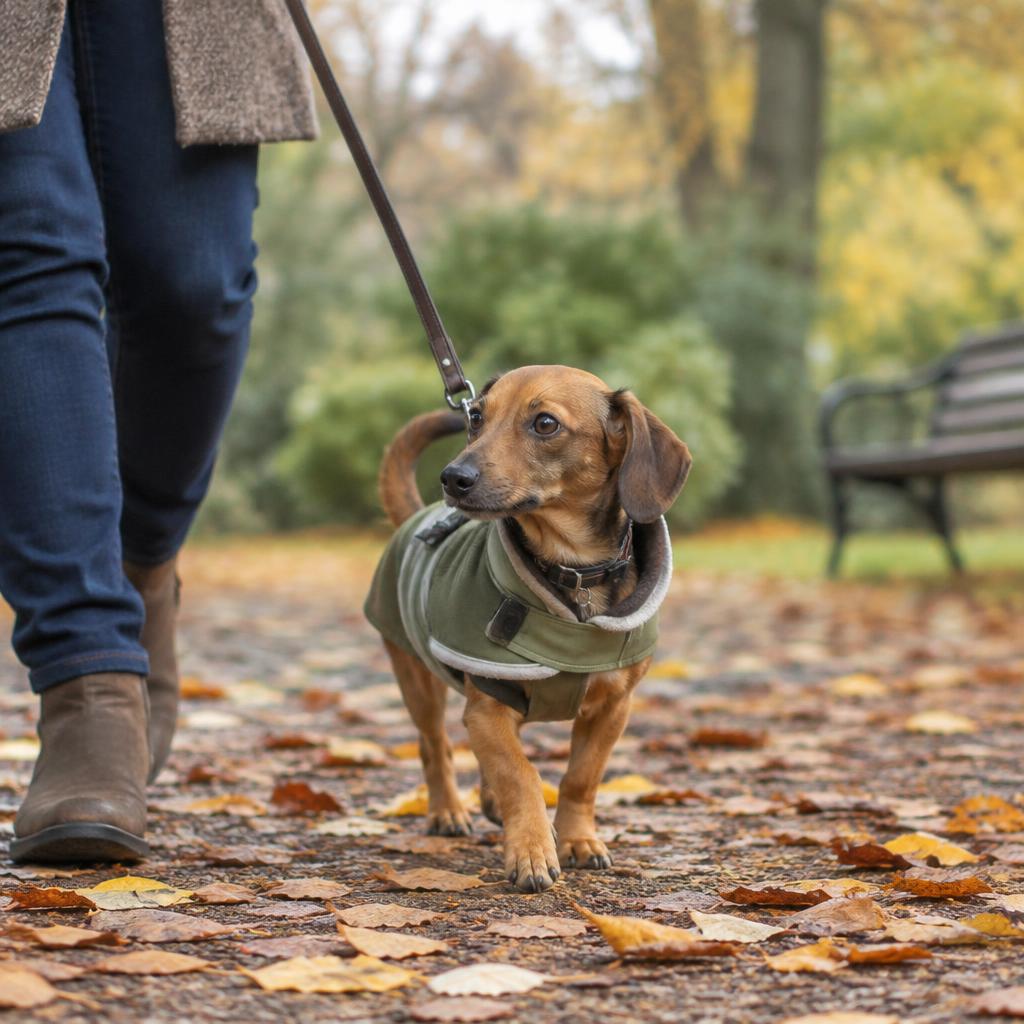
- 5Back care: ramps for furniture, a harness rather than a collar, and supported lifting every time.
Grooming, realistically
- 1Brush smooth coats weekly with a rubber brush; long coats two or three times a week.
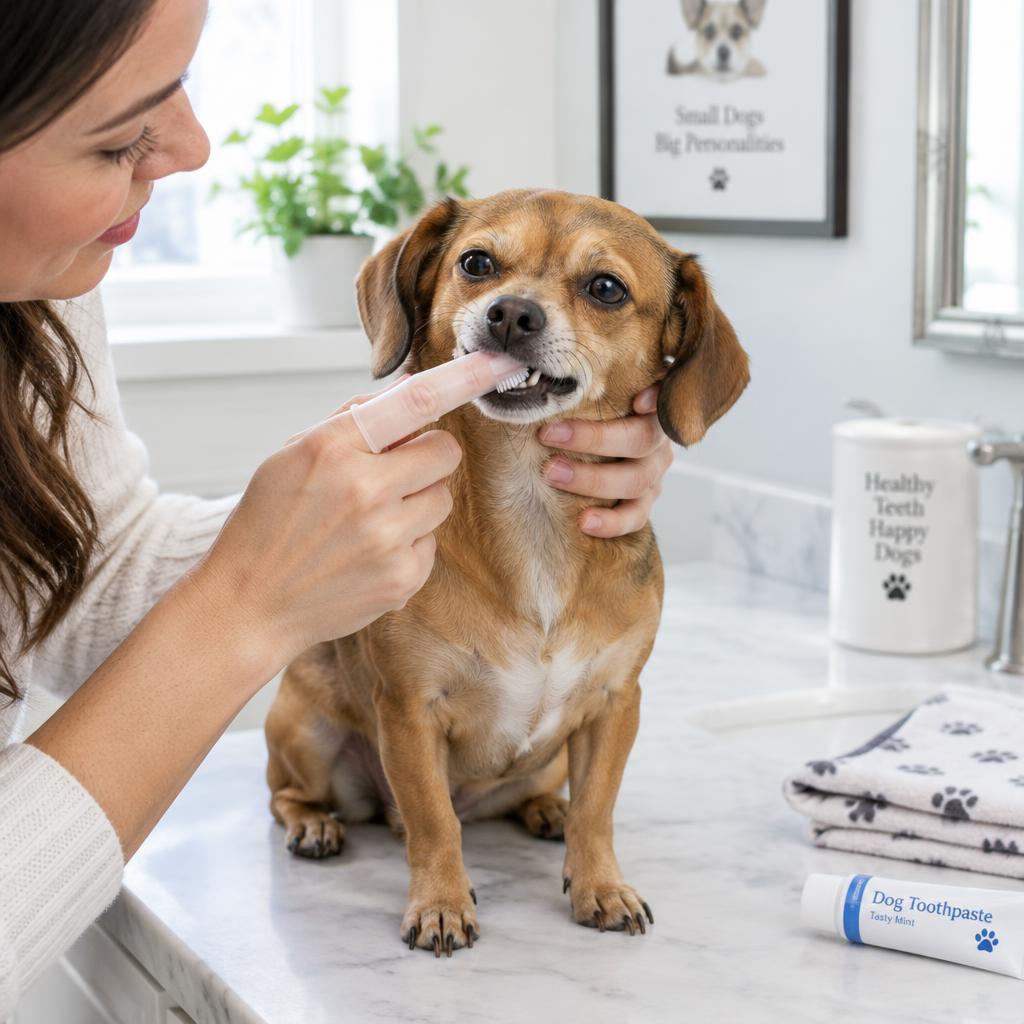
- 2Brush teeth most days; dental disease starts early in this cross.
- 3Check ears weekly, especially the large upright Chihuahua-style ear.
- 4Trim nails every two to three weeks; overgrown nails alter posture and strain the back.
- 5Bath only when needed and keep the dog warm while drying.
What you actually need
- Rubber curry brush or soft bristle brush
- Comb for long-coated dogs
- Enzymatic dog toothpaste and finger brush
- Dog nail clippers
- Ear cleaning solution
- Ramps or steps for sofa and bed
Puppy to adult
| Age | Male | Female | What is happening |
|---|---|---|---|
| 8 weeks | 0.6 to 1 kg | 0.6 to 0.9 kg | Socialisation window is open: meet calm people, gentle dogs and household sounds now. |
| 3 months | 1.2 to 2 kg | 1.1 to 1.8 kg | Introduce ramps or steps and stop jumping off furniture early. |
| 6 months | 2.2 to 3.8 kg | 2 to 3.5 kg | Adolescent confidence and opinions arrive; keep training reward-based and consistent. |
| 9 months | 2.8 to 4.8 kg | 2.5 to 4.4 kg | Near adult size; keep the waistline lean to protect the back. |
| 12 months | 3 to 5.5 kg | 2.8 to 5 kg | Adult size for most; continue socialisation through the first two years. |
| 15 months | 3 to 6 kg | 3 to 5.5 kg | Fully mature; a lean adult should show a clear waist from above. |
Ranges are typical, not targets. Judge condition by ribs and waist, and check with the ideal weight checker.
What to ask a breeder
- How long are the parents' backs, and is there any history of disc disease in the lines?
- What health tests have both parents had: patellas, eyes and DNA panels?
- How have the puppies been socialised with people, dogs and household sounds?
- How do the parents behave with visitors?
- What adult size do you expect?
Health tests to ask for
Ask to see results for both parents before you put down a deposit.
- Patella assessment for both parents
- Eye testing for both parents
- Back and disc history in Dachshund lines
- DNA panel relevant to each parent breed, including PRA
Health watch-list
What to ask a breeder about, and what to watch for over a lifetime. This is orientation, not veterinary advice, anything you notice belongs in front of a vet.
Intervertebral disc disease
OccasionalLong-backed Chiweenies inherit the Dachshund's disc risk. Keep them lean, use ramps and lift with support; sudden back pain or wobbly legs is an emergency.
Dental disease
CommonSmall, crowded jaws and both parent breeds' history mean tartar arrives early. Daily brushing and regular dental checks are essential.
Luxating patella
OccasionalSlipping kneecaps are common in toy breeds. Watch for a skipping step on a back leg; severe cases need surgery.
Obesity
OccasionalExtra weight strains the long back and small joints. Measure meals and count treats; a visible waist is the target.
Hypoglycaemia in puppies
UncommonTiny puppies can suffer low blood sugar. Feed small, frequent meals and see a vet promptly for shivering, weakness or lethargy.
Allergies and skin irritation
UncommonItchy skin appears in both parent breeds. Persistent scratching, paw licking or ear trouble warrants a vet check.
What it costs to keep one
Realistic running cost
€52 / month
About €624 a year, or roughly €8,736 across a 14-year life, before purchase price, neutering and one-off vet events.
Before the puppy arrives. Budget roughly €300 to 550 for a crate, bed, lead and harness, bowls, puppy classes, first vaccinations and grooming kit sized for this breed. Figures throughout are indicative and vary a good deal between countries.
Interactive · built for this breed
Is a Chiweenie right for your home?
Seven honest questions about your space, time and household, checked against this breed's exercise need, coat, sociability and tolerance for time alone.
Fit with your routine
97%
A strong fit
Your routine suits a Chiweenie well. Meet adult dogs of the line before you commit.
What to sort out first
- Needs more daily exercise than you have pencilled in.
Working in your favour
- Coat care fits the grooming time you offered.
Compare more breeds in the matchmaker, or plan meals with the portion calculator.
The verdict, by household
Best with calm children over about eight; toddlers and fragile, defensive small dogs are a poor mix.
Excellent for space and exercise, but expect an alert bark; train a quiet cue early in shared buildings.
Workable for committed first-timers who put real effort into socialisation and reward-based training.
Can live happily with other calm dogs and cats when raised together; prey drive may target small furries.
When to call your vet
- Sudden reluctance to move, a hunched back, yelping when lifted or wobbly back legs
- Bad breath, red gums or reluctance to chew
- A skipping step on a back leg
- Cloudy, red or weeping eyes
- Shivering, lethargy or weakness in a puppy, which can signal low blood sugar
Nothing here is a diagnosis. A swollen, hard belly with retching, collapse, breathing difficulty and sudden hind-leg weakness are emergencies: go straight away.
Chiweenie vs the closest alternatives
| Breed | Weight | Energy | Grooming | € / month |
|---|---|---|---|---|
| Chiweenie | 3 to 6 kg | 6/10 | 3/10 | €52 |
| Italian Greyhound | 3 to 5 kg | 6/10 | 2/10 | €85 |
| Dachshund | 4 to 12 kg | 5/10 | 3/10 | €80 |
| Cardigan Welsh Corgi | 11 to 17 kg | 6/10 | 5/10 | €152 |
Chiweenie questions, answered
How big does a Chiweenie get?
Most adults weigh 3 to 6 kg and stand 15 to 25 cm at the shoulder, usually with a body noticeably longer than it is tall.
Are Chiweenies good with children?
They do best with calm children over about eight. Small, fragile, sometimes defensive dogs and unpredictable toddlers are a poor mix for both.
Do Chiweenies bark a lot?
Many do, especially at visitors and passing noises, inheriting the Chihuahua's watchdog streak. Early socialisation, a trained quiet cue and plenty of company keep it under control.
Do Chiweenies have back problems?
Those with a long Dachshund back carry a real risk of disc disease. Keep them lean, use ramps or steps, discourage jumping off furniture and always lift with support under the chest and hindquarters.
Do Chiweenies shed?
Yes, moderately, whether smooth or long-coated. They are not hypoallergenic, though grooming is otherwise simple.
How much exercise does a Chiweenie need?
Around thirty to sixty minutes a day of walks and play suits most. Scent games and burrowing toys are excellent for the hunter's brain.
How long do Chiweenies live?
Often 12 to 16 years. Dental care, a lean figure and protecting the back are the three biggest contributors to a long, comfortable life.