
Can Dogs Eat Peanut Butter? Xylitol Checks and Safe Servings
Peanut butter is safe for dogs only if the label is free of xylitol. Here is the ten-second label check, sensible serving sizes, and the jars to avoid.
The SniffScroll desk
Published 10 October 2026
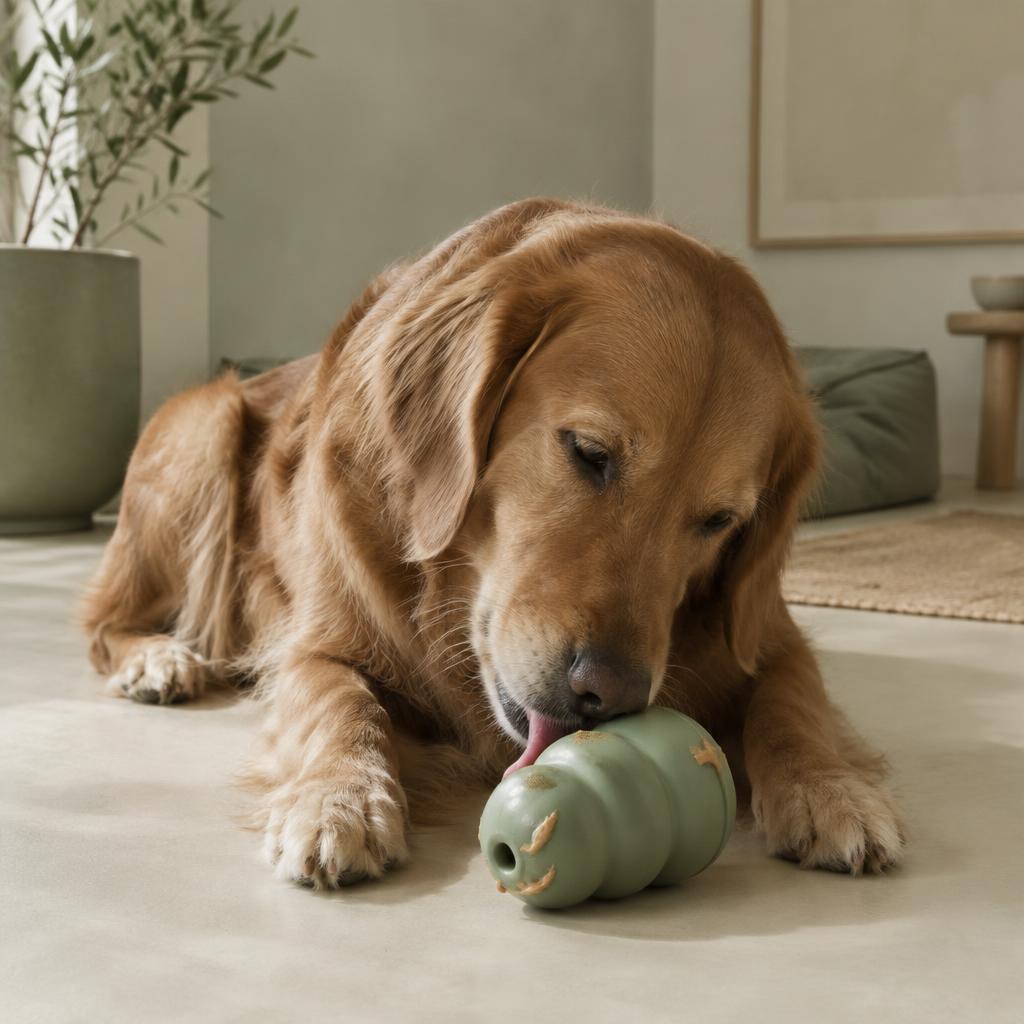
Reviewed against current veterinary guidance
The short version
- Peanut butter without xylitol is safe for most dogs in small amounts.
- Xylitol, sometimes listed as birch sugar or E967, is highly toxic to dogs.
- A teaspoon is a serving for a medium dog: it is very calorie dense.
- Choose unsalted, unsweetened jars with the shortest ingredient list.
- A stuffed, frozen toy makes a small amount last much longer.
Few foods make a dog's eyes light up like a jar of peanut butter opening. The answer to the big question is yes, dogs can eat peanut butter, but with one non-negotiable condition: the jar must not contain xylitol. That single ingredient check is the difference between a beloved treat and an emergency, so this guide starts there.
The ten-second label check
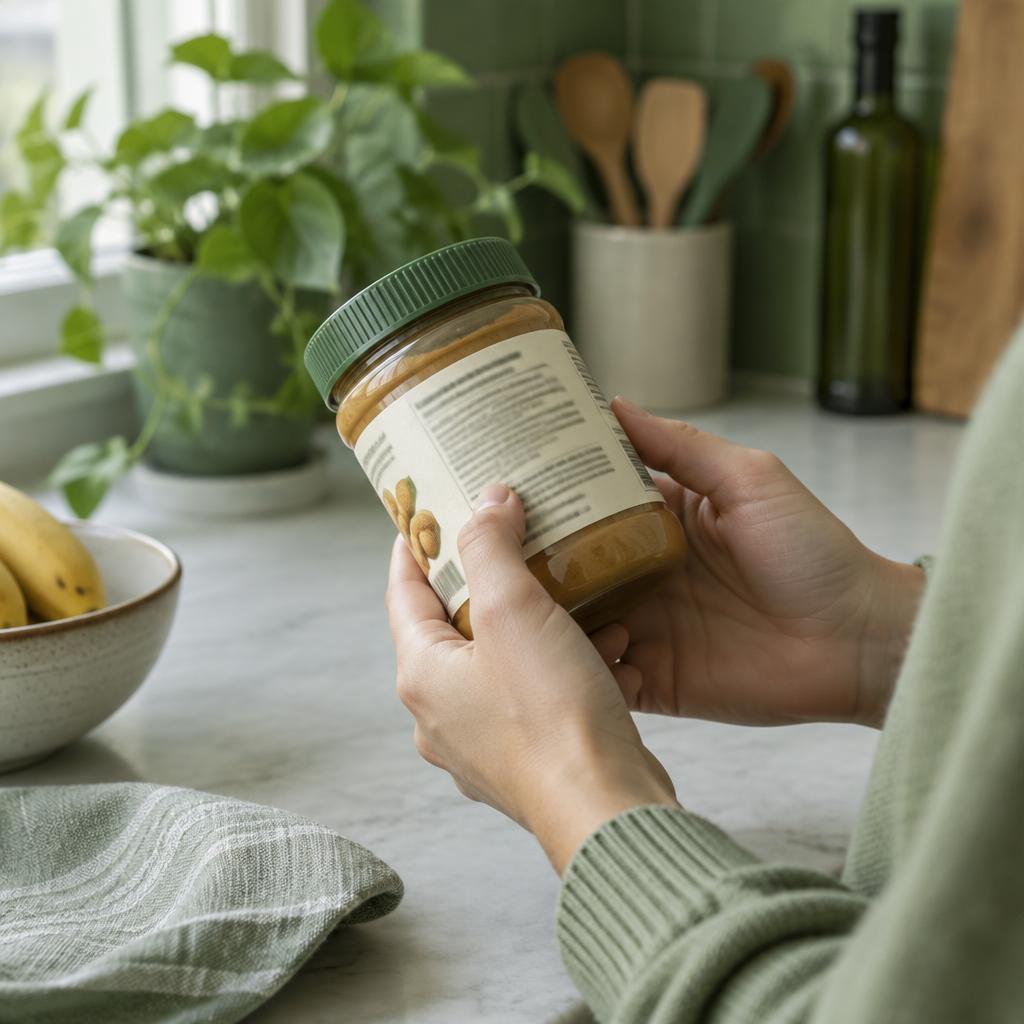
Before any jar is shared with a dog, turn it round and read the ingredients. You are looking for one word: xylitol. It also appears as birch sugar or E967, and it is most common in low-sugar, diet or "skinny" spreads, though it can turn up anywhere.
Xylitol is harmless to humans but highly toxic to dogs. It triggers a rapid insulin release, causing blood sugar to crash within 30 minutes to an hour. Weakness, wobbliness, vomiting, seizures and collapse can follow, and larger amounts can cause liver failure. There is no safe amount.
If the label is clear, the jar is fine for the dog. If it lists xylitol, keep it for the humans and store it where a dog can never reach it. If you are not sure, do not share it until you have checked.
What a safe serving looks like
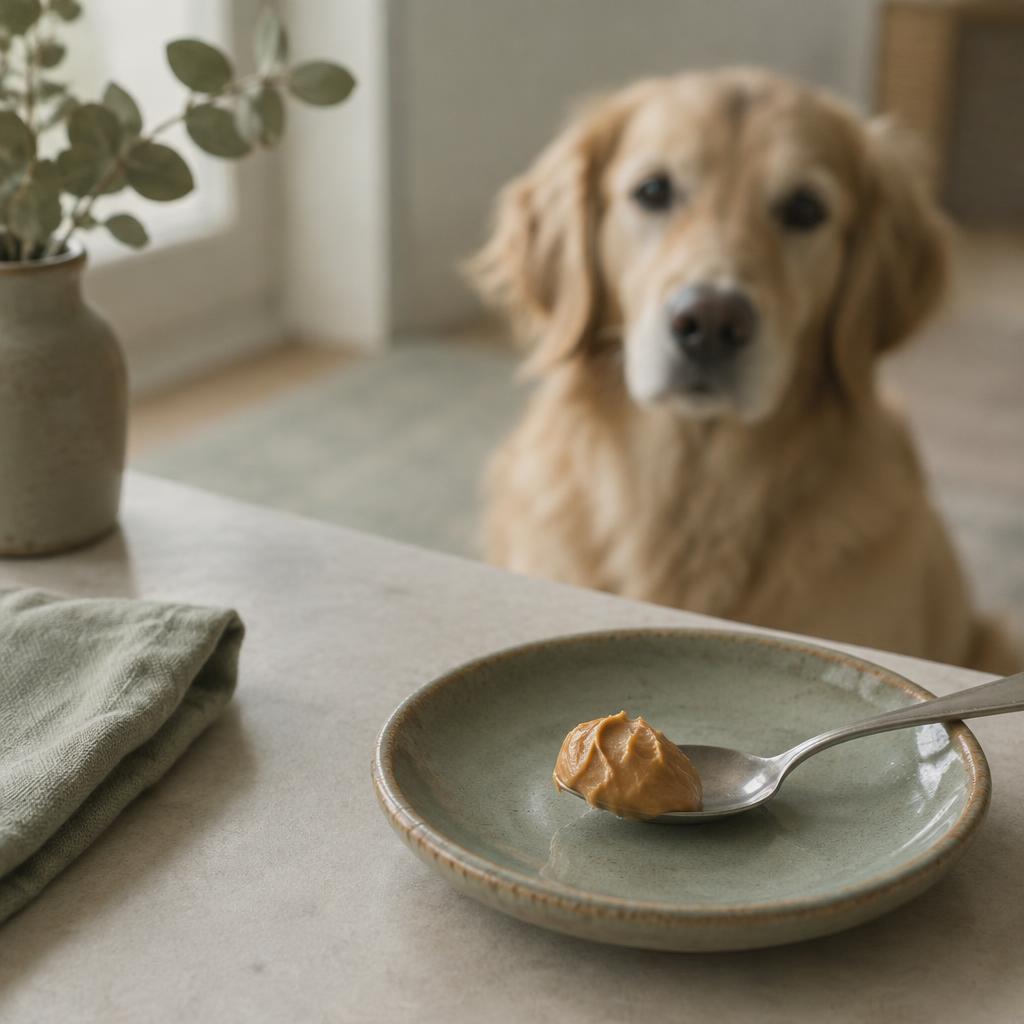
Xylitol aside, the other issue with peanut butter is simple maths: it is roughly 100 calories per tablespoon, most of it fat. That makes it one of the most calorie-dense treats in the house.
| Dog size | Example weight | Serving | How often |
|---|---|---|---|
| --- | --- | --- | --- |
| Toy | Under 5 kg | A quarter teaspoon | A few times a week |
| Small | 5 to 10 kg | Half a teaspoon | A few times a week |
| Medium | 10 to 25 kg | Up to one teaspoon | A few times a week |
| Large | Over 25 kg | One to two teaspoons | A few times a week |
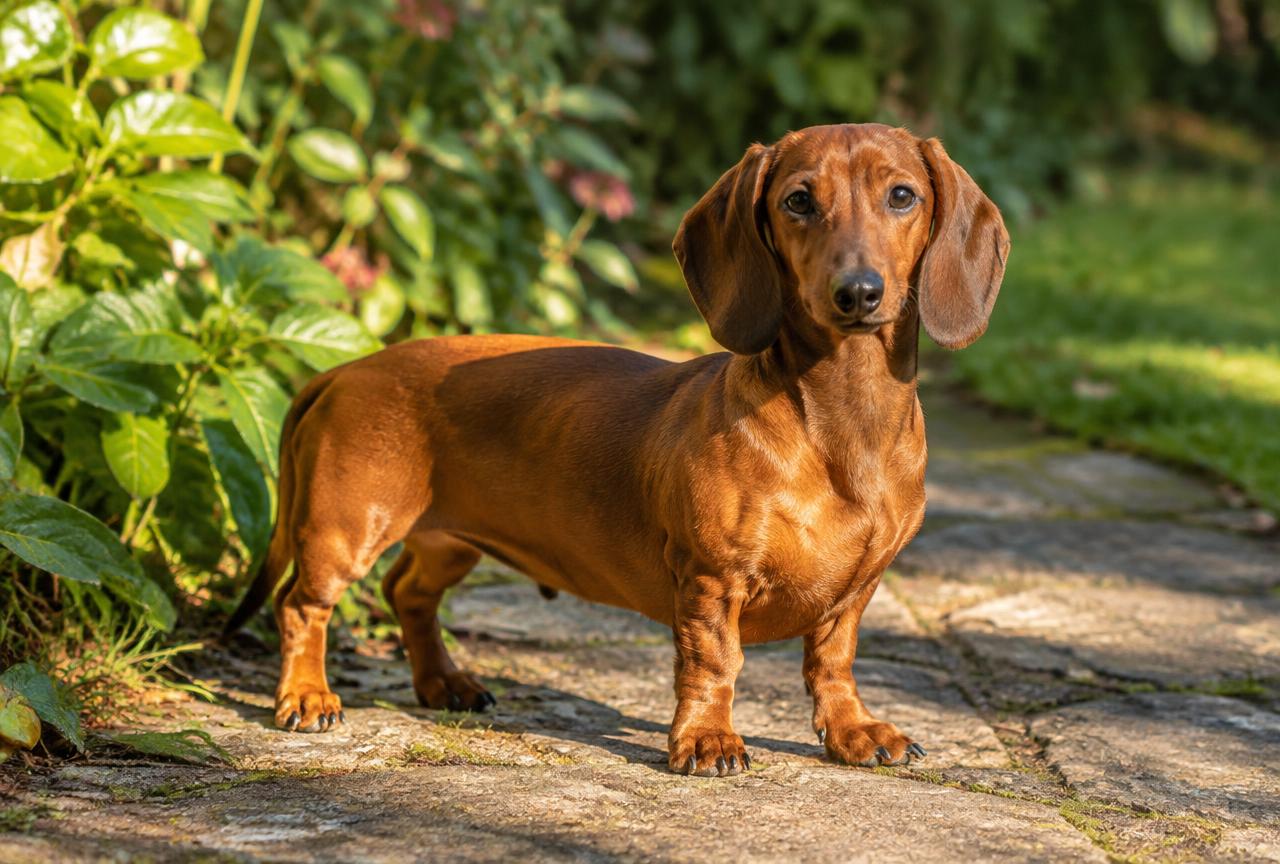
A Labrador Retriever will lobby hard for more, but a measured teaspoon keeps the treat allowance intact. Long-backed, weight-sensitive breeds like the Dachshund need the small end of the scale, as extra weight is hard on their spines.
Smart ways to serve it
Peanut butter's stickiness is a feature, not a flaw. Used well, a tiny amount buys a lot of calm:
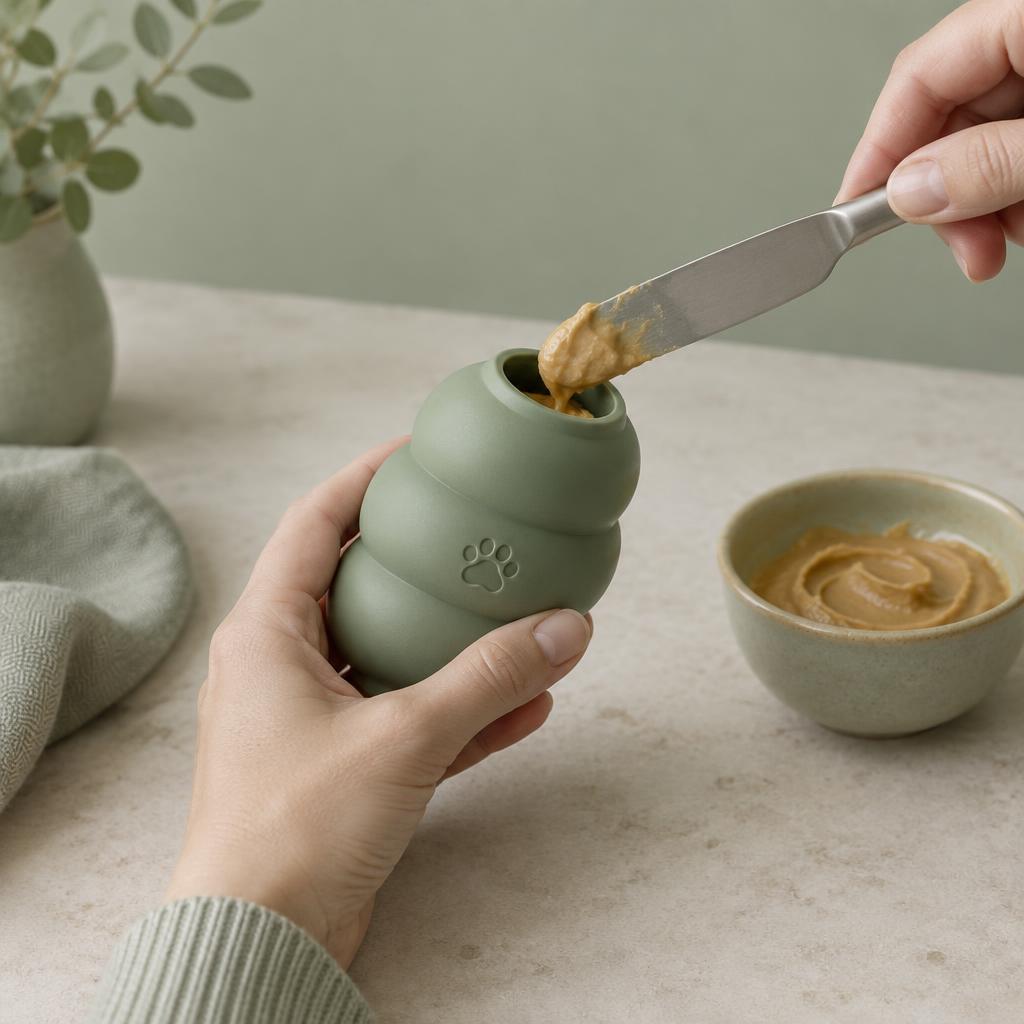
- Stuff a toy. Smear a little inside a rubber toy and freeze it for an hour. A teaspoon becomes twenty minutes of quiet concentration.
- Hide a tablet. Most dogs will swallow a pill wrapped in a small ball of peanut butter without a second thought.
- Distraction for grooming. A smear on a lick mat stuck to the bath wall makes nail trims and washes far easier.
- Training jackpots. A lick from a spoon is a high-value reward for a breakthrough moment.
Jars to avoid
Beyond xylitol, a few other label guests are worth declining:
- Added sugar or sweeteners: unnecessary calories.
- Salt: dogs do not need seasoned spreads.
- Chocolate or cocoa flavoured spreads: chocolate is toxic to dogs, full stop.
- Very oily "natural" jars: fine in principle, but stir and measure, as the oil layer is pure fat.
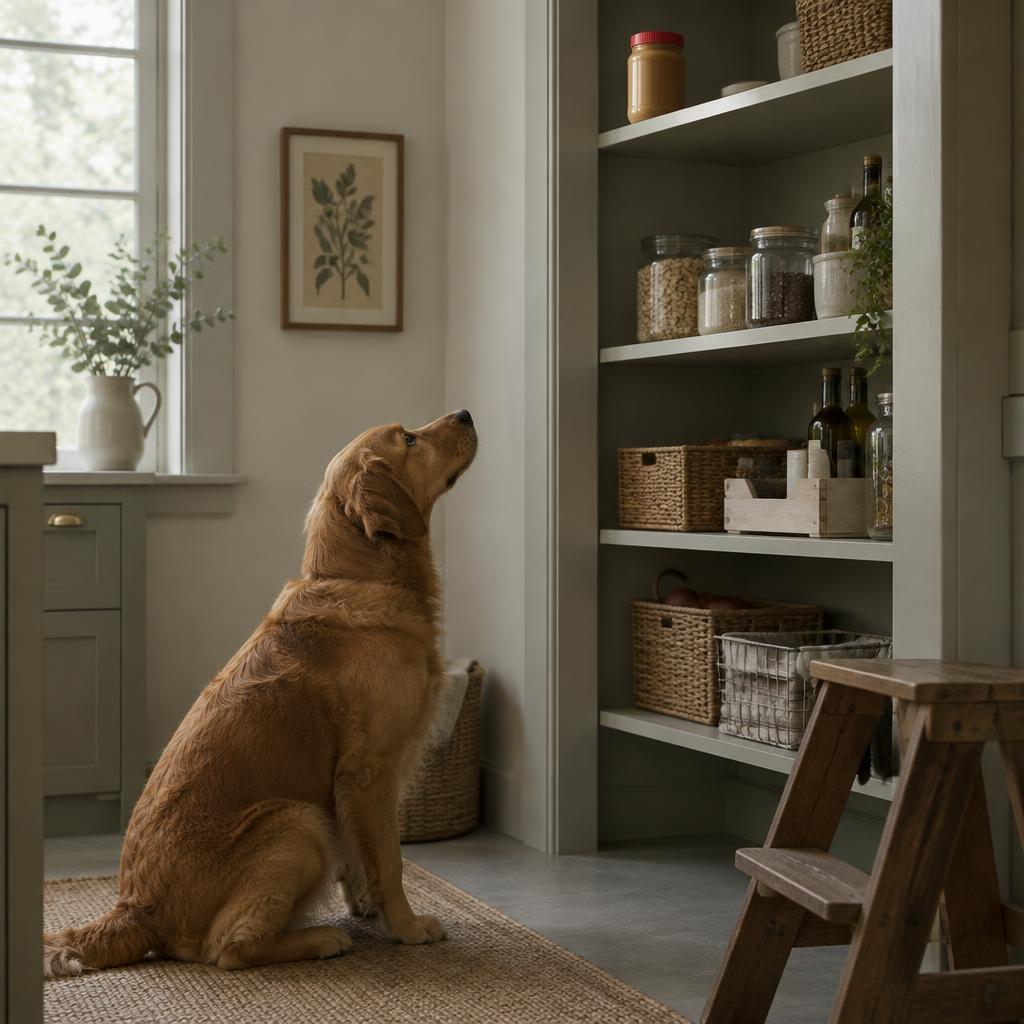
The ideal jar lists one ingredient: peanuts. Store it high and closed; a determined dog can absolutely open a cupboard, and a whole jar is a pancreatitis risk, not a treat.
Interactive tool
Peanut butter safety check
Label, dog size and frequency in, safe versus bin it out.
Your plan
- Read the ingredients for xylitol, sometimes listed as birch sugar or E967. If it is there, the jar is not for the dog.
- For a medium or large dog, up to a teaspoon is a sensible serving.
- A few times a week, counted in the treat allowance, suits most healthy dogs.
- Choose unsalted, unsweetened peanut butter: no added sugar, no sweeteners, no chocolate.
Check the label first
Peanut butter without xylitol is a safe, much-loved treat. With xylitol, it is an emergency.
If your dog eats a xylitol jar
- 1Call your vet or an animal poison line immediately, even if the dog seems fine.
- 2Note the brand, the ingredients and roughly how much is missing.
- 3Do not wait for symptoms: early treatment changes the outcome.
- 4Do not try to make the dog vomit unless a vet tells you to.
Peanut butter is the best treat in the house, as long as one word is absent from the label.
Why dogs love it so much
Peanut butter hits every button a dog has: it is fatty, salty-sweet, intensely aromatic and sticky enough to make eating it a project rather than a gulp. That combination makes it one of the most powerful rewards and distractions available to owners, which is exactly why it deserves respect as a tool. Used deliberately, in a toy, on a lick mat or around a tablet, a teaspoon achieves things a handful of biscuits cannot. Used casually, spoon after spoon from the jar, it becomes a significant source of daily calories before anyone has noticed.
Peanut butter and weight management
The arithmetic is unforgiving. A tablespoon of peanut butter is around 100 calories, and a 10 kg dog may only need 400 calories in a whole day. Two generous spoonfuls can therefore be half a small dog's daily allowance, delivered in thirty seconds of licking. If your dog is on a weight plan, peanut butter does not have to disappear, but it does have to shrink: a smear inside a toy, frozen, delivers the same joy for a fifth of the calories. Our guide to ideal weight can help you work out where your dog's daily allowance should sit.
Other nut butters and spreads
The xylitol rule applies to every spread in the cupboard, not just peanut butter. Almond butter and cashew butter are not toxic in themselves, but they are just as fatty and often carry the same added ingredients. Hazelnut spreads containing chocolate are dangerous because of the cocoa, full stop. Whole peanuts, unsalted and plain, are safe in tiny numbers, though they are a choking hazard for small dogs and easy to overfeed. Whatever the jar, the routine is identical: read the label, measure the serving, store it high.
Using peanut butter for medication and training
Peanut butter's stickiness makes it the finest pill-disguising material known to dog ownership. A tablet pressed into a pea-sized ball of peanut butter goes down before most dogs have registered its existence, which turns a twice-daily wrestling match into a non-event. For training, a lick from a spoon or a smear on a wooden spoon handle works as a jackpot reward for breakthrough moments: the first solid recall, the first calm nail trim. Keep it for the moments that matter and it keeps its power.
The xylitol problem in more detail
It is worth understanding why xylitol earns such a hard line. In humans it is absorbed slowly and barely touches blood sugar, which is why it appears in sugar-free gum, mints, baked goods and some spreads. In dogs the same molecule is mistaken for real sugar, triggering a massive insulin release that can halve blood sugar within the hour. The early signs are vague: weakness, wobbliness, vomiting. Left untreated it progresses to seizures, collapse and, at higher doses, liver failure over the following days. There is no home remedy and no safe wait-and-see window. The ten-second label check before a jar is ever opened for the dog is the entire defence, and it works because it is done in calm, not in a crisis.
Making a stuffed toy last
The frozen stuffed toy deserves a method, because done well it is the single best use of peanut butter in the house. Plug the small hole of a rubber toy with a dab of peanut butter, fill the cavity with a layer of the dog's own kibble mixed with a teaspoon of peanut butter and a splash of warm water, then freeze upright for a few hours. The result is a long-lasting, low-calorie occupation that tastes of peanut butter without being made of it. For crate training, alone-time practice or a wet afternoon, it is worth its weight in chewed furniture. Wash the toy thoroughly between uses, as old residue goes rancid.
Peanut butter through the seasons
Context changes the serving. In summer, a frozen peanut butter toy doubles as a cooling activity on a hot afternoon. In winter, when walks shrink and boredom grows, the same toy buys calm indoors without adding a walk's worth of calories. Around fireworks or visitors, a stuffed toy given early can take the edge off an anxious evening, though it is a management tool rather than a fix, and our fireworks guide covers the fuller plan. Whatever the season, the constants hold: xylitol-free jar, measured teaspoon, counted in the allowance, stored out of reach.
Peanut butter for puppies and seniors
Both ends of life can enjoy peanut butter with the same rules applied more strictly. For weaned puppies, a thin smear in a toy is brilliant crate-training currency, but keep it tiny and occasional while their diet is balanced for growth. For seniors, peanut butter is a gentle way to hide tablets and brighten a quiet afternoon; just watch the calories, as older dogs burn fewer. At every age, the xylitol check comes first.
A note on crunchy versus smooth
Both are safe, but smooth is the better choice for most dogs. Whole peanut pieces are a minor choking risk for small dogs and enthusiastic gulpers, and they pass through undigested anyway. Smooth spreads evenly in a toy, measures more accurately by the teaspoon, and gives you one less thing to think about.
Common mistakes owners make
The most dangerous mistake is assuming all jars are the same and skipping the label check when a brand changes its recipe. The second is the free-poured spoonful: peanut butter served by the generous dollop is a calorie bomb that nobody counted. The third is leaving the jar within reach, because a dog that steals a whole jar has eaten a day's fat in minutes and pancreatitis becomes a real risk. Check every new jar, measure every serving, store it high, and peanut butter stays the safest favourite in the cupboard.
When to see a vet
Call a vet immediately for any suspected xylitol exposure, however small. Also call if a dog has eaten a large quantity of ordinary peanut butter and develops vomiting, diarrhoea, a painful belly or lethargy, as a fat overload can trigger pancreatitis. For everything else, our guide to foods dogs must never eat covers the wider danger list.
The bottom line
Can dogs eat peanut butter? Yes, and for most dogs it is the highlight of the treat calendar. Check the label once, measure with a teaspoon, and let a frozen toy do the stretching. That is all it takes to keep the safest treat in the cupboard safe.
Questions people actually ask
Is peanut butter safe for dogs?
Yes, provided the jar does not contain xylitol. Plain, unsalted, unsweetened peanut butter is safe for most healthy dogs in small amounts. The label check takes ten seconds and only needs doing once per brand.
What is xylitol and why is it dangerous?
Xylitol is a sweetener used in some low-sugar foods. In dogs it triggers a rapid release of insulin, causing a dangerous drop in blood sugar within 30 minutes, and in larger amounts it can cause liver failure. Even a small quantity is an emergency.
How much peanut butter can a dog have?
For a small dog, half a teaspoon is a serving. For a medium or large dog, up to a teaspoon. Peanut butter is around 100 calories per tablespoon, so it should be an occasional treat within the 10 percent treat allowance, not a daily habit.
Which peanut butter is best for dogs?
The best jar has one ingredient: peanuts. Avoid anything with xylitol, added sugar, salt, chocolate or palm oil if you can. Some pet shops sell dog-specific peanut butter, which is simply a guaranteed xylitol-free version.
Can puppies have peanut butter?
Yes, in tiny amounts once weaned, from a xylitol-free jar. A smear inside a toy can keep a puppy busy and help with crate training. Keep it occasional, as puppy diets are carefully balanced for growth.
What should I do if my dog eats peanut butter with xylitol?
Call your vet or an animal poison line immediately, even if the dog seems fine. Symptoms can be delayed, and early treatment makes a significant difference. Keep the jar so the vet can see the brand and ingredients.
Sources
Breeds mentioned

Put it into practice
Read next
Can Dogs Eat Oatmeal? Cooked, Raw and Flavoured
Plain oatmeal cooked in water is safe for dogs in small servings and its soluble fibre can help mild diarrhoea. Avoid flavoured sachets, raw oats and porridge made with milk or sugar.


