
Dog Hiccups: Why They Happen and When to Worry
A hiccupping puppy is equal parts adorable and alarming. The good news: dog hiccups are almost always harmless, and most dogs grow out of them. Here is what is going on and the rare signs that mean more.
The SniffScroll desk
Published 9 October 2026
Reviewed by the SniffScroll editorial team
The short version
- Dog hiccups are diaphragm spasms, just like human hiccups
- Puppies hiccup far more than adults and usually grow out of it
- Fast eating is the commonest trigger; a slow-feeder bowl helps
- Never use human hiccup cures on a dog
- Hiccups plus coughing, gagging or vomiting need a vet check
Few things are more endearing, or more worrying the first time you see them, than a puppy with hiccups. The whole body jumps, the ears flap, and the owner reaches for the search bar. The short answer is that dog hiccups are almost always harmless, especially in puppies, and usually pass within minutes. Here is what is actually going on, and the rare situations where they mean something more.
What are dog hiccups?
Dog hiccups are involuntary spasms of the diaphragm, the muscle under the lungs that drives breathing, and they work exactly the same way as human hiccups.
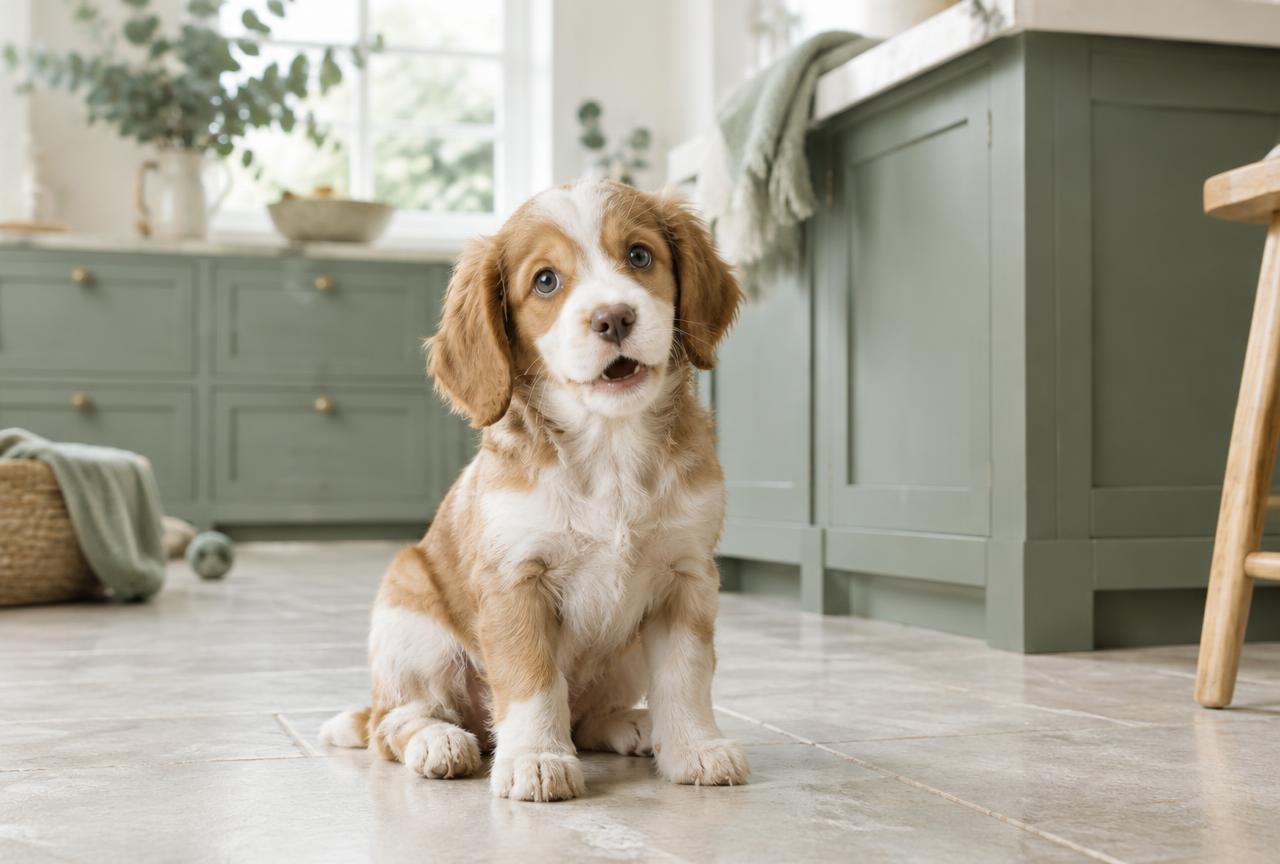
When the diaphragm contracts suddenly and the vocal cords snap shut a split second later, you get the characteristic "hic". In dogs the spasm is often visible as a little jump of the whole chest or belly, sometimes with a soft squeak. Puppies get them far more often than adult dogs, and most dogs hiccup less and less as they grow.
The leading theory for why puppies hiccup so much is that their diaphragm and the nerves controlling it are still maturing. Excitement, fast eating, gulping water and even sleep can all set off a bout. Some puppies hiccup daily for their first few months and then essentially never again.
Why do dogs get hiccups?
The main triggers are eating or drinking too fast, excitement and stress, and simply being a puppy with an immature diaphragm.
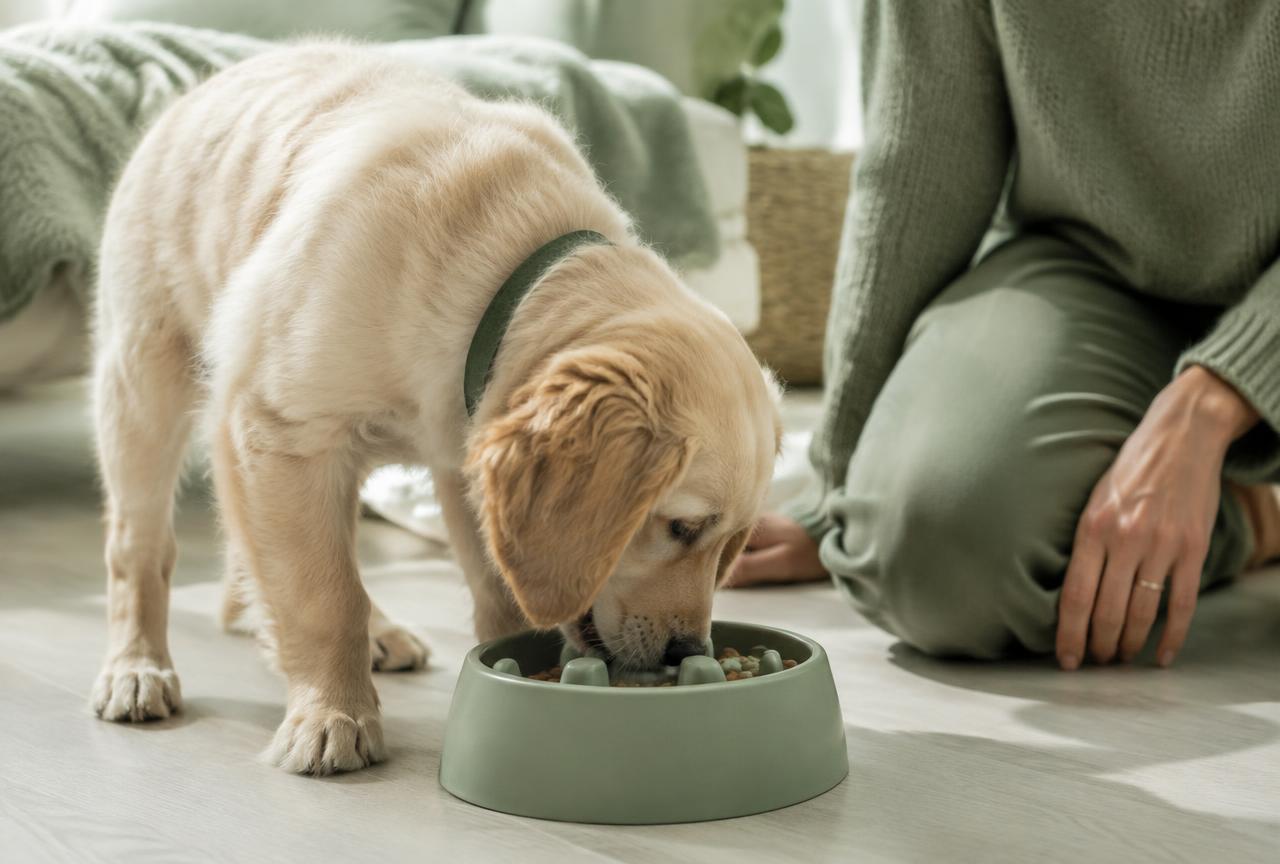
Fast eating and drinking. Gulping food swallows air along with it, and a stomach full of air presses on the diaphragm. This is the classic post-breakfast hiccup bout, and the easiest one to fix.
Excitement and play. Panting hard during play changes breathing rhythm and can trigger spasms. Many puppies hiccup mid-zoomie or right after a burst of wild play.
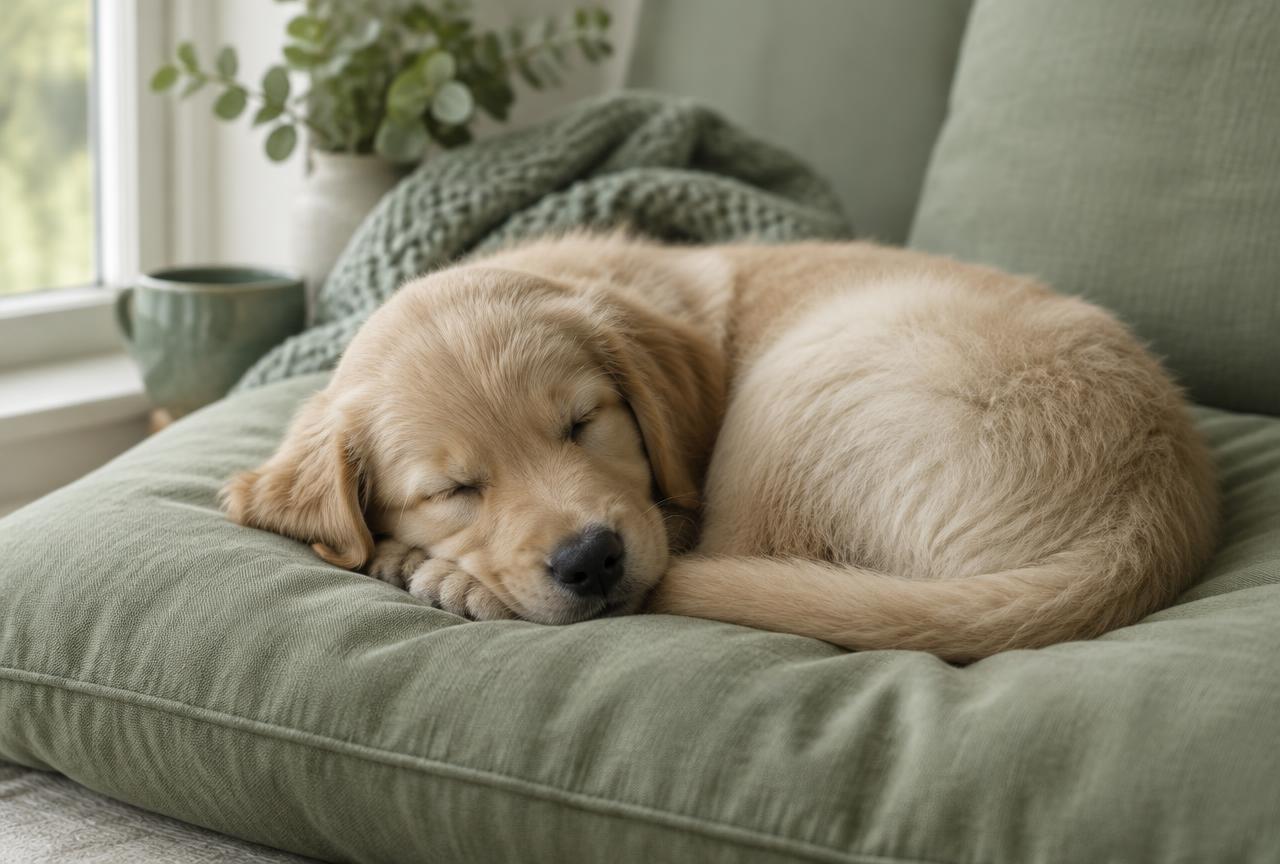
Sleep. Puppies often hiccup while dozing, sometimes without waking. This is normal and needs no intervention at all.
Being a puppy. Under six months, hiccups can happen several times a day with no obvious trigger. Frequency alone, in a bright, eating, playing puppy, is not a concern.
| Trigger | Typical picture | What helps |
|---|---|---|
| --- | --- | --- |
| Fast eating | Hiccups within minutes of a meal | Slow-feeder bowl, smaller meals |
| Excitement | During or after play | Calm settling, nothing else |
| Sleep | Hiccups while dozing | Nothing; let them sleep |
| Puppyhood | Random daily bouts | Time; they grow out of it |
How long do dog hiccups last?
A normal bout of hiccups lasts a few minutes, rarely more than ten to fifteen, and stops on its own without any help.
If your puppy hiccups for five minutes after breakfast and then trots off to play, that is textbook normal. Bouts that drag on for an hour or more, or hiccups that appear many times a day for weeks in an adult dog, are worth mentioning to your vet, particularly if anything else has changed. Persistent hiccups can occasionally accompany irritation of the diaphragm from tummy, chest or throat problems, though this is genuinely uncommon.
How to stop dog hiccups (and what not to do)
Most hiccups need nothing at all, but calming your dog, offering small sips of water and slowing down meals are the safe, sensible measures.
What helps: a calm, quiet few minutes; gentle stroking along the chest; a few small sips of water; and, longer term, a slow-feeder bowl or scattering meals to stop the gulping. What does not help: every human hiccup cure. Do not startle your dog, do not pull their tongue, do not give sugar or anything else from the folklore list. Startling a dog is unkind, and none of it works on a diaphragm spasm anyway.
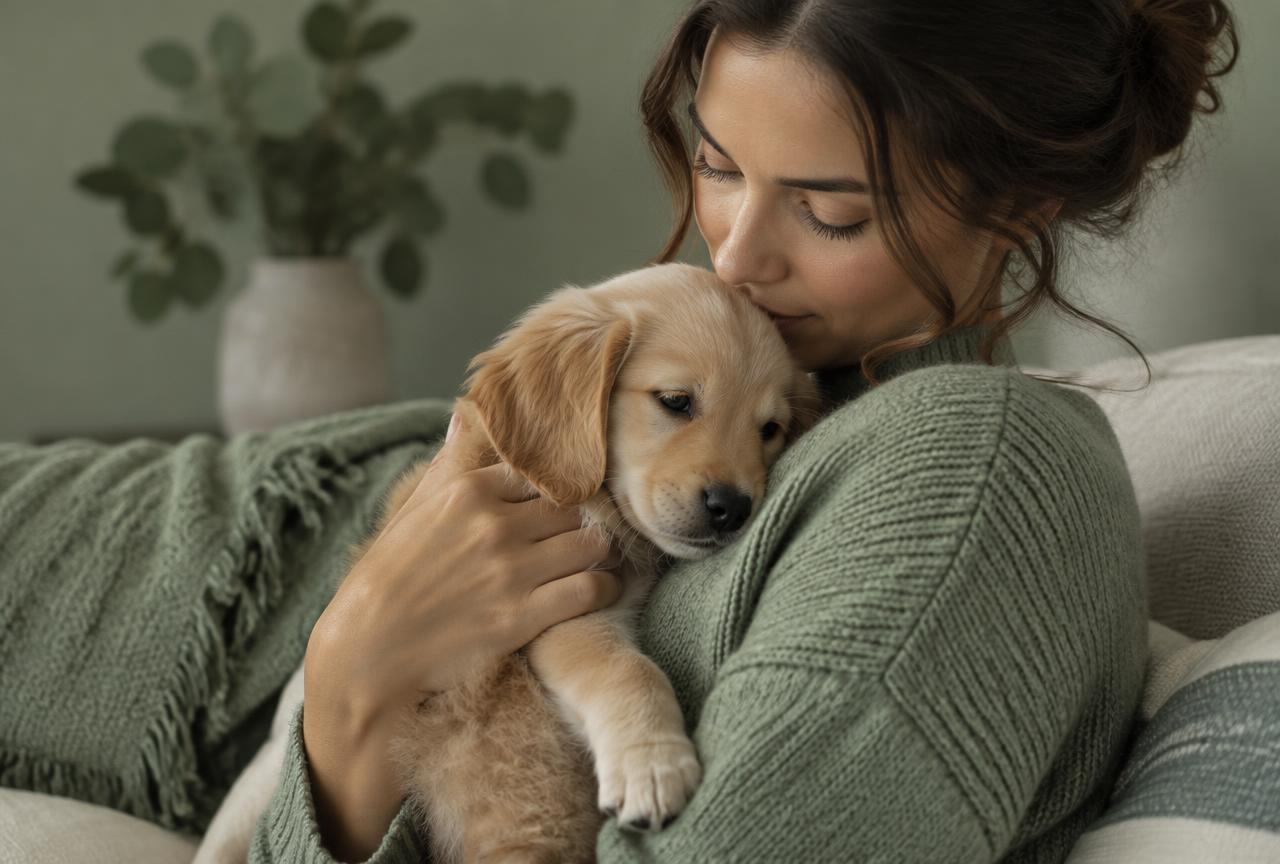
If your dog finds the hiccups distressing, which is rare, simply holding them calmly against your chest until the bout passes is the kindest and most effective response.
When hiccups might mean something more
Hiccups are very rarely a sign of illness, but hiccups combined with coughing, gagging, vomiting, breathing changes or lethargy should be checked by a vet.
On their own, hiccups are a curiosity. In company, they become a clue. Hiccups plus repeated swallowing, lip licking and gulping can accompany acid reflux or an upset stomach. Hiccups plus coughing or breathing effort can point to a chest or throat problem. Hiccups that started suddenly in an adult dog and simply will not stop over days deserve an examination, because persistent hiccups can occasionally reflect irritation of the nerves to the diaphragm.
None of this is common. The overwhelming majority of dog hiccups, and nearly all puppy hiccups, are a harmless quirk your dog will grow out of.
Hiccups by age: what to expect
Hiccups are overwhelmingly a puppy phenomenon, peaking in the first few months and fading through the first year.
New owners are often surprised by how constant puppy hiccups can be: after every meal, mid-play, mid-nap. This reflects a diaphragm and nervous system still under construction, plus a puppy lifestyle of gulped food, wild excitement and sudden sleep. By six months most puppies hiccup far less, and by a year most barely hiccup at all.
An adult dog that still hiccups after fast meals or big excitement is within normal limits. The pattern that deserves attention is the adult dog that never hiccupped before and suddenly hiccups often, or hiccups that arrive alongside tummy or breathing signs. That combination is uncommon, but it is the one to act on.
Myths and mistakes about dog hiccups
"Hiccups mean worms." An old piece of folklore with no evidence behind it. Worm your dog on a proper schedule because worms are real, not because of hiccups.
"You should scare the hiccups out." Never. Startling a dog is unkind, damages trust, and does nothing for a diaphragm spasm.
"Hiccups mean the food is wrong." Hiccups after meals almost always mean the food is being eaten too fast, not that the food itself is a problem. Slow the eating before changing the diet.
Helping a hiccup-prone puppy day to day
If your puppy hiccups constantly, a few small routine changes reduce how often bouts start, even though you cannot prevent them entirely.
Slow everything down. Split the daily food into three or four smaller meals rather than two big ones, use a slow-feeder bowl or scatter feeding, and pick the water bowl up during the wildest play so gulping pauses. Build calm-down time after meals and play: five quiet minutes on a bed before the next burst of excitement. Keep the house warm enough at night, since some owners notice more hiccups in chilly, curled-up puppies, and make sure sleep is undisturbed; overtired puppies hiccup more.
Most of all, relax about it. Hiccups bother owners far more than they bother puppies, and the phase passes. If you are ever unsure whether what you are seeing is hiccups or something else, film a short video on your phone; vets find a ten-second clip enormously helpful.
Hiccups, reverse sneezing and other odd noises: telling them apart
Owners often confuse hiccups with two other harmless-but-startling sounds: reverse sneezing and the gulping of mild nausea.
Hiccups are rhythmic, quiet little jumps of the chest or belly, each with a soft hic. Reverse sneezing is a loud, rapid snorting spell where the dog stands still, stretches its neck and seems to inhale in bursts; it looks alarming and is almost always harmless. Nausea gulping is a repeated swallow with lip licking, often before vomiting or after eating grass. If the sound your dog makes is a snort rather than a hic, read our reverse sneezing guide instead, and if it is gulping with lip licking, think stomach rather than diaphragm.
When in doubt, film it. A short video turns a vague description into an instant answer at the vet.
When to see a vet
See a vet if hiccups last for hours at a time, happen constantly over days in an adult dog, or come with coughing, gagging, vomiting, breathing changes or low energy.
For a puppy with classic short bouts after meals or play, no vet visit is needed; mention it at the next routine appointment if you are curious. For an adult dog whose hiccups are new, frequent or prolonged, a check-up is sensible. And any time hiccups arrive alongside signs of being unwell, not eating, vomiting, coughing, breathing differently, or seeming flat, treat the other signs as the reason for the visit and mention the hiccups as part of the picture.
Interactive · hiccup checker
Are your dog's hiccups normal?
Tell us your dog's age and when the hiccups happen. We will say whether they fit the normal pattern or warrant a vet call.
What to do
- No treatment needed; hiccups pass on their own within minutes.
- Slow meals down with a slow-feeder bowl or by scattering the food; gulping air is the commonest trigger.
- Never try human hiccup cures; startling or scaring a dog is unkind and ineffective.
Normal puppy hiccups
Hiccups are a diaphragm spasm and almost always harmless, especially in puppies, who usually grow out of them.
Frequently asked questions
Is it normal for puppies to hiccup every day?
Yes. Daily hiccups are completely normal in puppies under six months, especially after meals, play or naps. Their diaphragm and its nerves are still maturing. As long as your puppy is bright, eating and growing, daily hiccups are a phase, not a problem.
Why does my dog get hiccups after eating?
Eating fast swallows air, and the air-filled stomach presses on the diaphragm and triggers spasms. A slow-feeder bowl, scattering the food, or splitting the meal into smaller portions usually reduces or stops post-meal hiccups.
Can dogs get hiccups in their sleep?
Yes, and puppies often do. You will see the chest jump and hear a soft hic while they stay asleep. It is harmless; let them sleep. There is no need to wake or move them.
How long is too long for dog hiccups?
A typical bout lasts a few minutes. If hiccups regularly last an hour or more, or your adult dog is hiccupping many times a day for days on end, book a vet check to rule out irritation of the diaphragm from tummy or chest problems.
Do dogs grow out of hiccups?
Most do. Hiccups peak in puppyhood and become rare in most adult dogs. An adult dog that still gets the occasional bout after a fast meal or wild play is simply a dog whose diaphragm kept a puppy habit; it is still harmless.
Can stress cause hiccups in dogs?
Excitement and mild stress can trigger hiccups through changes in breathing pattern, which is why they often appear during play or in new situations. Settling your dog calmly usually ends the bout faster than anything else.
Questions people actually ask
Is it normal for puppies to hiccup every day?
Yes. Daily hiccups are completely normal in puppies under six months, especially after meals, play or naps. Their diaphragm and its nerves are still maturing. As long as your puppy is bright, eating and growing, daily hiccups are a phase, not a problem.
Why does my dog get hiccups after eating?
Eating fast swallows air, and the air-filled stomach presses on the diaphragm and triggers spasms. A slow-feeder bowl, scattering the food, or splitting the meal into smaller portions usually reduces or stops post-meal hiccups.
Can dogs get hiccups in their sleep?
Yes, and puppies often do. You will see the chest jump and hear a soft hic while they stay asleep. It is harmless; let them sleep. There is no need to wake or move them.
How long is too long for dog hiccups?
A typical bout lasts a few minutes. If hiccups regularly last an hour or more, or your adult dog is hiccupping many times a day for days on end, book a vet check to rule out irritation of the diaphragm from tummy or chest problems.
Do dogs grow out of hiccups?
Most do. Hiccups peak in puppyhood and become rare in most adult dogs. An adult dog that still gets the occasional bout after a fast meal or wild play is simply a dog whose diaphragm kept a puppy habit; it is still harmless.
Can stress cause hiccups in dogs?
Excitement and mild stress can trigger hiccups through changes in breathing pattern, which is why they often appear during play or in new situations. Settling your dog calmly usually ends the bout faster than anything else.
Sources
Breeds mentioned


Put it into practice
Read next
Dog Dry Heaving: Causes and When It Is an Emergency
Dog dry heaving is usually throat irritation or mild nausea, but repeated unproductive retching with a swollen, tight belly can be bloat (GDV), a life-threatening emergency.


