
Working group
England
Bullmastiff
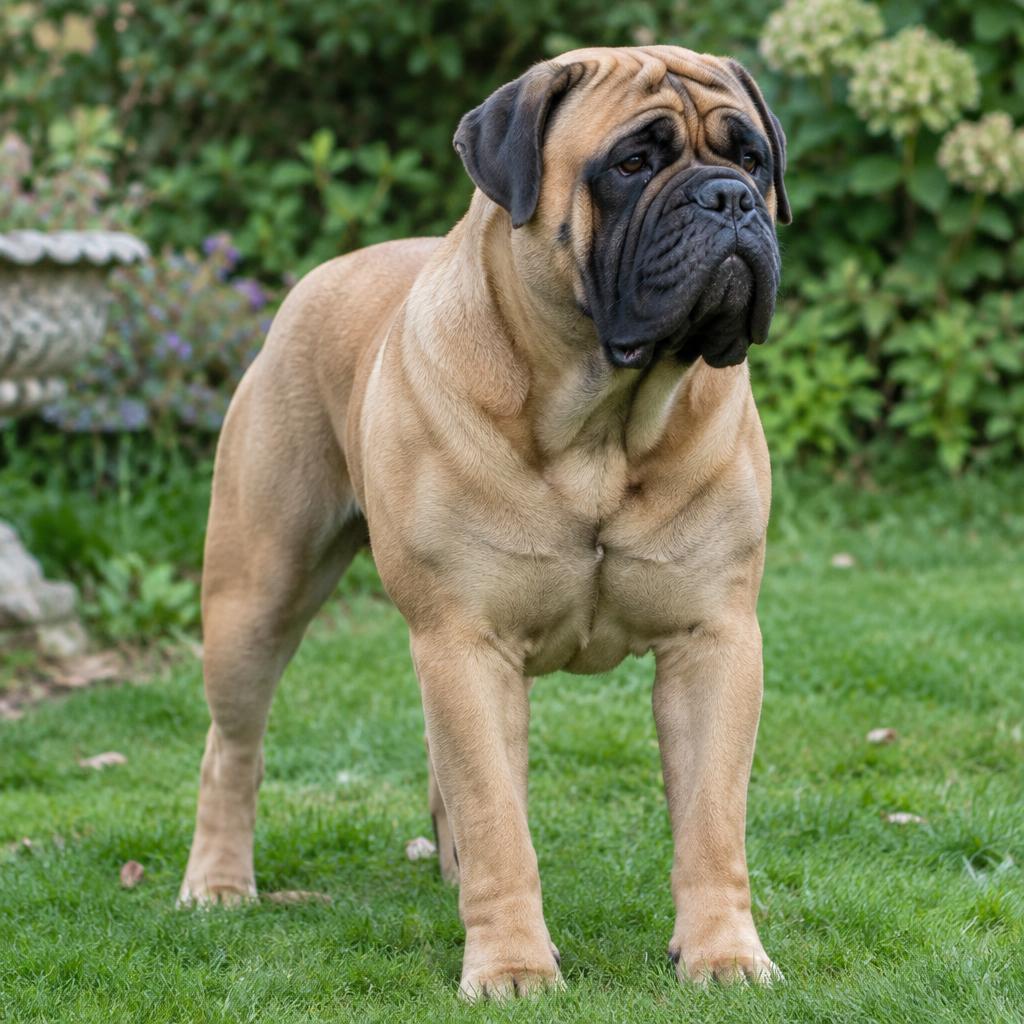
The Bullmastiff is a calm, powerful guardian breed with a short lifespan, needing early socialisation and committed joint and heart screening.
Reviewed against Kennel Club and breed club health guidance
A calm, powerful English guardian bred to track and hold poachers silently, now a devoted and protective family dog.
The short version
- Bullmastiffs were bred to track and hold poachers silently, which shapes their quiet, watchful temperament.
- Early socialisation matters, since the breed is naturally reserved with strangers.
- A lifespan of 7 to 9 years is short, a genuine consideration before buying.
- Hip, elbow and heart screening of breeding stock are essential given the breed's size.
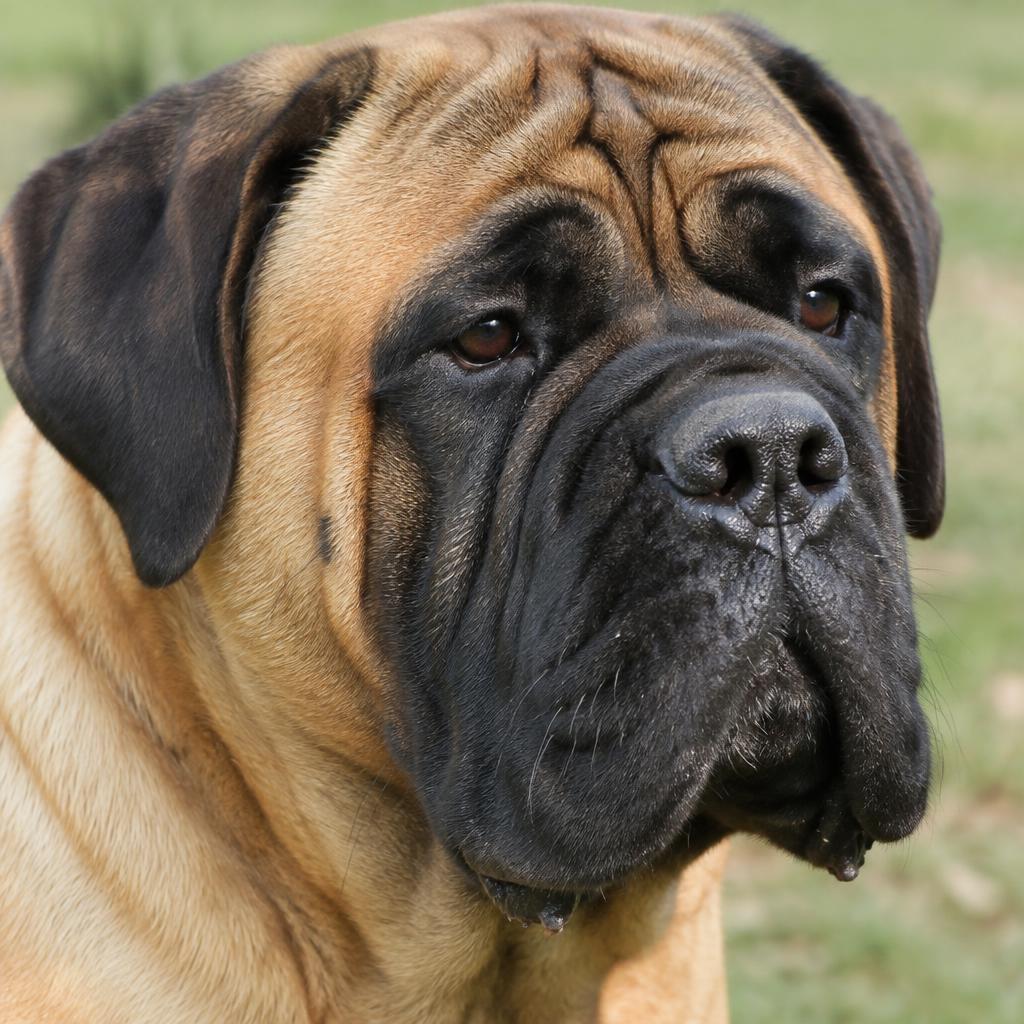
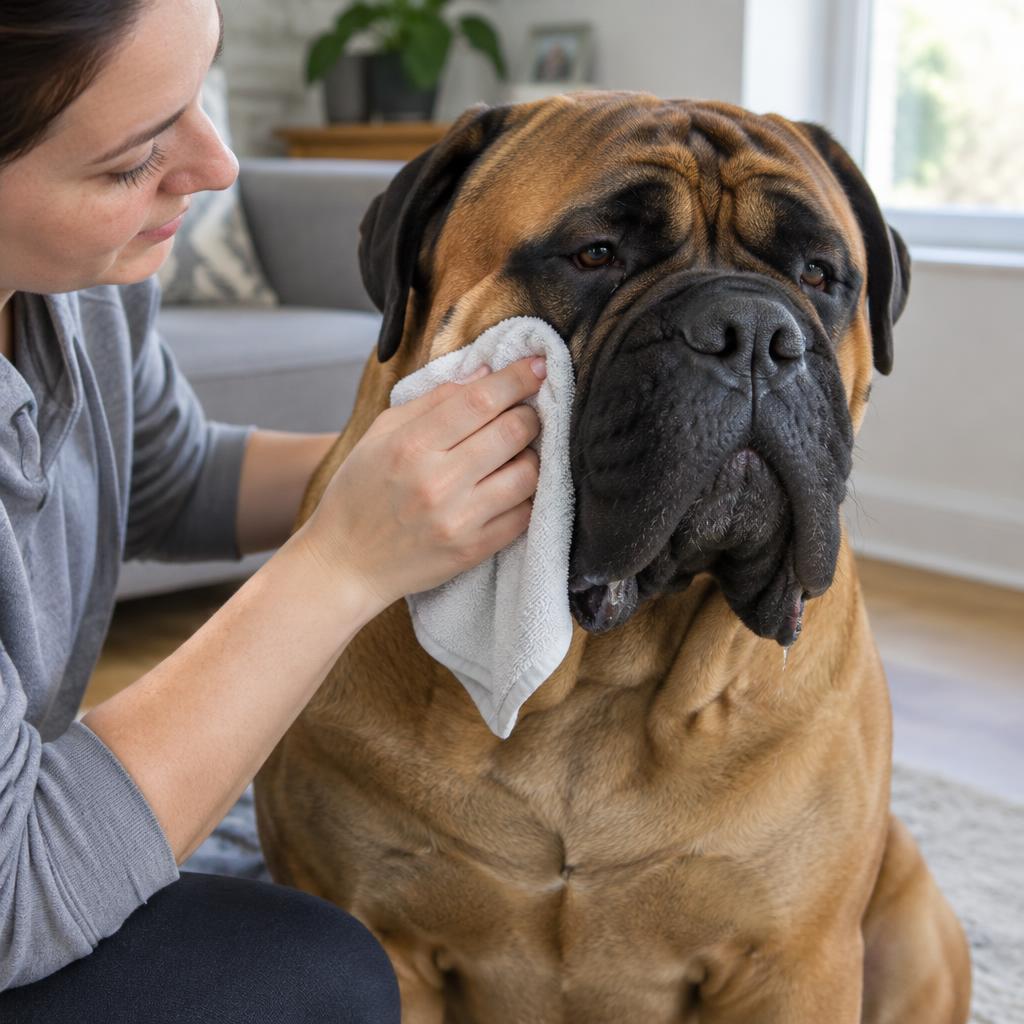
- Grooming is light, but facial folds need regular cleaning and drool is part of daily life.
- Weight
- 41 to 59 kg
- Height
- 61 to 68 cm
- Lifespan
- 7 to 9 yrs
- Size
- Large
- Group
- Working
- Coat
- Short, dense coat in fawn, red or brindle with a black mask
- Grown male
- 50 to 59 kg
- Grown female
- 41 to 50 kg
- Years to full size
- about 2
- One-off setup
- €700 to 1300
Get one if…
- Confident owners able to train and socialise from puppyhood
- Families wanting a calm, loyal guardian with a garden
- Owners who prefer a dog that rarely barks without reason
- Households prepared for genuine health screening and veterinary costs
- People wanting a devoted, settled house dog rather than a highly active one
Think again if…
- First time owners unwilling to put in early training effort
- Households in small flats without easy outdoor access
- People wanting an openly friendly dog with every stranger and dog
- Owners seeking a long lived breed
- Homes unable to manage drooling and heat sensitivity
Trait profile
The Bullmastiff combines high affection and low vocality with a watchful, reserved streak around strangers, so early socialisation matters more than general trainability.
Space & setup. A house with a secure garden suits this breed well, giving it room to patrol and settle without the restrictions of flat living.
Allergies. The short, dense coat sheds a moderate amount year round and is not considered suitable for allergy sensitive households.
Living with a Bullmastiff
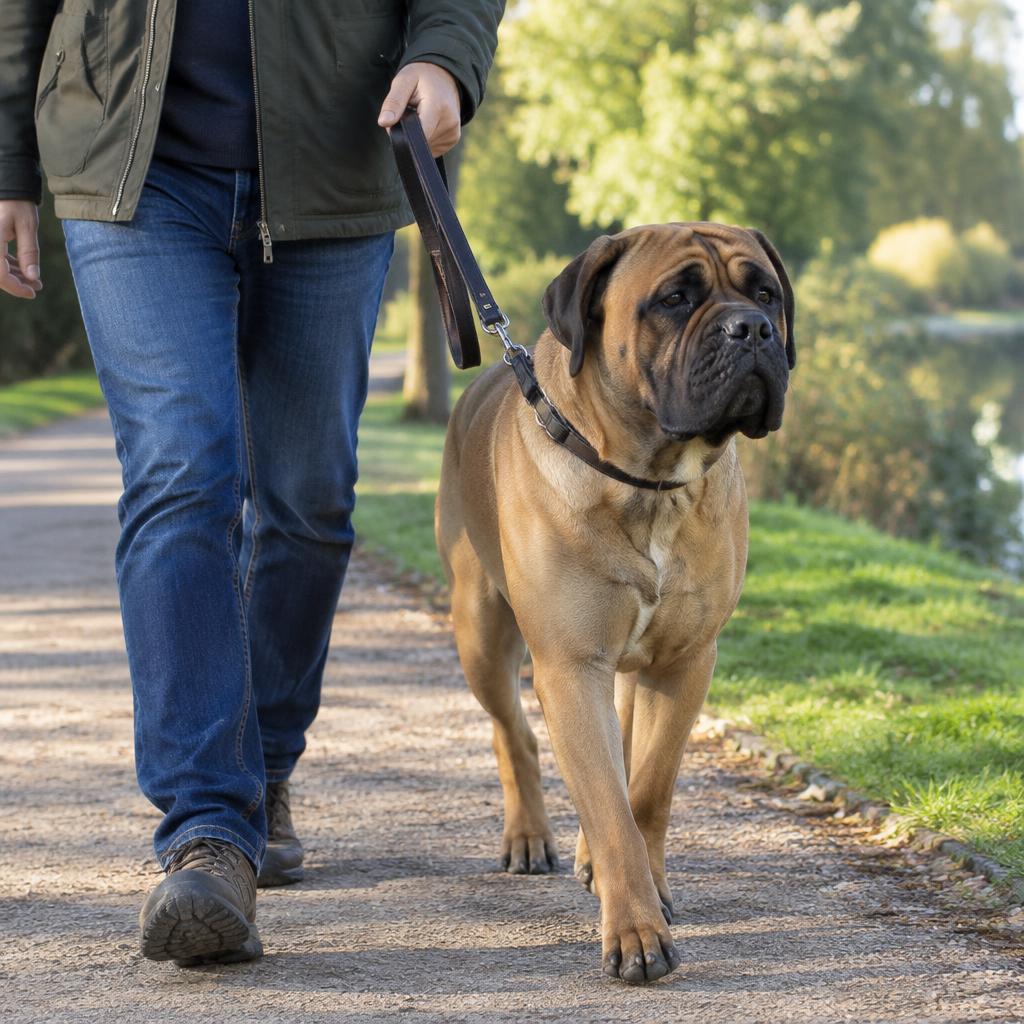
The Bullmastiff is a large English working breed developed by gamekeepers to track, confront and hold trespassers without excessive noise or violence. It is calm, loyal and generally gentle with its own family, but its size, natural wariness of strangers and short lifespan mean it suits confident owners prepared for early training and committed health screening.
The Bullmastiff was developed in nineteenth century England by gamekeepers on large estates who needed a powerful, silent dog capable of tracking, confronting and holding a poacher until help arrived, without the noise or ferocity that might alert a trespasser from a distance or cause lasting injury. Breeders crossed the Mastiff, valued for size and calm temperament, with the Bulldog of the time, valued for courage and tenacity, aiming for a roughly sixty forty split that produced a dog agile enough to pursue a man on foot yet imposing enough to deter one without a fight. The breed was recognised by the Kennel Club in the early twentieth century and gradually moved from a working gamekeeper's dog into a devoted family guardian, retaining much of its original quiet confidence and physical power along the way. Its history as a dog meant to subdue rather than maul explains much of its modern temperament, a breed built for controlled strength rather than aggression for its own sake.
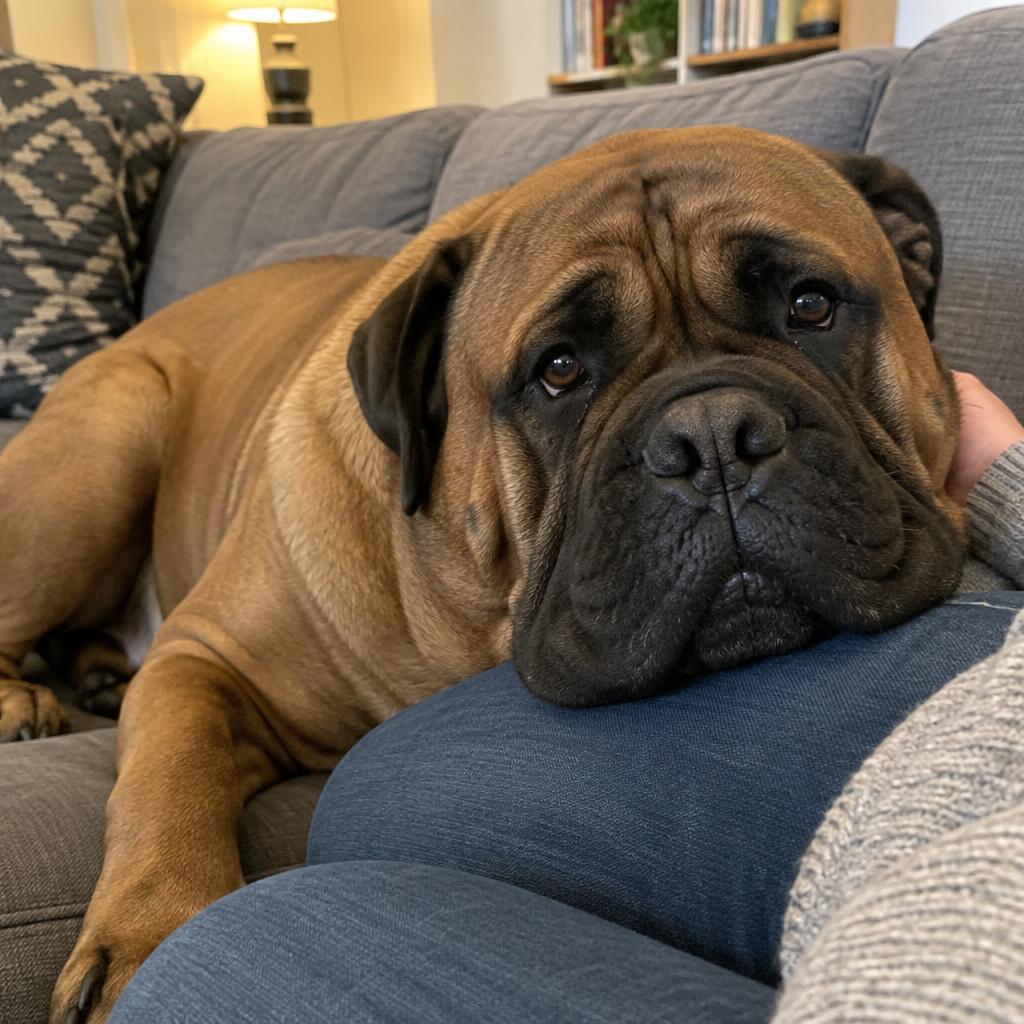
At home, the Bullmastiff is typically a calm, affectionate and deeply loyal companion that bonds closely with its family and is generally gentle and patient with children it has grown up alongside, though its sheer size means supervision around very young children is sensible regardless of temperament. It is a naturally protective breed that tends to be reserved or watchful with strangers rather than openly friendly, a trait that suits its guarding heritage but makes early, consistent socialisation genuinely important rather than optional. Training benefits from a calm, firm and consistent hand from puppyhood, since a mature Bullmastiff is large and strong enough that poor manners on the lead or around visitors become a real practical problem rather than a minor inconvenience, and while the breed is reasonably biddable, its independent streak means harsh or inconsistent handling tends to produce a stubborn response rather than cooperation. Drooling is common, particularly after drinking, eating or exertion, and the breed's broad, somewhat flattened face means it can struggle in heat and should never be left without shade, water and ventilation in warm weather.
Exercise needs are moderate, reflecting a breed built for short bursts of pursuit and restraint rather than endurance, and a couple of steady walks a day alongside some free play generally keeps an adult Bullmastiff content, with puppies needing noticeably gentler, shorter outings to protect joints still developing in a heavy, fast growing frame. Because of its brachycephalic tendencies, exercise in hot weather should be limited to cooler parts of the day, and owners should watch for heavy panting, excessive drooling or reluctance to continue, all of which can signal the dog is struggling with heat rather than simply tired. Grooming is refreshingly light for such a large breed, with the short, dense coat needing only a weekly brush to control shedding, though the facial folds and wrinkles benefit from regular cleaning to prevent soreness or infection building up unnoticed.
Health is a significant consideration given the breed's relatively short lifespan of 7 to 9 years. Hip and elbow dysplasia are very likely in a breed of this size and weight, making screening of breeding stock essential, while gastric dilatation-volvulus remains a serious and sometimes fatal risk in deep chested large breeds that owners should understand and watch for. Entropion, where the eyelid rolls inward and irritates the eye, is common, and subaortic stenosis along with other heart disease is a notable concern that a cardiologist's examination of breeding stock can help screen against. Cancers including lymphoma and osteosarcoma occur more often in this breed than in many smaller ones, and cruciate ligament injury is common given the strain a heavy frame places on the knee joints, particularly in dogs allowed to become overweight. Keeping a Bullmastiff lean throughout its life meaningfully reduces strain on joints already working hard to support its substantial build.
This is a breed that suits confident owners with the space and physical ability to manage a large, strong dog, who are prepared to invest in early socialisation, consistent training and proactive health screening, and who accept a shorter lifespan and real veterinary costs as part of the commitment. It works well for families wanting a calm, loyal guardian for a house with a garden, and for owners seeking a dog that is naturally watchful without being constantly vocal, since Bullmastiffs rarely bark without good reason. It is a poor choice for first time owners unwilling to put in early training effort, for households in small flats without easy outdoor access, or for anyone hoping for a classic sociable park dog that greets every stranger and other dog with open enthusiasm, since the breed's reserved, protective nature is a defining and unchangeable part of what it is.
A calm, loyal and quietly protective guardian that needs early socialisation, firm handling and committed joint and heart health screening.
Exercise, day to day
- 1Puppies (8 to 20 weeks): short, gentle walks only, avoiding stairs and jumping while joints develop.
- 2Adults: a couple of steady walks a day totalling around 45 minutes to an hour.
- 3Keep exercise low impact in hot weather, watching for heavy panting or reluctance to continue.
- 4Provide shade, water and rest breaks during outdoor activity, especially in summer.
- 5Monitor weight closely, since excess weight adds significant strain to the knees and hips.
Grooming, realistically
- 1Brush weekly with a short bristle brush or grooming glove to control shedding.
- 2Clean facial folds and wrinkles regularly to prevent soreness or infection.
- 3Check and clean ears weekly to prevent wax build up and infection.
- 4Trim nails every 3 to 4 weeks given the dog's weight and the strain overlong nails place on joints.
- 5Brush teeth several times a week to reduce tartar build up.
What you actually need
- Short bristle brush or grooming glove
- Ear cleaning solution and cotton pads
- Large dog nail clippers or grinder
- Enzymatic dog toothpaste and brush
- Soft absorbent cloths for drool management
- Gentle dog shampoo
Puppy to adult
| Age | Male | Female | What is happening |
|---|---|---|---|
| 8 weeks | 8 to 11 kg | 7 to 10 kg | A solid, heavy boned puppy from the start, needing gentle, controlled exercise. |
| 3 months | 16 to 22 kg | 14 to 19 kg | Rapid early growth means joints need protecting from excess exercise or jumping. |
| 6 months | 28 to 38 kg | 24 to 32 kg | Adolescent growth continues quickly, with the frame still maturing. |
| 9 months | 36 to 48 kg | 31 to 40 kg | Noticeably adult looking, though muscle and bone condition are still developing. |
| 12 months | 44 to 54 kg | 37 to 45 kg | Close to adult weight, though continued careful feeding supports joint health. |
| 24 months | 50 to 59 kg | 41 to 50 kg | Full adult size and muscle condition reached. |
Ranges are typical, not targets. Judge condition by ribs and waist, and check with the ideal weight checker.
What to ask a breeder
- Can I see hip and elbow scores for both parents?
- Has either parent had a cardiac check for subaortic stenosis or other heart disease?
- Can I see eye examination results for entropion?
- How have the puppies been socialised with strangers and other dogs so far?
- Is there a family history of cancer, such as lymphoma or osteosarcoma, in the line?
Health tests to ask for
Ask to see results for both parents before you put down a deposit.
- BVA/KC hip and elbow scores
- Cardiac examination by a cardiologist for subaortic stenosis
- Eye examination for entropion
- Family cancer history discussion with the breeder
- Ongoing weight management throughout life
Health watch-list
What to ask a breeder about, and what to watch for over a lifetime. This is orientation, not veterinary advice, anything you notice belongs in front of a vet.
Hip and elbow dysplasia
Very likelyMalformed hip and elbow joints are common given this breed's size and weight, so asking for hip and elbow scores of breeding stock is essential.
Gastric dilatation-volvulus
NotableA sudden twisting of the stomach is a serious and sometimes fatal risk in deep chested large breeds, so owners should know the warning signs and act quickly.
Entropion
CommonThe eyelid rolling inward can irritate the eye and cause ongoing discomfort, so regular eye checks and prompt veterinary attention help manage the condition.
Subaortic stenosis and heart disease
NotableThis narrowing near the heart valve can affect blood flow, so a cardiologist's examination of breeding stock helps screen against it.
Cancers such as lymphoma and osteosarcoma
NotableThese cancers occur more often in this breed than in many smaller ones, so unexplained lumps, swelling or lameness should be checked promptly.
Cruciate ligament injury
CommonThe strain a heavy frame places on the knee joints makes cruciate injury relatively common, particularly in dogs allowed to become overweight.
What it costs to keep one
Realistic running cost
€128 / month
About €1,536 a year, or roughly €12,288 across a 8-year life, before purchase price, neutering and one-off vet events.
Before the puppy arrives. Budget roughly €700 to 1300 for a crate, bed, lead and harness, bowls, puppy classes, first vaccinations and grooming kit sized for this breed. Figures throughout are indicative and vary a good deal between countries.
Interactive · built for this breed
Is a Bullmastiff right for your home?
Seven honest questions about your space, time and household, checked against this breed's exercise need, coat, sociability and tolerance for time alone.
Fit with your routine
97%
A strong fit
Your routine suits a Bullmastiff well. Meet adult dogs of the line before you commit.
Working in your favour
- Your daily walking comfortably covers this breed's exercise need.
- Coat care fits the grooming time you offered.
Compare more breeds in the matchmaker, or plan meals with the portion calculator.
The verdict, by household
First-time owner
Workable, with changes
Loyal and calm, but the size and need for early firm training mean first time owners should be realistic and well supported.
Family with children
An excellent match
Gentle and protective with its own family, making it a devoted companion for households with children.
Active single or couple
A good choice with realistic expectations
Moderate exercise needs suit a settled routine rather than an athletic lifestyle built around the dog.
Owner in a flat with close neighbours
Workable, with changes
Quiet by nature, but the dog's size and need for outdoor space make flat living a genuine challenge.
When to call your vet
- A swollen, tense abdomen with unproductive retching, which can indicate life threatening bloat and needs emergency care
- Lameness or reluctance to rise, which may suggest hip or elbow dysplasia
- Persistent eye irritation or redness, which can point to entropion
- Fatigue, coughing or exercise intolerance, which may indicate heart disease
- Unexplained lumps, swelling or lameness, which should be checked promptly given the breed's cancer risk
Nothing here is a diagnosis. A swollen, hard belly with retching, collapse, breathing difficulty and sudden hind-leg weakness are emergencies: go straight away.
Bullmastiff vs the closest alternatives
| Breed | Weight | Energy | Grooming | € / month |
|---|---|---|---|---|
| Bullmastiff | 41 to 59 kg | 5/10 | 3/10 | €128 |
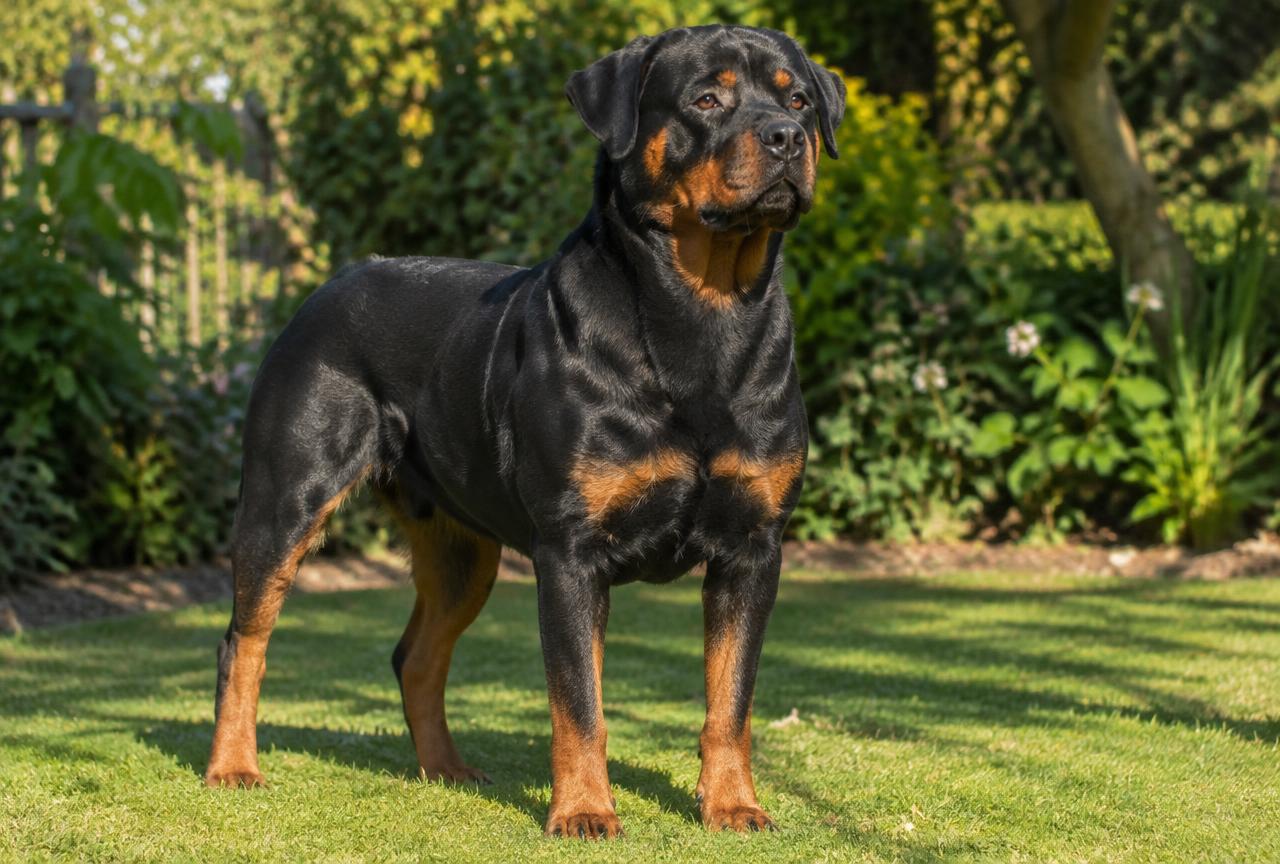
| Rottweiler | 35 to 60 kg | 6/10 | 2/10 | €158 |
| American Bully | 15 to 55 kg | 6/10 | 3/10 | €185 |
| Whippet | 11 to 20 kg | 6/10 | 2/10 | €72 |
Bullmastiff questions, answered
How long do Bullmastiffs live?
Bullmastiffs typically live between 7 and 9 years, a short lifespan reflecting their large size. Keeping weight controlled and staying on top of joint and heart health through life gives a Bullmastiff the best chance of reaching the upper end of that range.
Are Bullmastiffs good family dogs?
Generally yes, Bullmastiffs are calm and affectionate with their own family and are often gentle with children they have grown up alongside. Their size means supervision with very young children is sensible regardless of temperament.
What were Bullmastiffs bred for?
Bullmastiffs were developed by English gamekeepers to track, confront and hold poachers until help arrived, bred from a cross of Mastiff and Bulldog to combine size and calm confidence with courage and agility.
Do Bullmastiffs bark a lot?
No, Bullmastiffs are naturally quiet dogs that rarely bark without good reason. Their guarding instinct tends to show as watchfulness rather than noise, a trait that stems directly from their original silent working role.
Are Bullmastiffs aggressive?
Not by nature, though they are naturally reserved and watchful with strangers rather than openly friendly. Early, consistent socialisation is genuinely important to help a Bullmastiff grow into a confident, well mannered adult.
How much exercise does a Bullmastiff need?
Around 45 minutes to an hour a day split across a couple of steady walks suits most adults well. This is a moderate exercise breed built for short bursts of pursuit rather than endurance, so excessive exercise is not necessary.
Do Bullmastiffs drool?
Yes, drooling is common, particularly after eating, drinking or exertion. Owners should expect to clean facial folds and wipe away slobber as a routine part of caring for this breed.
Sources
- Bullmastiff breed standard, The Kennel Club
- Bullmastiff breed information, American Kennel Club
- Gastric dilatation-volvulus in dogs, British Veterinary Association
- Hip dysplasia scheme, Orthopedic Foundation for Animals
- Caring for a Bullmastiff, PDSA
Put it into practice
Reading that goes with this

Health
Why Is My Dog Panting So Much? Causes and Warning Signs

Puppies
Crate Training a Puppy: A 14-Day Plan

Health
Why Is My Dog Shaking? Causes and When to Worry

Health
Dog Ear Infections: Signs, Causes and Treatment
Health
Dog Heat Cycles: How Long, How Often and What to Expect
Health
Why Do Dogs Sleep So Much? Hours by Age and Breed

Care
Dog Years to Human Years: The Real Science
Breeds people compare with this
Rottweiler
A calm, powerful guardian breed that needs early socialisation and a confident, consistent owner.
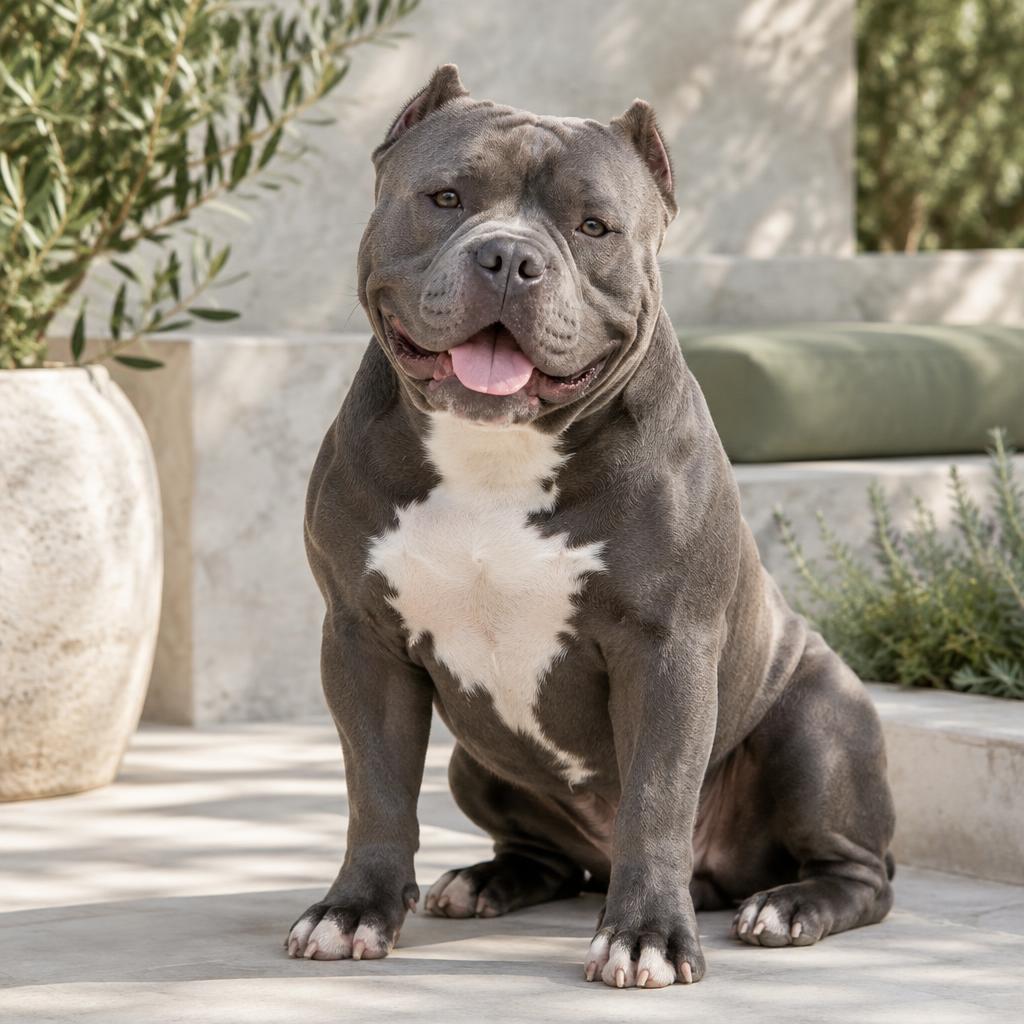
American Bully
The misunderstood companion: a people-loving heart behind a powerful, athletic frame.
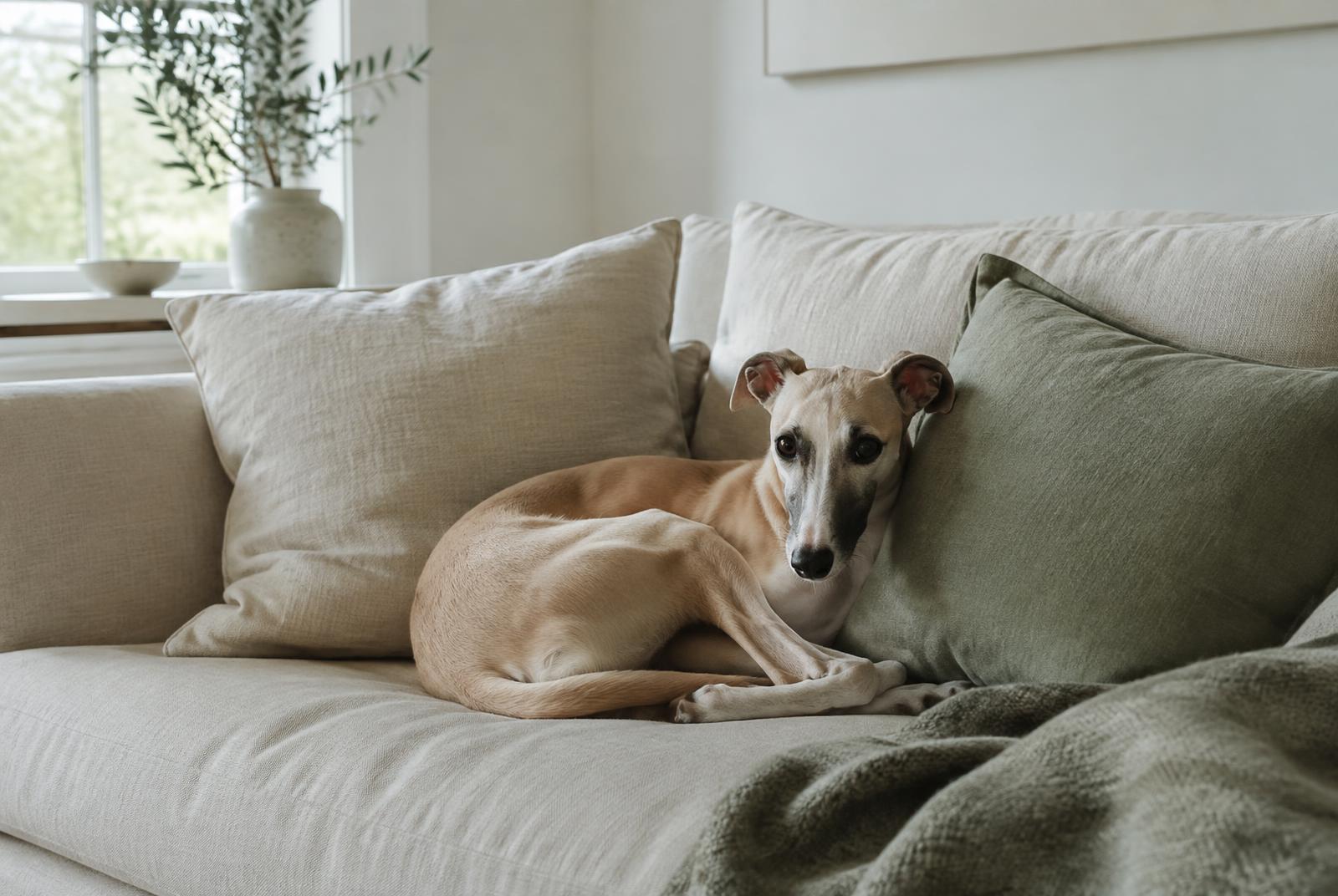
Whippet
A 35mph sprinter wrapped around a dedicated couch potato, happiest after a short burst of speed followed by hours of sleep.