
Why Do Dogs Sleep So Much? Hours by Age and Breed
Sleep is how dogs process their day, and most dogs sleep more than owners expect. The total matters less than the pattern, and a sudden change in the pattern is what warrants attention.
The SniffScroll desk
Dog care editors
Published 9 October 2026
Reviewed against RVC, PDSA and VCA guidance
The short version
- Healthy adult dogs sleep twelve to sixteen hours a day, split between night sleep and naps.
- Puppies need eighteen to twenty hours, and enforced naps prevent the overtired bitey-tantrum cycle.
- Sighthounds and giant breeds sleep more than average; working breeds sleep less but harder.
- The total matters less than the pattern: sudden changes, hard-to-wake dogs and new sleeping places are the real signals.
- Dogs dream during deep sleep, and the twitching is involuntary; never wake a dreaming dog suddenly.
Most owners, at some point, watch their dog sleep through an afternoon and wonder whether something is wrong. Twelve hours, fourteen, sometimes more, and the dog wakes, eats, plays briefly and returns to the sofa. For an animal descended from wolves, this looks lazy. It is not. It is a different sleep budget from ours, and understanding it makes the difference between a healthy sleeper and an ill one obvious within a week.
The reassuring headline: adult dogs sleeping twelve to sixteen hours a day is normal, expected and unremarkable. The useful detail is that vets rarely care about the total. What they care about is the character of the sleep and changes in the pattern: a dog that is suddenly hard to wake, uninterested in food or play, or sleeping in strange places is telling you something a spreadsheet never could.
Why do dogs sleep so much? The short answer
Dogs sleep more than humans because their sleep is shallower and more fragmented, and because they evolved to conserve energy between hunts. Most canine sleep is light dozing punctuated by short periods of deep sleep, so dogs need more hours in total to get the same restorative deep sleep a human gets in eight. Age, breed size, activity level and health all shift the total, but the range for a healthy adult dog spans roughly twelve to sixteen hours a day.
How many hours do dogs sleep by age
The numbers vary by individual and by how the study counts naps, but the published ranges are consistent enough to use as a reference.
| Life stage | Typical daily sleep | Notes |
|---|---|---|
| --- | --- | --- |
| Newborn to 8 weeks | 18 to 20 hours | Sleep drives early brain development; nearly all of the day |
| Puppy, 8 weeks to 6 months | 18 to 20 hours | Sleep after learning consolidates it; overtired puppies get bitey and frantic |
| Adolescent, 6 to 18 months | 16 to 18 hours | More waking activity, but still deep naps after exercise |
| Adult, 18 months to 7 years | 12 to 16 hours | Most at night plus naps; more if the day is quiet |
| Large and giant breeds | 1 to 2 hours more | Slower recovery from exertion; more total rest |
| Senior, 7 years onward | 15 to 18 hours | More naps, lighter night sleep, earlier bedtimes |
Note what the table does not say: it does not say that every dog outside its range is ill. A farm dog that works all day sleeps less and sleeps harder. A flat with a sedentary routine produces a dog that naps through the afternoon. Dogs are opportunistic sleepers, and much of the total is choice.
The sleep cycle: naps, deep sleep and dreams
Dog sleep is organised differently from human sleep. Humans do one long consolidated night. Dogs cycle through sleep in shorter blocks, roughly twenty to forty-five minutes at a stretch, with brief wake-ups between. The night sleep is longer and deeper, and the day is padded with naps, which is why a dog that sleeps twelve hours can still be reliably awake at every rustle of a lead.
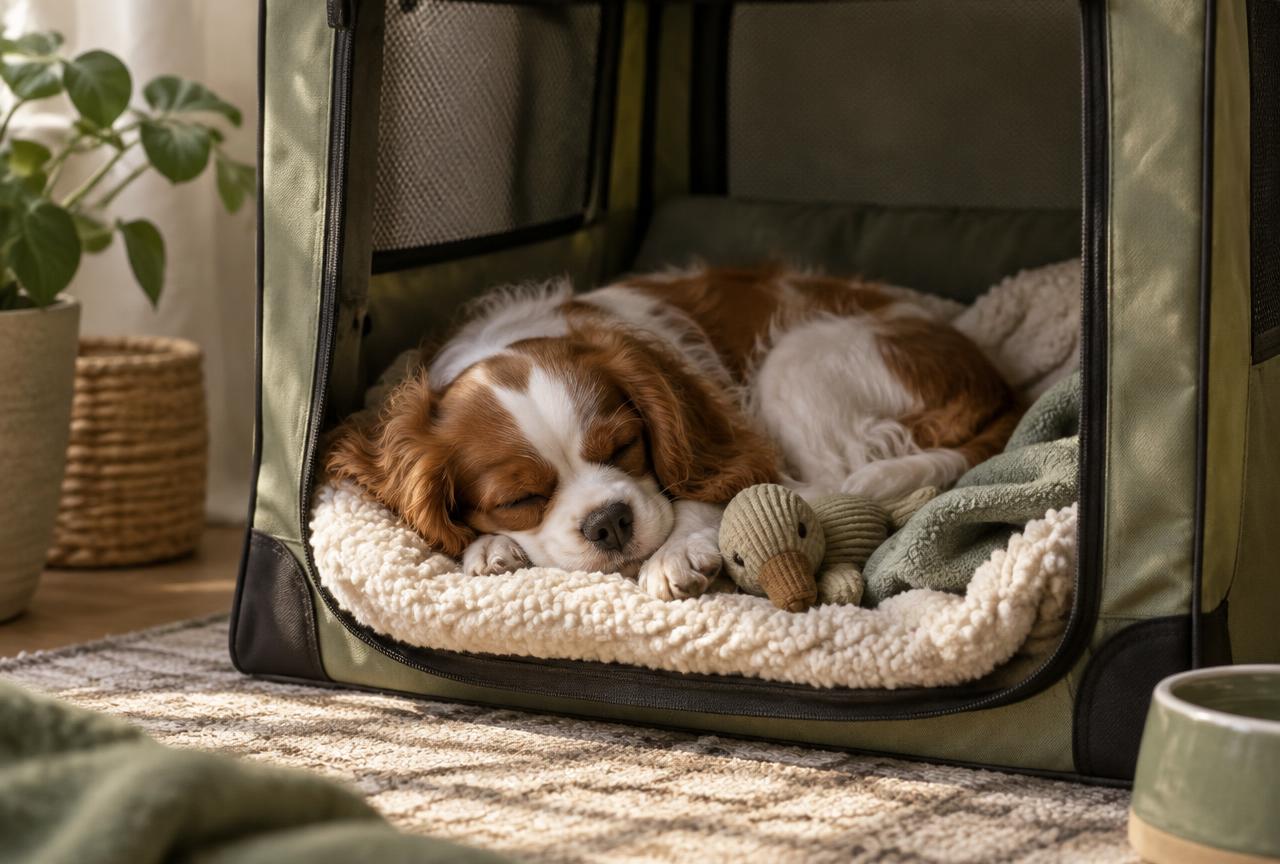
Deep sleep, when it comes, is when the day gets filed. Puppies that learn a new skill and then sleep consolidate it measurably better than puppies kept awake; the same is true of adult dogs and scent work. Dreams belong to the same phase: dogs dream, most plausibly about the same material they experienced while awake, and the twitching, paddling and muffled woofs of a dreaming dog are involuntary and should be left alone. Waking a dreaming dog suddenly is one of the few reliable ways to get bitten by a friendly one.
This is also why our crate training guide works the way it does: a puppy given a quiet, den-like place to sleep takes the naps it needs, and the overtired-frantic-bitey cycle disappears.
Why some breeds sleep more
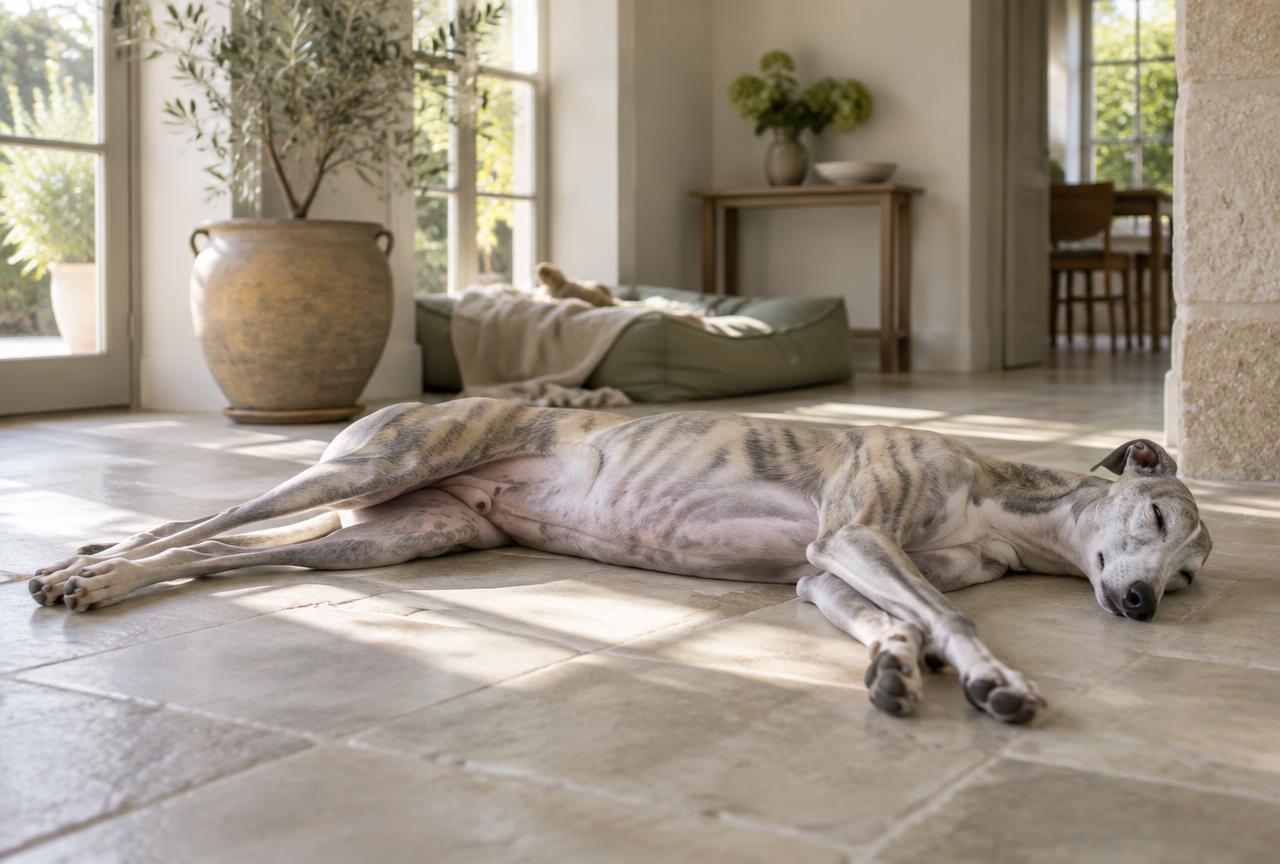
Breed shape matters. Sighthounds are the famous example: a Greyhound in a home sleeps the best part of eighteen hours, despite being an athlete, because sprinting is expensive and recovery is long. Giant breeds carry the same pattern. Breeds bred for long steady work, herding and sledding, tend toward the lower end, with more alert wakefulness and less need for recovery.
Flat-faced breeds deserve their own note. French Bulldogs and their cousins sleep deeply and often, partly from anatomy: their airways make sustained breathing effortful, and heat and humidity are more taxing for them. If your Frenchie's sleep pattern changes suddenly, do not assume it is the breed; the breed explains the baseline, not the change.
Puppies: sleep is development
Puppy owners frequently worry that their puppy sleeps too much. The standard is the opposite of what instinct suggests: eighteen to twenty hours for young puppies is not merely normal, it is required. Sleep is when growth hormone is released and when the day's socialisation is consolidated. A puppy that misses naps does not catch up quietly; it becomes the frantic, bitey, tantrum-puppy that owners describe at five in the afternoon, and the behaviour that looks like hyperactivity is actually exhaustion.
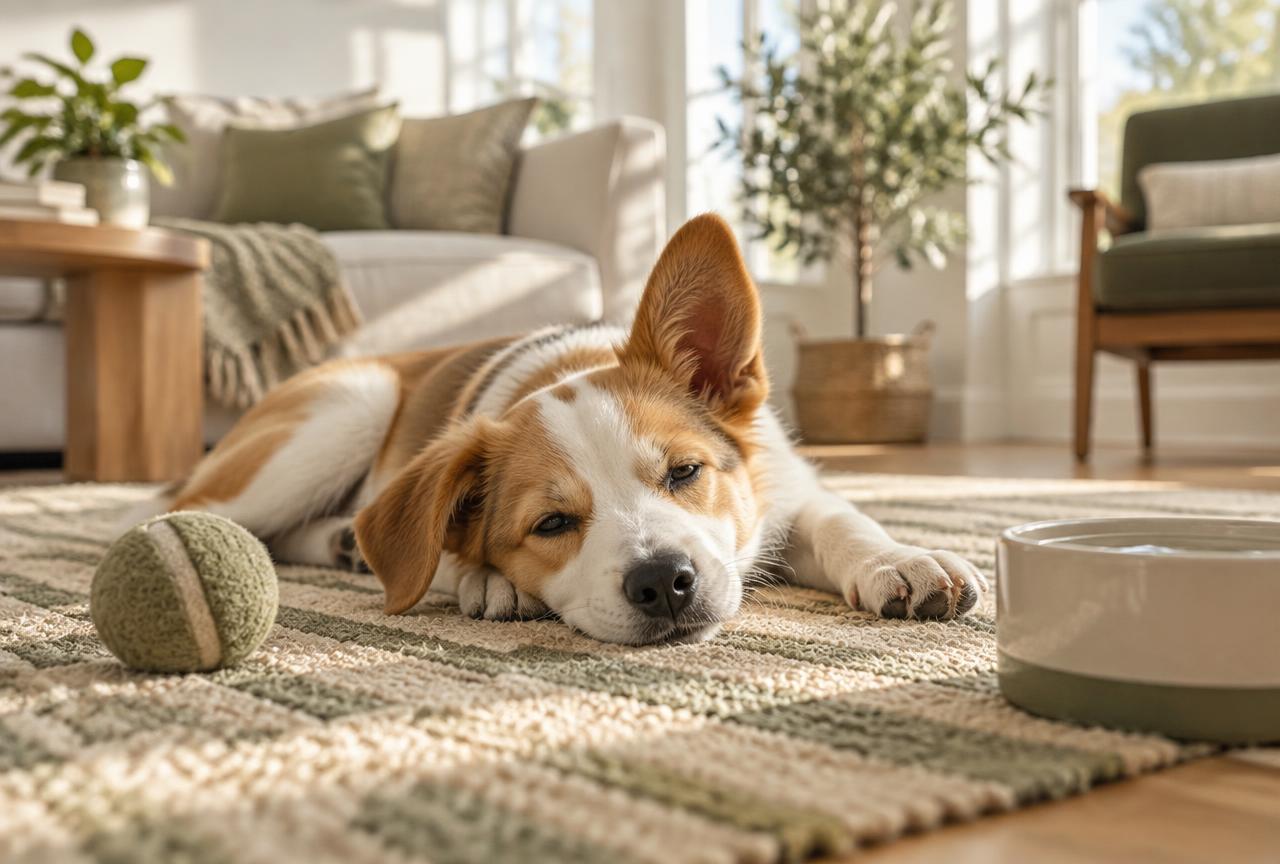
The practical rule for a puppy under six months is enforced rest: active hour, quiet hour, and a defined sleeping place where nothing interesting happens. Owners who follow it report fewer nipping problems within days. Our article on crate training a puppy sets the schedule out step by step.
Seniors: more sleep, and when to look closer
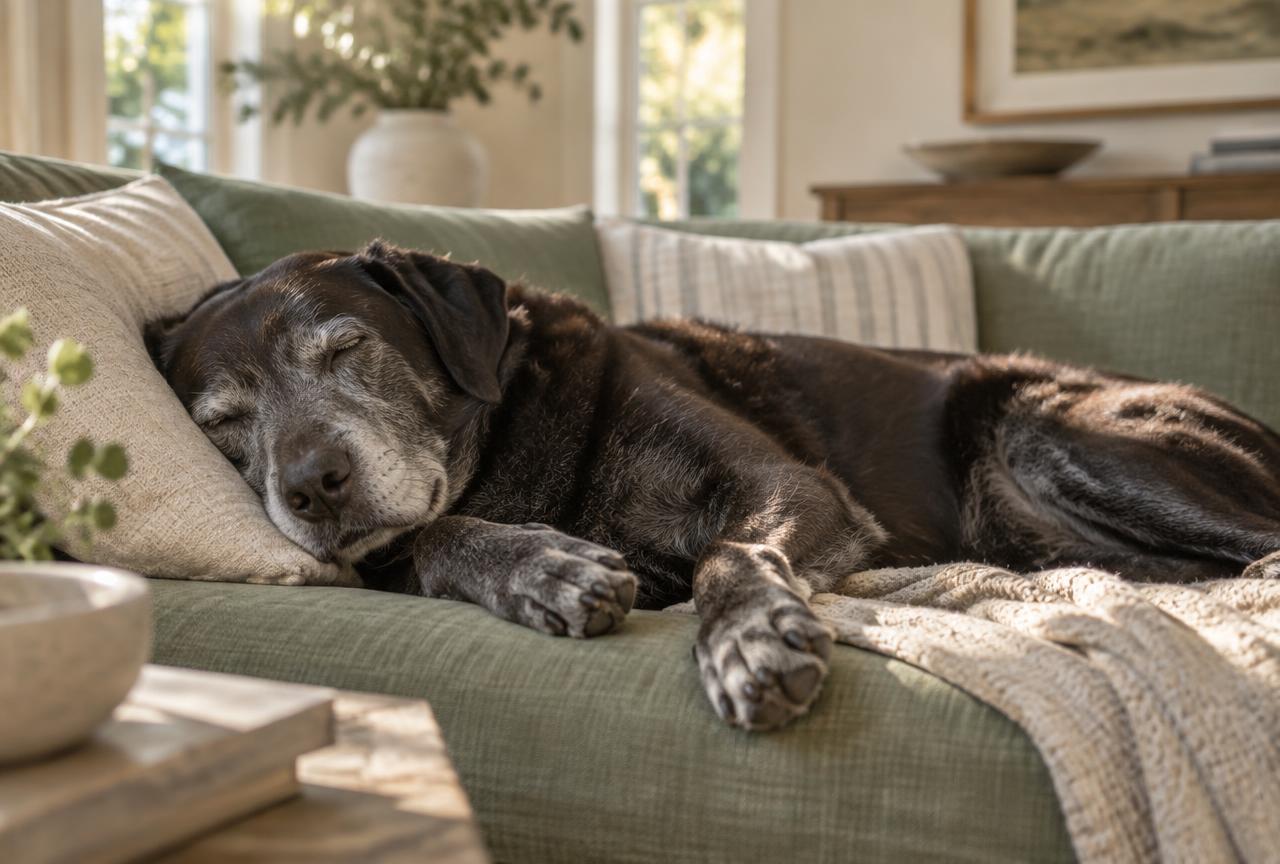
Senior dogs sleep more, and the change is usually gradual and benign: lighter night sleep, more daytime naps, less tolerance for long activity. The warning is the character change. A senior dog that becomes hard to wake, stops greeting people at the door, loses interest in food, or begins sleeping in odd places such as bathrooms or behind furniture may be showing pain, hypothyroidism, heart disease or cognitive decline.
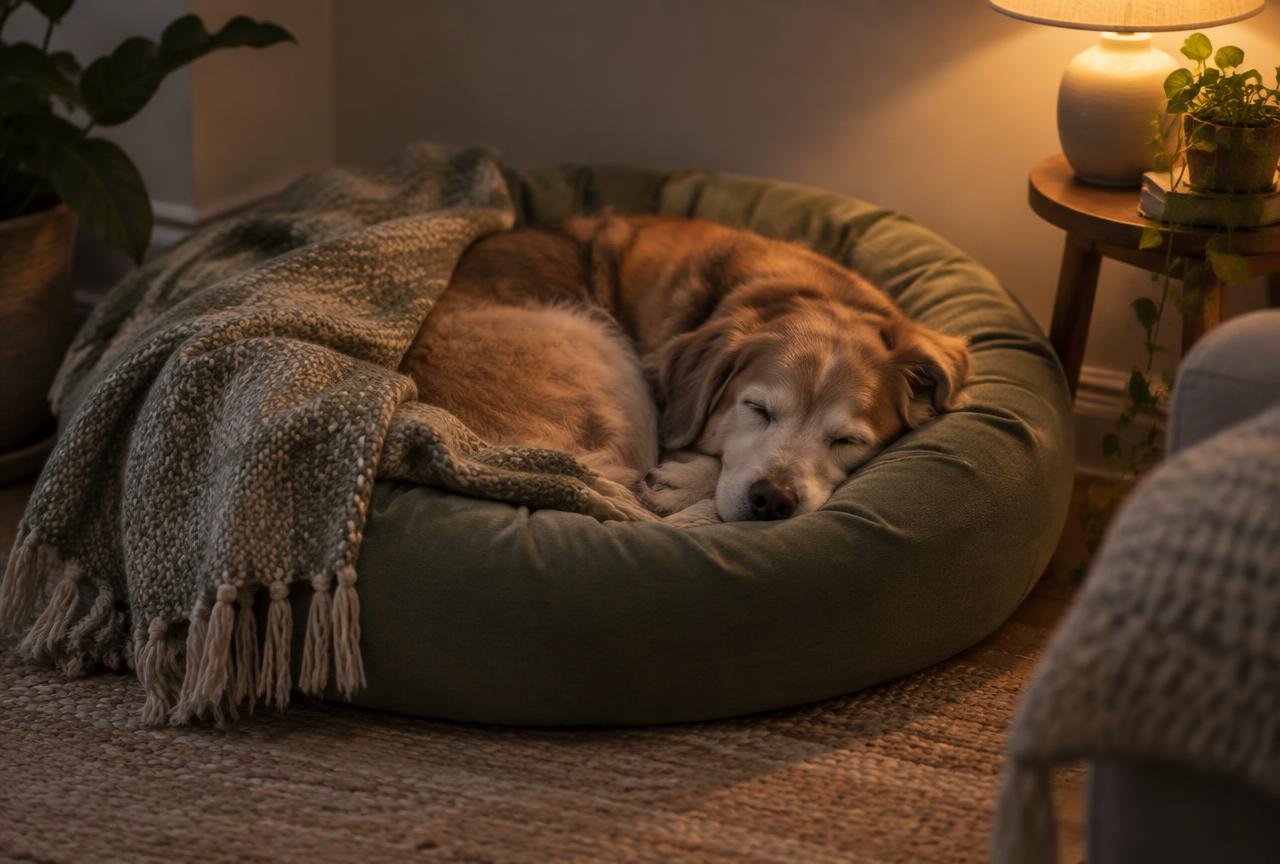
The cognitive version has a name, canine cognitive dysfunction, and it often shows first at night: restlessness, pacing, confusion after dark, sometimes with howling. It is manageable, and early intervention makes a real difference, which is why new night-time behaviour in an old dog earns a vet conversation sooner than almost anything else in this article.
When too much sleep is a sign
The total is rarely the problem. These changes are:
- 1Sudden increase. A dog that slept fourteen hours and now sleeps eighteen is a different case from a dog that has always slept eighteen. Change is the signal.
- 2Hard to wake. A dog that must be roused repeatedly, or that seems dulled even when awake, needs a same-week check.
- 3Loss of interest. Sleeping more plus declining play, walks or food is the classic presentation of pain, infection, anaemia and hormonal disease.
- 4New sleeping places. Dogs in pain seek cool, hard floors; dogs that feel unwell hide. Either change is worth noting.
- 5Snoring or restless sleep. New snoring, especially in a flat-faced breed, or a dog that cannot settle at night, points to airway or pain issues.
- 6Weight change alongside it. Lethargy plus weight gain suggests thyroid; lethargy plus weight loss suggests something else entirely. Both are vet territory.
Run through the six, and if any apply, book the appointment with a note of when the change started. Precision matters to vets more than severity.
Setting up good sleep
- A consistent sleep spot away from through-traffic and household noise.
- A comfortable, appropriately sized bed; large dogs need real bedding for ageing joints.
- Darkness and quiet at night, with a predictable bedtime routine.
- Exercise earlier in the evening rather than immediately before bed, so arousal can settle.
- For puppies, enforced naps in a den-like space after every active period.
- Water available, but avoid large feeds right before bed in flat-faced breeds prone to reflux.
Interactive · sleep hours checker
How much sleep is normal for your dog?
Set your dog's details and we will show the expected daily sleep range, and the changes that matter more than the number.
Within the normal range
A dog like yours typically sleeps 12 to 16 hours in a day, mostly at night with naps through the day. Sleep in the 10 to 18 hour window is unremarkable.
Ranges come from published veterinary sleep guidance for adult dogs and puppies. Individual dogs vary: patterns matter more than totals.
The sleep checker puts your dog's age, size and lifestyle into the published ranges and tells you where your dog sits, and, more usefully, which pattern changes matter more than the number of hours.
A sleep-owner's checklist
- I know my dog's normal total and I would notice a two-hour change.
- My dog wakes easily and eats and plays with usual enthusiasm.
- Sleep happens in normal places, not new hiding spots.
- Night sleep is settled, with no new pacing or restlessness after dark.
- My puppy gets enforced naps rather than unlimited freedom.
- Any snoring or restlessness is new only if it is new.
Vets do not treat hour counts. They treat changes: a dog that slept fourteen hours and now sleeps eighteen is a different patient from one that has always slept eighteen.
Where your dog sleeps: the bed question
The sleeping spot shapes the sleep. Dogs sleep best in a defined place away from through-traffic, draughts and the loudest household hours, and most are more flexible about where than owners assume. The argument between letting dogs on the bed and keeping them off is settled: neither affects sleep quality in a way research can measure. What matters is consistency and comfort.
Three practical notes beat the philosophy. First, large dogs need real bedding; lying on hard floors for years accelerates calluses and joint strain, so an orthopaedic bed earns its cost in giant breeds. Second, flat-faced breeds sleep better slightly propped and cooler, since their airways are most compromised when they are deeply relaxed and warm; overheating at night is a genuine risk for them. Third, a dog that has suddenly begun sleeping apart from the family, in bathrooms or behind furniture, is describing pain or illness rather than a preference, and that change is one of the quiet early signals the previous section mentioned.
Crate sleep deserves its word: for puppies it provides the den that makes enforced naps possible, and for adult dogs a crate with the door open is a choice, not a cell. A dog that volunteers for its crate at night is telling you the setup is right.
The verdict
Dogs sleep so much because their sleep is shallower than ours and because napping between hunts is what they were built to do. Twelve to sixteen hours for a healthy adult is ordinary, puppies and seniors run higher, and breed shape moves the total more than most owners expect. Watch the pattern rather than the total, and treat sudden changes, especially with appetite or mood changes, as information worth acting on.
When to call your vet: sudden increases in sleep, dogs that are hard to wake, sleep alongside appetite loss or new pain signs, and any senior dog with new night-time restlessness. Everything else is a nap.
Questions people actually ask
How many hours a day do dogs sleep?
Healthy adult dogs typically sleep twelve to sixteen hours across the day, mostly at night with naps. Puppies need eighteen to twenty hours, adolescents sixteen to eighteen, and seniors fifteen to eighteen. Large and giant breeds tend toward the higher end of each range.
Why is my dog sleeping more than usual?
Occasional extra sleep follows hot weather, big exercise days or boredom and means nothing. A persistent increase is worth attention, particularly alongside appetite loss, reduced interest in play, new snoring or difficulty settling. Note when the change started and mention it at a vet visit; change matters more than the total.
Do dogs dream?
The evidence strongly suggests they do, during the same deep sleep phase humans dream in, and plausibly about recent experiences. Twitching, paddling and muffled sounds are involuntary. Leave a dreaming dog alone, since startling it awake is one of the few reliable ways to get nipped by a friendly dog.
Is my puppy sleeping too much?
Almost certainly not. Puppies under six months need eighteen to twenty hours a day, and sleep is when growth and learning consolidate. The problem is usually too little structured sleep, which shows up as frantic, bitey behaviour in the evening. Enforced naps after active periods solve it.
Why do old dogs sleep so much?
Senior dogs sleep more because night sleep becomes lighter and fragmented, and recovery from activity slows. A gradual increase is normal. Sudden changes, difficulty waking, loss of appetite or new restlessness at night can signal pain, hormonal disease or cognitive decline, and deserve a vet conversation.
Should I wake my dog up?
For routine events, generally let sleeping dogs lie; dogs need their naps. Do wake a dog for meals if it has a feeding schedule for medical reasons, and always wake it gently by voice rather than touch if you must, since startling a dreaming dog can trigger a startle bite.
Sources
- Behavioral problems of dogs, Merck Veterinary Manual
- How much do dogs sleep?, American Kennel Club
- Dog health advice, PDSA
- Pet care resources, VCA Animal Hospitals
Breeds mentioned
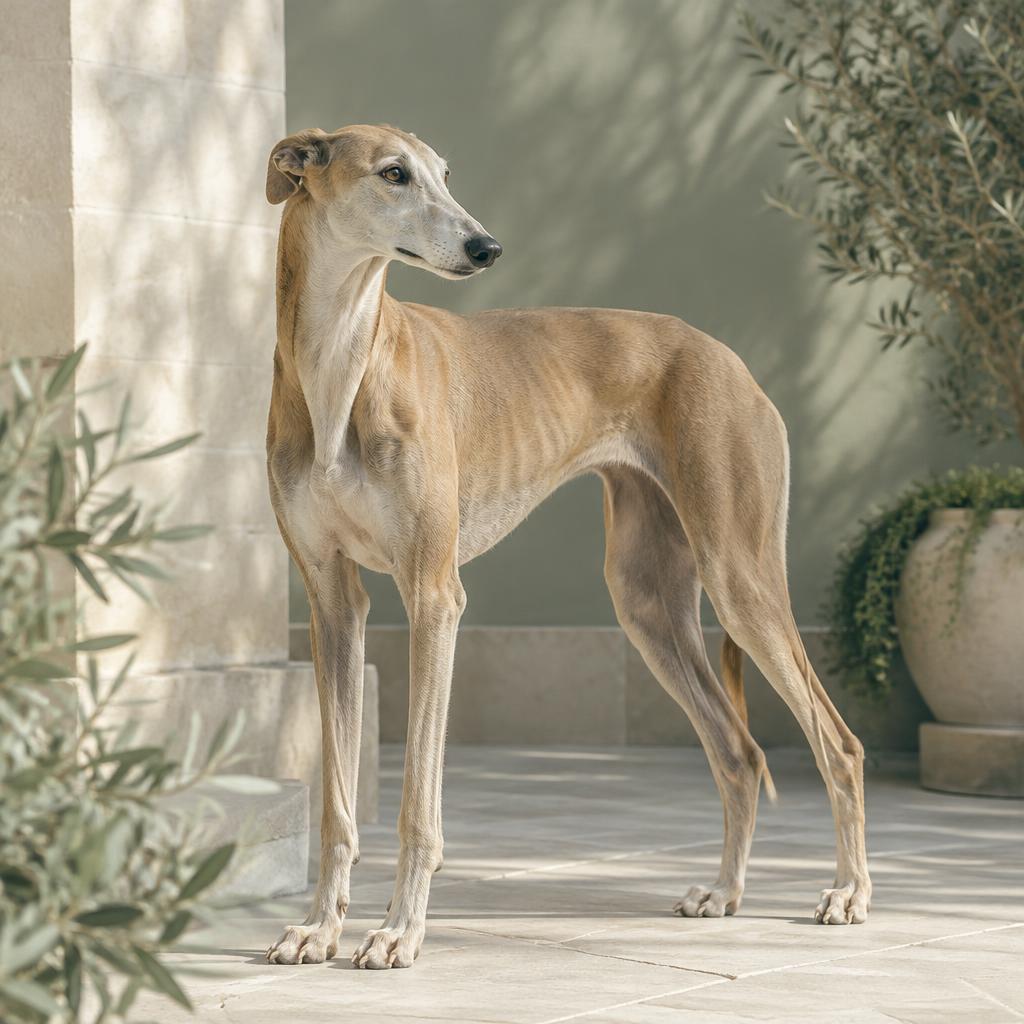
Greyhound
The ancient sofa sprinter: a calm, noble hound built for speed and deep naps.
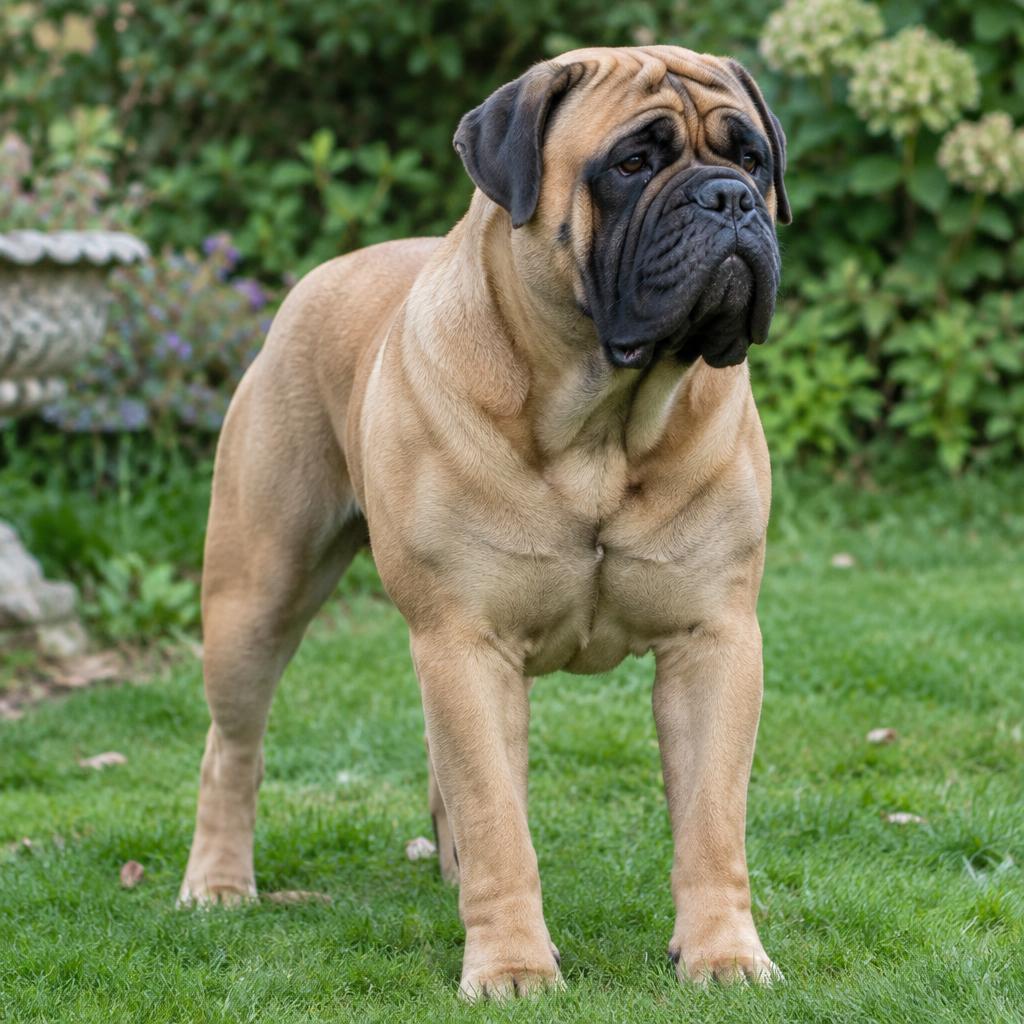
Bullmastiff
A calm, powerful English guardian bred to track and hold poachers silently, now a devoted and protective family dog.

French Bulldog
A comic, affectionate companion built for city life, but with health needs that demand a careful breeder.
Put it into practice
Read next
Dog Dry Heaving: Causes and When It Is an Emergency
Dog dry heaving is usually throat irritation or mild nausea, but repeated unproductive retching with a swollen, tight belly can be bloat (GDV), a life-threatening emergency.


