
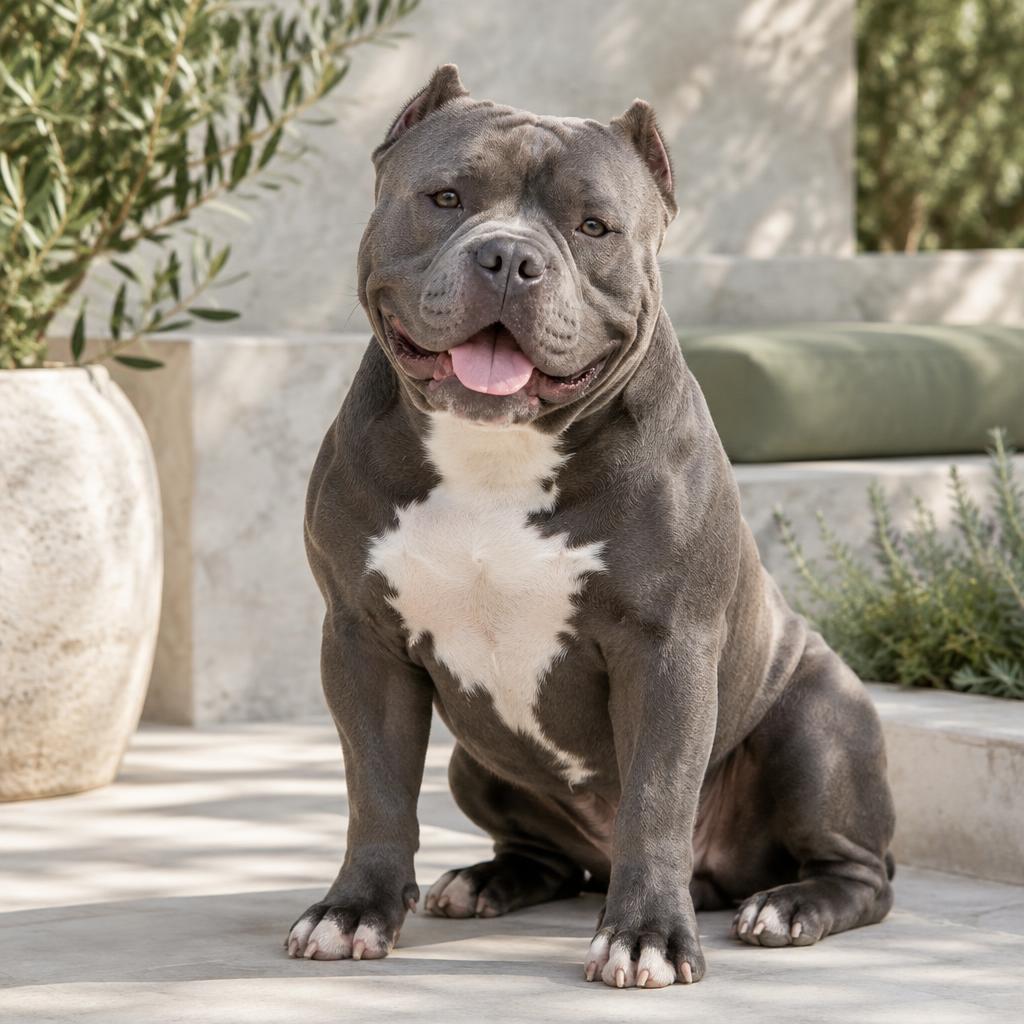
Utility group
Developed in the United States between 1980 and 1990, the American Bully was created as a companion-focused alternative to other bully breeds. It was established by crossing the [American Staffordshire Terrier](american-staffordshire-terrier) and the [Staffordshire Bull Terrier](staffordshire-bull-terrier), with later influences from the [Bulldog](bulldog) and Olde English Bulldogge to refine the stocky, muscular build and stable temperament.
American Bully
The American Bully is a loyal, family-oriented companion with a powerful build. It requires dedicated socialisation, consistent training and proactive health management, particularly for skin and joints.
Reviewed by the SniffScroll editorial desk
The misunderstood companion: a people-loving heart behind a powerful, athletic frame.
The short version
- Incredibly loyal and affectionate with family, often referred to as 'velcro dogs'.
- Requires early, intensive socialisation and positive reinforcement training to ensure a stable temperament.
- Prone to skin allergies, hip dysplasia and heat sensitivity due to their build.
- Varieties include Pocket, Standard and XL, each with different space and exercise needs.
- Check local laws and insurance policies, as some regions have restrictions on bully-type breeds.
Choose a variety
The smallest variety, ideal for smaller homes. Males are 36-43 cm and females are 33-40 cm at the shoulder.
- Weight
- 15 to 25 kg
- Height
- 33 to 43 cm
- Lifespan
- 10 to 13 yrs
- Size
- Medium
- Group
- Utility
- Coat
- Short, smooth, glossy and close-lying coat in various colours and patterns
- Daily exercise
- 45 to 60 minutes a day
- Years to full size
- about 1.5
- One-off setup
- €1200 to 2500
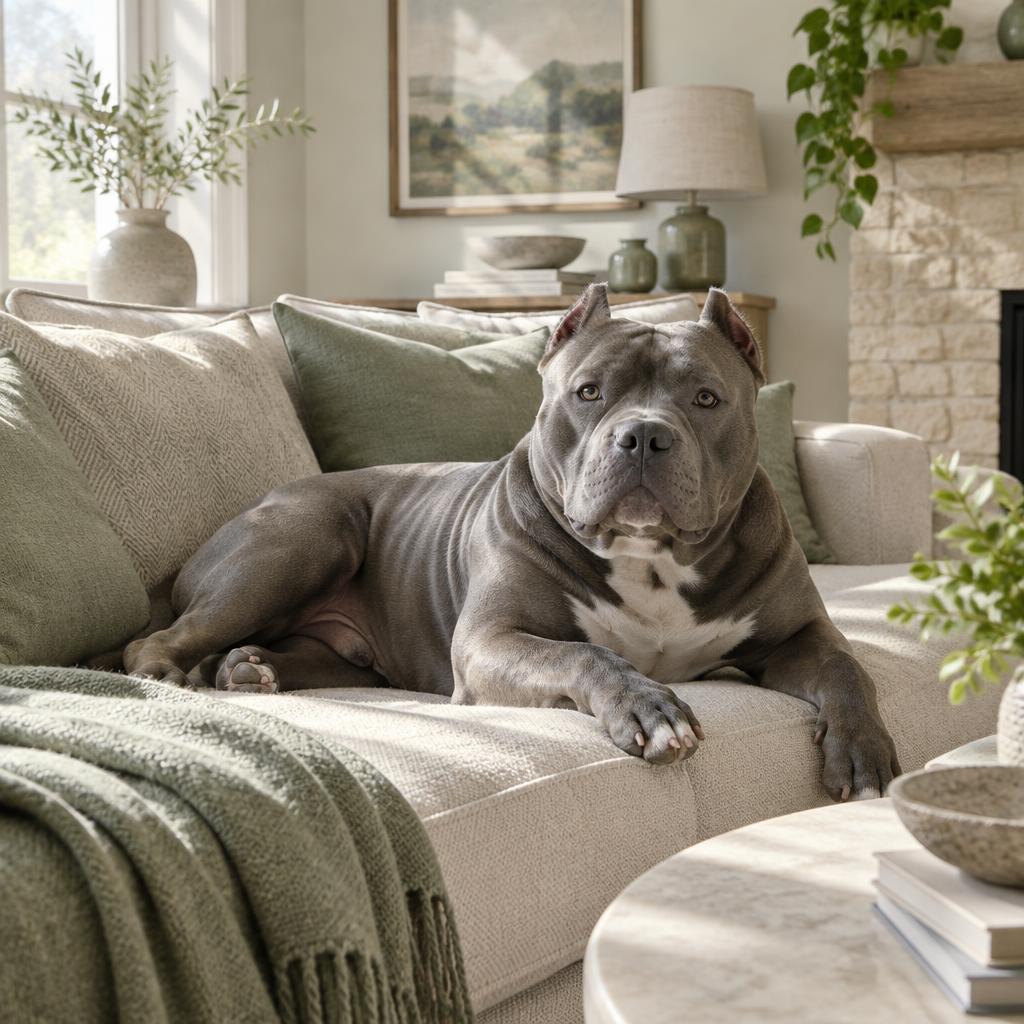
Get one if…
- Experienced owners who can provide confident, positive leadership
- Families with children who can commit to early socialisation
- Active households looking for a loyal, 'velcro' companion
- Owners willing to manage ongoing skin and allergy health needs
- Homes with a secure garden and plenty of indoor company
Think again if…
- First-time owners unprepared for the strength and social needs of bully breeds
- Households where the dog would be left alone for most of the day
- Regions with strict breed-specific legislation or insurance restrictions
- Owners looking for a low-budget or low-maintenance pet
- Homes in extremely hot climates without climate control
Trait profile
The breed's defining trait is its loyalty; it is a people-pleaser that wants to be involved in every family activity. This devotion is paired with a powerful physique that requires a confident handler.
Space & setup. While adaptable, they need enough room to move comfortably. Pocket and Standard varieties can manage in larger flats with frequent outings, but the XL requires a home with a secure garden and significant floor space.
Allergies. The short coat sheds moderately year-round. However, the breed itself is prone to skin allergies and dermatitis, which can be triggered by environmental factors or food.
Living with a American Bully
The American Bully is a companion breed known for its gentle, loyal nature and confidence. Despite its muscular appearance, it is primarily a family dog that thrives on human interaction. Responsible ownership requires early socialisation, firm training and an awareness of the breed's specific health needs, including skin issues and joint health.
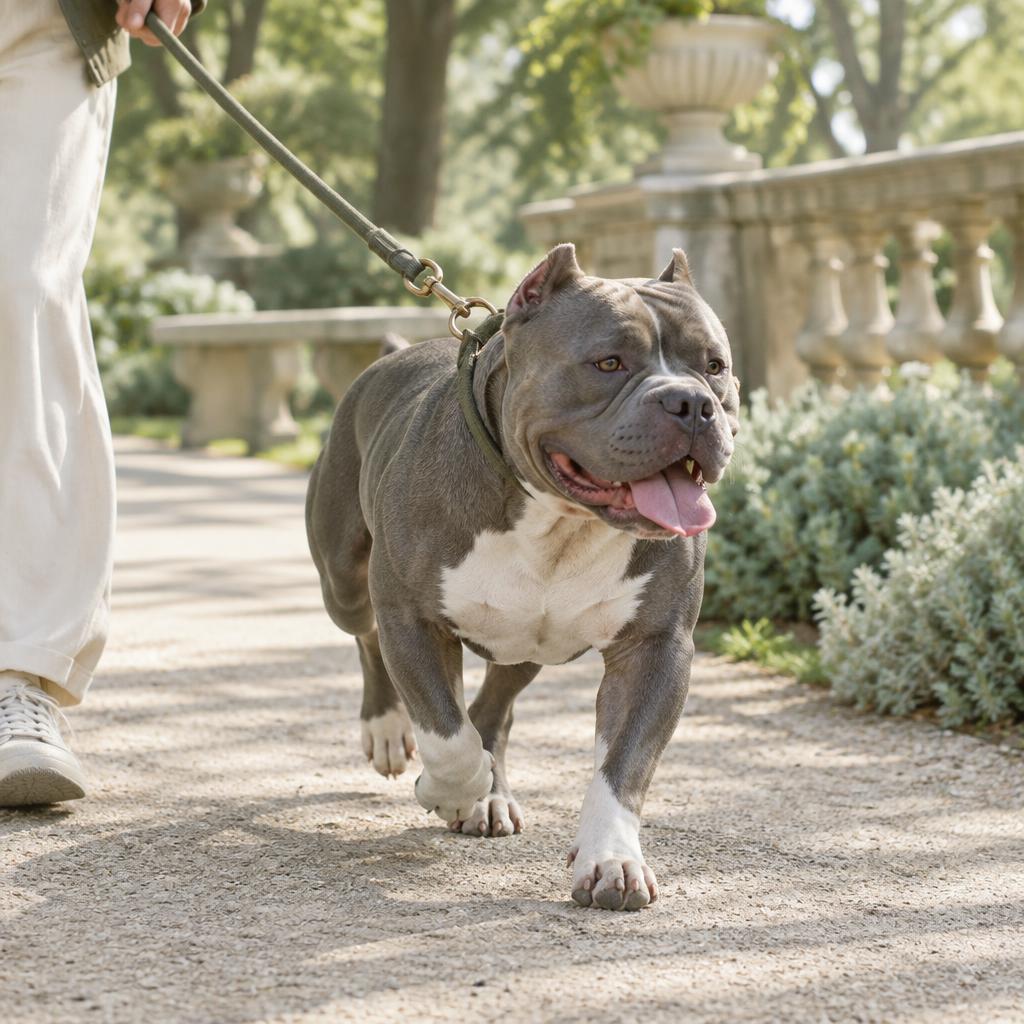
The American Bully is often the victim of its own silhouette. To the uninformed passerby, its heavily muscled frame and broad head suggest a dog bred for aggression, yet those who live with the breed know a very different animal. This is a companion dog in the truest sense: a loyal, affectionate, and often sensitive soul that thrives on human presence and wants nothing more than to be included in the family routine. While its ancestors include the [American Staffordshire Terrier](american-staffordshire-terrier) and the [Staffordshire Bull Terrier](staffordshire-bull-terrier), the American Bully was specifically developed in the late twentieth century to be a stable, sociable family dog.
The hallmark of the american bully temperament is its profound devotion to people. Often described as velcro dogs, they form intense bonds with their owners and are generally patient and gentle with children. However, this natural affinity for people does not mean they are born perfectly behaved. Because of their significant physical strength and the historical stigma attached to bully breeds, early and intensive socialisation is non-negotiable. From the age of eight weeks, a puppy must be exposed to a wide variety of people, environments, and other animals in a positive, controlled manner.
A common question from prospective owners is: are american bullies aggressive? When sourced from a responsible breeder who prioritises temperament and when raised with consistent, positive reinforcement training, the answer is typically no. They are bred to be confident and stable rather than reactive. That said, their high prey drive and physical power mean they should always be supervised around smaller animals and unfamiliar dogs. A well-bred Bully is more likely to greet a stranger with a wagging tail than a growl, but their sheer size requires a handler who can provide clear, calm direction.
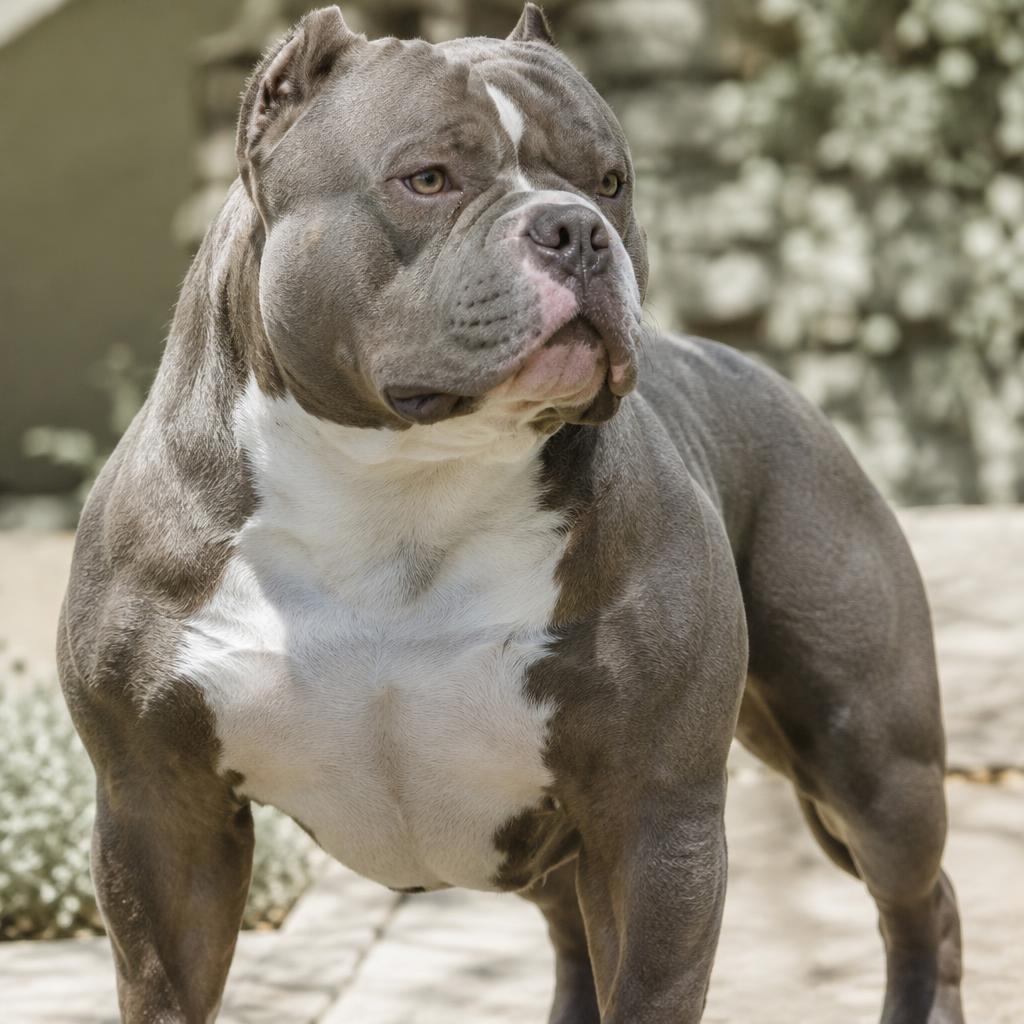
One of the unique aspects of the breed is its range of sizes. The pocket american bully is the smallest official variety, standing under 43 cm at the shoulder, making it a popular choice for those with slightly less space but who still want the signature muscular look. The Standard variety represents the middle ground, while the xl american bully is a substantial animal, with males reaching up to 57 cm at the shoulder. Regardless of size, all varieties should share the same athletic, blocky build and stable personality. The XL variety, in particular, requires an owner who is physically capable of managing a powerful dog on a lead and who has the garden space to accommodate their bulk.
Prospective owners must be honest about american bully health problems. This is not a low-maintenance breed when it comes to the vet. Skin issues are perhaps the most frequent complaint; the breed is notoriously prone to environmental allergies, food sensitivities, and demodectic mange. Owners often find themselves managing chronic itching or ear infections through specialized diets and regular medicated baths. This requires a consistent budget and the patience to find the right triggers for each individual dog.
Joint health is another critical area. Hip and elbow dysplasia are notable risks, often exacerbated by the breed's heavy build and rapid growth during puppyhood. Keeping a Bully at a lean weight is the single best thing an owner can do for their long-term mobility. Overweight Bullies put immense strain on their ligaments, leading to early onset arthritis. Furthermore, lines that lean towards a shorter, more exaggerated muzzle may suffer from brachycephalic issues, leading to heat sensitivity and breathing difficulties. They are not dogs for the midday sun; exercise should be restricted to the cooler parts of the day, and they must always have access to shade.
Training should focus on building a partnership based on reward rather than force. Their eagerness to please makes them surprisingly trainable, but their occasional stubbornness requires a patient owner. They respond poorly to harsh corrections, which can damage the sensitive bond they share with their people. Beyond basic obedience, many Bullies excel in weight pulling, agility, or scent work, which provides both physical and mental stimulation. A bored Bully can become destructive, so providing outlets for their energy is essential for a harmonious home.
Finally, anyone considering this breed must perform thorough legal and insurance checks. In many regions, the American Bully falls under breed-specific legislation or requires specific public liability insurance. Some insurers will not cover bully-type breeds, and some landlords strictly forbid them. Establishing these facts before bringing a puppy home is a vital part of being a responsible owner. It is also important to consider the social responsibility of owning a Bully: you are an ambassador for the breed, and a well-trained, polite dog helps change public perception.
The American Bully is a dog that rewards those who look past the surface. It is a powerful, athletic companion that offers a level of loyalty few other breeds can match. If you can provide the time for socialisation, the budget for potential health issues, and the confidence to lead a strong dog, you will find a friend that is as gentle as it is impressive. They are not just dogs; they are devoted members of the family who will follow you from room to room, content simply to be in your presence.
A devoted and surprisingly gentle family companion that excels when socialised early. Its athletic build hides a sensitive nature, but owners must be prepared for potential skin allergies, joint issues and the legal complexities surrounding its breed type in certain regions.
Exercise, day to day
- 1Puppies (up to 12 months): multiple short, low-impact walks and play sessions to protect developing joints.
- 2Adults: one or two brisk walks daily, totaling at least 60 minutes, avoiding the heat of the day.
- 3Mental stimulation: introduce scent games or puzzle feeders to satisfy their intelligent, inquisitive minds.
- 4Training sessions: short, 10-minute bursts of positive reinforcement training to keep their focus sharp.
- 5Social outings: regular visits to busy (but safe) environments to maintain their social confidence.
Grooming, realistically
- 1Brush weekly with a rubber curry brush to remove loose hair and stimulate skin oils.
- 2Bathe monthly or as needed using a gentle, medicated shampoo to support sensitive skin.
- 3Wipe facial folds and ears weekly with a damp cloth to prevent bacterial buildup.
- 4Trim nails every three to four weeks to prevent discomfort on their heavy frame.
- 5Brush teeth at least three times a week to maintain oral health.
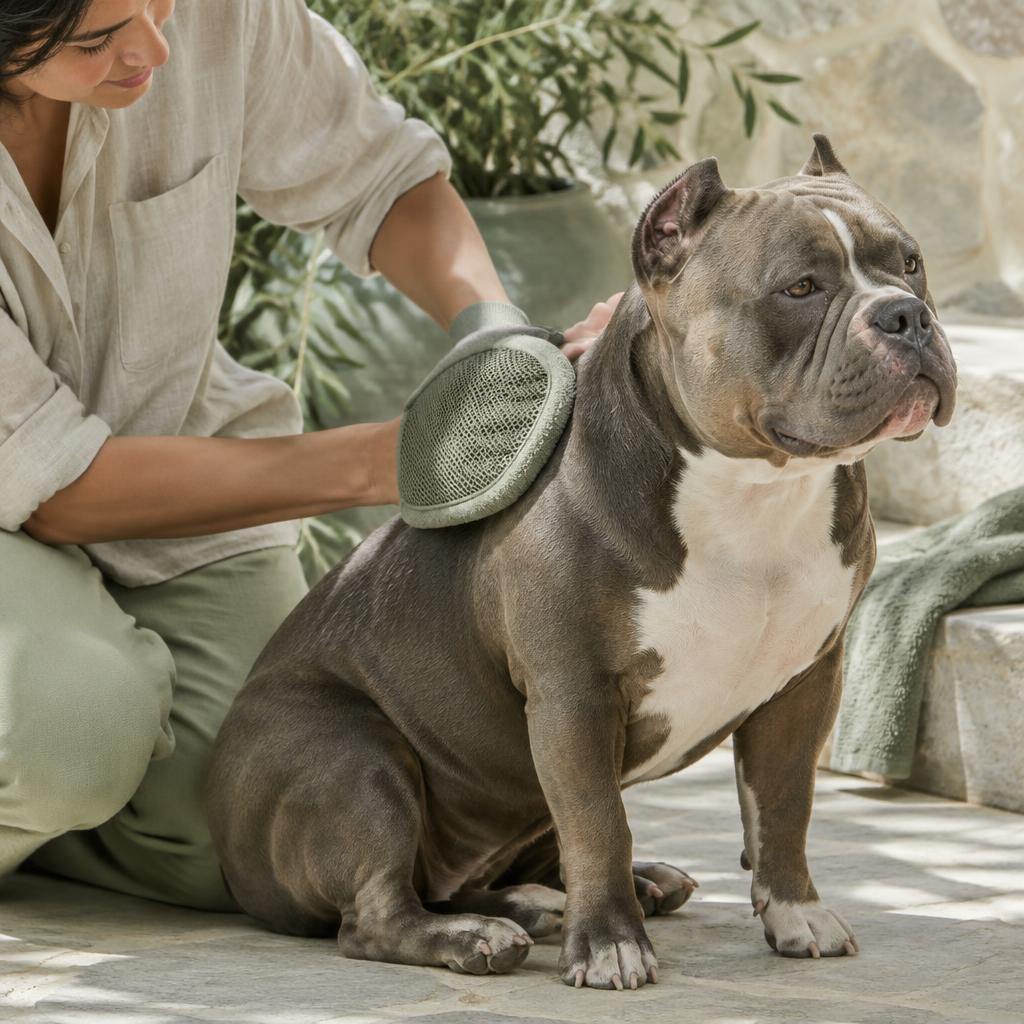
What you actually need
- Rubber curry brush
- Bristle brush
- Medicated dog shampoo
- Hypoallergenic ear wipes
- Heavy-duty nail clippers
- Enzymatic dog toothpaste
Puppy to adult
| Age | Male | Female | What is happening |
|---|---|---|---|
| 8 weeks | 5 to 8 kg | 4 to 7 kg | Begin socialisation and positive handling immediately. |
| 3 months | 10 to 15 kg | 8 to 13 kg | Rapid growth phase; avoid high-impact exercise to protect joints. |
| 6 months | 18 to 28 kg | 15 to 25 kg | Halfway to adult weight; maintain a lean body condition. |
| 9 months | 25 to 40 kg | 20 to 35 kg | Most height reached; filling out into the signature blocky frame. |
| 12 months | 30 to 48 kg | 25 to 42 kg | Considered adult height; joint health checks recommended. |
| 18 months | 35 to 55 kg | 30 to 50 kg | Full muscular maturity reached; maintain weight to avoid strain. |
Ranges are typical, not targets. Judge condition by ribs and waist, and check with the ideal weight checker.
What to ask a breeder
- What are the hip and elbow scores of the parents?
- Have the parents been cleared for heart disease by a cardiologist?
- What is the history of skin allergies or demodex in your breeding lines?
- How do you socialise your puppies before they leave for their new homes?
- Which variety do you expect these puppies to grow into, and what are the parents' sizes?
Health tests to ask for
Ask to see results for both parents before you put down a deposit.
- Hip and elbow scoring through the BVA or OFA to assess joint health
- Echocardiogram by a veterinary cardiologist to screen for heart disease
- Full skin examination to check for signs of chronic dermatitis or demodex
- Eye examination to screen for cherry eye and other congenital issues
- DNA testing for specific hereditary conditions common in bully lineages
Health watch-list
What to ask a breeder about, and what to watch for over a lifetime. This is orientation, not veterinary advice, anything you notice belongs in front of a vet.
Hip and elbow dysplasia
CommonAbnormal joint development can lead to pain and arthritis; screening of parents and weight management are vital.
Skin allergies and demodex
Very likelyThe breed is prone to environmental and food allergies, as well as demodectic mange, requiring careful management.
Brachycephalic Airway Syndrome
Common with ageShorter-muzzled lines may suffer from breathing difficulties and heat sensitivity, particularly as they age or if overweight.
Heart disease
NotableConditions like subaortic stenosis can occur; breeding stock should be cleared by a cardiologist.
Cherry eye
CommonProlapse of the third eyelid gland is a frequent issue in the breed and often requires surgical correction.
Heat sensitivity
CommonDue to their muscular build and potential airway issues, they struggle to regulate temperature in hot weather.
What it costs to keep one
Realistic running cost
€160 / month
About €1,920 a year, or roughly €23,040 across a 12-year life, before purchase price, neutering and one-off vet events.
Before the puppy arrives. Budget roughly €1200 to 2500 for a crate, bed, lead and harness, bowls, puppy classes, first vaccinations and grooming kit sized for this breed. Figures throughout are indicative and vary a good deal between countries.
Interactive · built for this breed
Is a American Bully right for your home?
Seven honest questions about your space, time and household, checked against this breed's exercise need, coat, sociability and tolerance for time alone.
Fit with your routine
97%
A strong fit
Your routine suits a American Bully well. Meet adult dogs of the line before you commit.
What to sort out first
- Needs more daily exercise than you have pencilled in.
Working in your favour
- Coat care fits the grooming time you offered.
Compare more breeds in the matchmaker, or plan meals with the portion calculator.
The verdict, by household
Consider carefully
Manageable for a committed beginner who does their research, but their strength and social needs are a steep learning curve.
Excellent
Typically very patient and affectionate with children; supervision is essential due to their physical power.
Good
A great partner for walks and play, but needs an owner who can handle a strong dog in public.
Moderate
Pocket and Standard varieties can adapt if exercised well; XL varieties are generally too large and heavy.
When to call your vet
- Limping or difficulty rising, which can indicate hip or elbow dysplasia
- Persistent scratching, redness or hair loss, signalling skin allergies or mange
- Excessive panting or reluctance to move in warm weather, indicating heat distress
- A red, swollen mass in the corner of the eye, known as cherry eye
- Coughing or fainting during exercise, which may signal a heart condition
Nothing here is a diagnosis. A swollen, hard belly with retching, collapse, breathing difficulty and sudden hind-leg weakness are emergencies: go straight away.
American Bully vs the closest alternatives
| Breed | Weight | Energy | Grooming | € / month |
|---|---|---|---|---|
| American Bully | 15 to 55 kg | 6/10 | 3/10 | €185 |
| Bullmastiff | 41 to 59 kg | 5/10 | 3/10 | €128 |
| Staffordshire Bull Terrier | 11 to 17 kg | 7/10 | 2/10 | €81 |
| Boston Terrier | 5 to 11 kg | 5/10 | 2/10 | €67 |
American Bully questions, answered
Are American Bullies aggressive?
Generally no. They were developed specifically to be companion animals with stable, sociable temperaments. However, their strength and prey drive mean they require early socialisation and responsible handling.
What is the difference between a Pocket and an XL American Bully?
The main difference is height and mass. Pocket Bullies stand under 43 cm, while XL Bullies can reach up to 57 cm at the shoulder. Their temperaments should be identical.
Do American Bullies have many health problems?
They are prone to several issues, most notably skin allergies, hip dysplasia, and heart disease. Prospective owners should budget for potential veterinary costs and choose breeders who health-test.
Are they good with children?
Yes, they are known for being exceptionally patient and loyal to their family members, including children. Supervision is always recommended due to their physical power.
How much exercise does an American Bully need?
Most adults need about 60 minutes of moderate exercise daily. They are not marathon runners and are sensitive to heat, so exercise should be kept to cooler times of the day.
Do they shed a lot?
They shed moderately year-round. Their short coat is easy to brush, but they can be prone to skin issues that may cause localized hair loss if not managed.
Is the American Bully legal in the UK?
Laws regarding bully breeds change frequently. As of 2024, specific restrictions apply to XL Bullies in the UK, including requirements for muzzling in public and exemption certificates. Always check current local legislation.
Sources
Breeds people compare with this
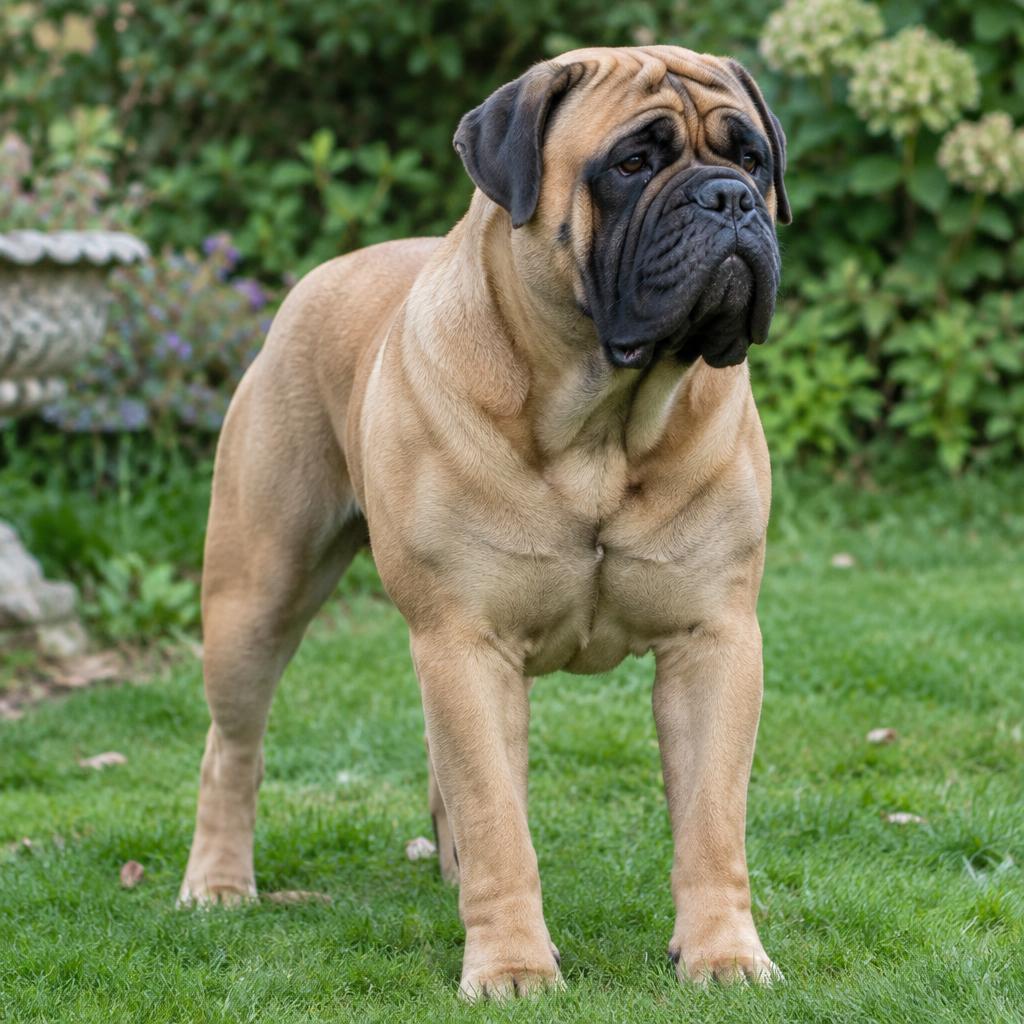
Bullmastiff
A calm, powerful English guardian bred to track and hold poachers silently, now a devoted and protective family dog.
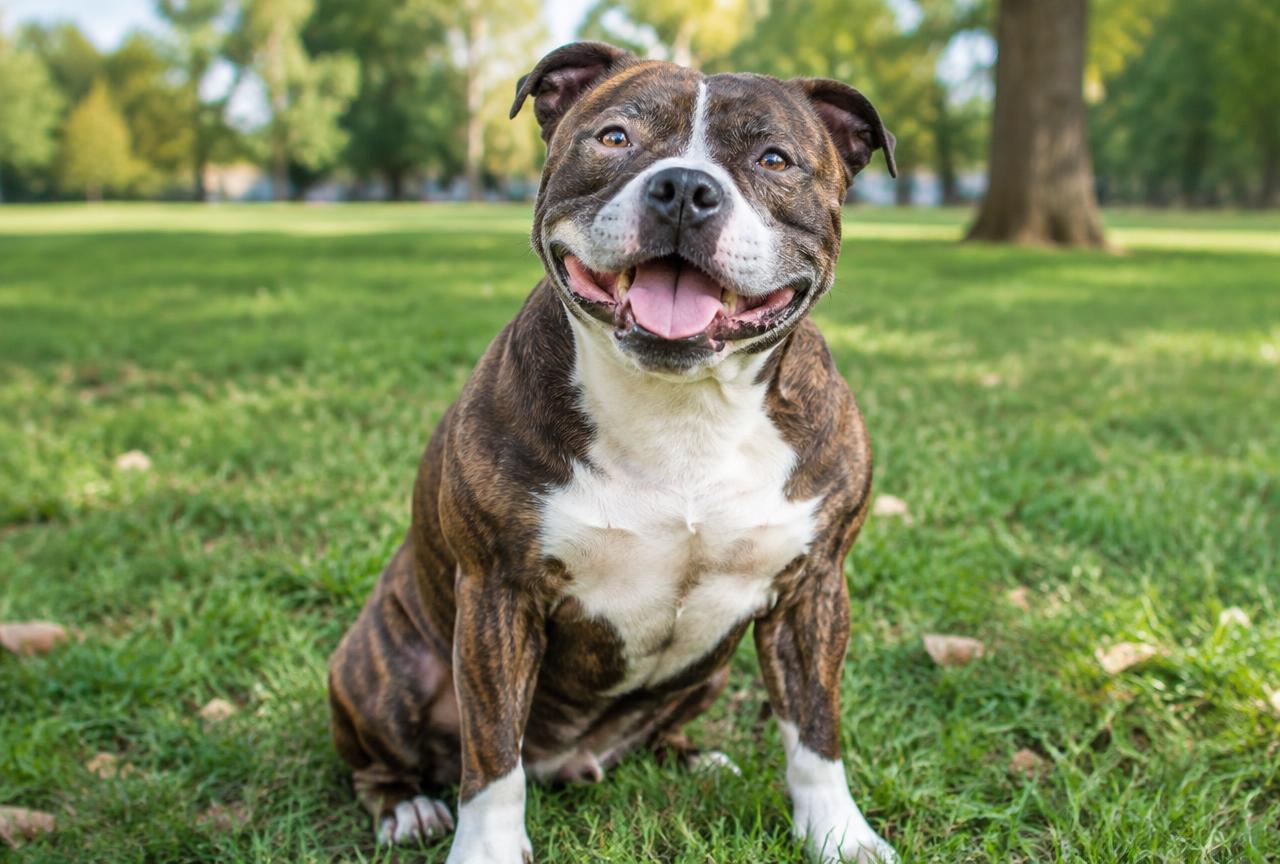
Staffordshire Bull Terrier
A muscular, people loving terrier that thrives on closeness and firm, fair handling.
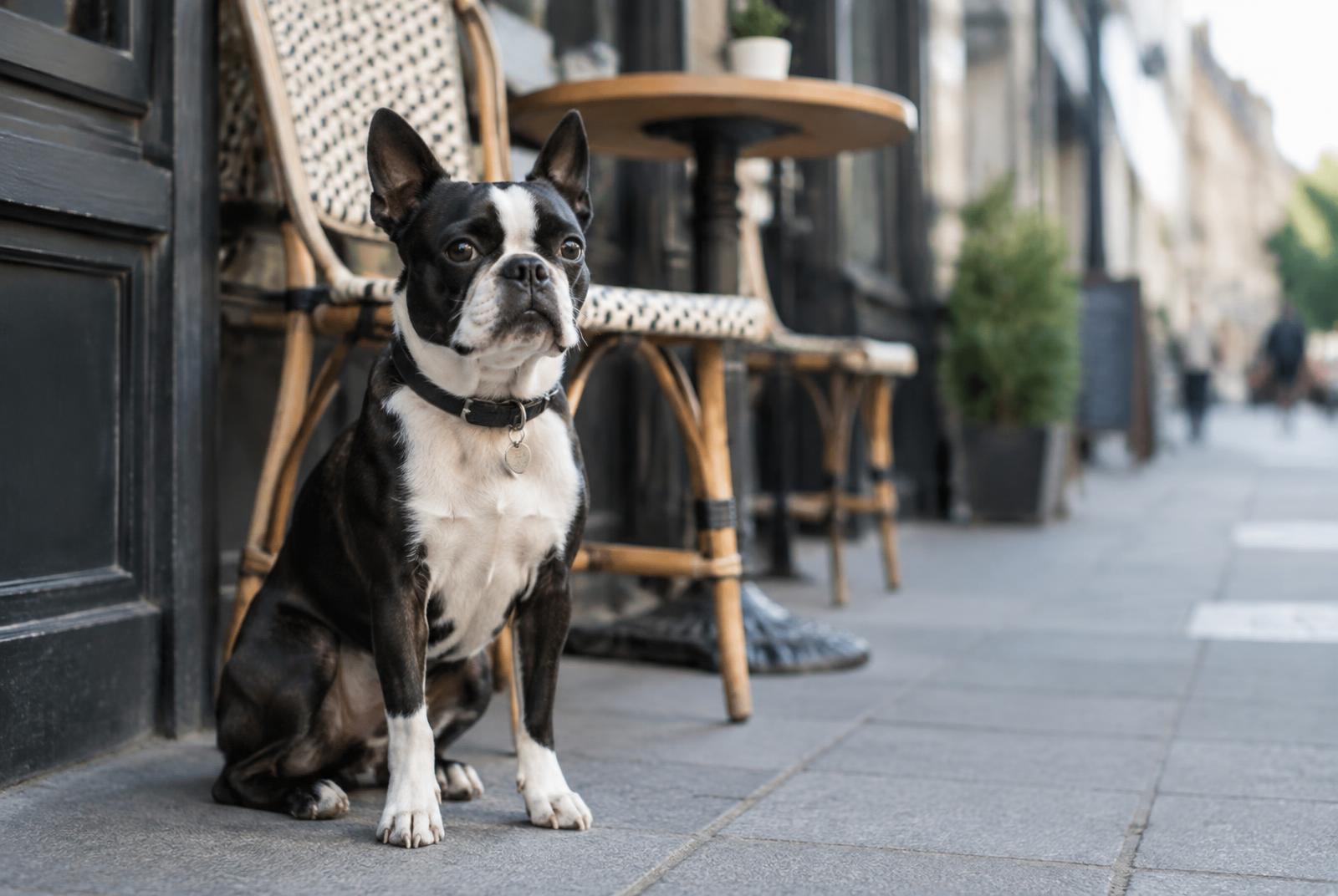
Boston Terrier
A dapper, good natured American companion with a milder face and a gentleman's manners.