
Utility group
United States
Boston Terrier
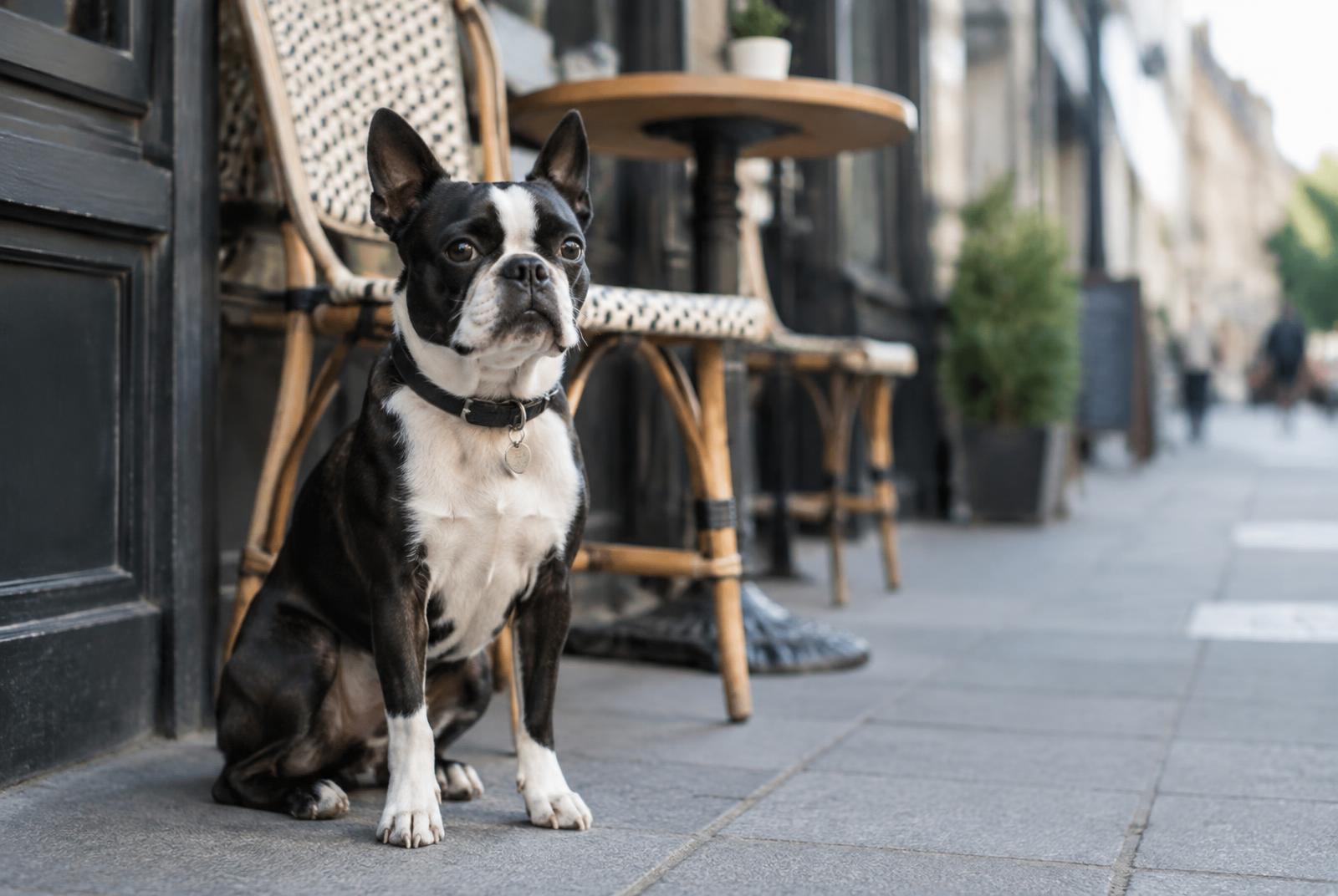
The Boston Terrier is a sociable, adaptable American breed with a milder flat face, easy grooming and genuinely modest exercise needs.
Reviewed against Kennel Club and breed club health guidance
A dapper, good natured American companion with a milder face and a gentleman's manners.
The short version
- Boston Terriers are sociable, affectionate and generally good with children and other dogs.
- The breed has a milder flat face than many brachycephalic dogs, but still needs sensible heat management.
- Reverse sneezing episodes are common and usually resolve quickly without intervention.
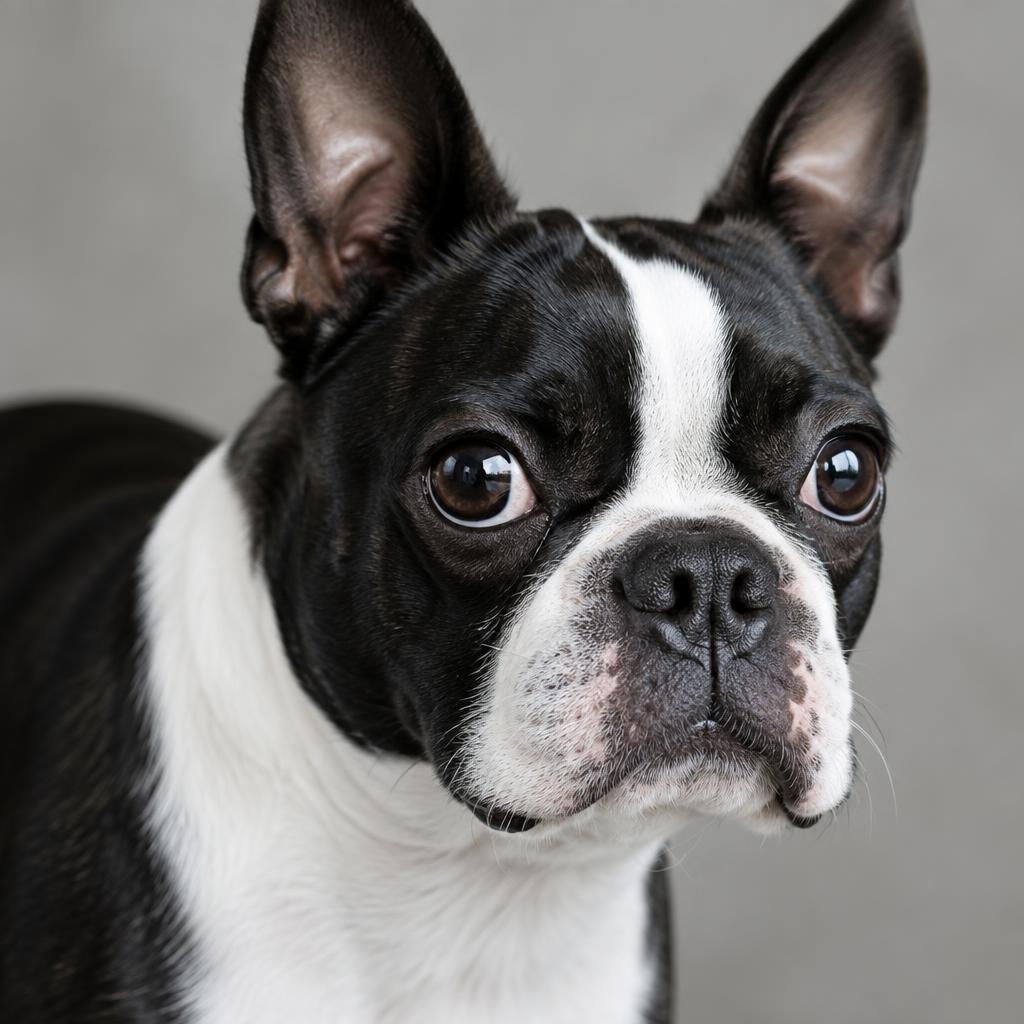
- Prominent eyes need regular checking, since they are more vulnerable to scratches and irritation.
- Grooming is genuinely easy, with only weekly brushing and basic wrinkle and ear care needed.
- Weight
- 5 to 11 kg
- Height
- 38 to 43 cm
- Lifespan
- 11 to 13 yrs
- Size
- Small
- Group
- Utility
- Coat
- Short, smooth, fine coat
- Grown male
- 6 to 11 kg
- Grown female
- 5 to 10 kg
- Years to full size
- about 1
- One-off setup
- €280 to 550
Get one if…
- Owners who want a sociable dog with modest exercise needs
- Families with children looking for a gentle, adaptable breed
- Flat dwellers wanting a low grooming, low barking companion
- Owners who can manage walks around warm weather carefully
- First time owners wanting a trainable, people focused dog
Think again if…
- Owners in consistently hot, humid climates unwilling to adjust routines
- Anyone wanting a dog content with long stretches alone
- Households unable to check eyes regularly for injury or irritation
- People seeking a highly independent, low contact dog
- Owners unwilling to attend to facial wrinkle hygiene
Trait profile
The Boston Terrier pairs a sociable, adaptable temperament with a milder flat face than many brachycephalic breeds, though heat sensitivity and eye care still need sensible attention.
Space & setup. This breed is well suited to flats and city living, needing only modest outdoor space provided daily walks are kept up.
Allergies. The short, fine coat sheds lightly and is easy to manage, though it still produces dander, so no breed can be called fully non-allergenic.
Living with a Boston Terrier
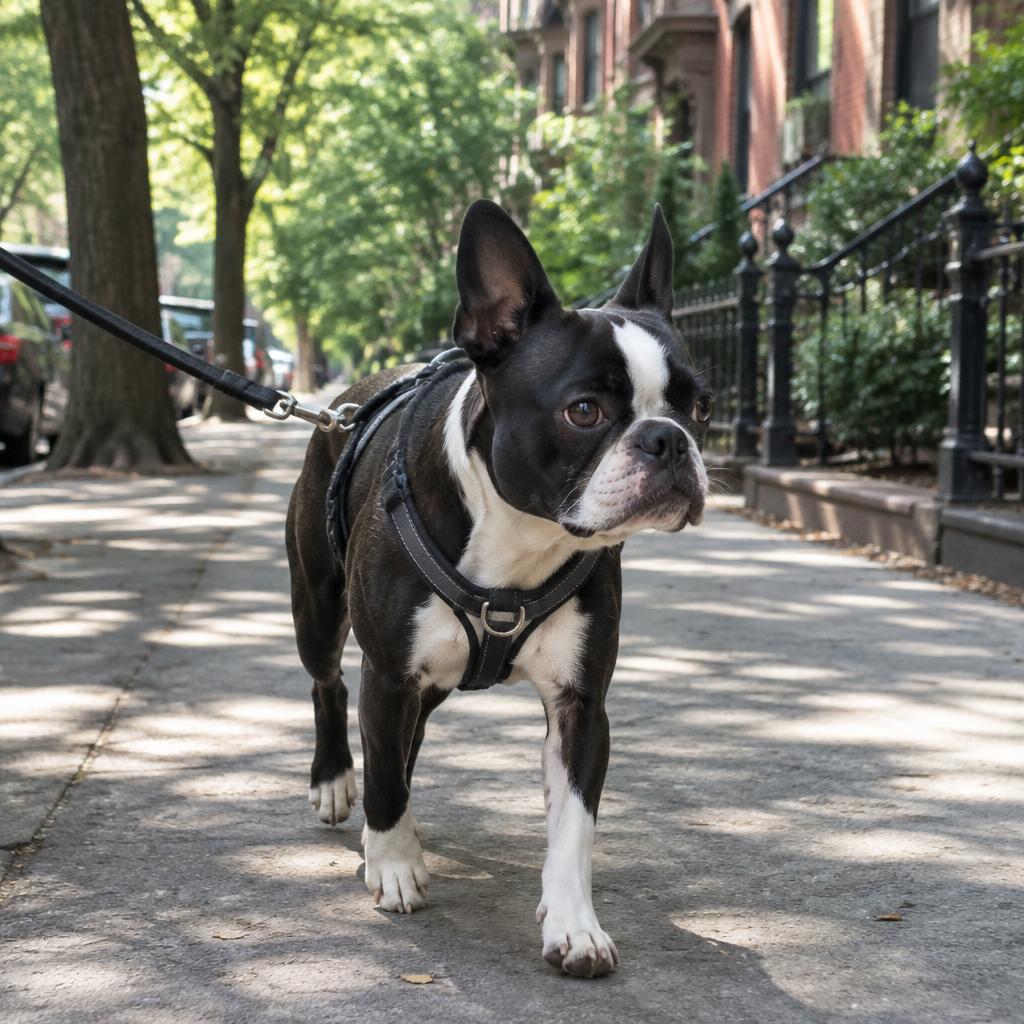
The Boston Terrier is a small, sturdy Utility breed developed in the United States from bull and terrier stock, bred specifically toward a gentler temperament and a more moderate face. It is known for its sociable, adaptable nature, tuxedo like markings, and a flat faced build that calls for sensible heat management.
The Boston Terrier was developed in Boston, Massachusetts in the late nineteenth century, bred down from bull and terrier stock originally used in pit fighting into a far gentler companion dog. Early breeders deliberately selected for a milder temperament and a more moderate, less exaggerated face than many other flat faced breeds, and the result became one of the first dog breeds developed in the United States to gain international recognition. Its tuxedo like black and white coat earned it the nickname the American Gentleman, a label that still suits its tidy, good natured character today.
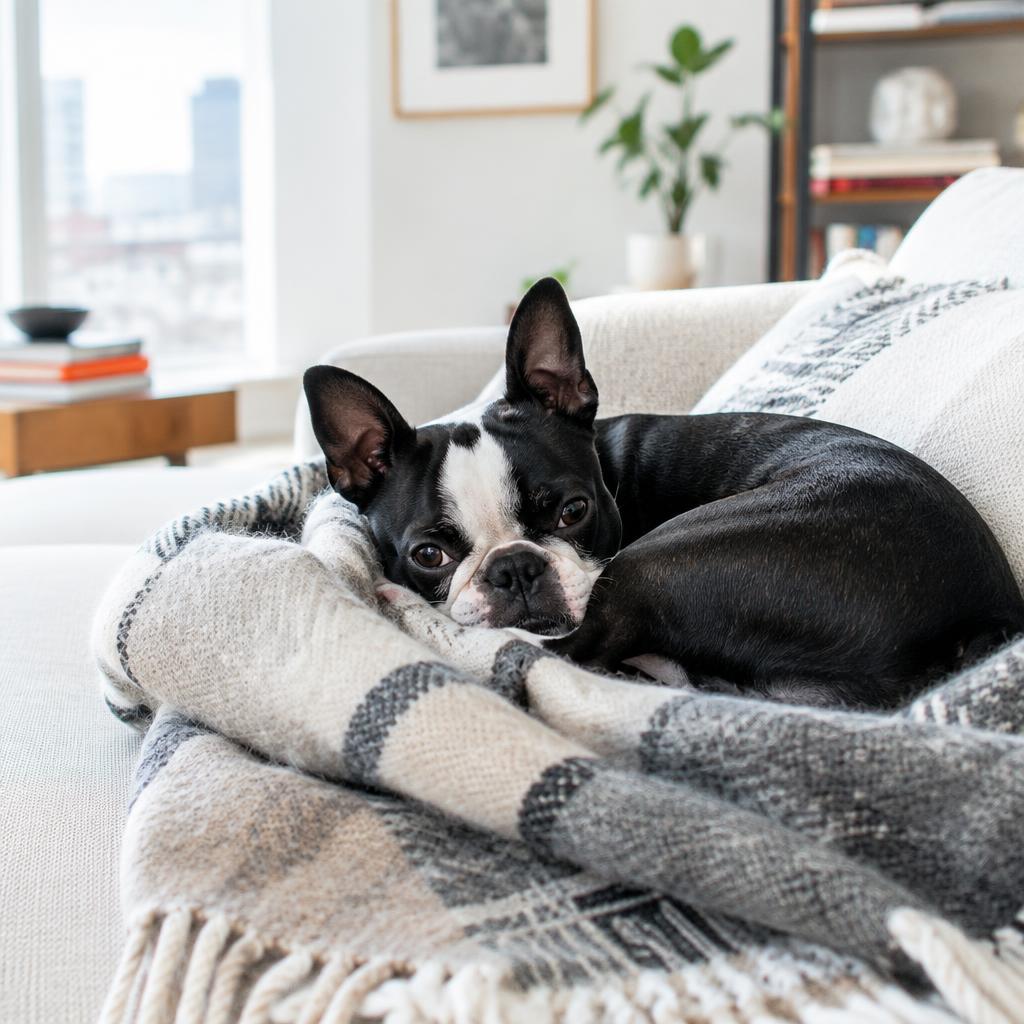
Daily life with a Boston Terrier tends to be easy going and sociable. This is a compact, adaptable dog that settles comfortably into flats, houses and city living alike, content to potter around indoors, greet visitors warmly and curl up on the sofa once the day's activity is done. Bostons are generally friendly with strangers, other dogs and children, making them one of the more socially relaxed breeds in the Utility group, and their comic, expressive faces and genuine sense of humour endear them quickly to most households they join.
The defining temperament trait is a cheerful, people focused adaptability. Boston Terriers were bred for companionship rather than any working role, and it shows: they are attentive to their owner's mood, eager to be included in whatever is happening, and rarely happier than when settled close to their favourite person. This makes them excellent company for owners who want a dog that fits around daily life rather than demanding a highly structured routine built entirely around exercise or work.
The honest limitation lies in the breed's flat face and its practical consequences. Although the Boston Terrier has a notably milder, less exaggerated muzzle than many brachycephalic breeds, it is still a flat faced dog, and this brings real considerations: reduced tolerance for heat and humidity, a tendency toward reverse sneezing episodes that can alarm new owners, and a general need to avoid strenuous exercise in warm weather. Owners living in consistently hot climates, or unwilling to manage walks around temperature, should weigh this honestly before choosing the breed, even though Bostons fare noticeably better in heat than more extreme flat faced breeds.
Eye health deserves particular attention given the breed's prominent, slightly protruding eyes, which are more vulnerable to scratches, ulcers and other injuries than deeper set eyes, and owners should check them regularly and seek prompt veterinary attention for any redness or cloudiness. Patellar luxation, a kneecap that slips out of its groove, is also reported in the breed and ranges from mild to requiring surgical correction. Reputable breeders screen breeding stock for both eye conditions and patella health, and asking to see recent results is a sensible step for anyone buying a puppy. None of these risks should be taken as reason for alarm, simply as practical knowledge that shapes sensible day to day care.
Exercise needs are modest and well suited to city living: around 30 to 45 minutes a day split across a couple of walks, plus some indoor play, keeps most Boston Terriers content, and this moderate requirement is one of the breed's most appealing traits for busy or less mobile owners. Training tends to go well, since the breed is intelligent and keen to please, though short, varied sessions using positive reinforcement suit its attention span better than long repetitive drilling. Reverse sneezing episodes, brief bouts of snorting caused by throat irritation, are common and usually resolve on their own within moments, though owners should learn to recognise them so they are not mistaken for an emergency.
Grooming is genuinely easy, one of the breed's practical strengths. The short, smooth coat needs only weekly brushing to control shedding, along with regular attention to facial wrinkles, nails and ears, making this a low maintenance choice for owners who want a characterful dog without an involved coat routine.
Taken as a whole, the Boston Terrier suits first time owners, families with children, flat dwellers and city based owners who want a sociable, adaptable, relatively low exercise dog with easy grooming. It does not suit owners in consistently hot climates unwilling to adjust exercise and routine around temperature, nor anyone seeking a highly independent dog content with long stretches alone. For owners who can manage its heat sensitivity and keep an eye on its eyes and knees, the Boston Terrier offers a huge amount of good humoured, companionable charm in a genuinely manageable package.
A sociable, low maintenance city dog whose milder flat face still calls for careful heat and eye management.
Exercise, day to day
- 1Puppies (8 to 20 weeks): short, gentle sessions of around 5 minutes per month of age, avoiding heat and hard surfaces.
- 2Adults: 30 to 45 minutes a day split across two walks, avoiding the warmest part of the day.
- 3Heat awareness: carry water, choose shaded routes, and watch for heavy panting or tiring quickly.
- 4Mental stimulation: short training games and puzzle feeders suit this attentive, people focused breed.
- 5Socialisation: regular calm exposure to new people and dogs supports its naturally friendly nature.
Grooming, realistically
- 1Brush weekly with a soft bristle brush or grooming mitt to control light shedding.
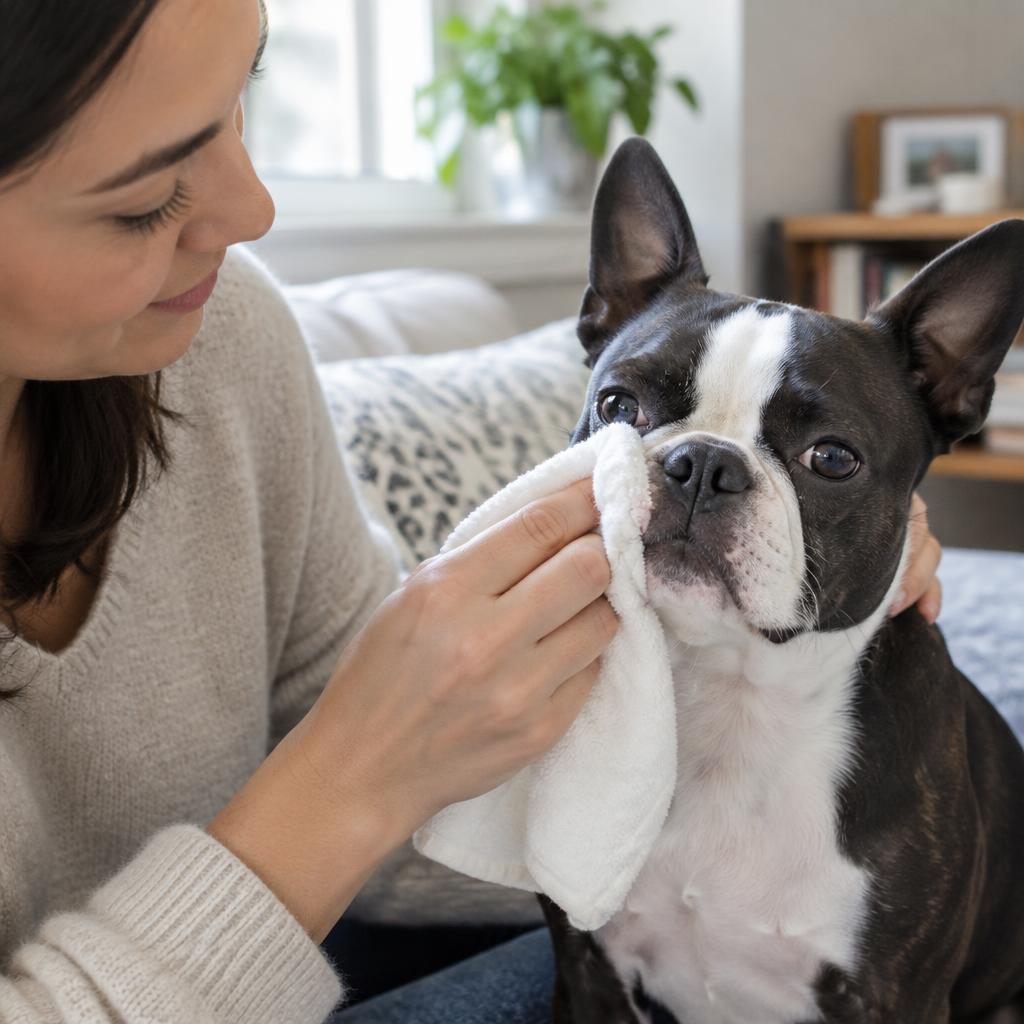
- 2Clean facial wrinkles a few times a week to prevent moisture build up and skin irritation.
- 3Wipe eyes gently each day and check for redness, cloudiness or discharge given their prominent position.
- 4Trim nails every three to four weeks, since the short coat does little to wear them down.
- 5Brush teeth several times a week to help prevent tartar build up common in small breeds.
What you actually need
- Soft bristle brush or grooming mitt
- Wrinkle cleaning wipes
- Eye cleaning solution
- Dog nail clippers
- Enzymatic dog toothpaste and brush
- Cooling mat for warm weather
Puppy to adult
| Age | Male | Female | What is happening |
|---|---|---|---|
| 8 weeks | 1.2 to 1.8 kg | 1.1 to 1.6 kg | Small, compact puppy with an already expressive, people focused manner. |
| 3 months | 2.2 to 3.3 kg | 2 to 3 kg | Steady early growth; keep an eye on breathing comfort during play. |
| 6 months | 3.8 to 6 kg | 3.5 to 5.5 kg | Adolescent stage with growing confidence and sociability toward strangers. |
| 9 months | 4.8 to 8 kg | 4.3 to 7.5 kg | Approaching adult build, with the signature tuxedo markings fully set. |
| 12 months | 5.5 to 10 kg | 5 to 9.5 kg | Close to adult weight, though some individuals continue filling out slightly. |
| 18 months | 5.5 to 11 kg | 5 to 10 kg | Full adult size and proportions reached. |
Ranges are typical, not targets. Judge condition by ribs and waist, and check with the ideal weight checker.
What to ask a breeder
- Can I see recent eye examination results for both parents?
- Has either parent been screened for patellar luxation?
- How do the puppies cope with warm weather and exercise in your experience?
- Can I meet both parents and see their general temperament around strangers?
- What is the typical frequency and severity of reverse sneezing in your line?
- What advice do you give new owners about heat management and exercise limits?
Health tests to ask for
Ask to see results for both parents before you put down a deposit.
- Eye examination for cataracts and corneal health
- Patella luxation examination
- Breathing assessment relevant to brachycephalic conformation
- Hip and general orthopaedic check where available
- Family history review for reverse sneezing and heat tolerance
Health watch-list
What to ask a breeder about, and what to watch for over a lifetime. This is orientation, not veterinary advice, anything you notice belongs in front of a vet.
Brachycephalic airway sensitivity
CommonAlthough milder than many flat faced breeds, Boston Terriers can still struggle in heat or after exertion; avoiding strenuous exercise in warm weather helps manage this.
Reverse sneezing
CommonBrief bouts of snorting caused by throat irritation are common and usually resolve on their own within moments without treatment.
Corneal ulcers and eye injuries
NotableThe breed's prominent eyes are more vulnerable to scratches and irritation; regular checks and prompt vet attention to redness help prevent complications.
Patellar luxation
NotableA kneecap that slips out of position, ranging from mild to requiring surgery; screening breeding stock reduces incidence.
Heat sensitivity
CommonThe flat face and compact build reduce heat tolerance compared with longer muzzled breeds, so shade, water and shorter walks matter in warm weather.
Allergic skin conditions
UncommonSome individuals develop skin irritation or allergies; a consistent diet and prompt veterinary advice help manage flare ups.
What it costs to keep one
Realistic running cost
€67 / month
About €804 a year, or roughly €9,648 across a 12-year life, before purchase price, neutering and one-off vet events.
Before the puppy arrives. Budget roughly €280 to 550 for a crate, bed, lead and harness, bowls, puppy classes, first vaccinations and grooming kit sized for this breed. Figures throughout are indicative and vary a good deal between countries.
Interactive · built for this breed
Is a Boston Terrier right for your home?
Seven honest questions about your space, time and household, checked against this breed's exercise need, coat, sociability and tolerance for time alone.
Fit with your routine
98%
A strong fit
Your routine suits a Boston Terrier well. Meet adult dogs of the line before you commit.
Working in your favour
- Your daily walking comfortably covers this breed's exercise need.
- Coat care fits the grooming time you offered.
Compare more breeds in the matchmaker, or plan meals with the portion calculator.
The verdict, by household
First-time owner
An excellent match
Sociable, trainable and genuinely low maintenance, making this one of the more forgiving breeds for a first time owner.
Family with children
A strong choice
Friendly and tolerant with children, though eye safety during boisterous play needs sensible supervision.
Active single or couple
A good choice with preparation
Modest exercise needs suit a less active lifestyle, though an active owner should avoid overexertion in heat.
Owner in a flat with close neighbours
An excellent match
Low barking tendency and compact size make this one of the more neighbour friendly small breeds available.
When to call your vet
- Laboured or noisy breathing, especially in heat or after exercise, which needs prompt veterinary assessment
- Redness, cloudiness or squinting in either eye, given their vulnerability to scratches and irritation
- Lameness or an odd skipping gait, which could point to patellar luxation
- Excessive panting, drooling or collapse in warm weather, signs of possible heat stress
- Frequent, prolonged reverse sneezing that does not settle within a minute or two, worth checking with a vet
Nothing here is a diagnosis. A swollen, hard belly with retching, collapse, breathing difficulty and sudden hind-leg weakness are emergencies: go straight away.
Boston Terrier vs the closest alternatives
| Breed | Weight | Energy | Grooming | € / month |
|---|---|---|---|---|
| Boston Terrier | 5 to 11 kg | 5/10 | 2/10 | €67 |
| French Bulldog | 8 to 14 kg | 4/10 | 2/10 | €112 |
| Great Dane | 45 to 90 kg | 5/10 | 2/10 | €302 |
| American Bully | 15 to 55 kg | 6/10 | 3/10 | €185 |
Boston Terrier questions, answered
What is the temperament of a Boston Terrier?
Boston Terriers are friendly, lively and genuinely sociable, bred in the United States specifically for a gentle companion temperament rather than any working role. They tend to be attentive to their owner's mood, enjoy being included in household activity, and generally get along well with strangers, children and other dogs.
How big do Boston Terriers get?
Males typically weigh 6 to 11 kg and females 5 to 10 kg, standing around 38 to 43 cm at the shoulder. They are classed as a small breed with a compact, sturdy build, reaching full adult size by around one year old.
Do Boston Terriers shed a lot?
Their short, smooth coat sheds lightly throughout the year rather than in heavy seasonal bursts. Weekly brushing with a soft bristle brush or grooming mitt easily keeps shedding under control, making this one of the lower maintenance coats among small breeds.
How much exercise does a Boston Terrier need?
Around 30 to 45 minutes a day split across a couple of walks suits most Boston Terriers well, making this a genuinely modest exercise breed. Walks should avoid the warmest part of the day given the breed's flat face and reduced heat tolerance.
Are Boston Terriers good with children?
Yes, this breed is widely regarded as gentle, playful and patient with children, one of its most appealing traits for families considering a small, sociable dog. As with any dog, supervision during boisterous play helps protect the breed's prominent, somewhat vulnerable eyes from accidental injury or scratches.
What health problems are common in Boston Terriers?
The breed can struggle with heat due to its flat face, experiences reverse sneezing episodes, and its prominent eyes are prone to scratches or irritation. Patellar luxation and occasional allergic skin conditions are also worth screening for and monitoring over a lifetime.
How much does it cost to own a Boston Terrier?
Monthly costs typically include around 22 euros for food, 25 euros for insurance and roughly 10 euros for grooming given its easy coat care, alongside an initial setup cost of about 280 to 550 euros. Veterinary costs can rise if eye injuries or heat related issues need treatment.
Sources
- Boston Terrier breed standard, The Kennel Club
- Boston Terrier breed information, American Kennel Club
- Breed specific eye and patella testing requirements, The Kennel Club
- Eye scheme and canine health schemes, British Veterinary Association
- Flat faced breed health and heat guidance, PDSA
Put it into practice
Reading that goes with this





Breeds people compare with this

French Bulldog
A comic, affectionate companion built for city life, but with health needs that demand a careful breeder.
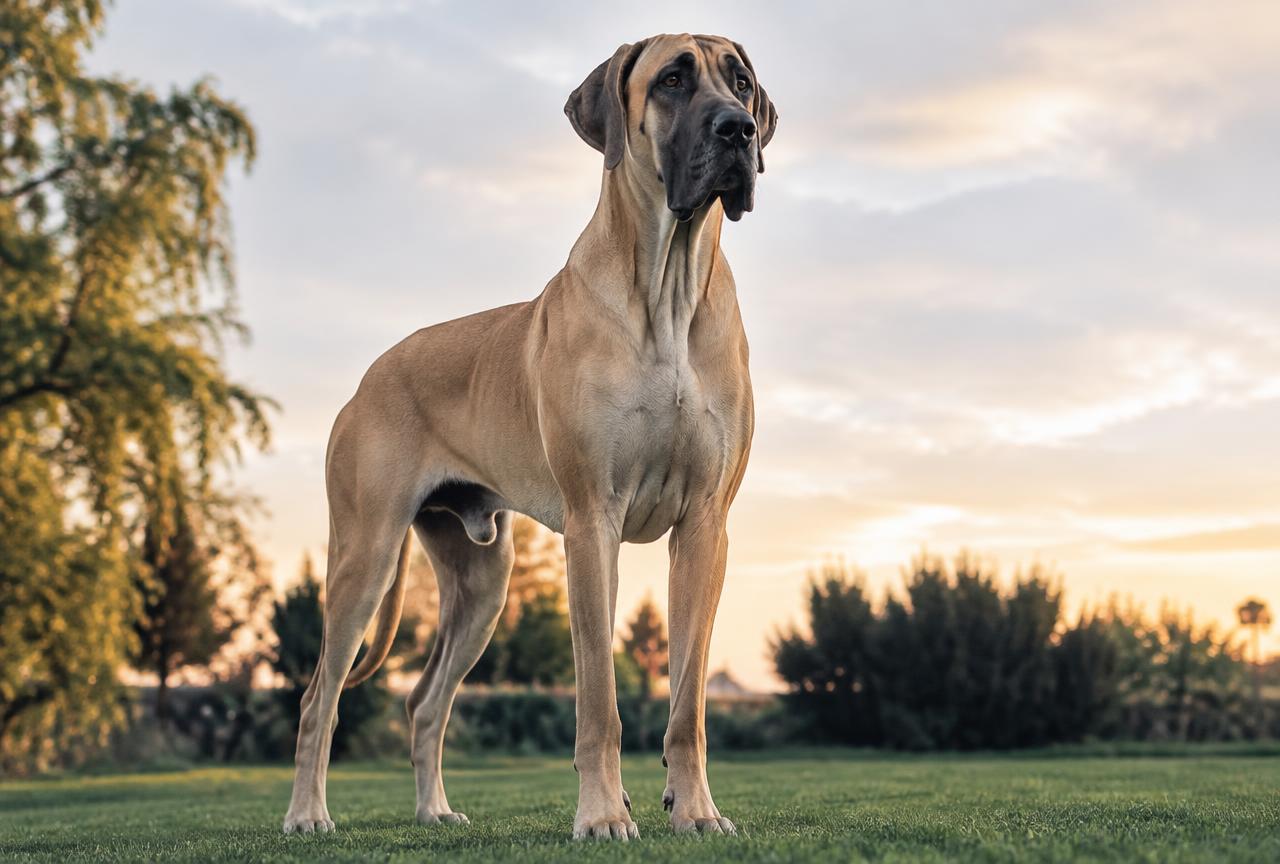
Great Dane
A gentle giant whose enormous size demands patient growth, vigilant bloat awareness and an honest look at lifespan and cost.
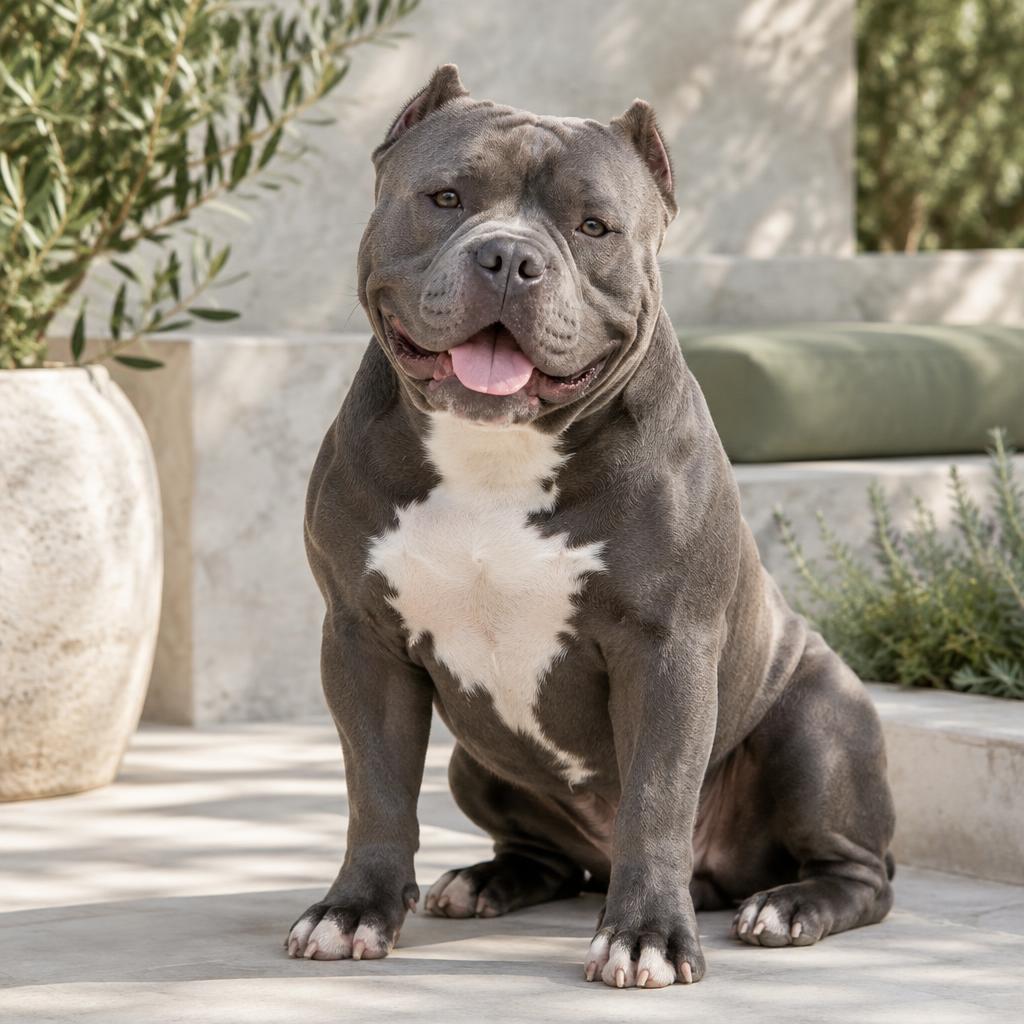
American Bully
The misunderstood companion: a people-loving heart behind a powerful, athletic frame.