
Hound group
England
Whippet
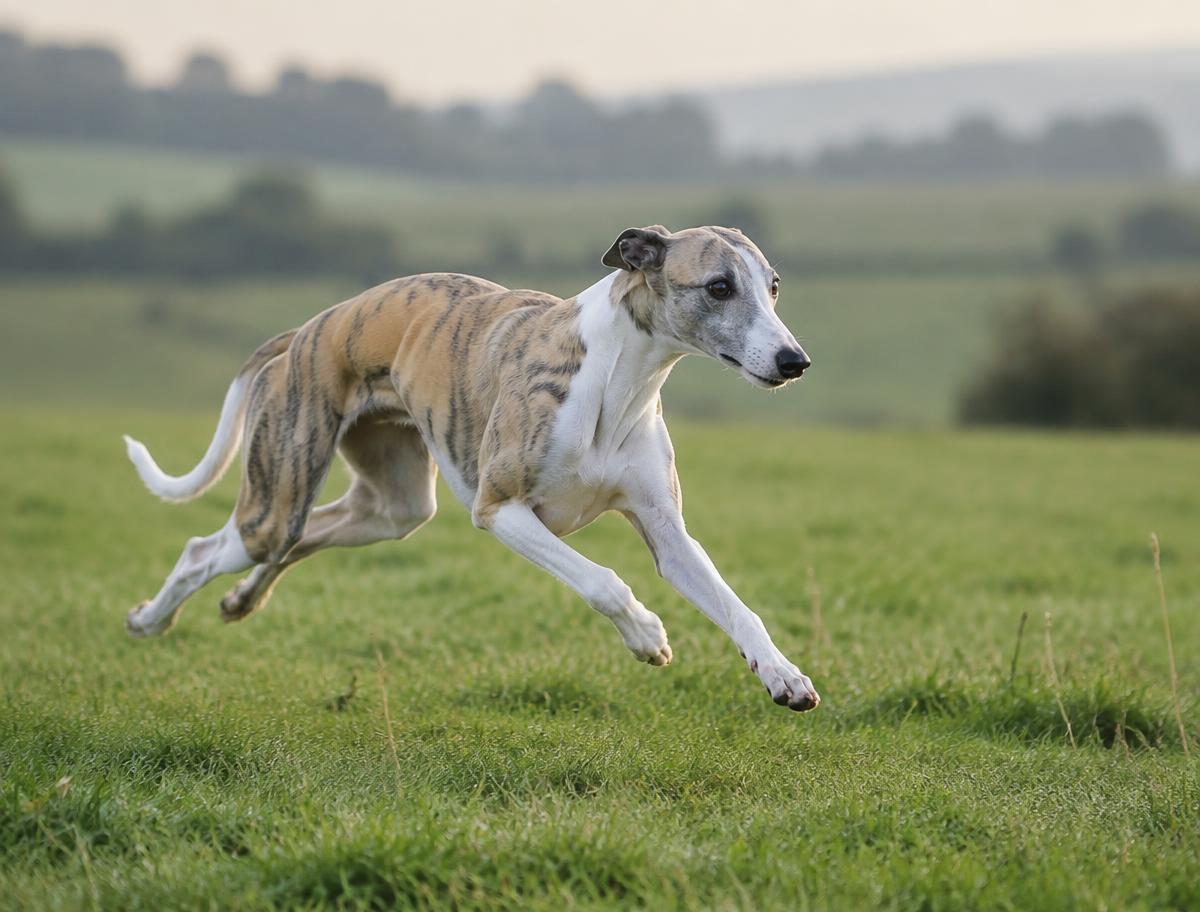
The Whippet is a fast, quiet, affectionate English sighthound that needs daily sprinting time and careful management of its strong prey drive.
Reviewed against Kennel Club and breed club health guidance
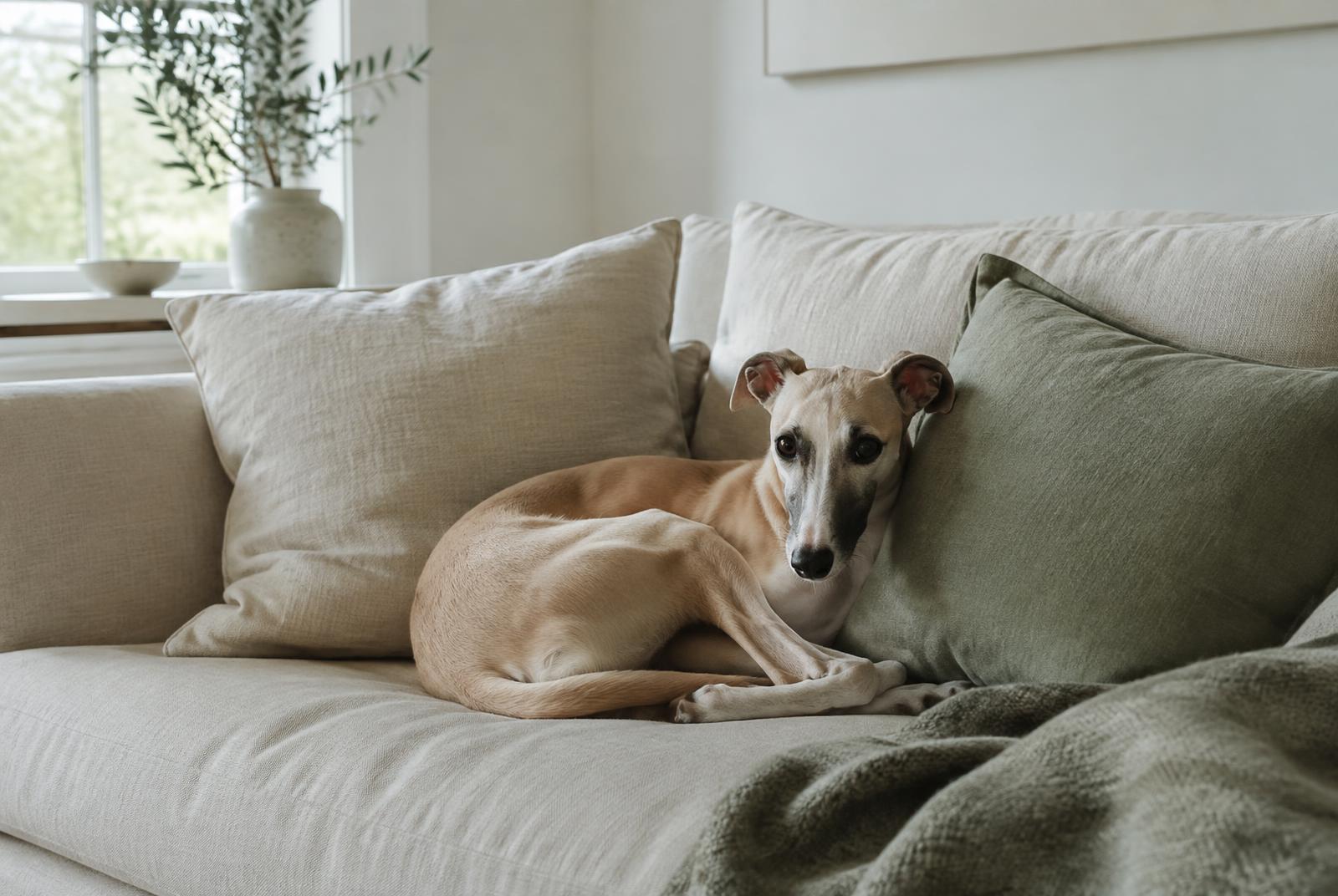
A 35mph sprinter wrapped around a dedicated couch potato, happiest after a short burst of speed followed by hours of sleep.
The short version
- Whippets can reach around 35mph in short bursts but spend most of the day resting quietly indoors.
- Strong prey drive means off lead exercise needs secure, enclosed spaces away from livestock and small animals.
- Thin skin and very low body fat mean the breed feels the cold sharply and needs coats and soft bedding.
- The breed is genuinely quiet indoors, rarely barks, and needs very little grooming.
- Exercise quality matters more than quantity, with a daily opportunity to run flat out being important.
- Vet checks for eye and heart conditions, alongside anaesthesia awareness, are worth discussing with a breeder.
- Weight
- 11 to 20 kg
- Height
- 44 to 51 cm
- Lifespan
- 12 to 15 yrs
- Size
- Medium
- Group
- Hound
- Coat
- Short, fine, smooth coat with very little undercoat
- Grown male
- 13 to 20 kg
- Grown female
- 11 to 18 kg
- Years to full size
- about 1.5
- One-off setup
- €350 to 650
Get one if…
- Owners with access to securely fenced space for daily off lead sprinting
- People wanting a calm, quiet indoor companion with minimal grooming needs
- Households prepared to invest in coats and soft bedding through colder months
- Owners who can manage recall realistically rather than expecting perfect off lead reliability
- Flat or house dwellers who can still offer a proper daily running outlet nearby
Think again if…
- Owners living near livestock or open countryside without secure fencing options
- Anyone expecting reliable off lead recall around small animals and distractions
- Households unwilling to invest in winter coats or padded bedding
- People wanting a dog that tolerates cold or bare sleeping conditions
- Owners hoping prey drive will fade with training alone
Trait profile
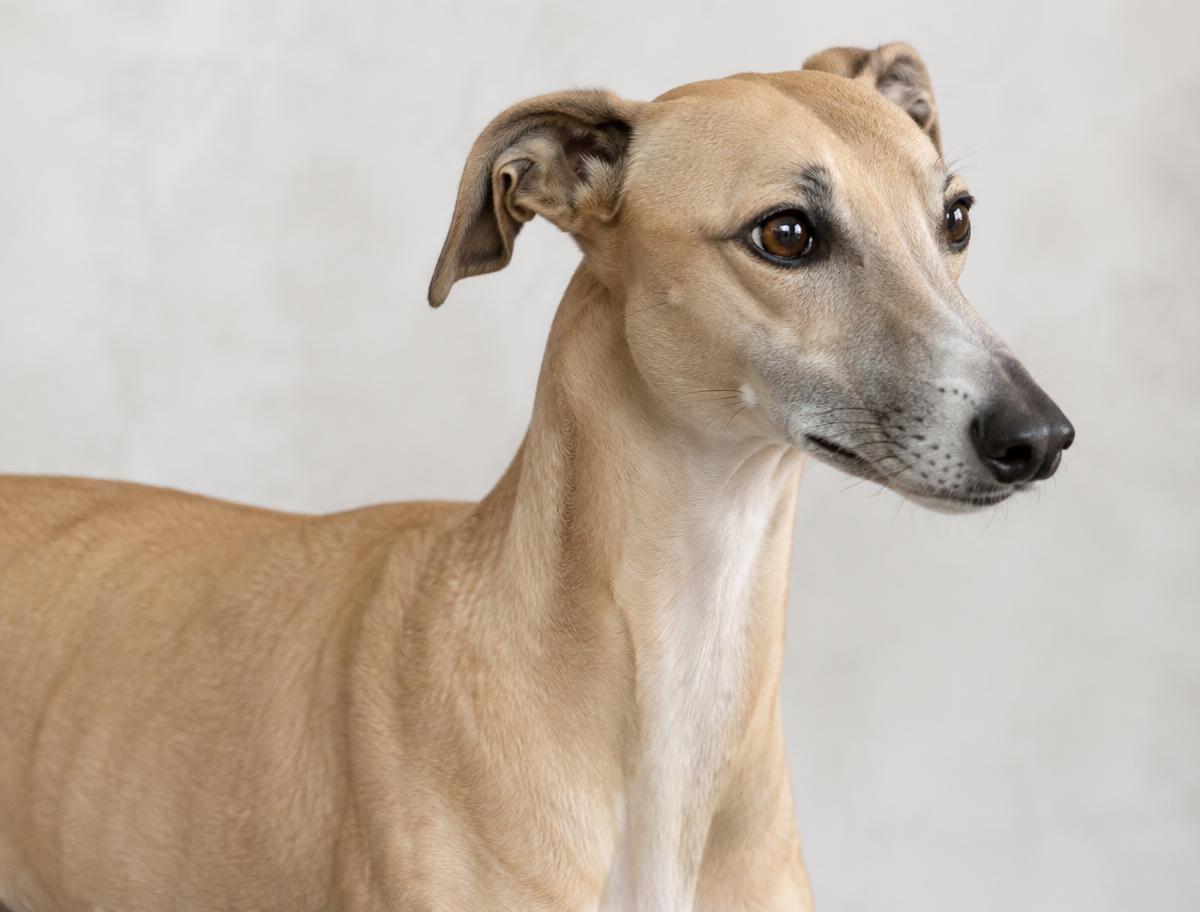
The Whippet pairs explosive short burst speed and strong prey drive with an unusually calm, quiet, affectionate indoor temperament, so planning secure running time matters more than managing indoor behaviour.
Space & setup. A flat or small house suits a Whippet well thanks to its quiet, restful indoor nature, provided there is regular access to secure space for proper off lead running.
Allergies. The Whippet's short, fine coat sheds lightly year round, which some find more manageable than heavier coated breeds, though no dog is truly non allergenic.
Living with a Whippet
The Whippet is a medium sized sighthound developed in the north of England from Greyhounds and terriers, originally kept for rabbiting and informal racing. It combines explosive short distance speed with an unusually calm, quiet indoor temperament, though its strong prey drive demands careful management off lead.
The Whippet was developed in the north of England during the nineteenth century, bred down from Greyhounds and crossed with terriers to produce a smaller, affordable sighthound that working families could keep for rabbiting and for the informal straight line racing that gave the breed its old nickname, the poor man's racehorse. From those practical, working class origins the Whippet has become one of the most popular sighthounds kept purely as a companion, and the breed's essential character, explosive speed paired with a deep love of rest, has barely changed.
Daily life with a Whippet is a study in contrasts. This is a dog capable of reaching speeds around 35 miles an hour in short bursts, yet the same dog will happily spend eighteen or more hours a day asleep, usually under a blanket, often on the sofa rather than the floor. Owners frequently describe the breed as a couch potato with a switch, content to do nothing for long stretches and then transformed the moment a lead comes out or a squirrel appears. This pattern suits people who want a genuinely calm, quiet presence indoors but who can also commit to proper daily opportunities to run flat out in a safe, enclosed space.
The defining temperament trait, and the one prospective owners most need to understand before committing, is prey drive. Whippets are sighthounds bred to chase, and that instinct is not something training fully overrides. Off lead exercise needs to be chosen with real care, in securely fenced areas or at times and places where small animals and livestock are not a realistic risk, because a Whippet in full chase mode is unlikely to hear a recall at all. This is not a flaw to be trained away so much as a breed characteristic to plan a life around, and owners who live near open countryside with grazing animals, or who want a dog that can be reliably off lead in unfenced parks, should think hard about whether this is the right breed.
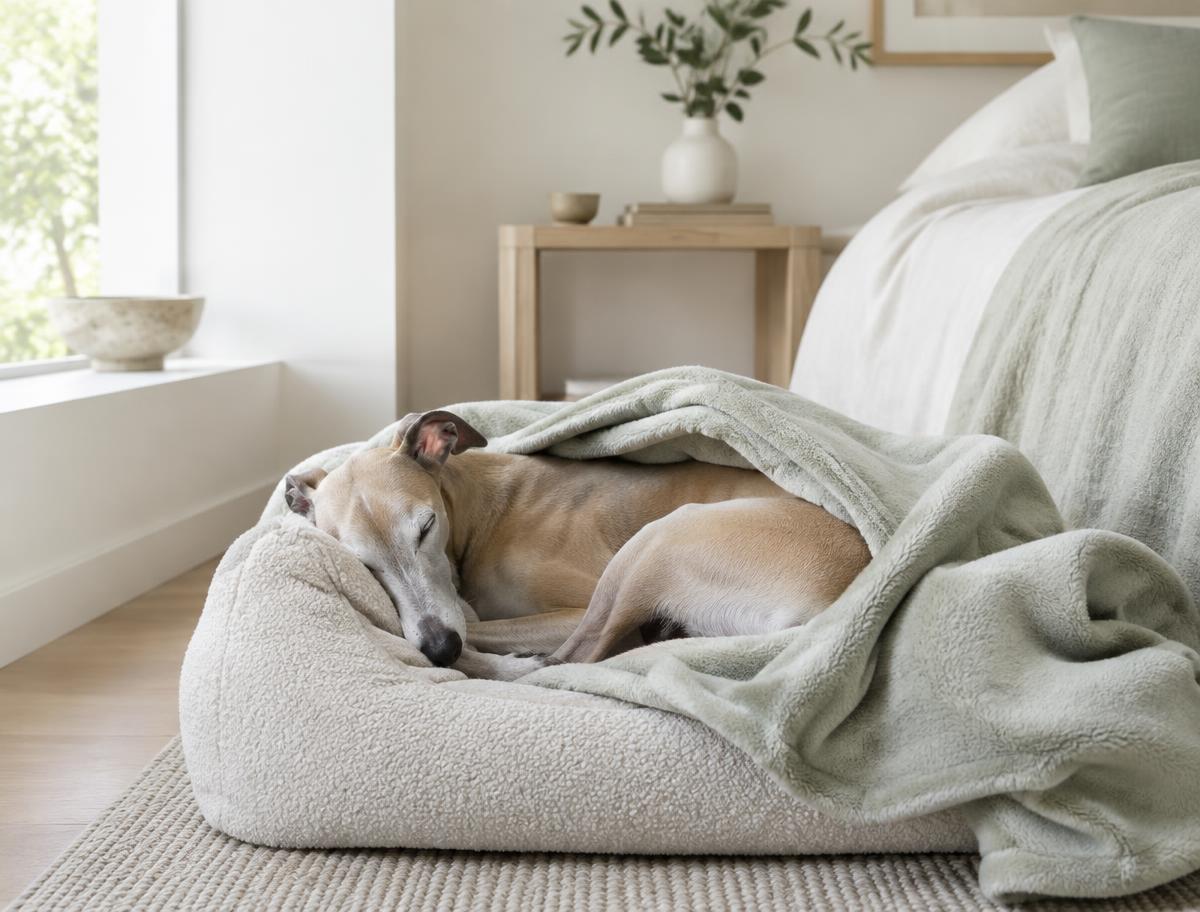
Health wise, the Whippet is a generally robust breed with a longer than average lifespan for its size, but its build brings specific, honest considerations. The thin skin and very low body fat mean Whippets feel the cold sharply and are prone to minor cuts and grazes that thicker coated breeds shrug off. A proper coat for winter walks and a soft, padded bed are not indulgences for this breed but close to essential kit, since thin skin over bony prominences can lead to pressure sores on hard flooring. Eye conditions and some heart concerns are also reported in the breed and worth discussing with a breeder and screening where schemes exist. The sensitivity to anaesthesia sometimes mentioned in sighthound breeds is worth raising with a vet ahead of any procedure, simply so the practice is aware.
Exercise needs are moderate rather than extreme in terms of overall time, generally 45 minutes to an hour a day, but the quality of that time matters more than the quantity. A Whippet genuinely benefits from at least one proper opportunity to sprint flat out each day, alongside calmer lead walks, and without that outlet some Whippets can become restless or develop a habit of chasing anything that moves closer to home. Training reality is mixed: Whippets are intelligent and can be responsive with food and gentle, reward based methods, but the breed's independent sighthound streak means recall around distractions needs realistic expectations and ongoing management rather than being treated as fully solved.
As a house dog, the Whippet is genuinely quiet. It is not a breed prone to much barking, settles well indoors, and its short coat means grooming is minimal, just an occasional wipe down and regular nail trims. This low maintenance, undemanding indoor presence is one of the breed's most underrated qualities, and it makes the Whippet a realistic option for people who want a sighthound's elegance without a sighthound sized exercise or grooming commitment.
This breed suits owners who want a calm, quiet companion for most of the day balanced by a genuine commitment to safe, off lead sprinting time, and who are prepared to manage prey drive sensibly around livestock and small animals rather than assuming it will fade. It also suits owners happy to invest in coats, bedding and general thin skinned care through colder months. It does not suit owners who live somewhere without safe space to let a dog run flat out, anyone who cannot accept genuine limits on off lead freedom in open countryside, or households hoping for a dog that tolerates being left in a cold, bare space without soft bedding. For the right home, the Whippet offers an unusually calm, affectionate housemate with flashes of genuine athletic brilliance.
A 35mph sprinter that spends most of the day asleep on the sofa, but strong prey drive means off lead freedom needs careful planning.
Exercise, day to day
- 1Puppies (8 to 20 weeks): short, gentle play sessions, avoiding jumping or hard surfaces while joints develop.
- 2Adults: 45 minutes to an hour a day, including at least one secure opportunity to sprint flat out.
- 3Off lead safety: choose securely fenced areas or quiet times away from livestock and small animals.
- 4Mental stimulation: scent games and short training sessions suit this intelligent, independent breed well.
- 5Rest: ensure a warm, soft bed is available, since Whippets sleep for much of the day.
Grooming, realistically
- 1Wipe down the short coat weekly with a damp cloth or hound glove to remove loose hair.
- 2Trim nails every 3 to 4 weeks, as this breed does not wear them down naturally on soft ground.
- 3Check skin regularly for minor cuts or grazes given how thin and delicate it is.
- 4Clean ears monthly and check teeth for tartar build up with regular brushing.
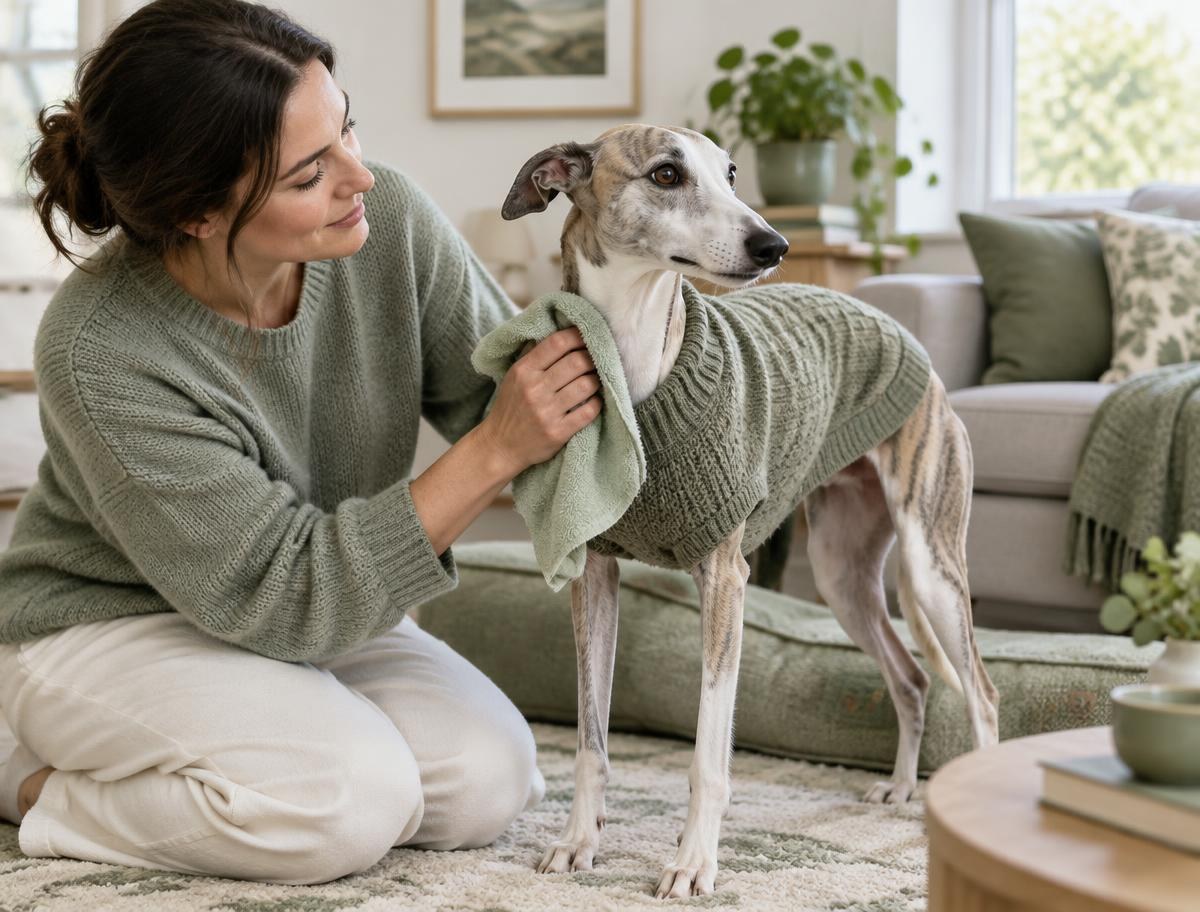
- 5Fit a well fitted coat for walks in cold or wet weather to protect against chills.
What you actually need
- Hound glove or soft bristle brush
- Dog nail clippers
- Well fitted winter coat
- Soft, padded orthopaedic style bed
- Mild dog shampoo
Puppy to adult
| Age | Male | Female | What is happening |
|---|---|---|---|
| 8 weeks | 2.5 to 3.5 kg | 2.2 to 3.2 kg | Lean, long legged puppy build; begin gentle, positive socialisation early. |
| 3 months | 4.5 to 6 kg | 4 to 5.5 kg | Rapid early growth typical of sighthounds; avoid excessive jumping or hard surfaces. |
| 6 months | 7.5 to 10.5 kg | 6.5 to 9 kg | Gangly, lanky teenage phase with visible ribs and growing joints still developing. |
| 9 months | 10.5 to 14 kg | 9 to 12 kg | Nearing adult height though the frame is still filling out with muscle. |
| 12 months | 13 to 17 kg | 10.5 to 15 kg | Close to adult weight, with sprinting exercise safe to introduce gradually. |
| 18 months | 13 to 20 kg | 11 to 18 kg | Full adult size and muscle tone reached, with mature coordination for full speed running. |
Ranges are typical, not targets. Judge condition by ribs and waist, and check with the ideal weight checker.
What to ask a breeder
- What eye and heart screening results can you show for both parents?
- How have the puppies been introduced to different surfaces and gentle handling?
- What has the litter's experience been with cats, livestock or small pets, if any?
- Can you advise on anaesthesia sensitivity should the puppy ever need a procedure?
- What coat and bedding routine do you recommend for cold weather?
- Can I meet both parents and see their temperament around strangers and other dogs?
Health tests to ask for
Ask to see results for both parents before you put down a deposit.
- Eye examination (BVA/KC scheme where available)
- Cardiac auscultation and screening
- General orthopaedic and soft tissue health check
- Discussion of anaesthesia protocol awareness with the vet
Health watch-list
What to ask a breeder about, and what to watch for over a lifetime. This is orientation, not veterinary advice, anything you notice belongs in front of a vet.
Prey drive related incidents
CommonStrong sighthound prey drive means Whippets may chase small animals off lead, sometimes resulting in injury from traffic or falls. Secure fencing and careful choice of off lead locations reduce the risk considerably.
Cold sensitivity and minor skin injuries
CommonThe thin skin and very low body fat mean Whippets feel the cold quickly and can sustain cuts or grazes easily. Winter coats, soft bedding and a careful eye on rough terrain help prevent problems.
Eye conditions
UncommonCertain inherited eye conditions are reported in the breed, and eye examinations through recognised schemes can help identify affected breeding stock early.
Cardiac issues
UncommonSome heart concerns are reported in the breed, and reduced stamina, coughing or fainting are worth raising promptly with a vet.
Anaesthesia sensitivity
UncommonLike many sighthounds, Whippets have very low body fat, which can affect how some anaesthetic drugs are processed. Vets familiar with sighthounds usually adjust protocols accordingly.
Pressure sores and calluses
UncommonThin skin over bony prominences such as elbows and hips can develop sores on hard flooring, so a soft, padded bed is genuinely important rather than optional.
What it costs to keep one
Realistic running cost
€72 / month
About €864 a year, or roughly €12,096 across a 14-year life, before purchase price, neutering and one-off vet events.
Before the puppy arrives. Budget roughly €350 to 650 for a crate, bed, lead and harness, bowls, puppy classes, first vaccinations and grooming kit sized for this breed. Figures throughout are indicative and vary a good deal between countries.
Interactive · built for this breed
Is a Whippet right for your home?
Seven honest questions about your space, time and household, checked against this breed's exercise need, coat, sociability and tolerance for time alone.
Fit with your routine
95%
A strong fit
Your routine suits a Whippet well. Meet adult dogs of the line before you commit.
What to sort out first
- Needs more daily exercise than you have pencilled in.
Working in your favour
- Coat care fits the grooming time you offered.
Compare more breeds in the matchmaker, or plan meals with the portion calculator.
The verdict, by household
First-time owner
Workable with planning
Gentle and biddable, but prey drive management and cold weather care take genuine commitment to learn.
Family with children
A good match
Generally gentle and affectionate with children, though its fine bones mean rough play should be supervised.
Active single or couple
An excellent match
The balance of short sprinting sessions and long restful periods suits an active but flexible lifestyle well.
Owner in a flat with close neighbours
A strong choice
Quiet and undemanding indoors, provided secure outdoor space for running is accessible nearby.
When to call your vet
- Shivering or reluctance to go outside in cold weather, suggesting the dog is too cold
- Sudden lameness or reluctance to bear weight, which could indicate a soft tissue or joint injury
- Cuts, grazes or skin tears that need monitoring given the breed's thin skin
- Cloudiness or changes in the eyes, worth checking given reported eye conditions
- Coughing, reduced stamina or fainting, which could point to a heart concern worth investigating
Nothing here is a diagnosis. A swollen, hard belly with retching, collapse, breathing difficulty and sudden hind-leg weakness are emergencies: go straight away.
Whippet vs the closest alternatives
| Breed | Weight | Energy | Grooming | € / month |
|---|---|---|---|---|
| Whippet | 11 to 20 kg | 6/10 | 2/10 | €72 |
| Rottweiler | 35 to 60 kg | 6/10 | 2/10 | €158 |
| Greyhound | 26 to 40 kg | 6/10 | 2/10 | €170 |
| Bullmastiff | 41 to 59 kg | 5/10 | 3/10 | €128 |
Whippet questions, answered
How fast can a Whippet run?
Whippets can reach speeds of around 35 miles an hour in short bursts, making them one of the fastest dog breeds over a sprint distance. This speed is used in short chases rather than sustained running, and most Whippets spend the majority of the day resting quietly.
Are Whippets good apartment dogs?
Yes, Whippets are generally quiet, calm indoors and need relatively little space, which suits flat living well. The main requirement is regular access to a secure outdoor space nearby for proper off lead running.
Do Whippets get along with small pets?
Whippets have a strong prey drive as sighthounds bred to chase, so introductions to small pets need to be managed carefully and may never be fully reliable. Off lead freedom around livestock, rabbits or other small animals should generally be avoided.
Why do Whippets need coats?
Whippets have very thin skin and almost no body fat, which means they feel cold far more than most breeds. A well fitted coat for walks in cold or wet weather helps prevent shivering and discomfort, particularly in winter.
How much exercise does a Whippet need?
Around 45 minutes to an hour a day, including at least one safe opportunity to run flat out in a securely fenced area. The quality of exercise, particularly a proper sprint, matters more than sheer duration for this breed.
Do Whippets bark a lot?
No, Whippets are generally a quiet breed that rarely barks excessively, making them a good fit for owners with close neighbours. They tend to settle calmly indoors once their exercise needs have been met.
What health problems are common in Whippets?
The main considerations include cold sensitivity and minor skin injuries due to thin skin, some reported eye and cardiac conditions, and anaesthesia sensitivity linked to low body fat. Choosing a breeder who screens parent dogs reduces the risk of inherited issues.
Sources
Put it into practice
Reading that goes with this



Breeds people compare with this
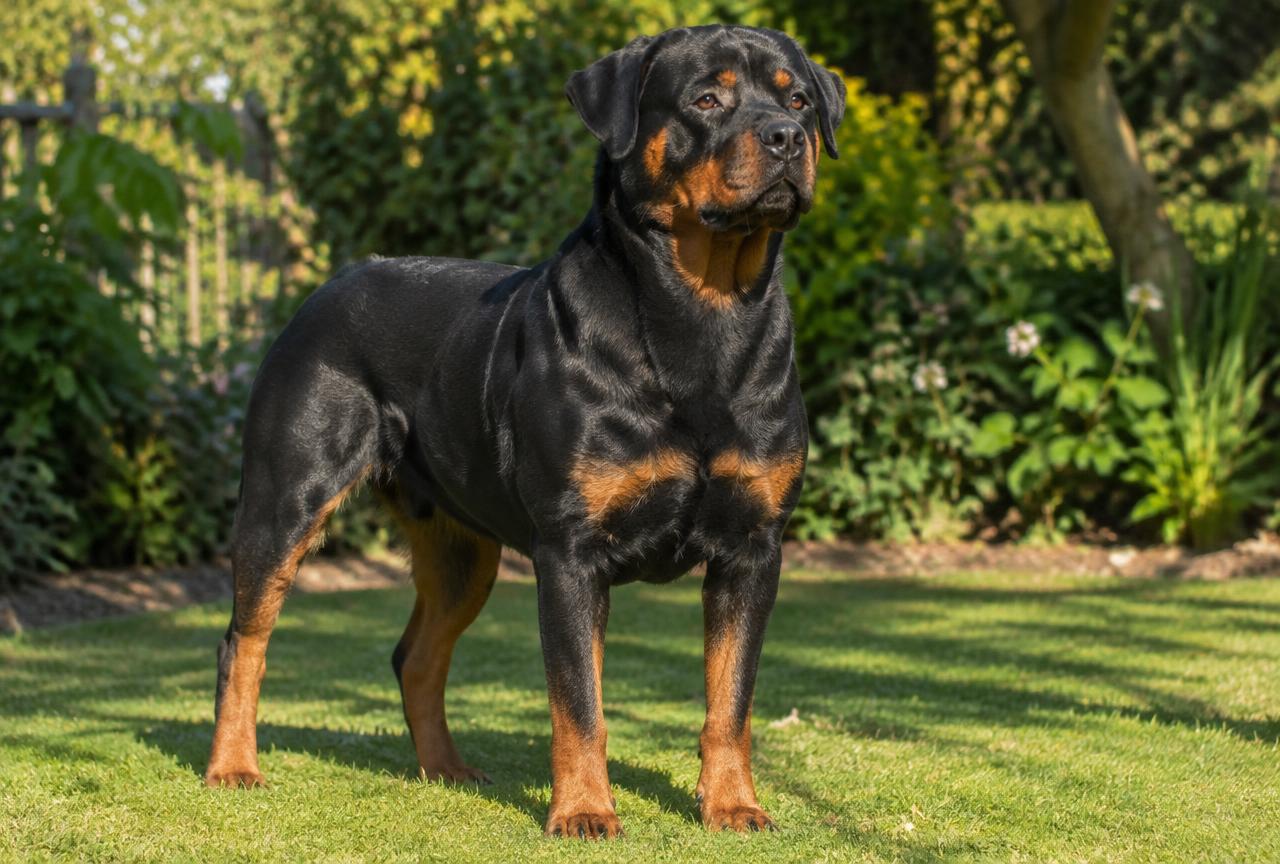
Rottweiler
A calm, powerful guardian breed that needs early socialisation and a confident, consistent owner.
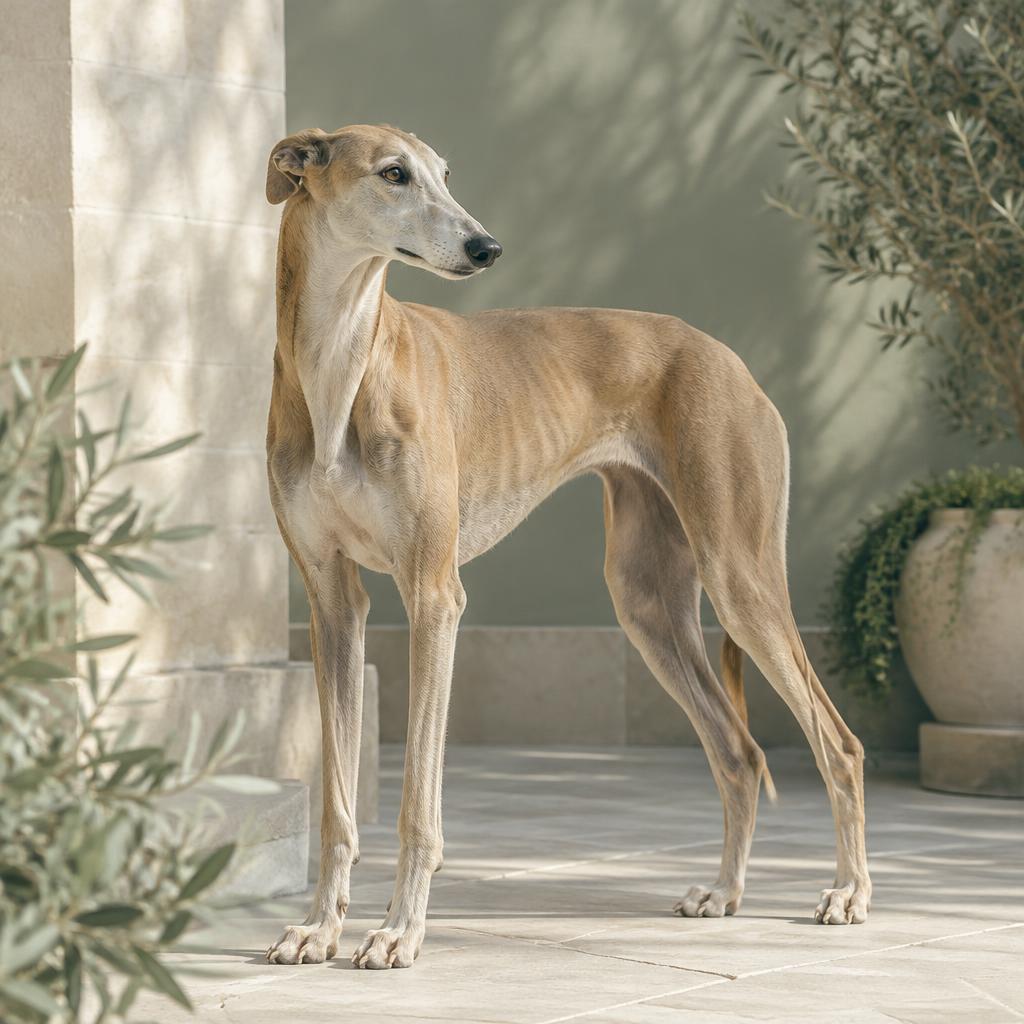
Greyhound
The ancient sofa sprinter: a calm, noble hound built for speed and deep naps.
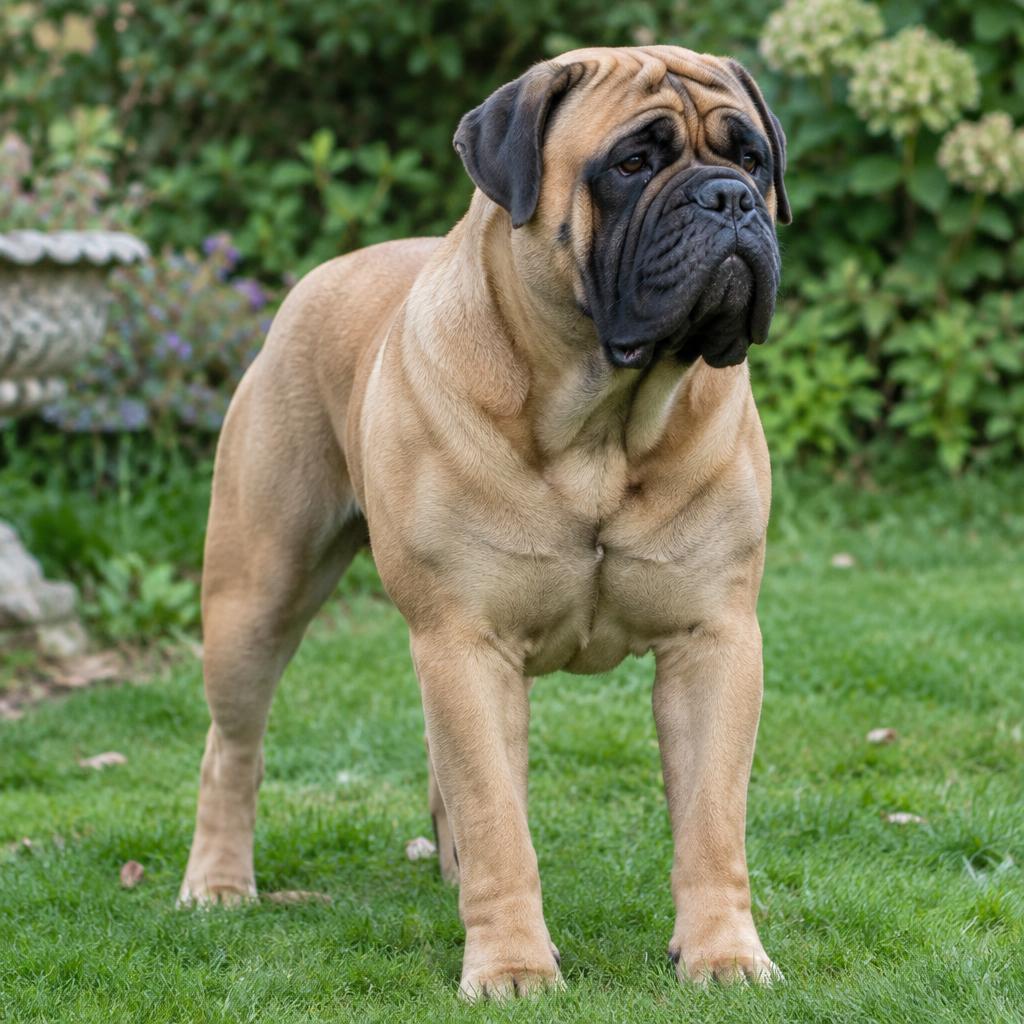
Bullmastiff
A calm, powerful English guardian bred to track and hold poachers silently, now a devoted and protective family dog.