Toy group
Germany
Miniature Pinscher
A fearless, high-stepping little dog for active owners who can keep up, train consistently and close every gap in the fence.
Reviewed by the SniffScroll editorial team
The fearless 'king of toys': tiny, bold and always on the move
The short version
- Adults usually weigh 3.5 to 5.5 kg and stand 25 to 30 cm
- An older breed than the Dobermann, not a miniature of it
- Bold, energetic and a notorious escape artist
- Very easy coat, but feels the cold and needs a winter coat
- Ask for patella checks, eye tests and the MPS VI DNA test
- Weight
- 3.5 to 5.5 kg
- Height
- 25 to 30 cm
- Lifespan
- 12 to 16 yrs
- Size
- Toy
- Group
- Toy
- Coat
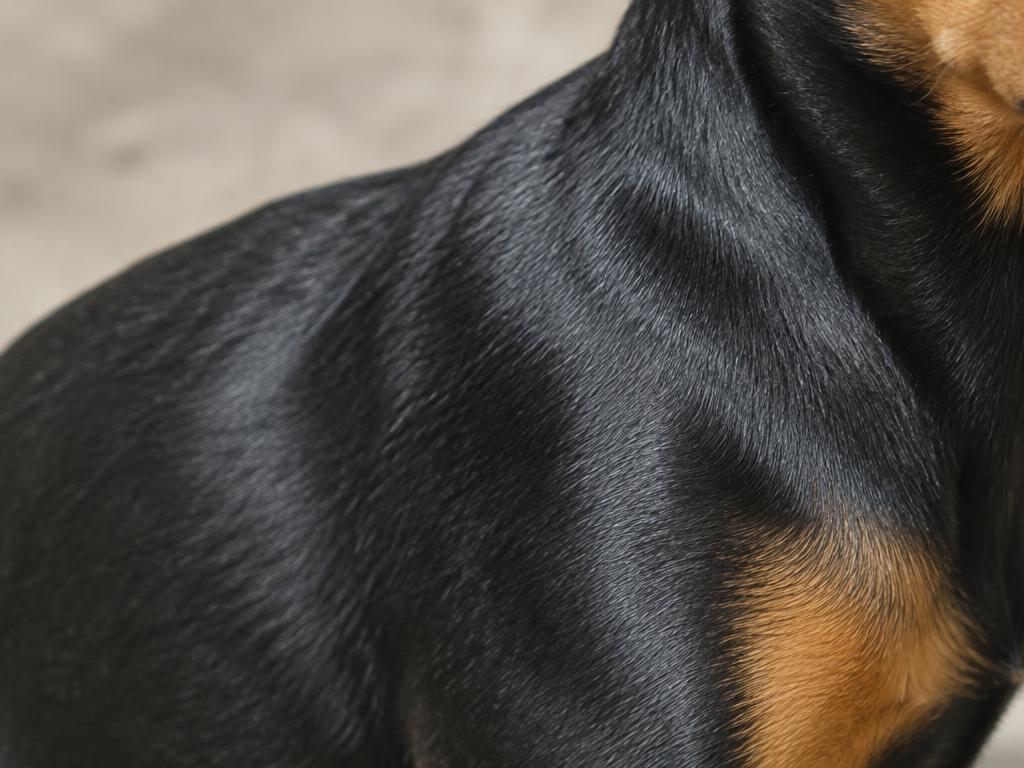
- Short, smooth and glossy
- Grown male
- 4 to 5.5 kg
- Grown female
- 3.5 to 5 kg
- Years to full size
- about 1
- One-off setup
- €350 to 700
Get one if…
- Active adults wanting a small but lively dog
- Families with older, respectful children
- Owners who enjoy training and games
- People wanting an easy coat
Think again if…
- Homes with toddlers
- Gardens with gaps or low fences
- Anyone wanting a calm lap dog
- Homes with hamsters or other small pets
Trait profile
Scores reflect a typical adult Miniature Pinscher.
Space & setup. Well suited to flats with daily walks; secure doors and gardens matter for this escape artist.
Allergies. Sheds lightly but is not hypoallergenic.
Living with a Miniature Pinscher
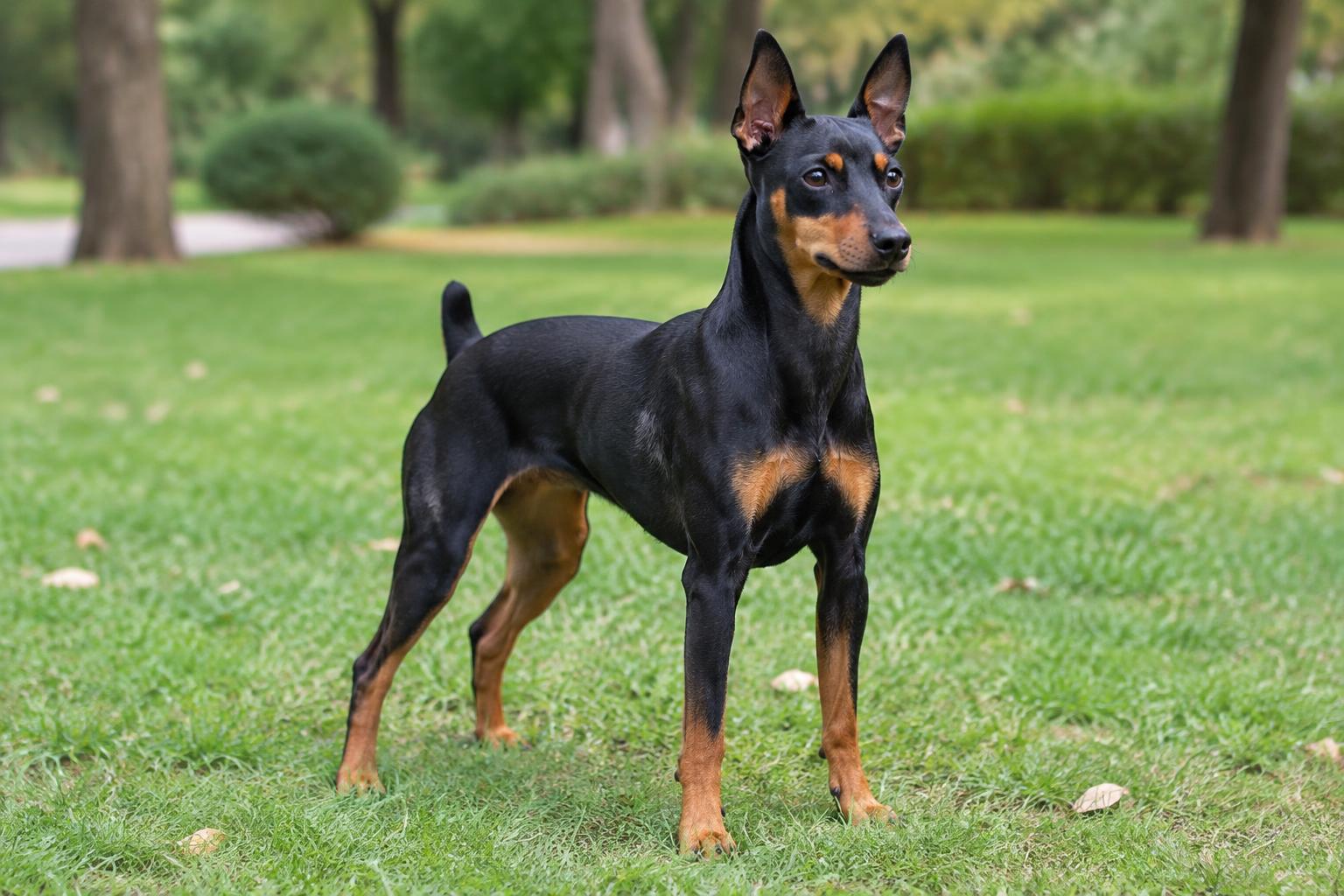
The Miniature Pinscher is a small German breed that predates the Dobermann and is not a miniature version of it. It is bold, energetic, curious and strong-willed, with a short, glossy coat that is easy to care for. Min Pins are escape artists, feel the cold and suit owners who enjoy a confident small dog with big character.
The Miniature Pinscher, or Min Pin, is one of the most misunderstood small breeds. Its sleek black and tan coat and alert stance make many people assume it is a tiny Dobermann. In fact, the Min Pin is the older breed. It developed in Germany several centuries ago as a stable and farm ratter, probably from small German Pinschers mixed with Italian Greyhound and Dachshund. The Dobermann came much later. In Germany the breed is called the Zwergpinscher, meaning dwarf pinscher.
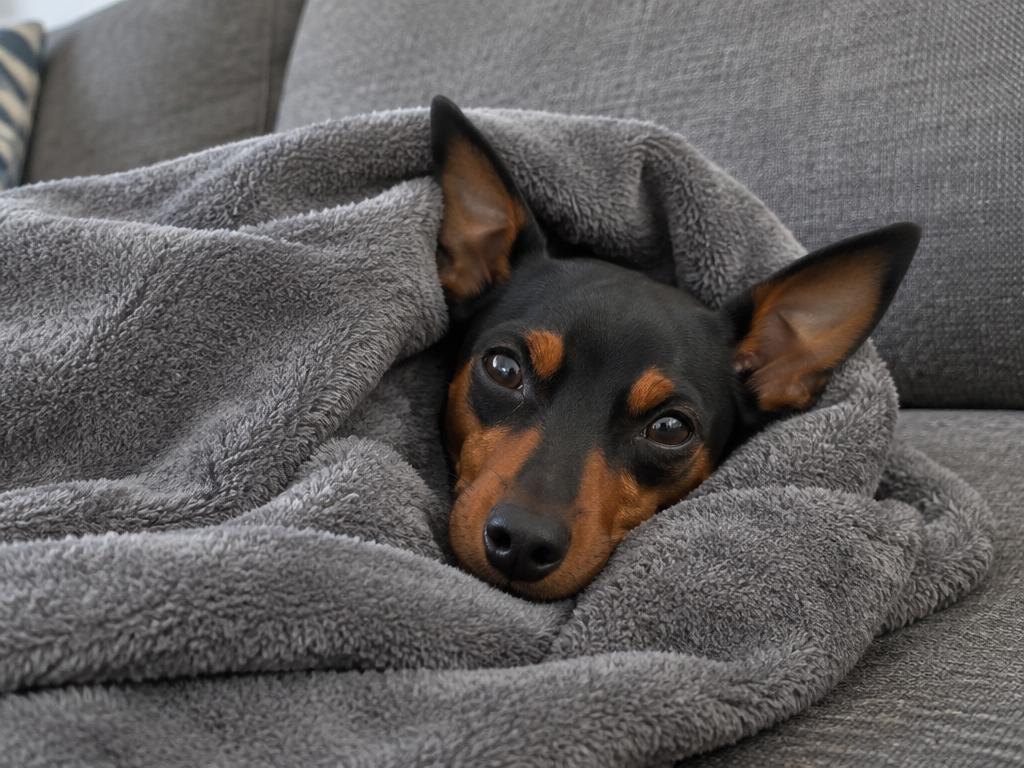
Its nickname, the king of toys, is well earned. Min Pins are bold, confident and seemingly unaware of their size. They strut with a distinctive high-stepping gait, investigate everything and will happily stand up to a much larger dog, which owners need to manage. They are affectionate with their own people and often love to burrow under blankets, but they are not lap dogs in temperament. They are busy, curious and sometimes stubborn.
Energy is the first thing to plan for. A Min Pin needs around 30 to 60 minutes a day of walks and play, plus things to think about. Puzzle feeders, scent games and short training sessions help. Without an outlet, they find their own entertainment, which can include chewing, digging and barking. They are quick learners when food is involved, but they also learn quickly what they can get away with. Consistent, reward-based training from puppyhood is essential.
Escape is the second. Min Pins are famous escape artists. They squeeze through tiny gaps in fences, dart through open doors and climb surprising heights. Check the garden for gaps, consider a gate or barrier at the front door, and use a well-fitted harness. Their ratting history means a strong chase instinct, so recall needs practice and small pets such as hamsters need protecting.
With children, they suit older, respectful kids better than toddlers. They are fine-boned and can be hurt by rough play or a fall, and they may snap if handled roughly. They often live happily with other dogs, especially when raised together, but they do not always appreciate boisterous bigger dogs.
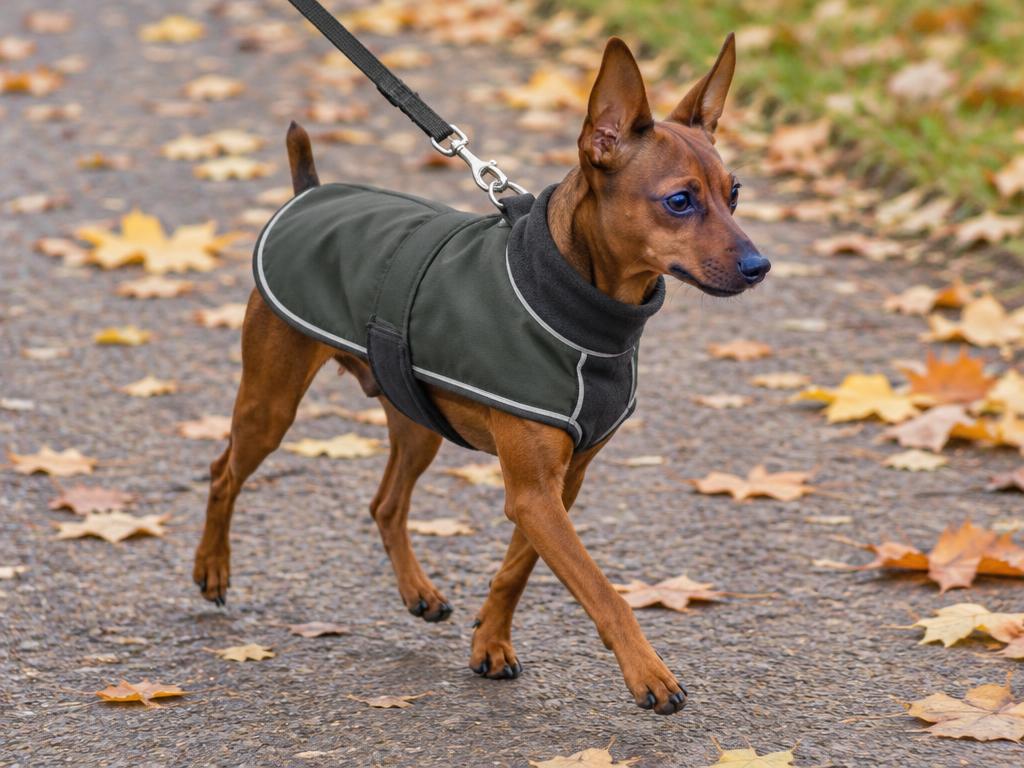
The coat is about as easy as it gets. A weekly wipe with a rubber mitt or soft cloth keeps it glossy, and shedding is light. The downside of a thin coat is cold sensitivity. A Min Pin will need a coat or jumper in winter, and many prefer to stay under the duvet on chilly mornings. Teeth need daily brushing, as small breeds are prone to dental disease, and nails grow quickly.
Health is generally good and lifespans are long, often 12 to 16 years. Patellar luxation is common in toy breeds and should be checked. Legg-Calve-Perthes disease, a condition affecting the hip in young small dogs, occurs. Mucopolysaccharidosis type VI, an inherited metabolic disease, has a DNA test. Progressive retinal atrophy and other eye conditions are recorded, so eye examinations are worthwhile. Dental disease is the most common day-to-day problem.
Costs are low compared with most breeds: small food bills, cheap grooming and moderate insurance, though a good coat and harness are must-haves.
Who suits a Min Pin? Active adults or families with older children who enjoy a bold, entertaining dog and can secure their home and garden. Who should think again? Families with toddlers, anyone wanting a calm lap dog, and homes where doors are often left open. For the right owner, a Min Pin is a fearless, funny and loyal little companion.
A small dog with a very big personality; easy coat, endless energy and a talent for slipping out of any gap.
Exercise, day to day
- 130 to 60 minutes of walks and play daily
- 2Puzzle feeders and scent games
- 3Short, consistent training sessions
- 4A coat and secure harness in cold weather
Grooming, realistically
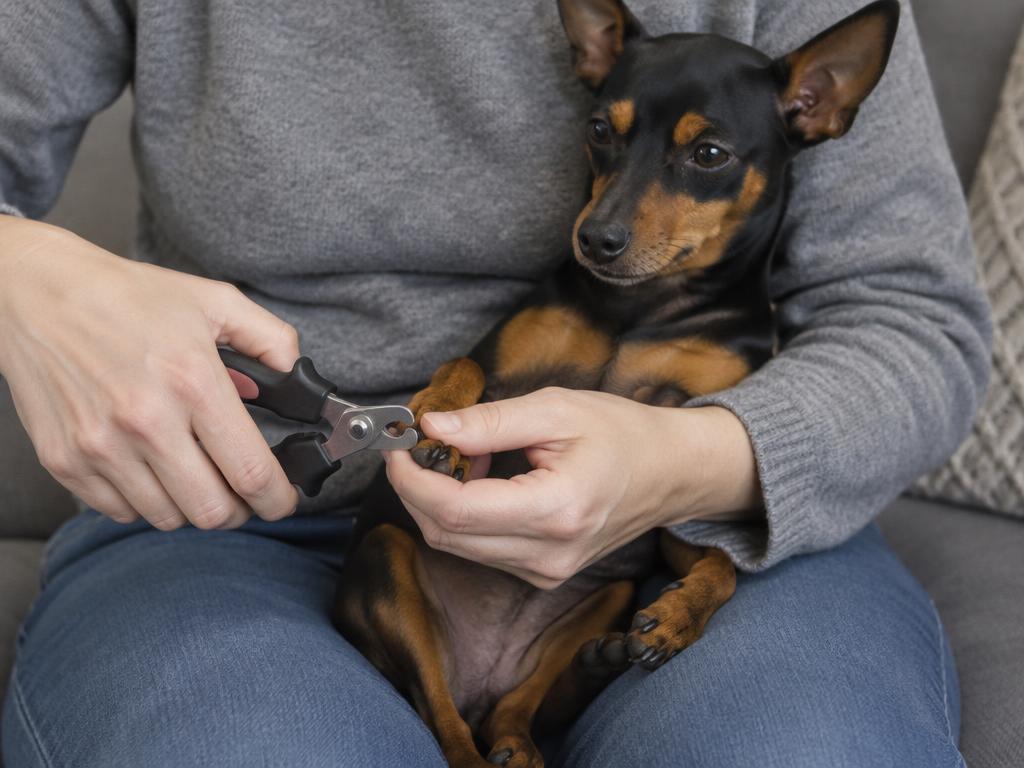
- 1Wipe with a rubber mitt or soft cloth weekly
- 2Bathe only when needed
- 3Brush teeth daily
- 4Trim nails every two to three weeks
What you actually need
- Rubber grooming mitt
- Soft cloth
- Nail clippers
- Dog toothbrush and paste
- Warm, fitted winter coat
Puppy to adult
| Age | Male | Female | What is happening |
|---|---|---|---|
| 8 weeks | 0.9 to 1.4 kg | 0.8 to 1.3 kg | Bold from the start; begin handling and gentle training. |
| 3 months | 1.8 to 2.7 kg | 1.6 to 2.5 kg | Socialise widely and puppy-proof the home. |
| 6 months | 3 to 4.5 kg | 2.8 to 4.2 kg | Teach door manners and recall in safe spaces. |
| 9 months | 3.4 to 5.2 kg | 3.2 to 4.8 kg | Adolescent testing of boundaries; stay consistent. |
| 12 months | 3.5 to 5.5 kg | 3.4 to 5 kg | Fully grown. |
Ranges are typical, not targets. Judge condition by ribs and waist, and check with the ideal weight checker.
What to ask a breeder
- Have both parents had a patella check?
- Are the parents DNA tested for MPS VI?
- Have the parents had eye examinations?
- Is there any history of Legg-Calve-Perthes in the lines?
- Can I meet the mother and see her temperament?
Health tests to ask for
Ask to see results for both parents before you put down a deposit.
- Patella check on both parents
- Eye examination
- MPS VI DNA test
Health watch-list
What to ask a breeder about, and what to watch for over a lifetime. This is orientation, not veterinary advice, anything you notice belongs in front of a vet.
Patellar luxation
CommonA slipping kneecap causing a skipping gait; common in toy breeds.
Legg-Calve-Perthes disease
UncommonLoss of blood supply to the hip in young small dogs, causing lameness; often treated surgically.
Mucopolysaccharidosis type VI
RareAn inherited metabolic disease affecting bones and joints; a DNA test is available.
Progressive retinal atrophy
UncommonGradual loss of sight; eye examinations help identify it.
Dental disease
CommonCrowded small mouths build tartar quickly; brush daily.
Hypothyroidism
UncommonCan cause weight gain and coat changes; treated with tablets.
What it costs to keep one
Realistic running cost
€47 / month
About €564 a year, or roughly €7,896 across a 14-year life, before purchase price, neutering and one-off vet events.
Before the puppy arrives. Budget roughly €350 to 700 for a crate, bed, lead and harness, bowls, puppy classes, first vaccinations and grooming kit sized for this breed. Figures throughout are indicative and vary a good deal between countries.
Interactive · built for this breed
Is a Miniature Pinscher right for your home?
Seven honest questions about your space, time and household, checked against this breed's exercise need, coat, sociability and tolerance for time alone.
Fit with your routine
94%
A strong fit
Your routine suits a Miniature Pinscher well. Meet adult dogs of the line before you commit.
What to sort out first
- Needs more daily exercise than you have pencilled in.
Working in your favour
- Coat care fits the grooming time you offered.
Compare more breeds in the matchmaker, or plan meals with the portion calculator.
The verdict, by household
First-time owner
Think carefully
Easy to care for, but bold and strong-willed; consistent training is essential.
Family with children
With older children
Fine-boned and quick to object to rough handling.
Active single or couple
Good fit
Lively, loyal and great company on walks.
Home with open-plan garden
Often difficult
A determined escape artist; secure every gap.
When to call your vet
- Skipping on a back leg (patellas)
- Limping or muscle wasting in one back leg of a young dog (Legg-Calve-Perthes)
- Bad breath, red gums or loose teeth
- Cloudy eyes or bumping into things
- Shivering and reluctance to go out in cold weather
Nothing here is a diagnosis. A swollen, hard belly with retching, collapse, breathing difficulty and sudden hind-leg weakness are emergencies: go straight away.
Miniature Pinscher vs the closest alternatives
| Breed | Weight | Energy | Grooming | € / month |
|---|---|---|---|---|
| Miniature Pinscher | 3.5 to 5.5 kg | 8/10 | 1/10 | €47 |
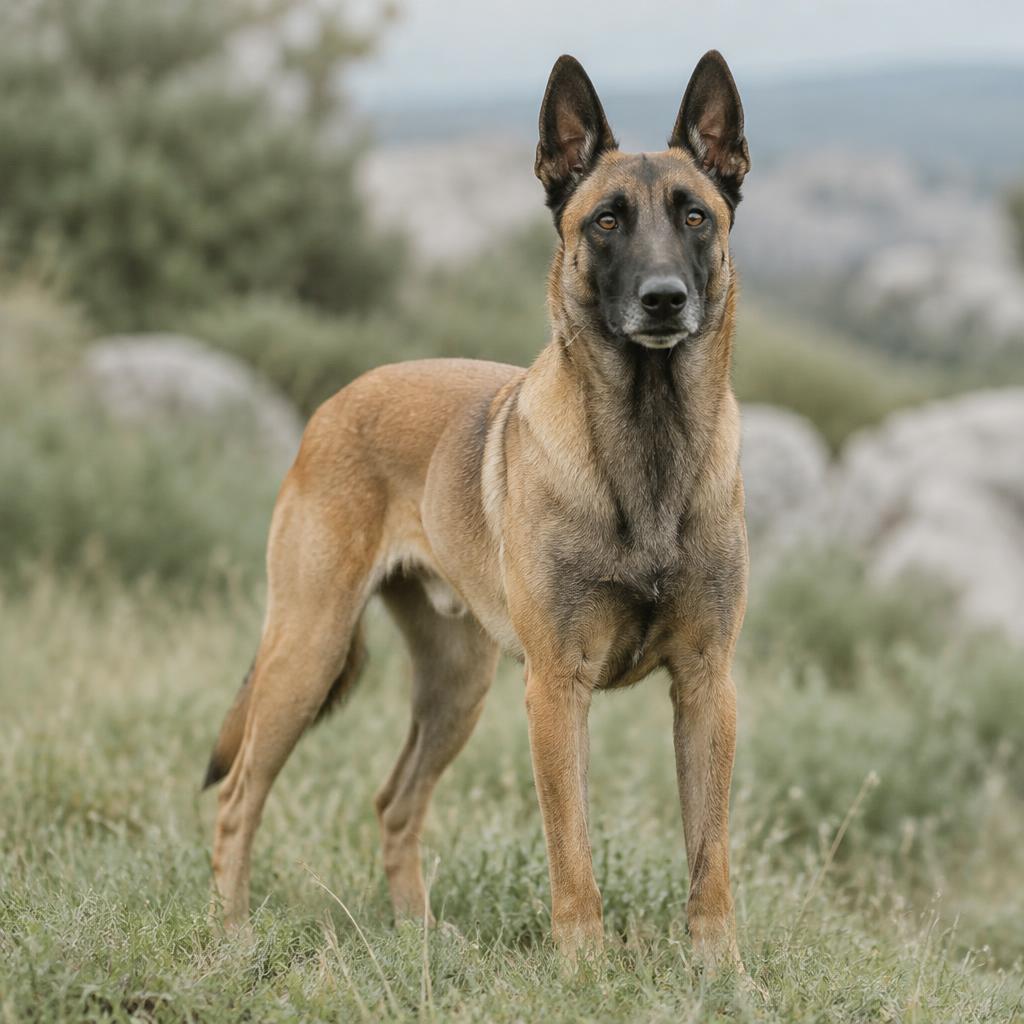
| Belgian Malinois | 18 to 30 kg | 10/10 | 3/10 | €95 |
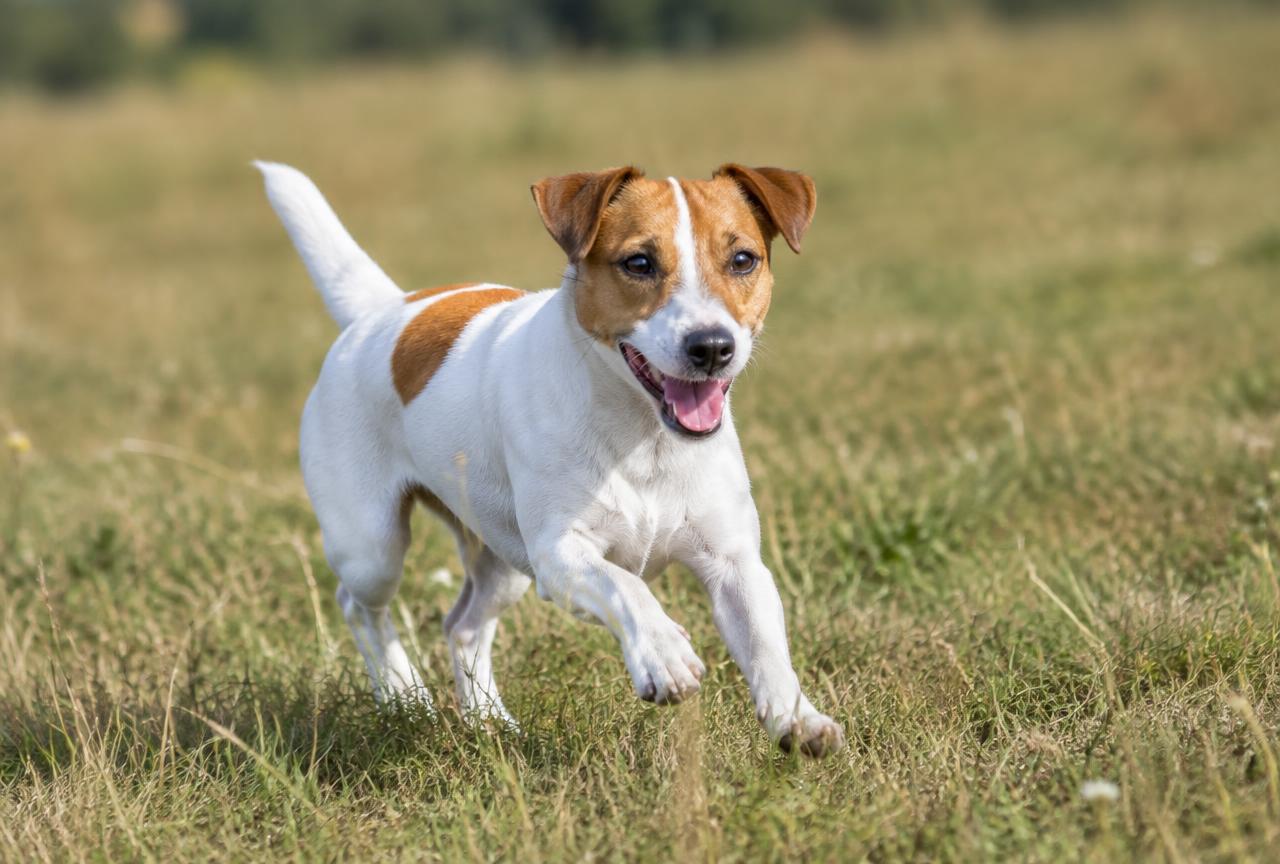
| Jack Russell Terrier | 5 to 8 kg | 9/10 | 2/10 | €73 |
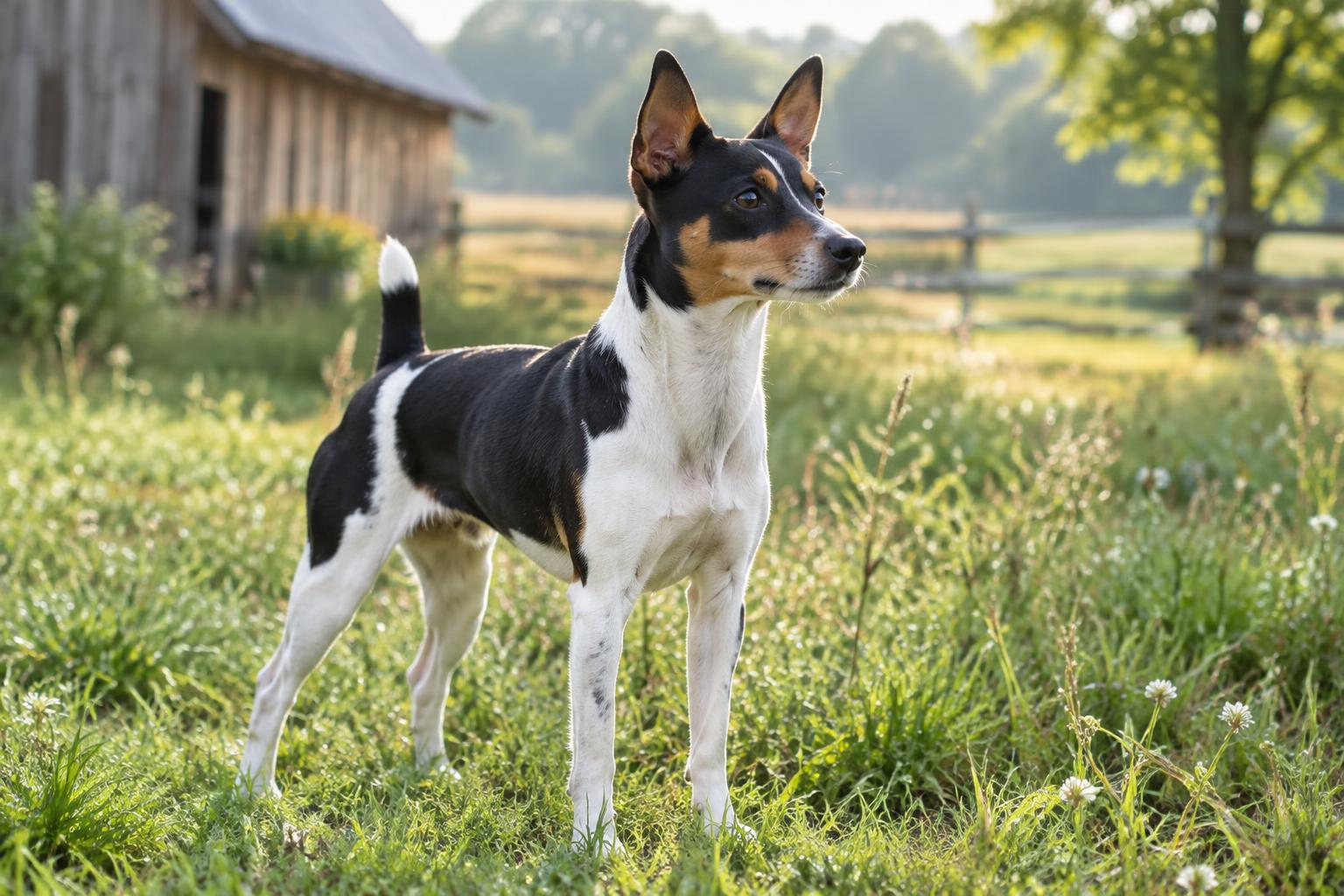
| Rat Terrier | 4.5 to 11 kg | 8/10 | 2/10 | €58 |
Miniature Pinscher questions, answered
Is a Miniature Pinscher a small Dobermann?
No. The Min Pin is the older breed, developed in Germany as a ratter. The two only look alike.
Are Miniature Pinschers good with children?
With older, respectful children, yes. They are fine-boned and may snap if handled roughly, so they are not ideal with toddlers.
Do Min Pins bark a lot?
They are alert and vocal. Training a quiet cue and giving enough exercise and mental work helps.
How much exercise does a Min Pin need?
Around 30 to 60 minutes a day of walks and play, plus games for the mind.
Do Miniature Pinschers need a coat?
Yes, in cold weather. Their short coat gives little warmth.
Are Min Pins easy to train?
They learn quickly with food rewards, but they are strong-willed. Consistency from puppyhood matters.
How long do Miniature Pinschers live?
Often 12 to 16 years.