Pastoral group
Belgium
Belgian Malinois
A large Belgian herding breed with extraordinary working drive, built for a job rather than a sofa, and unsuitable for most first time owners.
Reviewed against Kennel Club and breed club health guidance
An extraordinarily driven working breed that needs a real job, secure fencing and an experienced handler, not a casual family home.
The short version
- The Belgian Malinois has extraordinary drive and arousal and genuinely needs a daily job, not just a walk.
- This is a capable escape artist, so secure, tall, dig proof fencing is essential, not optional.
- It is not a casual family dog and commonly overwhelms first-time or inexperienced owners.
- Exercise induced collapse and anaesthesia sensitivity are real considerations worth discussing with a vet.
- Only experienced handlers with a genuine working outlet should take this breed on.
- Weight
- 18 to 30 kg
- Height
- 56 to 66 cm
- Lifespan
- 14 to 16 yrs
- Size
- Large
- Group
- Pastoral
- Coat
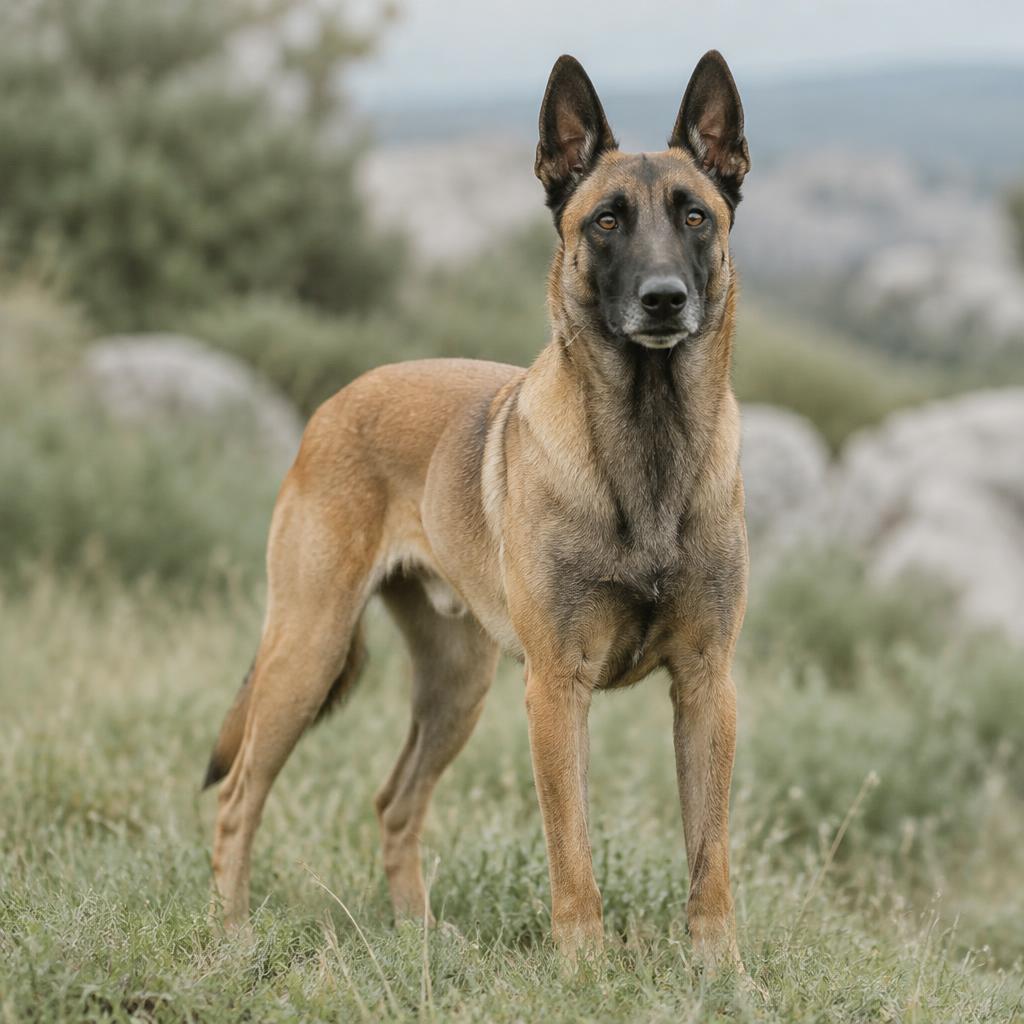
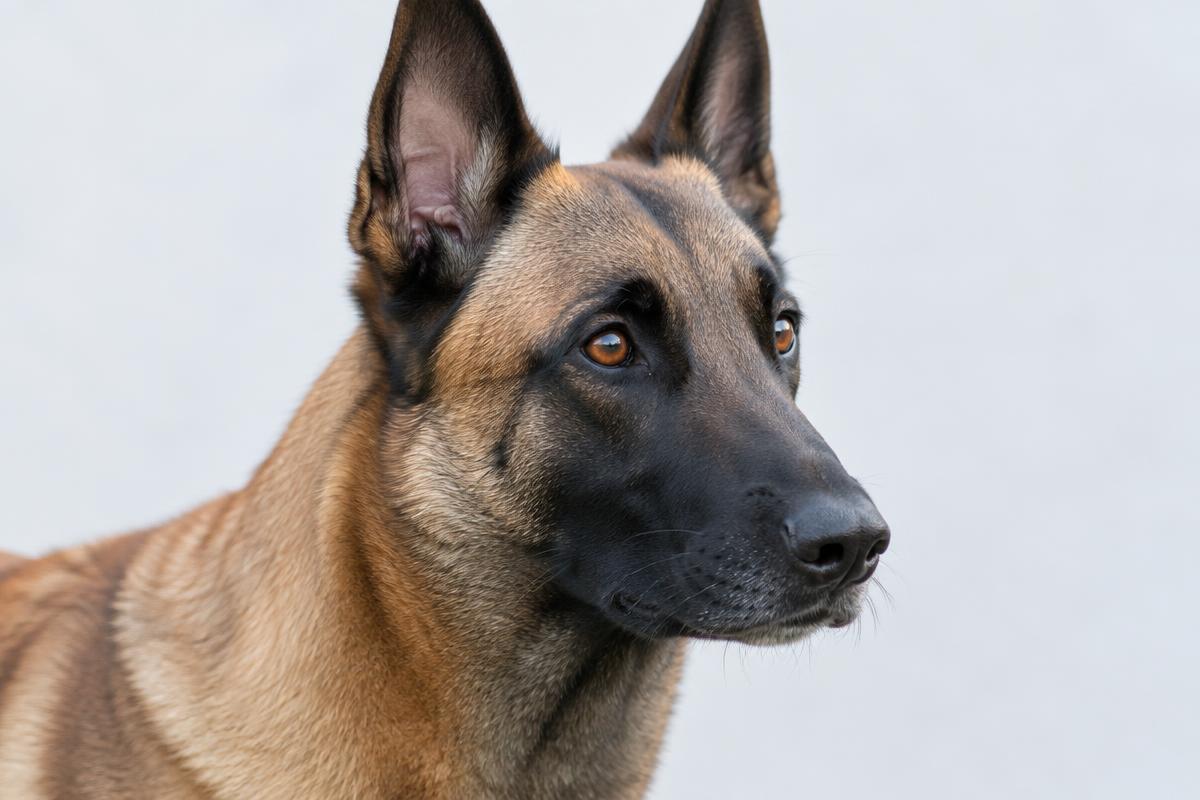
- Short, straight, dense double coat, usually fawn to mahogany with a black mask and overlay
- Grown male
- 20 to 30 kg
- Grown female
- 18 to 28 kg
- Years to full size
- about 2
- One-off setup
- €400 to 900
Get one if…
- Experienced handlers with a genuine working outlet such as sport, herding or detection work
- Owners with secure outdoor space and the time to train daily
- People drawn to problem solving and willing to manage a dog that thinks constantly
- Active households able to provide structured physical and mental work every single day
- Owners who have previously managed a high drive working breed successfully
Think again if…
- First-time owners hoping for a trainable dog without a serious time commitment
- Households wanting a relaxed family pet rather than a working partner
- Owners without secure, tall, dig proof fencing at home
- Anyone unable to provide two or more hours of real work and exercise every day
- Families with very young children who cannot manage a high arousal, high drive dog
Trait profile
The Belgian Malinois combines extraordinary drive and focus with a strong need for daily work, so an under occupied dog can quickly become anxious, destructive or difficult to manage.
Space & setup. This breed is not suited to flats or small gardens; it needs secure, tall, dig proof outdoor space and a genuine outlet for daily work.
Allergies. The Belgian Malinois has a short, straight coat and is not considered hypoallergenic; it sheds a moderate amount year round with a heavier seasonal blow out.
Living with a Belgian Malinois
The Belgian Malinois is a large, athletic Belgian herding breed known for intense drive, sharp intelligence and a strong need for daily work. It is a demanding breed best suited to experienced handlers who can give it a real job.
The Belgian Malinois is one of four Belgian herding varieties, developed in and around the city of Mechelen in the late nineteenth century to drive cattle and guard farms and property across the Belgian countryside. Bred for stamina, sharp reflexes and an intense willingness to work, it was quickly adopted beyond farming into police, military and protection work, where its combination of drive, focus and physical capability has made it one of the most widely used working breeds in the world today. That working history is not incidental background, it is the single most important fact about the breed, and it shapes almost everything about what living with a Malinois actually involves.
Daily life with a Belgian Malinois centres on one thing above all else: the dog needs a job. This is not a breed that settles happily into a routine of a morning walk and an afternoon nap. A Malinois without meaningful work, whether that is structured obedience, a dog sport, herding, detection training or genuine working duties, tends to create its own outlets, and those self chosen outlets are rarely ones an owner enjoys. Chewed furniture, relentless barking, obsessive fence running and escalating frustration are all commonly reported outcomes when this breed's drive goes unmet. Prospective owners need to understand this honestly before falling for the breed's striking looks or its reputation from films and news coverage of police dogs.
Temperamentally, the Malinois is sharp, watchful and extremely responsive, with a level of focus and arousal that genuinely surprises owners coming from calmer breeds. It is highly trainable, often learning new commands or tasks within a handful of repetitions, and this trainability is a real strength in the right hands, making the breed capable of precise, advanced work. However, that same intensity means a Malinois can become reactive or difficult to settle if its arousal is not managed carefully, and inexperienced handling can easily tip a confident, driven dog into an anxious or frustrated one. Barking tends to be frequent and purposeful rather than incidental, often used to alert, demand attention or express frustration at being under stimulated.
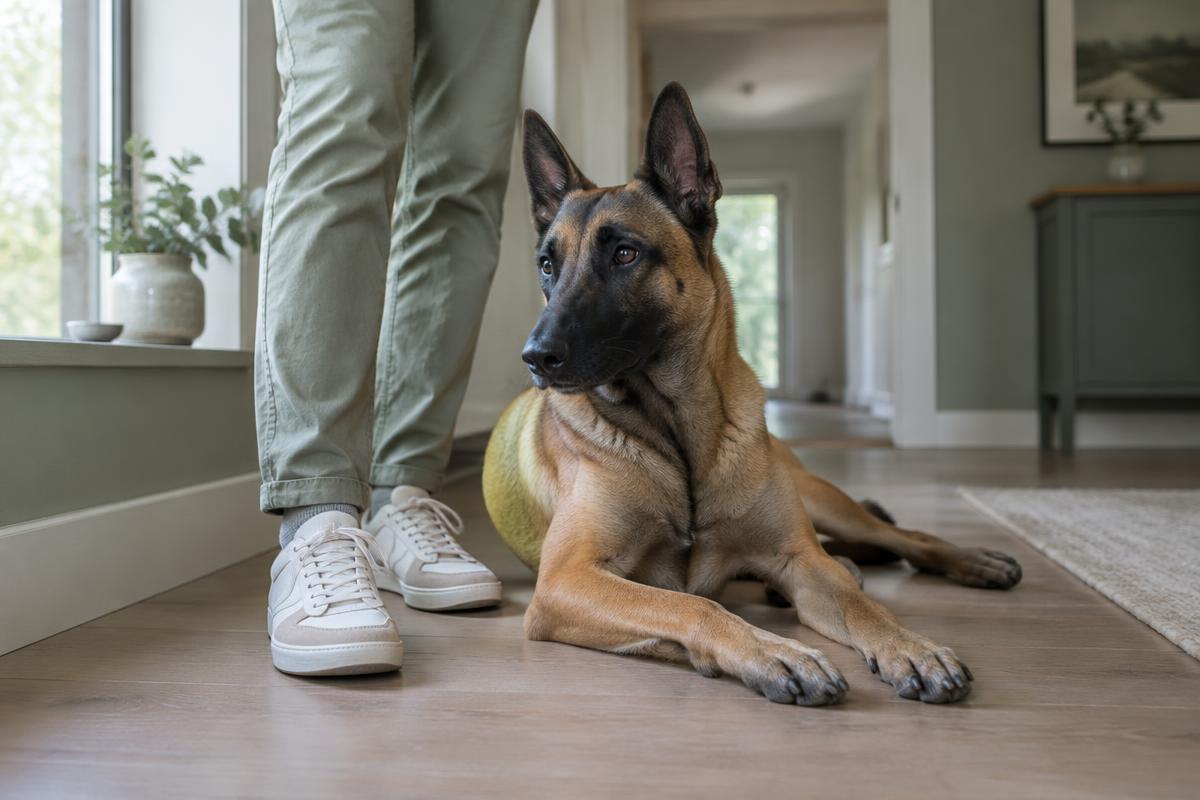
One honest and important practical point is that the Belgian Malinois is a genuinely accomplished escape artist. Its combination of athleticism, problem solving and sheer determination means fences that comfortably contain other breeds are routinely tested, climbed or dug under. Secure, tall, dig proof boundaries are not a nice to have for this breed, they are essential, and owners should assume the dog will find any weakness in containment given enough motivation and time.
Health considerations deserve honest treatment rather than glossing over. Hip and elbow dysplasia are reported in the breed, and screening of breeding stock under schemes such as the BVA/KC hip and elbow schemes helps reduce the risk in puppies. Progressive retinal atrophy, an inherited condition causing gradual vision loss, is also reported, and DNA testing of breeding dogs is available and genuinely worthwhile. Exercise induced collapse, a condition where intense exercise or excitement triggers temporary muscle weakness or collapse, has been documented in some working line Malinois, alongside reports of heightened sensitivity to certain anaesthetic drugs, both worth discussing directly with a vet before surgery or intense training programmes. Bloat, a serious and potentially fatal twisting of the stomach, is a risk in deep chested breeds generally and owners should know the warning signs. Skin allergies are also reported and may need dietary or veterinary management.
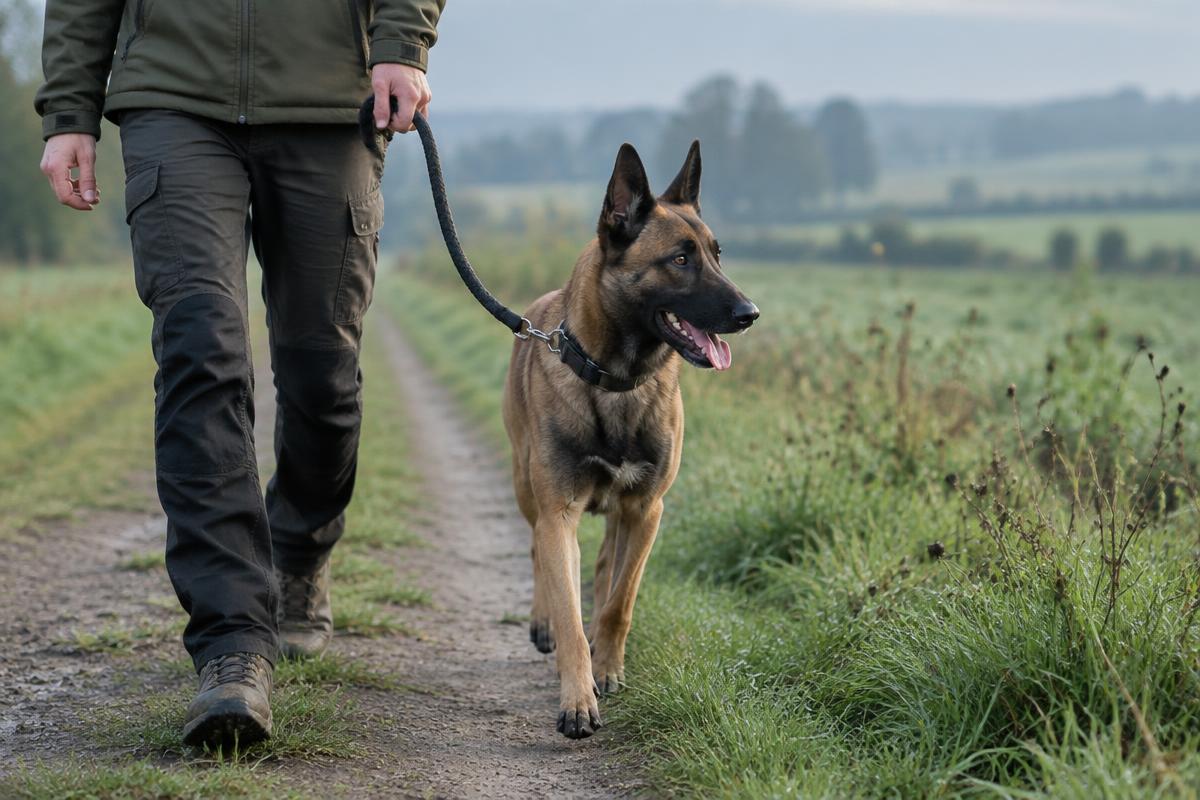
Exercise needs are genuinely substantial, realistically two or more hours a day of real physical and mental work rather than a gentle walk around the block, and this figure should be treated as a minimum rather than an aspiration. Training reality is generally very favourable given the breed's intelligence and willingness to work, but training needs to be consistent, structured and ideally guided by someone experienced with working breeds, since gaps in structure are filled quickly by the dog's own instincts.
This breed suits experienced handlers with a genuine working outlet, secure property and the time to commit to serious daily training and exercise. It does not suit first-time owners, households wanting a relaxed family pet, or anyone without secure fencing and a realistic daily time budget. The Belgian Malinois rewards the right owner with an extraordinarily capable, loyal working partner, but it defeats far more owners than it suits, and that honest limitation matters more than any of its impressive abilities.
An extraordinarily capable working breed with huge drive that needs a genuine job and an experienced handler, not a casual family pet.
Exercise, day to day
- 1Puppies (8 to 20 weeks): short, varied sessions of play and gentle exploration, avoiding repetitive hard exercise while joints develop.
- 2Adults: a minimum of two hours a day of genuine physical and mental work, including structured training, not just free running.
- 3Working outlet: regular participation in a discipline such as obedience, agility, protection sport or herding to channel drive productively.
- 4Mental stimulation: scent work, puzzle feeders and training sessions are essential, since an under occupied mind leads to destructive behaviour.
- 5Containment check: secure, tall, dig proof fencing is essential, since this breed is a determined and capable escape artist.
Grooming, realistically
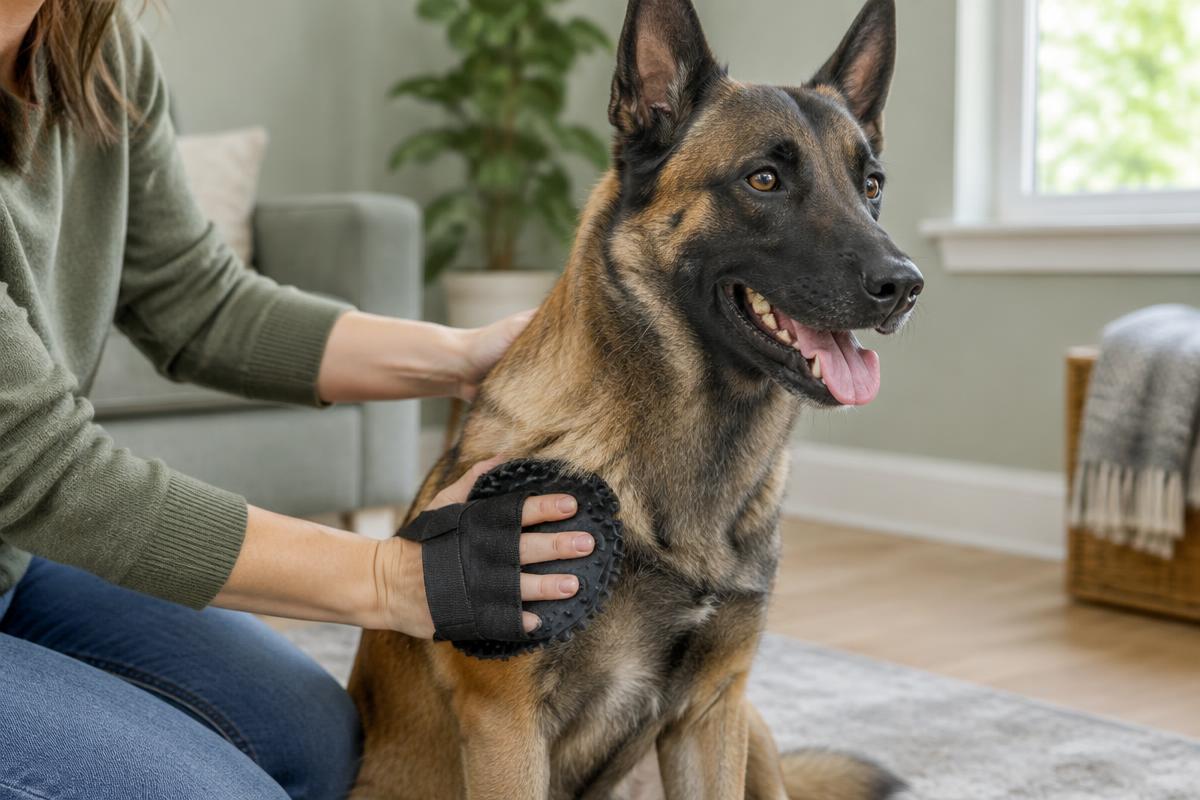
- 1Brush weekly with a rubber curry brush to manage steady, moderate shedding of the short coat.
- 2Use an undercoat rake during seasonal coat blow to clear loose hair more thoroughly.
- 3Check and clean ears weekly, particularly after outdoor work or swimming.
- 4Trim nails every 3 to 4 weeks, since an active breed can still wear them unevenly.
- 5Brush teeth several times a week to support long term dental health.
What you actually need
- Rubber curry brush
- Undercoat rake for seasonal shedding
- Dog shampoo for short coats
- Dog nail clippers
- Ear cleaning solution
- Enzymatic dog toothpaste and brush
Puppy to adult
| Age | Male | Female | What is happening |
|---|---|---|---|
| 8 weeks | 4.5 to 6.5 kg | 4 to 6 kg | Alert, busy puppy stage; begin calm socialisation and impulse control early. |
| 3 months | 9 to 12 kg | 8 to 11 kg | Rapid growth phase; keep exercise gentle and avoid repetitive jumping or hard surfaces. |
| 6 months | 16 to 20 kg | 14 to 18 kg | Adolescent drive and independence increase; consistent training matters more than ever. |
| 9 months | 18 to 25 kg | 16 to 22 kg | Approaching adult height, though muscle and frame continue to fill out. |
| 12 months | 20 to 28 kg | 18 to 26 kg | Close to adult weight; full structured exercise can begin once growth plates have closed. |
| 24 months | 20 to 30 kg | 18 to 27 kg | Physical and mental maturity reached, with full adult drive and focus established. |
Ranges are typical, not targets. Judge condition by ribs and waist, and check with the ideal weight checker.
What to ask a breeder
- What hip and elbow scores can you show for both parents?
- Has either parent or close relative been tested for exercise induced collapse?
- What work or sport are the parents doing, and how do they cope when under used?
- How do the puppies react to being left alone for short periods so far?
- What has the litter been exposed to in terms of noise, surfaces and handling?
- Can I see both parents working or training, not just resting at home?
Health tests to ask for
Ask to see results for both parents before you put down a deposit.
- Hip score (BVA/KC scheme) where available
- Elbow score (BVA/KC scheme) where available
- Progressive retinal atrophy DNA testing
- Exercise induced collapse discussion with a vet before intense training
- General cardiac and anaesthesia sensitivity discussion before any surgery
Health watch-list
What to ask a breeder about, and what to watch for over a lifetime. This is orientation, not veterinary advice, anything you notice belongs in front of a vet.
Hip dysplasia
CommonA malformation of the hip joint that can cause pain and arthritis over time; hip scoring of breeding stock under the BVA/KC scheme reduces the risk in puppies.
Elbow dysplasia
CommonA developmental joint condition affecting the elbow that can cause lameness; elbow scoring of breeding stock helps reduce the incidence passed to offspring.
Progressive retinal atrophy
NotableAn inherited condition causing gradual, irreversible vision loss; DNA testing of breeding dogs identifies carriers and affected individuals before breeding.
Exercise induced collapse and anaesthesia sensitivity
NotableSome working line Malinois show temporary muscle weakness after intense exercise, and heightened sensitivity to certain anaesthetic drugs has also been reported; both are worth discussing directly with a vet.
Bloat
NotableA serious, potentially fatal twisting of the stomach seen in deep chested breeds; feeding smaller meals and avoiding vigorous exercise around mealtimes can help reduce the risk.
Skin allergies
CommonItching, redness or recurrent skin infections are reported in the breed; veterinary guidance can help identify dietary or environmental triggers.
What it costs to keep one
Realistic running cost
€95 / month
About €1,140 a year, or roughly €17,100 across a 15-year life, before purchase price, neutering and one-off vet events.
Before the puppy arrives. Budget roughly €400 to 900 for a crate, bed, lead and harness, bowls, puppy classes, first vaccinations and grooming kit sized for this breed. Figures throughout are indicative and vary a good deal between countries.
Interactive · built for this breed
Is a Belgian Malinois right for your home?
Seven honest questions about your space, time and household, checked against this breed's exercise need, coat, sociability and tolerance for time alone.
Fit with your routine
89%
A strong fit
Your routine suits a Belgian Malinois well. Meet adult dogs of the line before you commit.
What to sort out first
- Needs more daily exercise than you have pencilled in.
Working in your favour
- Coat care fits the grooming time you offered.
Compare more breeds in the matchmaker, or plan meals with the portion calculator.
The verdict, by household
First-time owner
A poor fit
The combination of intensity, drive and escape capability regularly defeats owners without prior working breed experience.
Family with children
Workable with planning
High arousal and strong herding instincts mean careful management is needed, and this is rarely the right breed for very young children.
Active single or couple
An excellent match
An excellent match for someone with the time, space and commitment to give this breed genuine daily work.
Owner in a flat with close neighbours
A poor fit
Frequent, purposeful barking and very high exercise needs make flat living a genuinely poor setting for this breed.
When to call your vet
- Lameness, stiffness or reluctance to jump, which could point to hip or elbow dysplasia
- Bumping into objects or reluctance to move in dim light, which may indicate progressive retinal atrophy
- Sudden weakness or wobbling after intense exercise or excitement, suggesting exercise induced collapse
- A swollen, tense abdomen with unproductive retching, which is an emergency sign of bloat
- Persistent scratching, redness or recurrent skin infections, which may indicate allergies
Nothing here is a diagnosis. A swollen, hard belly with retching, collapse, breathing difficulty and sudden hind-leg weakness are emergencies: go straight away.
Belgian Malinois vs the closest alternatives
| Breed | Weight | Energy | Grooming | € / month |
|---|---|---|---|---|
| Belgian Malinois | 18 to 30 kg | 10/10 | 3/10 | €95 |
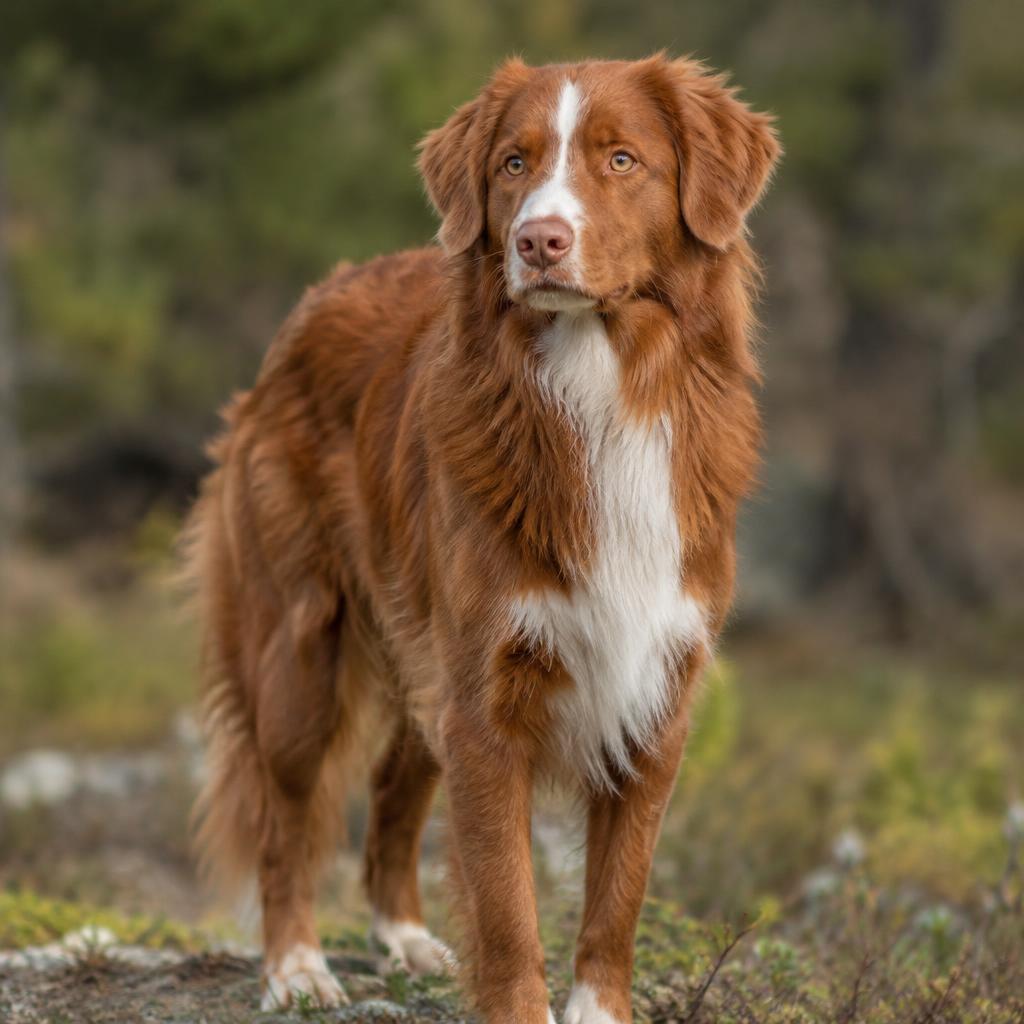
| Nova Scotia Duck Tolling Retriever | 17 to 23 kg | 9/10 | 5/10 | €175 |
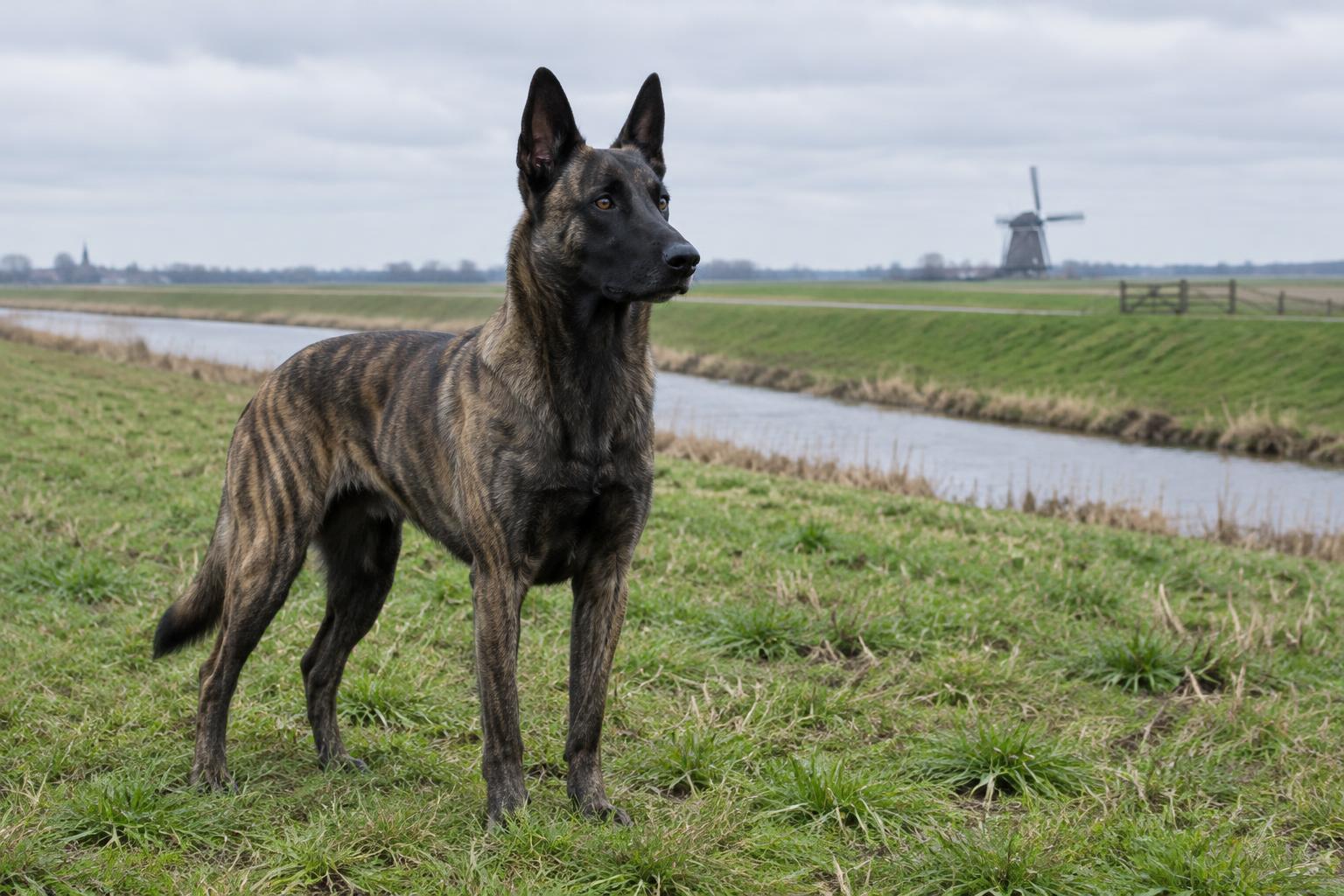
| Dutch Shepherd | 23 to 34 kg | 9/10 | 3/10 | €112 |
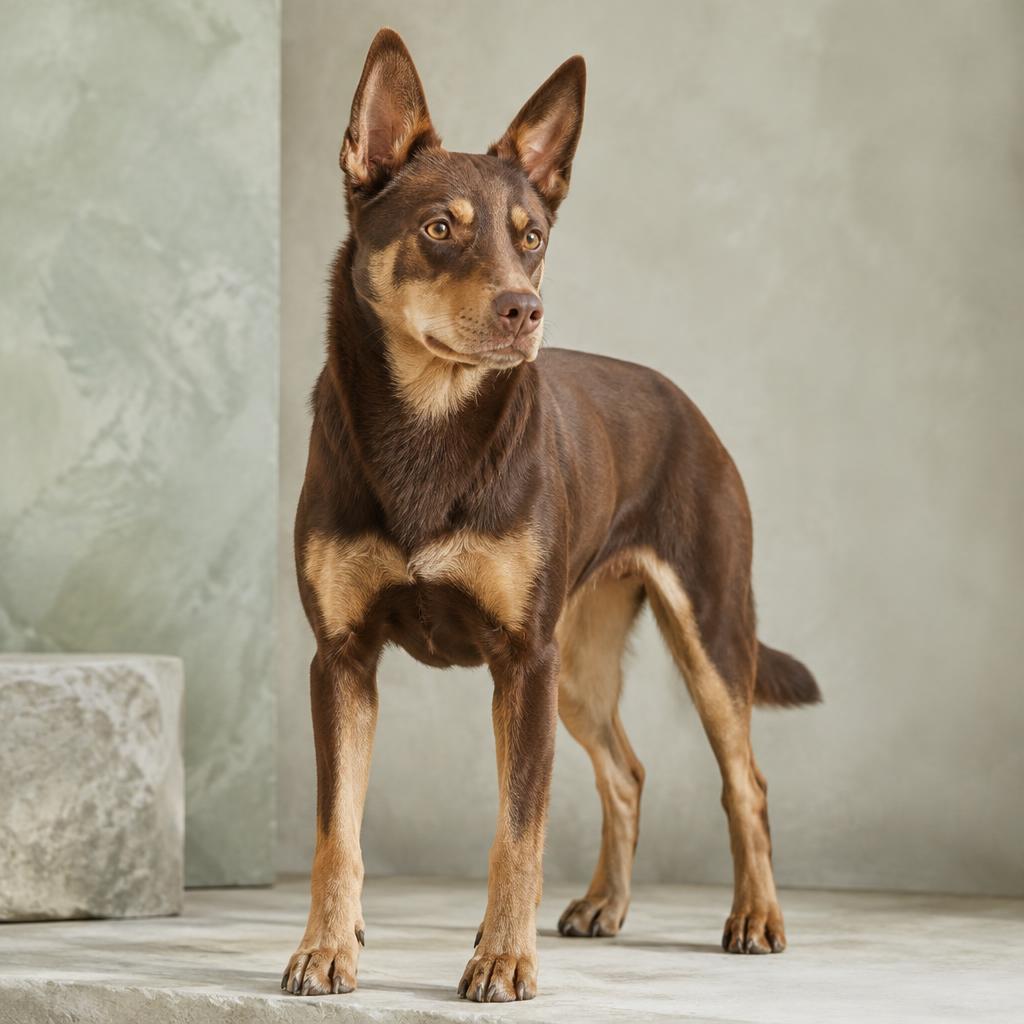
| Australian Kelpie | 11 to 20 kg | 10/10 | 2/10 | €79 |
Belgian Malinois questions, answered
What is the temperament of a Belgian Malinois?
The Belgian Malinois is an extremely driven, intelligent and watchful breed that was developed for herding and later widely adopted for police, military and protection work. It is highly trainable but also highly reactive to under stimulation, and most owners find the intensity far beyond anything a typical family pet requires.
How big does a Belgian Malinois get?
Males typically weigh 20 to 30 kg and females 18 to 28 kg, standing 56 to 66 cm at the shoulder. It is classed as a large breed and reaches physical and mental maturity by around two years old.
Is a Belgian Malinois a good family dog?
No. The Belgian Malinois needs a genuine job, realistically two or more hours of structured physical and mental work every day, and it commonly overwhelms first-time or casual owners. Without that outlet it tends to become destructive, anxious or difficult to manage.
How much exercise does a Belgian Malinois need?
A minimum of two hours a day of genuine physical and mental work, not just a gentle walk. This should include structured training, a working outlet such as a dog sport, and regular mental stimulation, since an under exercised Malinois quickly becomes a difficult one.
Do Belgian Malinois escape easily?
Yes, this breed is a genuinely accomplished escape artist, capable of climbing, jumping or digging under fences that contain most other breeds. Secure, tall, dig proof boundaries are essential rather than optional for any owner considering this breed.
What health problems are common in Belgian Malinois?
Hip and elbow dysplasia, progressive retinal atrophy, exercise induced collapse, anaesthesia sensitivity, bloat and skin allergies are the main considerations. Screening of breeding stock and prompt veterinary attention to warning signs help manage these risks over a lifetime.
How much does it cost to own a Belgian Malinois?
Monthly costs typically include around 45 euros for food, 35 euros for insurance and 20 euros for training classes or equipment, alongside an initial setup cost of roughly 400 to 900 euros for secure fencing and working equipment. Training and containment are the expenses new owners most often underestimate.
Sources
- Belgian Shepherd Dog breed standard, The Kennel Club
- Belgian Malinois breed information, American Kennel Club
- Hip and elbow dysplasia schemes, British Veterinary Association
- Bloat in dogs, PDSA