
Side by side
Put a few breeds side by side before you make up your mind.
Pick up to four. The URL updates as you go, so you can send this comparison to whoever you are arguing with.
| Breed | 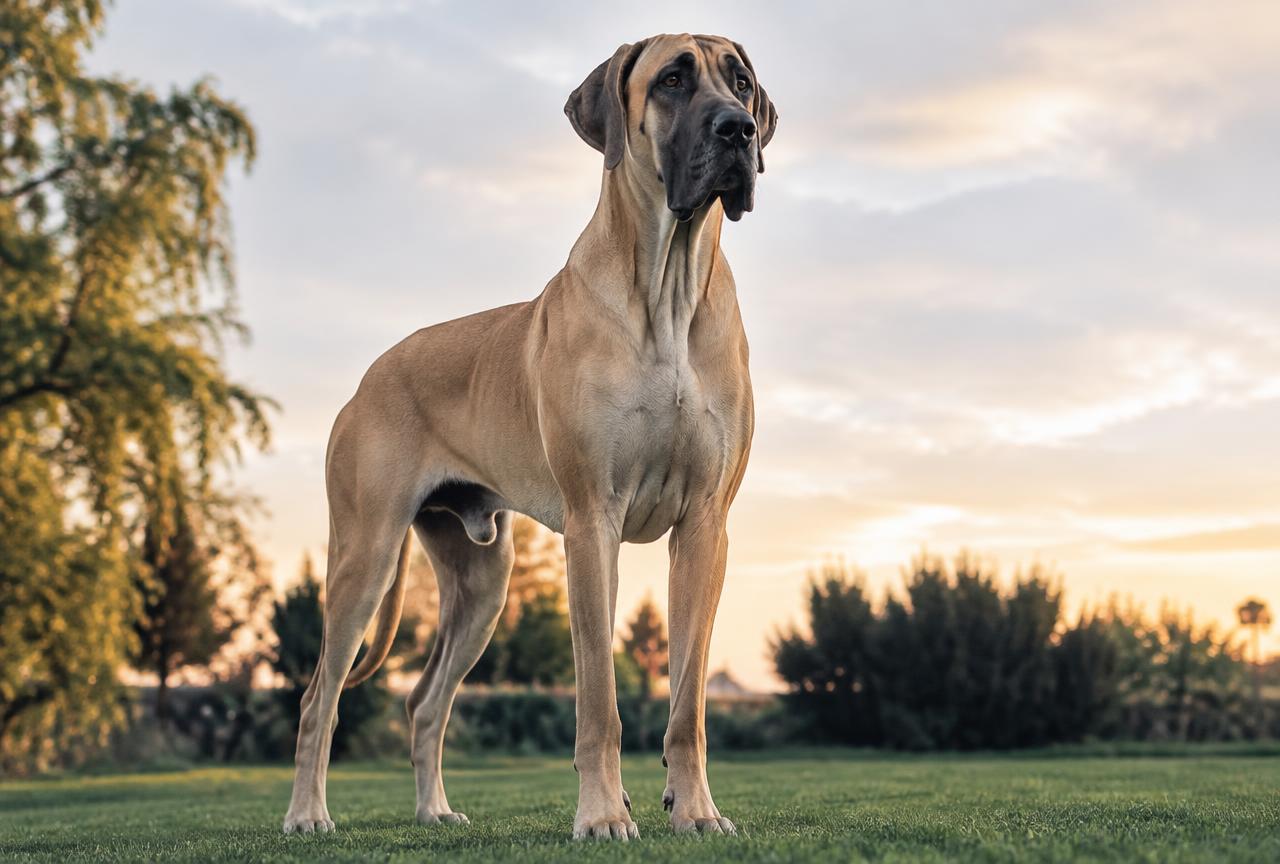 Great Dane Great Dane | 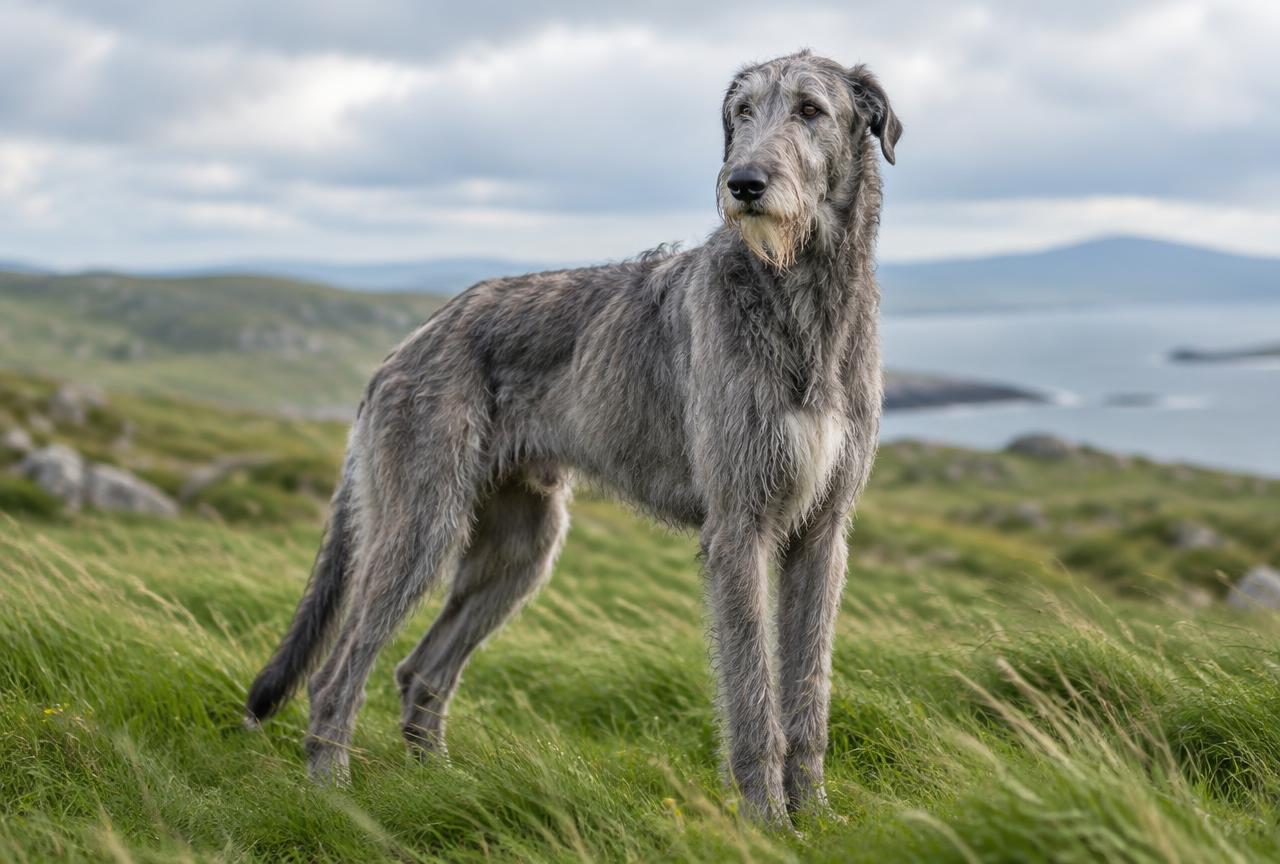 Irish Wolfhound Irish Wolfhound |
|---|---|---|
| Origin | Germany | One of the oldest recognised breeds in Ireland, the Irish Wolfhound was bred for centuries to hunt wolf and Irish elk alongside Irish chieftains, prized for size, speed and courage. The breed nearly died out as wolves disappeared from Ireland, and was reconstructed in the nineteenth century by Captain George Augustus Graham, who crossed surviving lines with Deerhounds, Great Danes and Borzois to restore its size and type. |
| Group | Working | Hound |
| Size | Giant | Giant |
| Coat | Short, smooth, dense coat | Rough, wiry, medium-length double coat, most commonly grey, but also brindle, red, black, pure white or fawn |
| Weight | 45 to 90 kg | 47 to 63 kg |
| Height | 71 to 81 cm | 71 to 86 cm |
| Lifespan | 7 to 10 yrs | 6 to 10 yrs |
| Exercise need | 5/10 | 5/10 |
| Affection | 9/10 | 9/10 |
| Grooming needs | 2/10 | 4/10 |
| Barking | 3/10 | 3/10 |
| Good with children | 7/10 | 7/10 |
| Good with other dogs | 6/10 | 6/10 |
| Trainability | 6/10 | 6/10 |
| Prey drive | 3/10 | 6/10 |
| Copes alone | 3/10 | 4/10 |
| Drool | 8/10 | 3/10 |
| Shedding | 4/10 | 4/10 |
| Flat fit | 2/10 | 2/10 |
| Running cost | €302 / month | €225 / month |
Great Dane verdict
A gentle giant whose enormous size demands patient growth, vigilant bloat awareness and an honest look at lifespan and cost.
Get one if
- · Spacious households with room for a giant breed to move comfortably
- · Owners prepared for giant breed food, bed and veterinary costs
- · Calm, patient families able to supervise young children around a very large dog
Think again if
- · Flats or small homes without space for a giant breed to turn and rest comfortably
- · Owners unable or unwilling to budget for substantially higher food and veterinary costs
- · Households unwilling to learn the warning signs of bloat and act immediately
Irish Wolfhound verdict
The tallest of all dog breeds: a gentle giant with a heartbreakingly short clock.
Get one if
- · Households with genuinely large indoor and outdoor space
- · Owners able to manage a careful slow-growth puppy feeding and exercise plan
- · Families wanting a calm, gentle giant rather than a high-energy working dog
Think again if
- · Flats or small homes without space for a dog this large to move and rest
- · Owners on a tight budget who have not costed giant-breed food, insurance and vet care
- · Anyone unwilling to restrict hard exercise during the puppy's first two years