Terrier group
United States
American Staffordshire Terrier
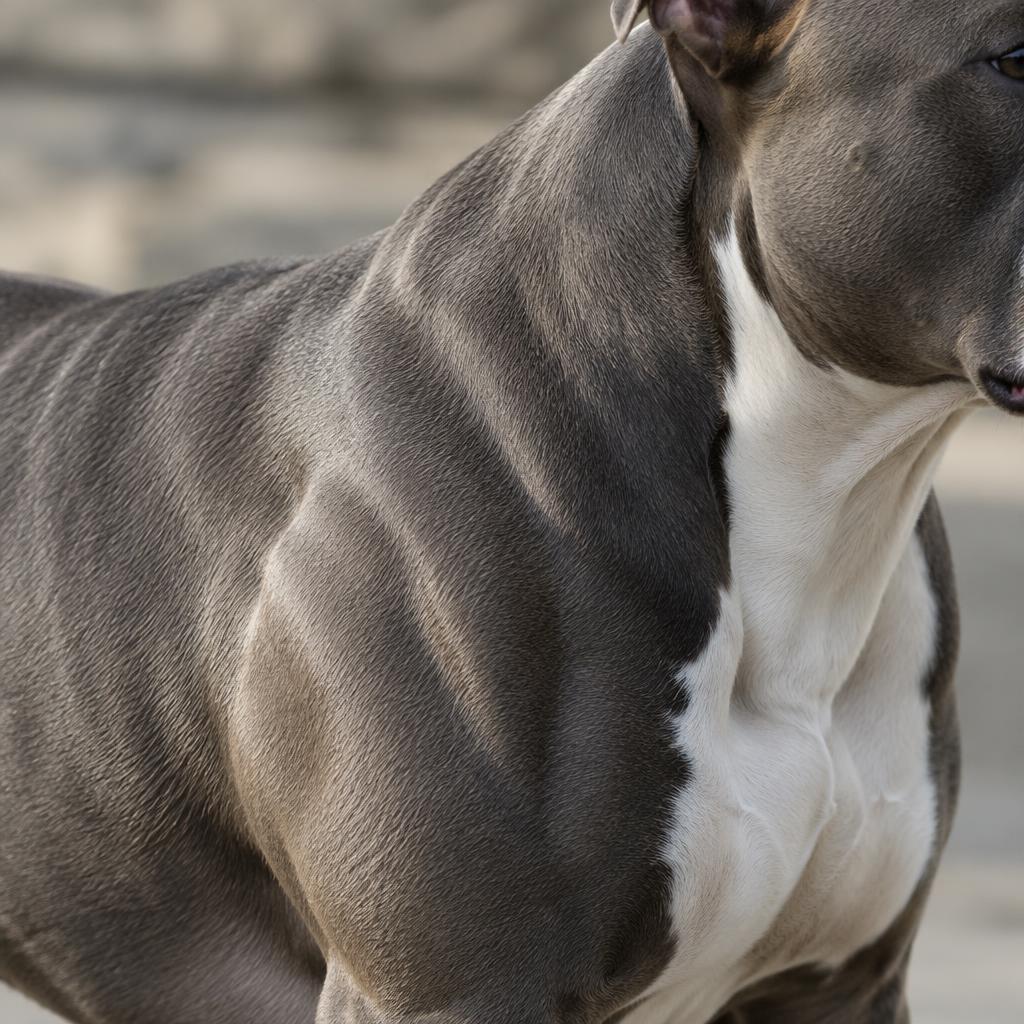
Powerful, people-devoted and unfairly judged, the AmStaff rewards serious ownership with extraordinary affection.
Reviewed by the SniffScroll editorial team
The people-loving powerhouse
The short version
- One of the most people-oriented breeds: affectionate, playful and desperate to be with its family.
- Needs an hour or more of real exercise daily plus training; a bored AmStaff is destructive.
- Dog tolerance varies and can change at maturity; careful management is part of owning the breed.
- The short coat is wonderfully low maintenance: a weekly rub-down and little else.
- Check local legislation, insurance and housing rules before committing; restrictions exist in some areas.
- Weight
- 24 to 34 kg
- Height
- 43 to 48 cm
- Lifespan
- 12 to 16 yrs
- Size
- Medium
- Group
- Terrier
- Coat
- Short
- Grown male
- 26 to 34 kg
- Grown female
- 24 to 30 kg
- Years to full size
- about 2
- One-off setup
- €450 to 950
Get one if…
- Experienced owners who will train and socialise seriously
- Active singles, couples and families wanting a deeply affectionate companion
- Households where the dog lives inside as part of the family
- Owners who want a low-maintenance coat and minimal grooming
- People prepared to be good ambassadors for a misunderstood breed
Think again if…
- First-time owners unwilling to invest in training
- Homes where the dog would be left alone for long working days
- Multi-dog households without very careful management
- Anyone wanting a dog-park social butterfly
- Owners in areas with breed-specific legislation or housing bans
Trait profile
A people dog to its core: affectionate, playful and devoted, with strength that demands responsible ownership.
Space & setup. Can live in a flat if exercise and company needs are genuinely met, but a secure garden makes daily life much easier.
Allergies. Not hypoallergenic. The short coat sheds moderately year-round, though weekly brushing keeps it manageable.
Living with a American Staffordshire Terrier
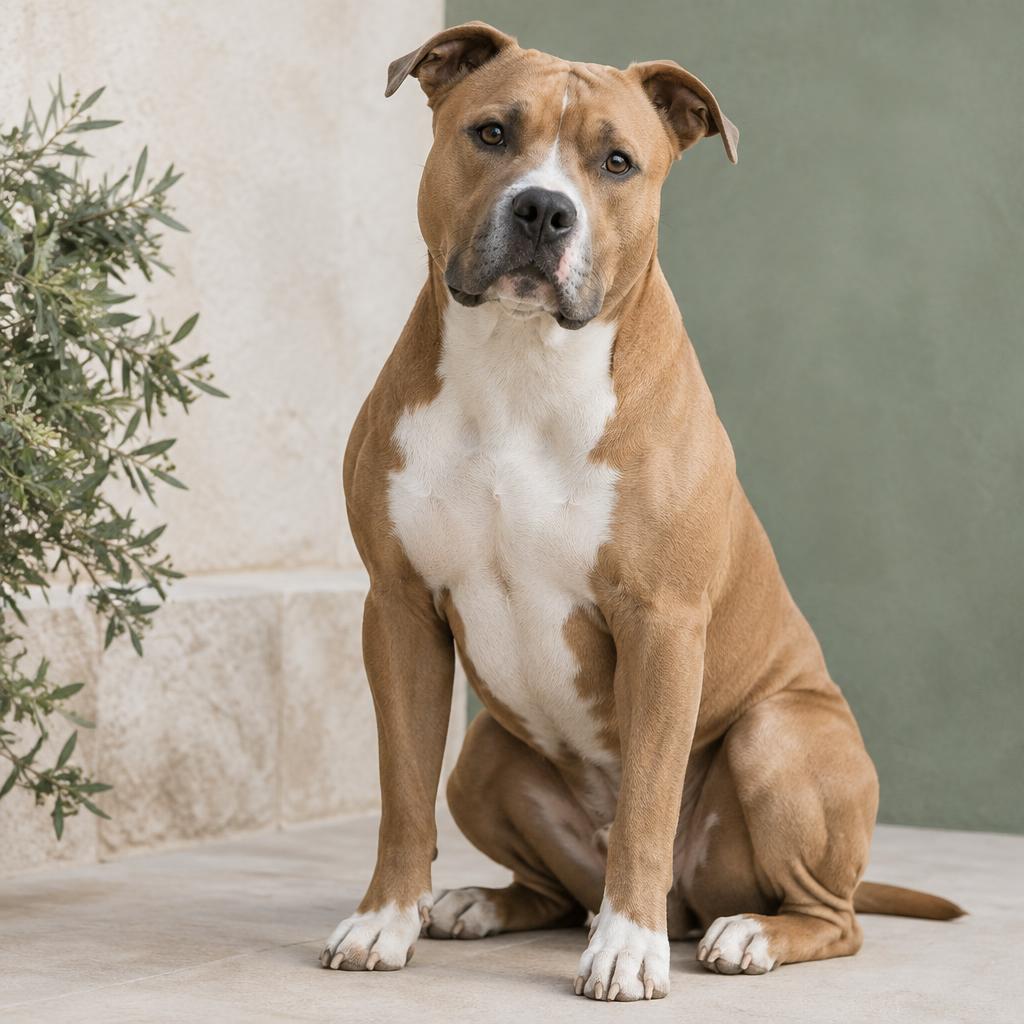
A muscular, affectionate terrier with a huge smile, a soft spot for its family and a need for owners who train and socialise seriously.
Few breeds are as misjudged as the American Staffordshire Terrier. The AmStaff, as its owners call it, is a medium-sized dog of formidable muscle and jaw, bred down from nineteenth-century bull-and-terrier stock into what the American Kennel Club describes as a people-oriented companion. And that is the honest truth of a well-bred, well-raised AmStaff: it is one of the most affectionate, people-fixated breeds you can live with. The breed's fans call them "nanny dogs" and "velcro dogs", and while the first label is romanticised, the second is accurate. An AmStaff wants to be on you, near you, or at minimum watching you, at all times.
That devotion cuts both ways. This is a breed that does badly when bored, isolated or under-exercised, and a bored AmStaff expresses itself through chewing, digging and general demolition on an impressive scale. They need a solid hour or more of real exercise daily, plus training and play, and they need to live inside the family, not in a kennel or garden.
Training is both easy and essential. AmStaffs are bright, food-motivated and eager to work with their person, so basic obedience comes quickly. The essential part is socialisation and manners: a powerful dog that pulls, jumps up or reacts badly to other dogs is a problem in a way a spaniel with the same habits is not. Puppy classes, calm exposure to the world and consistent, kind boundaries from day one are not optional extras with this breed.
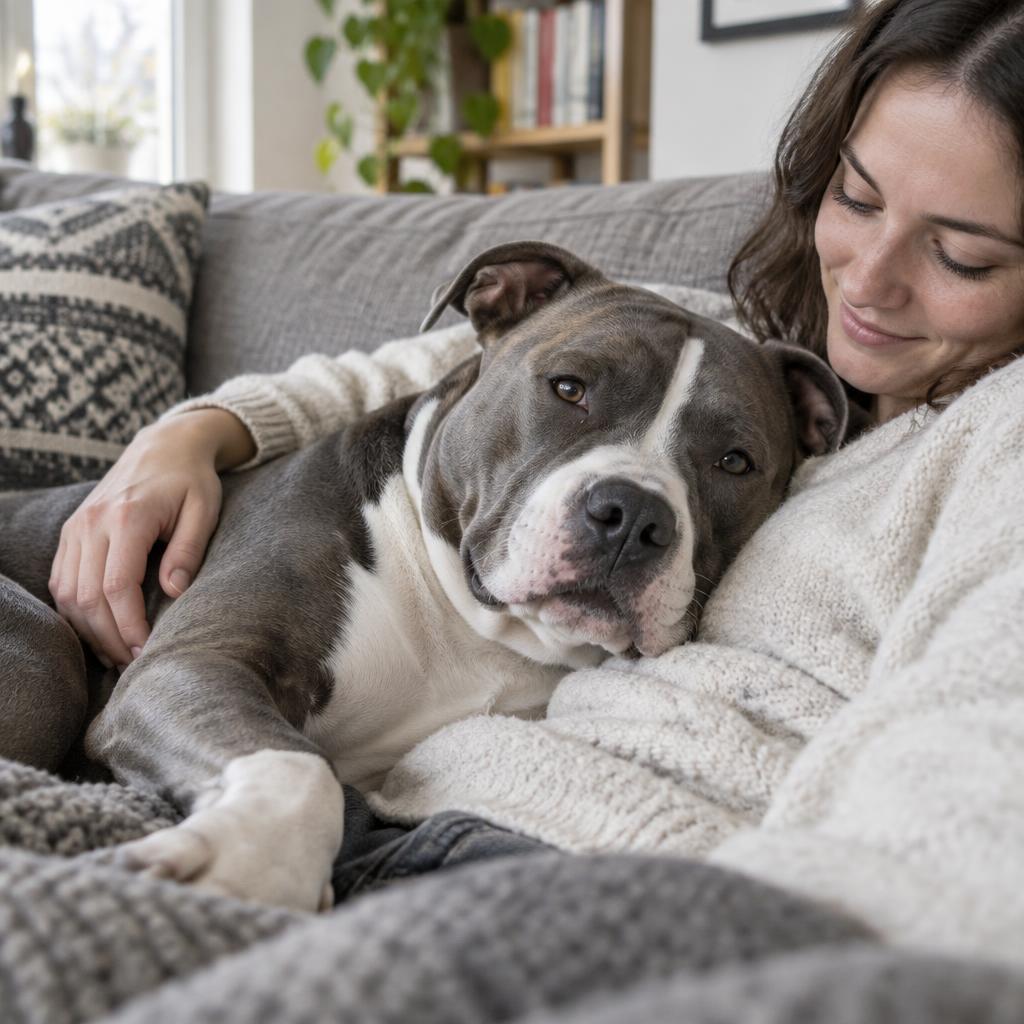
Dog-to-dog tolerance is the honest weak point. Many AmStaffs live happily with other dogs, especially when raised with them, but the breed's heritage means some individuals are intolerant of other dogs, particularly of the same sex, and this can emerge at maturity even in well-socialised dogs. Owners need to be realistic, manage introductions carefully and accept that the dog park may never be part of their lives. Prey drive towards small animals is also real, though it varies by individual.
With children, a well-bred AmStaff is typically patient, sturdy and adoring, and the breed's tolerance of clumsy handling is famous. As with any powerful dog, all interaction with young children should be supervised, and children must learn to respect the dog's space, especially around food and rest.
The practical side is refreshingly easy. The short coat needs a weekly rub-down and little else, shedding is moderate, and grooming costs are minimal. Health is generally robust, with a lifespan of twelve to sixteen years, though hip dysplasia, skin allergies and heart disease appear often enough that health-tested parents matter.
There is one more responsibility: the breed's reputation. Depending on where you live, you may face insurance restrictions, housing rules or breed-specific legislation, and you will certainly meet strangers who cross the street. AmStaff owners become ambassadors whether they want to or not. If you can offer training, exercise, company and thick skin about public opinion, you get one of the most loving, comical and devoted dogs in existence. If you cannot, choose something else.
The American Staffordshire Terrier is a dog of contrasts: powerful in build, soft in temperament with its own people, and utterly dependent on the quality of its owner.
Exercise, day to day
- 1Puppies (8 to 20 weeks): short play and socialisation outings; protect growing joints from jumping and long walks.
- 2Adolescents (4 to 12 months): build exercise gradually; this is the window where training habits and dog manners are set.
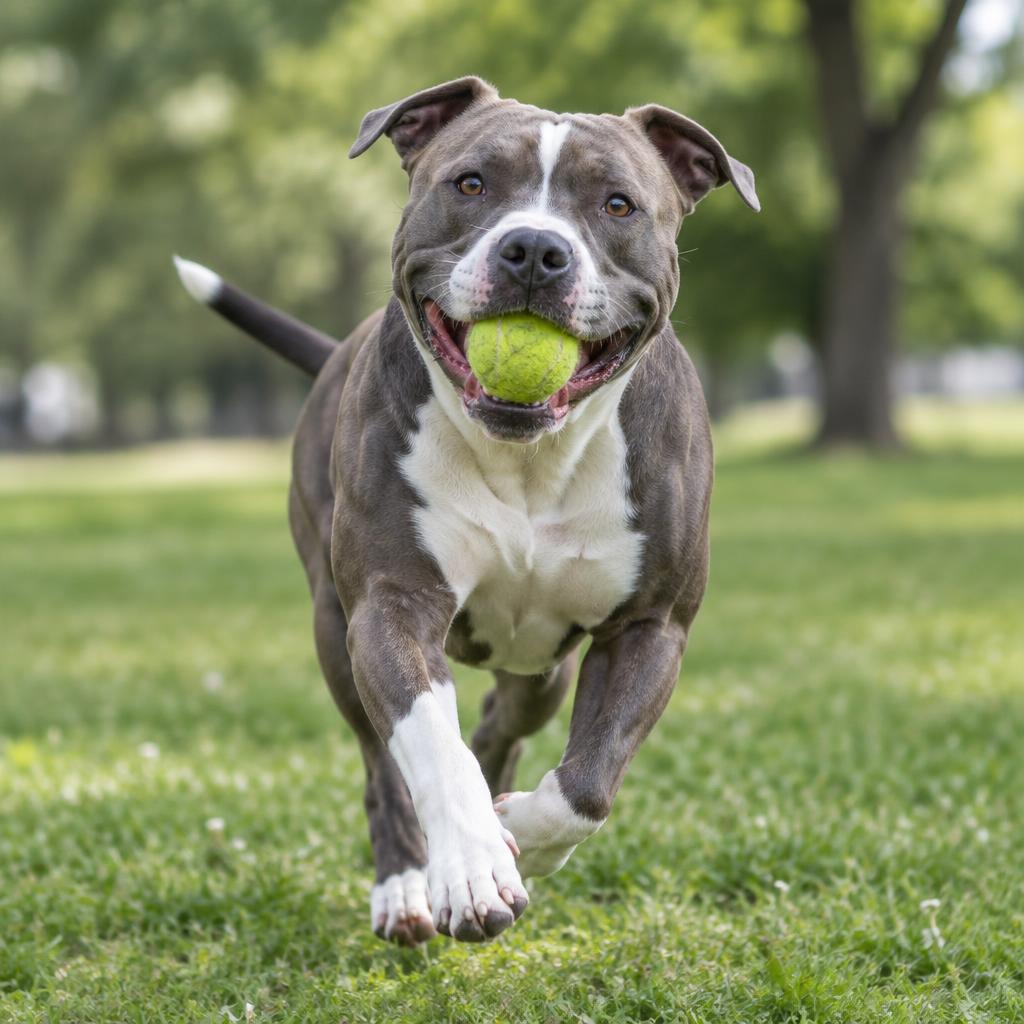
- 3Adults: at least an hour of real exercise daily, plus play and training; the breed excels at weight pull, agility and obedience.
- 4Mental work: food puzzles, scent games and training sessions tire the brain as much as the body.
- 5Company is exercise-adjacent: an AmStaff left alone all day will redecorate your house.
Grooming, realistically
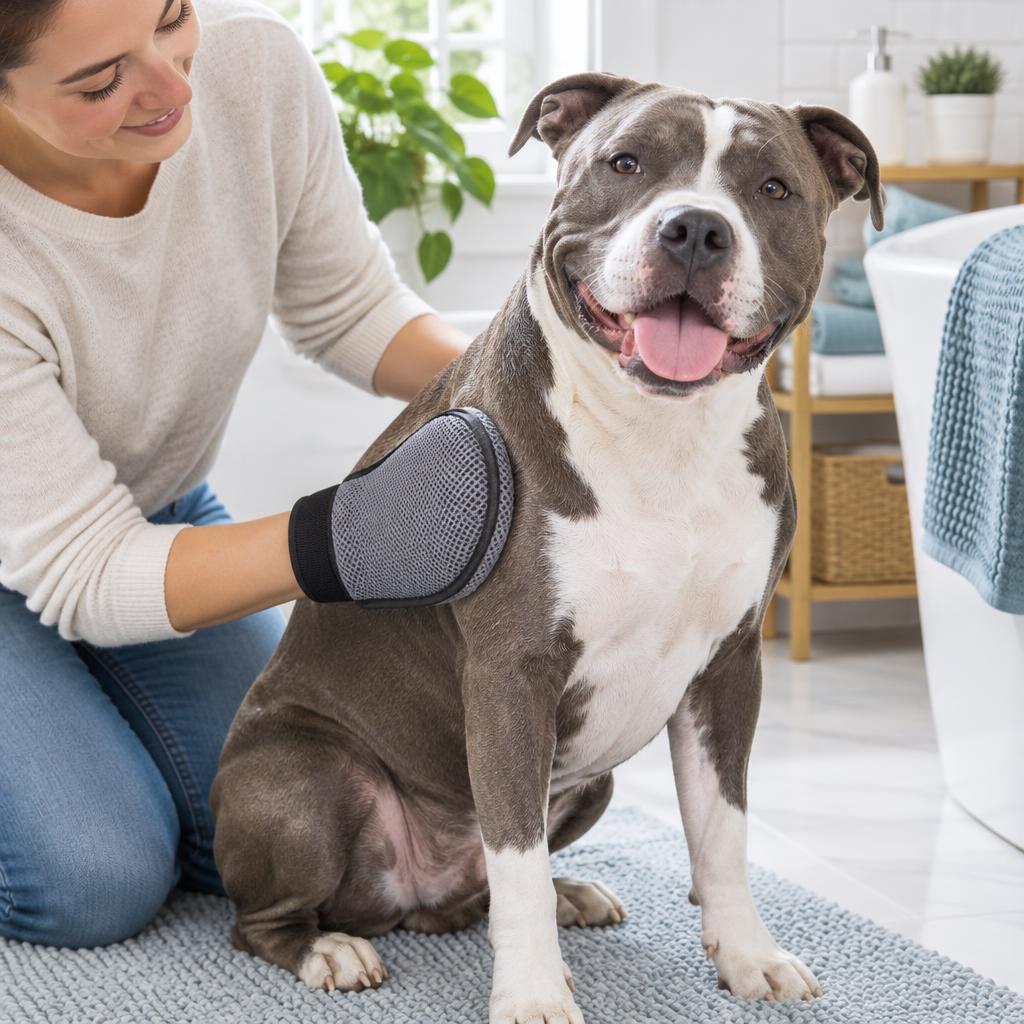
- 1Rub the coat down weekly with a bristle brush or grooming mitt to remove loose hair.
- 2Bathe every month or two, or when muddy; the short coat dries quickly.
- 3Check and clean ears weekly, and wipe facial skin if it folds.
- 4Trim nails every two to three weeks; active dogs may wear them naturally.
- 5Brush teeth several times a week; the breed is prone to tartar build-up.
What you actually need
- Bristle brush or grooming mitt
- Dog nail clippers
- Ear cleaning solution
- Enzymatic dog toothpaste and brush
- Rubber curry comb for bath time
Puppy to adult
| Age | Male | Female | What is happening |
|---|---|---|---|
| 8 weeks | 3 to 4.5 kg | 2.8 to 4 kg | Confident and people-focused even now; socialisation starts immediately. |
| 3 months | 8 to 11 kg | 7 to 10 kg | Rapid growth; keep exercise gentle and training positive. |
| 6 months | 16 to 22 kg | 14 to 19 kg | Adolescent strength arrives before manners; stay consistent. |
| 9 months | 20 to 27 kg | 17 to 23 kg | Muscle developing; dog selectivity may begin to appear. |
| 12 months | 23 to 31 kg | 20 to 26 kg | Near adult height; mental maturity still a year away. |
| 24 months | 26 to 34 kg | 24 to 30 kg | Fully mature; temperament now settled into its adult pattern. |
Ranges are typical, not targets. Judge condition by ribs and waist, and check with the ideal weight checker.
What to ask a breeder
- What health testing have the parents had: hips, elbows, heart and eyes?
- Can I meet the mother, and what is her temperament like with strangers and other dogs?
- Is there any history of skin allergies or heart disease in your lines?
- How do you socialise the litter before they leave?
- What support do you offer if the dog develops dog-reactivity as an adult?
Health tests to ask for
Ask to see results for both parents before you put down a deposit.
- Hip and elbow scores for both parents
- Cardiac examination for breeding stock
- Eye examination for breeding stock
- Watch for skin allergies, which are common and manageable
- Keep the dog lean; extra weight is brutal on joints and heart
Health watch-list
What to ask a breeder about, and what to watch for over a lifetime. This is orientation, not veterinary advice, anything you notice belongs in front of a vet.
Hip dysplasia
CommonMalformed hip joints can cause pain and arthritis. Choose parents with good hip scores and keep the dog lean throughout life.
Skin allergies
Very likelyEnvironmental and food sensitivities causing itching, red skin and ear infections are among the breed's most common issues. Usually manageable with diet and medication.
Heart disease
NotableIncluding aortic stenosis and other conditions. Breeding stock should have cardiac examinations, and any murmur should be investigated.
Hypothyroidism
Common with ageAn underactive thyroid causing weight gain, coat changes and lethargy. Easily managed with daily medication once diagnosed.
Cruciate ligament injury
NotableThe breed's athleticism and power put stress on knee ligaments. Keeping weight down and fitness up reduces the risk.
Cerebellar ataxia
UncommonAn inherited neurological condition affecting coordination. A DNA test exists and responsible breeders use it.
What it costs to keep one
Realistic running cost
€76 / month
About €912 a year, or roughly €12,768 across a 14-year life, before purchase price, neutering and one-off vet events.
Before the puppy arrives. Budget roughly €450 to 950 for a crate, bed, lead and harness, bowls, puppy classes, first vaccinations and grooming kit sized for this breed. Figures throughout are indicative and vary a good deal between countries.
Interactive · built for this breed
Is a American Staffordshire Terrier right for your home?
Seven honest questions about your space, time and household, checked against this breed's exercise need, coat, sociability and tolerance for time alone.
Fit with your routine
95%
A strong fit
Your routine suits a American Staffordshire Terrier well. Meet adult dogs of the line before you commit.
What to sort out first
- Needs more daily exercise than you have pencilled in.
Working in your favour
- Coat care fits the grooming time you offered.
Compare more breeds in the matchmaker, or plan meals with the portion calculator.
The verdict, by household
Not recommended
The combination of power, energy and potential dog-intolerance needs an experienced, committed hand.
Very good with supervision
Famously patient and sturdy with children, but all interactions with young kids should be supervised as with any powerful dog.
Excellent
A devoted, athletic companion for people who want a dog involved in everything they do.
Possible but demanding
Manageable only with serious daily exercise; the breed's strength and door-greeting enthusiasm need training.
When to call your vet
- Limping or reluctance to exercise, which may signal hip problems
- Persistent itching, red skin or ear infections
- Coughing, breathlessness or reduced stamina
- Lumps or bumps anywhere on the body
- Changes in behaviour, including new reactivity towards other dogs
Nothing here is a diagnosis. A swollen, hard belly with retching, collapse, breathing difficulty and sudden hind-leg weakness are emergencies: go straight away.
American Staffordshire Terrier vs the closest alternatives
| Breed | Weight | Energy | Grooming | € / month |
|---|---|---|---|---|
| American Staffordshire Terrier | 24 to 34 kg | 7/10 | 2/10 | €76 |
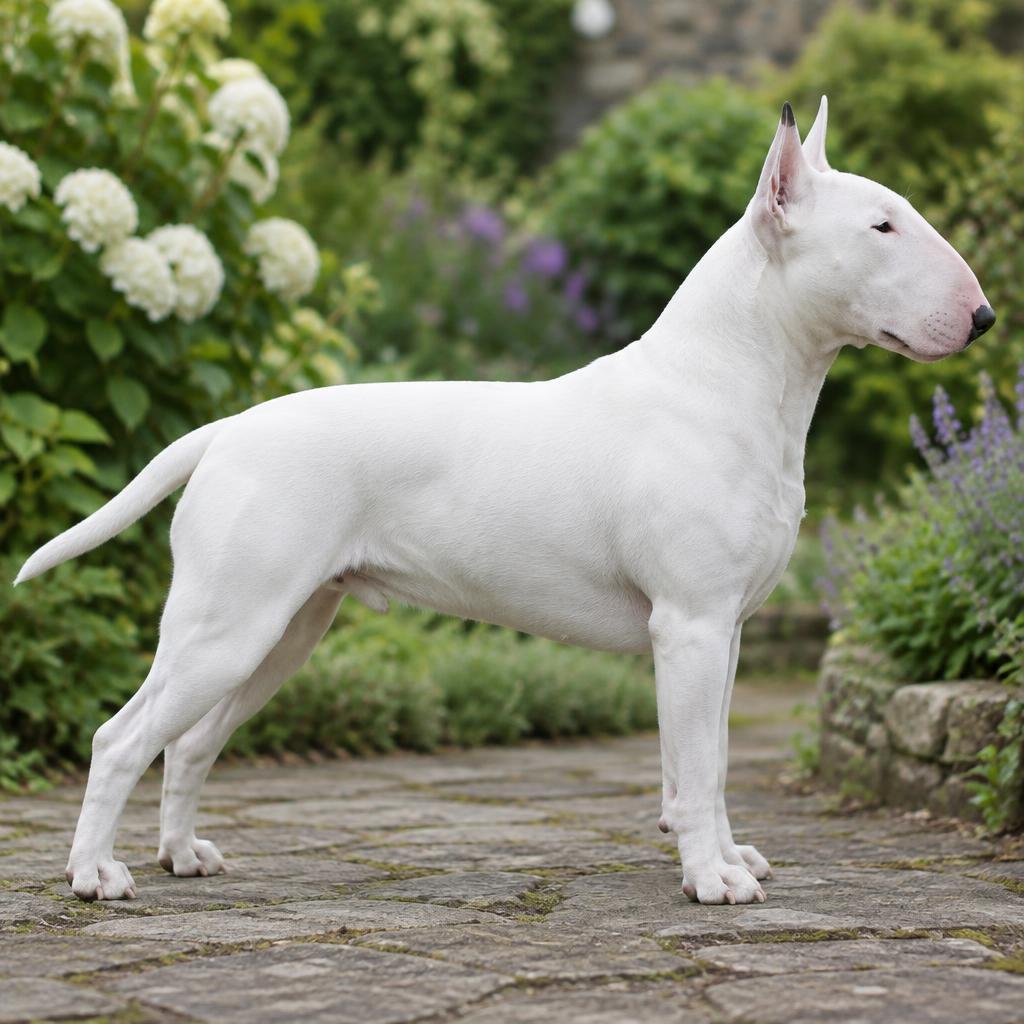
| Bull Terrier | 20 to 36 kg | 7/10 | 3/10 | €152 |
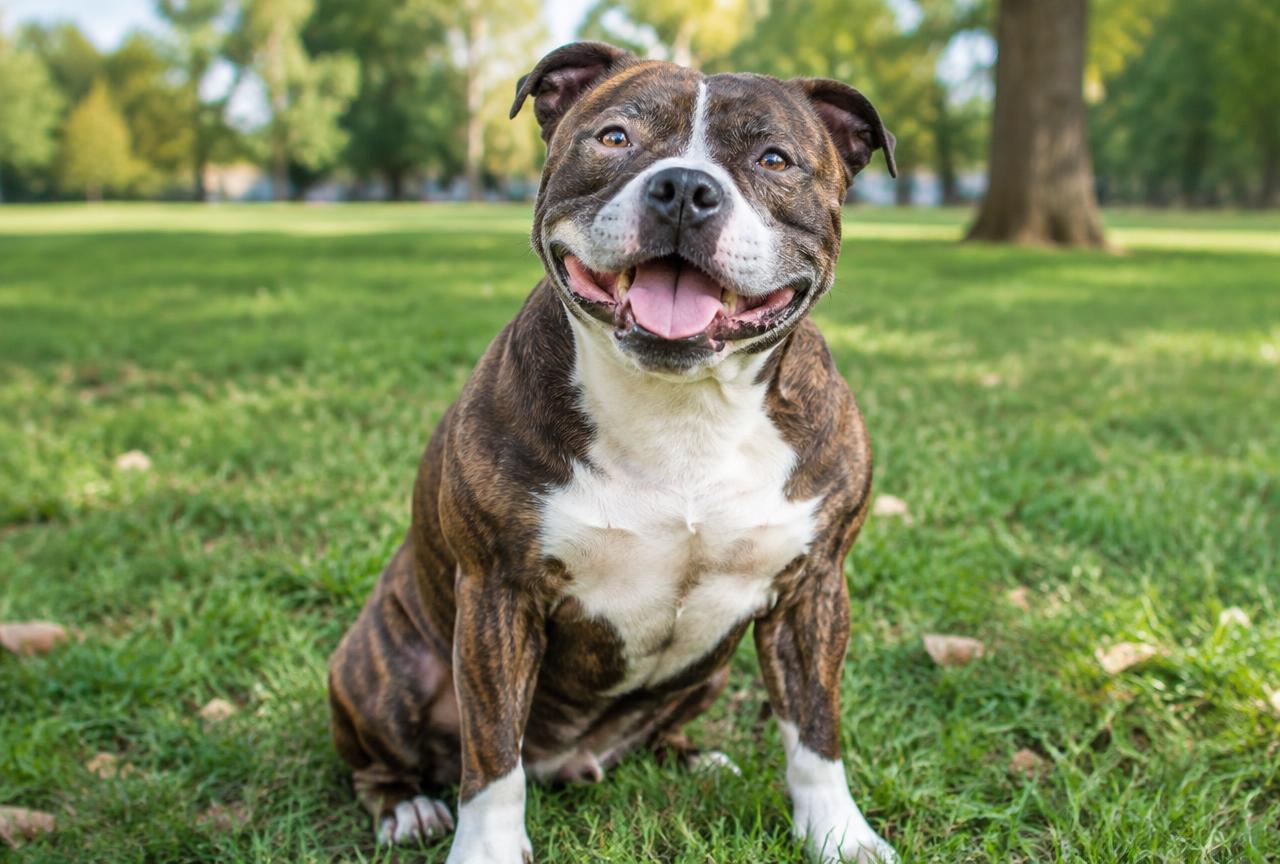
| Staffordshire Bull Terrier | 11 to 17 kg | 7/10 | 2/10 | €81 |
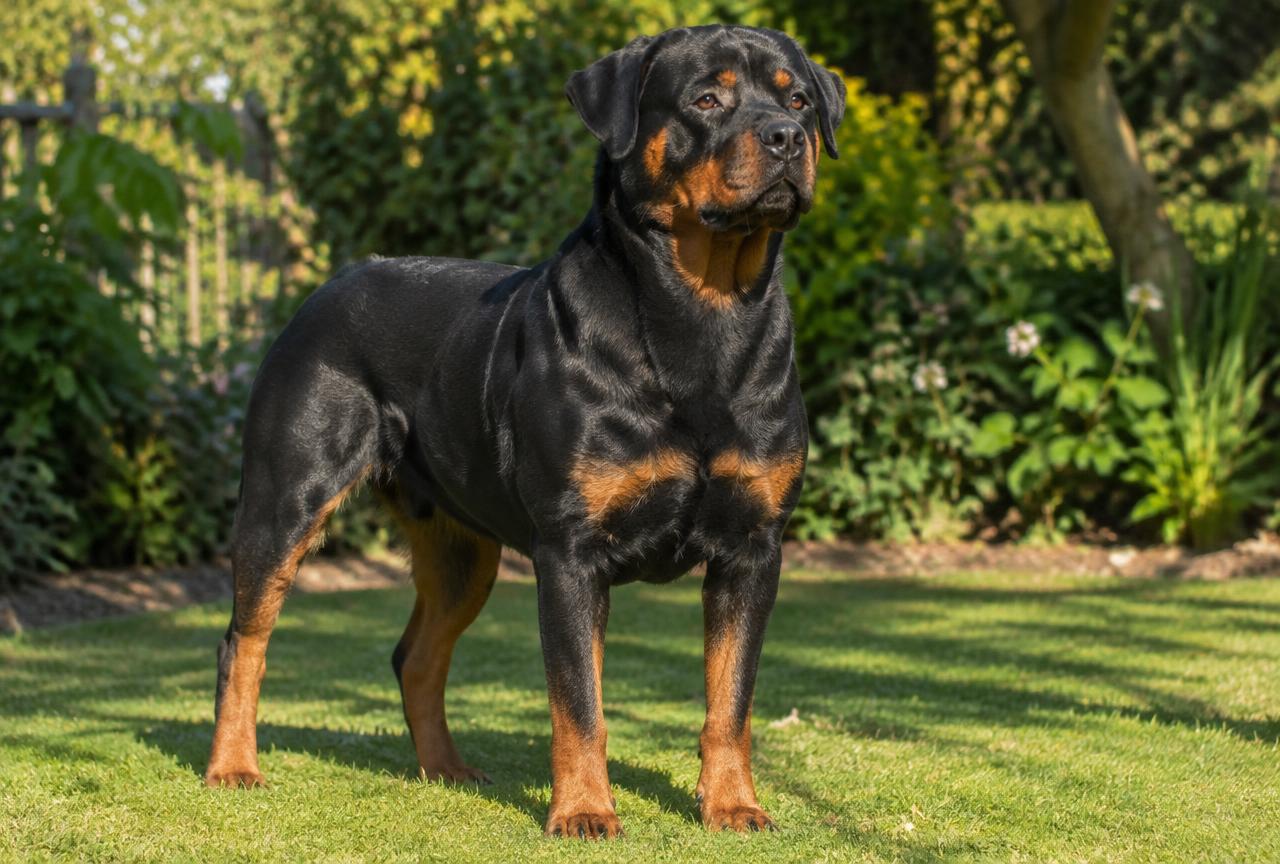
| Rottweiler | 35 to 60 kg | 6/10 | 2/10 | €158 |
American Staffordshire Terrier questions, answered
Are American Staffordshire Terriers aggressive?
Well-bred, well-raised AmStaffs are famously affectionate with people and score highly in temperament testing. The breed's honest weak point is tolerance of other dogs, which varies by individual and needs careful management. Ownership quality matters enormously.
How long do American Staffordshire Terriers live?
Typically twelve to sixteen years, a good lifespan for a dog of their size. Keeping them lean, fit and mentally engaged supports a long, healthy life.
Are American Staffordshire Terriers good family dogs?
With children they are typically patient, sturdy and adoring, and the breed's tolerance is well documented. All interactions between young children and any powerful dog should be supervised, and children must learn to respect the dog's space.
How much exercise does an American Staffordshire Terrier need?
At least an hour of real exercise daily, plus play and training. They are athletic dogs that love activities involving their person, and a bored, under-exercised AmStaff will become destructive.
Do American Staffordshire Terriers get on with other dogs?
It varies. Many live happily with other dogs, especially when raised together, but some individuals become dog-intolerant at maturity, particularly with the same sex. Careful management and realistic expectations are part of owning the breed.
Are American Staffordshire Terriers banned anywhere?
Breed-specific legislation varies widely by country and region, and some insurers and landlords restrict the breed or its lookalikes. Always check local rules, insurance and housing terms before committing.
How much grooming does an American Staffordshire Terrier need?
Very little. A weekly rub-down with a mitt or bristle brush, a bath every month or two, and regular nail, ear and dental care. The short coat sheds moderately year-round.