Crossbreed group
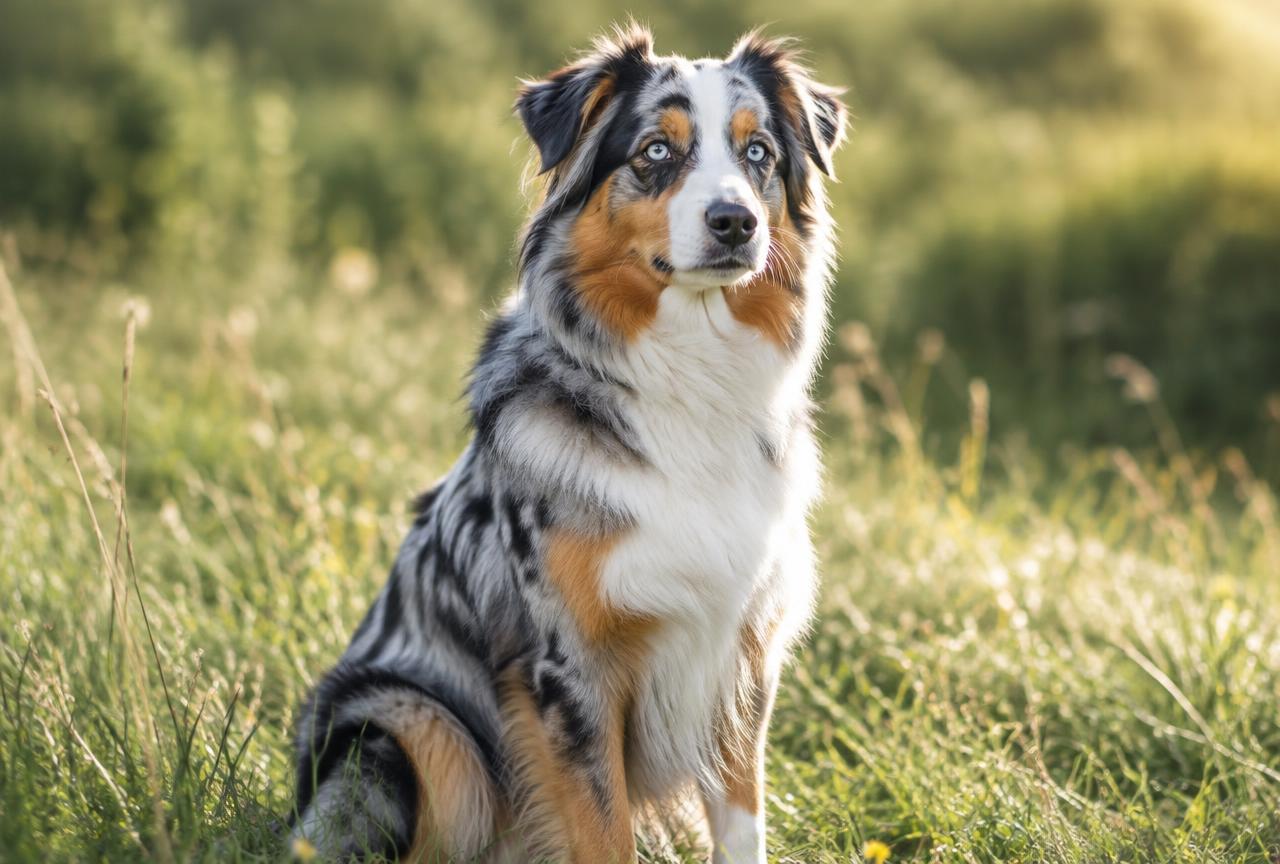
The Aussiedoodle is a modern American designer cross, first bred in the 1990s and 2000s alongside the wider doodle trend, pairing the Australian Shepherd, itself developed in the western United States to herd livestock on ranches, with the Poodle, an old European water retriever prized for intelligence and a low-shedding coat. Breeders aimed to combine the Australian Shepherd's working drive and trainability with the Poodle's coat, and the cross is now bred in both mini and standard sizes depending on the Poodle parent used.
Aussiedoodle
The Aussiedoodle crosses the Australian Shepherd with the Poodle for an intelligent, energetic companion that comes in mini and standard sizes. It trains beautifully and sheds less than a purebred Aussie, but it needs serious daily exercise, mental work and a confident, consistent handler.
Reviewed by the SniffScroll editorial desk
The Australian Shepherd-Poodle cross built for brains, energy and a job to do
The short version
- Comes in mini (5 to 20 kg) and standard (25 to 30 kg) sizes depending on the Poodle parent used.
- Coat and temperament vary more in first-generation crosses than in multigenerational lines.
- Reduced shedding is real but no crossbreed is truly hypoallergenic.
- Inherits a genuine herding brain and needs daily exercise plus mental work, not just a walk.
- Both parents should be health tested, including MDR1 status from the Australian Shepherd line.
Choose a variety
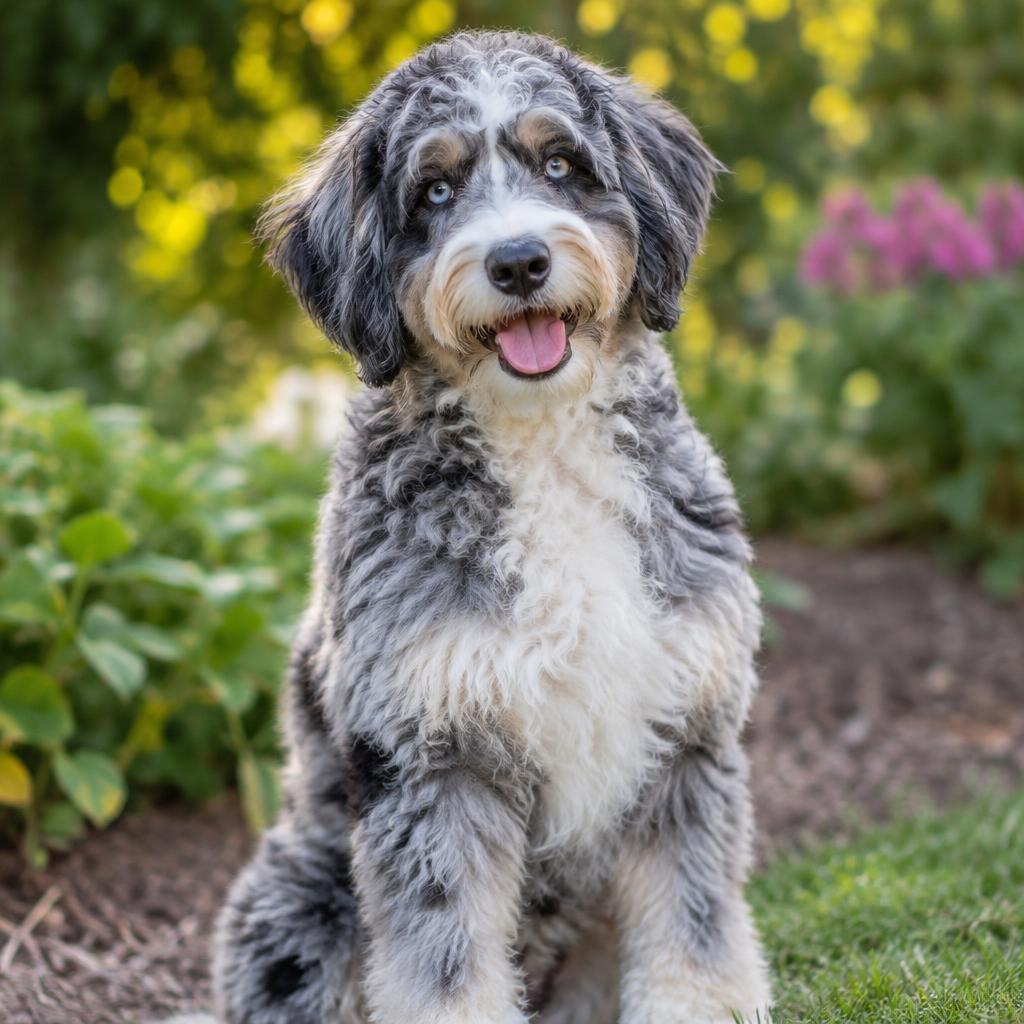
Bred from a Toy or Miniature Poodle parent, this variety keeps the full herding brain in a smaller body, suiting owners who want the temperament with less size and weight to manage.
- Weight
- 5 to 20 kg
- Height
- 30 to 45 cm
- Lifespan
- 12 to 15 yrs
- Size
- Small
- Group
- Crossbreed
- Coat
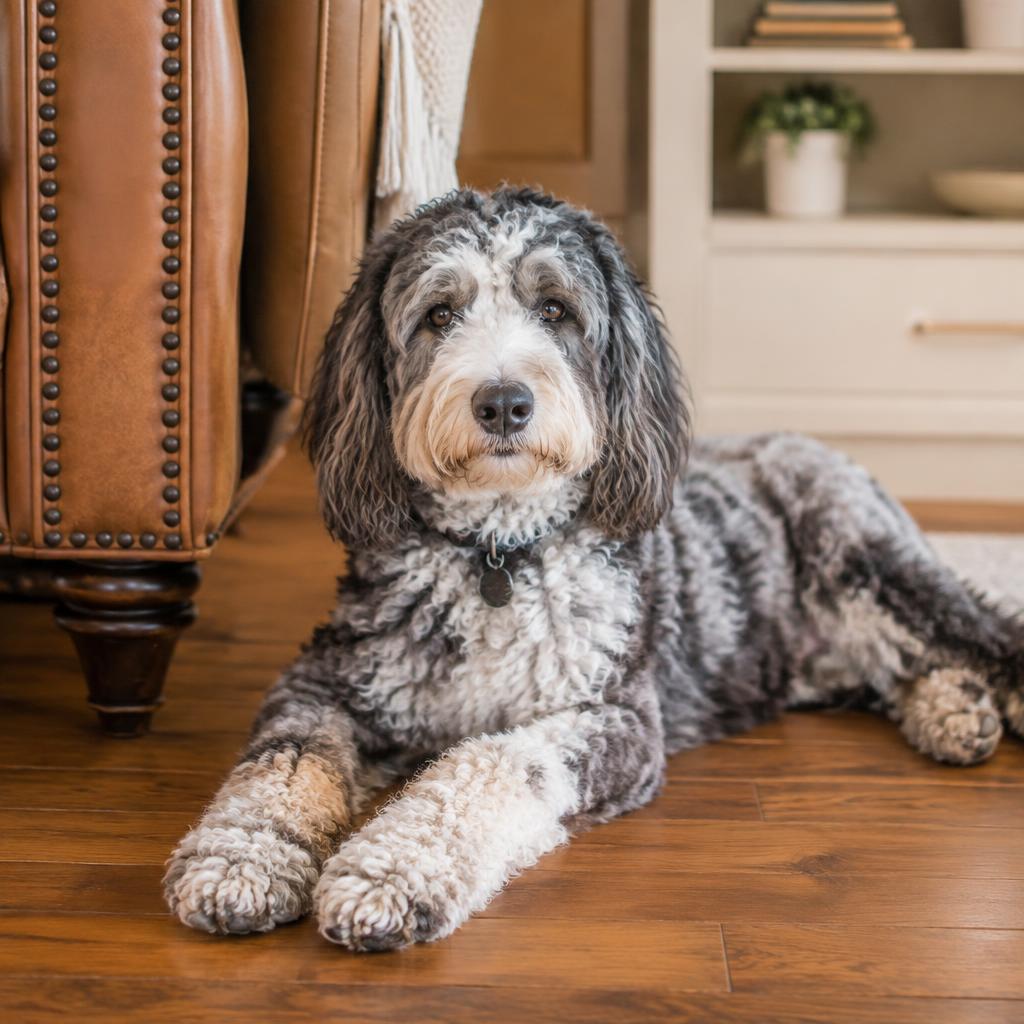
- Wavy to curly double-textured coat, often low shedding, in blue merle, red merle, black tri, red tri or solid colouring with occasional white or copper markings
- Daily exercise
- 45 to 60 minutes a day
- Years to full size
- about 1.5
- One-off setup
- €1200 to 2200
Get one if…
- Active households able to provide an hour or more of exercise and mental work daily
- Experienced owners comfortable with a sensitive, intelligent dog that needs consistent training
- Families with older, confident children who understand not to encourage nipping or chasing
- Homes with a garden or easy access to safe off-lead space for running and games
- Owners wanting a trainable dog for agility, scent work or other structured activities
Think again if…
- Households that are out at work for long hours with no plan for exercise or company
- First-time owners wanting a calm, low-effort dog
- Flats or homes without reliable access to space for proper daily exercise
- Anyone assuming the low-shedding coat means low grooming effort
- Homes with very young children unused to a dog that may try to herd or nip at heels
Trait profile
The Aussiedoodle inherits the Australian Shepherd's herding intelligence and drive alongside the Poodle's trainability and lower-shedding coat, which makes it brilliant for active, engaged owners and a poor fit for anyone wanting a quiet, low-effort dog.
Space & setup. A garden or regular access to safe open space is close to essential; this is a working-bred dog that struggles badly in confined spaces without daily exercise.
Allergies. Shedding is usually reduced compared with a straight-coated Australian Shepherd, but no crossbreed is truly hypoallergenic; allergens come from skin and saliva as well as hair, so meet the actual dog before committing.
Living with a Aussiedoodle
The Aussiedoodle crosses the Australian Shepherd with the Poodle, combining herding intelligence with a low-shedding coat. It comes in mini and standard sizes, suits active households that can meet a demanding exercise and mental-work need, and like all crossbreeds its coat, size and temperament vary between first-cross and multigenerational litters.
The Aussiedoodle brings together two breeds built for work: the Australian Shepherd, a ranch dog developed to herd cattle and sheep across difficult terrain, and the Poodle, a water retriever bred for stamina and sharp intelligence. The result is a dog that is rarely idle in mind or body, and the cross has become popular precisely because it looks soft and cuddly while behaving like a working animal underneath.
Size is the first major decision in choosing an Aussiedoodle, because it is not one dog but a spectrum. Breeders typically use a Toy or Miniature Poodle to produce a smaller Aussiedoodle of around 5 to 20 kilograms and 30 to 45 centimetres at the shoulder, or a Standard Poodle to produce a larger dog of 25 to 30 kilograms and 48 to 60 centimetres. The smaller variety suits households wanting the temperament without the size, though it still carries the full herding brain. The standard variety is closer to the original Australian Shepherd in build and stamina, and needs the space and exercise to match.
Coat and temperament both vary considerably, and the reason lies in the genetics of crossbreeding. A first-generation cross, bred directly from an Australian Shepherd and a Poodle, inherits an unpredictable mix of traits from each parent, so one puppy in a litter might shed moderately with a loose wave, while a litermate carries a tighter, lower-shedding curl. Multigenerational Aussiedoodles, bred from two Aussiedoodle parents over several generations, tend to be more consistent in coat and temperament because breeders can select for the traits that bred true, but consistency still is not a guarantee. Anyone promising an exact adult coat or weight from a first cross is overstating what genetics allows.
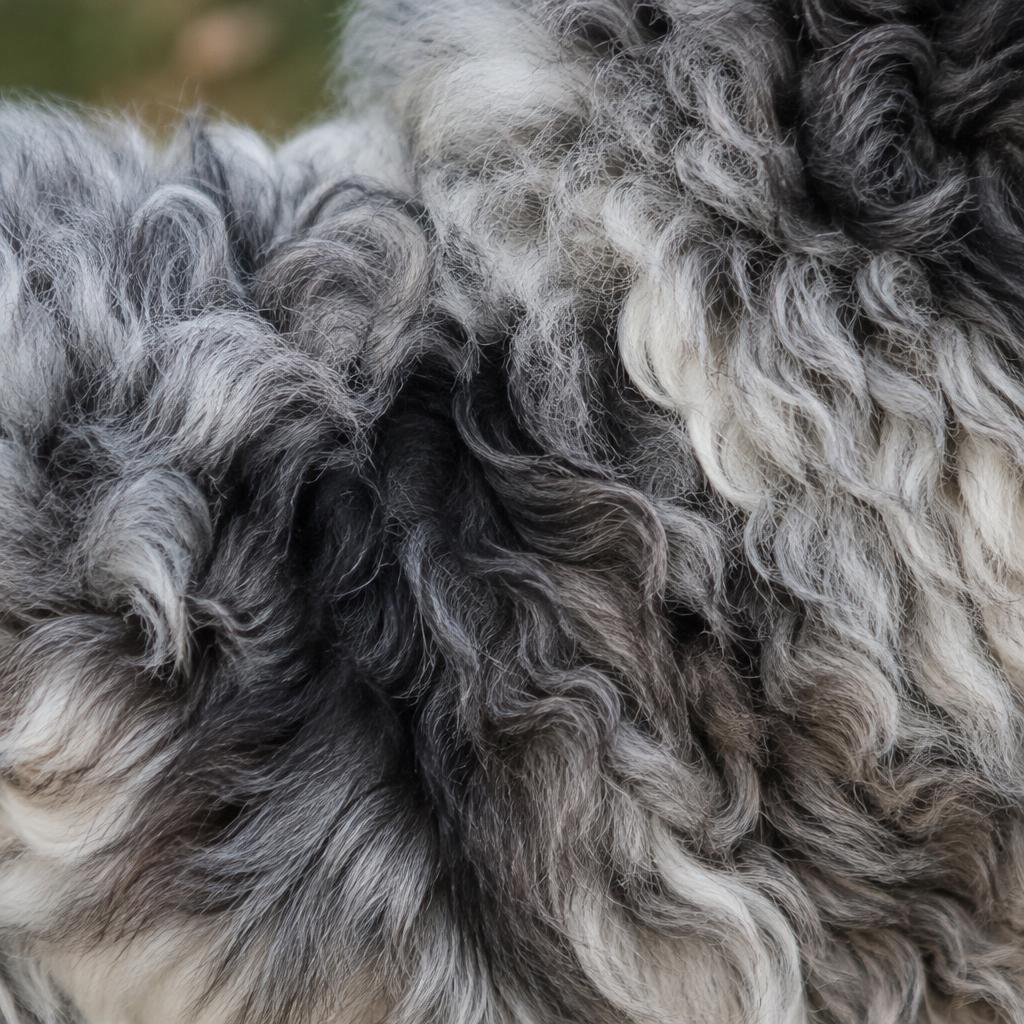
The shedding and hypoallergenic questions deserve a straight answer. Most Aussiedoodles shed less than a straight-coated Australian Shepherd because the Poodle influence reduces loose hair, and many owners with mild allergies manage well. But no dog is truly hypoallergenic: allergens come from skin dander and saliva as well as hair, and a curlier coat that sheds less can still trap dander close to the skin, needing frequent brushing to stop it building up. Spend real time with the specific adult dog, or at minimum its parents, before assuming an allergic household will cope.
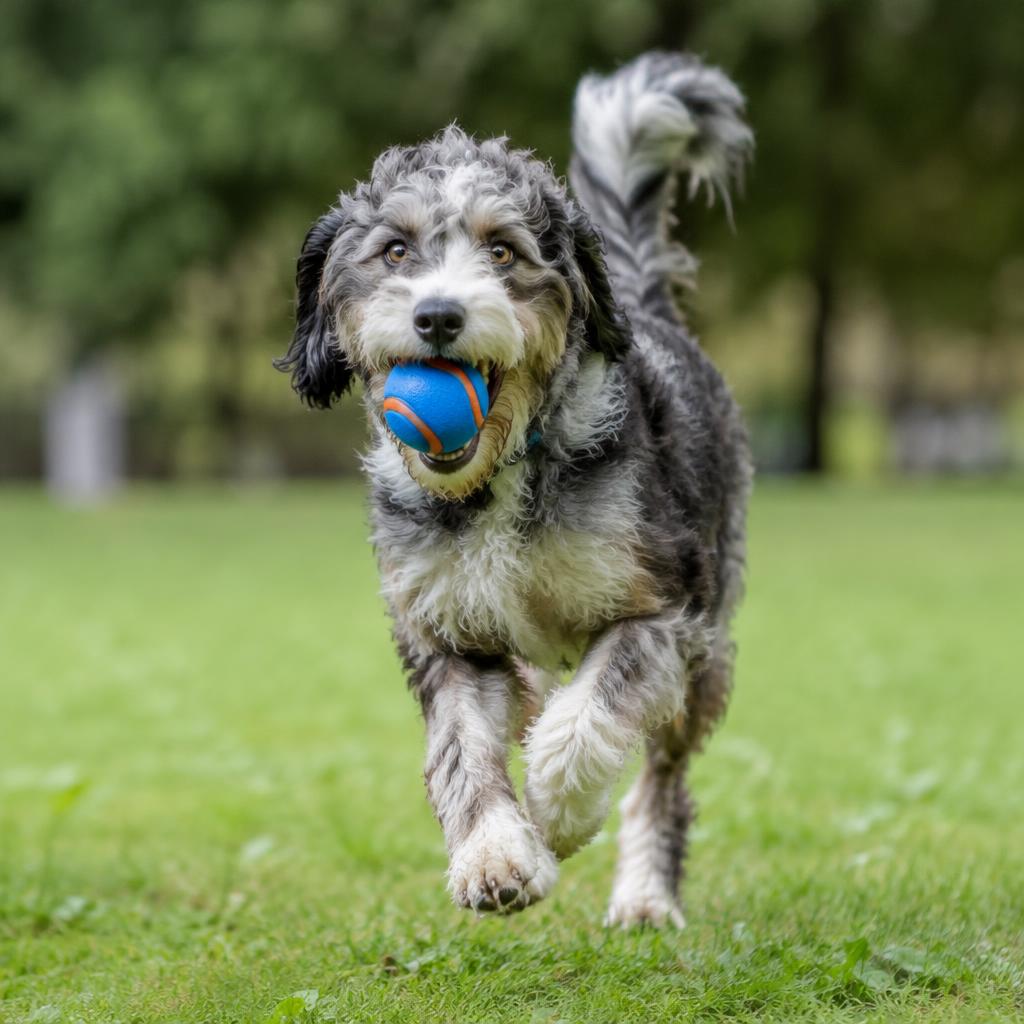
The herding brain is the defining feature of this cross, and it is worth naming plainly: the Aussiedoodle was not bred to be a lap dog. It needs a genuine job, whether that is structured training, scent work, agility or simply a demanding daily routine of walks and games, because an understimulated Aussiedoodle will invent its own entertainment, often by herding children, chasing cars or developing anxious, repetitive behaviours. Owners who want a dog that will happily nap through a quiet day are choosing the wrong breed. Early and consistent socialisation also matters because some lines inherit the Australian Shepherd's wariness of strangers and tendency to nip at heels during play.
Training is one of the cross's great strengths. Both parent breeds rank among the most trainable in the world, and an Aussiedoodle that gets enough mental and physical exercise is typically quick to learn, eager to work with its owner and responsive to positive, consistent methods. The flip side is sensitivity: harsh handling or inconsistent rules tend to produce an anxious or reactive dog rather than a compliant one, so training needs patience and a calm hand rather than correction.
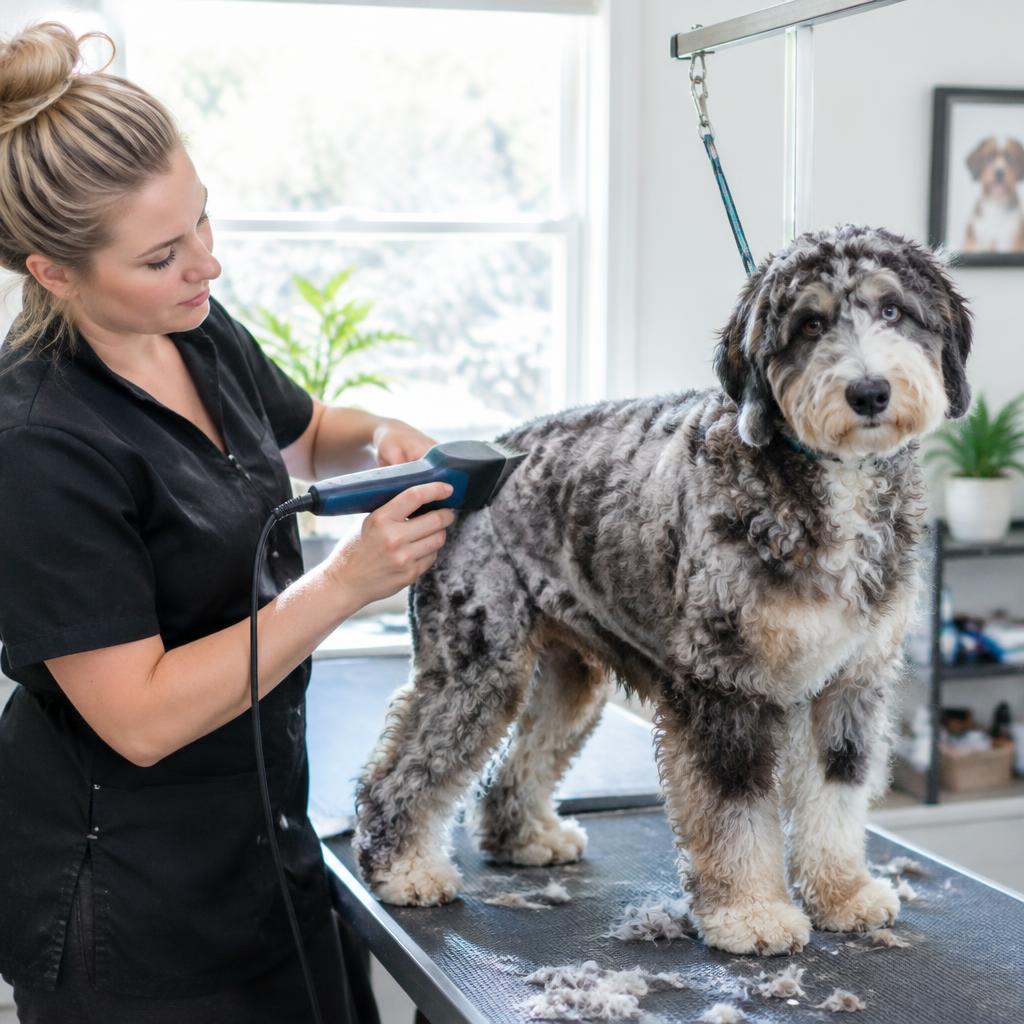
Grooming sits in the middle of the demands scale. The coat needs brushing two to three times a week to prevent matting, particularly behind the ears and in the feathering on the legs, and a professional trim every six to eight weeks keeps it manageable through the warmer months and stops the coat becoming a tangled mat over winter. Ears need regular checking because the hair growing over the ear canal traps moisture and debris, making ear infections one of the more common complaints owners report.
Health in this cross reflects both parent lines, and buyers should take it seriously rather than treating a crossbreed as automatically healthier. Hip and elbow dysplasia can appear from either side, progressive retinal atrophy is a known risk carried through the Poodle line, and MDR1 drug sensitivity, a mutation affecting how the body processes certain medications, comes through the Australian Shepherd line and should be tested for before any dog receives ivermectin-based or other affected drugs. Collie eye anomaly and epilepsy also appear in some lines. The single most important thing a buyer can do is insist on health testing of both parents, not just one, because a healthy-looking Poodle parent does not rule out problems carried on the Australian Shepherd side or vice versa.
Overall, the Aussiedoodle rewards an active, engaged household that wants a trainable, affectionate dog and is willing to meet its exercise and mental stimulation needs every single day. It is a poor fit for first-time owners wanting an easy dog, for households that are out all day, and for anyone hoping a low-shedding coat means a low-effort dog. Done well, with health-tested parents and a genuinely active life, it is one of the most capable and loyal companions in the doodle world.
A whip-smart, deeply loyal companion for people who genuinely want a working brain in the house, but a poor match for anyone wanting a calm, low-effort dog. Coat, size and temperament vary more than most buyers expect.
Exercise, day to day
- 1Puppies (8 to 20 weeks): short, gentle play and lead-walking sessions; avoid forced running while joints develop.
- 2Adolescents (4 to 12 months): structured walks twice daily plus short training sessions to channel growing energy.
- 3Adults: 60 to 90 minutes of varied exercise daily, including off-lead running where safe.
- 4Mental work: scent games, puzzle feeders and training sessions are as important as physical exercise.
- 5Structured activity: agility, herding trials or flyball suit the breed's working brain and build a strong bond.
Grooming, realistically
- 1Brush two to three times a week with a slicker brush, paying attention to ears and leg feathering.
- 2Book a professional trim every six to eight weeks to prevent matting and manage coat length.
- 3Check and clean ears weekly, since hair over the canal traps moisture and raises infection risk.
- 4Bathe every four to six weeks or after muddy walks, drying thoroughly to avoid damp skin.
- 5Trim nails every three to four weeks and brush teeth several times a week.
What you actually need
- Slicker brush
- Metal comb
- Undercoat rake
- Ear cleaning solution
- Dog nail clippers
- Enzymatic dog toothpaste and brush
Puppy to adult
| Age | Male | Female | What is happening |
|---|---|---|---|
| 8 weeks | 2.5 to 5 kg | 2.3 to 4.5 kg | Fragile growth plates; keep play gentle and begin early socialisation. |
| 3 months | 5 to 10 kg | 4.5 to 9 kg | Rapid growth phase; avoid repetitive jumping or long forced walks. |
| 6 months | 9 to 18 kg | 8 to 16 kg | Adolescence begins; training consistency matters as independence grows. |
| 9 months | 12 to 24 kg | 11 to 22 kg | Close to adult height; energy levels often peak before maturity settles. |
| 12 months | 14 to 28 kg | 13 to 26 kg | Mini varieties usually reach adult size now; standards still filling out. |
| 18 months | 15 to 30 kg | 14 to 28 kg | Standard Aussiedoodles typically reach full adult weight and maturity. |
Ranges are typical, not targets. Judge condition by ribs and waist, and check with the ideal weight checker.
What to ask a breeder
- Have both parents been health tested, including hip and elbow scores and MDR1 status?
- Is this litter first generation or multigenerational, and how does that affect coat predictability?
- Which size of Poodle was used as the parent, and what adult size range do you expect?
- Can I see eye certification results and ask about epilepsy history in the lines?
- How are puppies socialised to children, other dogs and everyday noise before they go home?
Health tests to ask for
Ask to see results for both parents before you put down a deposit.
- Hip and elbow scoring for both parents
- Eye examination and PRA DNA testing on the Poodle line
- MDR1 DNA test for the Australian Shepherd line
- Collie eye anomaly screening
- Epilepsy history check in both parent lines
Health watch-list
What to ask a breeder about, and what to watch for over a lifetime. This is orientation, not veterinary advice, anything you notice belongs in front of a vet.
Hip and elbow dysplasia
CommonMalformation of the hip or elbow joints can come from either parent breed and leads to arthritis over time. Insist on hip and elbow scores for both parents before buying a puppy.
Ear infections under the coat
NotableHair growing over the ear canal traps moisture and debris, making infections more likely. Check and clean ears weekly and see a vet promptly for odour or head shaking.
Progressive retinal atrophy
OccasionalInherited through the Poodle line, this condition causes gradual vision loss. DNA testing of breeding stock identifies carriers before puppies are bred.
MDR1 drug sensitivity
OccasionalA mutation carried through the Australian Shepherd line affects how the body clears certain medications, including some common antiparasitics. A simple DNA test confirms status and should be checked before any new medication is given.
Collie eye anomaly
UncommonAn inherited eye condition affecting the back of the eye, screened for by a veterinary eye examination of breeding dogs. Severity varies, and testing the parents is the best prevention.
Epilepsy
UncommonSeizures can appear in some lines of both parent breeds, usually starting in early adulthood. Any seizure activity should be assessed by a vet promptly and discussed with the breeder.
What it costs to keep one
Realistic running cost
€169 / month
About €2,028 a year, or roughly €28,392 across a 14-year life, before purchase price, neutering and one-off vet events.
Before the puppy arrives. Budget roughly €1200 to 2200 for a crate, bed, lead and harness, bowls, puppy classes, first vaccinations and grooming kit sized for this breed. Figures throughout are indicative and vary a good deal between countries.
Interactive · built for this breed
Is a Aussiedoodle right for your home?
Seven honest questions about your space, time and household, checked against this breed's exercise need, coat, sociability and tolerance for time alone.
Fit with your routine
90%
A strong fit
Your routine suits a Aussiedoodle well. Meet adult dogs of the line before you commit.
What to sort out first
- Needs more daily exercise than you have pencilled in.
- Coat needs more brushing or trimming than you have allowed.
Compare more breeds in the matchmaker, or plan meals with the portion calculator.
The verdict, by household
Poor
The combination of high energy, sensitivity and herding instinct asks a lot of someone new to dog ownership.
Good
Affectionate and playful with older, confident children, though supervision is needed around heel-nipping and chasing.
Excellent
A genuinely rewarding match for anyone who wants a dog to run, train and work alongside daily.
Poor
The exercise and space needs, plus a tendency to vocalise when bored, make flat life difficult.
When to call your vet
- Stiffness or reluctance to jump, which can signal hip or elbow dysplasia
- Cloudy eyes or reduced night vision, worth an eye examination for retinal changes
- Unusual drug reactions, which may indicate MDR1 sensitivity and should be flagged before any medication
- Seizures or sudden collapse, which need urgent veterinary assessment
- Persistent ear odour or head shaking, which can signal an ear infection under the coat
Nothing here is a diagnosis. A swollen, hard belly with retching, collapse, breathing difficulty and sudden hind-leg weakness are emergencies: go straight away.
Aussiedoodle vs the closest alternatives
| Breed | Weight | Energy | Grooming | € / month |
|---|---|---|---|---|
| Aussiedoodle | 9 to 32 kg | 9/10 | 7/10 | €192 |
| Australian Shepherd | 14 to 30 kg | 9/10 | 6/10 | €130 |
| German Shepherd | 22 to 40 kg | 9/10 | 5/10 | €153 |
| Border Collie | 12 to 24 kg | 10/10 | 4/10 | €106 |
Aussiedoodle questions, answered
Do Aussiedoodles shed?
Most Aussiedoodles shed less than a purebred Australian Shepherd because of the Poodle influence on the coat, and many owners find it manageable. No dog is truly non-shedding, and individual coats vary a great deal, especially in first-generation crosses.
Are Aussiedoodles hypoallergenic?
No dog is truly hypoallergenic, including the Aussiedoodle. Reduced shedding can help some allergy sufferers, but allergens come from skin dander and saliva as well as hair, so spending time with the specific dog before committing is the only reliable test.
How much exercise does an Aussiedoodle need?
Plenty: most adult Aussiedoodles need 60 to 90 minutes of varied exercise a day, plus mental stimulation such as training or puzzle games. This is a working-bred cross and an understimulated dog often develops unwanted behaviours.
Is an Aussiedoodle good with children?
It can be, particularly with older, confident children who understand how to play respectfully. The herding instinct inherited from the Australian Shepherd side means some Aussiedoodles try to nip at heels or herd running children, so supervision and early training matter.
How long do Aussiedoodles live?
Aussiedoodles typically live between 12 and 15 years, a reflection of the generally good longevity of both parent breeds. Health testing of the parents for conditions like hip dysplasia and MDR1 sensitivity helps support a long, healthy life.
Are Aussiedoodles easy to train?
Yes, this is one of the breed's strongest points, since both parent breeds are highly trainable. They are also sensitive, so consistent, positive methods work far better than harsh correction, which can make them anxious or reactive.
Is an Aussiedoodle suitable for a flat?
Generally no. The breed's high exercise needs, herding instincts and tendency to vocalise when under-stimulated make flat living difficult without exceptional daily exercise and enrichment, and a garden or easy access to open space is close to essential.