
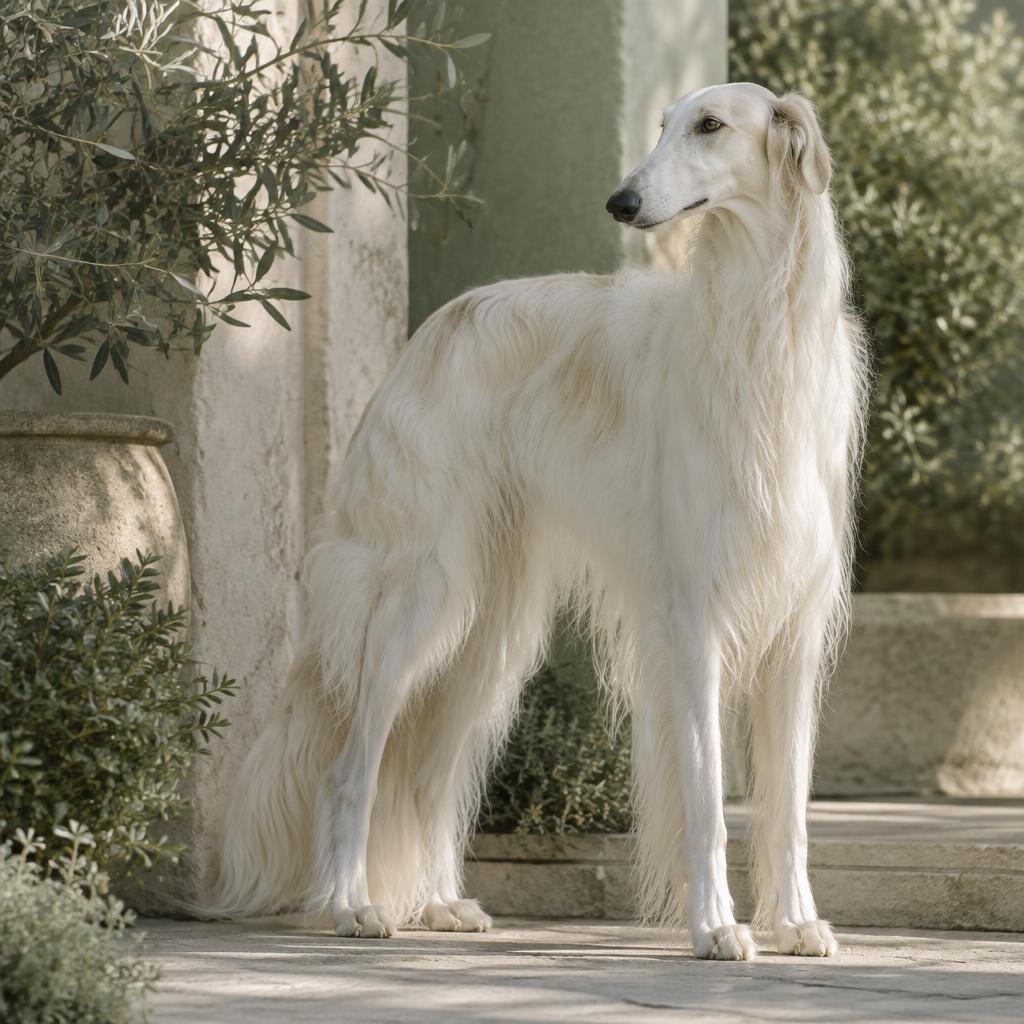
Hound group
Developed in Tsarist Russia from the seventeenth century, the Borzoi was the preferred hunting dog of the Romanovs and the nobility. They were bred to chase and pin wolves across the vast Russian steppes, combining the speed of the Greyhound with a heavy coat and the strength to handle large prey. After the Russian Revolution, the breed survived largely through exports to Europe and the United States.
Borzoi
Combining the speed of a Greyhound with a regal, silky coat, the Borzoi is a calm and independent housemate that requires secure space to run and careful health monitoring.
SniffScroll Editorial Team
The aristocratic sighthound: a masterpiece of elegance, speed and quiet dignity.
The short version
- Intense prey drive means recall is often unreliable: secure fencing is essential.
- Quiet and almost invisible indoors despite their size, often described as decorative furniture.
- Deep-chested anatomy makes them highly susceptible to life-threatening bloat (GDV).
- The silky coat is surprisingly easy to maintain but sheds heavily twice a year.
- Sensitive temperament requires gentle, positive reinforcement training methods.
- Weight
- 27 to 48 kg
- Height
- 68 to 85 cm
- Lifespan
- 9 to 12 yrs
- Size
- Large
- Group
- Hound
- Coat
- Long, silky, wavy or curly double coat; resists dirt well but sheds seasonally.
- Grown male
- 34 to 48 kg
- Grown female
- 27 to 39 kg
- Years to full size
- about 2
- One-off setup
- €1200 to 2500
Get one if…
- Owners with a large, securely fenced garden or field
- People seeking a quiet, calm and undemanding indoor companion
- Those who appreciate the aesthetic and history of sighthounds
- Active households that enjoy long walks followed by quiet evenings
- Experienced owners who understand sighthound recall limitations
Think again if…
- Homes with small, fast-moving pets or livestock
- Owners who want a dog that can be trusted off-lead in open spaces
- Households with very young, boisterous children who might overwhelm a reserved dog
- People living in small flats without easy access to large secure spaces
- Owners unable to manage the risks and monitoring required for bloat
Trait profile
Known for being quiet observers indoors, they are lightning fast when they spot prey.
Space & setup. While quiet indoors, they are large dogs that need space to stretch out and a very secure, large area for sprinting.
Allergies. The Borzoi is a double-coated breed that sheds significantly, particularly during seasonal changes. It is not suitable for those with dog hair allergies.
Living with a Borzoi
The Borzoi is a tall, slender sighthound originally bred by the Russian nobility to hunt wolves. Known for its quiet, serene temperament indoors and explosive speed outdoors, it is an elegant companion for households with the space for its size and the security for its chase instinct.
The Borzoi, once known as the Russian Wolfhound, was the favoured companion of the Russian aristocracy, bred for the high-stakes task of coursing wolves across the vast, open steppes. Today, while their days of hunting wolves are largely a thing of the past, the breed retains the physical characteristics and temperament traits that made it a legend in its homeland. For the modern owner, the Borzoi offers a unique blend of quiet dignity and explosive athleticism, provided one understands the specific requirements of living with a giant sighthound.
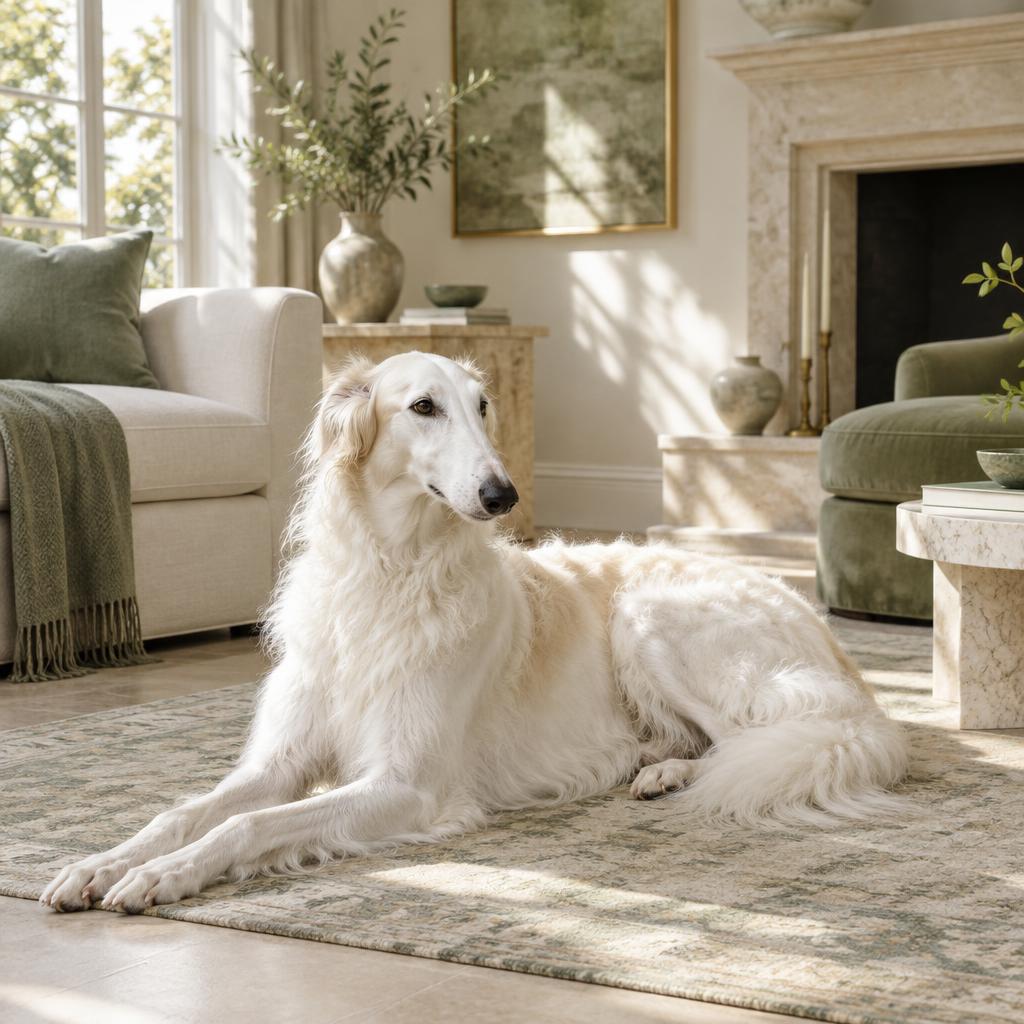
One of the most striking aspects of the Borzoi is its temperament indoors. Despite their imposing height, they are remarkably quiet housemates. In the domestic setting, a Borzoi is often described as decorative furniture, frequently found draped gracefully across a large sofa. They possess a reserved, almost aloof quality rather than demanding constant attention, which many owners find deeply appealing. This calm nature makes them surprisingly well-suited to larger homes where they can find a peaceful spot to observe the household without being underfoot.
However, this indoor serenity is only one side of the Borzoi. Once outdoors, their heritage as sighthounds becomes instantly apparent. The chase instinct in this breed is a fundamental part of their being. When a Borzoi spots a moving object, whether it is a squirrel in the park or a plastic bag, their transition to a high-speed pursuer is instantaneous. This brings us to a crucial point of honesty: the reality of recall. While some individuals can be trained to return, the breed as a whole cannot be considered reliable off-lead in open areas. Their desire to chase is often far stronger than their desire to listen to a command, and their incredible speed means they can be out of sight in seconds. Consequently, a secure, high-fenced garden or access to a fully enclosed training field is a non-negotiable requirement for their well-being.
Socially, the Borzoi is generally polite but may remain somewhat distant with strangers. They are rarely aggressive but do not greet every visitor with exuberant wags. With their own family, they are deeply affectionate in a subtle, quiet way. When considering their place in a family, they tend to do best in calm environments. While they can live with children, their large size and sensitive nature mean they are better suited to households with older children who can respect their need for space. Prospective owners should also be aware that their prey drive can extend to other small animals, so caution and management are necessary in homes with smaller pets. Any borzoi temperament assessment should account for this duality between the quiet housemate and the focused hunter.
Health is a significant consideration for a breed of this size. The most pressing concern is gastric dilatation-volvulus, commonly known as bloat. Due to their deep-chested anatomy, Borzois are at a high risk for this life-threatening condition where the stomach fills with gas and twists. Preventive measures, such as feeding smaller meals and avoiding vigorous exercise around feeding times, are essential, as is an awareness of the emergency symptoms. Beyond bloat, the breed is susceptible to heart conditions like dilated cardiomyopathy and bone cancers such as osteosarcoma. Responsible breeders will perform cardiac auscultation and echocardiograms, as well as hip scores and annual eye exams, to ensure the health of their lines and address common borzoi health problems early.
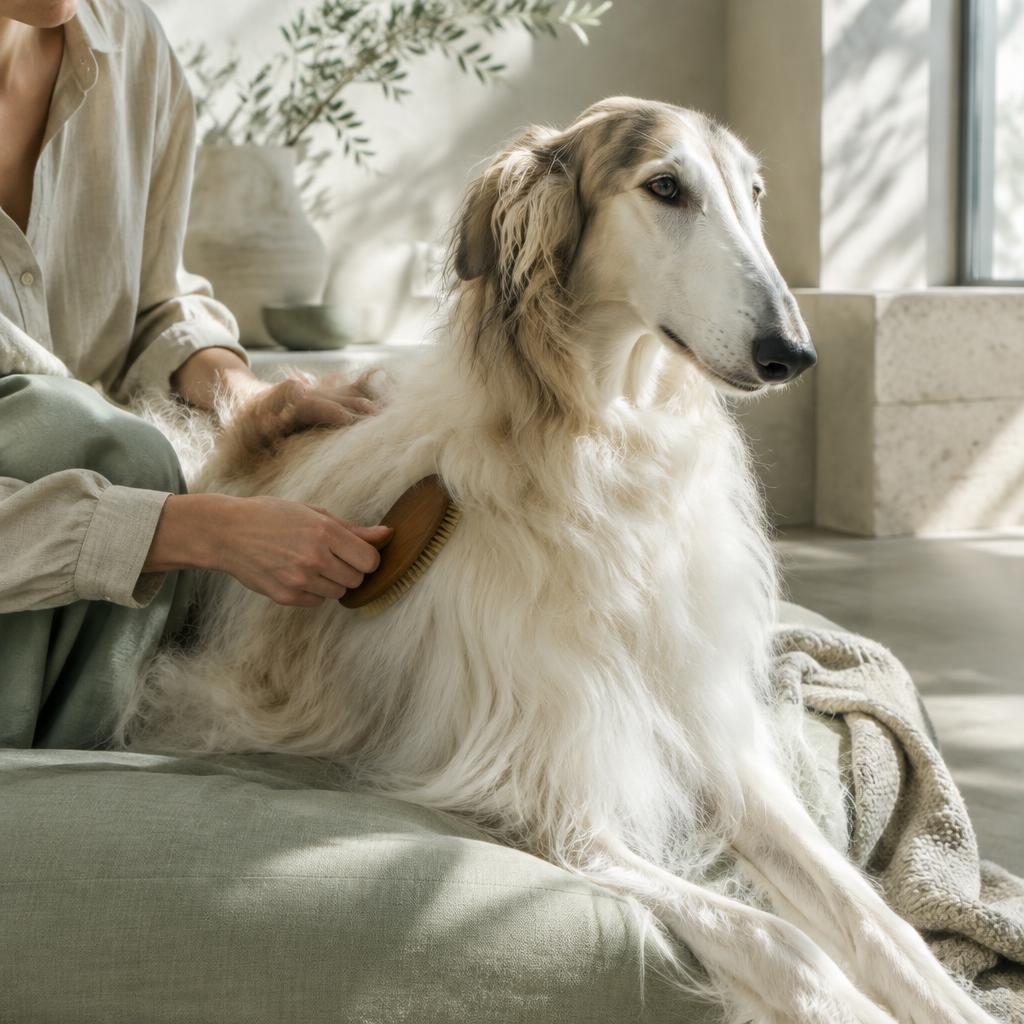
The coat of the Borzoi consists of long, silky hair that can be flat, wavy, or curly. While it looks high-maintenance, it is surprisingly resistant to dirt and mud. Once dried, mud often simply falls off the silky strands. However, the coat does require regular brushing, at least twice a week, to prevent mats from forming, particularly in the softer hair behind the ears. Owners often ask: do borzois shed? The answer is a definitive yes. They are seasonal shedders, and during their seasonal coat changes, the amount of hair lost can be substantial. Regular grooming not only keeps the dog looking its best but also serves as an opportunity to check for any unusual lumps or skin issues.
For those considering a Borzoi, it is helpful to look at related sighthounds like the Greyhound, Whippet, or the even larger Irish Wolfhound. Each of these breeds shares the sighthound silhouette and chase instinct, but the Borzoi sits in a unique space of being larger than a Whippet or Greyhound while possessing a more refined aesthetic than the Irish Wolfhound. When looking at borzoi size, they are truly impressive, with males standing up to 85 cm at the shoulder.
Ultimately, the Borzoi suits a calm home with owners who appreciate their independent spirit. They are not the right choice for someone seeking a highly obedient companion or for those who cannot provide a safe, large space for them to run. For the right owner, however, the Borzoi is a masterpiece of the canine world, offering a quiet, dignified companionship. Whether they are good pets depends entirely on the owner's ability to provide a secure environment for their instincts and the space for their significant physical presence.
A calm, dignified aristocrat of the dog world that is surprisingly low-energy indoors but requires absolute security when off-lead due to its intense prey drive.
Exercise, day to day
- 1Provide one or two long walks daily on a lead.
- 2Allow free running only in a fully enclosed, high-fenced area.
- 3Engage in low-impact activities like lure coursing for mental stimulation.
- 4Avoid strenuous exercise immediately before or after meals to reduce bloat risk.
Grooming, realistically
- 1Brush thoroughly twice a week to prevent mats.
- 2Pay close attention to the fine hair behind the ears and on the breeches.
- 3Bathe every 6 to 8 weeks to keep the silky coat clean.
- 4Trim nails regularly to prevent discomfort on their large paws.
- 5Check ears for debris and clean as needed.
What you actually need
- Slicker brush
- Pin brush
- Metal comb
- Dematting tool
- Nail clippers
- Dog-safe shampoo
Puppy to adult
| Age | Male | Female | What is happening |
|---|---|---|---|
| 8 weeks | 7 to 10 kg | 6 to 9 kg | Rapid growth phase: ensure high-quality nutrition to support bone development. |
| 3 months | 12 to 16 kg | 10 to 14 kg | Avoid over-exercising the joints during this period of significant skeletal growth. |
| 6 months | 22 to 28 kg | 18 to 24 kg | Approaching adult height: continue careful monitoring of weight and movement. |
| 9 months | 28 to 35 kg | 24 to 30 kg | Growth slows: skeletal maturity is still ongoing, so keep impact low. |
| 12 months | 32 to 40 kg | 26 to 34 kg | Near full height: filling out will continue for the next year. |
| 18 months | 34 to 48 kg | 27 to 39 kg | Muscular maturity reached: the dog has achieved its full physical presence. |
Ranges are typical, not targets. Judge condition by ribs and waist, and check with the ideal weight checker.
What to ask a breeder
- Can I see the cardiac screening results for both parents?
- What are the hip scores for the sire and dam?
- Have the parents had recent eye exams by a specialist?
- Is there a history of bloat or osteosarcoma in the immediate lineage?
- How do you socialise puppies to prepare them for domestic life?
Health tests to ask for
Ask to see results for both parents before you put down a deposit.
- Cardiac auscultation and echocardiogram
- Hip scores
- Annual eye exam
Health watch-list
What to ask a breeder about, and what to watch for over a lifetime. This is orientation, not veterinary advice, anything you notice belongs in front of a vet.
Gastric dilatation-volvulus (GDV)
Very likelyA life-threatening emergency where the stomach twists: requires immediate veterinary intervention.
Dilated cardiomyopathy (DCM)
NotableA condition where the heart becomes enlarged and weakened, affecting its ability to pump blood.
Osteosarcoma
NotableAn aggressive form of bone cancer common in large breeds: often presents as lameness.
Wobbler syndrome
UncommonA neurological condition caused by compression of the spinal cord in the neck.
Progressive retinal atrophy (PRA)
RareA degenerative eye disease that can lead to blindness: annual screening is recommended.
Hypothyroidism
UncommonAn underactive thyroid gland that can affect metabolism, energy levels and coat health.
What it costs to keep one
Realistic running cost
€295 / month
About €3,540 a year, or roughly €38,940 across a 11-year life, before purchase price, neutering and one-off vet events.
Before the puppy arrives. Budget roughly €1200 to 2500 for a crate, bed, lead and harness, bowls, puppy classes, first vaccinations and grooming kit sized for this breed. Figures throughout are indicative and vary a good deal between countries.
Interactive · built for this breed
Is a Borzoi right for your home?
Seven honest questions about your space, time and household, checked against this breed's exercise need, coat, sociability and tolerance for time alone.
Fit with your routine
93%
A strong fit
Your routine suits a Borzoi well. Meet adult dogs of the line before you commit.
What to sort out first
- Needs more daily exercise than you have pencilled in.
- Coat needs more brushing or trimming than you have allowed.
Compare more breeds in the matchmaker, or plan meals with the portion calculator.
When to call your vet
- Abdominal bloating or unproductive retching
- Limping or reluctance to put weight on a limb
- Coughing or exercise intolerance
- Difficulty rising or an unsteady gait
- Cloudiness in the eyes
Nothing here is a diagnosis. A swollen, hard belly with retching, collapse, breathing difficulty and sudden hind-leg weakness are emergencies: go straight away.
Borzoi vs the closest alternatives
Borzoi questions, answered
Are Borzois good pets?
Yes, for the right home. They are quiet, calm and dignified indoors, making them excellent companions for those who appreciate a less demanding dog. However, their high prey drive and need for secure space mean they are not suited to everyone.
Do Borzois shed?
Yes, they have a double coat that sheds throughout the year, with more significant shedding occurring twice a year during seasonal changes. Regular brushing helps manage the loose hair.
What is the typical Borzoi temperament?
Borzois are generally quiet, independent and reserved. They are affectionate with their families but can be aloof with strangers. They possess a strong chase instinct that is triggered by movement.
What are the main Borzoi health problems?
The most serious concern is bloat (GDV). Other notable issues include heart disease (DCM), bone cancer (osteosarcoma) and certain eye or neurological conditions.
How big does a Borzoi get?
Borzois are large dogs. Males typically stand between 75 and 85 cm at the shoulder, while females are slightly smaller, usually ranging from 68 to 78 cm.
Can Borzois live with other dogs?
They generally get along well with other dogs, particularly other sighthounds. However, their prey drive can be triggered by smaller dogs or pets, so careful introductions and supervision are necessary.
Is a Borzoi easy to train?
They are intelligent but independent, meaning they may not always see the point in repetitive commands. Training should be gentle, positive and focused on building a bond rather than strict obedience.
Sources
Put it into practice
Breeds people compare with this
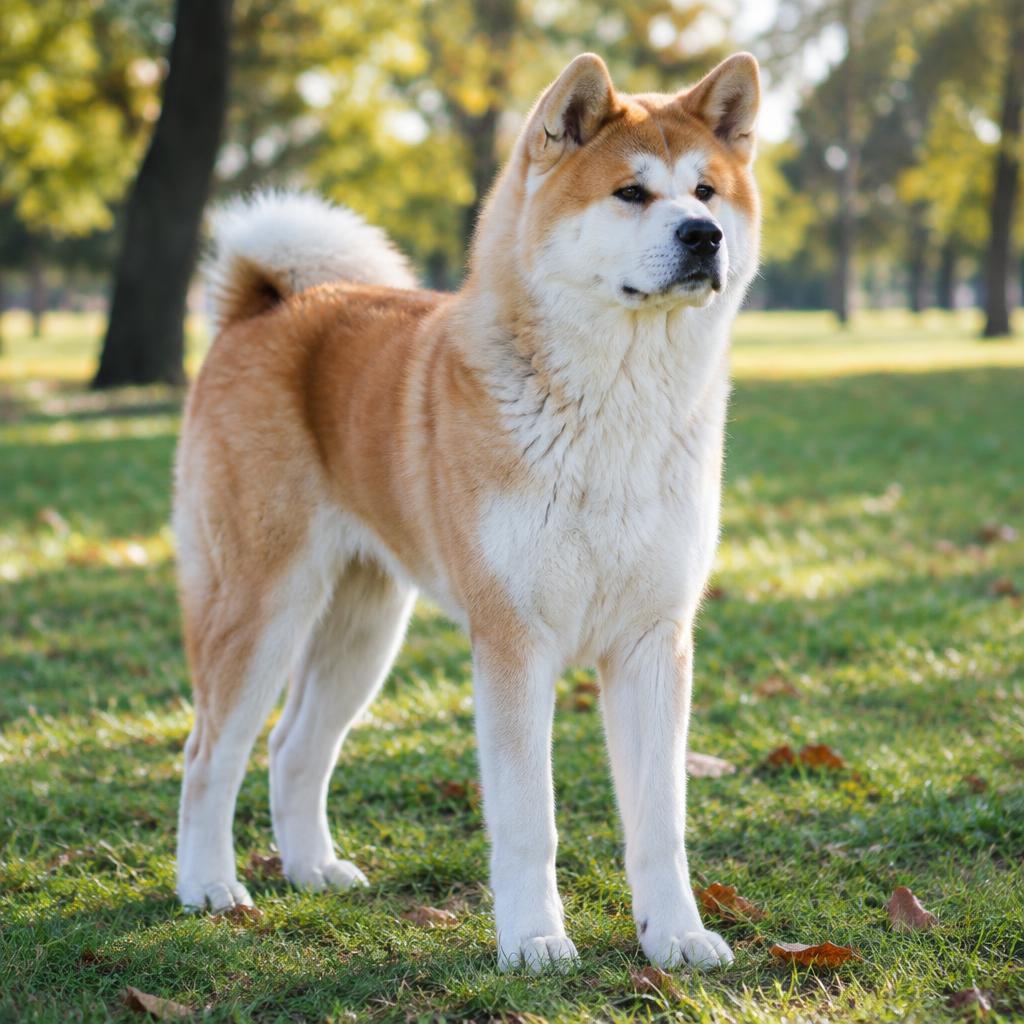
Akita
A dignified, powerful Japanese guardian that bonds closely with its family but needs serious socialisation and a firm, experienced hand.
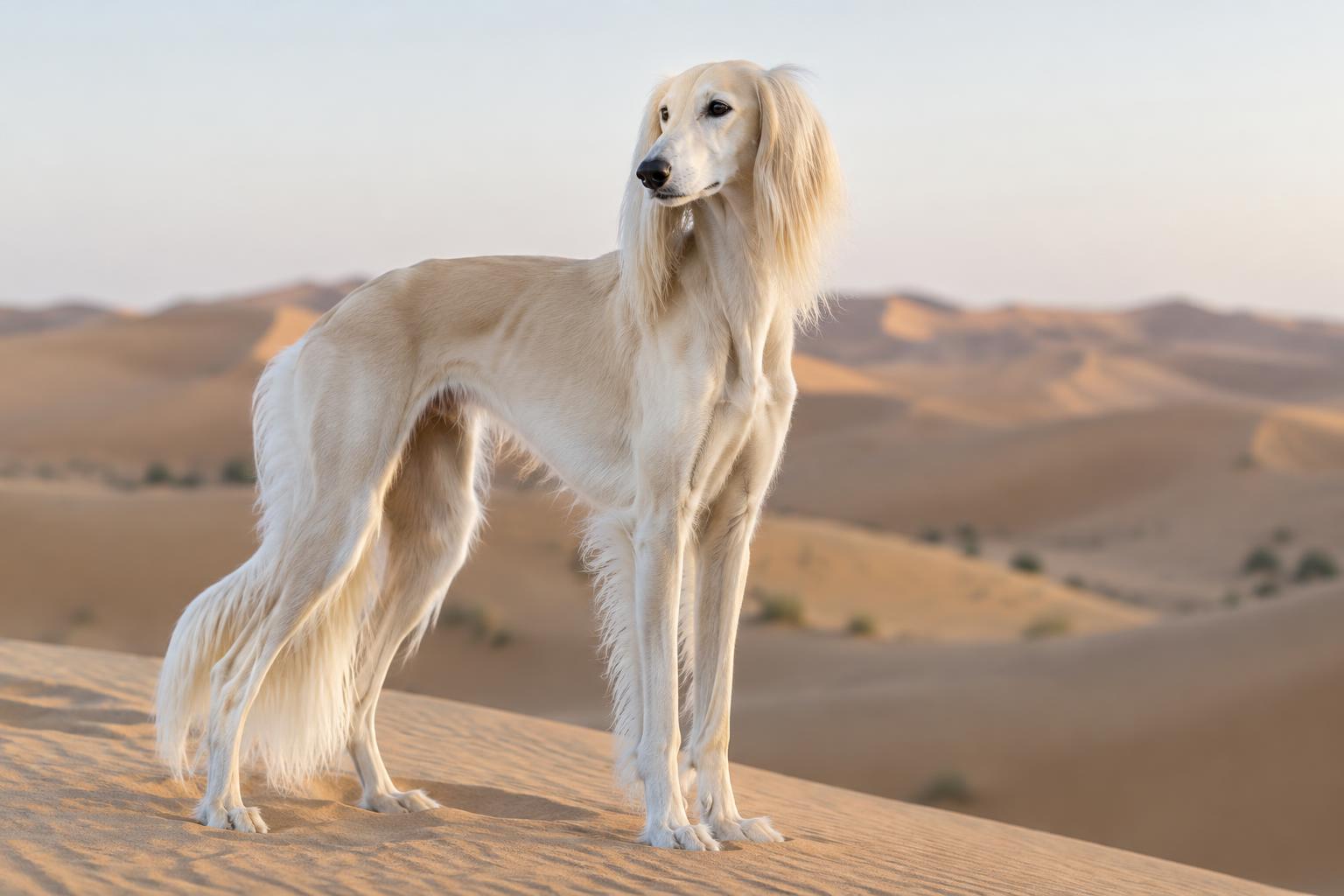
Saluki
The ancient desert sighthound: gentle at home, gone at the sight of a hare
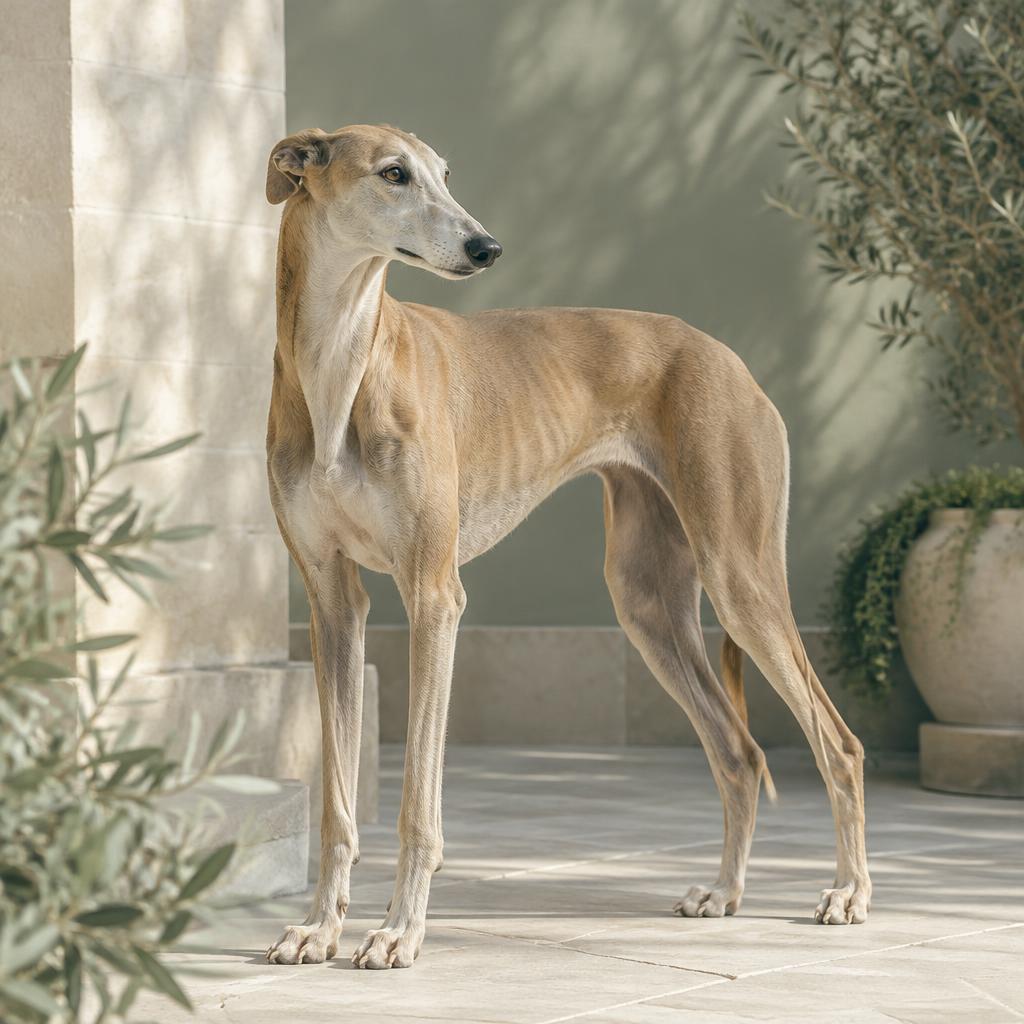
Greyhound
The ancient sofa sprinter: a calm, noble hound built for speed and deep naps.