
Hound group
Middle East and Central Asia
Saluki
A graceful, quiet sighthound for patient owners who can give it secure space to run and a soft sofa to recover on.
Reviewed by the SniffScroll editorial team
The ancient desert sighthound: gentle at home, gone at the sight of a hare
The short version
- Adults usually weigh 16 to 29 kg and stand 58 to 71 cm
- Very strong chase instinct; off-lead running only in secure areas
- Calm and quiet at home, reserved with strangers
- Easy coat: a weekly brush and comb through the feathering
- Ask for heart screening on both parents
- Weight
- 16 to 29 kg
- Height
- 58 to 71 cm
- Lifespan
- 12 to 14 yrs
- Size
- Large
- Group
- Hound
- Coat
- Smooth with silky feathering, or smooth all over
- Grown male
- 20 to 29 kg
- Grown female
- 16 to 25 kg
- Years to full size
- about 2
- One-off setup
- €700 to 1200
Get one if…
- Calm households that value quiet companionship
- Owners able to use secure fields for regular sprints
- People happy to walk on lead in open countryside
- Experienced or patient owners comfortable with independence
Think again if…
- Homes with cats or small pets
- Anyone needing reliable off-lead recall
- Gardens without tall, secure fencing
- Busy, chaotic homes with very young children
Trait profile
Scores reflect a typical adult Saluki; puppies and adolescents are far livelier.
Space & setup. Calm indoors and can manage a home without a garden if exercised well; any garden needs tall, secure fencing.
Allergies. Light shedding and little odour, but Salukis are not hypoallergenic.
Living with a Saluki
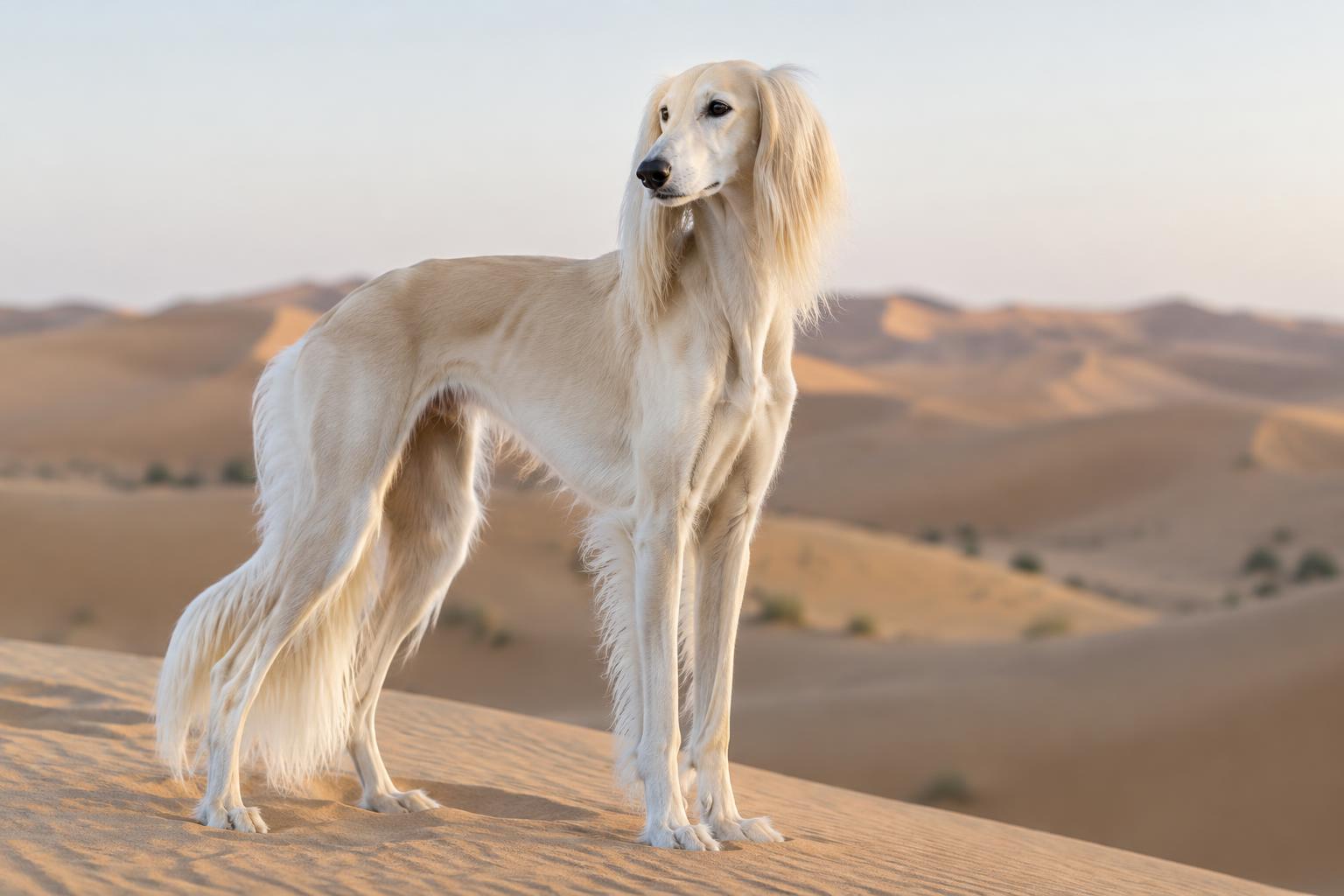
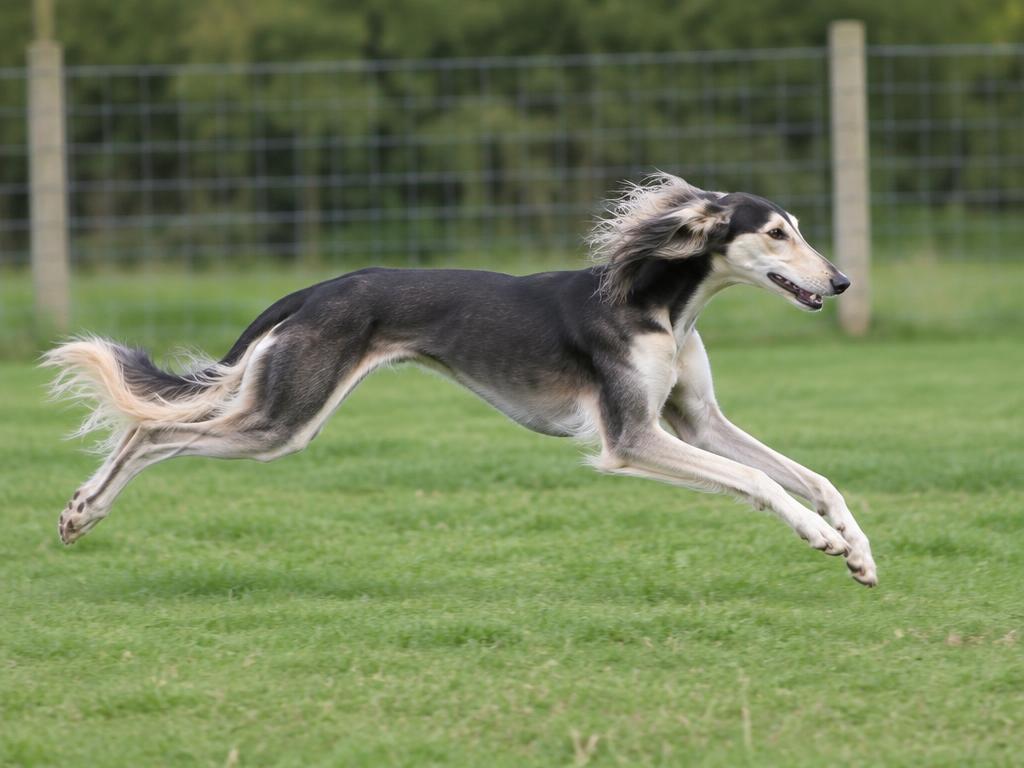
The Saluki is one of the oldest dog types in the world, bred across the Middle East to hunt gazelle and hare by sight. It is graceful, quiet and affectionate with its people, but reserved with strangers, extremely fast and driven to chase, so off-lead running must happen only in secure areas.
Few dogs carry as much history as the Saluki. Dogs that look remarkably like it appear on ancient Egyptian and Sumerian art, and for centuries nomadic tribes across the Middle East bred them to run down gazelle, hare and fox in open desert. That job shaped everything about the modern Saluki: a long, lean body, deep chest, huge stamina and eyes that lock on to movement far away.
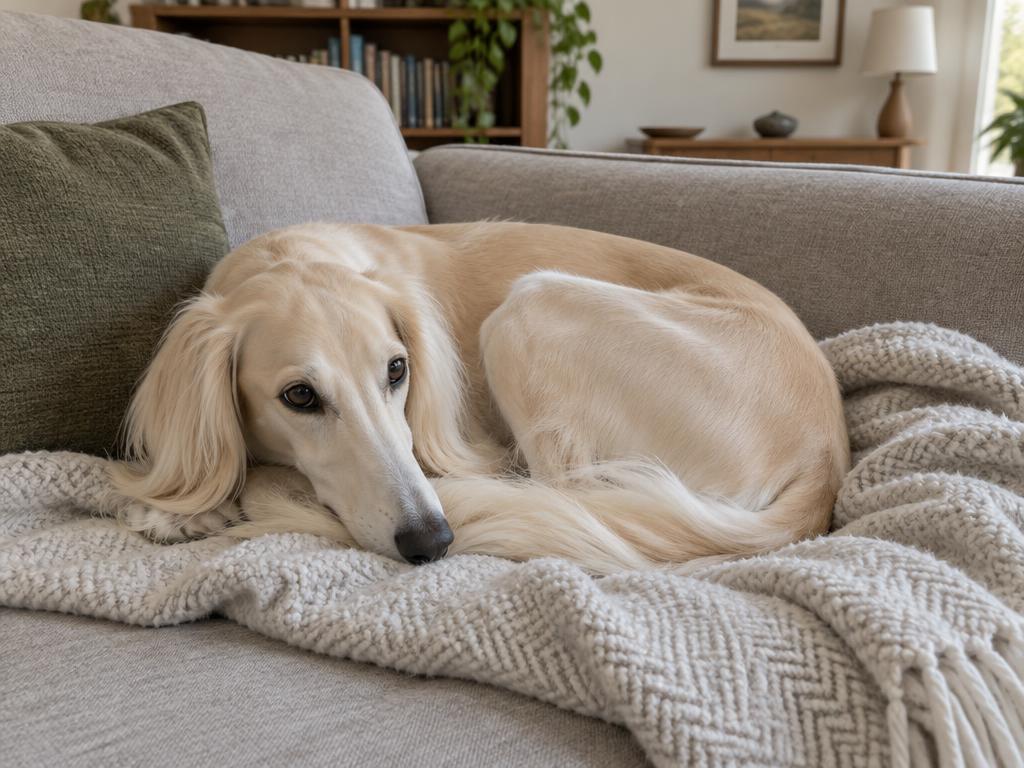
At home, many owners are surprised by how calm a Saluki is. Adults are often content to spend much of the day stretched across a sofa, preferably a soft one, because their lean frames feel hard floors keenly. They are affectionate with their own people, but in a quiet, dignified way rather than a bouncy one. With strangers they are usually reserved and aloof rather than unfriendly. They rarely bark, which makes them good neighbours.
The honest challenge is the chase. A Saluki can reach well over 60 kilometres an hour, and its instinct to pursue a fleeing animal is not something training removes. Recall is notoriously unreliable once the eyes have locked on. Most experienced owners only let Salukis off the lead in securely fenced fields, and many hire private secure dog fields for regular gallops. A garden needs tall, solid fencing, because a determined Saluki can clear a low fence with ease. Small pets such as cats, rabbits and guinea pigs are at real risk unless the dog has been raised with them, and even then caution is wise.
Exercise is about quality as much as quantity. A Saluki needs daily lead walks of around an hour plus regular chances to sprint flat out in a safe space. Without that release, some become restless and frustrated. Lure coursing, a sport where dogs chase a mechanical lure, is a wonderful outlet and is offered by many sighthound clubs.
Training needs patience and kindness. Salukis are intelligent but independent, and they were bred to make their own decisions far from their handler. They switch off quickly with harsh methods or boring repetition. Short, upbeat sessions with high-value food work best. They are sensitive dogs, and a calm household suits them better than a chaotic one.
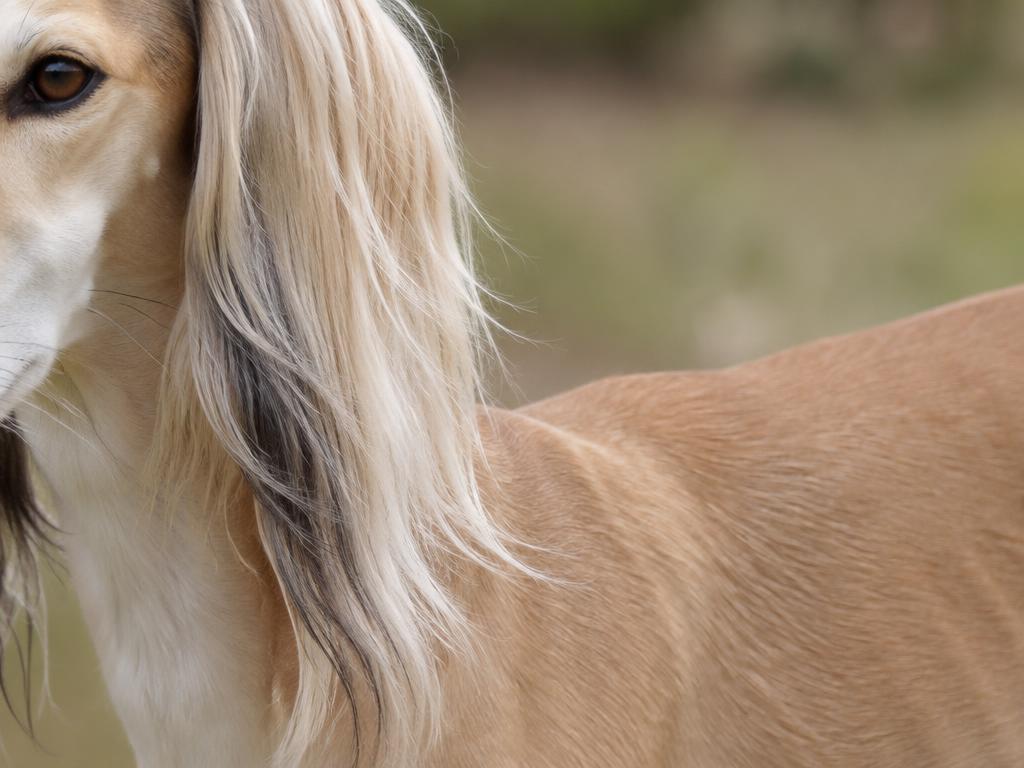
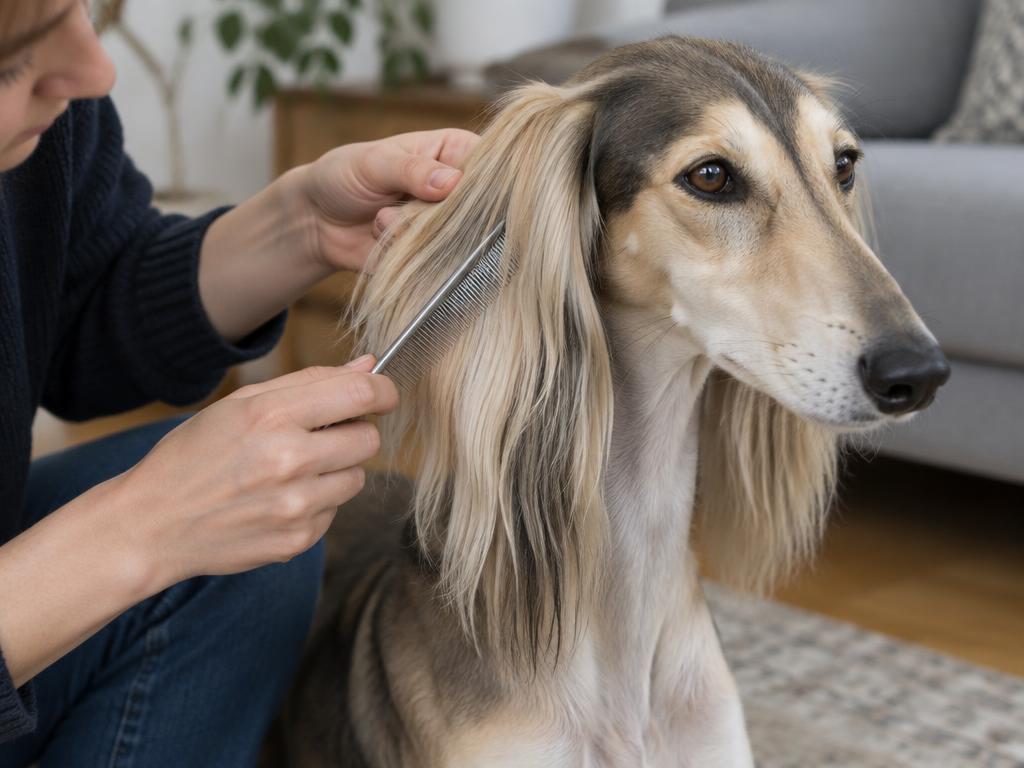
The coat is easy. Most Salukis have a smooth, silky coat with feathering on the ears, tail and legs, while the smooth variety lacks the feathering. A weekly brush and a gentle comb through the feathering, especially behind the ears, keeps it tidy. They shed lightly and have little doggy odour. Their thin skin tears easily, so check for nicks after runs through scrub.
Health is generally good, but there are breed-specific issues to know. Heart disease, particularly dilated cardiomyopathy, is the main concern, so look for breeders who have parents' hearts checked by echocardiogram. Cancers such as haemangiosarcoma occur, and hypothyroidism is recorded. Like other sighthounds, Salukis have little body fat and can be sensitive to some anaesthetics, so make sure your vet knows the breed. Their normal blood values can also differ from other breeds.
Salukis feel the cold. A warm coat for winter walks and soft bedding indoors are not luxuries but basics.
Who suits a Saluki? Calm, patient people who enjoy quiet companionship, can provide secure running space and are happy to keep a lead on in open countryside. Who should think again? Homes with small pets, anyone wanting reliable off-lead walks, and families wanting a boisterous playmate for young children. For the right person, a Saluki is a graceful, devoted and deeply rewarding dog.
A quiet, elegant companion with a sprinter's body and a hunter's eye; heavenly on the sofa, a real responsibility outdoors.
Exercise, day to day
- 1Around an hour of lead walking daily
- 2Regular flat-out sprints in a secure, fenced field
- 3Lure coursing or sighthound club runs as an outlet
- 4Gentle sniff walks and soft-surface play for puppies
Grooming, realistically
- 1Brush the body weekly
- 2Comb ear and tail feathering weekly to stop tangles
- 3Bathe only when dirty
- 4Brush teeth daily and trim nails every few weeks
What you actually need
- Soft bristle brush
- Wide-toothed metal comb
- Snood to keep ears clean at mealtimes
- Dog toothbrush and paste
- Warm winter coat
Puppy to adult
| Age | Male | Female | What is happening |
|---|---|---|---|
| 8 weeks | 4 to 6 kg | 3.5 to 5.5 kg | Gentle handling and calm socialisation; start lead and name games. |
| 3 months | 8 to 11 kg | 7 to 10 kg | Build recall foundations in safe, enclosed areas. |
| 6 months | 15 to 20 kg | 13 to 18 kg | Leggy and fast; keep free running on soft ground and in short bursts. |
| 9 months | 18 to 24 kg | 15 to 21 kg | Adolescent independence; keep the lead on in open spaces. |
| 12 months | 19 to 26 kg | 16 to 23 kg | Close to full height; still filling out through the chest. |
| 18 to 24 months | 20 to 29 kg | 16 to 25 kg | Fully mature in body and character. |
Ranges are typical, not targets. Judge condition by ribs and waist, and check with the ideal weight checker.
What to ask a breeder
- Have both parents had a heart echocardiogram?
- How old did the dogs in these lines live to, and what did they die of?
- Have the puppies met cats or other small pets?
- Can I meet the mother and see her temperament?
- Do you recommend local secure fields or coursing clubs?
Health tests to ask for
Ask to see results for both parents before you put down a deposit.
- Heart echocardiogram on both parents
- Thyroid testing where recommended by the breed club
- Breed health survey records on longevity and cancer
Health watch-list
What to ask a breeder about, and what to watch for over a lifetime. This is orientation, not veterinary advice, anything you notice belongs in front of a vet.
Dilated cardiomyopathy
UncommonHeart muscle disease recorded in the breed; echocardiogram screening helps breeders reduce risk.
Haemangiosarcoma
UncommonAn aggressive blood vessel cancer seen in several sighthounds; sudden weakness needs urgent care.
Hypothyroidism
UncommonLow thyroid hormone causing weight gain and lethargy; managed with daily tablets.
Anaesthetic sensitivity
CommonLow body fat means some drugs act differently; make sure your vet knows sighthounds.
Skin tears and injuries
CommonThin skin and high speed make cuts and toe injuries frequent in active Salukis.
Hip dysplasia
RareUncommon in the breed, but lameness should still be checked.
What it costs to keep one
Realistic running cost
€100 / month
About €1,200 a year, or roughly €15,600 across a 13-year life, before purchase price, neutering and one-off vet events.
Before the puppy arrives. Budget roughly €700 to 1200 for a crate, bed, lead and harness, bowls, puppy classes, first vaccinations and grooming kit sized for this breed. Figures throughout are indicative and vary a good deal between countries.
Interactive · built for this breed
Is a Saluki right for your home?
Seven honest questions about your space, time and household, checked against this breed's exercise need, coat, sociability and tolerance for time alone.
Fit with your routine
93%
A strong fit
Your routine suits a Saluki well. Meet adult dogs of the line before you commit.
What to sort out first
- Needs more daily exercise than you have pencilled in.
Working in your favour
- Coat care fits the grooming time you offered.
Compare more breeds in the matchmaker, or plan meals with the portion calculator.
The verdict, by household
First-time owner
Think carefully
Gentle and easy indoors, but the chase drive needs knowledge and planning.
Family with children
With older children
Calm with respectful children; dislikes rough handling and noise.
Active single or couple
Good fit
Enjoys long walks and quiet evenings with devoted people.
Home with cats or small pets
Often difficult
Strong chase instinct puts small animals at real risk.
When to call your vet
- Fainting, coughing or tiring very quickly (heart)
- Sudden weakness or pale gums (possible internal bleeding)
- Weight gain, thinning coat or lethargy (thyroid)
- Cuts or skin tears after running
- Lameness after a sprint
Nothing here is a diagnosis. A swollen, hard belly with retching, collapse, breathing difficulty and sudden hind-leg weakness are emergencies: go straight away.
Saluki vs the closest alternatives
Saluki questions, answered
Can Salukis be let off the lead?
Only in secure, fenced areas. Their chase instinct is very strong and recall becomes unreliable once they spot moving prey.
Are Salukis good with cats?
Some live happily with cats they were raised with, but many cannot be trusted with small animals. It is a real risk to plan around.
How much exercise does a Saluki need?
Around an hour of walking daily plus regular chances to sprint in a safe space. Many owners hire secure dog fields.
Do Salukis bark a lot?
No. Salukis are one of the quieter breeds and rarely bark without reason.
Are Salukis easy to train?
They are clever but independent. Short, kind, food-based sessions work; harsh or repetitive training does not.
Do Salukis get cold?
Yes. With little body fat and a thin coat, they need a warm coat in winter and soft, warm bedding indoors.
How long do Salukis live?
Most live around 12 to 14 years.
Sources
Put it into practice
Reading that goes with this



Breeds people compare with this
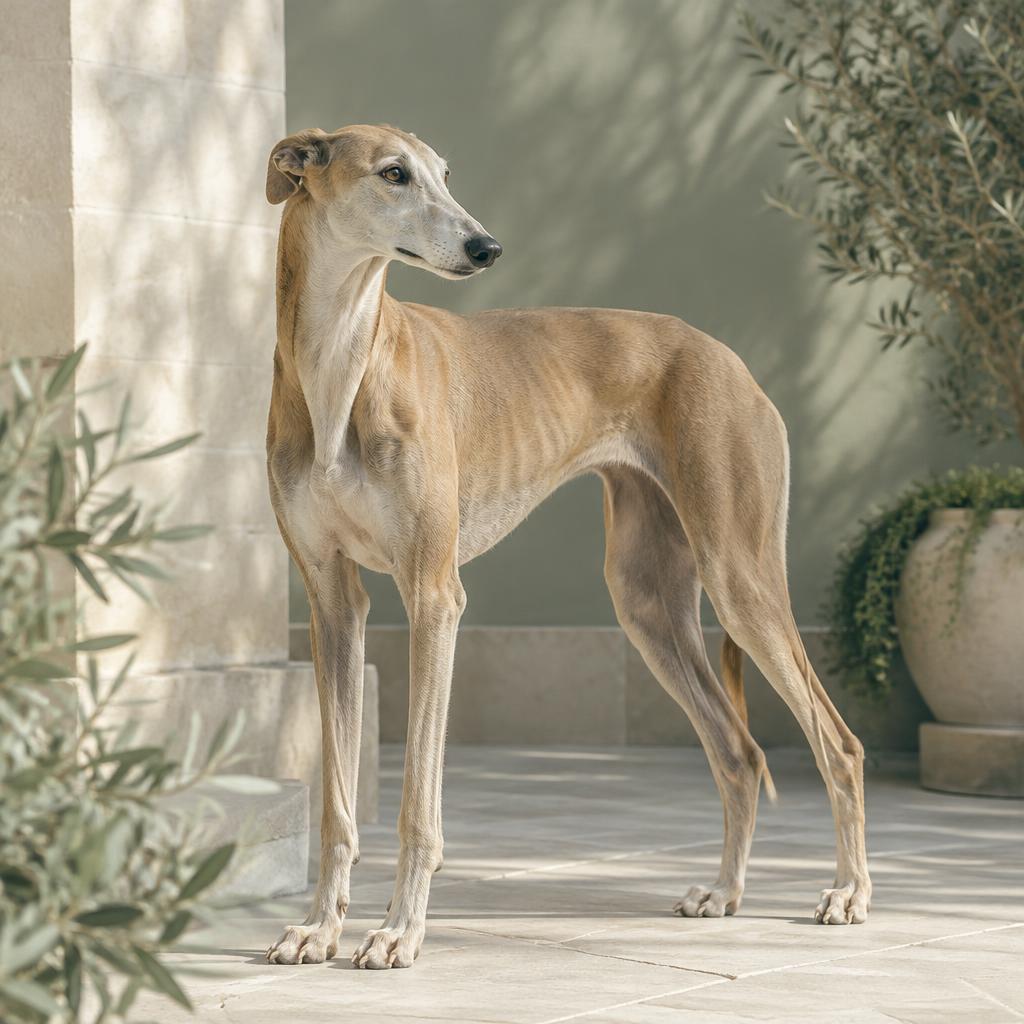
Greyhound
The ancient sofa sprinter: a calm, noble hound built for speed and deep naps.
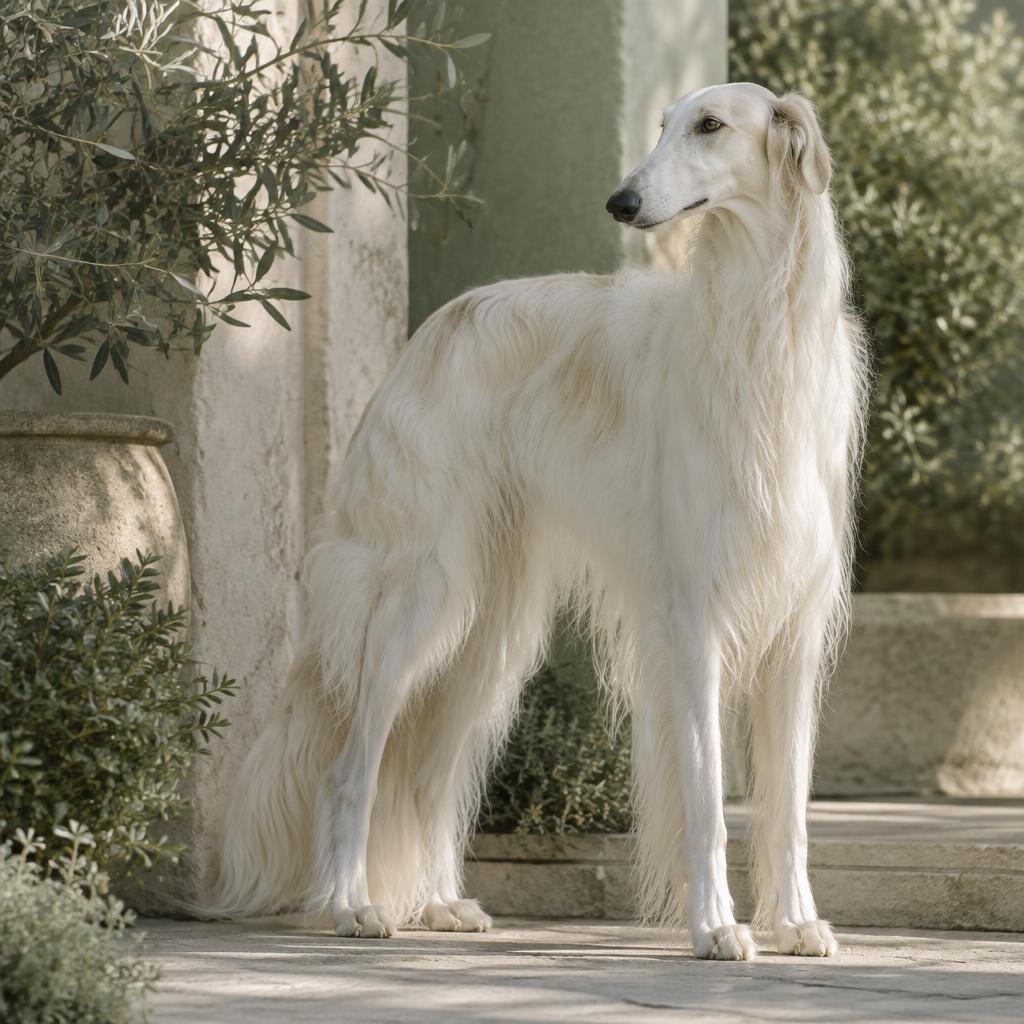
Borzoi
The aristocratic sighthound: a masterpiece of elegance, speed and quiet dignity.
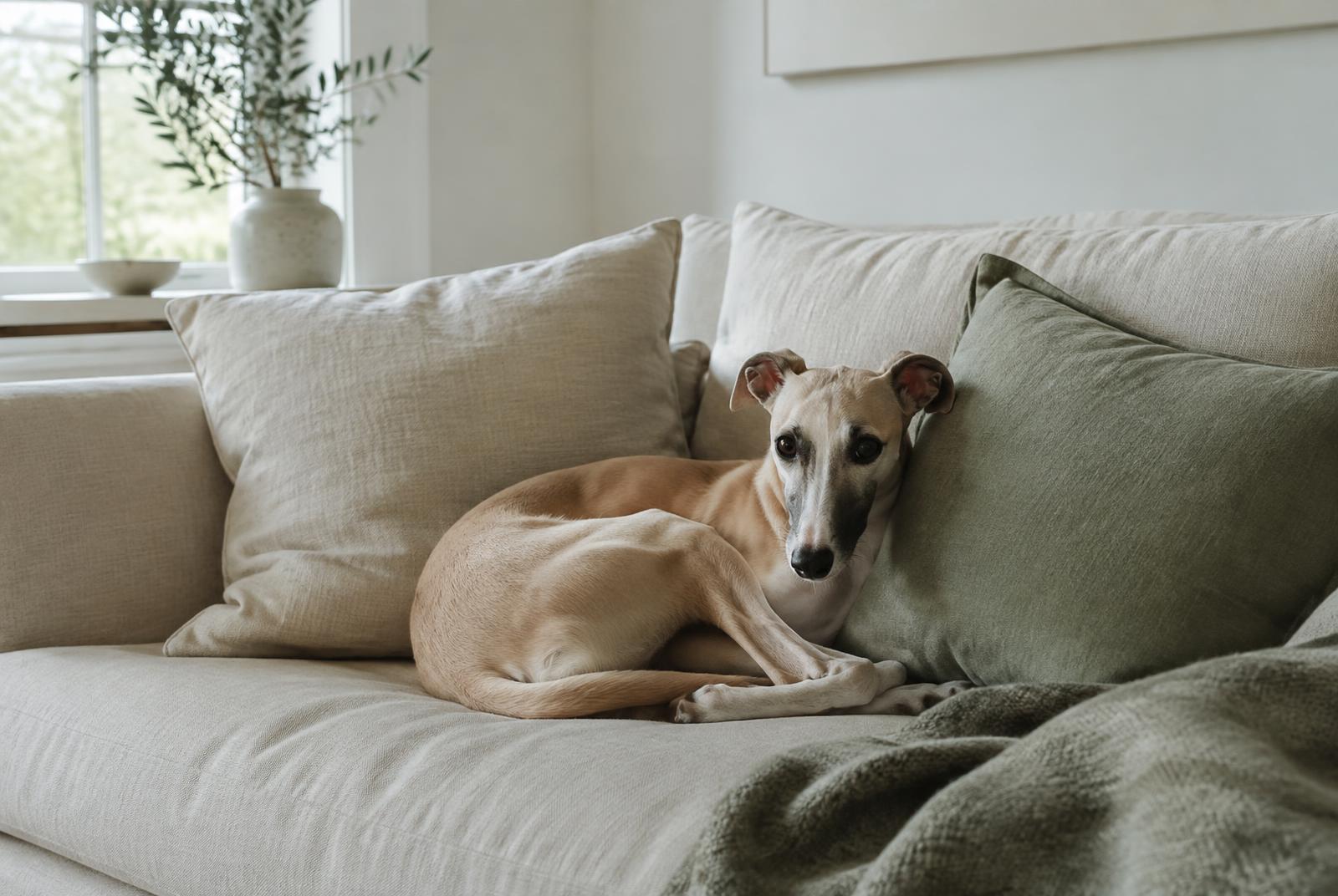
Whippet
A 35mph sprinter wrapped around a dedicated couch potato, happiest after a short burst of speed followed by hours of sleep.