Working group
Argentina
Dogo Argentino
A magnificent, powerful hunting dog that only belongs with experienced owners in places where it is legal.
Reviewed by the SniffScroll editorial team
The big-game athlete with a legal question mark
The short version
- Banned or restricted in many countries, including the UK: check the law first
- Needs two hours of serious daily exercise and consistent training
- High prey drive and dog selectivity: not a dog-park breed
- BAER hearing testing matters: congenital deafness is linked to the white coat
- Weight
- 36 to 45 kg
- Height
- 60 to 68 cm
- Lifespan
- 9 to 15 yrs
- Size
- Giant
- Group
- Working
- Coat
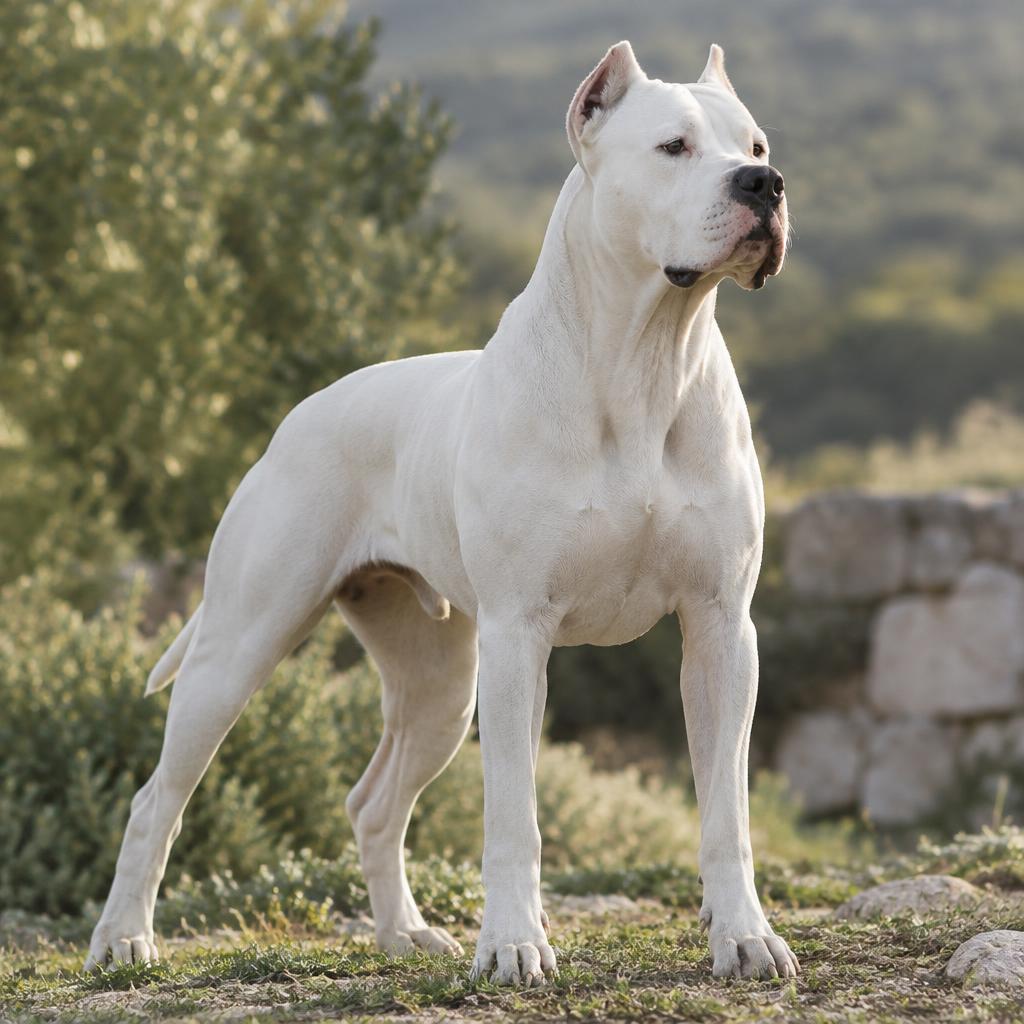
- Short, smooth white coat
- Grown male
- 40 to 45 kg
- Grown female
- 36 to 42 kg
- Years to full size
- about 2
- One-off setup
- €900 to 1800
Get one if…
- Experienced owners with working or sporting dog backgrounds
- Very active households that hike or run daily
- Owners interested in weight pull, tracking or protection sports
- Rural homes with secure land and no small pets
Think again if…
- First-time dog owners
- Families with toddlers or frequent young visitors
- Multi-dog households, especially same-sex
- Anyone living where the breed is banned or restricted
Trait profile
Scores reflect a powerful working hunter: high energy and drive, moderate sociability, real training needs.
Space & setup. Needs a house with a large, very securely fenced garden; flats and shared spaces are unsuitable.
Allergies. Not suitable for allergy sufferers; the short coat sheds moderately year round.
Living with a Dogo Argentino
The Dogo Argentino was bred in Argentina in the 1920s to hunt wild boar and puma in packs: a powerful, fearless, athletic dog with a short white coat and an intense drive to work. It is also one of the most legally restricted breeds in the world, banned or tightly controlled in the UK, Norway, Denmark, Iceland, Australia and several other countries. For experienced owners in places where it is legal, it is a loyal, trainable, deeply bonded companion. For almost everyone else, it is the wrong dog.
The Dogo Argentino is not a breed you choose because it looks impressive. It is a breed you choose because you specifically want a powerful hunting and working dog and you have the experience, space, time and legal position to own one responsibly.
Start with the law. The Dogo is banned under the UK Dangerous Dogs Act and restricted or prohibited in a long list of countries and some US states and cities. Insurance can be hard to find, some landlords and councils refuse the breed outright, and travelling with one crosses legal lines quickly. Any page that skips this does you a disservice: check your national and local rules before you fall in love with a puppy.
With the right owner, the Dogo is a remarkable dog. It bonds fiercely with its family, is playful and affectionate at home, and trains well with calm, consistent, reward-based handling. It was bred to work alongside people, and that cooperation shows. But the same breeding produced high prey drive, real physical power and a low tolerance for other dogs, particularly of the same sex. Socialisation from puppyhood is not optional, and neither is secure fencing and thoughtful management around other animals.
Exercise needs are serious: two hours a day of real work, not a stroll. Hiking, running, weight pull, tracking and structured training all suit the breed. Under-exercised Dogos become destructive and difficult, and a difficult 45 kg dog is a genuine problem.
Health is decent for the size. The headline issues are congenital deafness (linked to the white coat, BAER testing is essential), hip dysplasia and hypothyroidism. The short white coat also sunburns and shows every scrape. Lifespan runs nine to fifteen years, better than most giant breeds.
Who should own one? Experienced, active owners with secure space, no small pets, time for daily training and exercise, and a legal environment that allows the breed. Who should not? First-time owners, families with toddlers, multi-dog households, anyone in a country where the breed is banned, and anyone attracted mainly by the look.
A powerful hunting mastiff that demands experienced handling, honest legal checks and serious daily exercise.
Exercise, day to day
- 1Two hours or more of vigorous exercise daily
- 2Hiking, running or weight pull several times a week
- 3Structured obedience and impulse-control training every day
Grooming, realistically
- 1Brush weekly with a rubber mitt to lift loose hair
- 2Bathe every six to eight weeks or when muddy
- 3Check skin weekly: the white coat shows irritation and sunburn
- 4Trim nails every two to three weeks
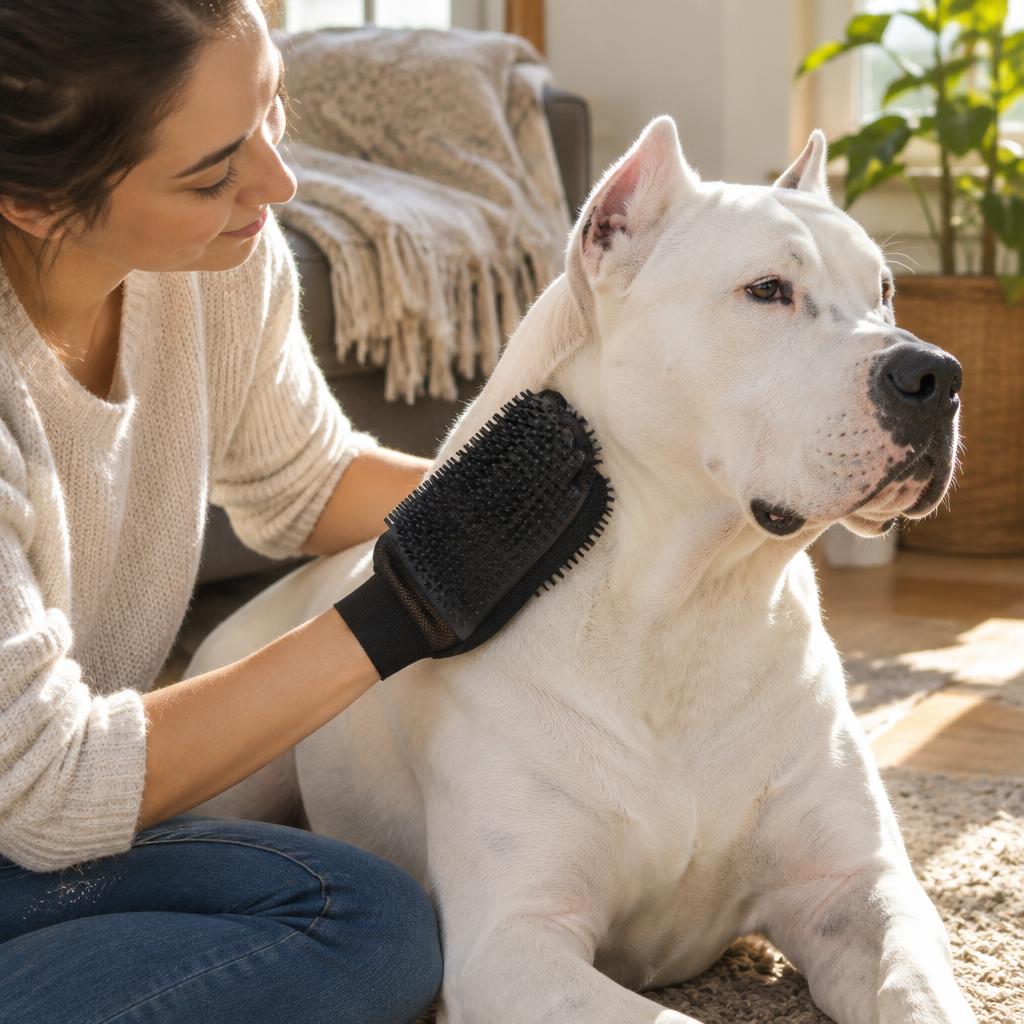
What you actually need
- Rubber grooming mitt
- Bristle brush
- Dog sunscreen for the nose and ears
- Nail clippers
Puppy to adult
| Age | Male | Female | What is happening |
|---|---|---|---|
| 8 weeks | |||
| 4 months | |||
| 6 months | |||
| 12 months | |||
| 18 months | |||
| 24 months |
Ranges are typical, not targets. Judge condition by ribs and waist, and check with the ideal weight checker.
What to ask a breeder
- Have both parents been BAER hearing tested, and can I see the certificates?
- What are the hip scores of both parents?
- How do you socialise the litter before eight weeks?
- What is the temperament of both parents with strangers and other dogs?
- Will you take the dog back at any point if it does not work out?
Health tests to ask for
Ask to see results for both parents before you put down a deposit.
- BAER hearing test for all breeding stock and puppies
- Hip and elbow scores for both parents
- Thyroid profile as the dog matures
Health watch-list
What to ask a breeder about, and what to watch for over a lifetime. This is orientation, not veterinary advice, anything you notice belongs in front of a vet.
Congenital deafness
NotableLinked to the white coat; BAER hearing testing of puppies and parents is essential.
Hip dysplasia
CommonA heavy, athletic breed needs hip-scored parents; watch for stiffness after rest.
Hypothyroidism
UncommonWeight gain, lethargy and coat changes; easy to test and treat.
Skin issues and sunburn
CommonThe short white coat sunburns and shows allergies; use dog-safe sunscreen and check skin weekly.
Elbow dysplasia
UncommonForelimb lameness in young dogs; elbow scores matter alongside hips.
Bloat (GDV)
NotableDeep-chested and large; feed two smaller meals and rest after eating.
What it costs to keep one
Realistic running cost
€135 / month
About €1,620 a year, or roughly €19,440 across a 12-year life, before purchase price, neutering and one-off vet events.
Before the puppy arrives. Budget roughly €900 to 1800 for a crate, bed, lead and harness, bowls, puppy classes, first vaccinations and grooming kit sized for this breed. Figures throughout are indicative and vary a good deal between countries.
Interactive · built for this breed
Is a Dogo Argentino right for your home?
Seven honest questions about your space, time and household, checked against this breed's exercise need, coat, sociability and tolerance for time alone.
Fit with your routine
93%
A strong fit
Your routine suits a Dogo Argentino well. Meet adult dogs of the line before you commit.
What to sort out first
- Needs more daily exercise than you have pencilled in.
Working in your favour
- Coat care fits the grooming time you offered.
Compare more breeds in the matchmaker, or plan meals with the portion calculator.
The verdict, by household
No
Too powerful, driven and legally complicated for a first dog.
With caution
Loving with its own family but too strong for homes with toddlers; best with dog-savvy teenagers.
Yes, if experienced
A superb partner for experienced owners who train and exercise daily.
No
Needs space, secure fencing and distance from other dogs.
When to call your vet
- Lameness or reluctance to exercise
- Recurrent ear infections or head shaking
- Weight gain and lethargy (possible hypothyroidism)
- Skin redness or sores on the white coat
- Any sign of hearing loss: not responding to sounds
Nothing here is a diagnosis. A swollen, hard belly with retching, collapse, breathing difficulty and sudden hind-leg weakness are emergencies: go straight away.
Dogo Argentino vs the closest alternatives
| Breed | Weight | Energy | Grooming | € / month |
|---|---|---|---|---|
| Dogo Argentino | 36 to 45 kg | 8/10 | 2/10 | €135 |
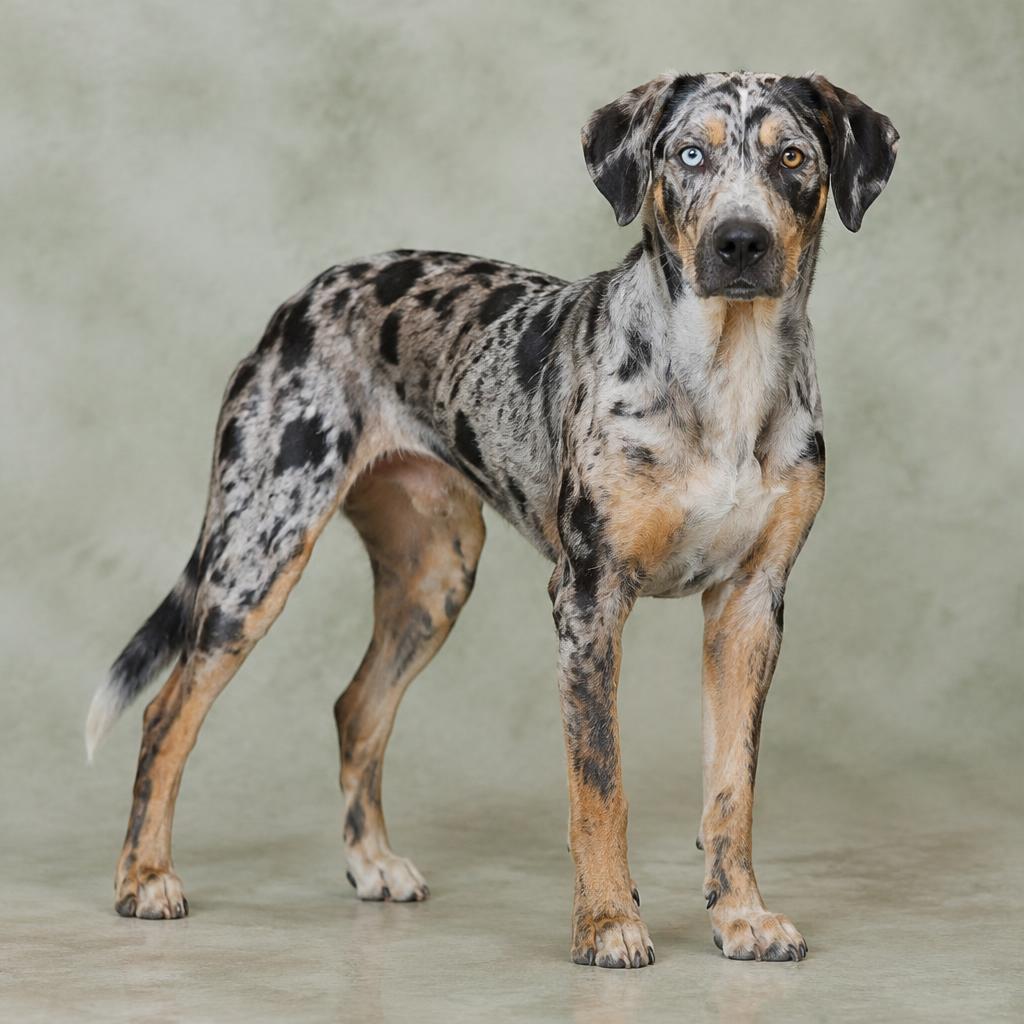
| Catahoula Leopard Dog | 20 to 34 kg | 9/10 | 2/10 | €98 |
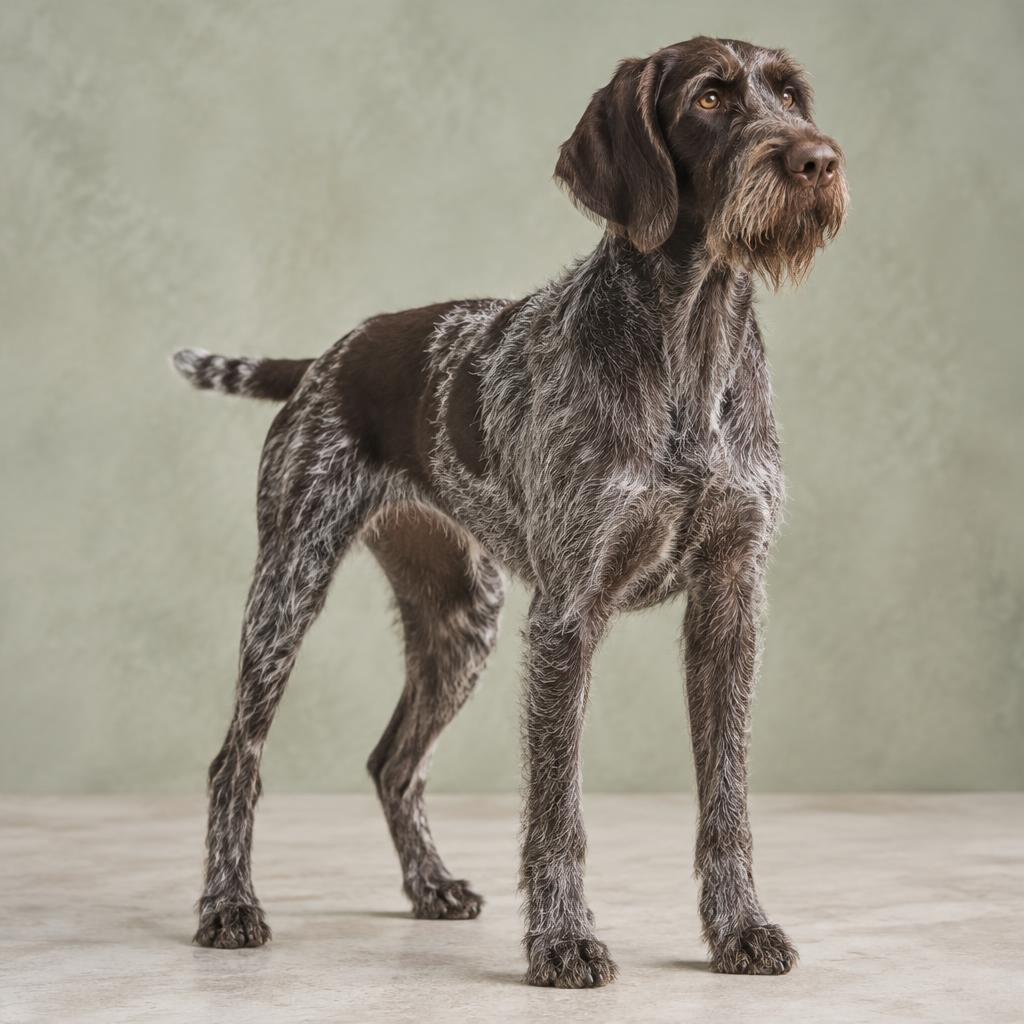
| German Wirehaired Pointer | 25 to 32 kg | 9/10 | 4/10 | €103 |
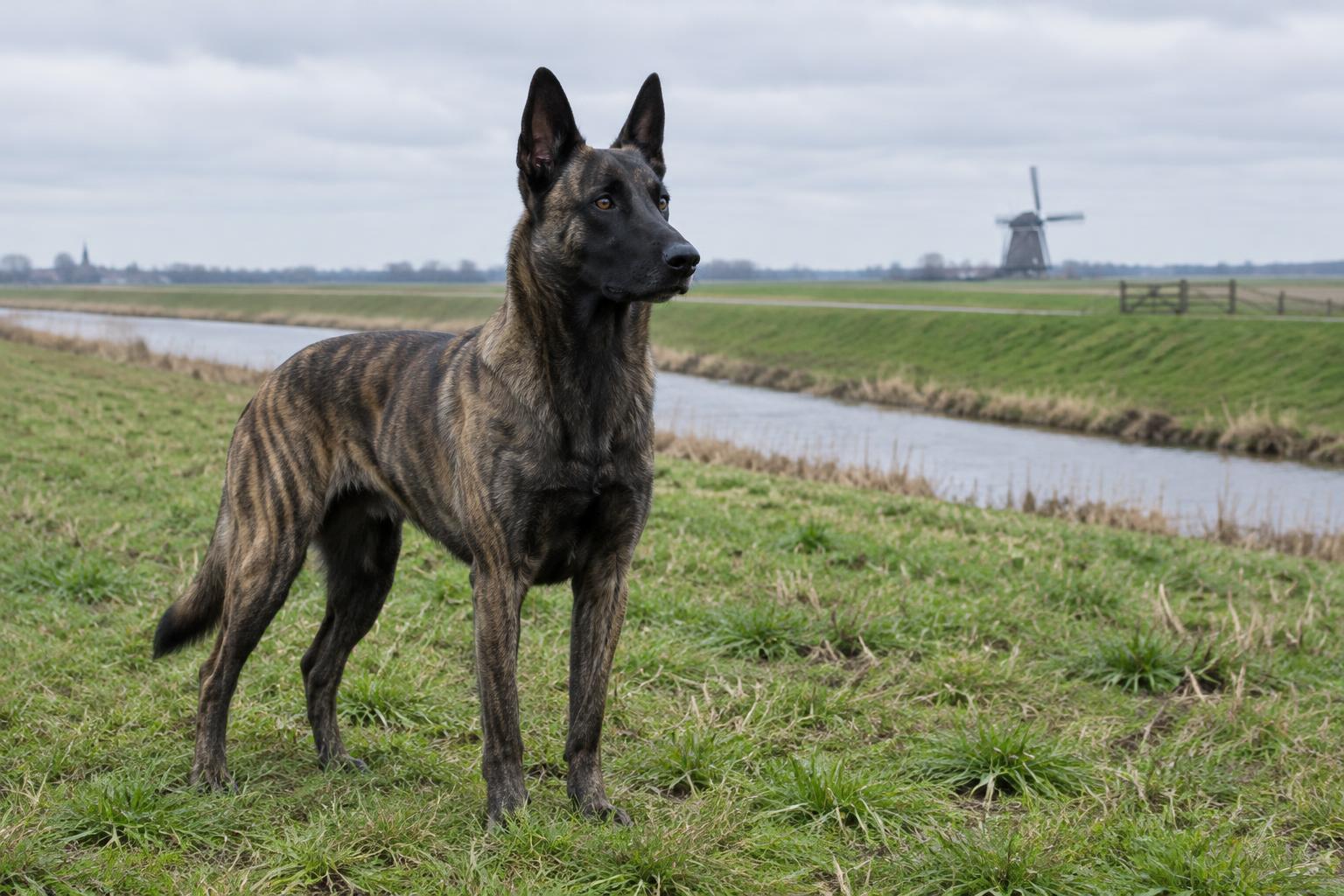
| Dutch Shepherd | 23 to 34 kg | 9/10 | 3/10 | €112 |
Dogo Argentino questions, answered
Is the Dogo Argentino legal in the UK?
No. The Dogo Argentino is one of the breeds banned under the Dangerous Dogs Act 1991, alongside the Pit Bull Terrier, Japanese Tosa and Fila Brasileiro. Ownership, breeding, sale and rehoming are illegal. Several other countries and some US cities also ban or restrict the breed, so always check local law before considering one.
Are Dogo Argentinos aggressive?
A well-bred, well-socialised Dogo is typically stable and affectionate with its family. However, the breed has high prey drive, real power and frequent intolerance of other dogs, especially of the same sex. It needs experienced handling, early socialisation and honest management. It is not a breed for casual or first-time owners.
How much exercise does a Dogo Argentino need?
At least two hours a day of real work: hiking, running, weight pull, tracking and structured training. A short walk does not touch a breed built to hunt big game. Under-exercised Dogos become destructive and difficult to manage.
Do Dogo Argentinos shed?
Moderately, year round. The short white coat is easy to maintain with weekly brushing, but white hairs show on dark furniture and clothing.
Why are so many Dogo Argentinos deaf?
Congenital deafness is linked to the genes that produce the all-white coat. Responsible breeders BAER test all breeding stock and puppies. Never buy a Dogo puppy without hearing test results.
Can a Dogo Argentino live with other dogs?
Often not, particularly with dogs of the same sex. The breed was developed to hunt in packs but is frequently dog-selective or dog-aggressive as an adult. Careful socialisation helps, but many Dogos do best as the only dog.
How long do Dogo Argentinos live?
Typically nine to fifteen years, which is good for a dog of its size. Keeping it lean, exercised and health-screened gives the best chance of a long life.