
Utility group
Netherlands
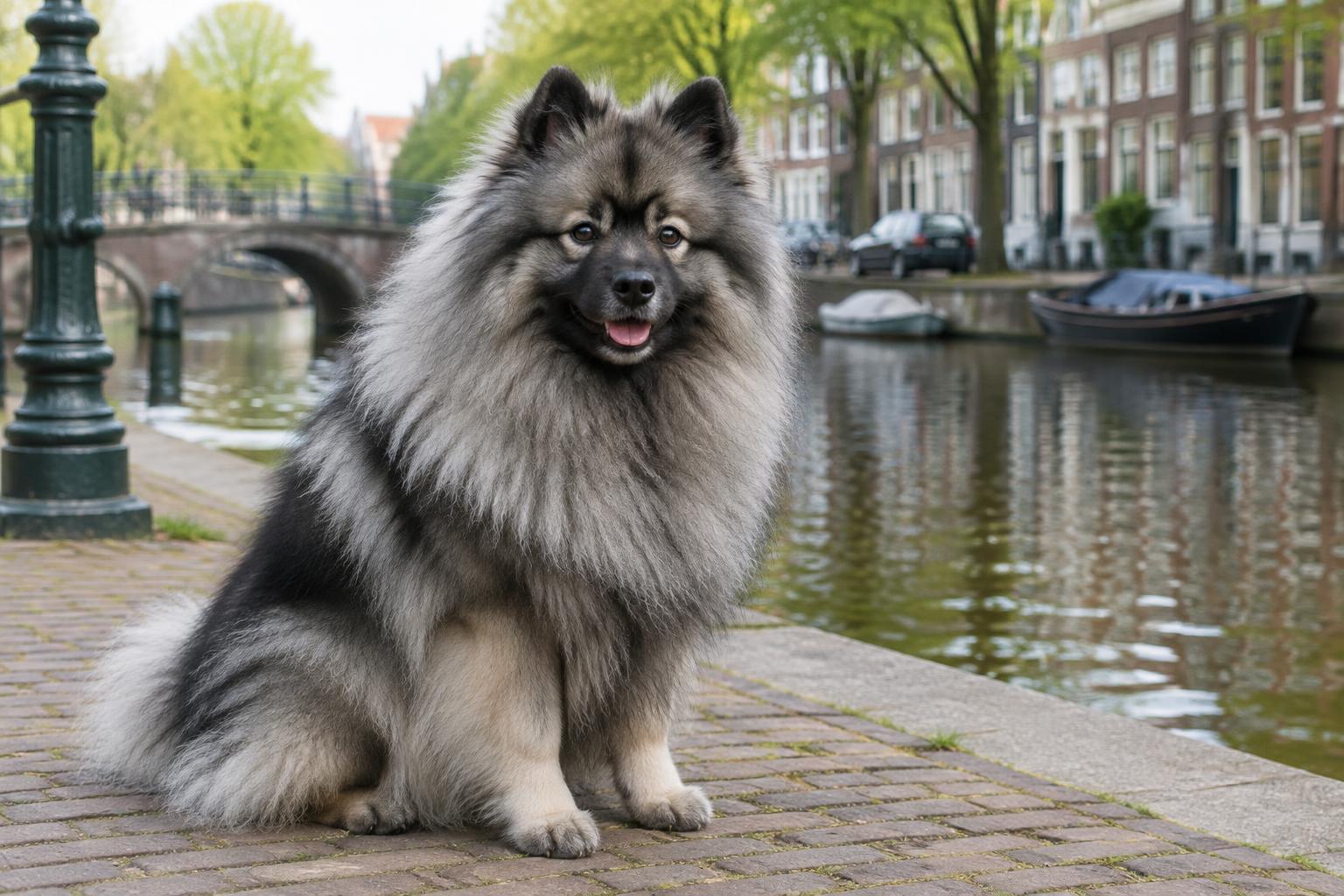
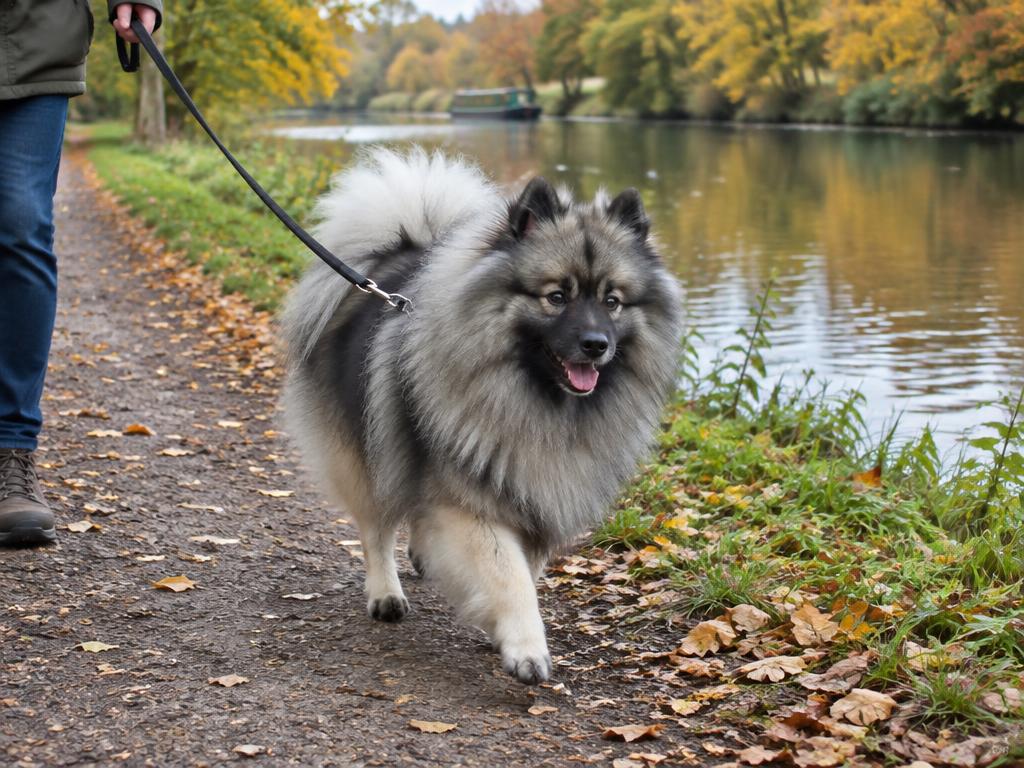
Keeshond
A smiling, sociable Dutch spitz for families who are home a lot and happy to brush, and to hear about every visitor.
Reviewed by the SniffScroll editorial team
The smiling Dutch barge dog: sociable, chatty and very fluffy
The short version
- Adults usually weigh 15 to 20 kg and stand 43 to 46 cm
- Friendly, family-focused and usually good with children and other pets
- Vocal watchdog; teach a quiet cue early
- Heavy coat blow twice a year; never shave
- Ask for a primary hyperparathyroidism DNA test and hip scores
- Weight
- 15 to 20 kg
- Height
- 43 to 46 cm
- Lifespan
- 12 to 15 yrs
- Size
- Medium
- Group
- Utility
- Coat
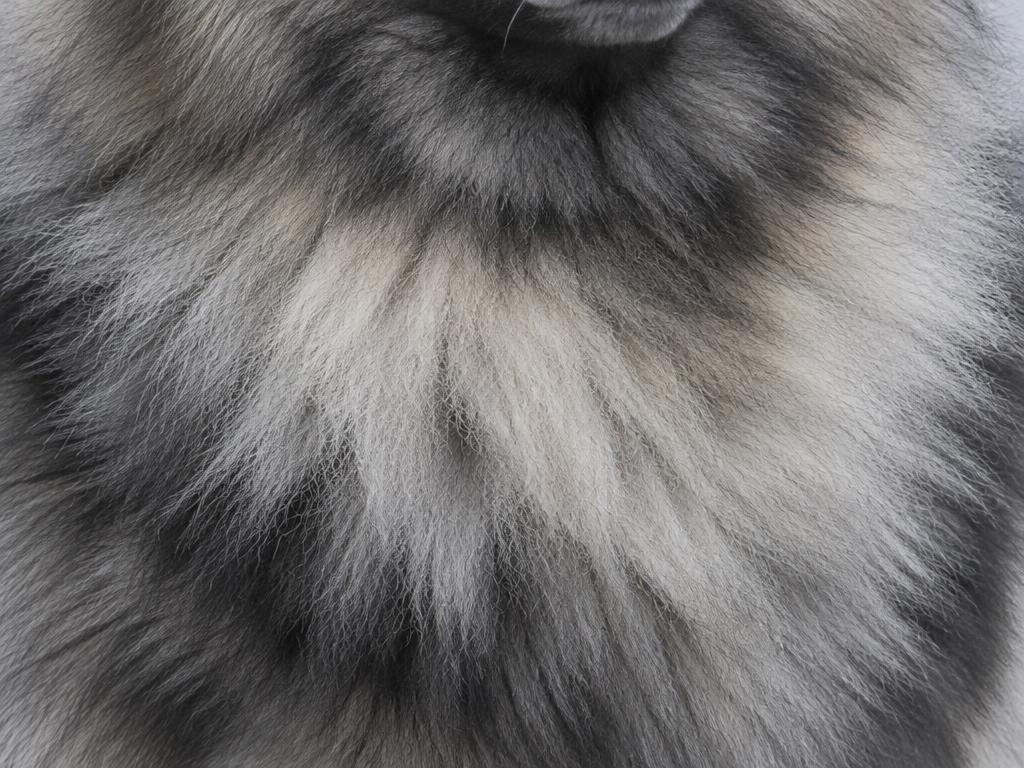
- Thick, harsh double coat with a plush ruff
- Grown male
- 16 to 20 kg
- Grown female
- 15 to 19 kg
- Years to full size
- about 1.5
- One-off setup
- €600 to 1100
Get one if…
- Families who are home a lot
- Owners who enjoy regular brushing
- Homes with other pets
- People wanting a friendly, trainable companion
Think again if…
- Owners out at work all day
- Thin-walled flats where barking matters
- Hot climates without air conditioning
- Allergy sufferers
Trait profile
Scores reflect a typical adult Keeshond.
Space & setup. Adapts to most homes with daily walks; barking can be an issue in shared buildings.
Allergies. Sheds heavily, especially during the twice-yearly coat blow; not suitable for allergy sufferers.
Living with a Keeshond
The Keeshond is a medium-sized spitz from the Netherlands, once a watchdog on river barges. It is friendly, people-loving and good with children, with distinctive spectacle markings and a thick double coat that blows heavily twice a year. It is vocal and dislikes being left alone.
The Keeshond, pronounced roughly "kayz-hond", grew up on the canals and rivers of the Netherlands. For centuries these dogs travelled on barges as companions and watchdogs, small enough not to take up much room and alert enough to bark at anyone stepping aboard. In the eighteenth century the breed became a symbol of a Dutch political faction, named after its leader, Kees de Gyselaer. Today it is above all a family dog, and a very good one.
The first thing people notice is the face. Dark lines running from the eyes towards the ears give the Keeshond its famous spectacles, and the mouth often turns up in what looks like a smile. That expression matches the temperament. Keeshonden are friendly, outgoing and deeply attached to their families. They were never bred to hunt or herd, so they have little prey drive and usually get on well with other dogs and, with sensible introductions, cats.
They are people dogs in the fullest sense. A Keeshond wants to be in the same room as you, and many follow their owners from one room to the next. That makes them wonderful companions for families and retired owners who are at home a lot, and a poor choice for anyone out all day. Left alone too long, they can become vocal and unhappy.
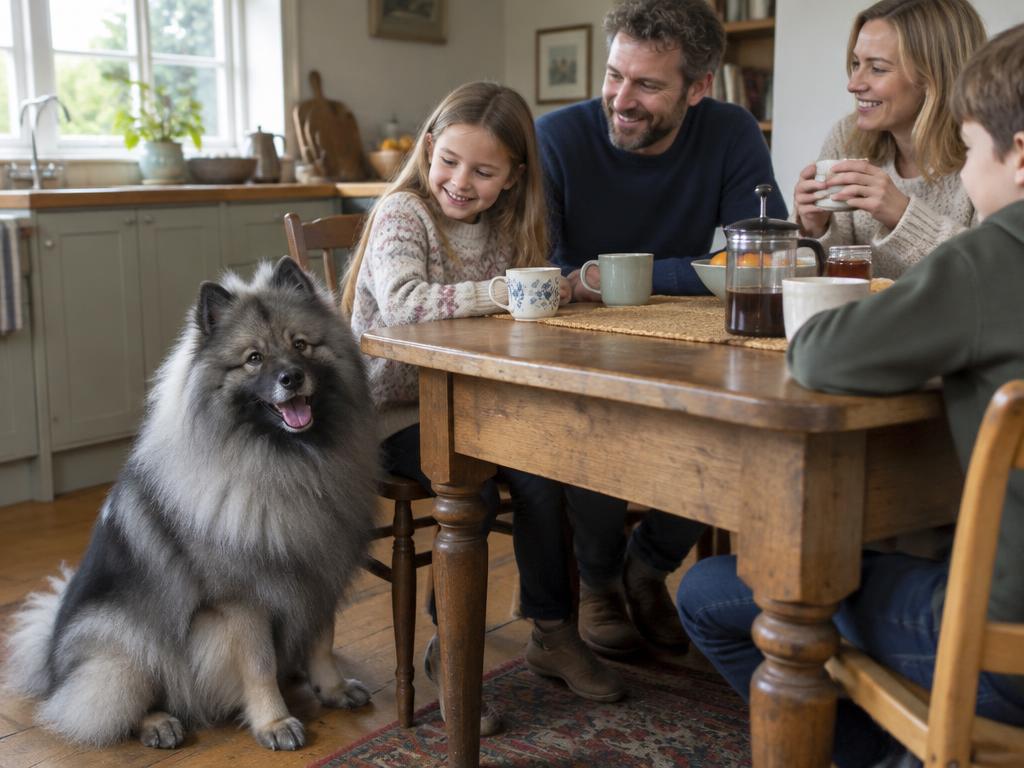
That voice is worth taking seriously. Keeshonden were bred as watchdogs, and they still bark to announce visitors, delivery drivers and anything else they find interesting. They are not aggressive guards, but they are effective alarm systems. Early training to teach a quiet cue, and plenty of company and activity, keeps it manageable. In flats with thin walls, think about the neighbours.
Exercise needs are moderate. Around an hour a day of walks and play suits most adults. They enjoy training and often do well in obedience, agility and rally, learning quickly with rewards. They can be sensitive, so a kind approach works better than a stern one. They cope well with cold but struggle in heat because of the coat, so walk early and late in summer.
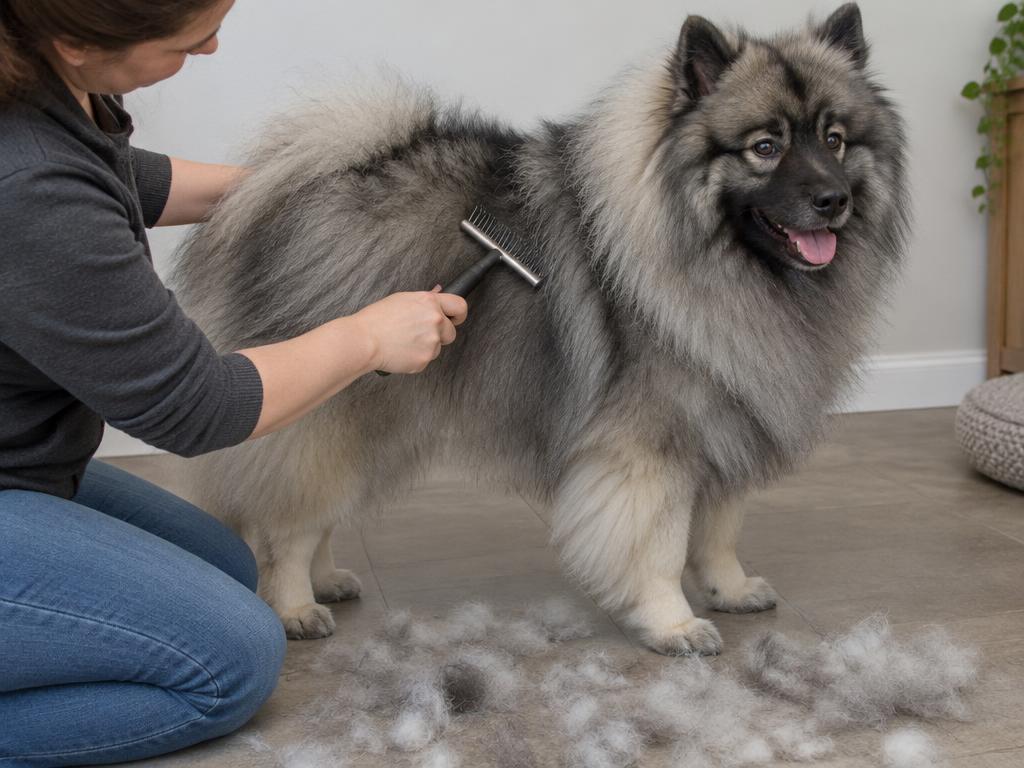
Grooming is the big commitment. The coat is a harsh outer layer over a thick, soft undercoat. Weekly line brushing down to the skin keeps it healthy, and twice a year, the coat blows: the undercoat comes out in handfuls over two or three weeks, and daily raking becomes essential. The coat should never be shaved, because it insulates against both heat and cold and may not grow back properly. Despite the volume, a well-kept Keeshond has very little doggy smell.
Health is generally good, and the breed has several useful screening tools. Primary hyperparathyroidism, a condition that raises blood calcium and can cause bladder stones and kidney damage, has a DNA test, and responsible breeders use it. Hip dysplasia and patellar luxation should be screened, and epilepsy occurs in some lines. Eye examinations are worthwhile, and as with many breeds, keeping a Keeshond lean protects its joints.
Costs are moderate. Food and insurance are typical of a medium dog, while grooming can be done at home with good tools and a little patience, or handed to a professional a few times a year.
Who suits a Keeshond? Families, couples and older owners who are home a lot, enjoy a chatty, sociable dog and do not mind fur. Who should think again? Anyone who needs a quiet dog, anyone out at work all day, and anyone hoping to avoid regular brushing. For the right home, the Keeshond is a joyful, loyal and genuinely smiley companion.
A cheerful, family-centred spitz with a famous smile; easy to love, but ready to shed and to tell you about every visitor.
Exercise, day to day
- 1Around an hour of walks and play daily
- 2Training games, agility or rally for the busy mind
- 3Cooler walks in summer; the coat holds heat
Grooming, realistically
- 1Line brush to the skin once or twice a week
- 2Rake daily during the twice-yearly coat blow
- 3Never shave the double coat
- 4Brush teeth daily and trim nails monthly
What you actually need
- Pin brush
- Slicker brush
- Undercoat rake
- Metal comb
- High-velocity dryer (optional)
Puppy to adult
| Age | Male | Female | What is happening |
|---|---|---|---|
| 8 weeks | 2.5 to 4 kg | 2.3 to 3.6 kg | Fluffy and sociable; start brushing, handling and quiet cues. |
| 3 months | 5 to 7.5 kg | 4.5 to 7 kg | Socialise widely; puppy classes suit this eager learner. |
| 6 months | 10 to 14 kg | 9 to 13 kg | Puppy coat sheds out; the first big moult can be dramatic. |
| 9 months | 13 to 17 kg | 12 to 16 kg | Adolescent barking may increase; reward calm behaviour. |
| 12 months | 14 to 19 kg | 13 to 18 kg | Close to adult size. |
| 18 months | 15 to 20 kg | 14 to 19 kg | Fully mature, with the adult ruff in place. |
Ranges are typical, not targets. Judge condition by ribs and waist, and check with the ideal weight checker.
What to ask a breeder
- Have both parents been DNA tested for primary hyperparathyroidism?
- Are both parents hip scored and patella checked?
- Is there any epilepsy in the lines?
- Can I meet the mother?
- How do you help puppies learn to settle quietly?
Health tests to ask for
Ask to see results for both parents before you put down a deposit.
- Primary hyperparathyroidism DNA test
- Hip score on both parents
- Patella check
- Eye examination
Health watch-list
What to ask a breeder about, and what to watch for over a lifetime. This is orientation, not veterinary advice, anything you notice belongs in front of a vet.
Primary hyperparathyroidism
UncommonRaises blood calcium and can cause bladder stones; a DNA test lets breeders avoid affected puppies.
Hip dysplasia
UncommonScreened by hip scoring; keep dogs lean to protect joints.
Patellar luxation
UncommonA slipping kneecap causing a skipping gait; checked by a vet.
Epilepsy
UncommonSeizures occur in some lines; ask breeders about family history.
Hypothyroidism
UncommonCan cause weight gain and coat changes; treated with daily tablets.
Heat stress
CommonThe thick coat holds heat; avoid exercise in warm parts of the day.
What it costs to keep one
Realistic running cost
€88 / month
About €1,056 a year, or roughly €14,784 across a 14-year life, before purchase price, neutering and one-off vet events.
Before the puppy arrives. Budget roughly €600 to 1100 for a crate, bed, lead and harness, bowls, puppy classes, first vaccinations and grooming kit sized for this breed. Figures throughout are indicative and vary a good deal between countries.
Interactive · built for this breed
Is a Keeshond right for your home?
Seven honest questions about your space, time and household, checked against this breed's exercise need, coat, sociability and tolerance for time alone.
Fit with your routine
94%
A strong fit
Your routine suits a Keeshond well. Meet adult dogs of the line before you commit.
What to sort out first
- Needs more daily exercise than you have pencilled in.
- Coat needs more brushing or trimming than you have allowed.
Compare more breeds in the matchmaker, or plan meals with the portion calculator.
The verdict, by household
First-time owner
Good fit
Friendly, trainable and forgiving; the coat is the main learning curve.
Family with children
Good fit
A patient, playful family dog that loves company.
Active single or couple
Good fit
Happy with moderate walks and lots of time together.
Flat with close neighbours
Think carefully
Alarm barking can cause friction without training.
When to call your vet
- Straining or blood in urine (bladder stones)
- Drinking and urinating much more than usual
- Skipping on a back leg (patellas)
- Seizures or unexplained collapse
- Panting heavily in warm weather
Nothing here is a diagnosis. A swollen, hard belly with retching, collapse, breathing difficulty and sudden hind-leg weakness are emergencies: go straight away.
Keeshond vs the closest alternatives
| Breed | Weight | Energy | Grooming | € / month |
|---|---|---|---|---|
| Keeshond | 15 to 20 kg | 6/10 | 7/10 | €88 |
| Cockapoo | 4.5 to 11 kg | 6/10 | 8/10 | €163 |
| Bernedoodle | 11 to 41 kg | 6/10 | 8/10 | €194 |
| Labradoodle | 15 to 30 kg | 8/10 | 7/10 | €209 |
Keeshond questions, answered
How do you pronounce Keeshond?
Roughly 'kayz-hond'. The plural is Keeshonden.
Do Keeshonden shed a lot?
Yes. They shed year round and blow their undercoat heavily twice a year, when daily raking is needed for two or three weeks.
Should I shave my Keeshond in summer?
No. The double coat insulates against heat as well as cold, and shaving can damage it. Brush out loose undercoat instead.
Are Keeshonden good family dogs?
Very. They are friendly, patient and love company, and usually get on well with children and other pets.
Do Keeshonden bark a lot?
They are alert watchdogs and bark to announce visitors. Training a quiet cue and keeping them company helps.
Can a Keeshond be left alone?
Not for long. They are people dogs and can become vocal or unhappy if left for long hours.
How long do Keeshonden live?
Most live around 12 to 15 years.
Sources
Put it into practice
Reading that goes with this



Breeds people compare with this
Cockapoo
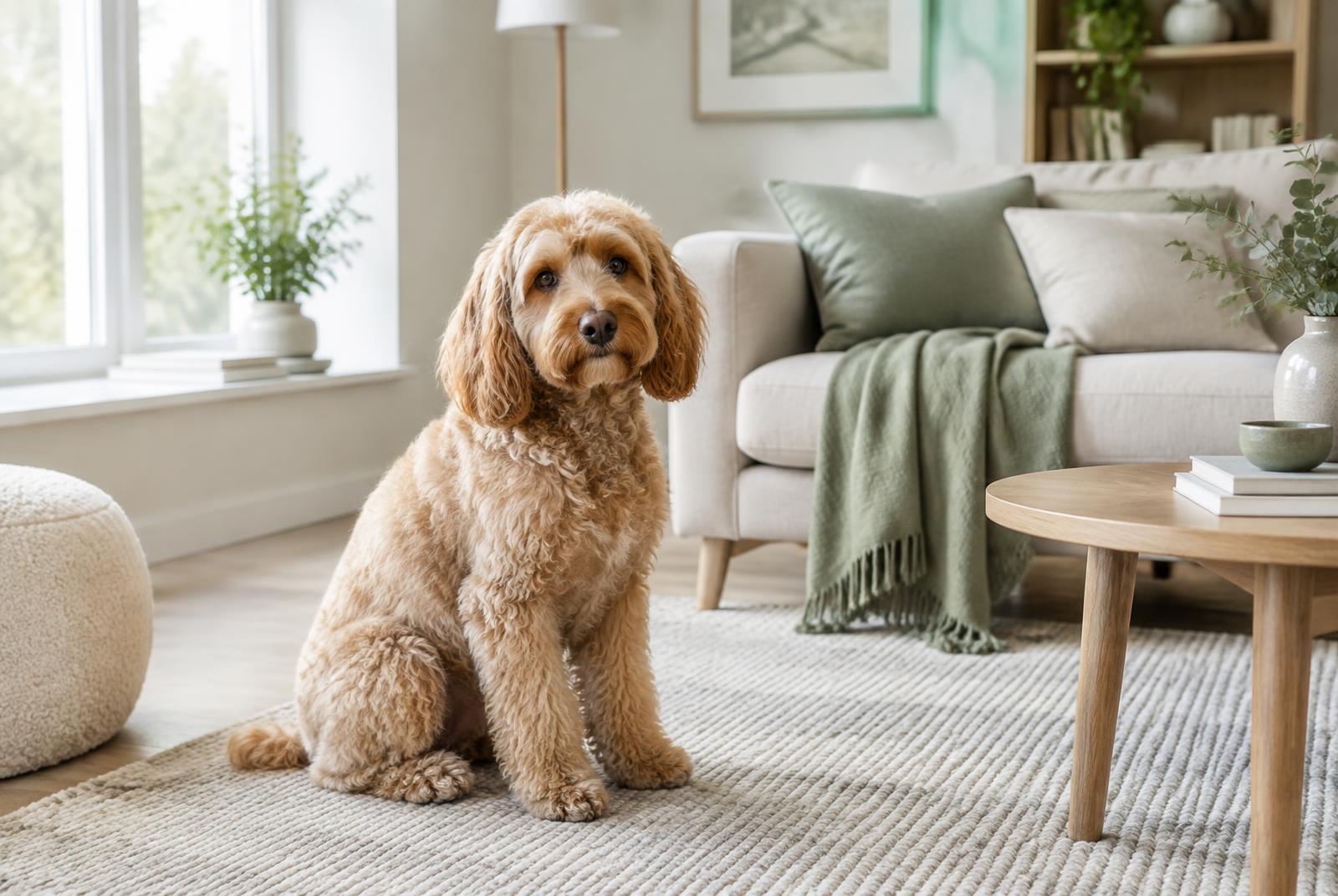
An affectionate Cocker Spaniel and Poodle cross where coat, size and energy vary litter to litter, so no two Cockapoos are quite alike.
Bernedoodle
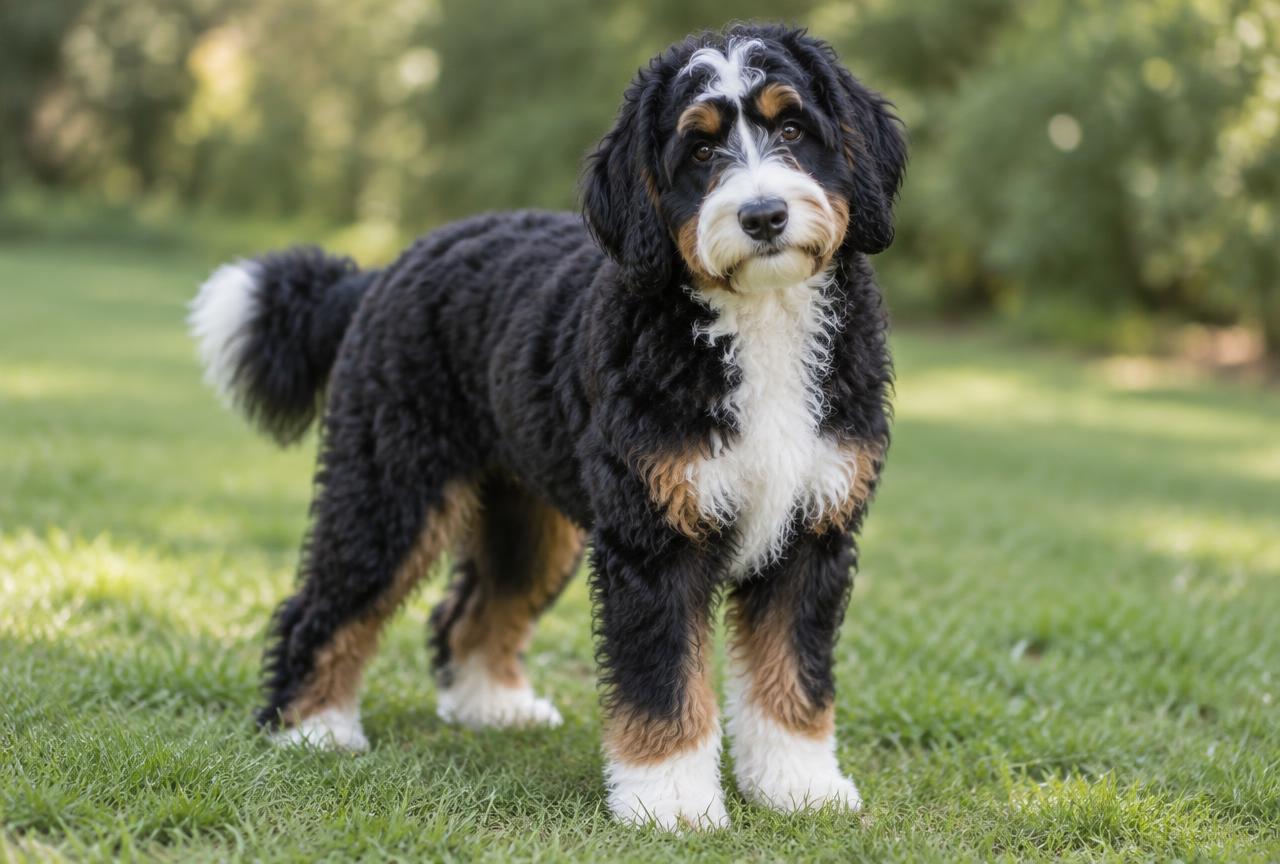
The Bernese Mountain Dog-Poodle cross built for family life, with a striking coat and a short lifespan shadow to plan for.
Labradoodle
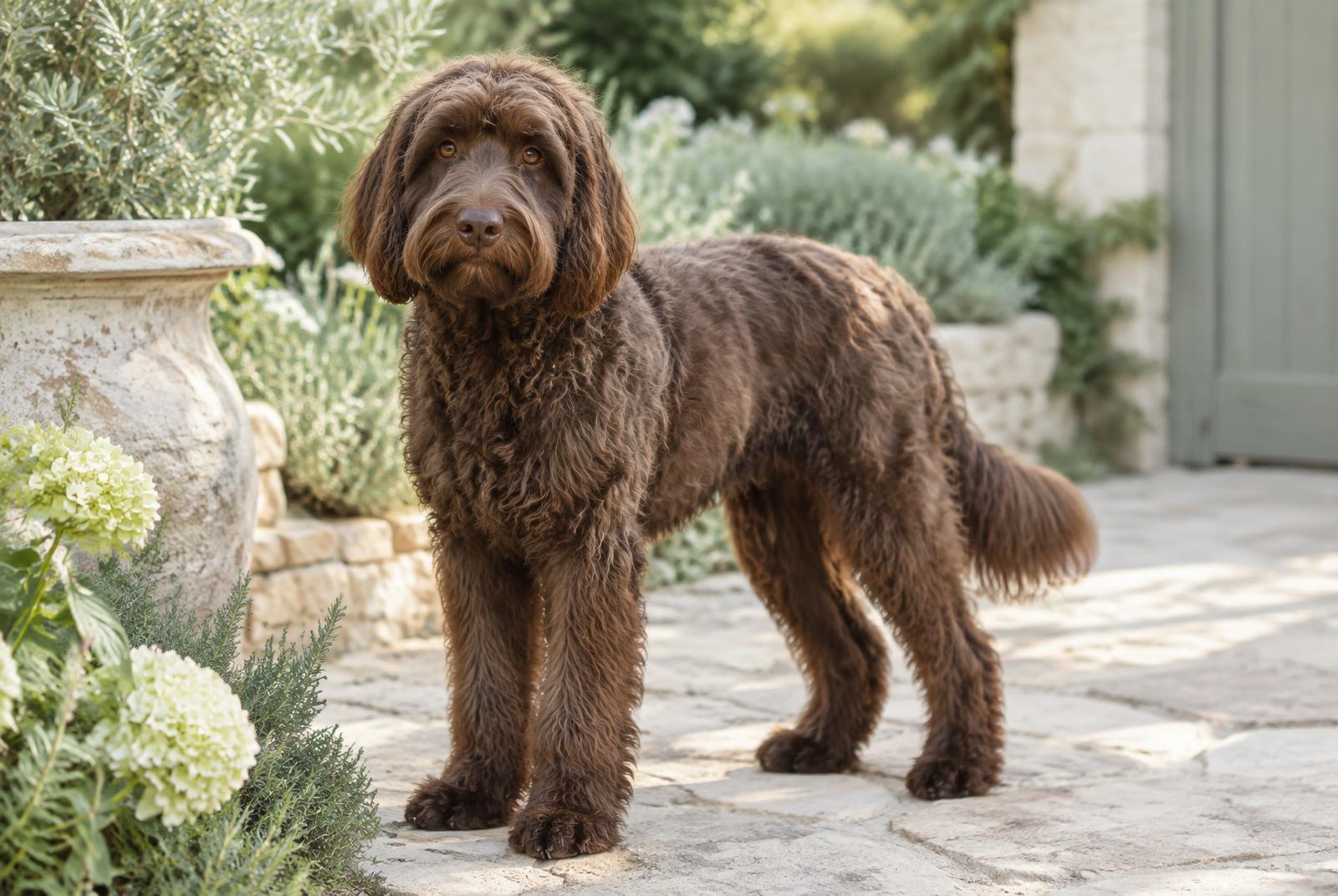
A Labrador and Poodle cross that is usually bigger, bouncier and more energetic than people expect, with coat and size that vary by line.