Working group
The breed developed in the Canary Islands, particularly Gran Canaria and Tenerife, from mastiff and bulldog types brought by Spanish settlers, crossed with local working dogs. It was used to catch and hold cattle, guard property and, regrettably, fight. The breed nearly vanished in the mid twentieth century and was rebuilt by Spanish enthusiasts from the 1970s, gaining formal recognition in Spain and later internationally. Its working past shapes everything about the modern dog: power, confidence and seriousness.
Presa Canario
A powerful, discerning Canary Islands guardian for expert owners only. Check local law and insurance before anything else.
The Canary Islands catch dog: powerful, discerning and strictly for experts
The short version
- Calm and devoted with its own family when well bred and well raised
- One of the most powerful guardian breeds; experience is non-negotiable
- Banned or restricted in some places, and insurers may refuse cover: check first
- Often selective or intolerant with other dogs, especially same-sex
- Extensive, ongoing socialisation and reliable public control are essential for life
- Moderate exercise needs and an easy short coat
- Weight
- 38 to 60 kg
- Height
- 56 to 66 cm
- Lifespan
- 9 to 12 yrs
- Size
- Giant
- Group
- Working
- Coat
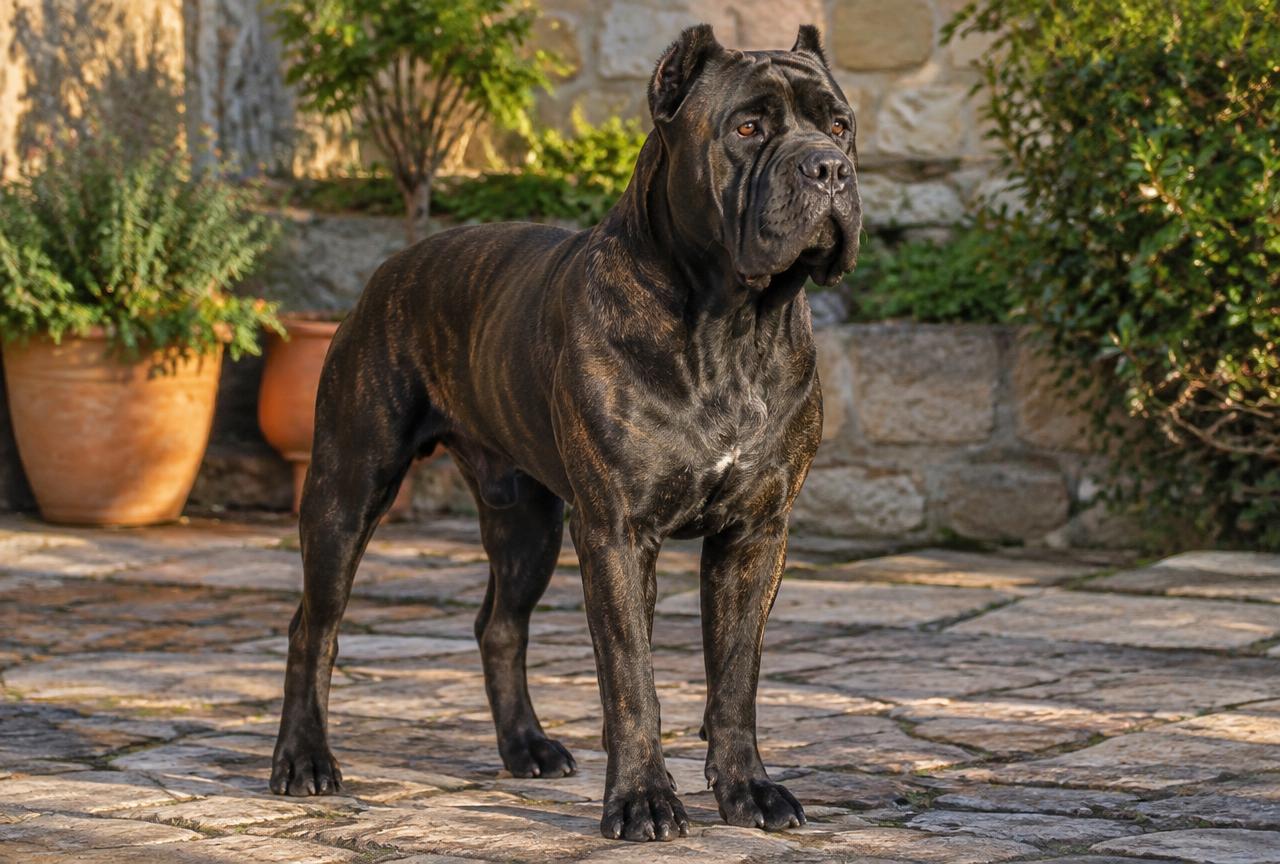
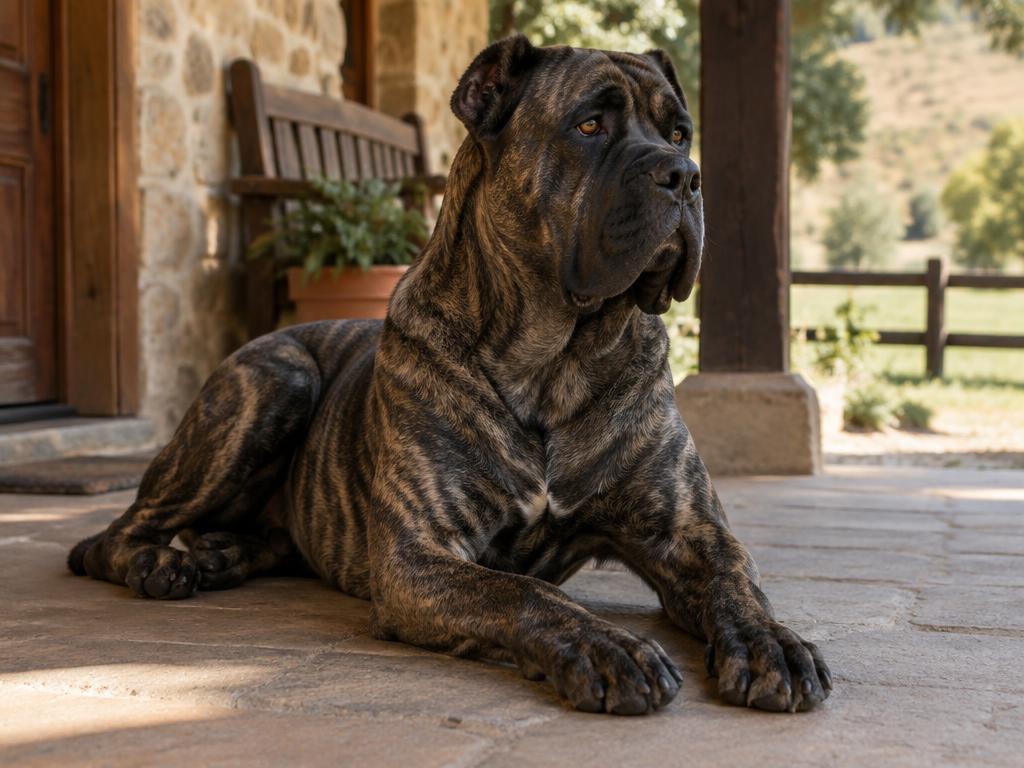
- Short, coarse and close-lying; brindle in all shades, fawn or sandy, often with a dark mask and always with a serious expression.
- Grown male
- 45 to 60 kg
- Grown female
- 38 to 50 kg
- Years to full size
- about 2
- One-off setup
- €1000 to 2000
Get one if…
- Highly experienced owners of powerful guardian breeds
- Rural or semi-rural homes with space and strong, secure fencing
- People committed to lifelong socialisation, training and public control
- Households without other dogs, or with carefully managed opposite-sex companions
- Owners who have confirmed the breed is legal and insurable where they live
Think again if…
- First-time owners, without exception
- Anyone in a region where the breed is banned or restricted
- Homes without secure, high fencing
- Households with other dogs where dog-selectiveness would be a daily risk
- Anyone wanting a dog-park socialite or an off-lead companion in public spaces
Trait profile
Trait scores assume an experienced owner and thorough socialisation; in inexperienced hands this breed's real-world scores on sociability and manageability drop sharply.
Space & setup. Needs a house with a large garden behind strong, high, secure fencing. Flat living is unsuitable for a guardian of this power.
Allergies. The short coat sheds moderately. Not a breed for people with dog allergies.
Living with a Presa Canario
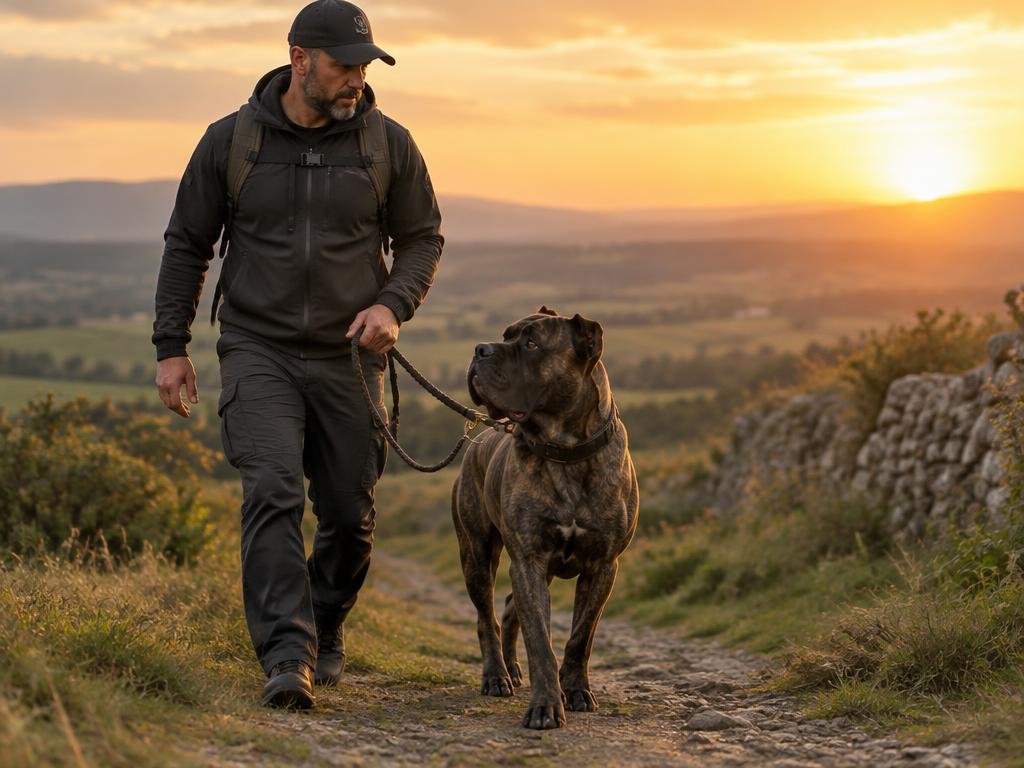
The Presa Canario is a large Spanish mastiff type from the Canary Islands, bred to work cattle and guard farms. Calm and devoted with its own family, it is also one of the most powerful and naturally protective breeds in the world, with real dog-selective tendencies. This is a breed for experienced, committed owners only, and in some places it is restricted or banned outright, so legal checks come before everything else.
The Presa Canario is not a breed to grow into: it demands experience from day one. With its family it is calm, affectionate and quietly devoted, and a well-raised Presa is steady and discriminating rather than aggressive. The honesty comes in the management. The guarding instinct is strong and self-directed, so socialisation must be extensive, early and ongoing, and the dog must be under reliable control in public for life. Many Presas are selective or intolerant with other dogs, particularly of the same sex, and the prey drive is real. Before anything else, check the law: the breed is banned or restricted in some countries and regions, and insurers may refuse cover. Secure fencing is essential. Exercise needs are moderate, an hour or so daily, and the short coat is easy. For the rare home with the experience, space and commitment, the Presa is a magnificent, loyal companion. For everyone else, it is the wrong dog, full stop.
A superb dog for a small number of highly experienced owners, and a serious risk in any other hands. Legal restrictions, insurance difficulty and the breed's power and dog-selectiveness are all real and must be faced before falling for the looks.
Exercise, day to day
- 1Puppies: five minutes of structured exercise per month of age, twice daily.
- 2Adults: around an hour a day of walking plus training and mental work.
- 3Mental engagement: obedience, scent work and structured tasks suit the serious working mind.
- 4Off-lead: only in fully secure private areas; public off-lead exercise is not appropriate for this breed.
- 5Heat: the dark coat and heavy frame overheat; exercise in cool hours.
Grooming, realistically
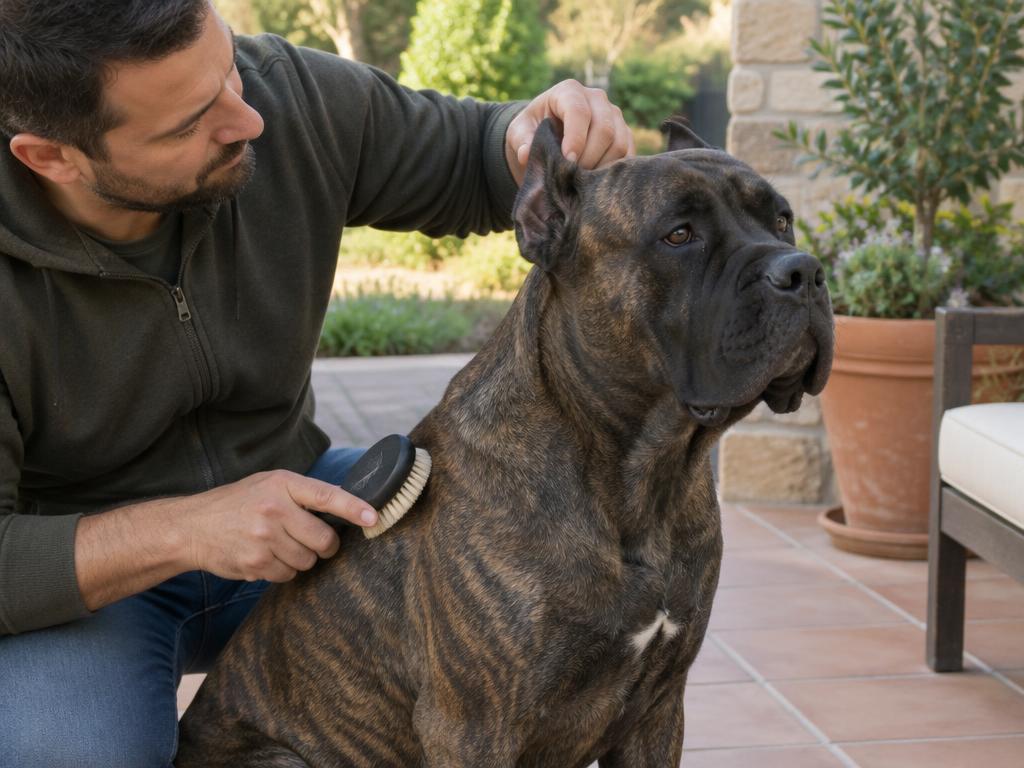
- 1Brush weekly with a rubber mitt to remove loose hair.
- 2Bathe only when needed; the short coat stays clean easily.
- 3Clean ears weekly and check eyes for discharge.
- 4Trim nails every two to three weeks.
- 5Check skin regularly for bumps, cuts and ticks after walks.
What you actually need
- Rubber grooming mitt
- Ear cleaning solution
- Large nail clippers
- Soft cloths
Puppy to adult
| Age | Male | Female | What is happening |
|---|---|---|---|
| 8 weeks | 6 to 8 kg | 5 to 7 kg | Begin calm, extensive socialisation immediately; the window closes early in guardian breeds. |
| 3 months | 13 to 18 kg | 11 to 16 kg | Positive exposure to people, places and well-chosen dogs is the most important work of this period. |
| 6 months | 24 to 33 kg | 20 to 28 kg | Strength grows fast; keep training consistent and exercise low impact. |
| 12 months | 35 to 48 kg | 30 to 40 kg | Adolescence tests boundaries; calm, consistent leadership matters more than force. |
| 18 to 24 months | 45 to 60 kg | 38 to 50 kg | Reaches adult size and maturity around two years; guarding instinct fully emerges. |
Ranges are typical, not targets. Judge condition by ribs and waist, and check with the ideal weight checker.
What to ask a breeder
- Is the breed legal where I live, and will my insurer cover it?
- What are the hip and elbow scores of both parents, and can I see the certificates?
- How are both parents with strangers and with other dogs, honestly?
- What socialisation programme have the puppies followed so far?
- What ongoing support do you offer, and will you take the dog back at any age if things go wrong?
Health tests to ask for
Ask to see results for both parents before you put down a deposit.
- Hip scoring for both parents
- Elbow grading for both parents
- Eye examination of breeding stock
- Cardiac examination of breeding stock
- Temperament assessment of both parents with people and dogs
Health watch-list
What to ask a breeder about, and what to watch for over a lifetime. This is orientation, not veterinary advice, anything you notice belongs in front of a vet.
Hip dysplasia
CommonA significant concern in the breed. Insist on hip scores for both parents and keep puppies lean on controlled exercise.
Elbow dysplasia
ModerateSeen in the breed; ask for elbow grades and avoid repetitive impact during growth.
Bloat (gastric torsion)
ModerateDeep-chested large breeds are at risk. Feed smaller meals, rest around feeding and know the emergency signs.
Heart disease
UncommonCardiac problems occur; breeding dogs should be examined and fainting or coughing always checked.
Eye conditions
UncommonEntropion and other eyelid issues occur in heavy-headed breeds. Squinting or weepy eyes need a vet check.
Obesity and joint strain
ModerateExtra weight on a powerful frame accelerates joint disease. Keep the dog visibly lean throughout life.
What it costs to keep one
Realistic running cost
€246 / month
About €2,952 a year, or roughly €32,472 across a 11-year life, before purchase price, neutering and one-off vet events.
Before the puppy arrives. Budget roughly €1000 to 2000 for a crate, bed, lead and harness, bowls, puppy classes, first vaccinations and grooming kit sized for this breed. Figures throughout are indicative and vary a good deal between countries.
Interactive · built for this breed
Is a Presa Canario right for your home?
Seven honest questions about your space, time and household, checked against this breed's exercise need, coat, sociability and tolerance for time alone.
Fit with your routine
97%
A strong fit
Your routine suits a Presa Canario well. Meet adult dogs of the line before you commit.
Working in your favour
- Your daily walking comfortably covers this breed's exercise need.
- Coat care fits the grooming time you offered.
Compare more breeds in the matchmaker, or plan meals with the portion calculator.
The verdict, by household
When to call your vet
- Limping or stiffness, which can indicate hip or elbow disease
- A distended abdomen with unproductive retching, which is a bloat emergency
- Coughing, fainting or exercise intolerance, which need a cardiac check
- Any sudden change in tolerance of people or dogs, which deserves a vet check to rule out pain
- Heavy panting or distress in warmth, which can be heatstroke
Nothing here is a diagnosis. A swollen, hard belly with retching, collapse, breathing difficulty and sudden hind-leg weakness are emergencies: go straight away.
Presa Canario vs the closest alternatives
| Breed | Weight | Energy | Grooming | € / month |
|---|---|---|---|---|
| Presa Canario | 38 to 60 kg | 5/10 | 2/10 | €246 |
| Boerboel | 50 to 90 kg | 5/10 | 3/10 | €275 |
| Cane Corso | 40 to 50 kg | 7/10 | 2/10 | €190 |
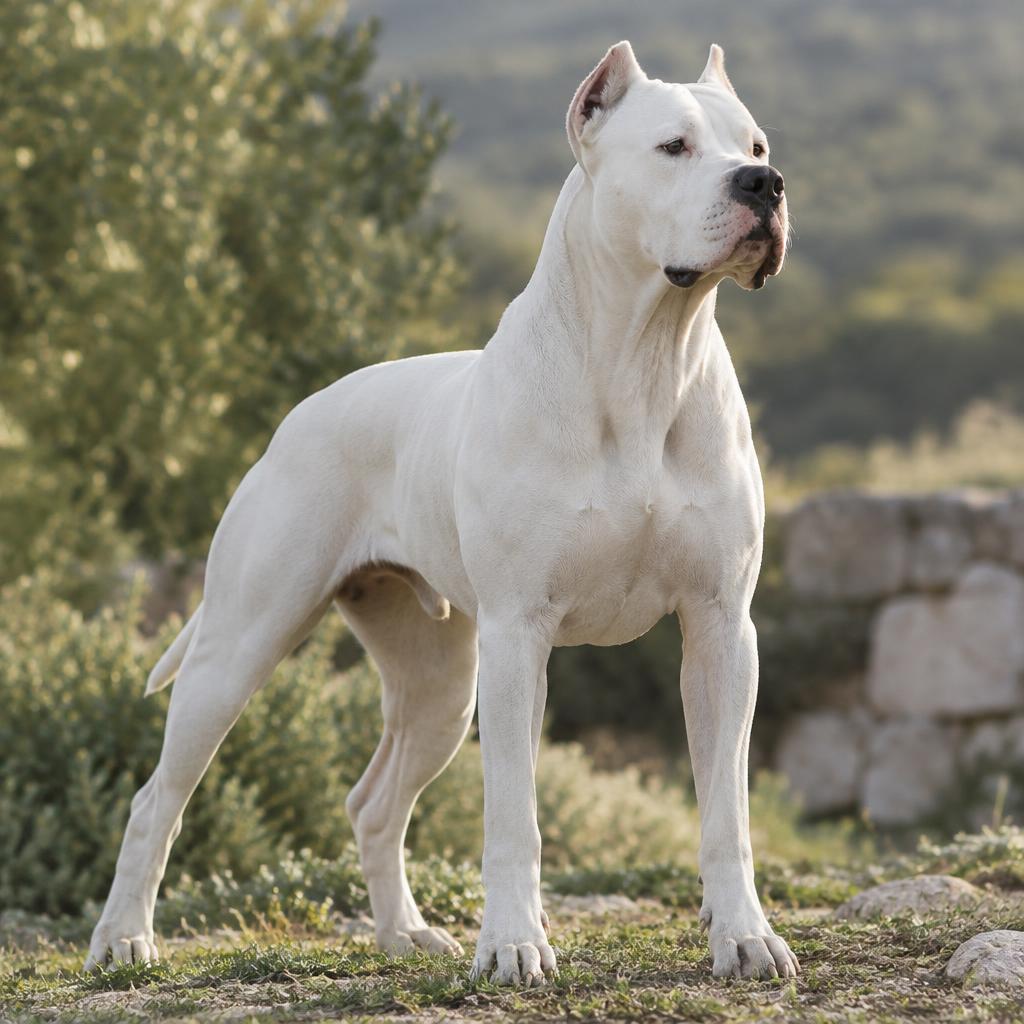
| Dogo Argentino | 36 to 45 kg | 8/10 | 2/10 | €135 |
Presa Canario questions, answered
Is the Presa Canario legal to own?
It depends where you live. The breed is banned or restricted in some countries and regions, and some insurers refuse cover. Check local law and insurance before considering the breed at all.
Is a Presa Canario a good family dog?
For a highly experienced family, a well-bred Presa is calm and devoted with its own people. It is never a first dog, and its power and guarding instinct demand lifelong, expert management.
Are Presa Canarios aggressive?
A well-bred, well-socialised Presa is calm and discriminating rather than aggressive, but the breed is powerful, protective and often dog-selective. Poor breeding or handling produces genuinely dangerous dogs, which is why experience is non-negotiable.
How much exercise does a Presa Canario need?
Around an hour a day of walking plus training and mental work. Public exercise must always be under reliable control; this is not an off-lead dog-park breed.
Can a Presa Canario live with other dogs?
Some live well with dogs they are raised with, particularly of the opposite sex, but dog-selectiveness and same-sex intolerance are common. Honest assessment of the individual dog and careful management are essential.
How big does a Presa Canario get?
Males typically stand 60 to 66 cm and weigh 45 to 60 kg; females 56 to 62 cm and 38 to 50 kg. They mature around two years of age.
How long do Presa Canarios live?
Typically 9 to 12 years. Health-tested parents, lean condition and protected joints through growth all support a longer, sounder life.