Toy group
The Pekingese descends from small palace dogs kept by Chinese emperors for centuries, considered sacred companions and sometimes smuggled out of the Forbidden City only after it fell in 1860. Bred purely for companionship rather than work, the breed's independence and sense of self-importance reflect its courtly history.
Pekingese
The Pekingese is an ancient Chinese companion breed with imperial self-assurance and a devoted heart. Its flat face, long back and dense coat demand careful, hands-on care, but the reward is a loyal, dignified friend.
Reviewed by the SniffScroll editorial desk
A lap dog with opinions: imperial dignity wrapped in a lion's mane.
The short version
- A brachycephalic breed that needs careful heat and exercise management.
- Prone to back problems, so stairs and jumping should be limited.
- The dense double coat requires daily brushing and regular professional grooming.
- Affectionate with its chosen person but naturally aloof with strangers.
- Tiny exercise needs make it an excellent fit for flats and quieter homes.
- Weight
- 3 to 6.5 kg
- Height
- 15 to 25 cm
- Lifespan
- 12 to 14 yrs
- Size
- Small
- Group
- Toy
- Coat
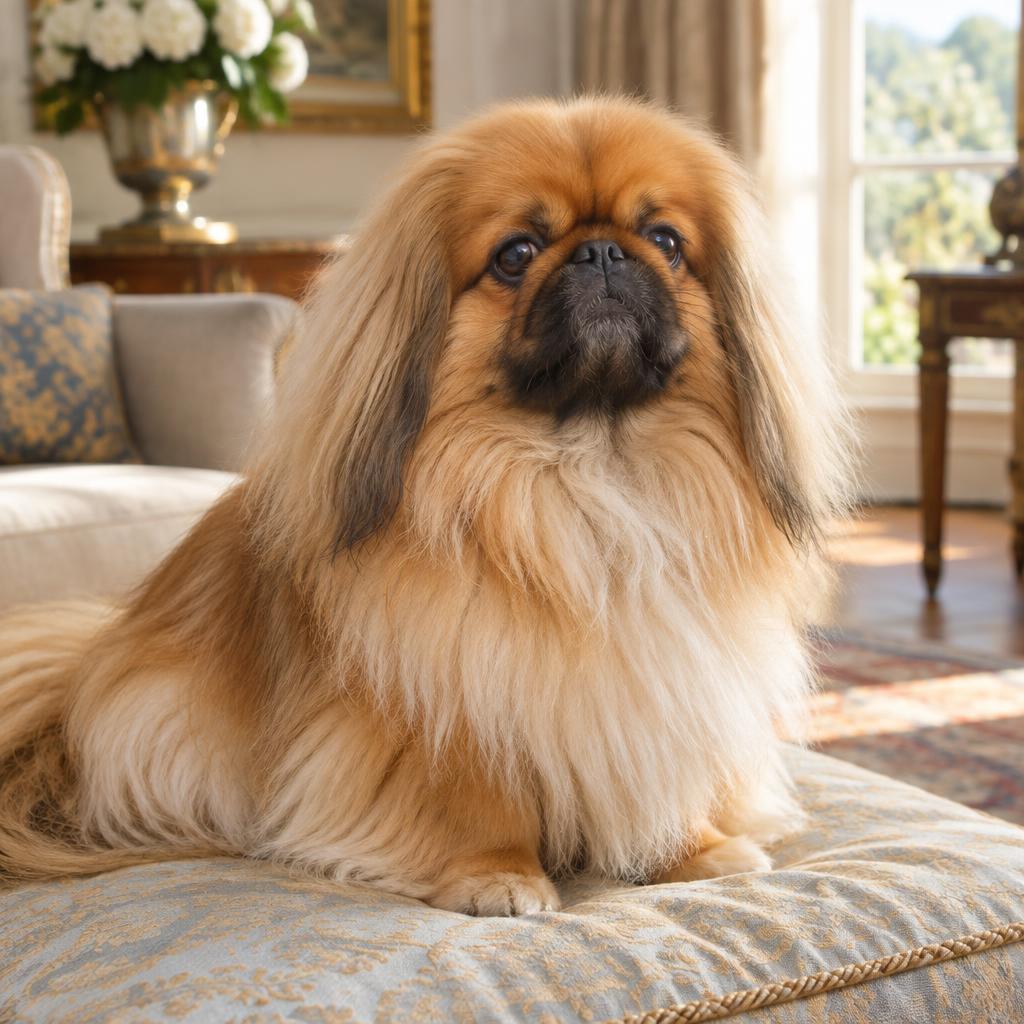
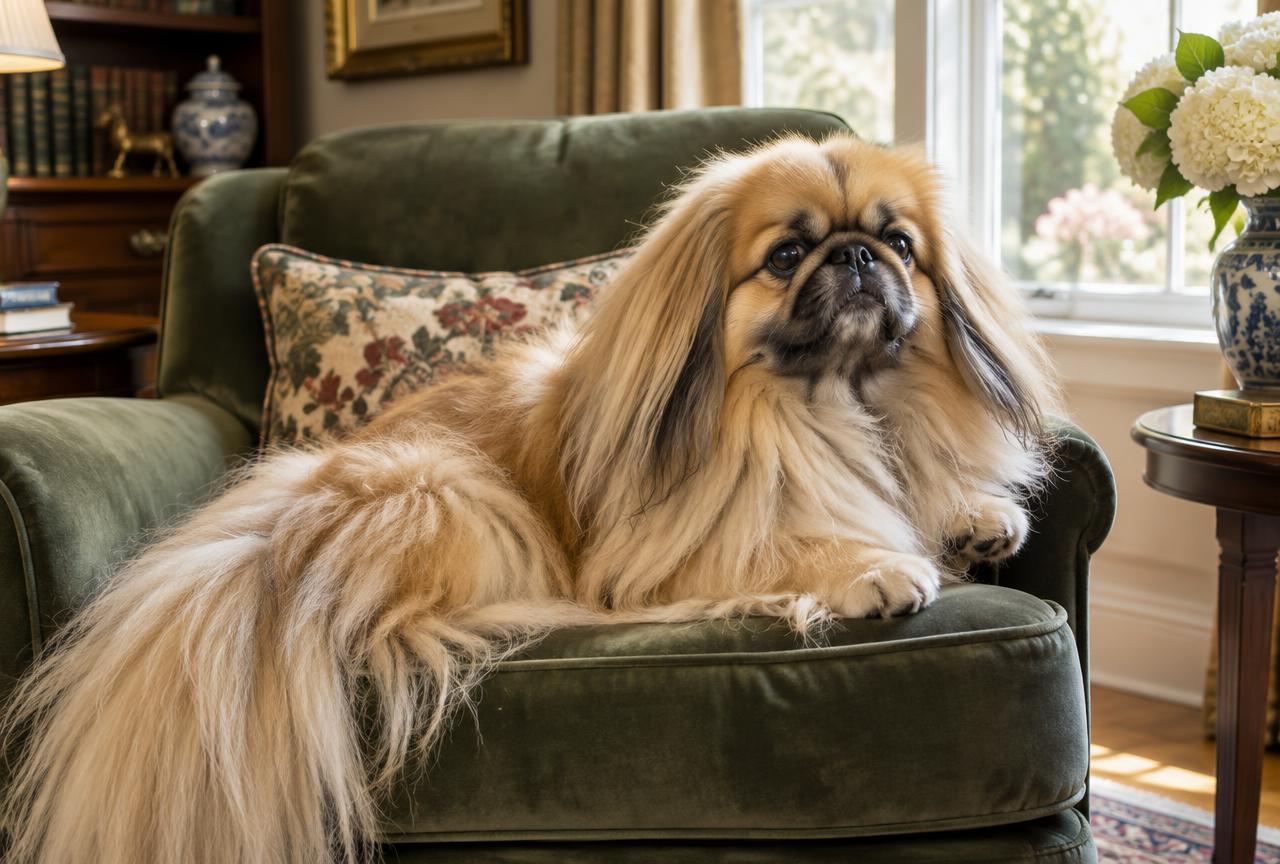
- Long, straight double coat with a thick undercoat and a distinctive mane around the neck and shoulders.
- Grown male
- 3.6 to 5.4 kg
- Grown female
- 3 to 5 kg
- Years to full size
- about 1.5
- One-off setup
- €400 to 1000
Get one if…
- Owners who want a calm, affectionate lap dog rather than an active breed
- Flat dwellers with modest space and no stairs to manage
- People happy to commit to daily brushing and face-fold cleaning
- Owners who can keep the home cool and avoid hot weather walks
- Quieter households where the dog can bond closely with one person
Think again if…
- Active owners wanting a jogging or hiking companion
- Households expecting instant obedience from every command
- Homes with very young or boisterous children unsupervised
- Owners unwilling to manage heat exposure carefully
- Anyone wanting a low-maintenance, wash-and-go coat
Trait profile
The Pekingese carries itself with the self-assurance of a palace dog, affectionate on its own terms and content to observe the world from a comfortable seat.
Space & setup. Excellent for flats. The breed needs very little floor space and minimal exercise, though a cool, draught-free area away from direct sun is essential.
Allergies. The Pekingese has a dense double coat that sheds noticeably, especially when blowing coat seasonally, and it is not considered suitable for allergy sufferers.
Living with a Pekingese
The Pekingese is an ancient Chinese companion breed bred for the palace rather than the field, and it carries itself accordingly. Small, sturdy and dignified, it is deeply affectionate with its chosen person but makes its own decisions about everything else.
Few breeds carry their history as visibly as the Pekingese. Bred for centuries inside the Chinese imperial court, this small dog was never asked to work, herd or guard in the conventional sense. Its job was to be dignified, decorative and devoted to its chosen person, and that heritage shows in every aspect of its character today. The Pekingese is not a dog that lives to please. It is a dog that decides, in its own time, whether a request is worth its attention, and owners who respect that independence tend to get on with the breed far better than those expecting instant obedience.
At home, the Pekingese is affectionate and loyal, often attaching itself firmly to one person while remaining politely aloof with strangers. This is not aggression, simply a breed that has never needed to charm everyone in the room. Early, gentle socialisation helps keep that reserve from tipping into wariness, but a Pekingese will rarely be the dog that greets every visitor with enthusiasm, and that suits owners looking for a calm, undemanding companion rather than an attention-seeking one. Around children, supervision matters a great deal: the Pekingese is a sturdy little dog but a fragile one in the wrong hands, and it has limited patience for rough handling. Households with very young or boisterous children should think carefully and teach gentle interaction from the start.
The headline health consideration for this breed is its flattened face. As a brachycephalic breed, the Pekingese can suffer from brachycephalic obstructive airway syndrome, a condition that causes noisy breathing, snoring and reduced tolerance of heat and exercise. Owners need to watch for laboured breathing, excessive panting or collapse after mild exertion, and in severe cases corrective surgery may be recommended. Heat is a genuine danger for this breed: a Pekingese should never be left in a warm room, a conservatory or a parked car, even briefly, and walks on hot days should be timed for the cool of early morning or evening. This is not a breed built for running alongside a bicycle or joining an owner on a jog; short, gentle strolls and plenty of indoor rest suit it far better.
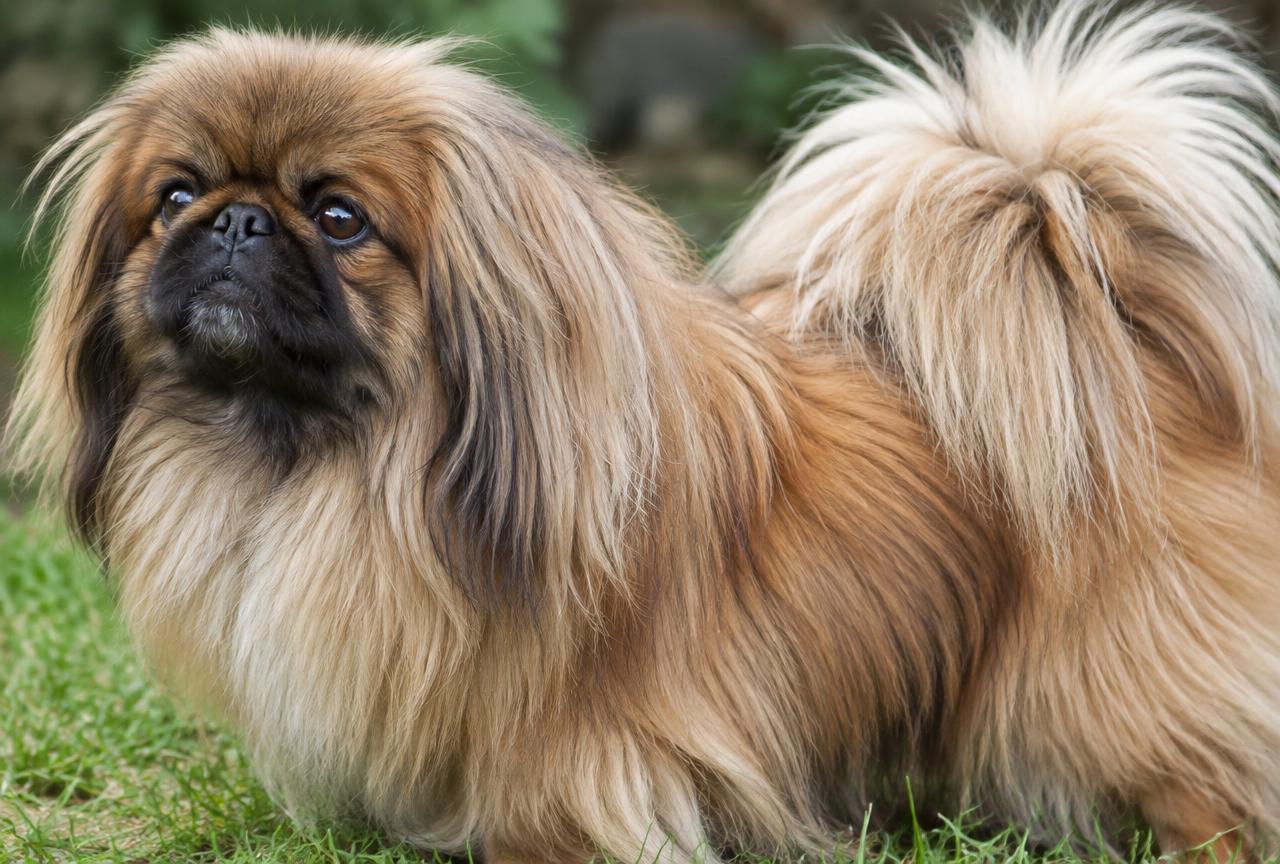
The Pekingese's long back relative to its short legs also makes it prone to intervertebral disc disease, a painful and potentially serious spinal condition. Owners should discourage jumping on and off furniture, use ramps or steps for sofas and cars, and be alert to signs such as reluctance to move, yelping or dragging of the back legs, seeking veterinary advice promptly if these appear. The breed's prominent, slightly protruding eyes are also vulnerable to scratches and corneal ulcers, so care is needed around rough play, long grass and sharp objects at nose height.
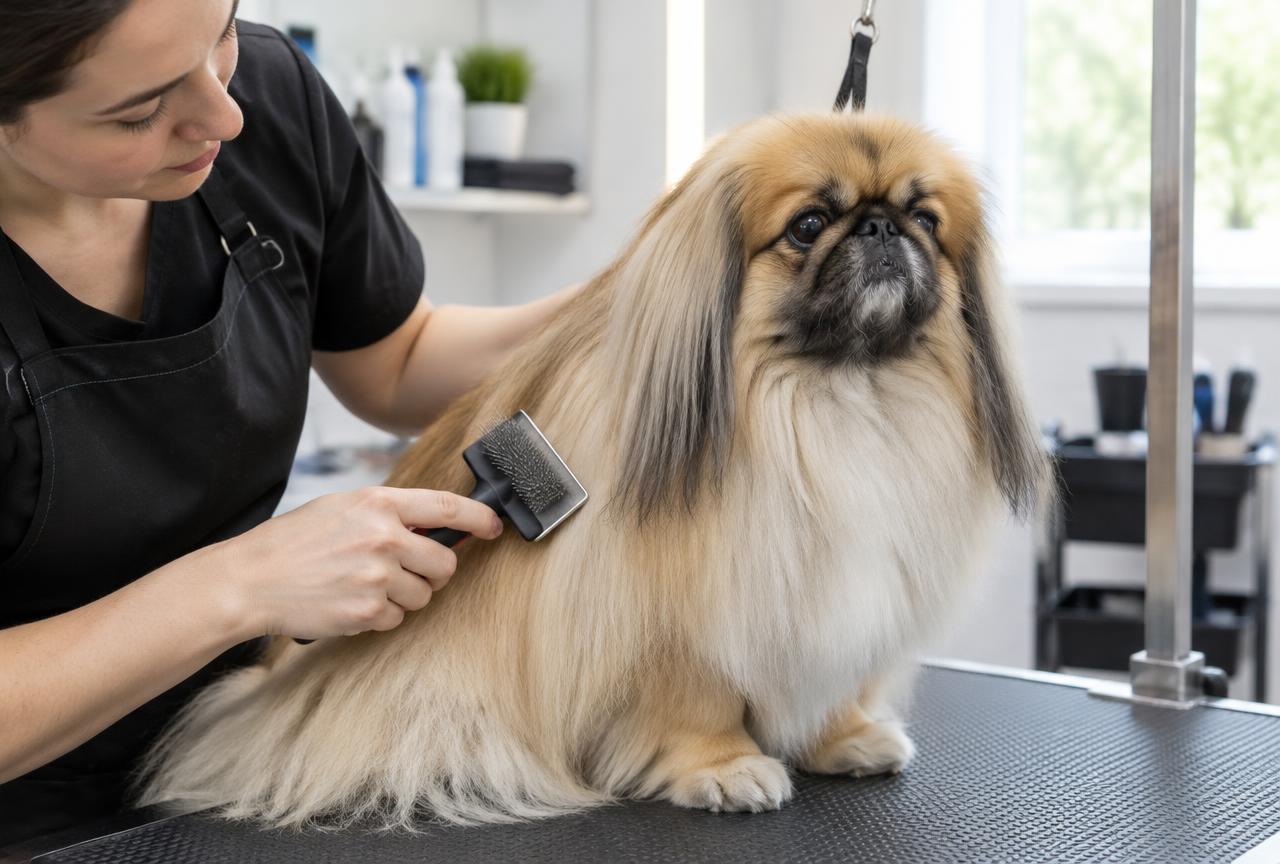
Grooming is a serious and ongoing commitment rather than an occasional chore. The Pekingese's dense double coat and dramatic mane require daily brushing to prevent painful matting, particularly behind the ears, under the legs and around the trousers. Regular professional grooming helps keep the coat manageable, and the facial folds need daily cleaning and drying to avoid soreness and infection. Owners who enjoy a settled grooming routine and do not mind daily hands-on care will find this part of ownership rewarding, but it is not a breed to leave unbrushed for long.
Training a Pekingese calls for patience, consistency and a sense of humour. This is an intelligent dog, but one that weighs up whether cooperation is worthwhile, and harsh methods tend to backfire with a breed this proud. Short, positive sessions with high-value rewards work best, and most owners find the dog becomes reliably cooperative on the things that matter to it, such as mealtimes and walks, while remaining selectively deaf about everything else. Weight management deserves particular attention, since this small, low-energy breed gains weight easily, and excess weight makes both the airway and the back problems considerably worse.
Taken together, the Pekingese suits owners looking for a calm, characterful companion who is happy with modest exercise and plenty of time on the sofa. It is particularly well suited to flats and quieter households, provided the owner commits to daily coat care, careful temperature management and sensible handling of its back and face. Given that commitment, the Pekingese repays its owner with steady, old-fashioned devotion and a great deal of personality packed into a very small frame.
The Pekingese is a devoted companion for the right owner, but one that demands commitment to coat care and careful management of its flat face and fragile back. It is not a dog for jogging or rough play, but a calm presence that thrives on quiet affection.
Exercise, day to day
- 1Puppies: very short, gentle play sessions, avoiding jumps and stairs.
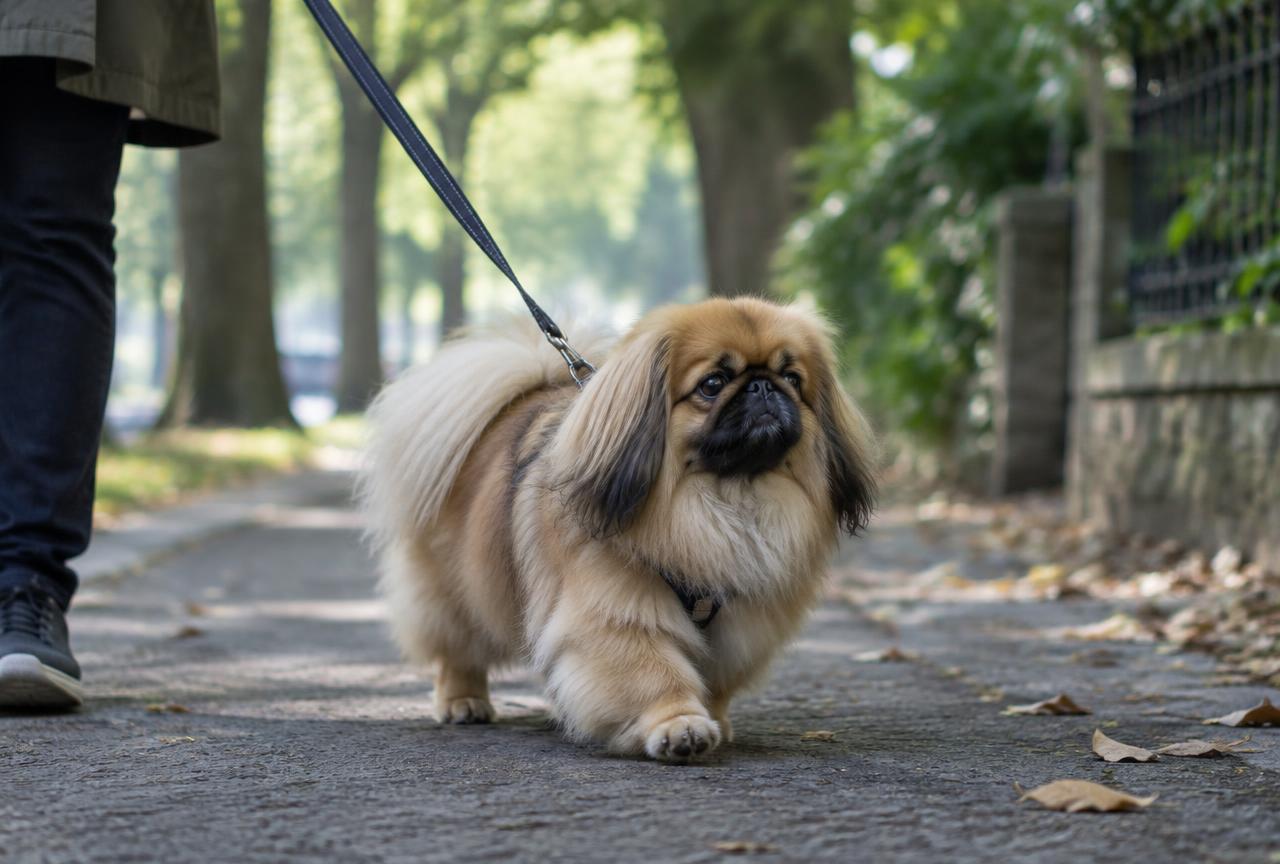
- 2Adults: two short walks a day of ten to fifteen minutes are usually sufficient.
- 3Heat rule: avoid all exercise during warm weather, favouring early morning or evening.
- 4Indoor play: short games of fetch or gentle enrichment can meet most activity needs.
- 5Rest: plenty of quiet downtime between activity, as this is not a high-energy breed.
Grooming, realistically
- 1Brush the full coat daily to prevent matting, paying close attention to behind the ears and the trousers.
- 2Clean the facial folds daily with a soft, dry cloth to prevent soreness and infection.
- 3Book professional grooming every four to six weeks to keep the coat manageable.
- 4Check and clean the eyes daily, watching for redness, discharge or cloudiness.
- 5Trim nails every two to three weeks and keep the feet tidy and free of matting.
What you actually need
- Slicker brush
- Metal comb
- Soft cloths for facial fold cleaning
- Dog-safe eye wipes
- Nail clippers
- Detangling spray
Puppy to adult
| Age | Male | Female | What is happening |
|---|---|---|---|
| 8 weeks | 1 to 1.5 kg | 0.9 to 1.3 kg | Tiny and delicate; handle gently and avoid stairs or jumps from furniture. |
| 3 months | 1.8 to 2.5 kg | 1.6 to 2.2 kg | Coat is still soft and puppyish; begin gentle daily brushing routines. |
| 6 months | 2.8 to 3.8 kg | 2.5 to 3.4 kg | Growth slows noticeably; watch weight gain as appetite can outpace needs. |
| 9 months | 3.3 to 4.5 kg | 2.9 to 4 kg | Adult coat beginning to come through, including the distinctive mane. |
| 12 months | 3.5 to 5 kg | 2.9 to 4.6 kg | Close to adult size; back and airway care routines should be established. |
| 18 months | 3.6 to 5.4 kg | 3 to 5 kg | Fully mature; monitor weight closely for the rest of the dog's life. |
Ranges are typical, not targets. Judge condition by ribs and waist, and check with the ideal weight checker.
What to ask a breeder
- Have the parents had a BOAS assessment to check their airway function?
- What is the history of back problems, including IVDD, in the bloodline?
- Have the parents' eyes been tested for health and structure?
- How are the puppies socialised to handling, grooming and strangers?
- What advice do you give on coat care and heat management for this breed?
Health tests to ask for
Ask to see results for both parents before you put down a deposit.
- Airway assessment to check for signs of BOAS
- Eye tests to check for corneal health and structure
- Patella checks to screen for patellar luxation
- Spinal examination to assess risk of intervertebral disc disease
- Regular weight checks to prevent obesity-related complications
Health watch-list
What to ask a breeder about, and what to watch for over a lifetime. This is orientation, not veterinary advice, anything you notice belongs in front of a vet.
Brachycephalic obstructive airway syndrome
CommonThe Pekingese's flat face can restrict airflow, causing noisy breathing and poor heat tolerance. Severe cases may need surgery to open the airway.
Intervertebral disc disease
NotableThe long back relative to short legs makes the spine vulnerable to disc problems. Use ramps or steps and discourage jumping on and off furniture.
Eye problems including corneal ulcers
NotableProminent eyes are easily scratched by rough play or long grass. Check daily and seek prompt veterinary treatment for any redness or cloudiness.
Patellar luxation
OccasionalA loose kneecap can cause intermittent skipping or lameness in the back legs. Mild cases can be managed, while severe cases may need surgery.
Obesity
CommonThis is the most preventable risk for the breed and worsens both airway and back problems. Measured meals and regular weigh-ins keep weight in check.
Heat stroke
CommonFlat-faced dogs struggle to cool themselves and can overheat quickly. Never leave a Pekingese in a warm room, conservatory or car, even briefly.
What it costs to keep one
Realistic running cost
€92 / month
About €1,104 a year, or roughly €14,352 across a 13-year life, before purchase price, neutering and one-off vet events.
Before the puppy arrives. Budget roughly €400 to 1000 for a crate, bed, lead and harness, bowls, puppy classes, first vaccinations and grooming kit sized for this breed. Figures throughout are indicative and vary a good deal between countries.
Interactive · built for this breed
Is a Pekingese right for your home?
Seven honest questions about your space, time and household, checked against this breed's exercise need, coat, sociability and tolerance for time alone.
Fit with your routine
96%
A strong fit
Your routine suits a Pekingese well. Meet adult dogs of the line before you commit.
What to sort out first
- Coat needs more brushing or trimming than you have allowed.
Working in your favour
- Your daily walking comfortably covers this breed's exercise need.
Compare more breeds in the matchmaker, or plan meals with the portion calculator.
The verdict, by household
Good
Manageable in size, but new owners need to learn brachycephalic and back care quickly.
Challenging
Best suited to families with older, gentle children who understand handling a fragile dog.
Avoid
Tiny exercise needs and heat sensitivity make this a poor match for active lifestyles.
Excellent
Quiet habits and minimal space needs make it well suited to flat living.
When to call your vet
- Noisy, laboured breathing or snoring that worsens with exertion or heat
- Reluctance to move, yelping or dragging the back legs, which may signal IVDD
- Redness, cloudiness or discharge in the eyes, which could indicate a corneal ulcer
- Excessive panting, drooling or collapse, which can be signs of heat stroke
- Sudden lameness or skipping steps, which may point to patellar luxation
Nothing here is a diagnosis. A swollen, hard belly with retching, collapse, breathing difficulty and sudden hind-leg weakness are emergencies: go straight away.
Pekingese vs the closest alternatives
| Breed | Weight | Energy | Grooming | € / month |
|---|---|---|---|---|
| Pekingese | 3 to 6.5 kg | 2/10 | 9/10 | €92 |
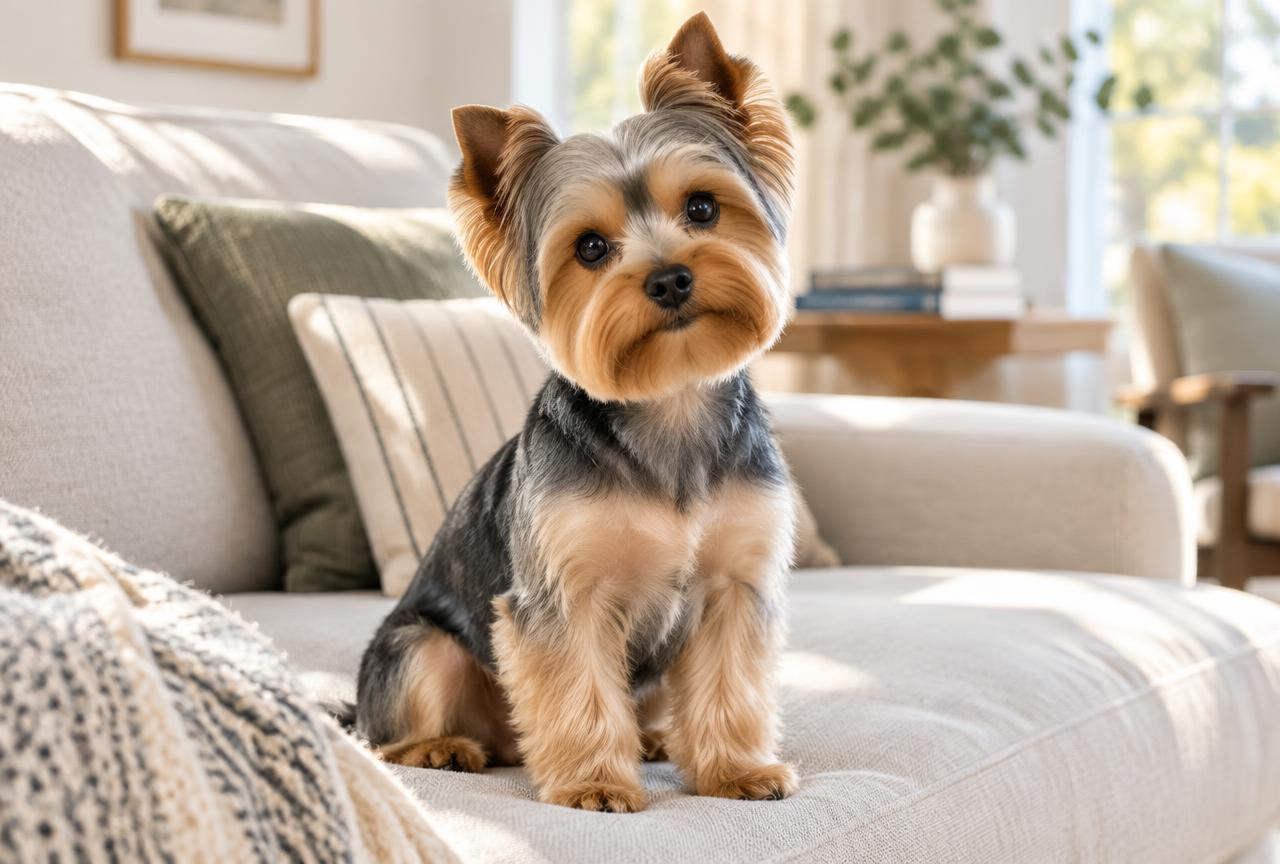
| Yorkshire Terrier | 2 to 3.2 kg | 6/10 | 9/10 | €100 |
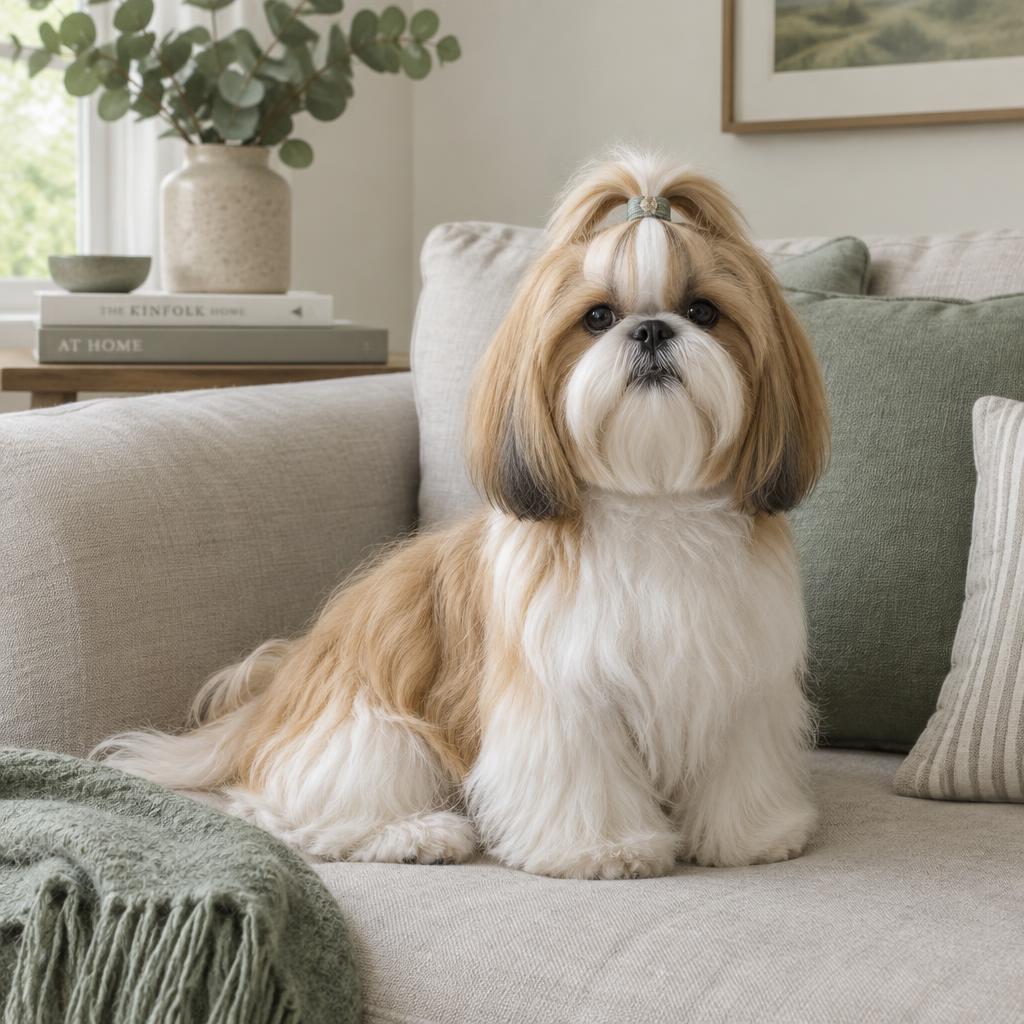
| Shih Tzu | 4 to 7.5 kg | 4/10 | 9/10 | €108 |
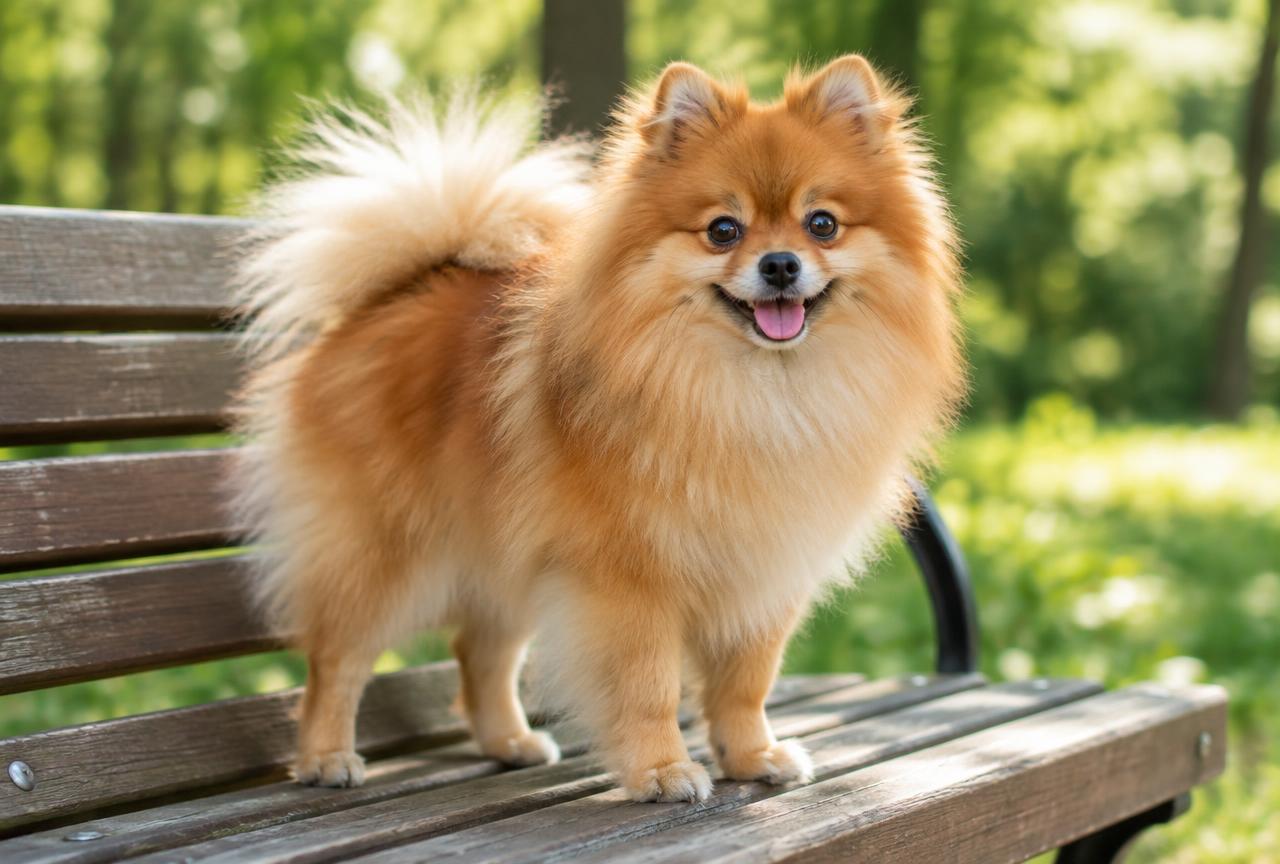
| Pomeranian | 1.8 to 2.5 kg | 6/10 | 8/10 | €106 |
Pekingese questions, answered
Are Pekingese flat-faced dogs?
Yes, the Pekingese is a brachycephalic breed with a flattened face, which can cause noisy breathing and reduced heat tolerance. Owners should watch for laboured breathing and avoid strenuous exercise or hot conditions.
Do Pekingese bark a lot?
Pekingese dogs will alert bark at unfamiliar sounds or visitors, but they are not constant barkers. Consistent, gentle training helps keep barking at a sensible level.
Can Pekingese handle hot weather?
No, this breed copes poorly with heat due to its flat face and dense coat. They should never be left in warm rooms or cars, and walks should be kept to cool parts of the day.
How much exercise does a Pekingese need?
Very little. Two short walks of ten to fifteen minutes a day, plus some gentle indoor play, are usually enough to keep a Pekingese content and healthy.
Are Pekingese good with children?
They can do well with older, gentle children who understand how to handle a small, fragile dog, but they have limited patience for rough play. Supervision is important with younger children.
How much grooming does a Pekingese need?
A great deal. The dense double coat needs daily brushing to prevent matting, along with daily cleaning of the facial folds and regular professional grooming.
How much does it cost to keep a Pekingese each month?
Food is modest at around 15 pounds a month, but grooming is the main expense at roughly 45 pounds a month, alongside insurance and parasite prevention costs typical of a small breed.