Crossbreed group
United States, 2000s
Shih-Poo
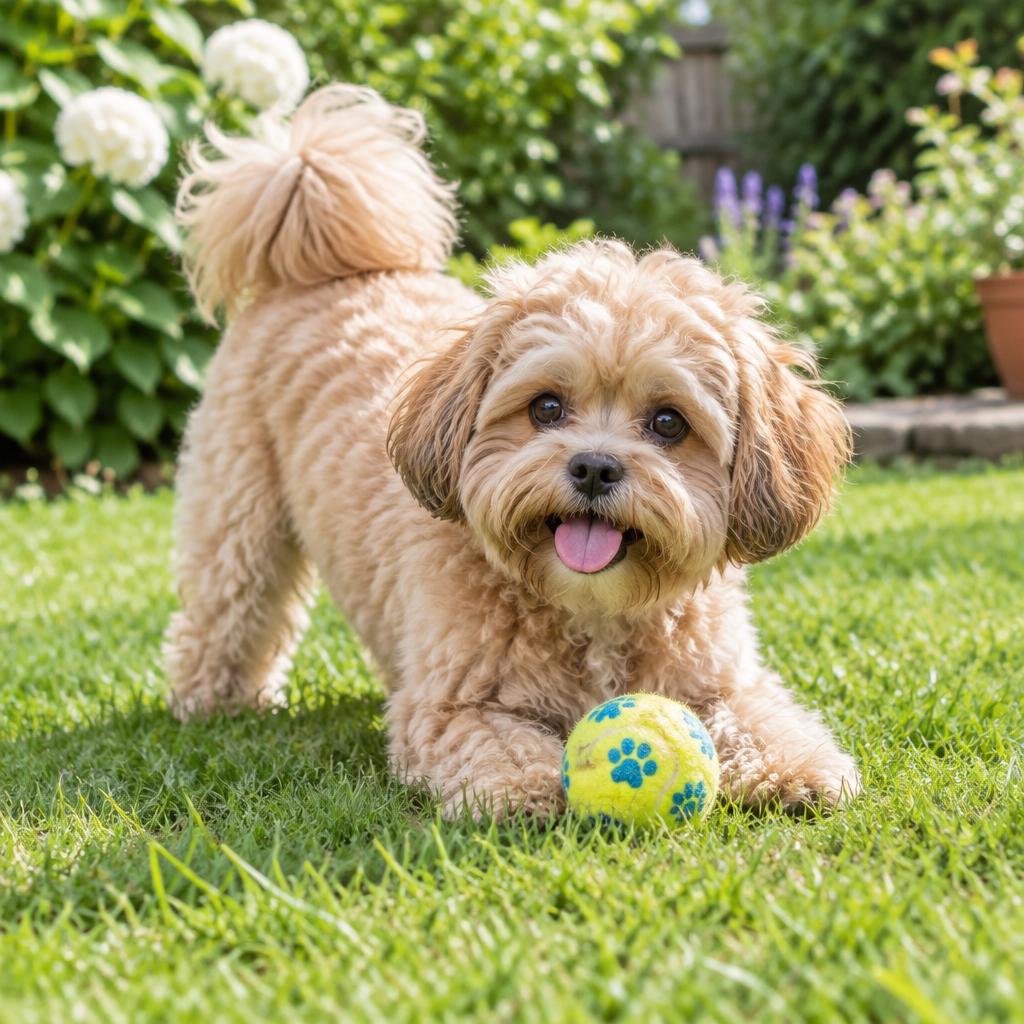
Gentle, sociable and cuddly to the core, the Shih-Poo is a superb companion for calm homes, provided you choose the face wisely and keep up with the coat.
The SniffScroll editorial team
The teddy bear that wants to be everywhere you are
The short version
- A Shih Tzu and Toy or Miniature Poodle cross: gentle, sociable and happy with modest exercise.
- Shih Tzu ancestry can bring a short muzzle: choose a puppy with a visible muzzle and quiet breathing.
- The teddy-bear coat needs brushing several times a week and a professional groom every four to eight weeks.
- Usually low-shedding, but no dog is truly hypoallergenic.
- A true companion that copes poorly with long days alone.
- Weight
- 4 to 9 kg
- Height
- 20 to 33 cm
- Lifespan
- 13 to 16 yrs
- Size
- Small
- Group
- Crossbreed
- Coat
- Wavy to curly
- Grown male
- 4.5 to 9 kg
- Grown female
- 4 to 8.5 kg
- Years to full size
- about 1.25
- One-off setup
- €300 to 600

Get one if…
- Retirees, home workers and households where someone is usually in
- Calm families with considerate children
- Flat dwellers; exercise needs are modest
- Allergy-conscious homes willing to meet the litter first
- Multi-pet households; most Shih-Poos are very sociable
Think again if…
- Homes empty for long working days
- Anyone unwilling to pay for regular professional grooms
- People in hot climates without air-conditioning, if the puppy is flat-faced
- Owners wanting an athletic running or hiking partner
- Households with rough, boisterous play
Trait profile
Expect a gentle, sociable shadow with modest exercise needs; the grooming budget and the company it needs are the real commitments.
Space & setup. Ideal for flats and small homes; quiet, adaptable and happy with modest daily exercise.
Allergies. Usually very low-shedding, especially in curlier coats, but no dog is truly hypoallergenic. Spend time with the specific litter before committing.
Living with a Shih-Poo
A Shih Tzu and Toy or Miniature Poodle cross: a gentle, sociable, low-shedding companion with a teddy-bear coat that needs professional care and a face worth choosing carefully.
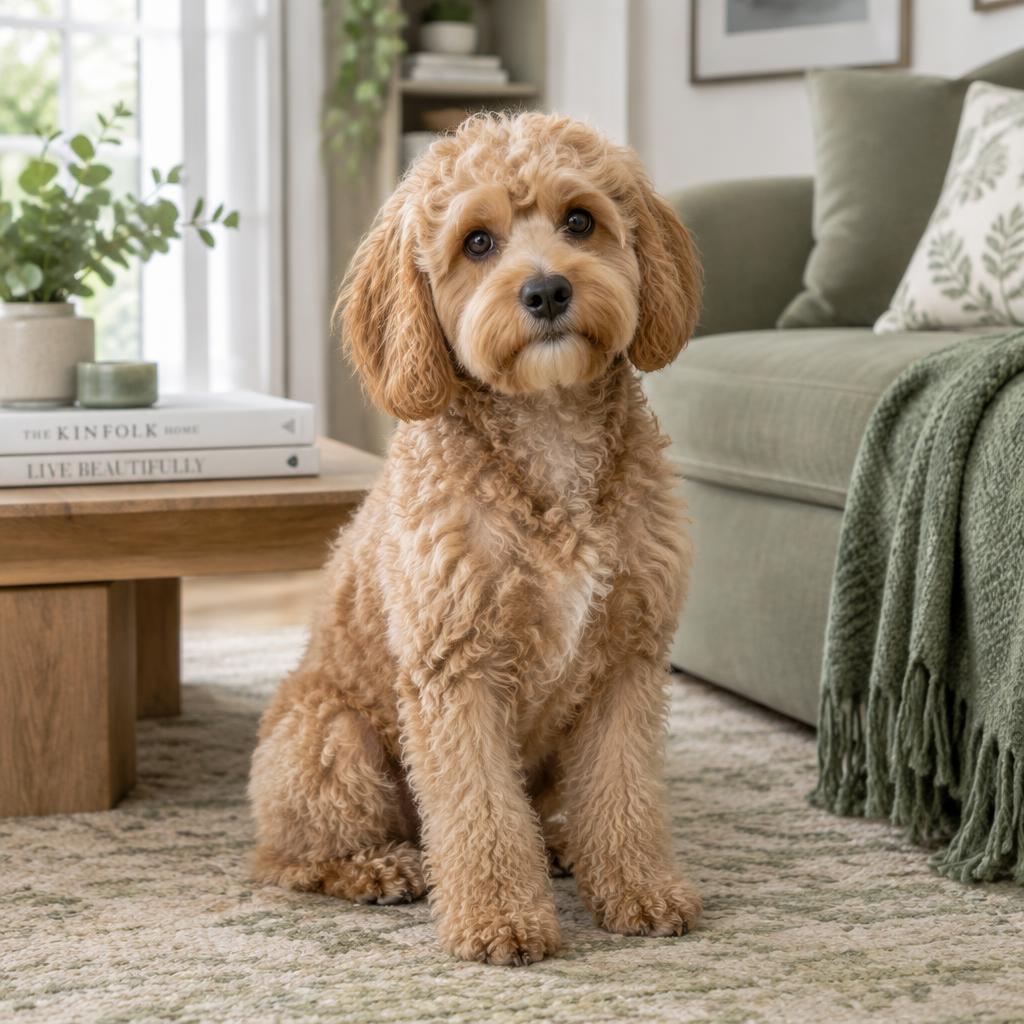
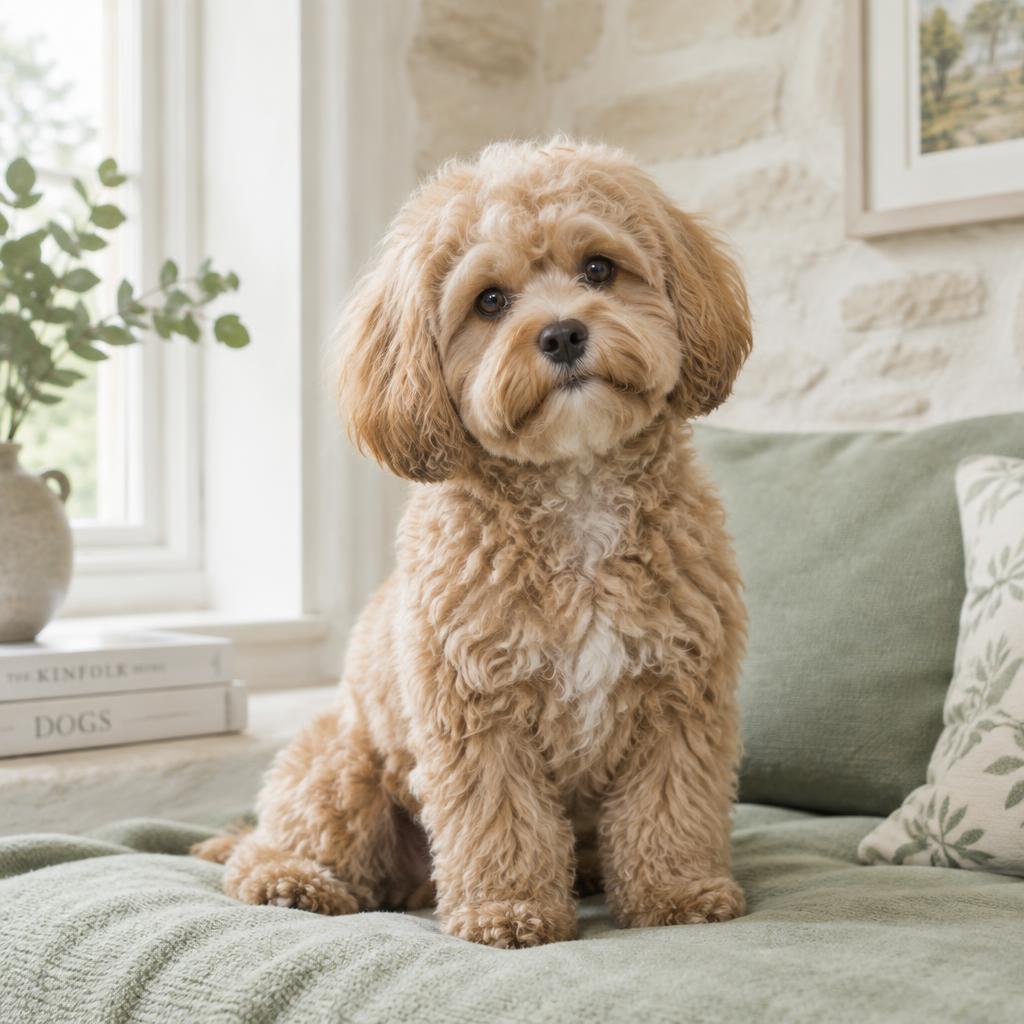
Bred deliberately from the 2000s onward, the Shih-Poo set out to combine the Shih Tzu's famously gentle, people-pleasing temperament with the Poodle's intelligence and low-shedding coat. In temperament, at least, the cross usually delivers: most Shih-Poos are calm, affectionate, friendly with visitors and relaxed around other dogs and cats. The details that deserve attention are the face, the coat and the clock. The face first. The Shih Tzu is a brachycephalic, or flat-faced, breed, and some Shih-Poos inherit that short muzzle. That can mean snoring, struggling in hot weather and prominent eyes that are prone to ulcers and injury. Toy and Miniature Poodle influence often lengthens the muzzle, but not always. Choose a puppy with a visible muzzle, open nostrils and quiet breathing, and ask the breeder whether the Shih Tzu parent has had a breathing assessment. Then the coat. The teddy-bear look comes from a dense, wavy-to-curly coat that grows continuously and tangles readily. Expect to brush several times a week right down to the skin, and to book a professional groom every four to eight weeks; most owners choose a short, practical clip. Daily eye wiping helps with tear staining, and hair around the eyes needs trimming so it does not irritate them. Shedding is usually minimal, which is a big part of the appeal, but "hypoallergenic" is a marketing word: meet the litter if allergies matter. Then the clock. The Shih-Poo is a companion dog in the truest sense and copes poorly with long days alone. Build alone-time gradually from puppyhood and choose one only if someone is home much of the time. Exercise needs are pleasantly modest, thirty to forty-five minutes a day, and a playful Shih-Poo is happy to make up the rest indoors. Training goes well with short, cheerful, food-rewarded sessions; house training can take a little longer than with bigger dogs, so consistency pays. Dental care matters in small jaws, and patellas and eyes should be screened in both parents. Lifespans are long, often into the mid-teens. Choose the face carefully, budget for the grooming, keep someone around, and a Shih-Poo will be among the sweetest, easiest dogs you ever share a home with.
The Shih-Poo is a soft-hearted companion with the Shih Tzu's easy-going charm and the Poodle's bright mind, wrapped in one of the most cuddly coats in dogdom. Most are friendly with everyone, relaxed with other pets and happy with modest exercise, which makes them a lovely fit for flats, retirees and calm families. Two things deserve honesty. First, the face: Shih Tzu ancestry can bring a short muzzle, and with it snoring, heat sensitivity and prominent eyes that are easily injured. A puppy with a slightly longer Poodle-influenced muzzle and open nostrils is the safer choice. Second, the coat. That teddy-bear look is high maintenance: brushing several times a week, a professional groom every four to eight weeks, daily eye wiping and hair kept out of the eyes. Most shed very little, though no dog is truly hypoallergenic. Training is pleasant, if occasionally stubborn on the Shih Tzu side, and house training can take patience as with many small dogs. Like most companion crosses, a Shih-Poo struggles with long days alone. For homes where someone is usually around and the grooming budget is real, it is one of the gentlest, easiest small dogs to live with.
Exercise, day to day
- 1Puppies (8 to 20 weeks): short play sessions and gentle exploring; socialisation and grooming handling are the priority.
- 2Adolescents (4 to 12 months): two short walks a day plus training games.
- 3Adults: thirty to forty-five minutes daily of walks and play suits most.
- 4Mental work: trick training and puzzle feeders suit the Poodle brain.
- 5Heat care: shorter-muzzled individuals overheat quickly, so walk early or late in warm weather.
Grooming, realistically
- 1Brush three or four times a week, working right down to the skin with a slicker brush and comb.
- 2Book a professional groom every four to eight weeks; a short teddy-bear clip is the practical choice.
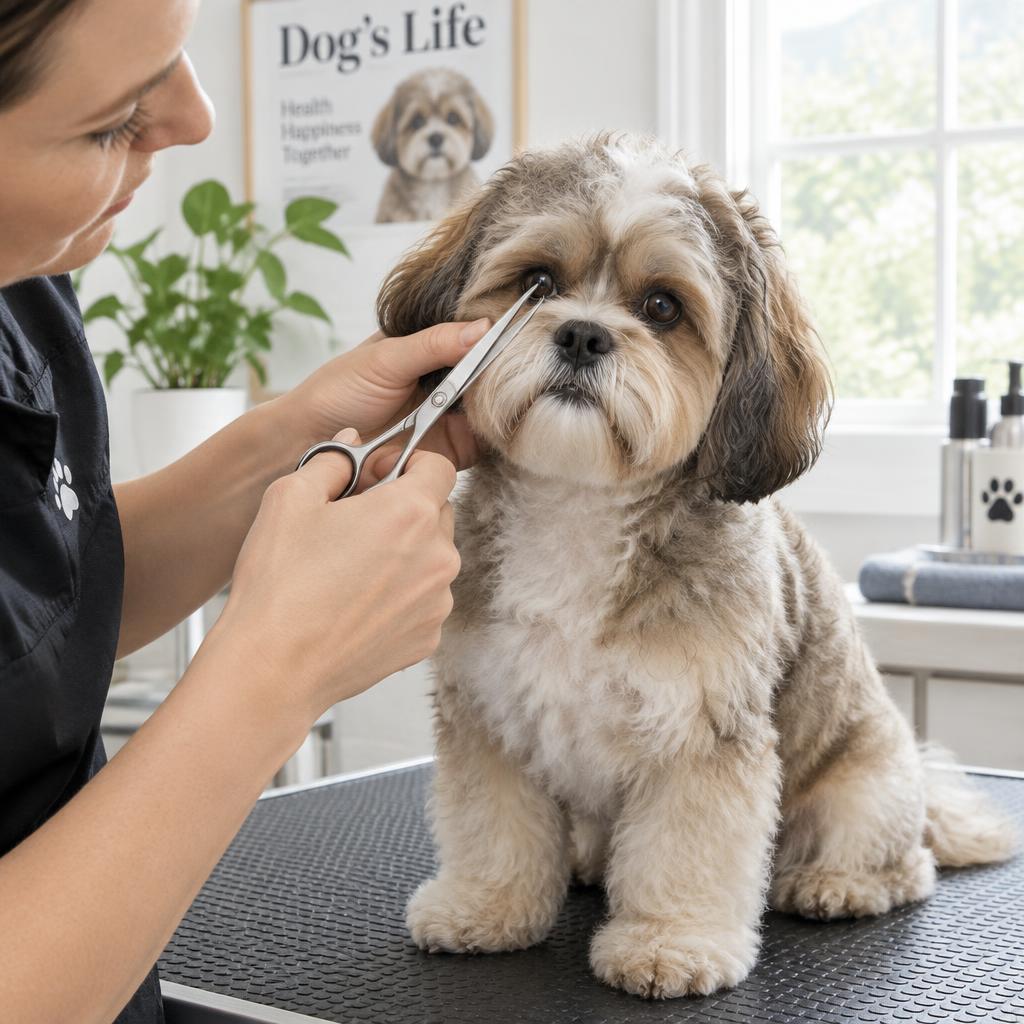
- 3Wipe the eyes daily and keep the hair around them trimmed so it does not irritate the eye.
- 4Brush teeth most days; small jaws crowd teeth and tartar builds quickly.
- 5Trim nails every three to four weeks and check ears weekly.
What you actually need
- Slicker brush
- Metal comb
- Detangling spray
- Rounded-tip scissors
- Soft eye wipes
- Enzymatic dog toothpaste and brush
Puppy to adult
| Age | Male | Female | What is happening |
|---|---|---|---|
| 8 weeks | 0.8 to 1.4 kg | 0.7 to 1.3 kg | Gentle and sociable; start handling paws, face and ears for future grooming. |
| 3 months | 1.6 to 2.6 kg | 1.5 to 2.4 kg | House training takes patience; frequent, consistent trips outside pay off. |
| 6 months | 3 to 5.5 kg | 2.8 to 5 kg | Adult coat begins coming through; matting starts if brushing slips. |
| 9 months | 3.6 to 7 kg | 3.4 to 6.4 kg | Near adult size; first full professional groom usually happens around now. |
| 12 months | 4 to 8 kg | 3.8 to 7.5 kg | Adult size for most; Miniature Poodle crosses finish a little later and larger. |
| 15 months | 4.5 to 9 kg | 4 to 8.5 kg | Fully mature; adult coat settled into its final texture. |
Ranges are typical, not targets. Judge condition by ribs and waist, and check with the ideal weight checker.
What to ask a breeder
- Has the Shih Tzu parent had a breathing assessment, and how long is their muzzle?
- What health tests have both parents had: eyes, patellas and DNA panels?
- Is the Poodle parent a Toy or a Miniature, and what adult size do you expect?
- What coat types are in the litter?
- How are the puppies socialised and introduced to grooming?
Health tests to ask for
Ask to see results for both parents before you put down a deposit.
- Eye testing for both parents
- Patella assessment for both parents
- Breathing assessment for the Shih Tzu parent
- DNA panel relevant to each parent breed, including PRA
Health watch-list
What to ask a breeder about, and what to watch for over a lifetime. This is orientation, not veterinary advice, anything you notice belongs in front of a vet.
Eye problems and corneal ulcers
OccasionalProminent eyes from the Shih Tzu side are easily scratched, and hair can irritate them. Daily checks, trimmed facial hair and prompt vet care for squinting protect sight.
Breathing difficulties (BOAS)
UncommonShorter-muzzled Shih-Poos can inherit flat-faced breathing problems. Choose a puppy with a visible muzzle and open nostrils.
Dental disease
CommonSmall jaws crowd teeth and tartar builds early. Brush most days and budget for professional dental care.
Luxating patella
OccasionalSlipping kneecaps are common in small breeds. Watch for a skipping step; severe cases need surgery.
Progressive retinal atrophy
UncommonAn inherited eye disease seen in Poodles. DNA testing of the Poodle parent removes most of the risk.
Skin and ear problems
OccasionalA dense coat can hide sore skin, and hairy ears trap moisture. Regular brushing to the skin and weekly ear checks catch problems early.
What it costs to keep one
Realistic running cost
€88 / month
About €1,056 a year, or roughly €15,840 across a 15-year life, before purchase price, neutering and one-off vet events.
Before the puppy arrives. Budget roughly €300 to 600 for a crate, bed, lead and harness, bowls, puppy classes, first vaccinations and grooming kit sized for this breed. Figures throughout are indicative and vary a good deal between countries.
Interactive · built for this breed
Is a Shih-Poo right for your home?
Seven honest questions about your space, time and household, checked against this breed's exercise need, coat, sociability and tolerance for time alone.
Fit with your routine
96%
A strong fit
Your routine suits a Shih-Poo well. Meet adult dogs of the line before you commit.
What to sort out first
- Coat needs more brushing or trimming than you have allowed.
Working in your favour
- Your daily walking comfortably covers this breed's exercise need.
Compare more breeds in the matchmaker, or plan meals with the portion calculator.
The verdict, by household
A gentle, sociable companion for calm families; teach children to handle a small dog kindly.
Excellent: quiet, adaptable and content with modest daily exercise.
One of the easiest choices for first-timers, as long as the grooming budget and company needs are understood.
Usually superb with other dogs and cats; one of the most sociable small crosses.
When to call your vet
- Squinting, a cloudy or blue patch on the eye, or sudden eye pain
- Noisy breathing at rest, or collapsing or struggling in warm weather
- A skipping step on a back leg
- Bad breath, red gums or reluctance to chew
- Red, sore skin or persistent scratching under the coat
Nothing here is a diagnosis. A swollen, hard belly with retching, collapse, breathing difficulty and sudden hind-leg weakness are emergencies: go straight away.
Shih-Poo vs the closest alternatives
| Breed | Weight | Energy | Grooming | € / month |
|---|---|---|---|---|
| Shih-Poo | 4 to 9 kg | 4/10 | 8/10 | €88 |
| Havanese | 4.5 to 7.5 kg | 5/10 | 7/10 | €130 |
| Coton de Tulear | 3.5 to 6 kg | 5/10 | 7/10 | €94 |
| Cavapoo | 5 to 11 kg | 5/10 | 7/10 | €77 |
Shih-Poo questions, answered
How big does a Shih-Poo get?
Most adults weigh 4 to 9 kg and stand 20 to 33 cm at the shoulder. Toy Poodle crosses finish smaller; Miniature Poodle crosses at the upper end.
Do Shih-Poos shed?
Very little in most cases, which is a big part of their appeal. The trade-off is a coat that needs brushing several times a week and regular professional grooms. No dog is truly hypoallergenic, so meet the litter if allergies matter.
Are Shih-Poos good with children?
Yes, with calm, considerate children. They are gentle and sociable, but small enough to be hurt by rough handling, so supervise young children.
Do Shih-Poos have breathing problems?
Some do, if they inherit a short Shih Tzu muzzle. Choose a puppy with a visible muzzle, open nostrils and quiet breathing, and take care in hot weather.
How often does a Shih-Poo need grooming?
Brushing three or four times a week at home, plus a professional groom every four to eight weeks. Daily eye wiping helps with tear staining.
Can a Shih-Poo be left alone?
Not for long working days. This is a companion cross that wants company; build alone-time slowly from puppyhood and choose one only if someone is usually home.
How long do Shih-Poos live?
Often 13 to 16 years. Eye care, dental care and a lean figure all help them reach the upper end.