Gundog group
United Kingdom
Flat-Coated Retriever
A joyful, slow-maturing gundog with a glossy feathered coat, boundless enthusiasm and a deep love of people, water and play. Best for active homes that want a dog who never really grows up.
The Peter Pan of retrievers: cheerful, glossy and forever young at heart.
The short version
- Slow to mature: expect puppy energy until three or four
- Ninety minutes or more of exercise daily, ideally with swimming
- Glossy feathered coat needs brushing two or three times a week
- Higher than average cancer risk: choose a health-testing breeder and insure well
- Friendly with everyone, so a hopeless guard dog
Choose a variety
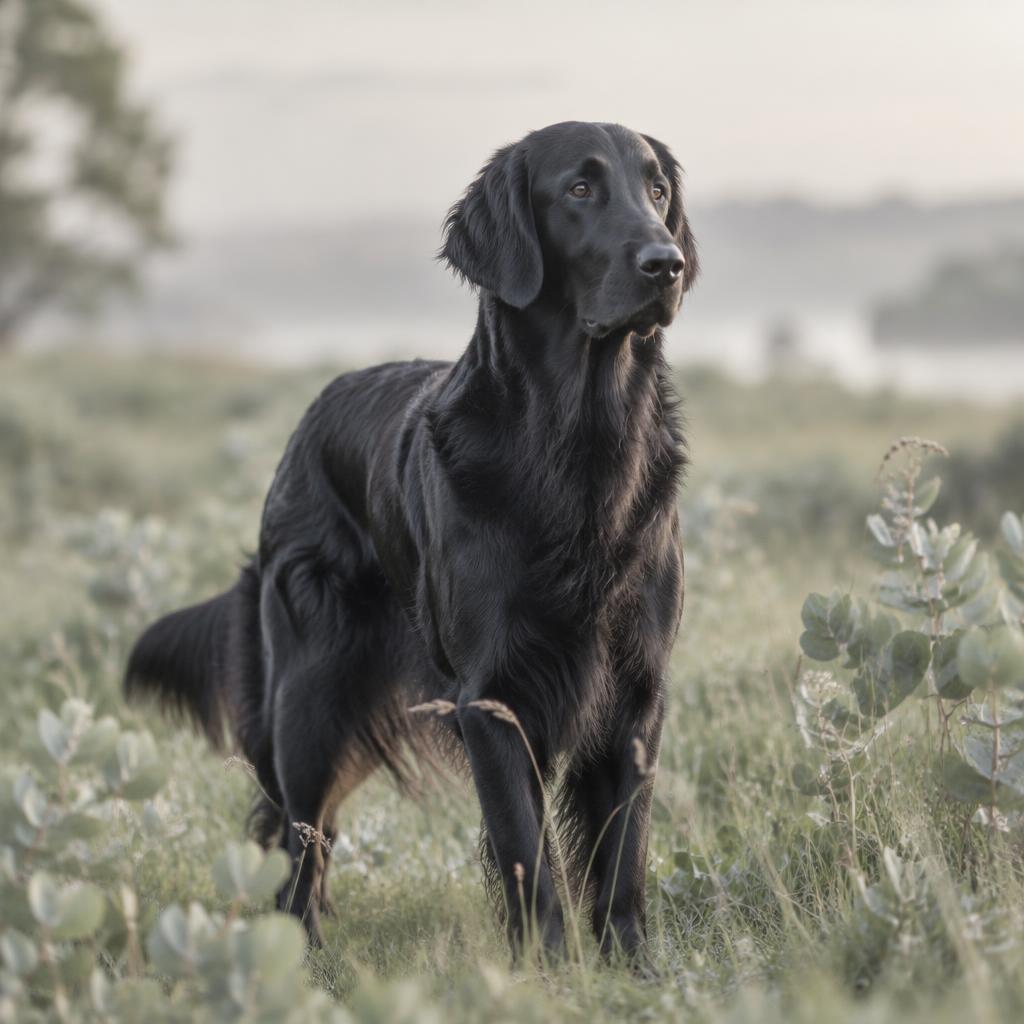
The classic glossy solid black; the most common colour.
- Weight
- 25 to 36 kg
- Height
- 56 to 61 cm
- Lifespan
- 8 to 10 yrs
- Size
- Large
- Group
- Gundog
- Coat
- Glossy medium-length flat coat with feathering
- Years to full size
- about 2
- One-off setup
- €900 to 1800
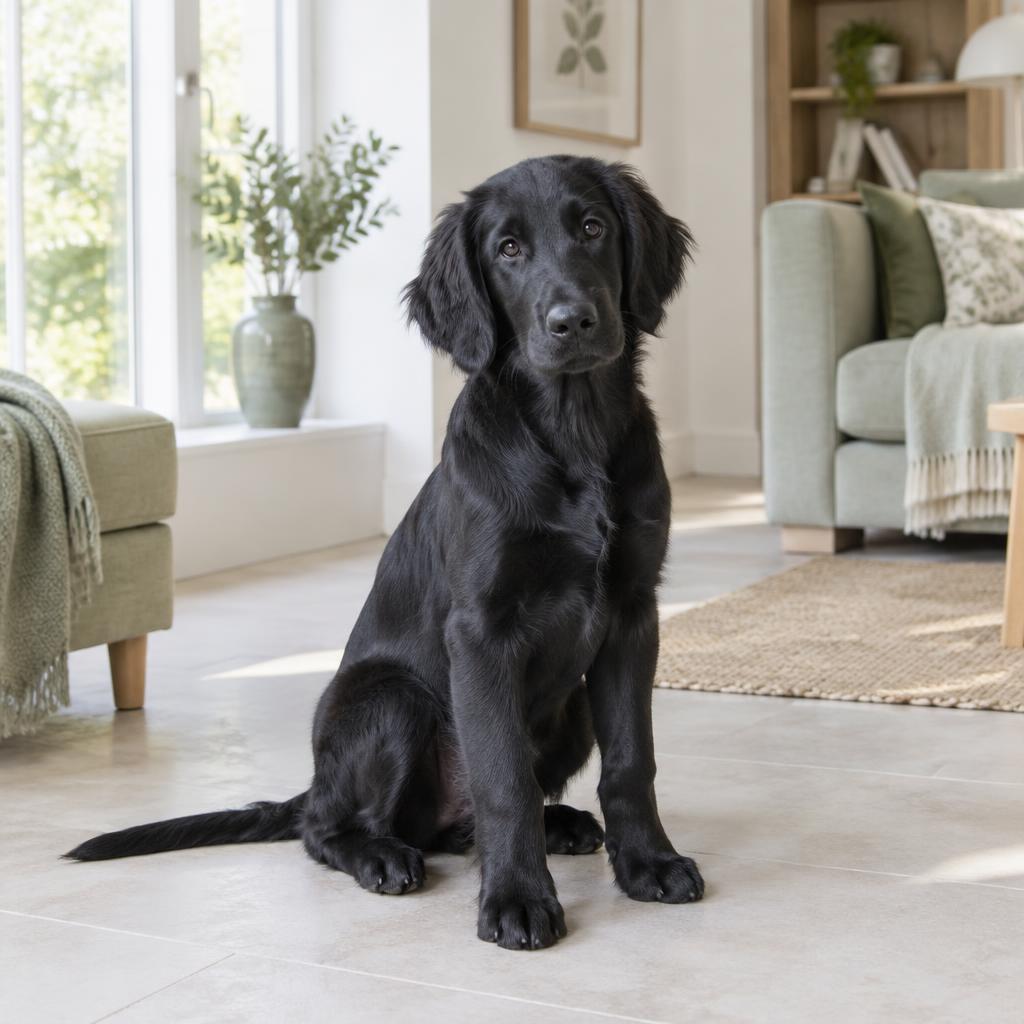
Get one if…
- Active families with children
- Owners who want a sociable, everybody-friendly dog
- Homes near water or with space to run
- People who enjoy training, gundog work or canicross
Think again if…
- Very sedentary households
- Owners out at work all day
- People wanting a calm, dignified adult dog quickly
- Anyone wanting a watchdog
Trait profile
Scores reflect a joyful, high-energy gundog: very sociable, slow to mature, moderate grooming and shedding.
Space & setup. Needs a house with a garden and easy access to open space or water; not suited to flat living.
Allergies. A moderate shedder with feathering that holds dander; not a low-allergen breed.
Living with a Flat-Coated Retriever
The Flat-Coated Retriever is a British gundog developed in the nineteenth century to retrieve game on land and from water. Glossy black or liver, feathered and forever wagging, it is famous for its puppyish outlook well into old age. Friendly with everyone, energetic and biddable, it needs plenty of exercise and company. The coat needs regular brushing, and the breed suits active families who want a cheerful, sociable dog.
The Flat-Coated Retriever was the most fashionable gundog of the Victorian era, developed from Newfoundland imports, setters and water dogs to retrieve shot game from the chilly waters of British estates. It nearly vanished after the World Wars as Labradors and Goldens took over, and it remains the rarer, more bohemian choice of the retriever family today.
Living with a Flat-Coat means living with a dog who greets every day as the best day ever. They are famously slow to mature: expect adolescent bounce and enthusiasm until three or four years old, and a wagging tail that clears coffee tables well beyond that. With their family they are devoted, gentle and wonderfully patient with children. With strangers they are usually delighted, which makes them poor guard dogs but excellent ambassadors.
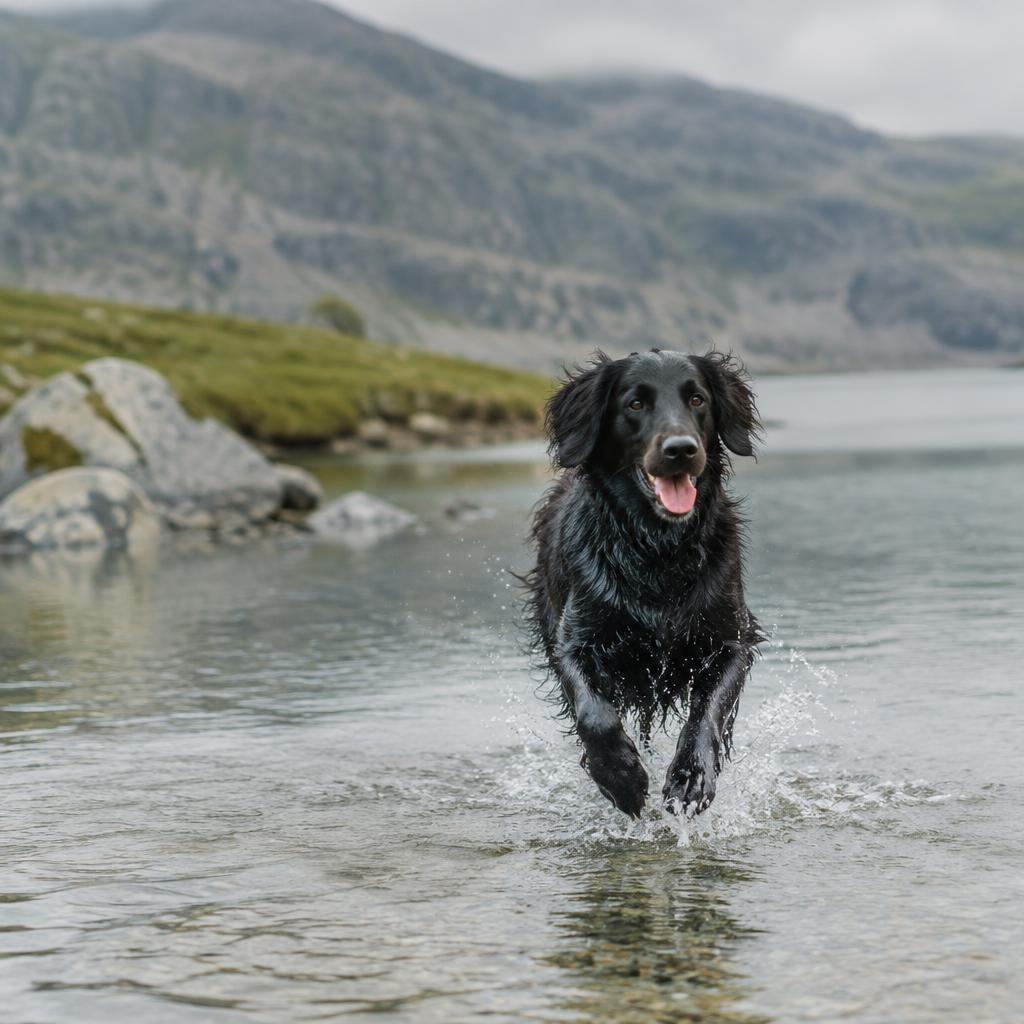
Exercise needs are high: ninety minutes or more a day, ideally with swimming, retrieving and training mixed in. They are clever and willing but easily bored by repetition, so keep sessions short and fun. The glossy coat is easier than it looks: a thorough brush two or three times a week keeps the feathering tidy. The honest caveat is health: the breed has a higher than average rate of certain cancers, so choose a breeder who health tests and knows their lines, and budget for good insurance.
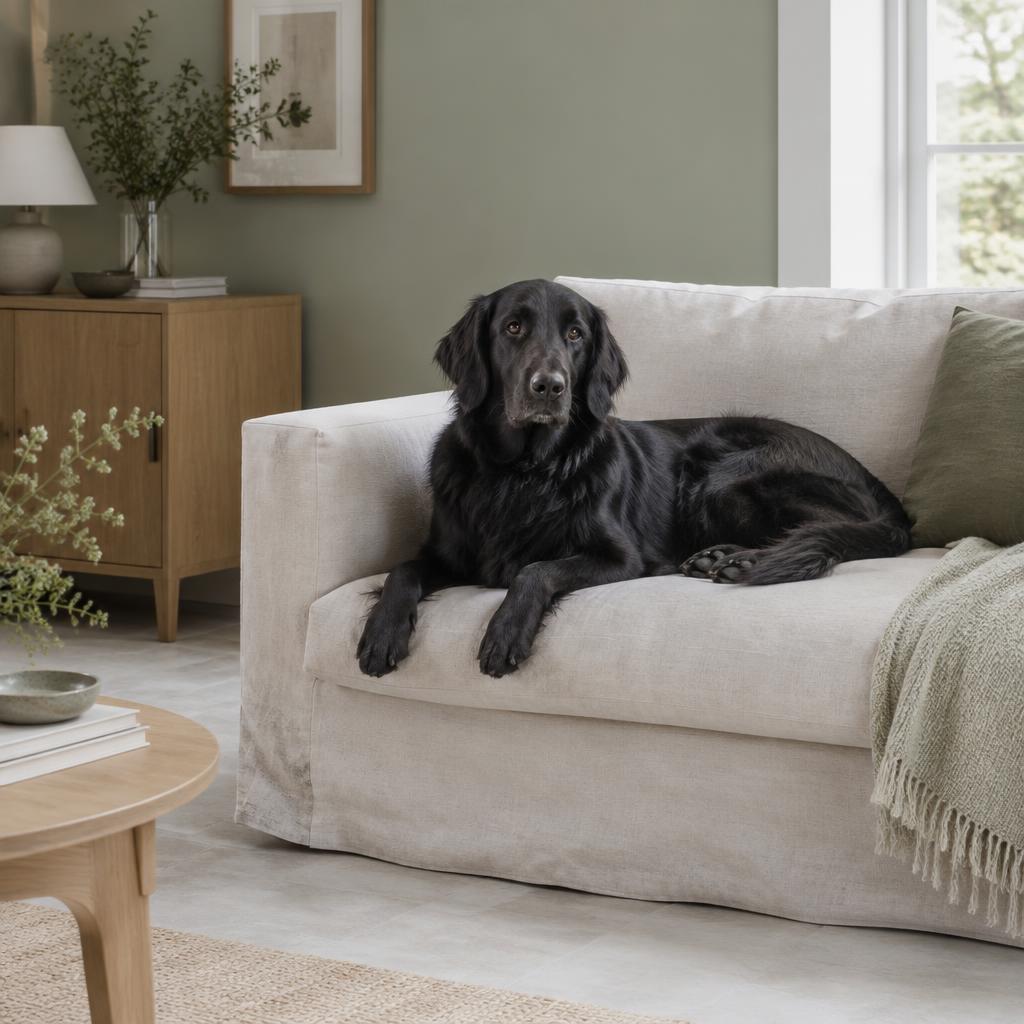
A joyful, people-loving retriever with a permanent puppy outlook. Wonderful company for active families, but the energy and slow maturity are not for everyone.
Exercise, day to day
- 1Ninety minutes or more of exercise daily
- 2Swimming or retrieving games most days
- 3Gundog training, canicross or agility as a weekly outlet
- 4Off-lead running in safe areas, with recall proofed around water
Grooming, realistically
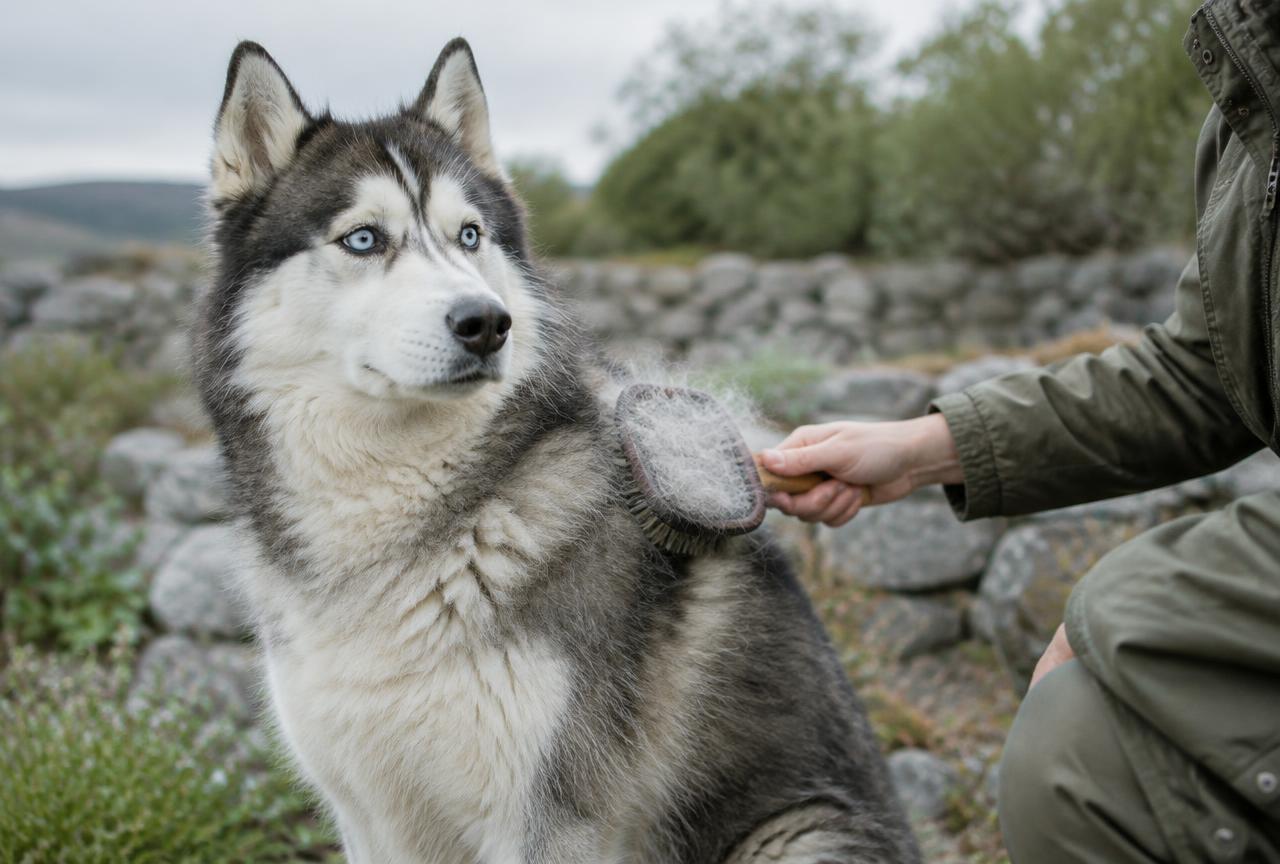
- 1Brush thoroughly two or three times a week, working through the feathering on ears, chest, legs and tail
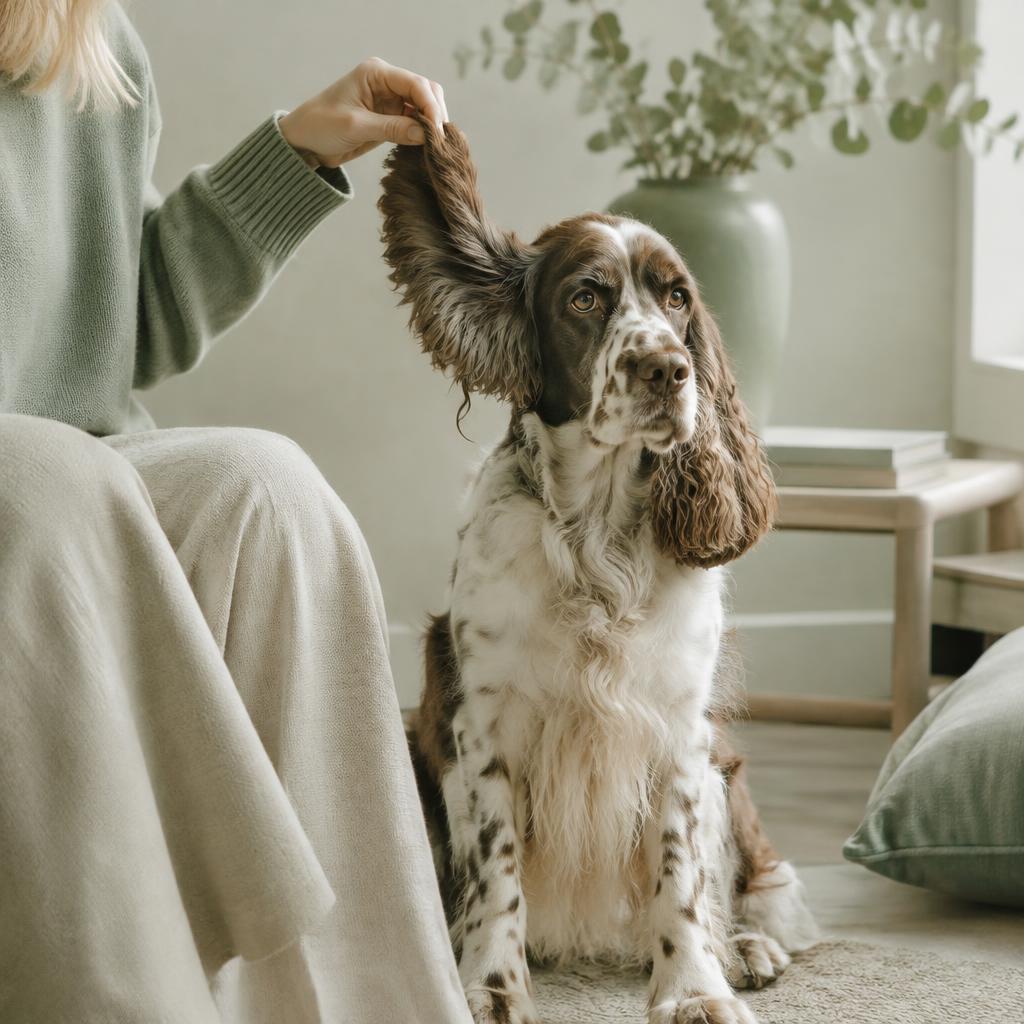
- 2Check and dry ears after swimming to prevent infections
- 3Bath only when muddy or smelly; the coat is naturally weather resistant
- 4Trim foot hair and check between pads after walks
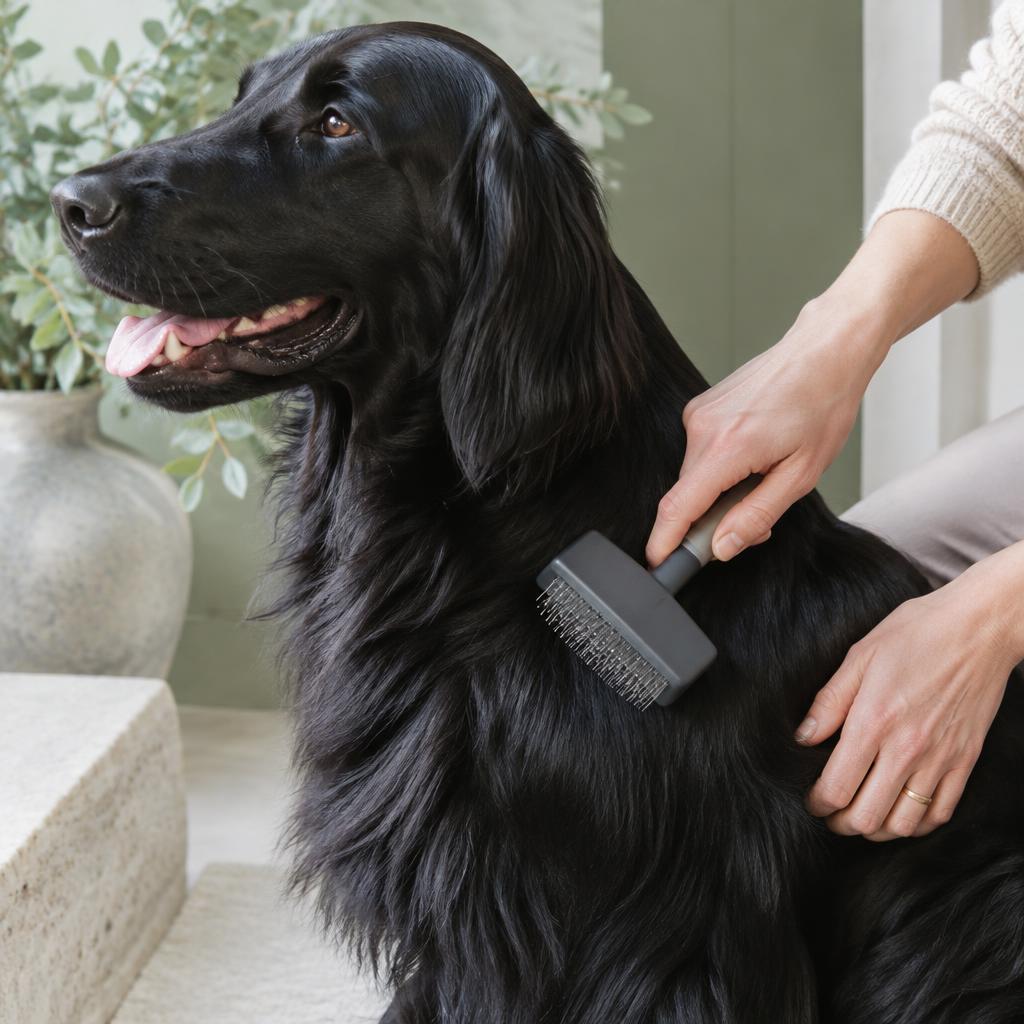
What you actually need
- Slicker brush
- Metal comb
- Ear cleaner
- Detangling spray
Puppy to adult
| Age | Male | Female | What is happening |
|---|---|---|---|
| 8 weeks | 3 to 4 kg | 3 to 4 kg | Bold and bouncy; start gentle handling, name games and a toilet routine. |
| 3 months | 9 to 12 kg | 8 to 11 kg | Socialisation window; introduce water, visitors, dogs and town sounds. |
| 6 months | 18 to 23 kg | 16 to 21 kg | Lanky adolescent; keep exercise steady and avoid repetitive impact. |
| 9 months | 23 to 29 kg | 20 to 26 kg | Near adult height; energy peaks, so add training and sniffing games. |
| 12 months | 25 to 32 kg | 23 to 29 kg | Close to adult size; still very much a puppy in outlook. |
| 24 months | 27 to 36 kg | 25 to 34 kg | Fully grown; mental maturity may take another year or two. |
Ranges are typical, not targets. Judge condition by ribs and waist, and check with the ideal weight checker.
What to ask a breeder
- Have the parents been hip and elbow scored, and what were the results?
- What is the cancer history in this line, and how old did the grandparents live?
- Have the parents had recent eye examinations?
- How do you socialise the litter before they leave?
- What health testing results can I see for both parents?
Health tests to ask for
Ask to see results for both parents before you put down a deposit.
- Hip and elbow scoring for both parents
- Eye examination by a veterinary ophthalmologist
- Ask about cancer history and longevity in the line
Health watch-list
What to ask a breeder about, and what to watch for over a lifetime. This is orientation, not veterinary advice, anything you notice belongs in front of a vet.
Cancer (including histiocytic sarcoma)
CommonThe breed has a higher than average rate of certain cancers. Know the line history, insure well and check new lumps promptly.
Hip dysplasia
UncommonAsk for hip scores for both parents; keep puppies lean and avoid repetitive impact while growing.
Elbow dysplasia
UncommonElbow scoring is recommended for breeding dogs; watch for front-leg lameness after exercise.
Ear infections
OccasionalPendulous ears and a love of water trap moisture; dry ears after swimming and clean weekly.
Gastric dilatation-volvulus (bloat)
UncommonDeep-chested breeds are at risk; feed two smaller meals and rest around mealtimes.
What it costs to keep one
Realistic running cost
€103 / month
About €1,236 a year, or roughly €11,124 across a 9-year life, before purchase price, neutering and one-off vet events.
Before the puppy arrives. Budget roughly €900 to 1800 for a crate, bed, lead and harness, bowls, puppy classes, first vaccinations and grooming kit sized for this breed. Figures throughout are indicative and vary a good deal between countries.
Interactive · built for this breed
Is a Flat-Coated Retriever right for your home?
Seven honest questions about your space, time and household, checked against this breed's exercise need, coat, sociability and tolerance for time alone.
Fit with your routine
93%
A strong fit
Your routine suits a Flat-Coated Retriever well. Meet adult dogs of the line before you commit.
What to sort out first
- Needs more daily exercise than you have pencilled in.
Working in your favour
- Coat care fits the grooming time you offered.
Compare more breeds in the matchmaker, or plan meals with the portion calculator.
The verdict, by household
Excellent: gentle, playful and devoted with children.
Workable for committed owners, but the energy and slow maturity surprise many.
A moderate shedder; not a low-allergen choice.
Not ideal: needs space, water and serious daily exercise.
When to call your vet
- New lumps or bumps, which should always be checked promptly in this breed
- Reluctance to exercise, stiffness or limping
- Cloudy eyes, redness or squinting
- Unexplained weight loss, lethargy or changes in appetite
Nothing here is a diagnosis. A swollen, hard belly with retching, collapse, breathing difficulty and sudden hind-leg weakness are emergencies: go straight away.
Flat-Coated Retriever vs the closest alternatives
| Breed | Weight | Energy | Grooming | € / month |
|---|---|---|---|---|
| Flat-Coated Retriever | 25 to 36 kg | 8/10 | 5/10 | €103 |
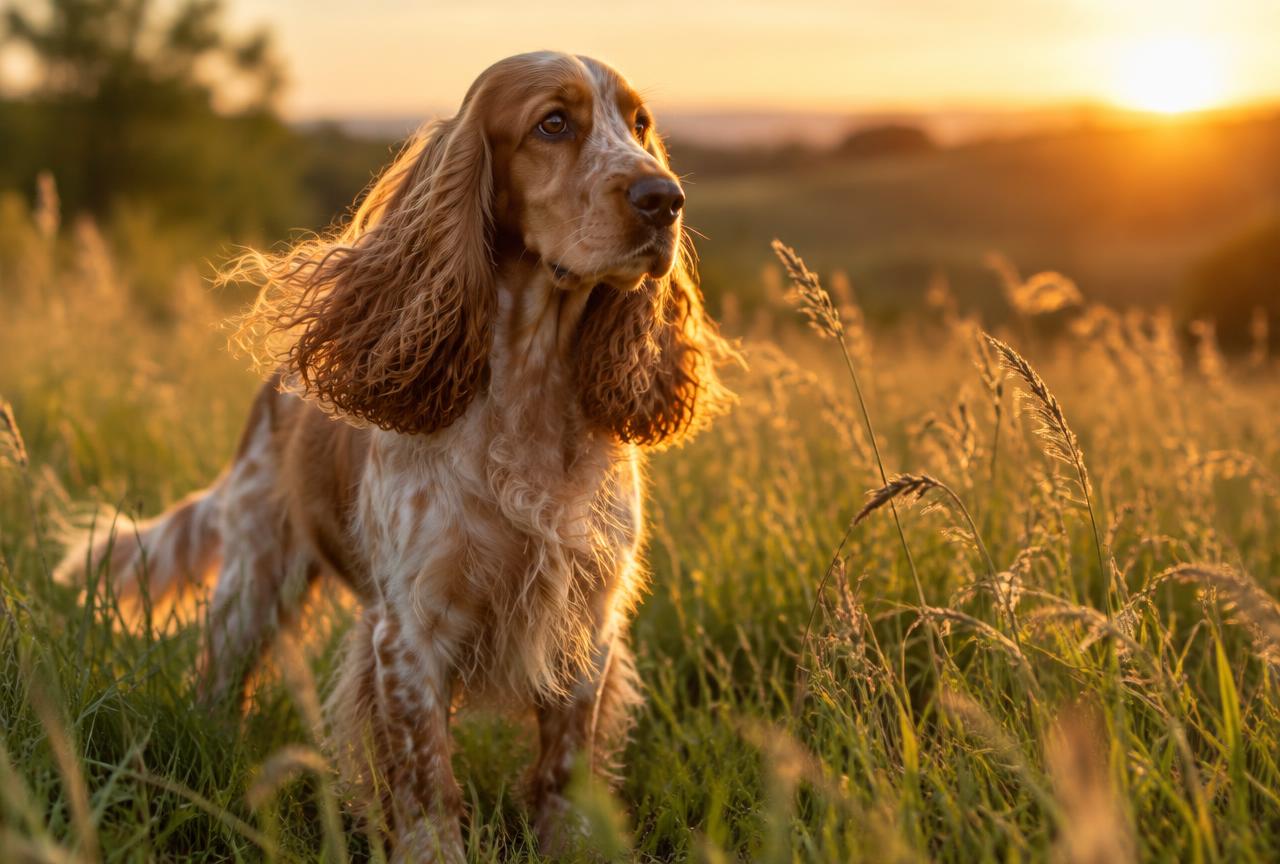
| English Cocker Spaniel | 12 to 16 kg | 8/10 | 6/10 | €192 |
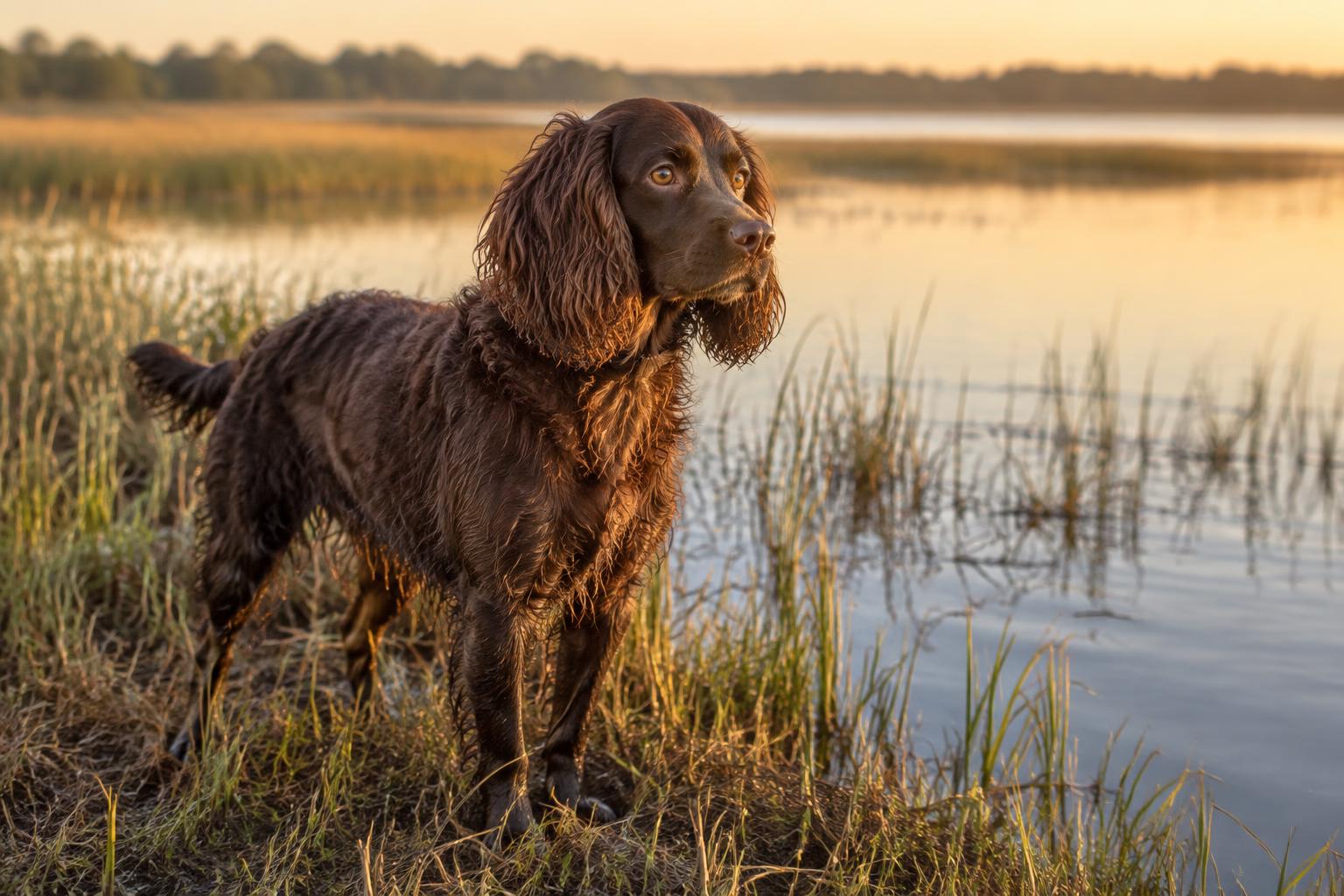
| Boykin Spaniel | 11 to 18 kg | 8/10 | 5/10 | €88 |
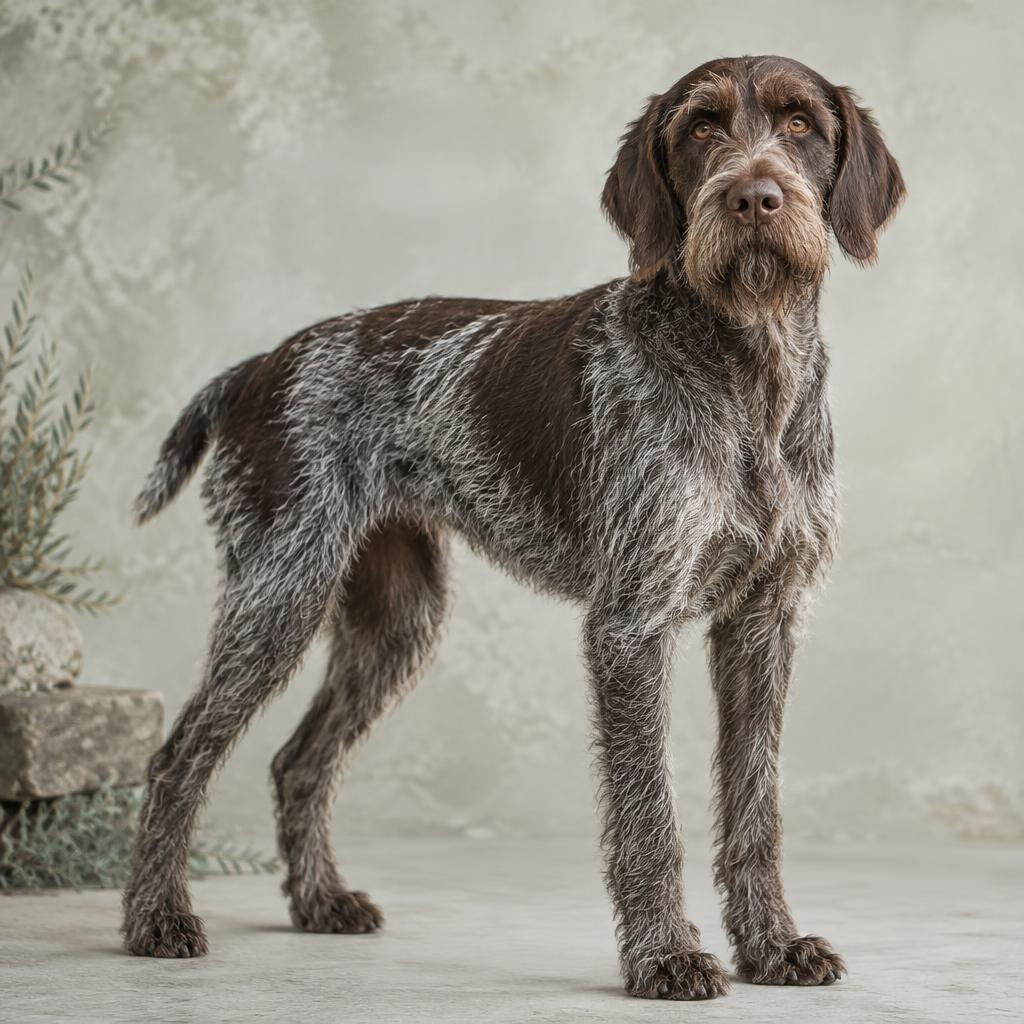
| Wirehaired Pointing Griffon | 23 to 32 kg | 8/10 | 5/10 | €98 |
Flat-Coated Retriever questions, answered
Are Flat-Coated Retrievers good family dogs?
Yes, they are one of the most people-loving breeds and are typically gentle and patient with children. Their bounciness can bowl over toddlers, so supervise and teach calm greetings.
How much exercise does a Flat-Coated Retriever need?
Plan on ninety minutes or more every day, mixing walks, off-lead running, retrieving and ideally swimming. A bored Flat-Coat will invent its own entertainment.
Do Flat-Coated Retrievers shed?
Yes, moderately. The glossy coat and feathering shed year-round and need brushing two or three times a week to stay tidy.
When do Flat-Coated Retrievers calm down?
They are famously slow to mature. Expect puppy-like enthusiasm until three or four years old, and a playful outlook for life. Training and enough exercise help channel it.
What health problems do Flat-Coated Retrievers have?
The main concern is a higher than average rate of certain cancers. Hip and elbow dysplasia, ear infections and bloat also occur. Choose a breeder who health tests and can discuss longevity in their lines.
Can a Flat-Coated Retriever live in a flat?
It is not recommended. This is a large, energetic country dog at heart that needs a garden, daily runs and access to water or open space.