Pastoral group
Siberia (Russia)
Samoyed
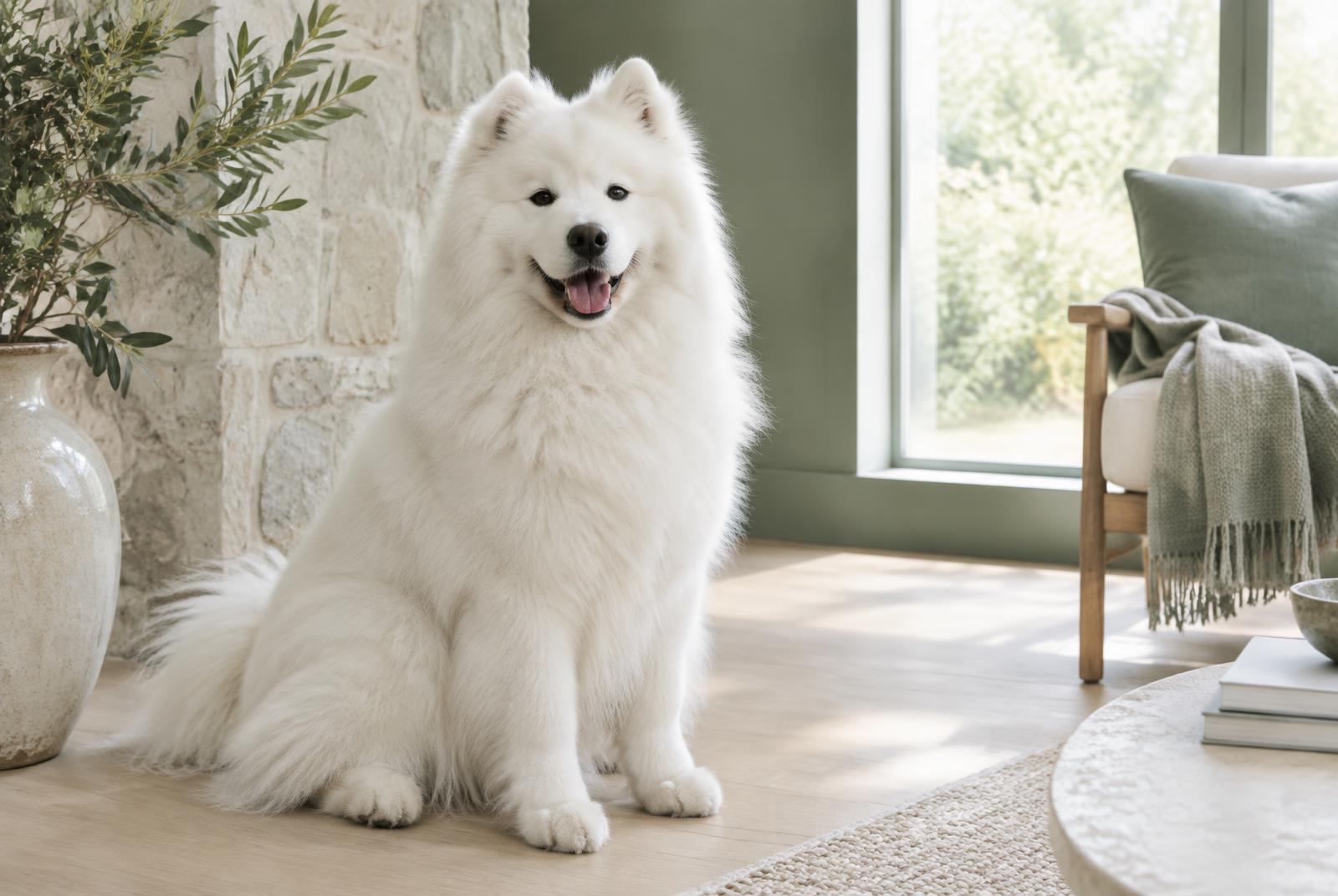
The Samoyed is a large, striking white Siberian herding and sledding breed prized for its famously friendly temperament and demanding, heavy shedding coat.
Dr Emma Whitfield, MRCVS
A dazzling white working dog with a permanent smile, bred to pull sledges and herd reindeer, not to sit quietly at home.
The short version
- Samoyeds were bred to herd reindeer and pull sledges, and still need substantial daily exercise and purpose.
- The breed is friendly with almost everyone, which makes it a hopeless guard dog by design.
- The thick double coat sheds year round and blows out dramatically twice a year, needing committed brushing.
- Heat management matters in summer, since the coat is built for cold and should never be shaved.
- Hip scoring and eye testing of breeding stock are important screening steps before buying a puppy.
- Independent, sometimes stubborn intelligence means training needs patience and consistency.
- Weight
- 16 to 30 kg
- Height
- 50 to 60 cm
- Lifespan
- 12 to 14 yrs
- Size
- Large
- Group
- Pastoral
- Coat
- Thick, straight, white or cream double coat with a dense soft undercoat
- Grown male
- 20 to 30 kg
- Grown female
- 16 to 24 kg
- Years to full size
- about 2
- One-off setup
- €500 to 900
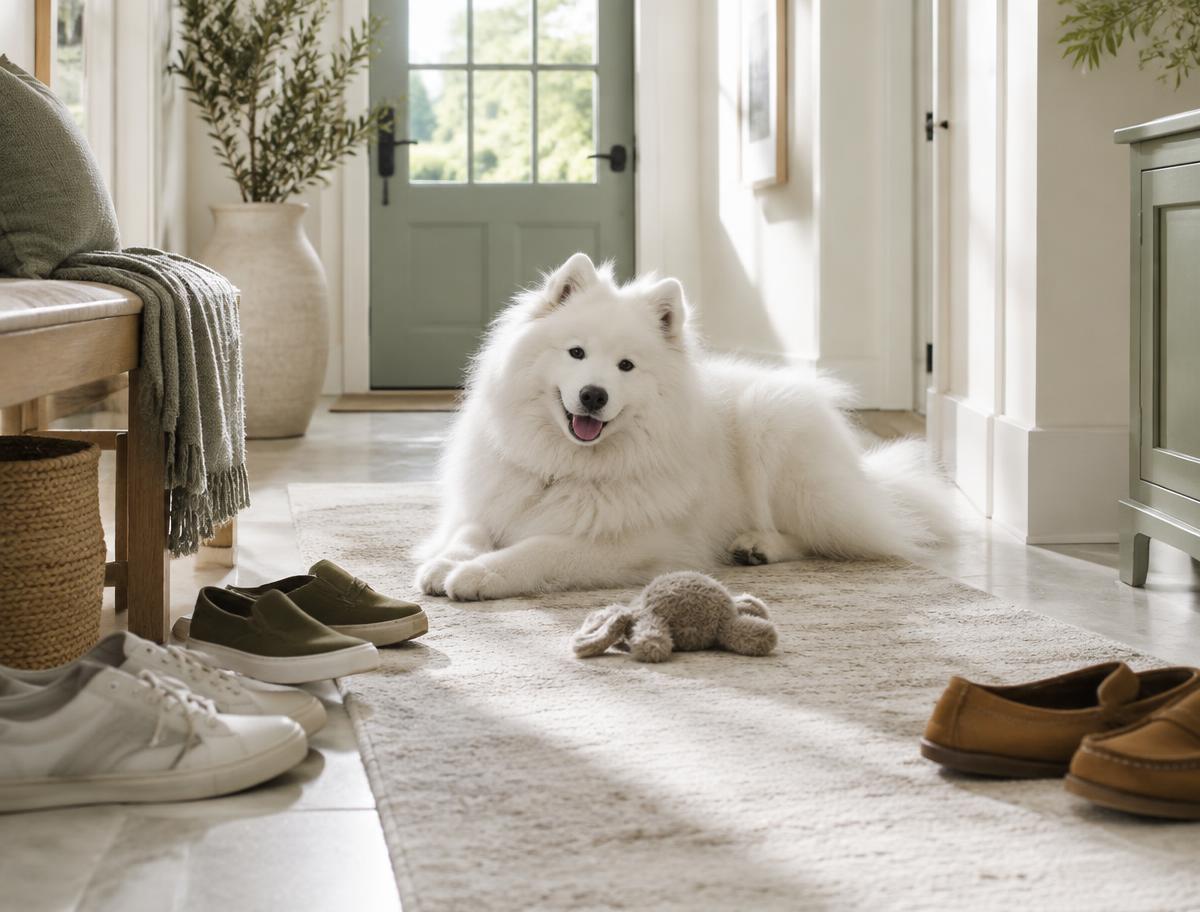
Get one if…
- Active owners able to provide well over an hour of exercise most days
- Households with a garden and access to cooler walking times in summer
- Owners prepared to brush thoroughly several times a week, daily during coat blow
- Families wanting a consistently friendly dog around children and visitors
- Owners interested in activities like sledding, carting or canicross
Think again if…
- Anyone wanting a watchful or protective dog
- Apartment dwellers without a serious daily exercise plan
- Owners who cannot tolerate heavy, twice yearly shedding
- Households in consistently hot climates without good cooling options
- Owners wanting a biddable, eager to please breed with no independent streak
Trait profile
The Samoyed pairs genuine friendliness and a love of company with real working drive and independence, so daily physical and mental work matters as much as affection and attention.
Space & setup. A house with a secure garden suits this breed far better than a flat, given its high exercise needs and tendency toward loud vocalisation when bored or under-stimulated.
Allergies. The Samoyed sheds heavily and consistently, with dramatic seasonal coat blowouts, so it is a poor choice for anyone with dog allergies and not considered hypoallergenic in any sense.
Living with a Samoyed
The Samoyed is a large, thickly coated Pastoral breed developed by the Nenets people of Siberia to herd reindeer, pull sledges and sleep alongside the family for warmth. It is known for its famously friendly, sociable temperament, its striking white double coat and its need for genuine daily work to stay content.
The Samoyed takes its name from the Samoyedic peoples of Siberia, most notably the Nenets, who bred these dogs over centuries to herd reindeer, pull sledges across vast frozen distances and curl up inside the family tent at night to share body heat. That history explains almost everything about the breed today: the dense, insulating double coat built for extreme cold, the stamina for sustained physical work, and a temperament built on close, trusting cooperation with people rather than wariness of them. The breed later found fame with polar expeditions in the early twentieth century before settling into life as a companion breed, though the working instincts never really left.
That famous Samoyed smile, created by the slight upward curve of the mouth, is not just an appealing look. It is thought to have a practical origin too, helping stop drooling that would otherwise freeze on the dog's face in sub zero conditions. It is a fitting symbol for a breed that genuinely does seem to enjoy life and people, and that cheerful disposition is one of its strongest selling points. Samoyeds are consistently friendly, often treating strangers, children and other dogs with the same open warmth they show their own family, and this makes them a poor choice for anyone wanting a watchful or protective dog. A Samoyed will more likely help a burglar carry the television than raise the alarm, and prospective owners wanting any element of guarding instinct should look elsewhere entirely.
The honest limitation that catches many new owners out is the sheer amount of purpose this breed needs. Bred to pull and to work alongside people for hours at a time, a Samoyed left under-exercised and under-stimulated does not simply become a bit restless, it becomes a genuinely difficult housemate, prone to loud, persistent vocalisation, digging, chewing and escape attempts. This is not a breed that settles happily into a quiet, low key lifestyle, and anyone considering one needs to honestly assess whether they can offer well over an hour of proper exercise most days, along with mental work such as training, pulling activities or scent games.
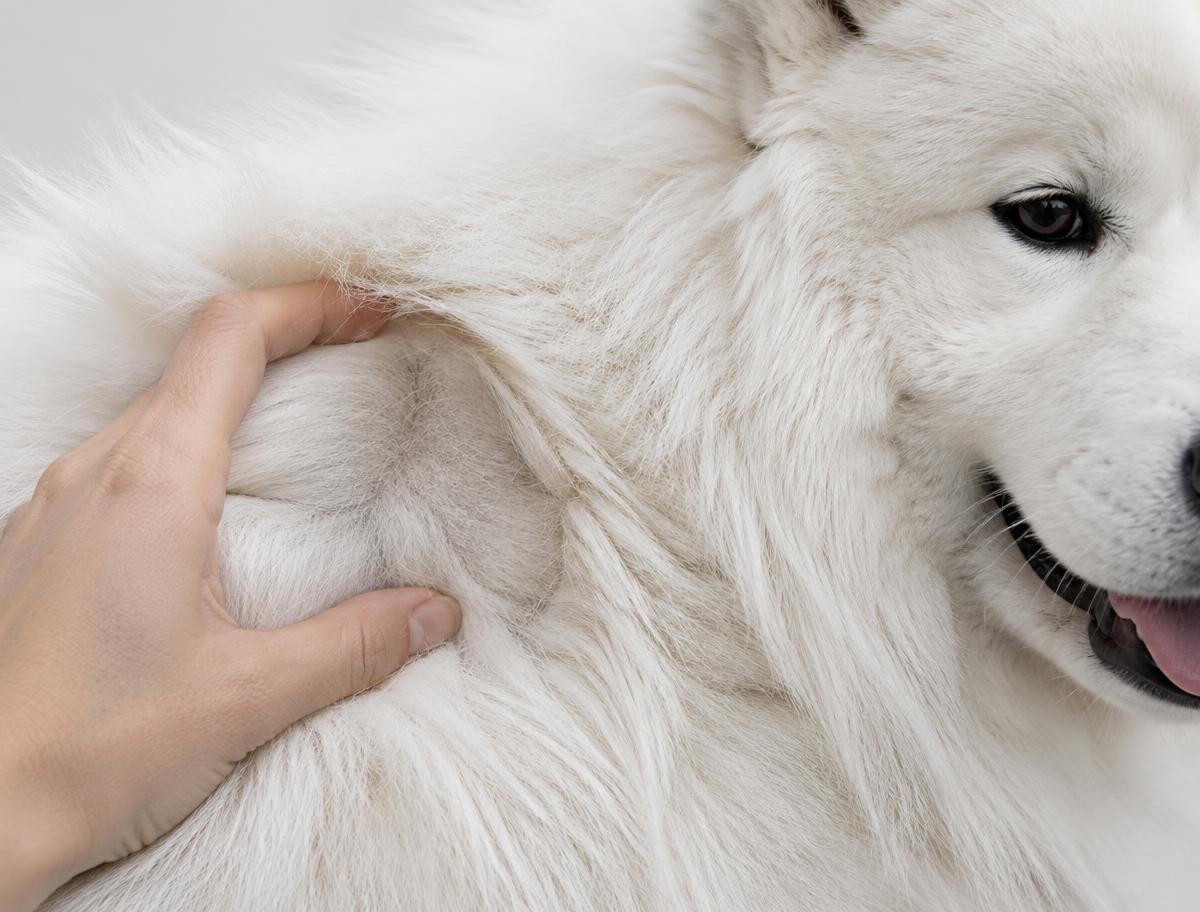
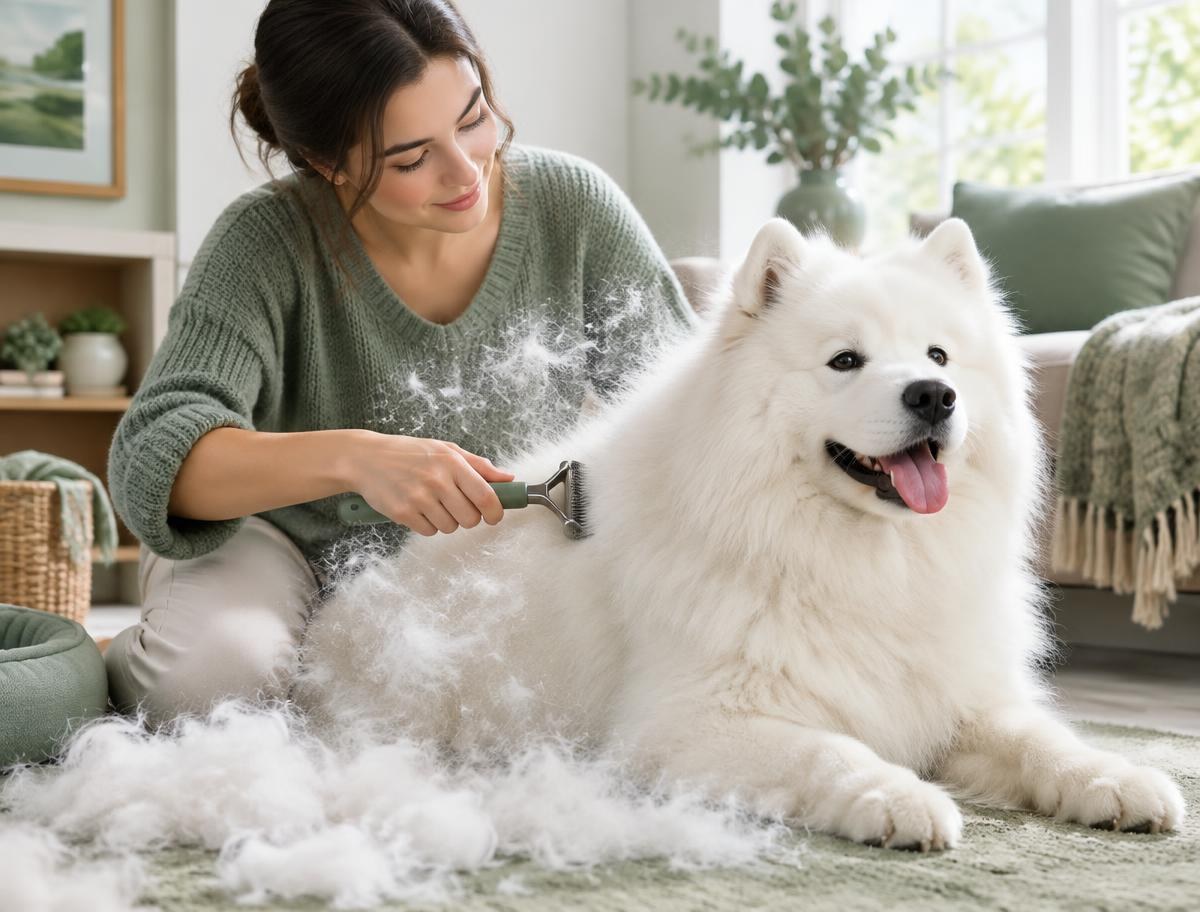
The coat is the other major commitment, and it deserves to be taken seriously rather than glossed over. The dense white double coat sheds a steady amount year round and then blows out spectacularly twice a year, typically in spring and autumn, releasing astonishing quantities of soft undercoat over a period of several weeks. Daily brushing during these periods is close to essential, and a good slicker brush, undercoat rake and a vacuum cleaner that can cope are not optional extras. The pale coat also shows dirt readily, though it is naturally somewhat self cleaning and sheds mud once dry.
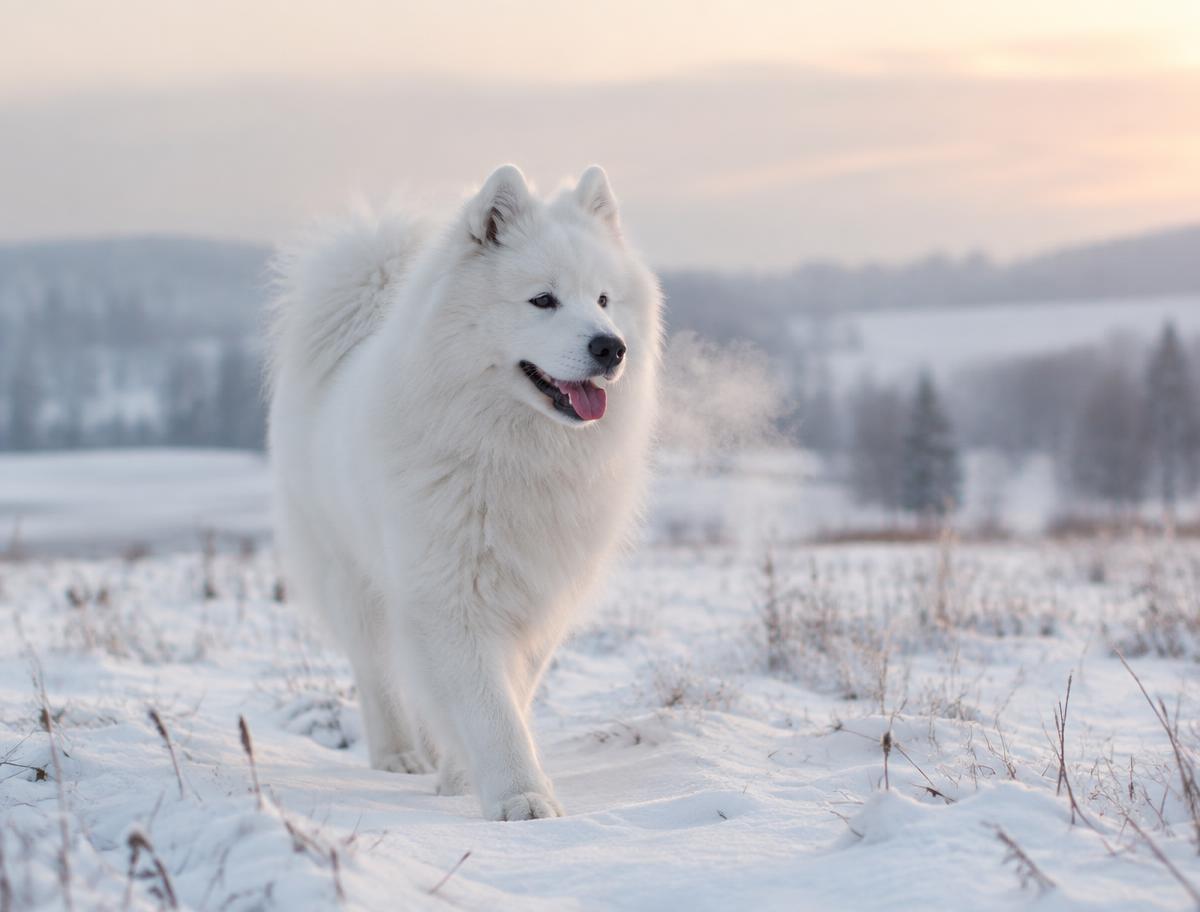
That thick coat brings a related, less obvious problem: heat management. A breed built for Siberian winters struggles in warm weather, and owners in hotter climates or during summer heatwaves need to plan carefully, providing shade, fresh water, cooling mats and exercising only during the cooler parts of the day. Never shave a Samoyed to help with heat, since the coat actually insulates against both cold and heat and shaving can damage its regrowth and natural protective qualities.
Health wise, hip dysplasia is a genuine concern in the breed, and responsible breeders screen breeding stock using hip scoring schemes to reduce the risk in puppies. Eye conditions, including progressive retinal atrophy and glaucoma, are also reported, making eye testing of breeding dogs an important safeguard. Samoyed diabetic nephropathy, a hereditary kidney condition, affects the breed specifically and screening and careful line breeding help manage it. Prospective buyers should always ask to see hip scores and eye certificates for both parents rather than simply taking a breeder's word for it.
Training a Samoyed is rewarding but requires patience, since the breed is intelligent but can be notably independent and stubborn, a legacy of being bred to make its own decisions while working at a distance from handlers. Positive, reward based methods work best, and early socialisation and consistent boundaries pay off considerably given the breed's size and strength as an adult.
This breed suits active owners with a garden, a genuine commitment to daily exercise and the time and patience for serious grooming, ideally with some outdoor space and a cooler climate or the means to manage heat properly. It does not suit anyone wanting a guard dog, apartment dwellers without a strong exercise plan, those who cannot tolerate heavy seasonal shedding, or owners hoping for a low maintenance coat. For the right active, patient household, the Samoyed offers warmth, humour and genuine companionship in return for the effort invested.
A strikingly beautiful, friendly working dog that needs serious daily exercise, twice yearly coat blowouts and is a hopeless guard dog by design.
Exercise, day to day
- 1Puppies (8 to 20 weeks): short, gentle play and lead walks, avoiding excessive jumping or long distances.
- 2Adults: well over an hour of varied exercise daily, including off lead time where safe and secure.
- 3Pulling activities: canicross, carting or sledding style activities suit the breed's working instincts well.
- 4Mental stimulation: training sessions, scent work and puzzle feeders help offset boredom related barking.
- 5Heat management: exercise in the cooler parts of the day during summer and avoid strenuous activity in high heat.
Grooming, realistically
- 1Brush thoroughly two to three times a week year round, right down to the undercoat.
- 2Increase to daily brushing during the spring and autumn coat blow to manage heavy shedding.
- 3Bathe every 6 to 8 weeks using a shampoo suited to white coats, drying thoroughly to avoid matting.
- 4Check and clean ears weekly, since the coat around them can trap moisture and debris.
- 5Trim nails every 3 to 4 weeks and check paw pads, especially after outdoor work or walks.
- 6Brush teeth several times a week as part of routine dental care.
What you actually need
- Undercoat rake
- Slicker brush
- Pin brush for finishing
- Dog shampoo formulated for white coats
- High velocity dryer for thorough undercoat drying
- Dog nail clippers
Puppy to adult
| Age | Male | Female | What is happening |
|---|---|---|---|
| 8 weeks | 3 to 4.5 kg | 2.8 to 4 kg | Small fluffy puppy; begin gentle socialisation and avoid excessive jumping on hard surfaces. |
| 3 months | 7 to 9 kg | 6 to 8 kg | Rapid early growth phase; keep exercise structured and avoid overexertion on growing joints. |
| 6 months | 13 to 17 kg | 11 to 14 kg | Adult coat beginning to come through over the softer puppy fluff. |
| 9 months | 17 to 22 kg | 14 to 18 kg | Nearing adult height, though body and coat continue filling out. |
| 12 months | 20 to 27 kg | 16 to 21 kg | Close to adult weight, though the breed does not fully mature until around two years old. |
| 24 months | 20 to 30 kg | 16 to 24 kg | Full adult size, coat and settled temperament typically reached. |
Ranges are typical, not targets. Judge condition by ribs and waist, and check with the ideal weight checker.
What to ask a breeder
- What hip scores can you show for both parents under the BVA/KC scheme?
- Have both parents had current eye testing, and can I see the certificates?
- Is there any family history of diabetic nephropathy in this line?
- How much daily exercise and company has this litter been given so far?
- How do the puppies react to visitors, noise and handling?
- What grooming routine have you used with this litter, and how do they tolerate brushing?
- Can I meet both parents to see their temperament and general health?
Health tests to ask for
Ask to see results for both parents before you put down a deposit.
- Hip score (BVA/KC scheme)
- Eye examination (BVA/KC/ISDS scheme) for PRA and glaucoma
- Screening or pedigree review for Samoyed diabetic nephropathy
- General cardiac check as part of routine veterinary assessment
- Thyroid function check where recommended by the breed club
Health watch-list
What to ask a breeder about, and what to watch for over a lifetime. This is orientation, not veterinary advice, anything you notice belongs in front of a vet.
Hip dysplasia
CommonA malformation of the hip joint that can cause stiffness, pain and lameness over time; hip scoring of breeding stock helps reduce the risk in puppies.
Progressive retinal atrophy
UncommonA gradual deterioration of the retina that can lead to blindness; eye testing of breeding dogs helps identify carriers before breeding.
Samoyed diabetic nephropathy
RareA hereditary kidney condition specific to the breed that affects protein filtering; careful pedigree screening by breeders helps manage its spread.
Glaucoma
UncommonRaised pressure within the eye that can be painful and cause vision loss if untreated; regular eye checks help catch early signs.
Hypothyroidism
UncommonAn underactive thyroid gland that can cause weight gain, lethargy and coat changes; it is usually well managed with lifelong medication once diagnosed.
Heat sensitivity
CommonThe dense double coat built for cold climates means the breed struggles in warm weather and is prone to overheating; shade, water and cooler exercise times are important.
What it costs to keep one
Realistic running cost
€235 / month
About €2,820 a year, or roughly €36,660 across a 13-year life, before purchase price, neutering and one-off vet events.
Before the puppy arrives. Budget roughly €500 to 900 for a crate, bed, lead and harness, bowls, puppy classes, first vaccinations and grooming kit sized for this breed. Figures throughout are indicative and vary a good deal between countries.
Interactive · built for this breed
Is a Samoyed right for your home?
Seven honest questions about your space, time and household, checked against this breed's exercise need, coat, sociability and tolerance for time alone.
Fit with your routine
87%
A strong fit
Your routine suits a Samoyed well. Meet adult dogs of the line before you commit.
What to sort out first
- Needs more daily exercise than you have pencilled in.
- Coat needs more brushing or trimming than you have allowed.
Compare more breeds in the matchmaker, or plan meals with the portion calculator.
The verdict, by household
First-time owner
Workable with commitment
Friendly and sociable, but the exercise and grooming demands suit a dedicated first-time owner rather than a casual one.
Family with children
A good match
Generally gentle and patient with children, provided the family can meet the breed's high exercise needs.
Active single or couple
An excellent match
Well suited to owners who enjoy outdoor activity and can involve the dog in daily exercise or pulling sports.
Owner in a flat with close neighbours
A poor fit
High exercise needs and a tendency toward vocalisation make flat life genuinely difficult for this breed.
When to call your vet
- Stiffness, reluctance to rise or an abnormal gait, which could indicate hip dysplasia
- Cloudiness in the eyes, bumping into objects or vision changes, worth checking for eye conditions
- Increased thirst and urination or lethargy, which may point to kidney issues
- Excessive panting, drooling or collapse in hot weather, signalling heat stress
- Persistent barking, digging or destructive behaviour, often a sign of under-exercise or boredom
Nothing here is a diagnosis. A swollen, hard belly with retching, collapse, breathing difficulty and sudden hind-leg weakness are emergencies: go straight away.
Samoyed vs the closest alternatives
| Breed | Weight | Energy | Grooming | € / month |
|---|---|---|---|---|
| Samoyed | 16 to 30 kg | 8/10 | 9/10 | €235 |
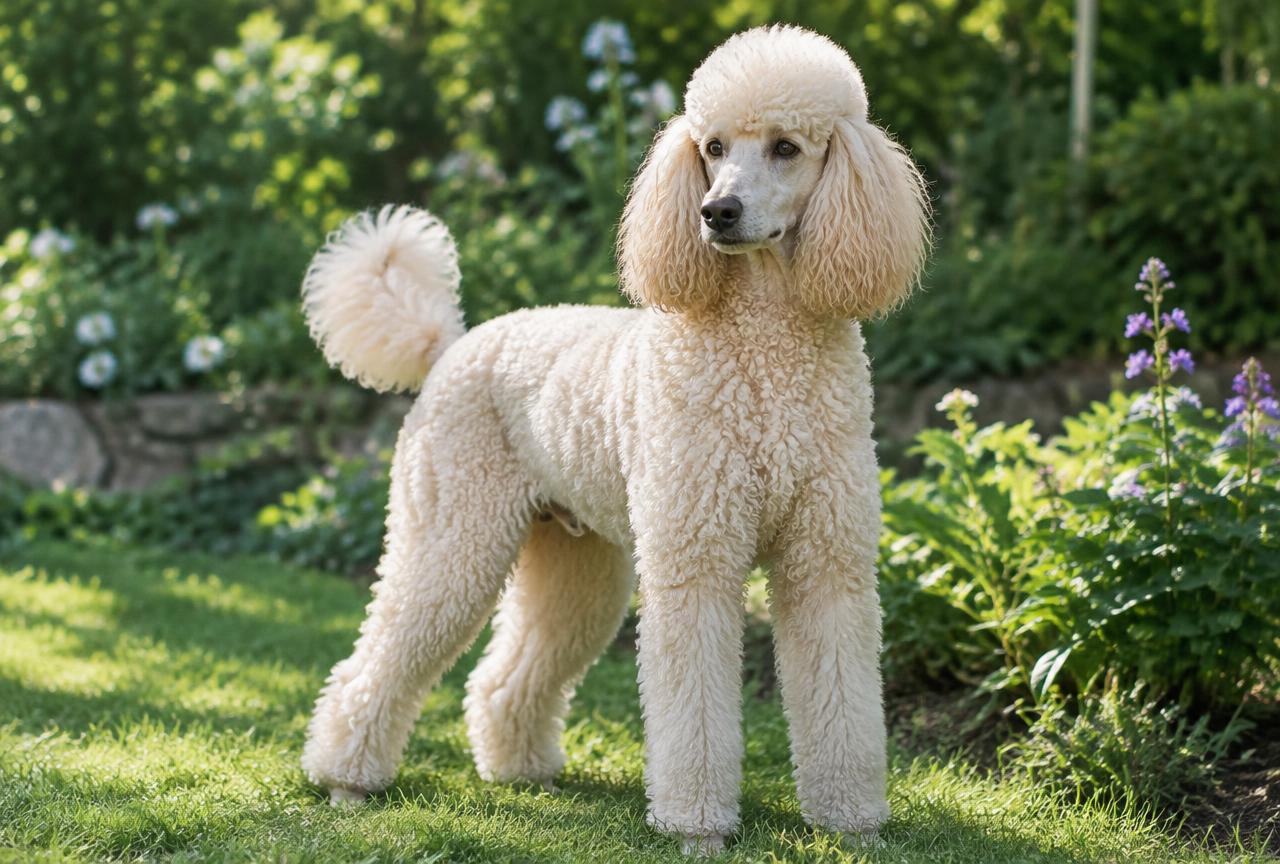
| Poodle | 20 to 32 kg | 8/10 | 8/10 | €170 |
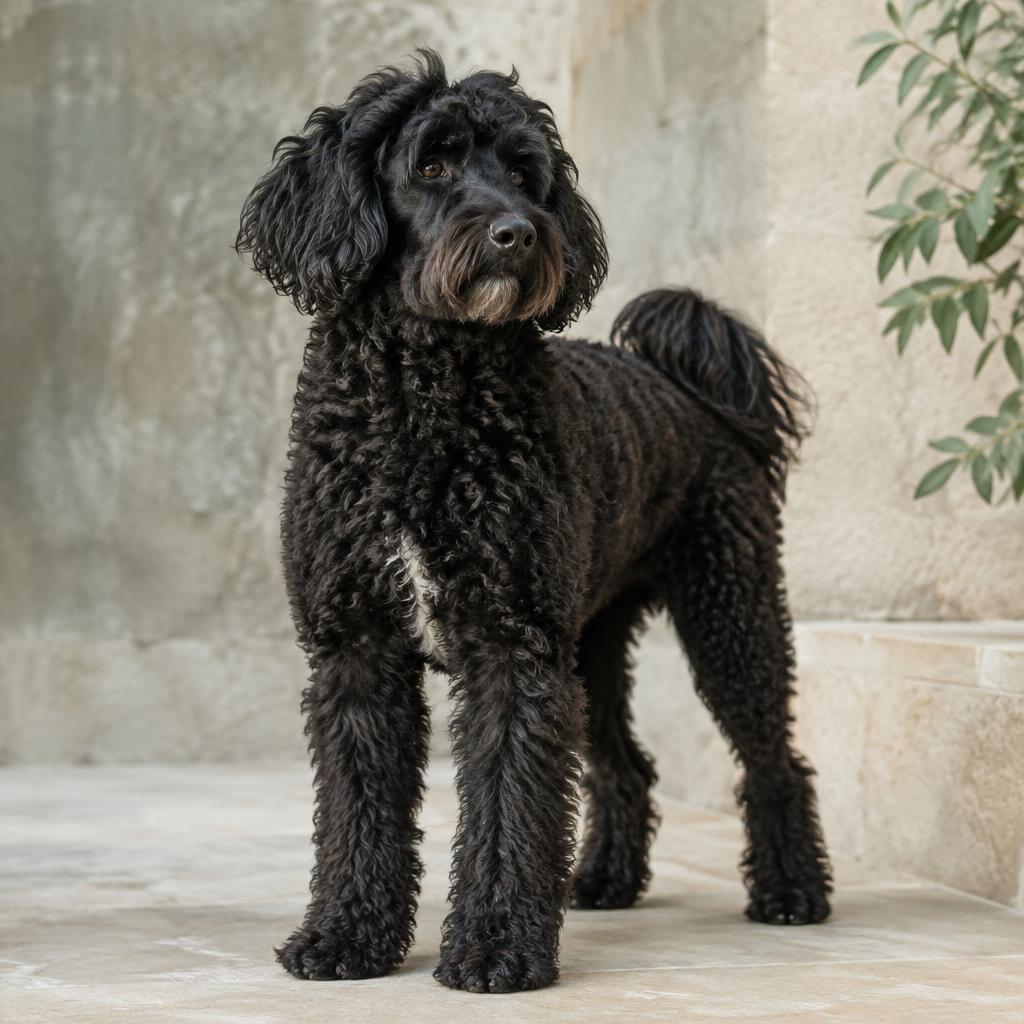
| Portuguese Water Dog | 16 to 27 kg | 8/10 | 8/10 | €139 |
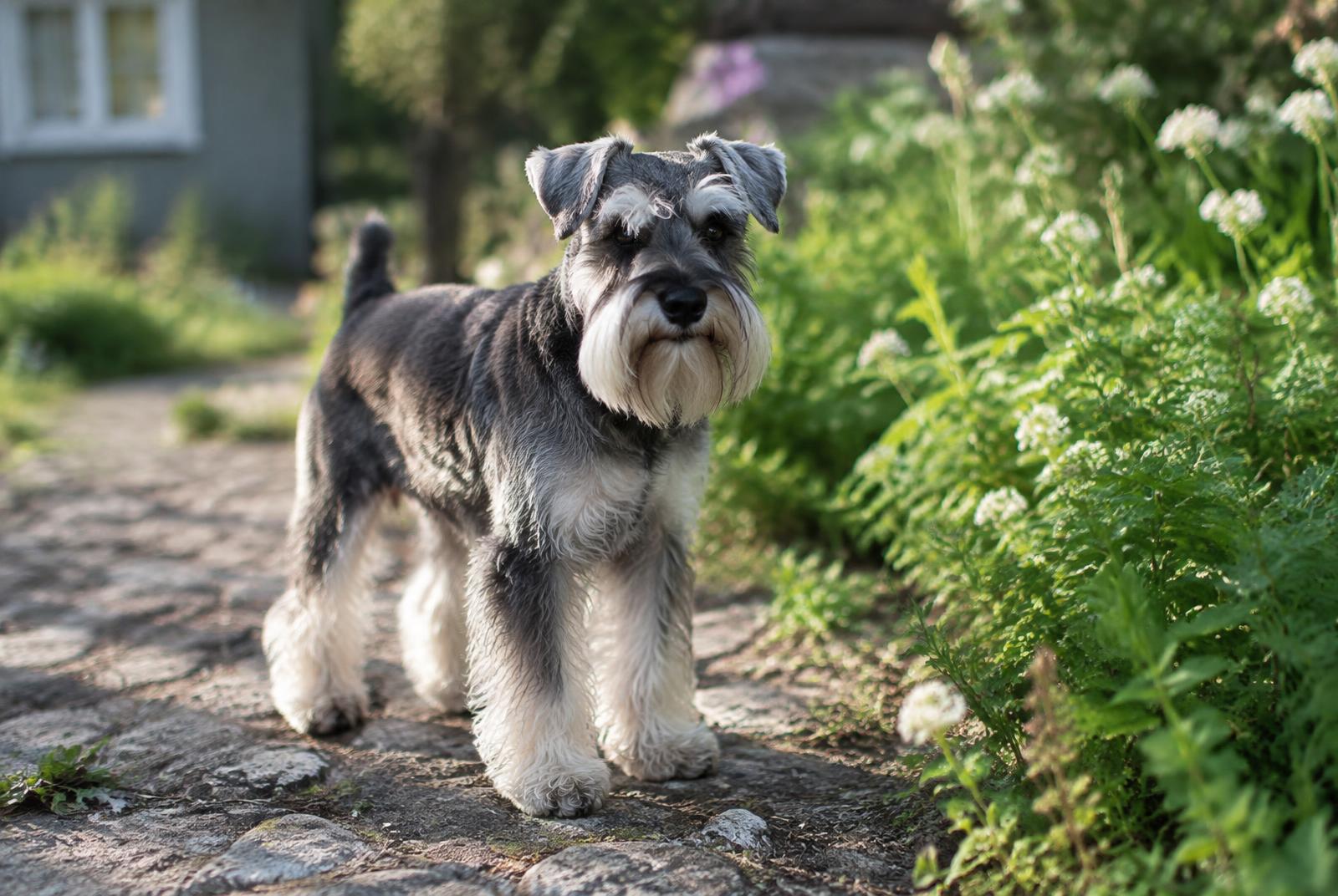
| Miniature Schnauzer | 5 to 9 kg | 6/10 | 8/10 | €92 |
Samoyed questions, answered
What is the temperament of a Samoyed?
Samoyeds are famously friendly, sociable and alert, often treating strangers and other dogs with the same warmth they show their own family. They can also be mischievous and somewhat stubborn, a legacy of working at a distance from their handlers while herding.
Are Samoyeds good guard dogs?
No, Samoyeds are a hopeless choice for guarding since they are bred to be friendly with everyone, including strangers. They are far more likely to greet an intruder enthusiastically than raise an alarm, so anyone wanting a protective dog should look elsewhere.
How much do Samoyeds shed?
Samoyeds shed consistently year round and then blow their coat dramatically twice a year, usually in spring and autumn, releasing large amounts of soft undercoat. Daily brushing during these periods is close to essential to manage the volume of loose fur.
How much exercise does a Samoyed need?
Samoyeds need well over an hour of varied exercise most days, reflecting their history as working sledge and herding dogs. Without enough physical and mental stimulation, they can become loud, destructive and difficult to live with.
Do Samoyeds struggle in hot weather?
Yes, the thick double coat is built for Siberian winters and the breed can overheat in warm climates or during summer. Owners should provide shade, fresh water and exercise during cooler parts of the day, and should never shave the coat to try to help with heat.
What health problems are common in Samoyeds?
Hip dysplasia and heat sensitivity are the most commonly reported issues, alongside eye conditions such as progressive retinal atrophy and glaucoma. Samoyed diabetic nephropathy, a hereditary kidney condition, is rarer but specific to the breed, so hip scores and eye certificates are worth checking before buying a puppy.
Are Samoyeds easy to train?
Samoyeds are intelligent but can be independent and occasionally stubborn, so training requires patience and consistency rather than relying on natural obedience. Positive, reward based methods work best, and early socialisation pays off considerably given the breed's eventual size and strength.