
Pastoral group
Shetland Islands, Scotland
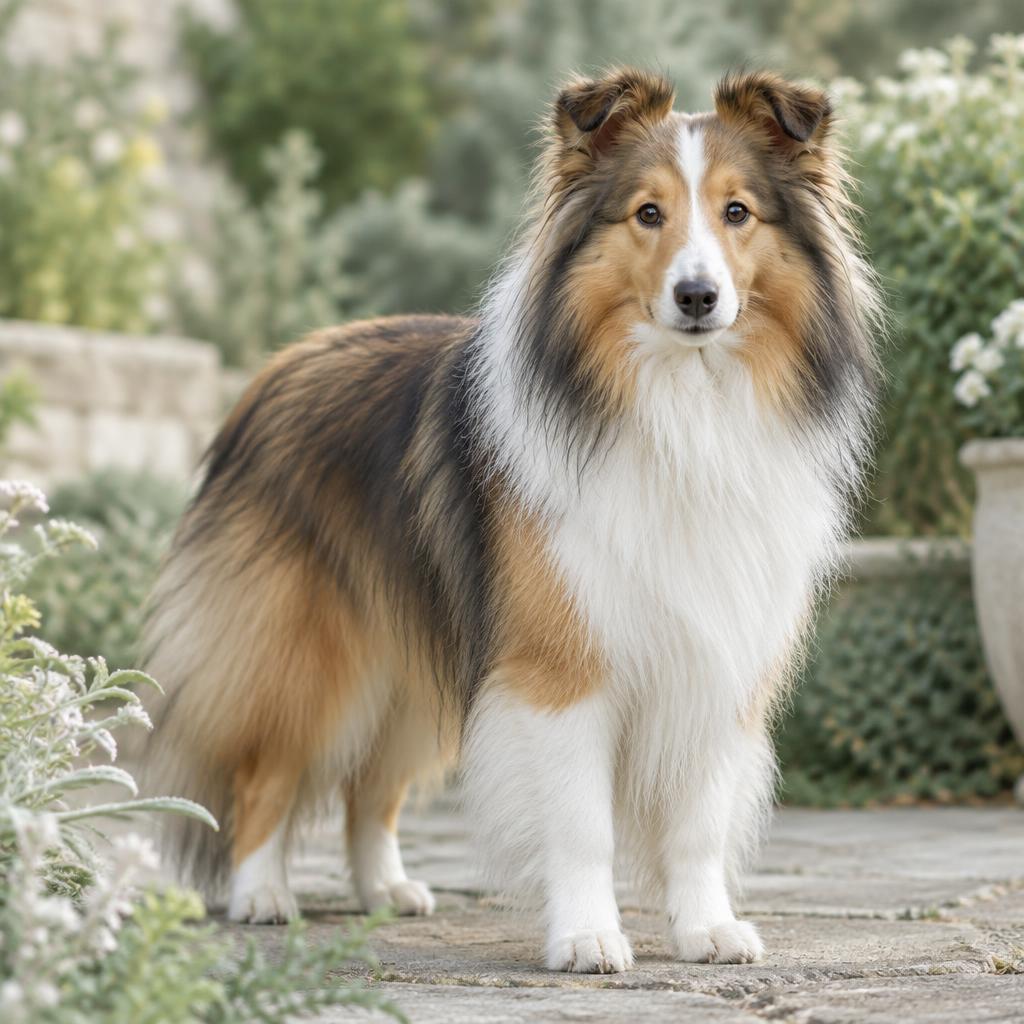
Shetland Sheepdog
The Shetland Sheepdog is an intelligent, sensitive herding breed from Scotland, easy to train but prone to near constant barking at home.
Reviewed against Kennel Club and breed club health guidance
A collie in miniature, whip smart and devoted, but quick to bark at every passing sound.
The short version
- Shelties are highly intelligent and trainable, often excelling at obedience, agility and herding sports.
- The breed's strong alerting instinct means frequent barking is normal, not a training failure to fully eliminate.
- MDR1 drug sensitivity is common enough in the breed that genetic testing matters for every pet owner, not just breeders.
- The dense double coat sheds heavily and needs regular brushing to prevent matting, especially during seasonal coat blowouts.
- Shelties are sensitive to harsh handling and respond far better to calm, consistent, reward based training.
- Weight
- 6 to 12 kg
- Height
- 33 to 41 cm
- Lifespan
- 12 to 15 yrs
- Size
- Small
- Group
- Pastoral
- Coat
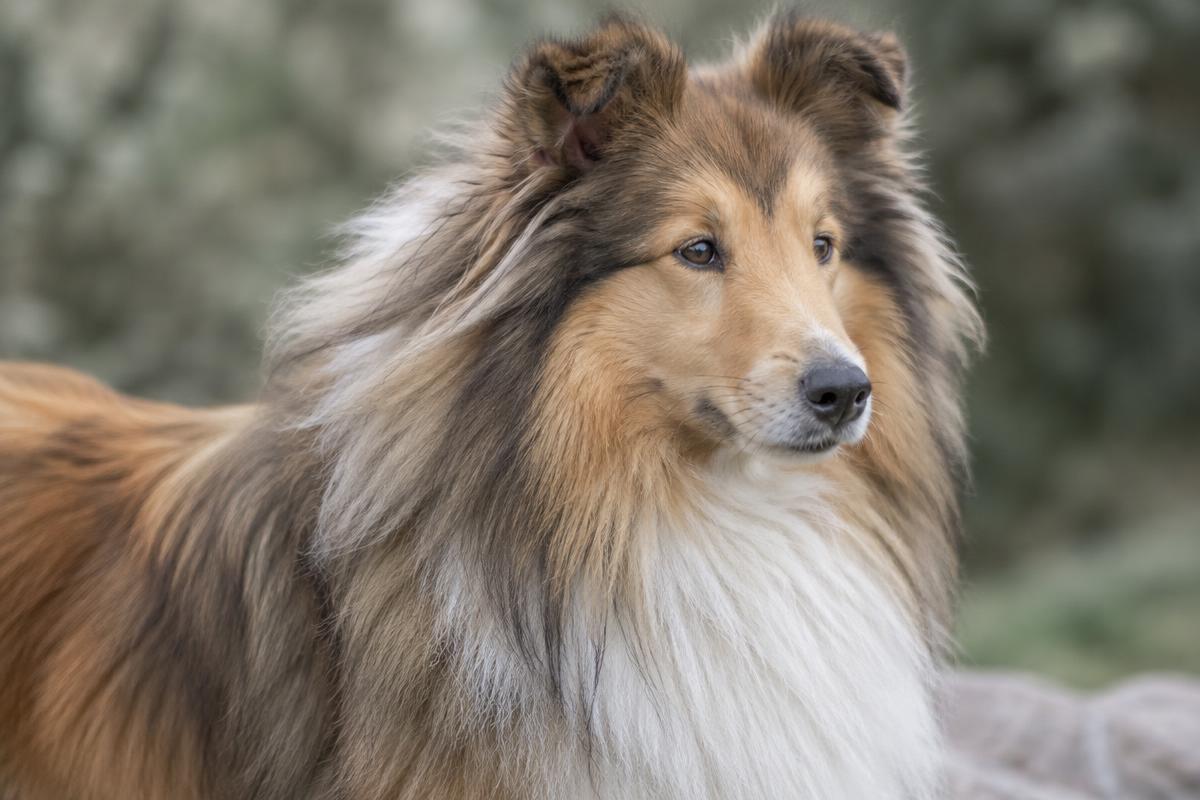
- Long, double coat, sable or tricolour
- Grown male
- 8 to 12 kg
- Grown female
- 6 to 10 kg
- Years to full size
- about 1
- One-off setup
- €450 to 950
Get one if…
- Owners who enjoy training and canine sports such as agility or obedience
- Families with children who can interact gently and calmly
- People able to manage or tolerate a genuinely vocal dog
- First time owners committed to consistent, positive training
- Households with some secure outdoor space for daily exercise
Think again if…
- Owners in flats with close neighbours sensitive to barking
- People wanting a low shedding, wash and go coat
- Households that cannot commit to regular brushing sessions
- Owners who favour firm or harsh training methods
- People wanting a dog unlikely to react to passing noise
Trait profile
Shelties combine very high trainability and sensitivity with a strong instinct to alert bark at anything unfamiliar, so consistent calm training and enrichment matter more than most new owners expect.
Space & setup. A house with some secure outdoor space suits a Sheltie better than a flat, mainly because its tendency to bark at passers by and noises is a poor fit for shared walls and close neighbours.
Allergies. The dense double coat sheds heavily, particularly during seasonal blowouts, so it is not a good fit for households with significant allergy concerns.
Living with a Shetland Sheepdog
The Shetland Sheepdog, often called the Sheltie, developed in the Shetland Islands of Scotland as a small, hardy herding dog for crofters, combining collie like intelligence with a compact size. It is sensitive, biddable and deeply loyal to its family, though its sharp alertness makes it one of the most vocal companion breeds.
The Shetland Sheepdog originated in the Shetland Islands off the north coast of Scotland, where crofters needed a small, hardy dog capable of herding sheep and ponies and guarding the croft on limited food in a harsh, windswept climate. Related in ancestry to the Rough Collie and shaped by that shared heritage, the Sheltie was bred down in size for island life while keeping much of the collie's intelligence, herding instinct and devotion to its handler. Early imports to mainland Britain in the early twentieth century were refined further, and the breed became popular as a companion rather than a working dog, prized for its beauty, trainability and loyal nature, while still carrying real herding ability in its temperament.
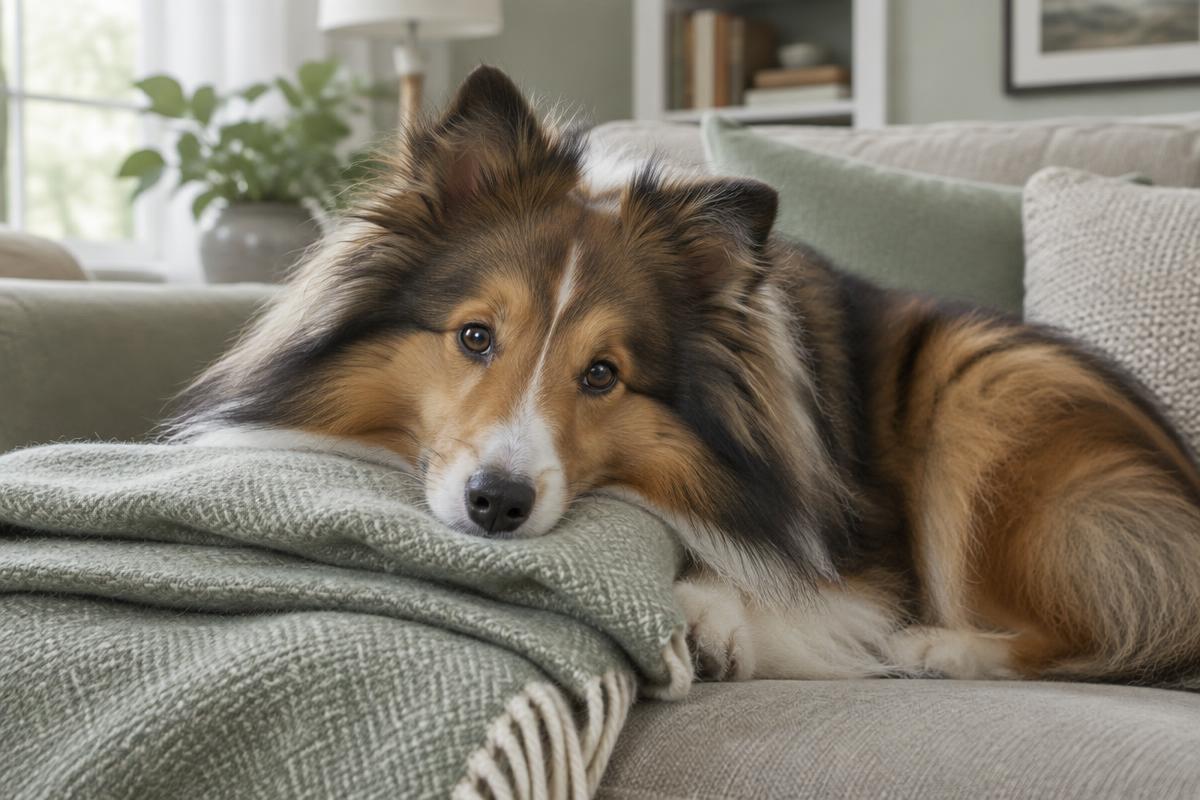
At home, Shelties are sensitive, affectionate and often intensely bonded to their family, frequently following an owner from room to room and showing visible distress if routines change suddenly. They are generally excellent with children, patient and gentle rather than pushy, and they get on well with other dogs, making them a popular choice for busy family homes. However, their herding heritage and sharp alertness mean they notice and react to every sound, movement or visitor at the door, and this translates into frequent barking that can surprise new owners who expected a quiet, gentle lapdog rather than a watchful, vocal herder. Shelties can also be reserved or slightly wary with strangers, so early, varied socialisation matters a great deal for a confident, well adjusted adult who does not become anxious in new situations.
Training is genuinely one of the Sheltie's strongest points: the breed is highly intelligent, eager to please and responds very well to positive, reward based methods, often excelling at obedience, agility, flyball and herding trials well into adulthood. That same intelligence cuts both ways, since an under stimulated Sheltie can become anxious, repetitive or excessively vocal, so mental enrichment matters just as much as physical exercise in daily life. A good daily walk of around 45 to 60 minutes, combined with structured training sessions or a canine sport, suits the breed well and gives that busy mind somewhere productive to go. Harsh handling or raised voices are particularly counterproductive with such a sensitive temperament, since Shelties tend to shut down or become fearful rather than learn faster under pressure.
Health concerns in the breed include collie eye anomaly and progressive retinal atrophy, both inherited eye conditions that responsible breeders screen for before any mating takes place, since affected puppies can develop serious vision problems. A notable proportion of Shelties also carry the MDR1 gene mutation, which causes dangerous sensitivity to certain common drugs including some wormers, sedatives and anti diarrhoeal medicines, so genetic testing matters even for pet owners who never intend to breed from their dog. Degenerative myelopathy, a progressive and ultimately untreatable spinal cord disease that usually appears in older dogs, and dermatomyositis, sometimes called sheltie skin, a condition affecting skin and muscle in young dogs, are both worth discussing openly with any breeder. Age related hypothyroidism is reasonably common and manageable with daily medication once diagnosed, while patellar luxation occurs occasionally and is worth checking for in a veterinary examination.
The Shetland Sheepdog suits owners who want a clever, trainable, deeply loyal dog and who can tolerate, or actively manage, a genuinely vocal companion rather than hoping the barking will simply fade with age. It works well for families with children, for first time owners who are committed to consistent, patient training, and for people drawn to dog sports who want a biddable partner. It is a poor match for households with very close neighbours who are sensitive to barking, or for anyone wanting a low maintenance coat, since the dense double coat sheds heavily throughout the year and especially during seasonal blowouts, needing regular brushing to avoid matting. Compared with its larger cousin the Rough Collie, the Sheltie brings much of the same intelligence, herding drive and devotion into a smaller, more barking prone package that suits a compact family home with a garden rather than open farmland, provided its owners are ready to meet its considerable mental and social needs. Many owners also find that a settled daily routine and a designated quiet space help reduce reactive barking at the window or door over time.
A clever, gentle herding breed that trains beautifully but needs real management of its instinct to bark at everything.
Exercise, day to day
- 1Puppies (8 to 20 weeks): short, gentle play and lead walks, avoiding repetitive jumping or stairs.
- 2Adults: 45 to 60 minutes a day combining brisk walks with off lead time in secure areas.
- 3Add structured training sessions or canine sports such as agility or obedience several times a week.
- 4Use flirt poles or herding balls to safely channel the breed's natural herding drive.
- 5Provide puzzle feeders and scent games to prevent boredom related barking indoors.
Grooming, realistically
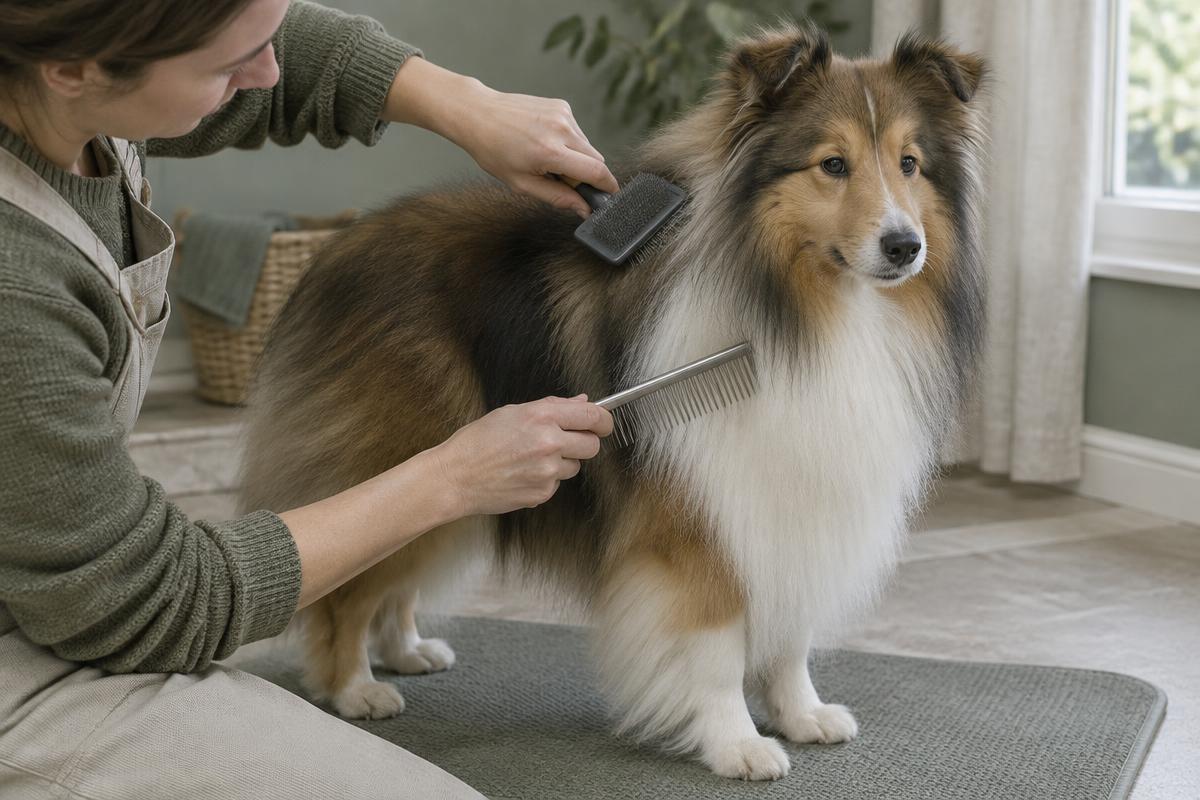
- 1Brush 2 to 3 times a week with a pin brush and undercoat rake to prevent matting.
- 2Increase brushing to near daily during seasonal coat blowouts in spring and autumn.
- 3Bathe every 6 to 8 weeks or when dirty, drying thoroughly to avoid damp undercoat.
- 4Check and clean ears weekly, since the semi erect ears can trap debris.
- 5Trim nails every 3 to 4 weeks and keep paw and hock feathering tidy.
What you actually need
- Pin brush and undercoat rake
- Wide toothed metal comb
- Dog nail clippers
- Ear cleaning solution
- Enzymatic dog toothpaste and brush
- Gentle dog shampoo and conditioner
Puppy to adult
| Age | Male | Female | What is happening |
|---|---|---|---|
| 8 weeks | 1.5 to 2.2 kg | 1.3 to 2 kg | Small, alert puppy build with early signs of watchfulness and sensitivity to noise. |
| 3 months | 3 to 4.5 kg | 2.5 to 4 kg | Steady growth with coat beginning to lengthen and herding instincts starting to show. |
| 6 months | 5.5 to 7.5 kg | 5 to 7 kg | Adolescent stage, a good time to reinforce calm responses to doorbells and visitors. |
| 9 months | 7 to 10 kg | 6 to 8.5 kg | Approaching adult size, full double coat developing in earnest. |
| 12 months | 8 to 12 kg | 6 to 10 kg | Adult weight generally reached, with the full long coat established. |
| 18 months | 8 to 12 kg | 6 to 10 kg | Fully mature in size, coat and temperament. |
Ranges are typical, not targets. Judge condition by ribs and waist, and check with the ideal weight checker.
What to ask a breeder
- Can I see eye test results for collie eye anomaly and progressive retinal atrophy in both parents?
- Have the parents been DNA tested for the MDR1 drug sensitivity mutation?
- Is there any family history of degenerative myelopathy or dermatomyositis in the line?
- What is the temperament of the parents, particularly around noise and strangers?
- How do you socialise the puppies to reduce excessive barking later in life?
Health tests to ask for
Ask to see results for both parents before you put down a deposit.
- Eye examination for collie eye anomaly and progressive retinal atrophy
- MDR1 drug sensitivity DNA test
- DNA test for degenerative myelopathy
- Veterinary assessment for dermatomyositis in affected lines
- Thyroid function testing
Health watch-list
What to ask a breeder about, and what to watch for over a lifetime. This is orientation, not veterinary advice, anything you notice belongs in front of a vet.
Collie eye anomaly and progressive retinal atrophy
CommonThese inherited eye conditions can reduce or eventually destroy vision, so ask for current eye certificates on both parents before buying a puppy.
Multidrug resistance (MDR1)
CommonDogs carrying this mutation can react dangerously to certain wormers, sedatives and other routine drugs, so DNA testing matters for every Sheltie, not just breeding stock.
Degenerative myelopathy
NotableThis progressive spinal cord disease causes gradual hind leg weakness in older dogs and has no cure, so DNA testing of breeding lines helps reduce its spread.
Dermatomyositis (sheltie skin)
NotableThis inherited condition causes skin lesions and sometimes muscle wasting in young dogs, and affected lines should be flagged by any honest breeder.
Hypothyroidism
Common with ageAn underactive thyroid in older dogs can cause weight gain, lethargy and coat thinning, but is well managed with daily medication once diagnosed.
Patellar luxation
UncommonA kneecap that slips out of place can cause intermittent skipping or lameness, and a vet can grade severity to decide whether treatment is needed.
What it costs to keep one
Realistic running cost
€81 / month
About €972 a year, or roughly €13,608 across a 14-year life, before purchase price, neutering and one-off vet events.
Before the puppy arrives. Budget roughly €450 to 950 for a crate, bed, lead and harness, bowls, puppy classes, first vaccinations and grooming kit sized for this breed. Figures throughout are indicative and vary a good deal between countries.
Interactive · built for this breed
Is a Shetland Sheepdog right for your home?
Seven honest questions about your space, time and household, checked against this breed's exercise need, coat, sociability and tolerance for time alone.
Fit with your routine
90%
A strong fit
Your routine suits a Shetland Sheepdog well. Meet adult dogs of the line before you commit.
What to sort out first
- Needs more daily exercise than you have pencilled in.
- Coat needs more brushing or trimming than you have allowed.
Compare more breeds in the matchmaker, or plan meals with the portion calculator.
The verdict, by household
First-time owner
A strong choice
Highly trainable and eager to please, though the frequent barking takes some getting used to.
Family with children
An excellent match
Gentle, patient and protective, Shelties generally thrive in family homes with children.
Active single or couple
An excellent match
Thrives with regular training, exercise and canine sports alongside a devoted single handler or couple.
Owner in a flat with close neighbours
Not recommended
The breed's near constant alert barking is a serious consideration for shared walls and close neighbours.
When to call your vet
- Cloudy eyes, bumping into objects or reduced vision, which can suggest collie eye anomaly or progressive retinal atrophy
- Unexpected reaction to common medications or wormers, which may indicate undiagnosed MDR1 sensitivity
- Weakness, dragging of the back feet or difficulty rising, which can point to degenerative myelopathy
- Hair loss, scabbing or scarring on the face, ears or legs in a young dog, which may suggest dermatomyositis
- Weight gain, lethargy or a dull coat in an older dog, which can indicate hypothyroidism
Nothing here is a diagnosis. A swollen, hard belly with retching, collapse, breathing difficulty and sudden hind-leg weakness are emergencies: go straight away.
Shetland Sheepdog vs the closest alternatives
| Breed | Weight | Energy | Grooming | € / month |
|---|---|---|---|---|
| Shetland Sheepdog | 6 to 12 kg | 7/10 | 8/10 | €81 |
| Cockapoo | 4.5 to 11 kg | 6/10 | 8/10 | €163 |
| Goldendoodle | 20 to 35 kg | 7/10 | 8/10 | €170 |
| Keeshond | 15 to 20 kg | 6/10 | 7/10 | €88 |
Shetland Sheepdog questions, answered
How long do Shetland Sheepdogs live?
Shetland Sheepdogs typically live between 12 and 15 years, a good lifespan for a small to medium breed. Keeping weight controlled, screening breeding stock for eye conditions and MDR1, and staying alert to age related hypothyroidism all help a Sheltie reach the longer end of that range in good health.
Do Shelties shed a lot?
Yes, Shelties have a dense double coat that sheds heavily year round and especially during seasonal blowouts in spring and autumn. Regular brushing several times a week, increasing to near daily during a blowout, is needed to manage loose hair and prevent the undercoat from matting.
How big do Shelties get?
Shelties stand roughly 33 to 41 centimetres at the shoulder and weigh between about 6 and 12 kilograms as adults, with males generally larger than females. They reach full adult size at around one year old, though the coat continues to fill out a little beyond that age.
Are Sheltie collies good family dogs?
Yes, Shelties are usually gentle, patient and affectionate with children, and their intelligence makes them easy to train around household rules. They do best in families who can manage their vocal nature and give them enough mental stimulation, since boredom tends to increase barking and anxious behaviour.
Why does my Sheltie bark so much?
Barking is deeply rooted in the Sheltie's herding and watchdog heritage, since the breed was developed to alert crofters to anything unusual. Consistent training, enough physical and mental exercise, and a calm response to triggers such as the doorbell can reduce excessive barking, though it rarely disappears completely.
What is MDR1 in Shelties?
MDR1 is a gene mutation found fairly commonly in Shelties that affects how the body clears certain drugs, making affected dogs dangerously sensitive to some wormers, sedatives and other routine medications. A simple DNA test identifies carriers, letting vets choose safer alternatives and avoid adverse reactions.
How often should I groom a Sheltie?
A Sheltie needs brushing two to three times a week with a pin brush and undercoat rake to prevent matting, increasing to almost daily during seasonal coat blowouts. Bathing every six to eight weeks, along with regular ear checks and nail trims, keeps the coat and skin healthy between visits to a groomer.
Sources
- Shetland Sheepdog breed standard, The Kennel Club
- Shetland Sheepdog breed information, American Kennel Club
- MDR1 drug sensitivity in dogs, The Veterinary Information Network
- Eye testing scheme for breeding dogs, British Veterinary Association
- Caring for a Shetland Sheepdog, PDSA
Put it into practice
Reading that goes with this





Breeds people compare with this
Cockapoo
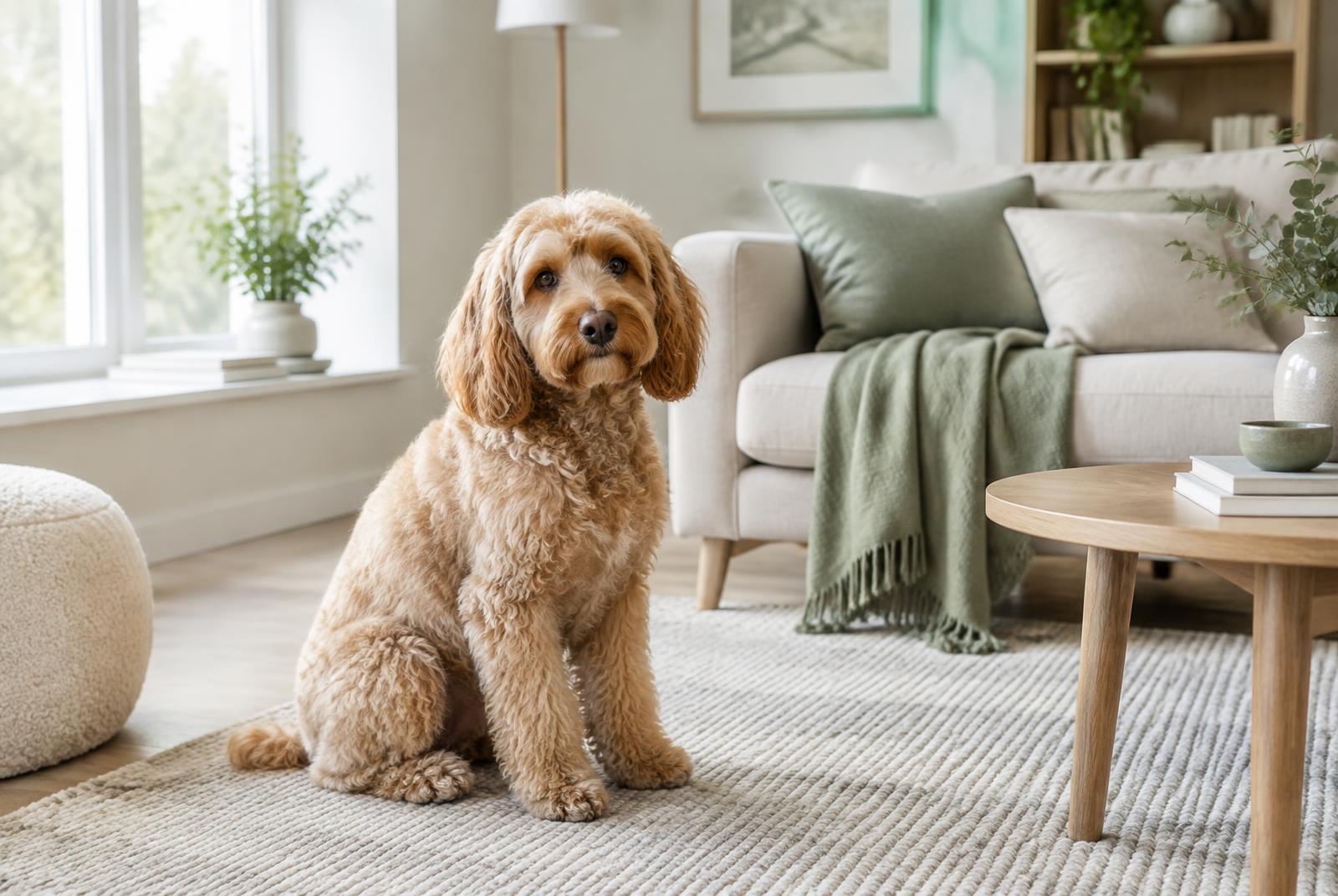
An affectionate Cocker Spaniel and Poodle cross where coat, size and energy vary litter to litter, so no two Cockapoos are quite alike.

Goldendoodle
A friendly, trainable Golden Retriever and Poodle cross whose coat, size and health depend heavily on the specific pairing behind it.
Keeshond
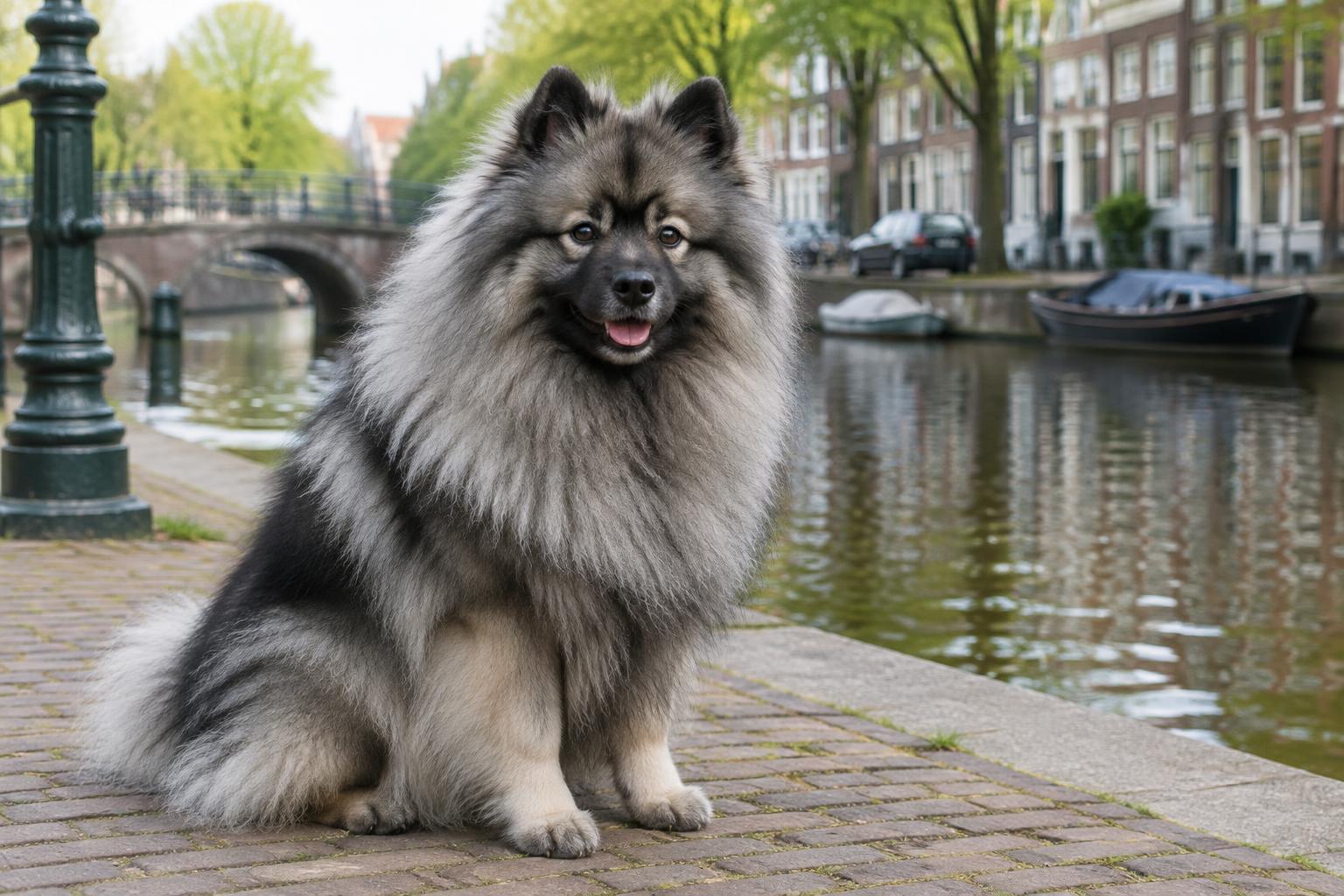
The smiling Dutch barge dog: sociable, chatty and very fluffy