Hound group
Zimbabwe (formerly Rhodesia), South Africa
Rhodesian Ridgeback
The Rhodesian Ridgeback is an athletic African hound bred to track lion, loyal at home but reserved with strangers and demanding of serious daily exercise.
Reviewed against Kennel Club and breed club health guidance
A powerful African hound built for stamina and independence, marked by the distinctive ridge of hair running along its spine.
The short version
- Ridgebacks were bred in southern Africa to track and hold lion at bay, giving them exceptional stamina and independence.
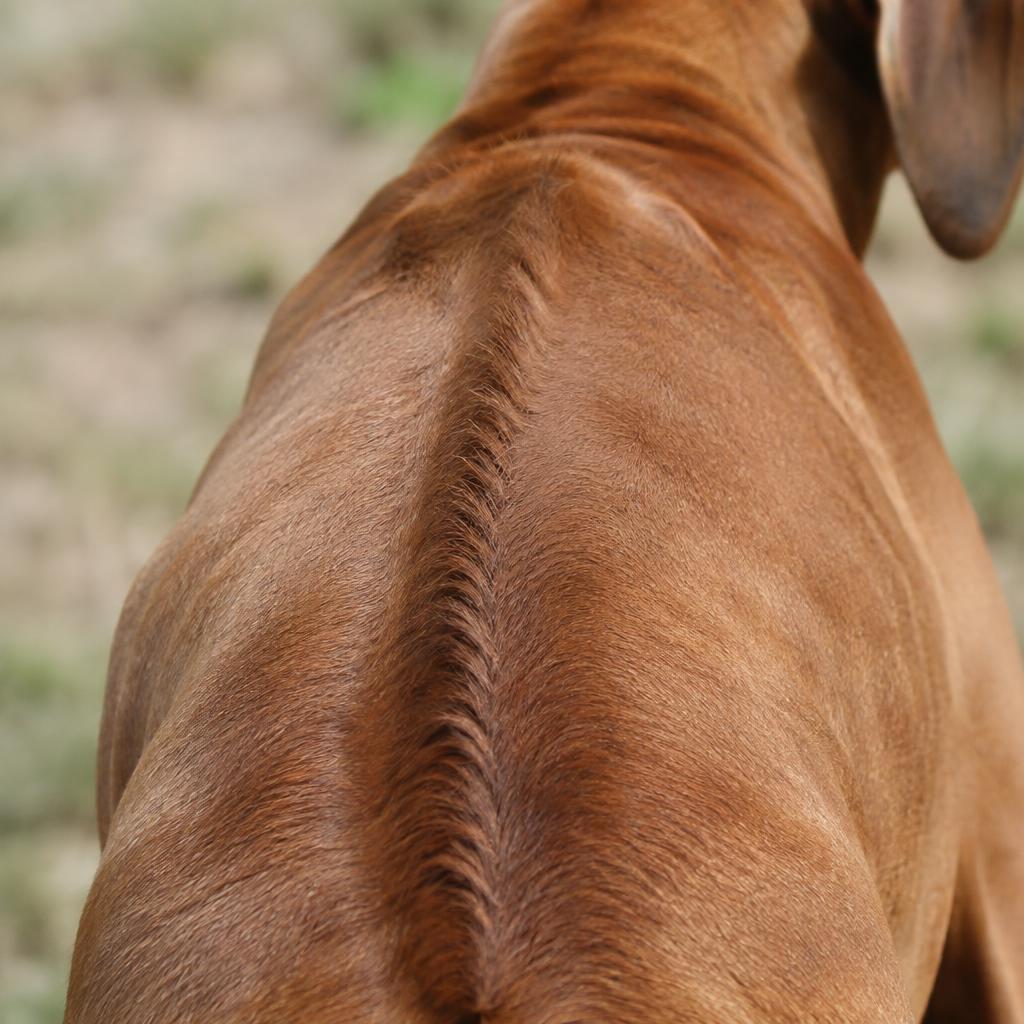
- The ridge of reverse-growing hair along the spine is the breed's signature feature and heritage marker.
- Every puppy should be checked for dermoid sinus by a vet before leaving the breeder.
- This breed needs well over an hour of serious daily exercise and is a poor fit for sedentary households.
- Reserved behaviour with strangers is normal and needs managing through early, consistent socialisation.
- Weight
- 29 to 41 kg
- Height
- 61 to 69 cm
- Lifespan
- 10 to 12 yrs
- Size
- Large
- Group
- Hound
- Coat
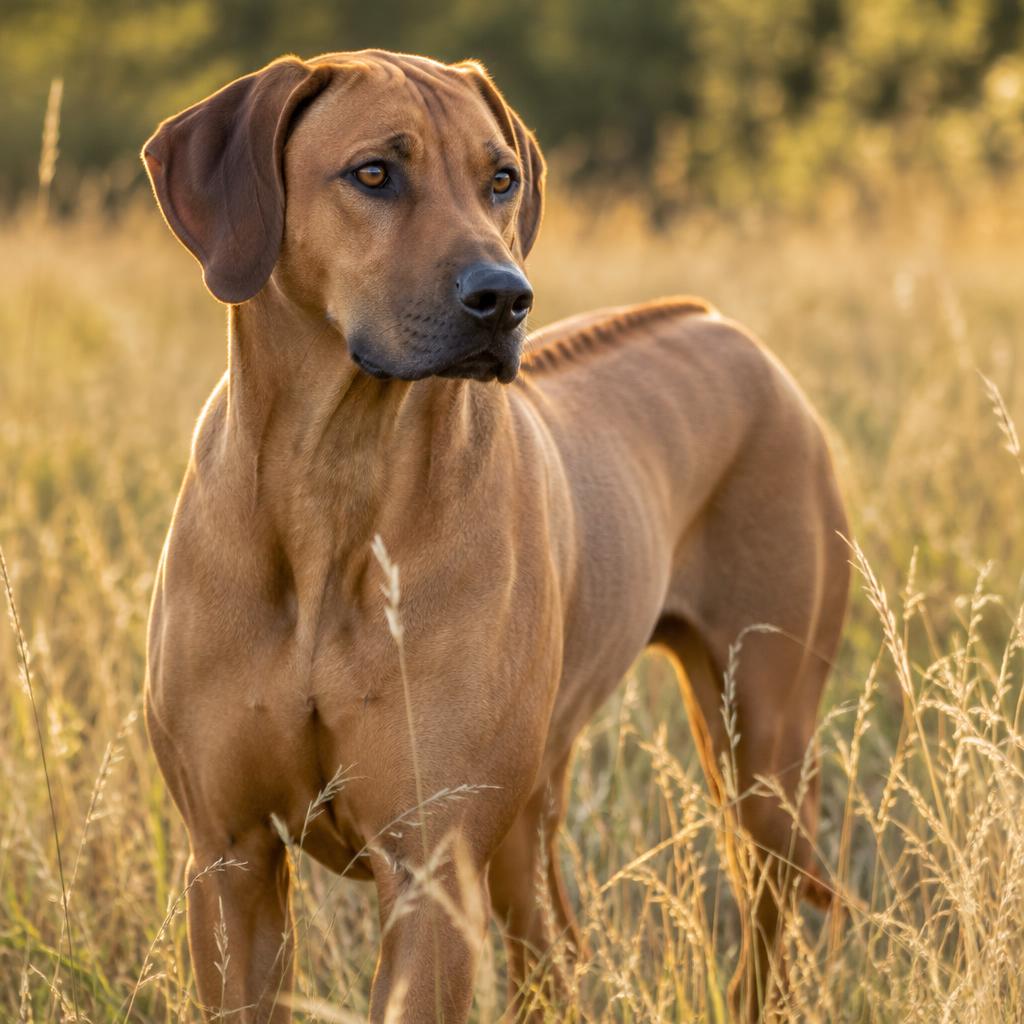
- Short, glossy wheaten coat with a ridge of hair growing along the spine
- Grown male
- 36 to 41 kg
- Grown female
- 29 to 34 kg
- Years to full size
- about 2
- One-off setup
- €600 to 1200
Get one if…
- Active owners able to provide well over an hour of serious exercise daily
- Families with children and a secure garden for the dog to settle in
- Owners committed to early, consistent socialisation around strangers
- Experienced handlers comfortable with an independent, thinking dog
- Households wanting a loyal, low-grooming companion with real stamina
Think again if…
- Sedentary households or owners wanting only short daily walks
- First-time owners hoping for an easily biddable dog
- Homes with cats or small pets, given a strong prey drive
- Flats with close neighbours and no secure running space
- Owners unwilling to train with patience rather than force
Trait profile
The Rhodesian Ridgeback combines high energy and prey drive with a reserved nature around strangers, so daily stamina work and early socialisation both matter enormously.
Space & setup. A house with a securely fenced garden suits this breed far better than a flat, since it needs genuine room to run as well as regular off lead exercise elsewhere.
Allergies. The short, glossy coat sheds a moderate amount year round and is not considered suitable for households with significant allergy concerns.
Living with a Rhodesian Ridgeback
The Rhodesian Ridgeback is a large hound developed in southern Africa to track and hold lions at bay alongside hunters, named for the ridge of hair growing in reverse along its spine. It is a loyal, athletic companion with a reserved streak around strangers and an independent mind that rewards owners who respect rather than fight it.
The Rhodesian Ridgeback traces its origins to the Cape Colony of southern Africa, where Dutch, German and Huguenot settlers crossed their own hunting dogs with a ridged, semi-domesticated dog kept by the Khoikhoi people, prized for its hardiness in a harsh climate. Later refined in what was then Rhodesia, now Zimbabwe, the breed was developed by big game hunters who needed a dog with the stamina to cover long distances, the courage to track lion, and crucially the sense to hold the animal at bay by circling and feinting rather than engaging it directly. This combination of endurance, independent judgement and physical toughness remains stamped through the modern breed, and the distinctive ridge, a strip of hair growing in the opposite direction to the rest of the coat along the spine, is the visible marker of that heritage, inherited from those original African dogs. The Kennel Club recognised the breed in the early twentieth century, and it has since become a popular companion and show dog worldwide while retaining its working character almost entirely intact.
At home, the Ridgeback is a loyal and affectionate dog with its own family, often forming a particularly close bond with the people it lives alongside, and it is generally very good with children it has grown up with, tolerant and steady in its demeanour. It is considerably more reserved with strangers, a trait that comes directly from its guarding history, and early, consistent socialisation with new people, dogs and environments is essential to prevent that natural wariness hardening into outright suspicion or reactivity. Training a Ridgeback calls for patience and consistency rather than confrontation, since this is a breed that was selected to think for itself at a distance from its handler, and heavy-handed corrections tend to produce a dog that simply disengages rather than one that complies. Reward-based methods, started early and kept up throughout adolescence, generally produce a far more cooperative adult, though even well-trained Ridgebacks retain a streak of independence that first-time owners sometimes find more challenging than they expected from photographs of a calm, short-coated dog lying by the fire.
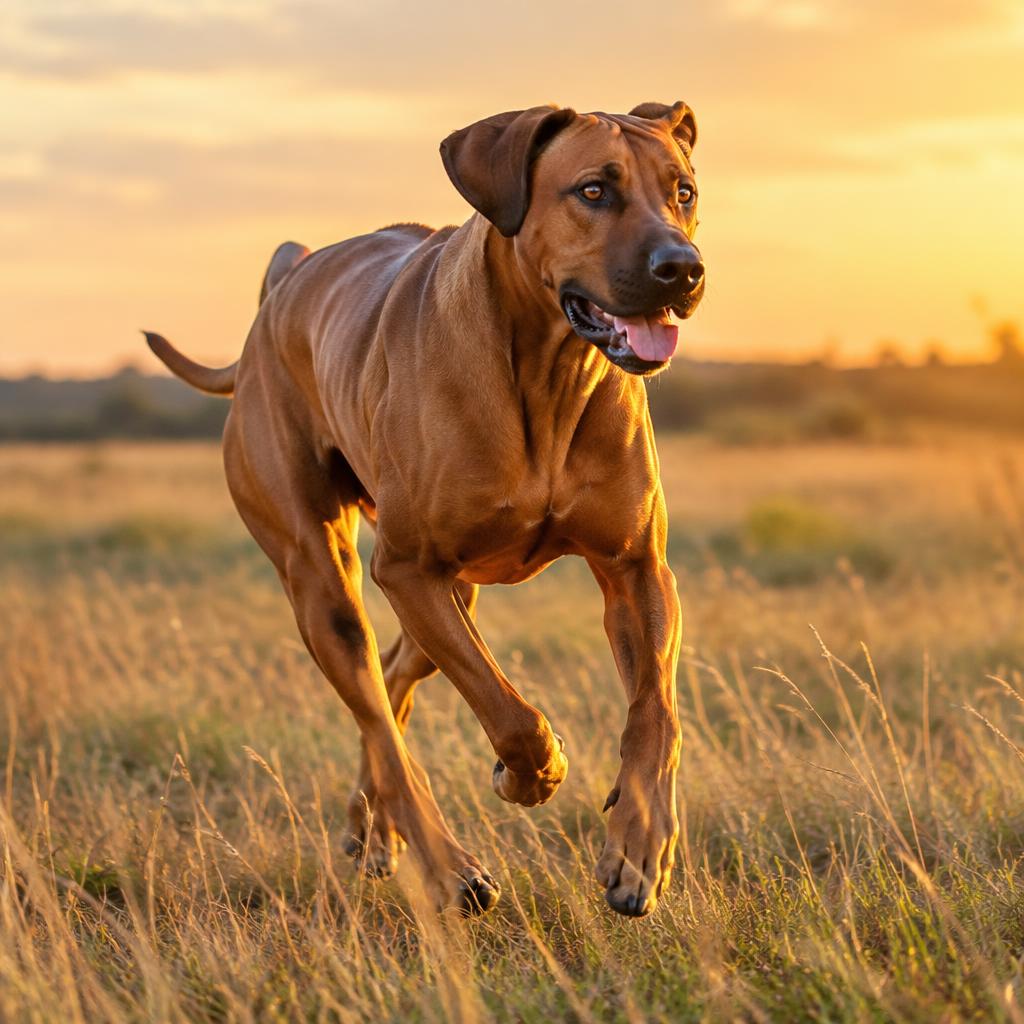
Exercise is where this breed asks the most of its owner. Bred to cover vast distances over African terrain for hours at a time, a Ridgeback needs considerably more than a gentle stroll, and most adults do well with well over an hour of varied activity daily, including proper off lead running in secure areas, since the breed's strong prey drive means recall around livestock, cats or smaller dogs cannot be taken for granted without thorough training. Without sufficient outlet, a bored Ridgeback can become destructive or restless indoors, and this is firmly not a breed suited to a sedentary household or to owners who hoped a short coat meant short walks. Mental stimulation through scent work, structured training sessions or canine sports also helps satisfy the breed's working brain alongside its physical needs.
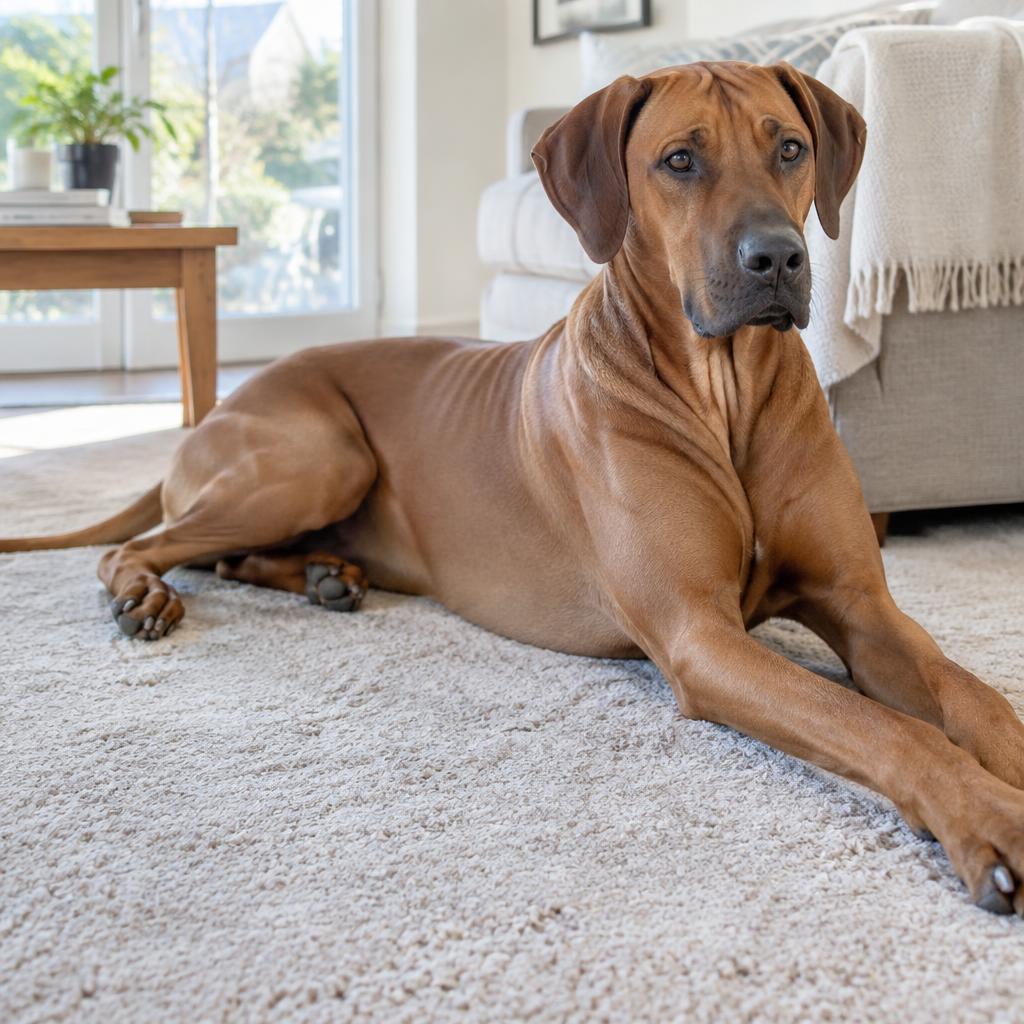
Health in the Ridgeback includes one condition almost unique to the breed: dermoid sinus, a tubular skin defect connected to the spinal canal that forms along the ridge line and can lead to serious infection if left untreated, which is why every reputable breeder has puppies checked by a vet for this defect before they leave for new homes. Hip and elbow dysplasia occur at a notable rate and screening of breeding stock with hip and elbow scores is standard good practice, while the breed's deep chest leaves it, like many large deep-chested dogs, at genuine risk of gastric dilatation-volvulus, a life-threatening emergency that owners should learn to recognise quickly. Hypothyroidism becomes more likely with age and is usually manageable with medication once diagnosed, while degenerative myelopathy and cataracts occur less commonly but are both worth discussing with a breeder, along with any DNA testing they offer for degenerative myelopathy risk.
This is a breed that suits active, experienced owners who want a devoted companion for serious exercise and are prepared to manage a reserved temperament around strangers with patient, early socialisation and consistent training throughout life. Families with children who can provide a secure garden and a genuinely active lifestyle tend to do well with a Ridgeback, as do single owners or couples who run, hike or cycle regularly and want a dog to accompany them. It is a poor match for first-time owners expecting an easy, biddable dog, for sedentary households, for anyone without the space or inclination to meet its exercise needs, and for flats with close neighbours and no secure outdoor running space, since this breed needs room and mileage far more than it needs grooming attention.
An athletic, independent African hound with a guarding instinct, needing serious exercise and an owner willing to train with patience rather than force.
Exercise, day to day
- 1Puppies (8 to 20 weeks): short, gentle play sessions only, avoiding hard running or jumping while joints develop.
- 2Adults: well over an hour a day of varied exercise, including secure off lead running whenever possible.
- 3Build mental stimulation through scent work, structured training and puzzle feeders alongside physical exercise.
- 4Keep recall training a lifelong priority, since strong prey drive means strangers, cats or livestock need careful management off lead.
- 5Avoid unsupervised access to small pets or unfamiliar animals given the breed's instinct to chase.
Grooming, realistically
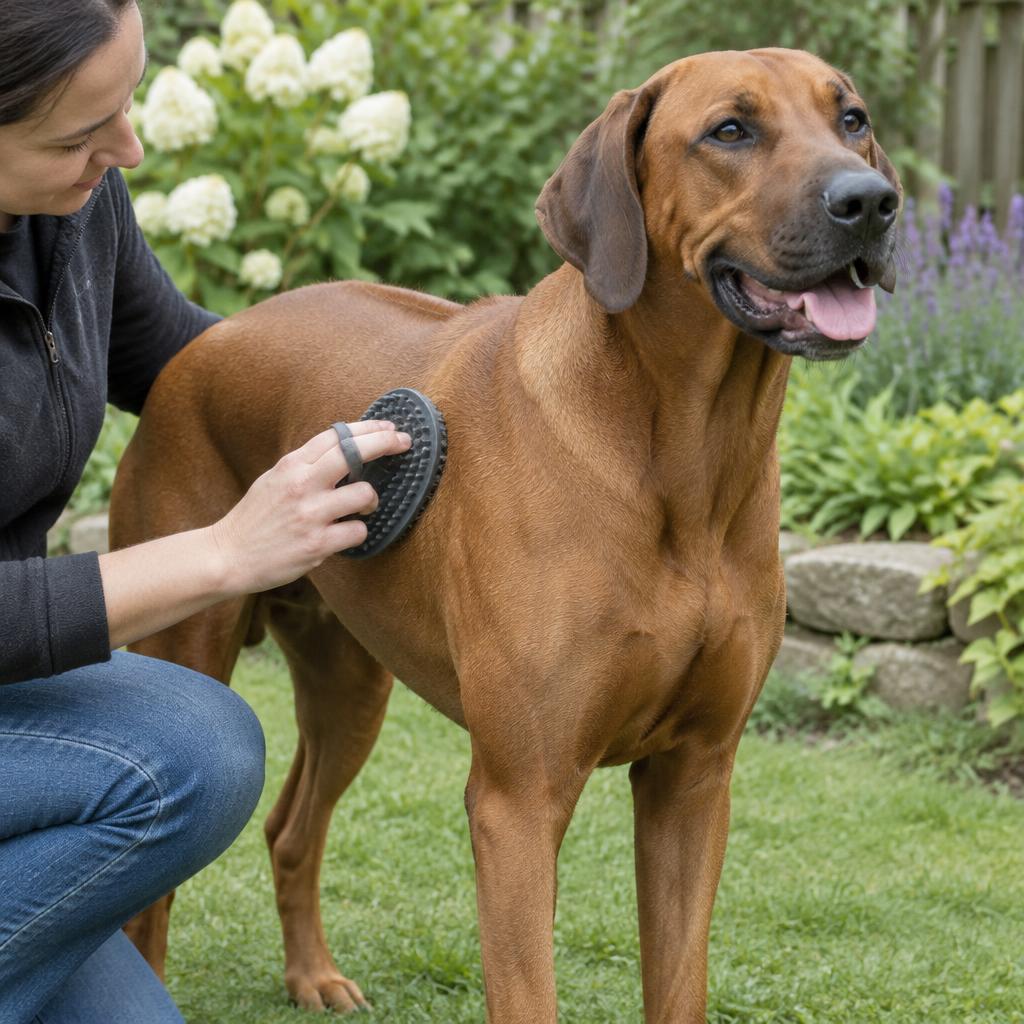
- 1Brush weekly with a rubber curry brush or hound mitt to remove loose hair and keep the coat glossy.
- 2Bathe only occasionally, since the short coat is naturally low maintenance and sheds dirt easily.
- 3Check ears weekly for wax or odour and clean as needed.
- 4Trim nails every 3 to 4 weeks, especially for dogs not regularly exercised on hard surfaces.
- 5Brush teeth several times a week to reduce tartar build up.
What you actually need
- Rubber curry brush or hound mitt
- Gentle dog shampoo
- Ear cleaning solution and cotton pads
- Dog nail clippers
- Enzymatic dog toothpaste and brush
Puppy to adult
| Age | Male | Female | What is happening |
|---|---|---|---|
| 8 weeks | 4 to 6 kg | 3.5 to 5.5 kg | Sturdy, large-breed puppy build, with the ridge pattern usually visible from birth. |
| 3 months | 10 to 14 kg | 9 to 12 kg | Rapid early growth, worth avoiding excessive jumping or hard exercise on joints. |
| 6 months | 18 to 24 kg | 16 to 21 kg | Adolescent growth spurt, with lean body condition important for joint development. |
| 9 months | 24 to 31 kg | 21 to 27 kg | Approaching adult height, though the frame is still filling out with muscle. |
| 12 months | 29 to 36 kg | 25 to 31 kg | Close to adult weight, though many Ridgebacks continue filling out for some months yet. |
| 24 months | 34 to 41 kg | 29 to 34 kg | Full adult size and muscular development reached. |
Ranges are typical, not targets. Judge condition by ribs and waist, and check with the ideal weight checker.
What to ask a breeder
- Can I see the puppies checked for dermoid sinus before they leave for new homes?
- Can I see hip and elbow scores for both parents?
- Have the parents had an eye examination, and are any DNA tests offered for degenerative myelopathy?
- How are the puppies socialised with new people and situations before leaving?
- How do the parents behave around strangers and other animals?
Health tests to ask for
Ask to see results for both parents before you put down a deposit.
- Dermoid sinus palpation of every puppy before leaving the breeder
- BVA/KC hip and elbow scores
- Eye examination
- DNA testing for degenerative myelopathy where the breeder offers it
- Awareness of gastric dilatation-volvulus risk and emergency signs
Health watch-list
What to ask a breeder about, and what to watch for over a lifetime. This is orientation, not veterinary advice, anything you notice belongs in front of a vet.
Dermoid sinus
NotableThis tubular skin defect along the ridge line connects to the spinal canal and can become seriously infected if untreated, so every puppy should be checked by a vet before leaving the breeder.
Hip and elbow dysplasia
CommonMalformed joints can cause discomfort and early arthritis, so ask for hip and elbow scores of breeding stock and keep your dog at a lean weight throughout life.
Gastric dilatation-volvulus
NotableThe deep chest leaves this breed at genuine risk of a twisted, bloated stomach, a life-threatening emergency, so learning the signs and avoiding vigorous exercise straight after meals matters.
Hypothyroidism
Common with ageAn underactive thyroid can cause weight gain, lethargy and coat changes as dogs age, but it is usually well managed with lifelong medication once diagnosed.
Degenerative myelopathy
UncommonThis progressive spinal cord disease causes gradual hind limb weakness in older dogs, and DNA testing of breeding stock can help reduce the risk where offered.
Cataracts
UncommonCloudiness in the lens can affect vision over time, so routine eye examinations help catch changes early and allow treatment options to be discussed.
What it costs to keep one
Realistic running cost
€108 / month
About €1,296 a year, or roughly €14,256 across a 11-year life, before purchase price, neutering and one-off vet events.
Before the puppy arrives. Budget roughly €600 to 1200 for a crate, bed, lead and harness, bowls, puppy classes, first vaccinations and grooming kit sized for this breed. Figures throughout are indicative and vary a good deal between countries.
Interactive · built for this breed
Is a Rhodesian Ridgeback right for your home?
Seven honest questions about your space, time and household, checked against this breed's exercise need, coat, sociability and tolerance for time alone.
Fit with your routine
93%
A strong fit
Your routine suits a Rhodesian Ridgeback well. Meet adult dogs of the line before you commit.
What to sort out first
- Needs more daily exercise than you have pencilled in.
Working in your favour
- Coat care fits the grooming time you offered.
Compare more breeds in the matchmaker, or plan meals with the portion calculator.
The verdict, by household
First-time owner
Workable, with changes
Possible with real commitment to training and socialisation, but the independence and exercise demands suit experienced owners better.
Family with children
An excellent match
Loyal and steady with children it has grown up with, provided there is a secure garden and consistent daily exercise.
Active single or couple
An excellent match
A natural running and hiking companion with the stamina to match an active lifestyle.
Owner in a flat with close neighbours
Not recommended
The exercise needs and reserved temperament around strangers make flat life a poor fit without a secure garden nearby.
When to call your vet
- A lump, dimple or discharge along the ridge line, which may indicate dermoid sinus and needs veterinary assessment
- A swollen, hard abdomen with unproductive retching, which can signal gastric dilatation-volvulus and is a medical emergency
- Reluctance to rise, stiffness or lameness, which may point to developing hip or elbow problems
- Unexplained weight gain, lethargy or coat changes, which can suggest hypothyroidism
- Cloudy eyes or declining vision, which should be checked for cataracts
Nothing here is a diagnosis. A swollen, hard belly with retching, collapse, breathing difficulty and sudden hind-leg weakness are emergencies: go straight away.
Rhodesian Ridgeback vs the closest alternatives
| Breed | Weight | Energy | Grooming | € / month |
|---|---|---|---|---|
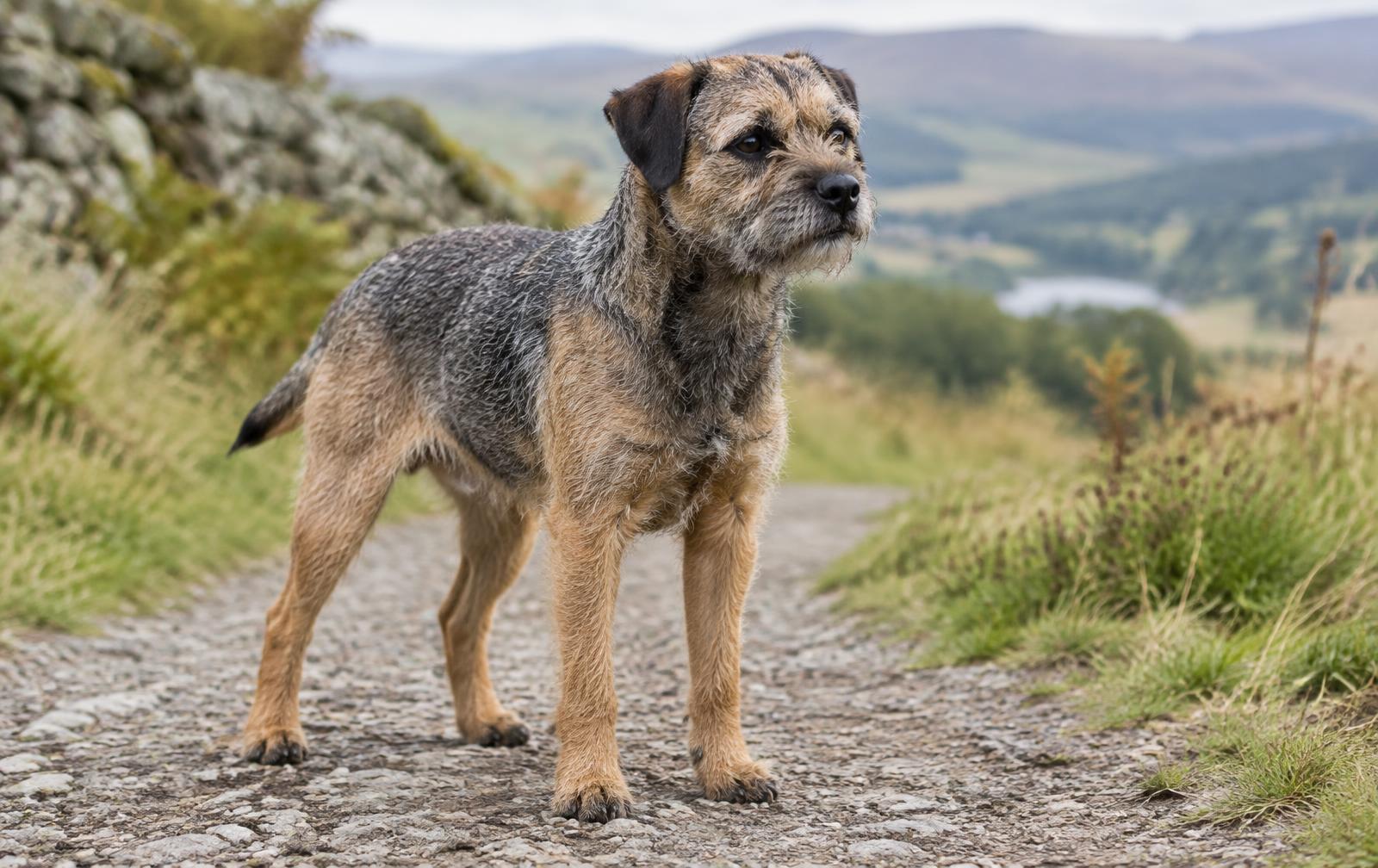
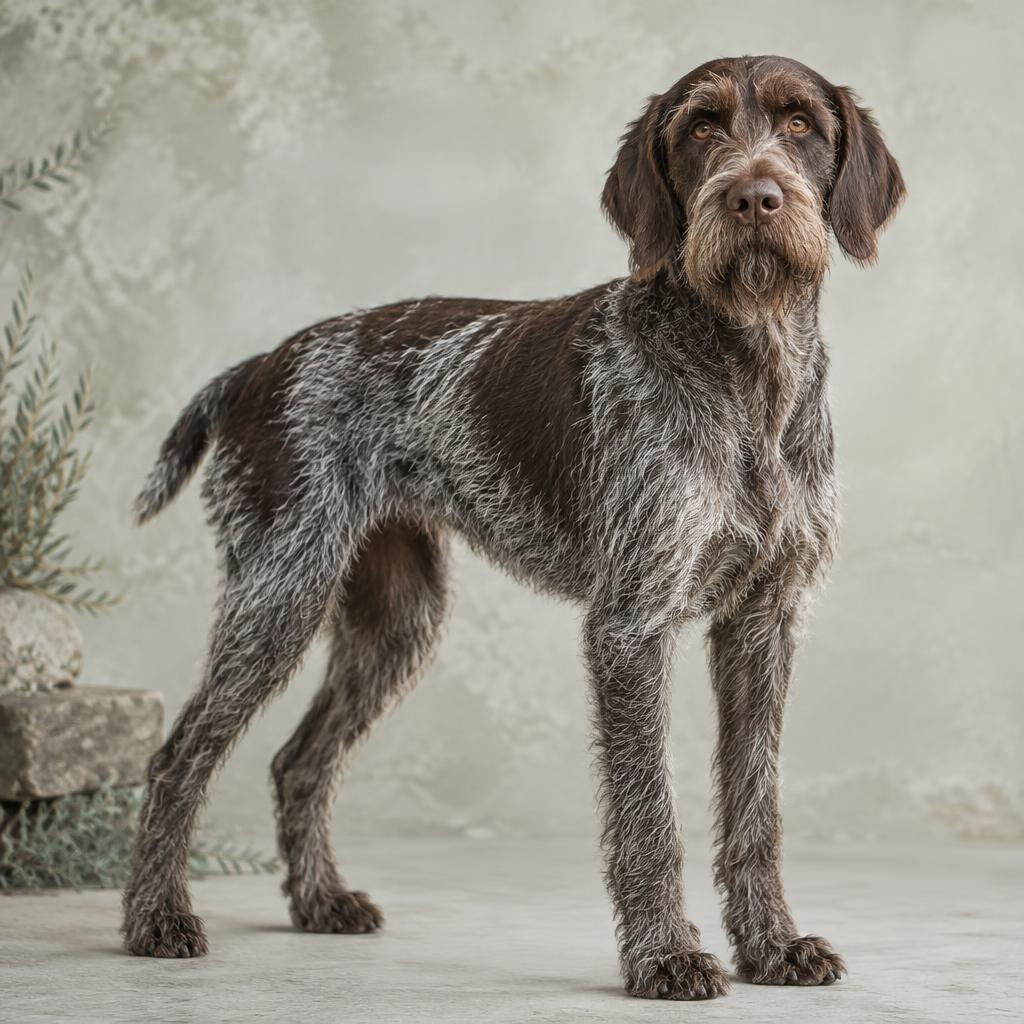
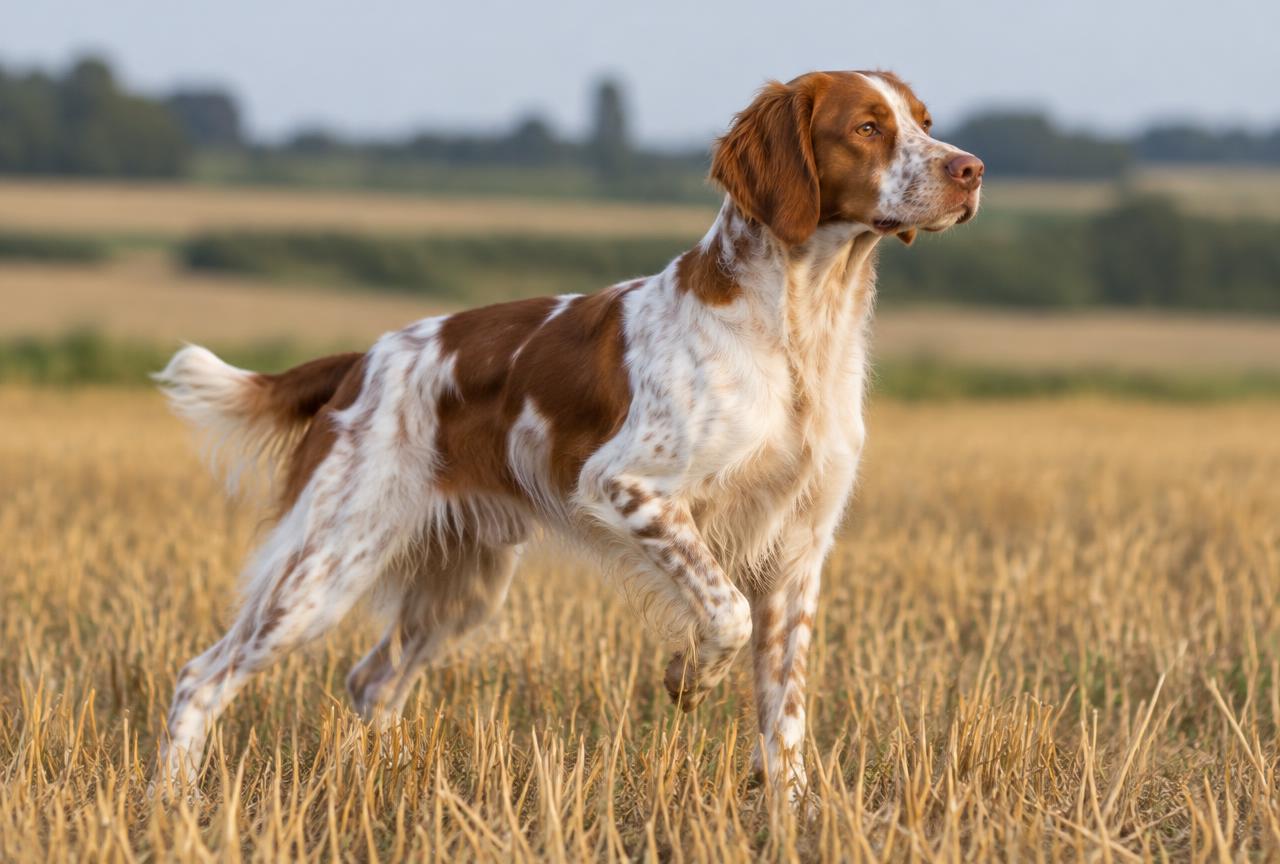
| Rhodesian Ridgeback | 29 to 41 kg | 8/10 | 3/10 | €108 |
| Border Terrier | 5.1 to 7.1 kg | 7/10 | 5/10 | €142 |
| Wirehaired Pointing Griffon | 23 to 32 kg | 8/10 | 5/10 | €98 |
| Brittany | 14 to 20 kg | 9/10 | 4/10 | €143 |
Rhodesian Ridgeback questions, answered
How long do Rhodesian Ridgebacks live?
Rhodesian Ridgebacks typically live between 10 and 12 years. Keeping the dog lean, staying on top of hip and thyroid health, and responding quickly to any signs of bloat all help give a Ridgeback a good chance of a long, healthy life.
Do Rhodesian Ridgebacks shed?
Yes, Rhodesian Ridgebacks shed a moderate amount year round despite their short coat. Weekly brushing with a rubber curry brush or hound mitt is usually enough to manage loose hair, and the coat needs very little other maintenance.
What were Rhodesian Ridgebacks bred for?
Rhodesian Ridgebacks were developed in southern Africa by big game hunters, who needed a dog with the stamina to track lion over long distances and the sense to hold it at bay by circling, rather than engaging it directly.
Are Rhodesian Ridgebacks good with children?
Ridgebacks are generally loyal and tolerant with children they have grown up with, forming close family bonds. As with any large, powerful breed, interactions with young children should still be supervised and the dog well socialised from puppyhood.
Why is my Rhodesian Ridgeback reserved with strangers?
This reserved streak comes directly from the breed's guarding history and is normal rather than a sign of poor temperament. Early, consistent socialisation with new people and situations helps a Ridgeback grow into a confident, well-adjusted adult rather than one that becomes suspicious or reactive.
How much exercise does a Rhodesian Ridgeback need?
This is a high energy breed that needs well over an hour of varied exercise a day, ideally including secure off lead running. Without enough outlet, a Ridgeback can become restless or destructive indoors, so this is not a breed for a sedentary household.
What is dermoid sinus in Rhodesian Ridgebacks?
Dermoid sinus is a tubular skin defect, found along the ridge line and connected to the spinal canal, that occurs almost uniquely in this breed. It can become seriously infected if left untreated, which is why reputable breeders have every puppy checked by a vet before it leaves for a new home.
Sources
- Rhodesian Ridgeback breed standard, The Kennel Club
- Rhodesian Ridgeback breed information, American Kennel Club
- Canine health schemes and screening, British Veterinary Association
- Rhodesian Ridgeback breed health statistics, Orthopedic Foundation for Animals
- Caring for a Rhodesian Ridgeback, PDSA
Put it into practice
Reading that goes with this

Puppies
Crate Training a Puppy: A 14-Day Plan

Health
Dog Ear Infections: Signs, Causes and Treatment

Health
Why Is My Dog Panting So Much? Causes and Warning Signs
Behaviour
Why Do Dogs Eat Grass? What Vets Actually Think

Training
How to Stop a Dog Barking: A Practical Guide

Care
Dog Years to Human Years: The Real Science